by Laghe Andrews | Jul 11, 2025 | Latest |
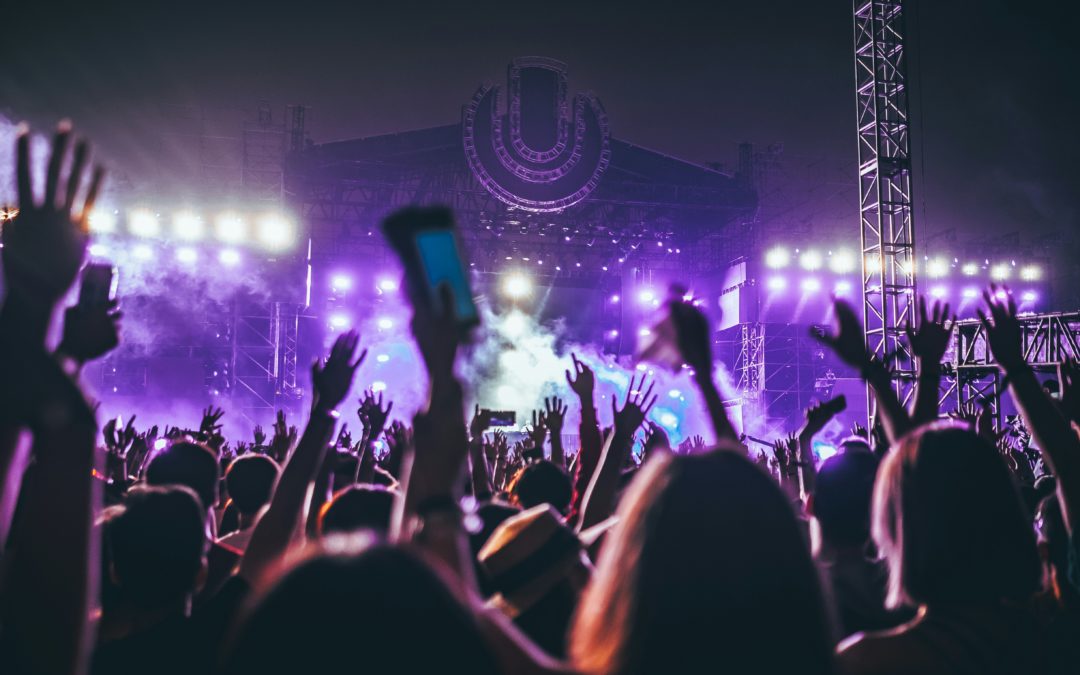
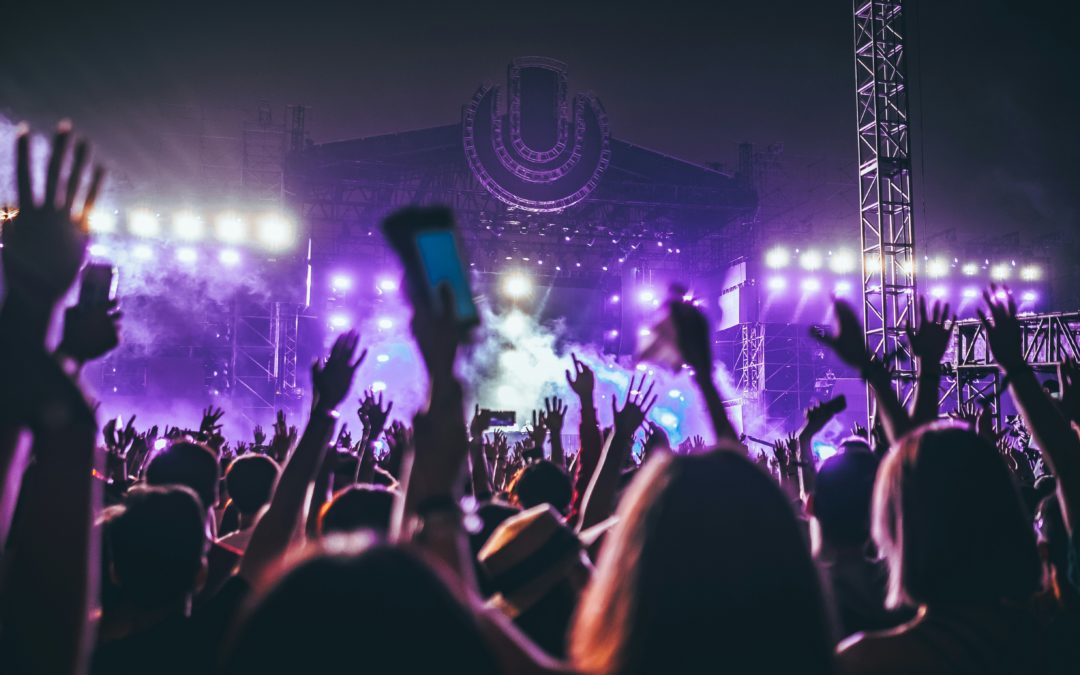
Photo by Hanny Naibaho on Unsplash
Lauryn Hill has long been celebrated as one of music’s most talented and impactful voices — a generational artist whose work transcends genre, time, and culture. However, in recent years, her name has often come paired with one recurring criticism: lateness. Despite her unparalleled legacy, Hill’s reputation for arriving late to concerts has overshadowed some of her artistry in public discourse.
This past weekend, at the annual Essence Festival of Culture in New Orleans, that same conversation sparked up again — but this time, it was met with a very different response. Rather than allow online speculation and negative assumptions to spiral out of control, the festival’s organizers stepped in forcefully and publicly to set the record straight.
Lauryn Hill headlined the multi-day event that draws in tens of thousands of fans every year to celebrate Black music, empowerment, and cultural pride. Her appearance, however, didn’t begin until 2:30 AM, hours past the expected time. Many online were quick to assume the delay was due to Hill’s personal tardiness — a familiar narrative — but the truth, as later revealed by Essence Festival itself, told a different story.
The Statement That Shifted the Narrative
In a rare move, the official Essence Festival social media account published a video clip from Hill’s performance along with a firm and unapologetic caption directly addressing the controversy. The post boldly declared that Lauryn Hill was not to blame for the delay, and instead praised her artistry and punctuality.
“Family is family, and around here we protect our own no matter what the PEOPLE have to say,” the post began, making it immediately clear where the organizers stood. “Let’s be very clear—WE don’t play about Ms. Lauryn Hill. Not for clicks. Not for headlines.”
The post continued to clarify:
“She arrived on schedule, stepped on that stage, and delivered the kind of performance only a legend can. The delay? Not hers. We will take that. The moment? One for the books. The legacy? Still unmatched. Put some respect on her name. Keep the takes, but keep her out of them. All love and deep profound admiration for Ms. Lauryn Hill.”
This act of public defense wasn’t just damage control — it was a deliberate and respectful effort to protect an icon who has often been the target of disproportionate criticism.
A Performance That Transcended the Hour
Despite the late start, Hill’s set was powerful, deeply soulful, and fully immersive. Backed by her band, her voice rang through the Superdome with passion and precision, reaffirming why she’s regarded as a once-in-a-generation talent. Fans who stuck it out until the early morning hours were rewarded with a performance many described as transformative.
Those in the crowd posted glowing reviews online, with many saying it was “worth every minute of the wait.” Some even called it a spiritual experience. Hill performed a range of classics from her seminal album The Miseducation of Lauryn Hill as well as songs from her Fugees days. Her stage presence — commanding, intentional, and emotionally raw — reminded everyone that despite the media noise, her musical impact remains untouched.
For an artist whose music has deeply shaped R&B, hip-hop, and neo-soul, this performance was not just another concert — it was a cultural reset.
A Star-Studded Weekend of Legends and Rising Stars
While Lauryn Hill’s set captured headlines, the entire Essence Festival weekend was packed with high-profile performances and unforgettable moments. The event, held annually in New Orleans since 1995, has grown into one of the most influential Black cultural festivals in the world. It brings together music, fashion, film, wellness, politics, and business under one umbrella.
This year, the lineup featured iconic performers such as Erykah Badu, Patti LaBelle, Babyface, and Ari Lennox, among others. The result was a rich blend of nostalgia and modern artistry that kept audiences dancing, reflecting, and celebrating for three days straight.
But one particularly poignant moment came from Master P, the New Orleans hip-hop mogul and entrepreneur, who used the Essence stage for his final public performance. Confirming to People magazine that he was officially retiring from music, Master P explained that he was moving into a new role as the President of Basketball Operations at the University of New Orleans.
“This is the next chapter of my life,” he said. “There’s so much negativity in hip-hop right now, and we don’t focus enough on the positive. I’m trying to lead by example. It’s time for me to give back in new ways.”
His decision to step back from music and focus on education and community leadership added a profound layer of inspiration to the festival. It’s a message that resonates with many attendees who view the Essence Festival as more than entertainment — it’s a catalyst for evolution, impact, and empowerment.
Essence Festival: More Than a Music Show
What makes the Essence Festival stand out isn’t just its concert lineup. It’s the way it integrates cultural conversation, political awareness, economic empowerment, and spiritual wellness into a single cohesive experience. During the daytime, festivalgoers attend panels and workshops covering everything from mental health and entrepreneurship to beauty trends and voting rights.
By night, the Superdome transforms into a temple of sound and celebration, where thousands come together to honor the richness of Black identity through music.
This year’s edition exemplified all of that. From deep discussions about generational wealth to performances that revived emotional memories, Essence proved again that it is a cultural institution, not just an event.
The Importance of Public Accountability
The festival organizers’ decision to publicly take responsibility for the delay in Lauryn Hill’s set sends a powerful message about accountability and artist protection, especially in a media environment that often thrives on outrage and controversy.
Too often, artists — particularly Black women — are subjected to harsh scrutiny without context or fairness. Hill, in particular, has been pigeonholed by a narrative that ignores her consistent excellence and instead highlights occasional late arrivals. The decision by Essence Festival to correct the record publicly represents a significant cultural stance: one that values truth over trend, respect over ridicule, and community over clicks.
By issuing a clear, transparent, and supportive message, the organizers helped shift the conversation away from gossip and back to what really matters — the music, the moment, and the message.
Reclaiming the Narrative
This incident offers a broader reflection on how we treat artists — especially legendary ones. Lauryn Hill is not a meme. She is not a headline. She is a cultural treasure who helped shape the sonic identity of a generation. Her album The Miseducation of Lauryn Hill remains a masterclass in lyrical depth, vocal brilliance, and emotional authenticity. It earned her five Grammy Awards and set a standard for artistry that few have matched since.
And yet, when delays happen, it’s often easier for audiences and media outlets to revert to past tropes rather than investigate the facts. The Essence Festival’s post served as a reminder that context matters — and that public figures deserve fairness.
A Weekend of Music, Legacy, and Transformation
In the end, the 2025 Essence Festival will be remembered not just for its big names or dazzling performances but for how it handled controversy with dignity and clarity. Lauryn Hill’s performance will be etched in the memories of those who stayed until nearly 3:00 AM to witness a true master at work. Master P’s retirement reminded fans of the power of reinvention. And the festival itself proved, once again, why it’s one of the most vital celebrations of Black culture in the world.
Essence didn’t just entertain — it defended, empowered, and celebrated. And in doing so, it delivered one of the most memorable weekends of the year.

by Jonathan P-Wright | Jul 11, 2025 | Latest |
Photo by Franki Chamaki on Unsplash
Kroger, one of the largest supermarket chains across the United States, has recently come under intense scrutiny after a TikTok video featuring its Juneteenth-themed desserts from an Atlanta location went viral, sparking widespread criticism. The desserts, especially cookie cakes decorated with the phrase “Free @ Last,” a reference to Dr. Martin Luther King Jr.’s famous “I Have a Dream” speech, were widely seen as poorly designed and culturally insensitive. This incident has reignited a broader dialogue about how large corporations approach holidays commemorating Black history and the pitfalls of performative allyship.
The Viral Video That Ignited the Backlash
The controversy began just before Juneteenth, when TikTok user blaq monalisa uploaded a video highlighting the lackluster efforts by her local Kroger bakery to honor the holiday. In her clip, which has since garnered over 12 million views, she expresses disbelief and frustration at the subpar quality of the desserts. “This is some bulls**t,” she says bluntly, contrasting the attention Kroger pays to other holiday desserts with what she perceives as an afterthought for Juneteenth.
The video shows shelves filled with cookie cakes that appear hastily decorated with uneven and off-center lettering. One cake simply read “FREE,” while another carried a seemingly misplaced “Congratulations” sticker. The most widely discussed item, the “Free @ Last” cake, was intended as a tribute but instead was viewed by many as trivializing a significant cultural moment.
Social Media Reacts With Outrage and Sarcasm
The response across social media platforms was swift and overwhelmingly negative. Thousands of people voiced their disappointment, frustration, and disbelief. Many argued that Kroger would have been better off ignoring the holiday entirely than releasing what they considered lazy and disrespectful products.
One commentator quipped that the cakes resembled “welcome home” treats for inmates, while others called the effort “diabolical” or “insulting.” Many highlighted the fact that Juneteenth marks a solemn occasion commemorating the end of slavery in America, making the lack of thoughtfulness in these desserts all the more egregious.
This episode is not an isolated one. Over recent years, corporations have repeatedly faced criticism for their mishandling of Juneteenth celebrations. For example, Walmart drew backlash for selling Juneteenth-themed ice cream and watermelon-flavored cakes, which many felt perpetuated harmful stereotypes and failed to show genuine respect for the holiday.
The Historical Significance of Juneteenth
Understanding why this controversy struck a nerve requires recognizing the deep importance of Juneteenth. The holiday commemorates June 19, 1865, when Union soldiers arrived in Galveston, Texas, to announce the emancipation of enslaved Black people—over two years after President Abraham Lincoln signed the Emancipation Proclamation.
Juneteenth symbolizes both the triumph of freedom and the persistence of racial injustice. For many Black Americans, it is a day of remembrance, reflection, and celebration of resilience. Given this profound significance, corporate gestures honoring Juneteenth demand thoughtful, culturally aware execution rather than superficial marketing.
Kroger’s Official Response
Following the viral video and subsequent uproar, Kroger issued a statement to Fox News acknowledging the problem and distancing the company from the decisions at the store level. A spokesperson said, “The cakes and cookies that were featured in the video were inconsistent with our provided guidance and not of the quality we would expect to see from our stores.”
They confirmed that the products in question had been removed and that the matter was addressed with both the store team and the customer who posted the video. However, many critics felt the statement fell short by not including a direct apology or outlining steps Kroger would take to prevent similar missteps in the future.
Corporate America’s Ongoing Struggle With Cultural Sensitivity
Kroger’s incident is symptomatic of a broader issue: corporations frequently struggle to genuinely engage with culturally significant holidays. Their efforts often fall into performative allyship—a superficial display of solidarity designed more to protect brand image than to meaningfully honor the communities involved.
In 2022, Walmart’s release of Juneteenth ice cream flavor swirled with red velvet and cheesecake sparked backlash and was eventually pulled from shelves. Critics accused the company of commodifying a painful history for profit.
Experts emphasize the difference between acknowledging a holiday and fully understanding its emotional and historical context. Historian Marcus Allen notes, “Brands need to move beyond surface-level gestures and engage in authentic, ongoing relationships with the communities they claim to serve.”
How Could Kroger Have Done Better?
Many voices in the conversation suggest that Kroger’s blunder could have been avoided through more inclusive planning processes. Involving Black employees, cultural consultants, or local community leaders in the creation and approval of Juneteenth displays would likely have produced more thoughtful and respectful results.
Some recommendations include:
- Donating a portion of profits from Juneteenth merchandise to organizations advancing racial justice.
- Highlighting and supporting Black-owned brands and vendors during June.
- Creating educational materials that inform customers about Juneteenth’s history.
- Hosting community events that elevate Black voices and culture.
Such efforts require more time and care than simply decorating cookie cakes with hastily written slogans but have a far greater impact on building trust and showing genuine respect.
The Importance of Authentic Representation
As consumer awareness grows, brands face increasing pressure to go beyond marketing optics. Authenticity and meaningful representation have become non-negotiable. A single misstep, like Kroger’s “Free @ Last” cake, can quickly escalate into a national controversy, damaging credibility.
This reality underscores the importance of diversity in leadership and marketing teams. Authentic celebration of cultural milestones comes from understanding lived experiences, not from last-minute product ideas.
Conclusion: Learning From Mistake
Kroger’s Juneteenth cake controversy serves as a cautionary tale for corporations everywhere. It illustrates how easily good intentions can be undermined by poor execution and the failure to prioritize cultural sensitivity.
The path forward for companies hoping to honor Black history and culture is clear: listen actively, involve community voices, commit to education, and act with genuine respect.
Only then can they hope to transform symbolic gestures into meaningful celebrations that honor the weight and dignity of days like Juneteenth.
by Jonathan P-Wright | May 23, 2025 | Latest, Music News, New Music Alert |
Photo by Hanny Naibaho on Unsplash
Memphis rapper Key Glock stands at a pivotal crossroads in his career, ready to usher in a new chapter that honors his past while boldly embracing the future. As he gears up to release his much-anticipated album Glockavelli, fans are also buzzing about a treasure trove of unreleased music he recorded with the late Young Dolph—his mentor, friend, and a legendary figure in the hip-hop community.
For years, Key Glock built his career on the foundation of independence. As an artist who valued creative control and authenticity, Glock defied the conventional industry path by thriving without a major label’s backing. His steady rise became a blueprint for independent artists striving to make a name for themselves in a saturated market. Yet even with all his success, Glock knew his evolution required something more. He was clear-eyed about the next level of his career ambitions, and those ambitions extended beyond streaming numbers and independent accolades.
In an interview with Billboard, Glock openly reflected on his journey, saying, “I feel like I exceeded my goals as an independent artist.” This statement captured the essence of his accomplishments to date, but also hinted at his hunger for growth. For Key Glock, success isn’t just about where he is now—it’s about the heights he’s determined to reach next. “At this point, I’m just working with people that have been operating on the level I already saw myself on,” he shared. His vision includes platinum records and more industry recognition—achievements that come with strategic alliances and bigger platforms. “In this next chapter, I’m planning on getting platinum albums and more plaques.”
The decision to partner with a major label, specifically Republic Records, marked a turning point. Yet, unlike many artists who sign major deals chasing fame or quick cash, Glock’s choice was deeply personal and profoundly influenced by the late Young Dolph. The bond between Dolph and Glock went beyond mentorship—it was rooted in brotherhood, trust, and shared dreams for success on their own terms.
Dolph’s tragic death in Memphis in November 2021 sent shockwaves through the music world. But even before his passing, Dolph was preparing Key Glock for the future. Glock recounted a powerful conversation that took place just one week before Dolph was killed. “The week before Dolph passed in Memphis, him, Daddy O, and a couple more of our circle just had a regular talk, a round table talk,” Glock remembered. “And it was so crazy—Dolph said, ‘If anything go left, like, if anything happens to me, take Glock to the majors.’”
This moment wasn’t just a casual suggestion; it was a directive laced with foresight and urgency. Dolph, who had carved out a legendary status as one of the biggest independent rappers in the game, knew the value of autonomy. Yet, he also recognized the advantages that could come from strategic partnerships with major labels—resources, exposure, and the financial muscle to elevate careers to new levels. “There was always me and him in talks anyway,” Glock explained. “I never wanted to be the biggest independent artist. That was his thing… I never wanted to take that away.” But both understood the reality of the business: “We always knew how much money we could make with a major.”
Signing with Republic Records was not a decision taken lightly. Glock emphasized that it wasn’t about desperation or abandoning independence out of necessity. “It wasn’t even needed now,” he clarified. “It just was okay. I know bruh wanted me to do this, and he didn’t say it for no reason, and it wasn’t no coincidence he said it like a week before.” There’s a bittersweet weight to that timing, but also a profound sense of destiny.
Key Glock’s rise to prominence isn’t just a story about a rapper gaining fame—it’s a narrative about legacy, resilience, and the complex realities of navigating the music industry as an independent artist who eventually embraces a larger platform. His last major project, Glockoma 2, released in 2023, was met with both critical acclaim and commercial success. Songs like “Sucker Free” and “Let’s Go” showcased his distinctive style—raw, unapologetic, and undeniably Memphis in spirit.
But the story doesn’t end there. Beyond his solo success, fans have long been eager to hear more from the duo of Glock and Dolph. Their collaborations have become essential parts of the Memphis rap canon, blending Dolph’s charismatic leadership with Glock’s fierce energy. The vault of unreleased music they left behind is described by Glock as “unlimited.” This cache of material holds the promise of extending Dolph’s legacy and offering fans more insight into the creative synergy they shared.
Speaking with The Breakfast Club, Glock teased the imminent arrival of this music: “It’s en route. I’ma just let y’all know, it’s en route.” Despite his eagerness to share this work, Glock also highlighted the importance of timing and strategy. “Really, it ain’t up to me,” he admitted. “You ask me, I’ll drop a tape every month. That’s how much music I got, but you just gotta be strategic with stuff.” This statement reveals his growing understanding of the music industry’s intricacies—releasing music too quickly can undermine its impact, while carefully timed drops maximize reach and resonance.
Early in his career, Glock’s approach to releasing music was much more immediate. “I never understood that s**t,” he said candidly. “Like, my first two, three years in the game, as soon as I recorded something, I was ready to put it out.” This impatience is common among emerging artists driven by passion and the desire for validation. However, over time, Glock has learned to balance creativity with patience. “But I didn’t understand the industry at the time like I do now.” This shift from impulsive release to deliberate strategy marks his maturation as an artist and entrepreneur.
What’s compelling about Key Glock’s journey is how it reflects a broader narrative in hip-hop—the tension between independence and mainstream success. Many artists pride themselves on staying independent, controlling their own careers, and owning their masters. But the realities of the industry—marketing power, distribution reach, and financial backing—often push artists toward partnerships with major labels to scale their success.
For Glock, this partnership is also a tribute to Dolph’s vision. It’s about honoring the mentor’s belief in him and continuing the mission they started together. Dolph’s legacy isn’t just the music he made, but the path he paved for artists like Glock to thrive on their own terms.
The upcoming Glockavelli album symbolizes this duality. Its title alone evokes a sense of homage and evolution—melding Glock’s identity with the reverence he holds for hip-hop legends like Tupac Shakur, who was famously nicknamed “Makaveli.” Fans can anticipate a project that’s not just a collection of tracks but a carefully curated statement of where Key Glock stands today as both an artist and a businessman.
The broader impact of this album and the unreleased Dolph collaborations extends beyond Memphis or even hip-hop. It’s a narrative about mentorship, legacy, and the ways artists navigate grief, ambition, and industry pressures. For a generation of listeners who grew up watching Dolph and Glock rise, this music offers more than entertainment—it’s a connection to culture, history, and resilience.
Key Glock’s story also highlights the emotional weight artists carry. Losing Dolph was a devastating blow. But instead of letting grief stall his career, Glock channels that pain into purpose. “We had this whole plan,” he shared. “We knew where we could go if we played our cards right.” The music and strategic partnerships are the realization of that plan, an homage to the past and a beacon for the future.
As Glockavelli prepares to drop and the unreleased tracks with Young Dolph approach release, the hip-hop community watches closely. Key Glock’s evolution from an independent artist to a major label contender embodies the complexities of modern music careers. It’s a testament to growth, perseverance, and the enduring power of mentorship.
In a world where artists often face pressure to sacrifice their creative vision for commercial success, Glock’s journey offers a blueprint for balancing both. It’s about honoring your roots while adapting to new realities—an essential lesson for any artist navigating the ever-changing music industry.
Looking ahead, Key Glock’s mission is clear: to cement his legacy, elevate Memphis’s voice on the global stage, and keep the spirit of Young Dolph alive through every verse, every beat, and every project.
by Jonathan P-Wright | May 23, 2025 | Latest, Music News |
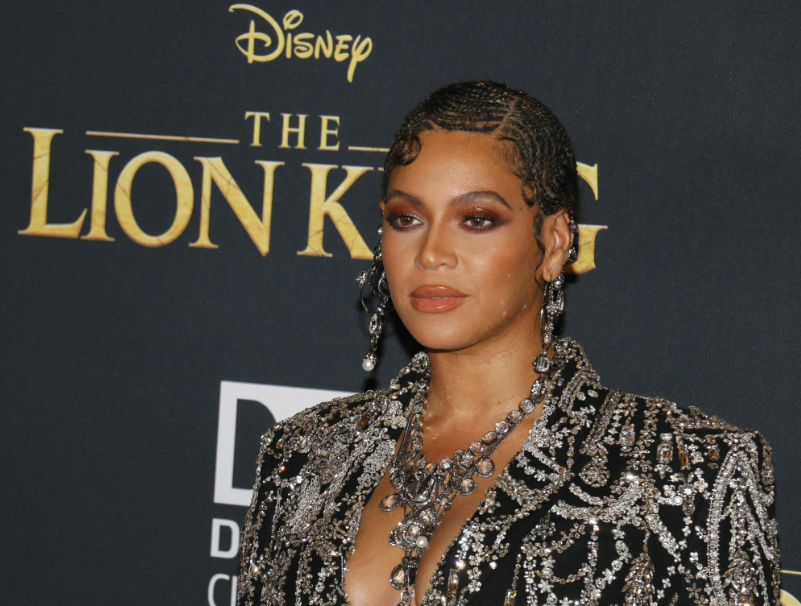
Image credit: Tinseltown / Shutterstock.com
Beyoncé marked the highly anticipated launch of her Cowboy Carter Tour with a grand spectacle at Los Angeles’s SoFi Stadium. The nearly three-hour-long show was a dynamic fusion of country music traditions, pop, R&B, and the vibrant aesthetics of ballroom culture. But beyond just entertainment, it was a profound celebration of Black creativity and an unflinching statement about identity, artistic ownership, and cultural legacy in America.
From the very outset, the evening made it clear that this wasn’t just another concert—it was a powerful act of reclamation. Boldly illuminated on the stadium’s massive screens were the words: “Never ask permission for something that already belongs to you.” This phrase resonated throughout the performance as a defiant assertion that Beyoncé, and the cultural heritage she represents, cannot be boxed in or denied rightful space.
Opening the Show: A Reverent and Revolutionary Introduction
Beyoncé began the evening with “AMERIICAN REQUIEM,” a track from her recent projects that confronts the complicated realities of American patriotism filtered through the Black experience. The somber, atmospheric song set a contemplative tone, leading seamlessly into a stirring rendition of The Beatles’ “Blackbird,” a classic symbol of struggle and hope during the Civil Rights era.
But Beyoncé’s tribute didn’t stop there. She followed “Blackbird” with a Jimi Hendrix-inspired version of “The Star-Spangled Banner,” reimagining the national anthem in a way that layered reverence with critical commentary. While Hendrix’s legendary 1969 Woodstock performance used the anthem to protest the Vietnam War and highlight racial injustice, Beyoncé’s take echoed this tradition of resistance and renewal.
As the anthem played, the stage visuals paid homage to Black trailblazers in country music history, a genre often viewed through a narrow lens as predominantly white. Images of Linda Martell—the first Black woman to sing at the Grand Ole Opry—and other overlooked pioneers filled the backdrop. With sincerity, Beyoncé addressed the audience: “I want to thank all of those who came before me. Thank you for giving me the creative liberty to challenge myself.” Her gratitude was also a subtle demand for recognition of the Black roots that run deep within country music’s history.
Clad in an all-white leather Mugler ensemble and a classic cowboy hat, Beyoncé embodied both a modern icon and a nod to country’s storied past. Her presence was a reminder that she is not just an artist dabbling in a genre but one with a profound connection to its heritage, and the creative prowess to expand its horizons.
Country Music Reclaimed and Revolutionized
The Cowboy Carter Tour is not a simple fusion; it’s a purposeful excavation and reinvention. Country music, often stereotyped as the domain of rural white Americans, actually owes much of its origin to Black musicians, who infused it with blues, gospel, and storytelling traditions. Yet, Black voices have historically been marginalized or erased from country’s mainstream narrative.
Beyoncé’s tour actively challenges this erasure. By merging traditional country sounds—twanging guitars, fiddles, and steady rhythms—with her signature blend of pop and R&B vocals, she dismantles preconceived notions. The aesthetic touches, like cowboy hats and boots, are not costumes but symbols of heritage, worn with pride and layered with contemporary flair.
This deliberate melding of styles invites the audience to reconsider what country music can be. It’s a statement that genres are fluid and that cultural ownership is complex and intertwined.
Family Ties: The Heart of the Show
Family is a cornerstone of Beyoncé’s public persona, and the Cowboy Carter Tour showcased this beautifully. Throughout the night, her eldest daughter Blue Ivy appeared onstage, moving fluidly with the backup dancers during energetic numbers such as “YA YA,” “SWEET ★ HONEY ★ BUCKIIN’,” and the politically charged “AMERICA HAS A PROBLEM.”
Blue Ivy’s presence was more than a cute addition—it symbolized generational continuity, the passing of a creative torch, and the nurturing of a legacy that goes beyond music. Dressed in outfits that mirrored the show’s Western theme, Blue’s confident stage presence signaled that she is carving her own artistic path while honoring her roots.
Another rare and emotionally charged moment came during “PROTECTOR,” when Beyoncé’s youngest daughter, Rumi, made a brief appearance. Waving to the crowd with a bright smile, Rumi’s presence softened the intensity of the concert and reminded fans of the deeply personal motivations behind much of Beyoncé’s work.
Further tying the past to the present, Beyoncé performed a solo rendition of “Deja Vu” that revived choreography from her B’Day era, creating a beautiful bridge between her past artistic phases and her current creative vision.
Echoes of the Renaissance and Ballroom Elegance
Although the Cowboy Carter Tour focuses on country influences, Beyoncé’s signature RENAISSANCE era sound and aesthetic also surfaced prominently. The show’s fluidity between genres was one of its defining features.
One highlight was her performance of “TYRANT” atop a mechanical bull, a visually striking and metaphorically rich moment. The bull, a classic symbol of country and rodeo culture, was transformed into a stage prop that underscored Beyoncé’s control and dominance over the genre she was claiming.
From there, the concert transitioned into a ballroom-inspired segment featuring songs like “I’M THAT GIRL,” “COZY,” and “ALIEN SUPERSTAR.” These performances were a celebration of Black queer culture, ballroom voguing, and self-expression, showcasing Beyoncé’s commitment to amplifying marginalized voices within her artistry.
During “YA YA,” Beyoncé was seated on a throne while a robotic arm poured her whiskey—a futuristic yet Southern tableau that juxtaposed tradition with innovation, heritage with progress.
Visuals as Political and Cultural Commentary
Beyoncé has always been masterful at embedding powerful messages within her visual presentations, and the Cowboy Carter Tour was no exception. Throughout the show, visuals reinforced themes of resistance, empowerment, and reclaiming what rightfully belongs to Black artists and communities.
One of the most striking scenes depicted Beyoncé in a tense gun duel against an older white cowboy figure. Bullets bounced harmlessly off her body, a metaphor that spoke volumes. It referenced her experience being snubbed by Nashville’s predominantly white country music establishment and the broader struggle for Black artists to gain recognition and respect in genres dominated by white narratives.
Later, in a showstopping moment, Beyoncé flew above the crowd on a glowing pink neon horseshoe during “DADDY LESSONS.” This song has long been understood as a tribute to her father and a reflection on lessons of love, loyalty, and strength drawn from her Texas upbringing. Her aerial performance was both literal and symbolic—lifting Black country music to new heights.
Following that, she transitioned to a flying convertible decked out with an American flag as she performed “16 CARRIAGES,” a song layered with themes of burden, femininity, and resilience. These high-flying visuals encapsulated the show’s dual messages of celebration and defiance.
A Setlist Full of Surprises and Homages
The musical journey Beyoncé took her audience on was carefully curated to blend nostalgia, innovation, and cultural significance. She wove snippets of Destiny’s Child hits like “Bills, Bills, Bills” into newer material such as “THIQUE,” creating a multi-generational experience.
One viral moment was her refreshed performance of “Diva,” which had garnered attention online prior to the tour. It served as a testament to her ability to keep reinventing herself and staying culturally relevant.
Another notable highlight was her take on Dolly Parton’s “JOLENE.” Rather than a straightforward cover, Beyoncé infused the classic with her own signature flair and a beat inspired by New Orleans bounce music—a genre deeply connected to Black musical innovation. This reimagining honored Dolly’s influence while asserting Beyoncé’s ownership and reinterpretation of the narrative.
The concert reached a climactic crescendo with a remixed version of “TEXAS HOLD ‘EM,” which then transitioned smoothly into the iconic “Crazy in Love.” Although fans were eager for a guest appearance from JAY-Z, who famously duets on the latter, he did not join Beyoncé on stage. Still, her solo performance was magnetic enough to command the crowd’s undivided attention.
The Cultural Impact and Future Stops
The Cowboy Carter Tour is much more than a high-profile tour—it’s a cultural milestone. Beyoncé is not simply showcasing her talents but is actively challenging the cultural gatekeepers and re-centering Black voices in spaces where they have been historically marginalized.
Her choice to spotlight Black country pioneers, blend genres, and bring her family into the spotlight is a multi-layered strategy that advances discussions about identity, inclusion, and creative freedom.
The tour will continue with additional shows in Los Angeles before making stops in Chicago, New Jersey, London, Paris, Houston, Washington D.C., Atlanta, and concluding in Las Vegas in July. Given the groundbreaking nature of the opening night, audiences worldwide can expect a tour filled with spectacle, meaning, and unapologetic Black excellence.

by Jonathan P-Wright | May 16, 2025 | Latest, Music News |
Image credit: credit: Tinseltown / Shutterstock.com
Ciara has always known how to make an entrance, but this time, she’s sending shockwaves through the internet with a teaser so provocative, it has fans gasping, laughing, and begging for more. With a single photo, the Grammy-winning R&B icon has reignited excitement around her music — and reminded the world that her sensuality, star power, and creative fire are still very much intact.
This week, Ciara took to social media to unveil a smoldering image teasing her upcoming single, “Ecstasy,” and to say it got attention would be an understatement. In the photo, the superstar is seen poised on all fours on a pool table, wearing barely anything and exuding a confidence that only two decades of dominance in the music industry can deliver. With sultry lighting, a teasing gaze, and that unmistakable aura of star quality, the image immediately sparked conversation across platforms.
From Instagram to X (formerly Twitter), fans didn’t just double-tap — they spiraled. Comments poured in almost instantly, many filled with thirst, admiration, and unfiltered excitement for the single’s release. “She’s coming! Russell, it’s our turn. Get off her. We want the new music! Don’t be stingy!” joked one fan on Instagram, playfully calling out Ciara’s NFL-star husband, Russell Wilson, for keeping her too busy with family life. Others were more reverent, praising the singer’s age-defying beauty and ability to command attention like it’s 2004 all over again. “That’s one bad sister right there. She’s aging backwards,” said another fan on X, accompanied by fire emojis and throwback clips of Ciara’s iconic dance moves.
But the buzz isn’t just about looks — it’s about legacy. Ciara’s upcoming single “Ecstasy” marks a long-anticipated return to the music scene. It’s been several years since the release of her 2019 studio album Beauty Marks, and fans have been vocal about craving new music from the multi-talented performer. According to insiders, Ecstasy is set to drop on April 4, and if the teaser is anything to go by, this track will be sensual, stylish, and unapologetically bold — all the things we’ve come to expect from the Atlanta-bred star.
Adding even more excitement to the mix is the news that the music video for Ecstasy is directed by none other than Diane Martel — a name that carries weight in the music video world. Martel is the creative mastermind behind some of Ciara’s most iconic visual work, including “Promise,” “Like a Boy,” “Love Sex Magic” featuring Justin Timberlake, and the unforgettable “Ride,” which famously got banned from BET for its provocative imagery. With Martel at the helm, Ecstasy promises to deliver the kind of cinematic, sultry visuals that helped define Ciara’s artistic image in the first place.
For longtime fans, this moment feels like a full-circle return. Ciara isn’t just releasing a new single — she’s reminding the world of who she is: a visionary artist, a dancefloor icon, and a woman fully in charge of her narrative. At 38, with four children and a high-profile marriage, Ciara continues to balance the roles of mother, wife, entrepreneur, and performer with a grace that few in the entertainment industry manage to maintain. Her ability to switch effortlessly between family life and stage life is one of the many reasons fans continue to root for her — and why her comeback is being celebrated as both a cultural reset and a personal triumph.
It’s worth noting that Ciara’s impact goes far beyond her music. She has consistently pushed boundaries throughout her career — musically, visually, and socially. Her 2004 debut album Goodies introduced a new kind of R&B/pop hybrid, infused with crunk beats and slick choreography. Tracks like “1, 2 Step” and “Oh” became anthems of the early 2000s, while “Promise” and “Like a Boy” showcased a vulnerability and creative depth that set her apart from her peers. She has often used her platform to explore themes of empowerment, femininity, and transformation — and Ecstasy seems poised to continue in that tradition.
Ciara’s artistry has always been closely tied to her visual identity, and the teaser for Ecstasy is a masterclass in modern-day branding. The aesthetic is sleek, sultry, and striking — clearly designed to generate hype, but also to establish a tone. In a sea of pop releases that often feel disposable, Ciara’s teaser image manages to feel like an event. It’s not just a promo photo — it’s a statement of intent.
This is a woman reclaiming her narrative on her own terms. And fans are here for it.
Of course, with any major celebrity moment, there are critics. Some questioned the provocative nature of the teaser, citing her role as a mother and wife. But that discourse, too, feels dated — as if women can’t be sensual and maternal, confident and nurturing, all at once. Ciara has never shied away from embracing all aspects of her identity, and her fans are quick to defend her right to express herself freely. “Being sexy isn’t something you age out of,” one X user commented. “Ciara’s owning her body, her artistry, and her power. That’s real grown-woman energy.”
The anticipation around Ecstasy is more than just fandom — it’s cultural. Ciara represents a generation of Black female artists who changed the sound and style of pop music, and her continued presence in the industry is a reminder of that era’s enduring influence. As TikTok creators remix her old choreography and Gen Zers discover her catalog, Ciara’s legacy continues to evolve in real-time.
With April 4 quickly approaching, all eyes are on what Ciara will deliver. If the teaser is anything to go by, Ecstasy won’t be just another single — it’ll be a moment. A reclaiming. A celebration. A spark.
And with Diane Martel back in the director’s chair, a fire track on the horizon, and a fanbase already in a frenzy, one thing’s clear: Ciara isn’t coming back quietly. She’s coming back on her own terms — powerful, provocative, and fully in her element.
Let the countdown begin.

RECENT COMMENTS