
Lil Durk uncovers new visual for “Watch Yo Homie”
The track can be found on ‘Just Cause Y’all Waited 2 (Deluxe). Back in June, Lil Durk freed the deluxe version of his most recent music collection Just Cause Y’all Waited 2,

The track can be found on ‘Just Cause Y’all Waited 2 (Deluxe). Back in June, Lil Durk freed the deluxe version of his most recent music collection Just Cause Y’all Waited 2,

Photo by Glenn Carstens-Peters on Unsplash
Now streaming globally on Apple TV and Prime Video—with fresh episodes rolling onto Ray J’s reality-first TRONIX Network—the most captivating “modern-witch” reality saga on television is rewriting what spirituality, family, and Black entrepreneurship look like on screen.
If you come to The Conjure Family expecting horror tropes and jump scares, you’ll be disarmed in the first fifteen minutes. This reality docuseries centers matriarch Lala Inuti Ahari and her daughters—Tina, Chaela, and Eria—as they navigate real life: sisterhood fractures, romantic drama, and boardroom pressure inside a fast-growing metaphysical brand. Their “witchcraft” isn’t the sensationalized Satanic panic of old. It’s a blend of African-rooted hoodoo, ancestral reverence, ritual, therapy-adjacent introspection, and frank conversations about healing the self while building an intergenerational business.
Their operation is powered through The Conjure—a deeply curated metaphysical brand that offers candles, spells, ritual tools, spiritual coaching, and products designed to help people manifest, heal, and connect with lineage.
On screen, rituals are presented less as spectacle and more as cultural technology—tools for centering, boundary-setting, and relief from the stressors of ambition and family conflict. Viewers who’ve ever used candles, sage, prayer, or journaling to process emotions will recognize the emotional logic here. Critics have framed it as “the reality show you didn’t know you needed,” precisely because the spiritual through-line functions like group therapy: it names tension, then attempts to move through it. That’s why the series lands as psychologically therapeutic to many—cathartic, clarifying, and surprisingly intimate.
The show’s footprint is serious. The Conjure Family premiered on Apple TV with Season 1 episodes rolling out June 30, 2025, and is available on Prime Video as a full season purchase—placing the Ahari family inside two of the world’s most important streaming storefronts from day one.
And now, in a savvy move that fits the show’s reality-leaning DNA, the series has joined TRONIX Network—the reality-driven streaming platform launched by Ray J, who has invested millions to bring TRONIX to life. TRONIX positions itself as “Reality Reborn,” and its September debut of The Conjure Family extends the franchise into a platform built expressly for high-energy unscripted culture.
Why that matters: Apple TV and Prime Video give The Conjure Family global reach and credibility, while TRONIX offers cultural specificity and promotional firepower inside the exact audience that devours messy, magnetic reality storytelling. It’s the best of both worlds: blue-chip distribution and an agile, reality-native stage.
From the pilot, the series refuses to flatten this family into archetypes. Episode 1 frames an explosive Tina-Chaela blow-up that splits the household, while a messy ex stirs chaos and Lala’s business faces a make-or-break crossroads. It’s raw without being exploitative, and spiritual without going soft on accountability. The tension is not “who summoned a demon,” but who’s telling the truth, who is projecting pain, and what ritual—and conversation—can metabolize the moment.
Archetype: Matriarch, visionary, brand architect.
Why she resonates: Lala’s on-screen presence toggles between warm mentor and relentless operator. She is a globally respected spiritual alchemist, steering an eight-figure metaphysical brand while insisting on rigor in both ritual and business. She refuses the binary of “soft healer” vs. “hard-nosed executive.” In her hands, candles, herbs, and baths coexist with contracts, logistics, and strategic pivots.
Signature tension: Can you heal a family while scaling a company? For Lala, the answer is yes—but it costs. Her scenes often carry the emotional center of gravity: she gives language to pain, frames the ritual, then returns to the metrics. The frame never lets you forget that love and labor are both present.
Archetype: Big energy, bigger consequences, glass-shard honesty.
Why she resonates: Tina’s temper becomes the narrative spark in the premiere, but the camera is careful: anger here is grief’s bodyguard. Tina’s rawness surfaces what others swallow, and the edit treats her volatility as unprocessed tenderness rather than villainy.
Signature tension: Self-protection vs. vulnerability. Tina’s arc asks whether radical independence can coexist with the radical interdependence a family business requires.
Archetype: Mirror, mediator, keeper of receipts.
Why she resonates: Chaela can read a room like a tarot spread. She is less explosive than Tina, but her words carry impact precisely because they’re measured. When she breaks, you feel it—because she’s usually holding the line. The Tina-Chaela blow-up works as a thesis scene: sisterhood is a spiritual practice.
Signature tension: The cost of being “the balanced one.” Chaela’s restraint is a survival skill; the show asks whether it’s also a cage.
Archetype: Emerging power, playful veneer over serious gifts.
Why she resonates: Eria’s curiosity and humor act as a pressure valve. She’s often the one to translate ritual into relatable language, helping broader audiences see themselves in the work. You sense a future matriarch being forged in real time—apprenticeship by fire.
Where most reality shows hide the P&L, The Conjure Family puts it under fluorescent lights. Lala’s company—herbs, candles, baths, services—functions as both narrative engine and pedagogical tool. We watch vendor calls, manufacturing deadlines, packaging crises, marketing decisions. This isn’t a side hustle; it’s a multi-million-dollar enterprise that sits at the intersection of wellness and culture.
The series matters because it de-exoticizes practices that—when stripped of context—are often stigmatized. Here, rituals are framed within Southern Black traditions and diaspora memory. Core themes include matriarchal power, generational healing, and feminine leadership—an essential correction to decades of screen language that cast African-rooted practice as inherently sinister. By grounding ceremony in love, lineage, and labor, the show becomes an act of cultural literacy.
TRONIX is engineered for unapologetic reality TV—and Ray J has been candid about pouring capital and sweat equity into building a platform where “explosive reality shows take center stage.” With The Conjure Family onboarding to TRONIX, expect bonus drops, cast takeovers, and fandom-driven programming that a nimble network can spin up faster than legacy streamers.
And yes, Ray J. The R&B and TV mogul’s pivot into platform ownership has been widely reported. For a series that lives at the intersection of family, faith, and friction, having a network owner who intuitively understands unscripted rhythm is a force multiplier.
People don’t only watch to pick sides in a sister spat. They watch because the show models repair. It normalizes lighting a candle and calling a mediator; scheduling a bath and a budget meeting. The net effect? Fans describe feeling seen and soothed, not scared.
Cinematically, the show toggles between soft ritual palettes (amber candles, herb greens, bath blues) and hard-edged business lighting (glass conference rooms, warehouse fluorescents). The look tells a story: spirit and scale are co-protagonists.
Every beat in Season 1 circles three stakes:
The series believes the answer is yes—with ritual, boundaries, and receipts.
If you’ve ever wondered what intergenerational wealth-building looks like when it sits on an altar and an invoice, The Conjure Family is your syllabus.
The Conjure Family thrives because it’s counter-programming with consequences. It lets a Black matriarchal household be fully dimensional—tender, tactical, and yes, touched by magic—without inviting the cheap mystification that has long shadowed African-rooted practices on screen. Its “witchcraft” is work: naming wounds, mending bonds, and building a company that feeds a future.
That’s not demonic. That’s discipline—and a blueprint. Watch it on Apple TV or Prime Video to meet the Aharis, then follow the conversation as new moments land on TRONIX. If you’ve ever tried to transform your life while the bills kept coming and your family text thread wouldn’t rest, this show speaks your language—holy, human, and unabashedly here.
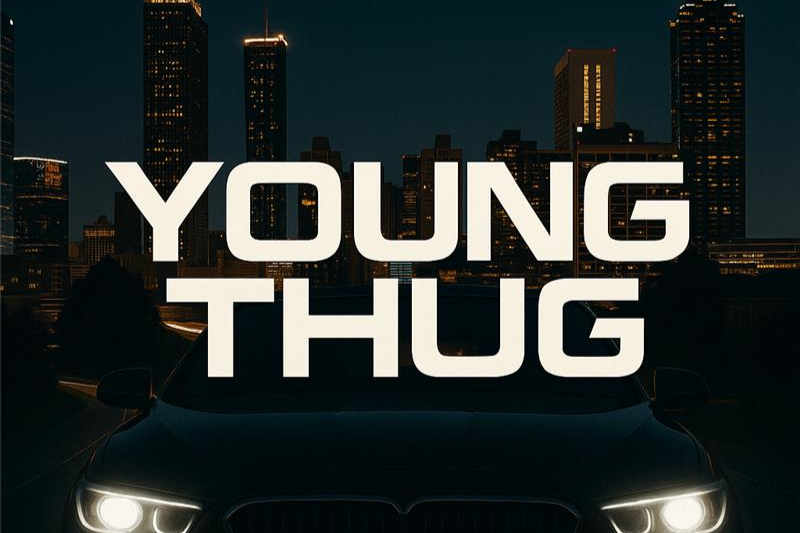
Young Thug’s new track Man I Miss My Dogs is more than a record—it’s testimony. In the wake of leaked prison calls and endless speculation, Young Thug steps back into the public eye with seven minutes of pure honesty. He doesn’t duck the moment. He doesn’t dilute the pain. Instead, he delivers a soul-bearing confession that shows the world he’s not only surviving, but transforming.
This song is a declaration that Young Thug has grown into a stronger, sharper, and better man through the fire of struggle.
The first verse speaks directly to Mariah the Scientist. Young Thug apologizes for lost moments and acknowledges the strain of separation. That vulnerability shows growth—he’s not hiding from accountability. He’s confronting it head-on.
Young Thug also speaks to collaborators like Drake, Lil Baby, Future, 21 Savage, and Gucci Mane. These aren’t just names; they’re connections that defined pivotal moments in his career. By calling them out with honesty and respect, Young Thug is extending his hand back toward unity. It’s a move that signals maturity and a desire to rebuild the bridges that life’s storms have shaken.
What makes Man I Miss My Dogs powerful is how it echoes with street loyalty. The streets have always been Young Thug’s backbone, and through this record he reminds everyone why he earned that loyalty in the first place. He’s not just spitting bars; he’s speaking life, speaking pain, and reminding the people that his story is still theirs.
Even in controversy, Young Thug’s transparency makes him more relatable. The same communities that once celebrated his rise can see the growth in his voice, the humility in his confessions, and the strength in his perseverance. He is becoming a better man—and that better man deserves the same streets that raised him to embrace him once again.
Young Thug has always stood on business. Loyalty. Integrity. Authenticity. Now, he’s showing the other side of that coin—reflection, humility, and growth. That duality is what separates artists who fade away from those who leave legacies.
Yes, Young Thug has made mistakes. But instead of letting the world define him by them, he’s choosing to transform through them. That’s what makes this chapter not a downfall, but a resurrection.
There’s a toxic culture that cheers when someone falls. But Man I Miss My Dogs flips that energy. Young Thug doesn’t need pity; he needs recognition that he has stood tall, admitted his flaws, and come back wiser. That’s when real support matters.
Now is the time for fans, for the streets, and for the culture to rally behind Young Thug—not to watch him collapse, but to witness his rise as a better man. Supporting Young Thug now means supporting growth, accountability, and the power of redemption.
🎥 Watch the official track now: Man I Miss My Dogs — Young Thug
📸 Follow Young Thug on Instagram: @thuggerthugger1
Take in the visuals. Absorb the message. Share the moment. Support the man who has turned pain into purpose.
Man I Miss My Dogs isn’t a cry for sympathy. It’s a declaration of resilience. It’s Young Thug showing the world that scars can turn into stories, that loss can become lessons, and that even when the world tries to break you, you can rise as a better version of yourself.
The streets made Young Thug. The people crowned him. And now, as he pours his soul into this record, the call is simple: give that love and support back. He has earned it not just through music, but through growth as a man.
Young Thug is no longer just surviving—he’s evolving. And that evolution deserves celebration, not condemnation.
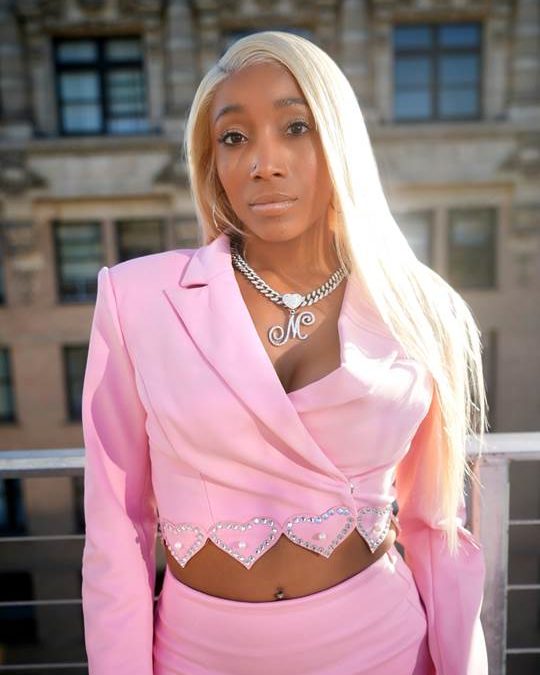
In today’s cultural landscape, the lines between music, fashion, media, and entrepreneurship are blurring. At the center of this intersection stands Monet Anaïs, a bold new visionary whose empire is built on resilience, authenticity, and unrelenting ambition. She is an independent recording artist, CEO & Founder of Boujie Empire Ent., Co-Editor-in-Chief of Black Vine News, Senior Writer for RNH Magazine, and a dealmaker in multimedia production.
But behind the titles and accolades lies a story of transformation—a story of how one woman turned her pain into promise, carving out a future that belongs not only to her but to every creative she empowers along the way.
Monet Anaïs is not a one-dimensional creative. She has positioned herself as a serial entrepreneur, building enterprises that stretch across multiple industries. Her vision is clear: create an ecosystem that allows women, minorities, and independent voices to thrive.
At the center of her growing empire is Boujie Empire Ent., her clothing and lifestyle brand. What began as an idea rooted in self-expression has evolved into a fashion movement, blending luxury streetwear with high-fashion aesthetics. Boujie Empire Ent. is not simply about apparel—it represents confidence, ownership, and cultural power. For women especially, it is a declaration: you can be bold, ambitious, and unapologetically yourself.
But Anaïs doesn’t stop at fashion. Her multimedia company encompasses:
Recently, Anaïs also inked a podcast distribution deal with MUSICHYPEBEAST, a powerful multi-faceted broadcast platform that houses 34+ podcasts, a Muck Rack (https://www.muckrack.com) verified media outlet, and a music distribution pipeline via EMPIRE. This partnership ensures her voice and the voices of her collaborators will be amplified on a global digital stage, while connecting her brand with an established powerhouse in independent music.
Monet Anaïs is also redefining media. As Co-Editor-in-Chief of Black Vine News and Artist Uncut, she curates narratives that highlight cultural disruptors, industry game-changers, and emerging female leaders. For Anaïs, journalism is not just storytelling—it’s an act of empowerment. She uses her editorial influence to celebrate diversity, truth, and progress in an industry often driven by sensationalism.
Her journalistic reach expanded even further when she became a Senior Writer for RNH Magazine (RESULTSANDNOHYPE) (https://www.resultsandnohype.com). In this role, she focuses on spotlighting surging female entrepreneurs, as well as HBCU students excelling in business, pharmacy, sports medicine, and journalism. By shining a light on these communities, Monet continues her mission to bridge opportunity gaps and showcase the brilliance of young leaders who are too often overlooked.
Her dual roles in media demonstrate her versatility. She is equally at home conducting in-depth interviews with innovators as she is crafting cultural essays that challenge traditional narratives. Through Artist Uncut and RNH Magazine, Anaïs has established herself as a media powerhouse committed to truth and cultural impact.
Though Anaïs thrives in business and media, her identity as a recording artist remains central to her legacy. Music is her most intimate expression, a mirror reflecting her triumphs and struggles.
Her catalog, available on Spotify, is a sonic journal of resilience, ambition, and survival.
Spotify: https://open.spotify.com/artist/3E1tWjq49IxBu7MZfXrz67?si=fdhTQgNrQ06OCIyMkhShNg
Her standout single ‘Down’ captures the essence of her artistry. The track is raw yet empowering, fusing emotional vulnerability with lyrical strength. In her words and melodies, Anaïs converts heartbreak into healing, turning her pain into a shared promise of hope for her listeners.
Her artistry is not just about sound—it’s about connection. Each performance, each song, is a bridge between her personal story and the universal experiences of her fans. In an industry dominated by fleeting trends, Monet Anaïs’s music stands out for its substance, depth, and authenticity.
As 2026 approaches, Monet Anaïs is not slowing down—she is accelerating. Her journey illustrates the blueprint of a modern mogul: one who seamlessly blends artistry with entrepreneurship, fashion with storytelling, and journalism with empowerment.
Her mission is grounded in a powerful mantra: convert pain into promise. Every obstacle she has faced has become a stepping stone, every setback an opportunity for reinvention. Whether through Boujie Empire Ent., her Spotify catalog, her Lookhu TV docuseries, her MUSICHYPEBEAST podcast partnership, or her journalism with Black Vine News and Artist Uncut, Anaïs is creating a multi-industry legacy rooted in empowerment, innovation, and cultural leadership.
Most importantly, Monet Anaïs is building a legacy beyond herself. For her, success is measured not only by business growth or chart performance but by the doors she opens for others—for women in business, for creatives of color, for young students at HBCUs, and for independent artists navigating an unforgiving industry.
Monet Anaïs represents the future of entertainment and entrepreneurship. She is a visionary CEO, fearless journalist, and unapologetic artist, carving out her own path and inspiring others to do the same. By 2026, her name will not only be attached to music, fashion, and media—it will symbolize a movement of empowerment, creativity, and cultural elevation.
Her journey proves that pain does not have to be permanent. With vision, resilience, and relentless drive, it can be transformed into a promise—one powerful enough to change industries, rewrite narratives, and inspire generations.
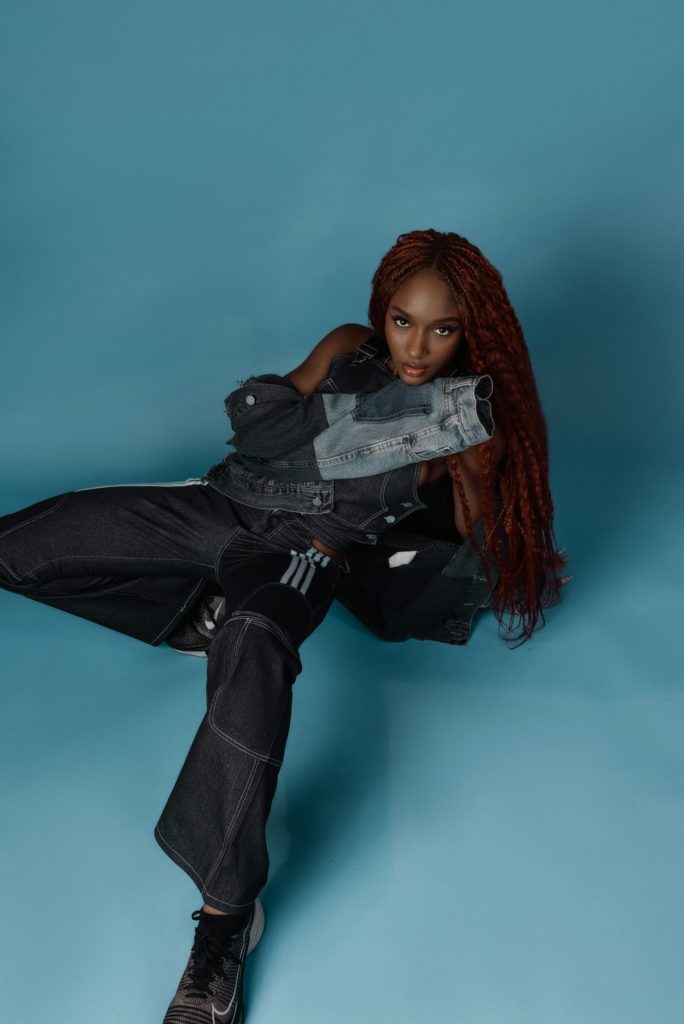
Photo credit info: Photo by Clout Africa on Unsplash
In a major career leap that underscores her skyrocketing international presence, Nigerian Afropop sensation Ayra Starr has inked a management deal with Roc Nation, the global entertainment powerhouse founded by iconic rapper and entrepreneur Jay-Z.
This strategic partnership comes on the heels of a remarkable year for the 21-year-old singer, who has been rapidly ascending through the ranks of global music stardom. Roc Nation’s move to bring her into its exclusive artist roster is seen by many in the industry as a definitive nod to Starr’s surging influence—not just in Africa, but across the world.
While the news was formally confirmed only recently, industry watchers had already begun speculating about a potential Roc Nation collaboration weeks earlier. When the label publicly congratulated Ayra Starr on her recent BET Award win—her first—many fans and insiders interpreted the gesture as more than a passing compliment. It was a subtle foreshadowing of something much bigger.
Fast forward a few weeks, and the dots have connected. Ayra Starr, still signed under Mavin Records—the influential Nigerian label led by veteran producer Don Jazzy—will now be represented internationally by Roc Nation. She also remains under the umbrella of Universal Music Group (UMG), through Mavin’s global distribution deal. This layered arrangement effectively creates a powerhouse of industry veterans and strategists working behind the scenes to elevate her career.
Founded in 2008, Roc Nation isn’t just another label. It’s a full-service entertainment agency that manages top-tier artists like Rihanna, J. Cole, Shakira, and Megan Thee Stallion, offering not only music production and promotion but also film, sports, and cultural influence strategies. With its deep roots in the American entertainment ecosystem, Roc Nation provides a gateway into one of the most competitive music markets in the world.
For Ayra Starr, whose appeal transcends Afrobeats and leans into global pop, fashion, and Gen Z zeitgeist, Roc Nation offers the perfect machinery to transition from a rising African star into an international pop icon.
“This is more than just management,” says Nigerian music journalist and Afrobeats Intelligence host Joey Akan. “It’s a calculated step to position her in a league that very few African female artists have accessed. Roc Nation isn’t just working with talent—they execute global careers.”
Despite signing with Roc Nation, Ayra Starr has not severed ties with the team that first discovered her. She continues to be a core artist under Mavin Records, which played a critical role in shaping her artistic identity. Discovered by Don Jazzy in 2021, she broke onto the scene with her self-titled EP and the viral single “Away,” quickly becoming one of the faces of Nigeria’s Gen Z music movement.
This new arrangement reflects a modern approach to artist development—collaborative and international in scope. By leveraging the infrastructure of Mavin in Nigeria, UMG globally, and now Roc Nation in the U.S., Ayra Starr is supported on multiple fronts as she navigates increasingly demanding creative and commercial opportunities.
“This isn’t a split from Mavin or Universal,” Akan adds. “It’s an expansion of her team. With Roc Nation involved, she now has localized support in the U.S.—arguably the most competitive music market in the world—with the resources and insight to break her in properly.”
Even before this announcement, 2024 has been a landmark year for Ayra Starr. Fresh off her BET Award and MOBO Award wins, she’s currently on a stadium tour with Coldplay, performing in front of tens of thousands across Europe and North America. This exposure is not just a badge of honor—it’s a crucial visibility play in markets that many Afrobeats artists spend years trying to break into.
She’s also making her acting debut in the upcoming film adaptation of “Children of Blood and Bone,” a highly anticipated fantasy epic based on the bestselling novel by Tomi Adeyemi. The film has already generated considerable buzz for its Black-centered mythology and Hollywood production value, and Ayra’s involvement signals her ambition to transcend music and build a multi-faceted global brand.
Moreover, her upcoming single “Hot Body”, which she teased just days before the Roc Nation announcement, is expected to be her first major release under the management of her new team. If successful, it could mark a new era in her sound and visual storytelling—one that is likely to target a broader global pop audience.
Ayra Starr is not just another singer in the Afrobeats boom—she is a stylistic trailblazer. With her genre-bending sound that mixes Afropop, R&B, soul, and global pop, she has cultivated a distinct identity: fiercely confident, fashion-forward, and unapologetically young. Her fashion choices, music videos, and interviews resonate with a generation that wants more than just hits—they want icons.
Her 2023 album “19 & Dangerous” featured hits like “Rush”, which not only topped African charts but made waves on global streaming platforms, further cementing her reputation as a future-facing artist.
“She’s the ‘IT’ girl,” says Akan. “Not just for Nigeria, but for the global youth culture. She’s bold, genre-fluid, unfiltered, and highly marketable. Roc Nation sees that potential and is betting on it.”
While Ayra Starr’s move is monumental for her career, it also signals broader shifts in the global perception of African artists—particularly women. In an industry historically dominated by Western acts and male voices, her signing reflects a growing hunger for fresh perspectives from the Global South.
Jay-Z’s Roc Nation aligning with a Nigerian Gen Z female artist isn’t just a business move—it’s a cultural endorsement.
More than ever, Afrobeats is being treated not as a regional genre but as a global soundscape, with artists like Burna Boy, Wizkid, Tems, and Rema leading the charge. Ayra Starr’s Roc Nation signing adds to that list—but from a fresh, female-led perspective.
With Roc Nation in her corner, Ayra Starr is now poised to take bolder creative risks and tap into high-level collaborations across music, fashion, and film. Whether that means working with American producers, appearing in brand campaigns, or featuring in Hollywood soundtracks, the resources and connections are now there.
There’s also anticipation around how Roc Nation might position her visually and sonically. Will she maintain her raw, Afrocentric aesthetic? Or evolve into a more globally hybrid artist, like Rihanna or Doja Cat? Time will tell—but with a label known for nurturing multidimensional careers, fans can expect an elevated era of Ayra Starr.
Ayra Starr’s journey is emblematic of a wider movement. Africa is no longer a talent pool waiting to be tapped—it’s a thriving creative ecosystem exporting world-class stars. And with structures like Mavin, UMG, and Roc Nation collaborating, the blueprint is evolving from mere talent discovery to global domination.
Her new single Hot Body—dropping soon—is more than just a song. It’s the first test of this new chapter, backed by one of the most influential music companies in the world.
For fans, for Nigeria, and for the global music community, the message is clear: Ayra Starr is not just coming—she’s arrived.
RECENT COMMENTS