by April Harley | Sep 11, 2025 | Latest, Music News, Tech News |
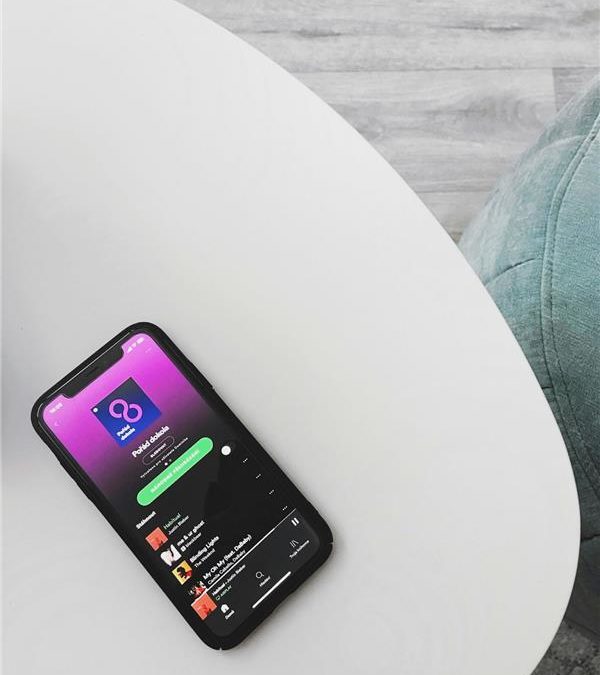
Photo by David Švihovec on Unsplash
A Bridge to the Studio
With its latest update, Spotify collapses the gap between home listening and studio playback. Premium subscribers now receive audio that mirrors the master tapes—crisp, uncompressed, and emotionally immersive.
Why the Rollout Matters
The introduction of Lossless is more than a technical upgrade; it’s a cultural milestone. Spotify’s 600 million listeners now have access to sound once reserved for audiophiles.
The Setup Is Simple
In just a few taps—Profile → Settings & Privacy → Media Quality—any Premium subscriber can unlock lossless streaming. Wired connections unlock the full effect, though even wireless devices see improvement.
Fans React
Early listeners report rediscovering familiar songs: whispered ad-libs in hip-hop tracks, nuanced guitar tones in rock ballads, string textures in symphonies. Lossless breathes new life into catalogs people thought they knew inside and out.
The Industry Ripple
By normalizing high-fidelity, Spotify pressures competitors to rethink their offerings. Streaming quality is no longer a niche battle—it’s now the center of the subscription value proposition.
Activate your own high-definition journey today via Spotify.

by Voshawn Johnson | Aug 28, 2025 | Latest, Music News, Tech News |
AI-generated editorial illustration – not an official Spotify photo
Spotify’s rollout of ‘Messages’ marks a bold move into the realm of social interaction. The platform now lets users exchange recommendations without switching apps, potentially making the listening experience more immersive.
Yet with every step into social functionality, Spotify risks diluting its brand identity. The company has always been synonymous with playlists, discovery, and unmatched accessibility. By adding messaging, is it signaling that music alone isn’t enough to hold user attention?
“Yet with every step into social functionality, Spotify risks diluting its brand identity. …”
Supporters will argue that this evolution is necessary in a digital era where TikTok and Instagram dominate cultural conversation. But detractors say Spotify is straying from its foundation, investing in features nobody demanded while ignoring requests for higher-quality audio.
From an editorial standpoint, innovation should not come at the expense of core strengths. Spotify must be careful not to chase trends that weaken its identity as the premier audio platform.
by Harris | Jun 19, 2025 | Latest, Music News, Tech News |
Photo by Thibault Penin on Unsplash
For many years, Spotify users have been holding out hope for one highly anticipated feature: the arrival of lossless, CD-quality audio. First teased in early 2021 under the name Spotify HiFi, the announcement sparked immediate excitement among audio lovers, musicians, and everyday listeners seeking a higher-quality music experience. But while other major platforms like Apple Music and Amazon Music moved swiftly to adopt lossless audio as a core part of their offering, Spotify quietly retreated from the conversation, leaving its users wondering if HiFi had been abandoned altogether.
Fast forward to today, and there’s new evidence suggesting the long wait might finally be over. Recent findings point toward Spotify actively preparing to launch a lossless tier at last—perhaps under a new name and as part of a reimagined premium subscription.
A Long Road With Little Communication
Spotify’s initial promise came during a 2021 “Stream On” event, where the company confirmed it was working on a high-fidelity audio tier, scheduled for release later that year. They called it “Spotify HiFi” and promoted it as a way to bring CD-quality sound to listeners who demanded better audio detail, especially for use with high-end speakers or wired headphones. The announcement was well-received and set expectations high.
However, after that single event, Spotify went quiet. Months passed, then years—with no updates, no betas, and no official statement explaining the delay. Speculation filled the gap. Was Spotify facing licensing issues with record labels? Were they rethinking their approach to compete with Apple and Amazon, who had started offering lossless at no extra cost? Whatever the reason, Spotify stayed vague and noncommittal, offering only occasional mentions of a “deluxe” version of its service that might include HiFi.
Meanwhile, competitors had surged ahead. Apple Music launched its lossless and high-resolution audio support across its entire catalog—completely free to subscribers. Amazon Music HD followed suit. Even Tidal, known for catering to audiophiles, restructured its pricing model to make lossless more accessible. Spotify’s absence grew more glaring with each passing month.
A Technical Trail of Clues Appears
While Spotify still hasn’t made an official announcement confirming the release of a HiFi or lossless tier, tech-savvy users and developers have discovered compelling signs buried in the app’s latest code.
One of the most talked-about revelations came from Spicetify, a tool that allows users to customize their Spotify experience through command-line interfaces. According to posts shared by the developers, the latest version of Spotify includes new internal labels and interface elements referencing “lossless” audio. These mentions aren’t just speculative—they show up in concrete areas of the app, such as the streaming quality settings and options related to device connections via Spotify Connect.
Even more telling, these lossless references were found in the Spotify web player, not just in the native mobile or desktop apps. This means Spotify is laying the groundwork for lossless streaming across platforms, signaling a comprehensive release strategy rather than a small-scale test.
Although the feature isn’t available to users yet, the presence of these internal options suggests that Spotify may be putting the final pieces in place before launch. After years of silence, this is the most hopeful signal yet that the long-promised audio upgrade is nearing release.
Spotify Music Pro: A New Premium Tier?
In addition to these technical findings, industry reporting has also pointed to a potential rebranding of Spotify HiFi. According to a February 2024 report from Bloomberg, Spotify may be preparing to launch a new subscription tier called “Music Pro.” This tier would include high-quality audio streaming and other enhanced features, potentially targeted at music enthusiasts, creators, and superfans who are willing to pay more for advanced tools and premium experiences.
The rumored price point? Around $5.99 per month above the standard Premium plan.
This rebranding could explain the delay—rather than releasing HiFi as a simple audio quality upgrade, Spotify may have chosen to integrate it into a broader package of premium services, designed to generate more revenue while differentiating from competitors offering lossless for free. If Spotify is bundling lossless with exclusive content, AI-driven features, or creator-focused tools, the launch of Music Pro could represent more than just catching up—it could be a strategic pivot toward deeper audience engagement.
Why Lossless Audio Matters More Than Ever
To the average listener, lossless audio might sound like a luxury—an improvement they won’t necessarily notice on basic earbuds or in a noisy car ride. But the appeal of lossless streaming goes far beyond elite audiophiles. It represents a broader movement toward transparency, audio integrity, and respect for the music as it was created.
Lossless audio preserves all the original data from a song’s recording, unlike lossy formats (like MP3 or Ogg Vorbis) that compress the file to save space and bandwidth. This means greater detail, cleaner vocals, richer bass, and wider dynamic range. It’s especially important for those using high-end equipment or studio monitors, where the subtleties of a mix truly shine.
Even for casual listeners, the presence of a lossless option speaks to a brand’s commitment to quality. And for artists and producers, it’s a chance to have their work heard the way it was intended.
In today’s market, where nearly every platform offers “good enough” audio, providing best-in-class fidelity can become a meaningful differentiator—and Spotify knows this.
The Competitive Landscape Has Changed
Spotify may have been the market leader for years, but its competitors are not standing still. Apple Music, with its massive hardware ecosystem, now offers lossless and spatial audio to every subscriber at no additional cost. Amazon Music HD, once a separate tier, has been folded into the main plan. Tidal, which long charged a premium for HiFi, now includes it as part of its standard offering.
In this context, if Spotify charges extra for lossless, it will need to offer significant added value—or risk pushback from users who feel they’re paying more for something others get for free.
Spotify’s edge has always been its recommendation engine, playlists, and seamless user experience, not necessarily its audio quality. By combining lossless with advanced discovery features or personalized content curation, it might convince users that its premium tier is worth the extra investment.
Why the Delay Took So Long
So why didn’t Spotify roll out HiFi when it said it would? There are likely several overlapping reasons.
First, licensing complexities. Streaming in lossless may require renegotiating deals with record labels, especially when it involves increased file sizes and potentially different royalty calculations. Spotify has always walked a tightrope between growth and profitability, so any delay that involved more cost would be scrutinized heavily.
Second, infrastructure costs. Unlike Apple or Amazon, which control massive cloud networks and device ecosystems, Spotify is entirely dependent on its streaming platform to turn a profit. Delivering lossless audio at scale is bandwidth-intensive and could mean significantly higher costs for hosting, streaming, and caching.
Third, strategic reframing. Rather than release a simple audio upgrade that brings them on par with competitors, Spotify may have chosen to take their time and reposition the offering into something broader and more monetizable—hence the reported Music Pro concept.
Will People Actually Pay More?
Here lies the central question: how many users will actually pay extra for something that rivals offer at no cost?
Spotify will need to craft a compelling narrative. If Music Pro becomes more than just a HiFi toggle—if it includes curated experiences, enhanced controls, behind-the-scenes content, exclusive mixes, or even tools for aspiring musicians—it could be seen as a worthwhile upgrade.
Spotify also has a loyal base of creators, listeners, and playlist curators. Giving this community deeper insights, better audio, and more influence might generate real value, especially in the growing intersection of music and creator economy platforms.
At the same time, the company must be careful not to alienate users who’ve waited patiently for years. The announcement and pricing must feel rewarding, not exploitative.
All Eyes on the Finish Line
Right now, Spotify seems to be positioning itself to finally deliver the feature that so many have requested. From code leaks to credible industry reporting, the signals are stronger than ever. Whether it’s branded as HiFi, Music Pro, or something new altogether, lossless audio is no longer a “maybe someday” concept—it appears to be a near-future reality.
Still, this is Spotify’s moment to prove that it hasn’t just been dragging its feet. The company must show that the delay was in service of building something genuinely better—not simply a repackaged copy of what others already offer. If it can do that—if it can elevate HiFi beyond expectations and position it within a broader, future-facing premium experience—it could not only close the feature gap, but reassert its position as an industry innovator.
In the streaming wars of 2025, audio quality is just the starting point. The real competition will be over how music makes us feel, how deeply we engage, and how platforms earn our loyalty. Spotify’s next move could define the next chapter of digital music.
by Pharron Fields | Apr 7, 2025 | Business News, Latest |
Photo by Alexander Shatov on Unsplash
Spotify has always been a unique app in the world of digital media, offering a space where users can engage with content in a more deliberate and focused way. As other platforms capitalize on endless scrolling and sensational content, Spotify is striving to differentiate itself from the noise and chaos of the digital landscape. Now, as part of a new strategy to grow its advertising revenue, Spotify is pitching itself to brands as a platform that promotes positive engagement and offers a healthier alternative to doomscrolling.
In a world where time spent on social media platforms like TikTok, Instagram, and Twitter is often consumed by mindless scrolling, Spotify has never quite fit into that category. The app’s focus has always been on music, podcasts, and audiobooks, creating a more intentional and less passive experience for its users. While this has earned it a loyal fan base, it has also kept its advertising revenue relatively low. In 2024, Spotify made $1.85 billion from ads, which pales in comparison to the $13.8 billion generated from premium subscriptions.
This discrepancy in ad revenue could be partly due to the perception that Spotify is a passive experience, one that’s typically used in the background rather than as the main focus of a user’s time. Advertisers, accustomed to the high engagement seen on social media platforms, have been slow to recognize the potential of Spotify’s ad space. But now, the company is working hard to change this perception and convince brands that their listeners are anything but passive.
A healthier digital space for brands
Spotify’s co-president and chief business officer, Alex Norström, recently likened the app to a healthier alternative to the fast, junk-food-like content found on other apps. In an interview with The New York Times, he explained that Spotify’s content offers something more nourishing for the mind, as opposed to the “high-caloric, quick things” often found on platforms like TikTok and Instagram.
Spotify is now aiming to position itself as a more enriching, intentional space for users. Unlike other platforms that are designed to keep users endlessly scrolling and consuming content, Spotify offers an experience where users can actively choose the content they want to engage with—whether it’s creating a collaborative playlist with friends or diving into an audiobook for a few hours.
“We’re about providing something that feels good,” said Lee Brown, Spotify’s global head of advertising. The idea is to create a platform that’s not just for filling time but for enhancing the user’s day in a meaningful way.
Features that drive active engagement
Spotify is also highlighting features that encourage more active engagement from users. One such feature is the Jam function, which allows listeners to create group playlists with friends, turning music discovery into a more social, collaborative activity. This is a far cry from the mindless consumption typically associated with other apps.
In addition to Jams, Spotify is also focusing on long-form content such as podcasts and audiobooks, which require a deeper level of engagement. Users are spending significant amounts of time listening to podcasts or following along with an audiobook, making it a space for deeper connection rather than fleeting, surface-level interactions.
By promoting these features, Spotify is aiming to show advertisers that its user base is engaged, not passive. In fact, these features allow Spotify to offer a much richer, more intentional experience than the typical social media scroll.
Spotify’s shift away from doomscrolling
As the digital world becomes increasingly saturated with negativity, many users are turning away from the toxic content found on platforms like X (formerly Twitter) and Instagram. Amid this shift, Spotify is marketing itself as an antidote to the chaos. The company’s message to advertisers is clear: if you’re looking for a platform that offers positive, purposeful engagement, Spotify is the place to be.
According to Spotify’s Culture Next Report, 72% of Gen Z listeners see the app as an antidote to doomscrolling. This generation is more conscious than ever of the impact social media has on their mental health, and many have turned to Spotify as a space where they can consume content without the stress and negativity that dominates other platforms.
For advertisers, this presents a huge opportunity. Gen Z is not only a highly engaged audience, but they also prefer to support brands that align with their values and promote positivity. Spotify is positioning itself as the platform where brands can connect with this audience in a meaningful way.
Spotify’s use of AI to enhance ad creation
To make it easier for brands to tap into its growing user base, Spotify is also leaning into technology to streamline the advertising process. The company is utilizing Generative AI to help advertisers create scripts and voiceovers more efficiently, making it easier for brands to produce content that fits seamlessly within the Spotify ecosystem.
This move is part of Spotify’s broader strategy to enhance the advertising experience and attract more brands to the platform. By simplifying the ad creation process, Spotify is aiming to make itself an even more appealing option for advertisers looking to reach a highly engaged, positive audience.
A bright future for Spotify’s advertising revenue
Spotify’s advertising revenue has always lagged behind its subscription earnings, but the company’s efforts to reposition itself as a healthier, more engaging platform are beginning to pay off. After a challenging 2023, which included layoffs and uncertainty, Spotify rebounded in 2024 with its first full year of profitability and a significant jump in stock value.
The company’s shift toward offering a more intentional, positive space for users has the potential to make it a more attractive option for advertisers looking to connect with engaged, value-driven consumers. By promoting its unique features and its focus on creating a healthier digital experience, Spotify is setting itself apart from other platforms and positioning itself as a powerful force in the digital advertising space.
Conclusion: A healthier space for users and advertisers alike
As Spotify continues to refine its advertising strategy and focus on user engagement, it is becoming clear that the platform is more than just a music streaming service. It’s a space where users can escape the chaos of other social media apps, connect with content they love, and feel good while doing it.
For advertisers, this presents an opportunity to reach a highly engaged, positive audience that values intentional, enriching experiences. In a digital landscape increasingly dominated by toxic content, Spotify offers a refreshing alternative—a platform where brands can connect with users in a meaningful and authentic way.
by Jonathan P-Wright | Jun 26, 2024 | Business News, Latest, Music News |
Photo by Alexander Shatov on Unsplash
In a perplexing turn of events, the music streaming behemoth Spotify recently raised the prices of its Premium Individual and Premium Family subscription plans. This move, which saw a $1 increase for the Individual plan and a $3 hike for the Family plan, was met with considerable backlash from users who felt blindsided by the sudden price surge.
However, the real point of contention arose when Spotify bundled its audiobook service with these premium plans, a feature that many subscribers deemed unnecessary and unwanted. This decision was particularly contentious because it allowed Spotify to classify its offerings as a bundled service, thereby qualifying for lower royalty rates payable to artists and music publishers.
According to industry estimates, this strategic maneuver could potentially result in a staggering $150 million reduction in royalty payments to musicians, a prospect that understandably ruffled feathers within the creative community.
Spotify’s Unexpected Reversal: Introducing the Basic Individual Plan
In a surprising turn of events, Spotify has now announced the introduction of a new Basic Individual plan, effectively reversing its controversial decision to bundle audiobooks with premium subscriptions. This new plan, priced at $1 lower than the Premium Individual plan, offers users the core music streaming experience without the added audiobook feature.
By unbundling audiobooks from its premium offerings, Spotify has effectively addressed two critical concerns: firstly, it has alleviated the frustration of users who felt compelled to pay for a service they had no intention of using; secondly, it has potentially mitigated the risk of reduced royalty payments to artists and music publishers.
A Win-Win Scenario for Users and Artists?
This strategic move by Spotify appears to be a calculated effort to appease both its user base and the creative community. By offering a more affordable option for music streaming without the audiobook component, Spotify has effectively acknowledged the concerns of subscribers who felt shortchanged by the previous pricing structure.
Moreover, by separating audiobooks from its core music streaming service, Spotify has potentially averted a substantial reduction in royalty payments to artists and music publishers. This decision could be viewed as a olive branch extended to the creative community, acknowledging their legitimate concerns over fair compensation for their work.
Spotify’s Evolving Business Strategy: Adapting to Market Demands
Spotify’s recent actions underscore the company’s willingness to adapt its business strategy in response to market demands and user feedback. By introducing the Basic Individual plan, Spotify has demonstrated its ability to course-correct and address the concerns of its stakeholders, be they subscribers or content creators.
This agility and responsiveness could prove to be a significant competitive advantage for Spotify in the highly saturated and fiercely competitive music streaming market. By actively listening to its user base and addressing their pain points, Spotify has the potential to foster greater brand loyalty and customer retention.
The Balancing Act: Satisfying Users and Artists Simultaneously
While Spotify’s latest move appears to be a positive step towards reconciling the interests of its users and the creative community, the company must tread carefully to maintain this delicate balance. As a platform that relies heavily on both its subscriber base and the content provided by artists, Spotify must continually strive to satisfy the needs and expectations of both parties.
One potential challenge lies in the realm of pricing and revenue generation. While the introduction of the Basic Individual plan may appease users seeking a more affordable option, Spotify must ensure that its revenue streams remain robust enough to sustain its operations and fairly compensate artists for their work.
Exploring Alternative Revenue Streams: Advertising and Partnerships
To address this challenge, Spotify may need to explore alternative revenue streams beyond subscription fees. One potential avenue could be the strategic integration of advertising within its platform, a model that has proven successful for many digital content providers.
Additionally, Spotify could pursue strategic partnerships and collaborations with various industries, such as fitness, gaming, or even the automotive sector. By leveraging its vast user base and data insights, Spotify could potentially unlock new revenue opportunities while enhancing the overall user experience.
The Audiobook Conundrum: A Separate Service or Integration?
While Spotify’s decision to unbundle audiobooks from its premium subscriptions has addressed immediate concerns, the company must carefully consider its long-term strategy for this segment. Audiobooks represent a rapidly growing market, and Spotify’s foray into this domain could potentially open up new revenue streams and expand its user base.
One approach could be to offer audiobooks as a separate, standalone service, allowing users to subscribe specifically to this offering without being tied to the music streaming plans. Alternatively, Spotify could explore innovative ways to integrate audiobooks seamlessly into its existing platform, perhaps through curated playlists or personalized recommendations.
Exploring Global Expansion: Tailoring Strategies for International Markets
As Spotify continues to expand its global footprint, it must also consider the nuances and preferences of diverse international markets. While the Basic Individual plan may resonate with users in certain regions, other markets may have different pricing sensitivities and content preferences.
To effectively cater to these varying demands, Spotify may need to tailor its pricing strategies, content offerings, and marketing approaches to align with the unique cultural and economic landscapes of each region. This could involve forging strategic partnerships with local content providers, leveraging localized marketing campaigns, and potentially offering region-specific subscription tiers or bundled offerings.
The Role of Data Analytics: Driving Personalization and Targeted Offerings
In today’s data-driven landscape, Spotify’s ability to leverage its vast trove of user data could prove to be a significant competitive advantage. By harnessing the power of advanced analytics and machine learning algorithms, Spotify can gain deep insights into user preferences, listening habits, and content consumption patterns.
Armed with these insights, Spotify can deliver highly personalized content recommendations, curated playlists, and targeted promotional offers, enhancing the overall user experience and driving engagement. Additionally, this data-driven approach could inform Spotify’s content acquisition strategies, allowing the company to invest in the genres, artists, and content formats that resonate most with its user base.
Embracing Innovation: Exploring Emerging Technologies and Trends
In the rapidly evolving digital landscape, Spotify must remain at the forefront of innovation, continuously exploring emerging technologies and trends that could shape the future of music streaming and content consumption.
This could involve leveraging technologies such as augmented reality (AR) or virtual reality (VR) to create immersive music experiences, or exploring the integration of voice-enabled assistants for seamless music discovery and playback. Additionally, Spotify could investigate the potential of blockchain technology to revolutionize the way artists are compensated for their work, fostering greater transparency and fairness in the music industry.
Fostering a Collaborative Ecosystem: Empowering Artists and Content Creators
Ultimately, Spotify’s success is inextricably linked to the success of the artists and content creators whose work forms the foundation of its platform. To foster a thriving and sustainable ecosystem, Spotify must actively engage with and empower these creative individuals.
This could involve initiatives such as providing artists with robust analytics and insights into their audience engagement, facilitating direct fan-artist interactions, or offering educational resources and tools to help artists navigate the complexities of the music industry. By positioning itself as a true partner to the creative community, Spotify can cultivate a collaborative and mutually beneficial relationship, driving innovation and fostering a vibrant music culture.
Conclusion: Navigating the Future of Music Streaming
Spotify’s recent moves underscore the company’s commitment to adapting to the evolving needs and preferences of its users and content creators. By introducing the Basic Individual plan and addressing concerns over audiobook bundling, Spotify has demonstrated its willingness to listen and respond to feedback.
However, this is merely the beginning of a longer journey. As the music streaming landscape continues to evolve, Spotify must remain agile, innovative, and responsive to emerging trends and technologies. By fostering a collaborative ecosystem, embracing data-driven insights, and exploring alternative revenue streams, Spotify can navigate the challenges and opportunities that lie ahead, solidifying its position as a leading force in the music streaming industry.



RECENT COMMENTS