by Tanyette McCoy Davis | Mar 19, 2022 | Latest, Music News, New Music Alert |
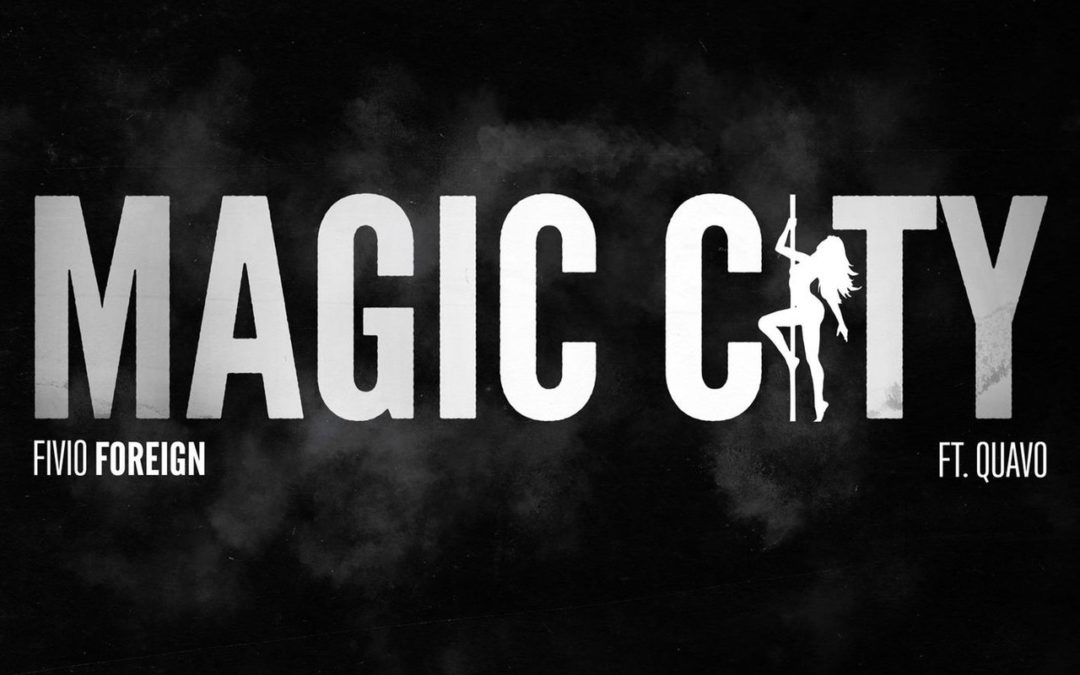
The B.I.B.L.E. album will finally be released by Fivio Foreign on Friday, Mar. 25. As a preview before the album makes its full debut on April 13, the Brooklyn rapper offers you his latest single “Magic City.” Featuring a homage to one of Atlanta’s landmark clubs, whom better than Quavo to assist with this single? The two merge their energies to create the perfect vibe to get you ready for the weekend:
With Alicia Keys and Kanye West as production, Fivio Foreign unveiled last month his new music video for “City of Gods,” which was also produced by Dem Jointz, The Chainsmokers, Ojivolta, Tweek Tune, Hemz, Lil Mav, and AyoAA. The Brooklyn artist followed up with his official visual for the track a few weeks later, which mostly revolves around Keys and Fivio’s dynamics in the Big Apple.
Previously released tracks from Fivio may appear on the album, including “13 Going On 30,” “Bop It” by Polo G, “Move Like A Boss” featuring Young M.A, “Trust,” “Unruly,” and “Story Time”
It has been four years since Quavo dropped his debut solo album QUAVO HUNCHO, despite the Migos being active in recent years. There are 19 tracks on this album, as well as guest appearances by Travis Scott, Madonna, Lil Baby, 21 Savage, Davido, Kid Cudi, Saweetie, Migos‘ artists Offset and Takeoff, and more. In the first week, Quavo’s album peaked at the number two spot on the Billboard 200, earning him a Gold plaque. It has since earned Quavo more accolades.
by Pharron Fields | Jun 7, 2021 | Business News, Digital Mogul, Latest |
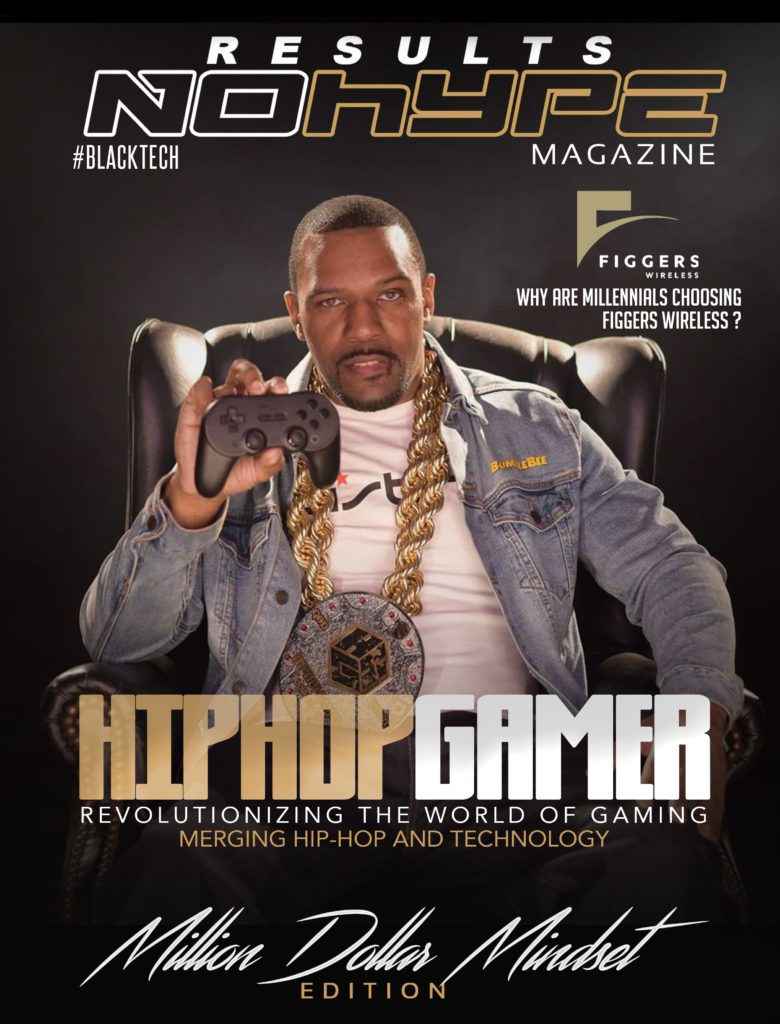
FORMERLY THROWN AWAY AT A DUMPSTER, FREDDIE FIGGERS BECAME A MILLIONAIRE TECH ENTREPRENEUR DESPITE ALL ODDS
It doesn’t have to be your circumstances that define you.
Freddie Figgers found out when he was eight that his biological mother abandoned him near a dumpster shortly after he was born, according to BBC News.
“Listen, Fred, I’m going to tell you the truth. I adopted you out of foster care because I didn’t wish to send you through foster care.” Freddie recalls his father telling him, “You are my son.” Your biological mother threw you away, and you and Betty Mae adopted you out of foster care.
He describes the thoughts that went through his mind after finding out that his adopted parents found him near a dumpster.
He told me that and I felt unwanted and that made me feel trash.” said Freddie. I remember he grabbed my shoulder and said, “Listen, don’t ever let that bother you.'”
Although Freddie continued to be plagued by the circumstances surrounding his adoption throughout his youth, he persevered.
I was called a lot of names when I was younger, including ‘dumpster baby,’ ‘trash can boy,’ ‘who wants you,’ and ‘you’re dirty.'” said Freddie.
In 1989, Nathan and Betty Mae were living in Quincy, a rural community in North Florida, when Freddie was born.
After fostering many children, they chose to adopt Freddie when he was just two days old.
It was always my father’s intention to help others, stopping by the roadside to help strangers and feeding the homeless, he said. The reason I wanted to be like him was because he adopted and raised me.”
In the meantime, Freddie and Nathan would do “dumpster diving” on the weekends, looking for old things that could still be useful.
Freddie wanted a computer.
“I was always fascinated by computers, and there is an old saying that ‘one man’s trash is another man’s treasure. During that time, gateway computers weren’t in our budget.”
At the age of nine, Freddie found a broken Mac while browsing in a Goodwill store with his father. The rest is history.
“When I got home and the computer wouldn’t turn on, I took it apart,” said Freddie.
His determination would not let up until he was able to get the computer up again.
“When I inspected it, I found some damaged capacitors. Using parts I had from my father’s radio alarm clock, I built a circuit board.” I used my father’s soldering gun and I also had radios and alarm clocks.
A few attempts later, the computer powered on, and Freddie was convinced that technology was what he wanted to do the rest of his life.
In today’s world, Freddie Figgers is a millionaire inventor of inventions that include a GPS tracker, designed as a result of the Alzheimer’s disease his father, Natham, suffered from.
Within a month of selling the tracker rights, he lost his father.
Freddie continues to break into the tech industry, and he is married to attorney Natlie Figgers. Instilling this advice into their daughter is something he says he will do together as a couple.
The world may seem cold, but you must never give up.
The trajectory of Freddie Figgers’ life could’ve been very different if he’d given up.
He also offers this piece of advice for others: “Don’t allow your circumstances to define you.”
This article was penned by Jonathan P. Wright. Jonathan is a freelance writer for multiple mainstream publications and CVO of RADIOPUSHERS. You can read more of his work by clicking here.

by Jonathan P-Wright | Sep 16, 2020 | New Music Alert, Latest |
Young Thug has been tapped by T.I. for his latest single “Ring.” This is not the first time that both the rappers have worked together. Previously, Young Thug featured on T.I.’s 2018 studio album Dime Trap along with Swizz Beatz for the song
by Voshawn Johnson | Aug 29, 2025 | Latest, Music News, Trending |
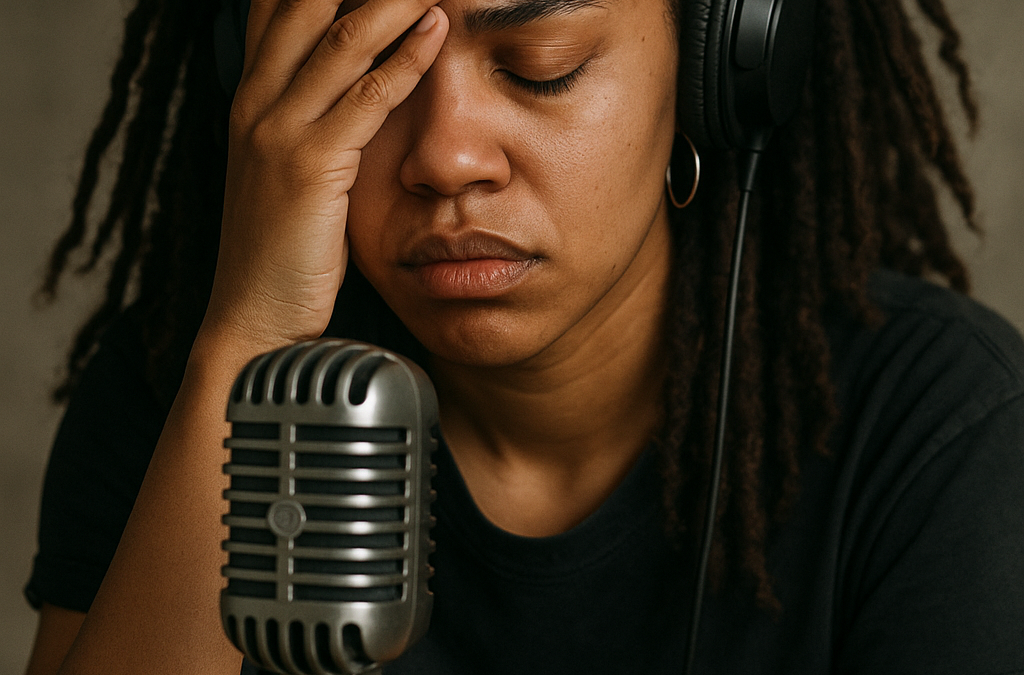
The sight of Tyla being escorted into a waiting car by her security team in São Paulo raised alarms worldwide this weekend. But beyond the initial panic, the incident has sparked broader discussion about the physical and mental toll of international touring on young artists.
Tyla’s management attributed her brief spell of distress to exhaustion and dehydration. These are familiar diagnoses in the music industry, but they hint at deeper systemic challenges. For emerging stars like Tyla, the transition from relative obscurity to global sensation can be both exhilarating and punishing.
The lifestyle is relentless: international flights, jet lag, interviews, meet-and-greets, rehearsals, performances, and after-parties. Each appearance is an opportunity to grow the brand, but each also extracts a cost. Nutrition, rest, and downtime are often sacrificed in the pursuit of momentum. For artists in their early twenties, the body can bounce back quickly, but repeated strain takes its toll.
Tyla’s case isn’t unique. Pop history is littered with similar moments. In the early 2010s, Justin Bieber collapsed on stage in London due to exhaustion. Lady Gaga famously canceled part of her “Born This Way” tour citing hip injuries exacerbated by relentless performance schedules. More recently, Shawn Mendes postponed an entire tour in 2022, acknowledging the mental health strain of life on the road.
These incidents highlight the dual reality of pop stardom: the dream of global recognition is tethered to the grind of constant output. Artists are brands, and brands must be “always on.” Fans demand access, promoters demand consistency, and social media demands content. The result is a lifestyle that leaves little room for human vulnerability.
Tyla’s response, however, has been measured and reassuring. “I’m okay and feeling stronger,” she said in her note to fans, reminding them that sometimes the pace simply catches up with her. The honesty resonated with supporters, many of whom praised her for acknowledging the strain rather than hiding it.
As her management noted, no major changes to her schedule have been made yet. But even if adjustments are minimal, the incident has reignited calls within the industry for more sustainable touring practices. From mandatory rest days to integrated wellness programs, conversations about reform are increasingly common.
At just 22, Tyla embodies both the promise and the pressures of pop’s new generation. Her health scare may have been temporary, but it has underscored the very real demands placed on artists navigating global fame. For fans, the takeaway is relief that she is safe. For the industry, it’s another reminder that behind the lights and applause, health remains the most important performance of all.

RECENT COMMENTS