by Jonathan P-Wright | May 30, 2025 | Latest, Music News, New Music Alert |
Image credit: Jgphotographydetroit / Shutterstock.com
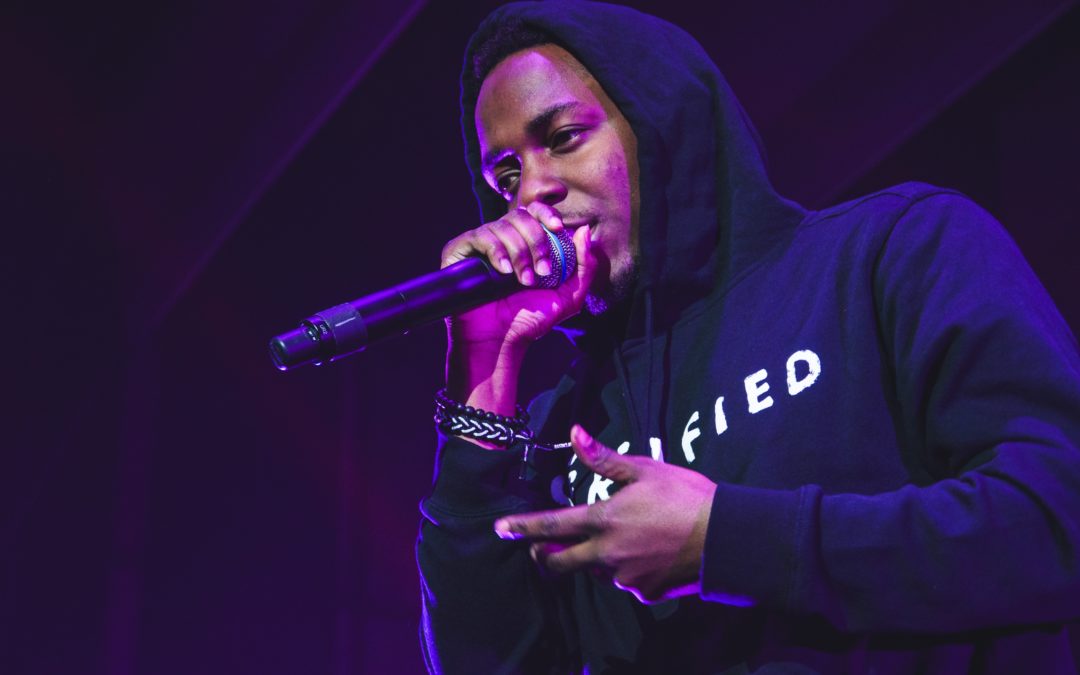
Awrd season has become an almost year-round affair for Kendrick Lamar. The celebrated rapper, known for his sharp lyricism and thought-provoking storytelling, continues to dominate the music awards landscape. Most recently, the 2025 BET Awards nominations were revealed on Thursday, May 8, and true to form, Kendrick Lamar once again led the pack with a staggering 10 nominations. This feat is a testament to his enduring impact on hip-hop and contemporary music as a whole.
Kendrick’s reign at the awards shows has become something of a routine in recent years. Before this, he led the nominations at the 66th Grammy Awards, the music industry’s most prestigious event, and is also a frontrunner at the upcoming 51st American Music Awards (AMAs). Yet, what sets the BET Awards apart this year is the broader recognition of his body of work. While his diss track “Not Like Us” — a powerful and confrontational song that sparked major conversation — remains a significant factor in his continued success, his nominations at the BET Awards go well beyond that single release. They reflect a multifaceted appreciation for his artistry, both as a solo performer and as a collaborator.
Central to his nominations is his latest album, GNX. The album is nominated for Album of the Year, a category that is notoriously competitive. His main competitors include none other than Beyoncé, with her highly praised project COWBOY CARTER, Drake and PARTYNEXTDOOR’s collaborative album Some Sexy Songs 4 U, and Doechii’s highly anticipated debut Alligator Bites Never Heal. Each of these albums has made waves in their own right, pushing creative boundaries and resonating deeply with audiences. This sets the stage for a truly thrilling contest where any one of these artists could walk away with the top prize.
In the realm of collaborations, Lamar’s presence is particularly dominant. He is nominated for three separate songs in the Best Collaboration category. These tracks include “luther” featuring SZA, a moody and soulful number that has been praised for its chemistry and lyrical depth; “Like That” by Future and Metro Boomin, which showcases Kendrick’s ability to seamlessly blend with other top artists and producers; and “30 For 30,” another collaboration with a close TDE (Top Dawg Entertainment) associate. Notably, “luther” and “Like That” also appear in the Viewer’s Choice Award category, which reflects fan enthusiasm and the cultural impact of these songs. Alongside them is “Not Like Us,” demonstrating that Lamar’s diss track is still very much in the conversation with fans and critics alike.
The influence of “Not Like Us” extends beyond audio recognition; the music video, directed by the renowned Drake, is also nominated for Video of the Year. This visual component is crucial, as it amplifies the song’s message and artistic impact. The nomination also shines a spotlight on Lamar’s role behind the camera, with both he and his frequent creative partner Dave Free earning nods for Video Director of the Year. This highlights Kendrick’s growing presence not just as a performer but as a visionary who shapes the aesthetic and narrative of his work.
Rounding out his impressive slate of nominations is the Best Male Hip Hop Artist category. This recognition is emblematic of Lamar’s consistent excellence and influence within the hip-hop genre. He’s not just nominated for isolated pieces of work; he is celebrated for his overall contributions to music throughout the year.
Given all this, the question naturally arises: is there anyone who can stop Kendrick Lamar’s award show streak in 2025? The short answer is that it seems unlikely—unless Lamar himself opts to step back from releasing new music this year. The anticipation for a deluxe version of GNX remains high, and fans are eager for any new content from the artist. His ability to maintain such a strong presence across multiple major awards demonstrates not only his talent but also his strategic approach to his career.
Other artists are certainly in the mix and deserve mention. Drake, for example, is preparing for his next solo project and remains a formidable competitor. His influence and track record of success mean that he is always a threat in any award category. Doechii is another rising star, with her debut album generating significant buzz. She represents the new wave of talent that could shake up the status quo. However, despite these challengers, Lamar’s established legacy and current momentum give him a considerable edge.
Beyond the nominations and potential wins, Kendrick Lamar’s career trajectory offers a glimpse into what it takes to stay relevant and influential in the modern music industry. His ability to evolve artistically while maintaining authenticity resonates deeply with fans and critics. He’s not just chasing awards for the sake of accolades; his work often carries social and cultural commentary that adds layers of meaning to his art.
The BET Awards nominations underscore the respect and admiration Lamar commands from his peers and the industry. Leading the nominations in such a prestigious event that celebrates Black excellence in entertainment is no small feat. It cements his status as one of the most important voices in hip-hop and modern music.
Looking ahead, the landscape of music awards is always evolving. New artists will emerge, and established ones will innovate. But as of now, Kendrick Lamar’s streak seems poised to continue. His commitment to quality, willingness to collaborate with a diverse range of artists, and ability to connect with audiences through both his music and visuals place him in a league of his own.
For fans, the upcoming BET Awards and other ceremonies will be exciting to watch. Will Lamar continue his dominance, or will fresh talent rise to challenge his throne? Only time will tell, but for now, Kendrick Lamar remains the benchmark by which excellence is measured.

by Laghe Andrews | May 30, 2025 | Latest, Music News, New Music Alert |
Image credit: Featureflash Photo Agency / Shutterstock.com
The film Sinners has rapidly become more than just a movie—it’s a cultural moment. Its mix of vampire mythology intertwined with profound themes of racial reckoning has drawn extensive attention, but perhaps the most powerful element lies in its music. At its core, Sinners pulses with the spirit of the Delta Blues, a genre whose influence extends far beyond the American South and reverberates worldwide.
The standout musical piece in the film is undoubtedly “I Lied to You,” delivered with raw emotional power by actor and musician Miles Caton, who plays Sammie “Preacher Boy” Moore in the movie. This soulful track was written by the legendary Raphael Saadiq during a studio session alongside Oscar-winning composer Ludwig Göransson—known for his work on director Ryan Coogler’s Black Panther films. Saadiq brings to the table a career that spans almost 40 years, including three Grammy Awards and a legacy of collaborations with artists like Beyoncé on “COWBOY CARTER” and Solange on her critically acclaimed album A Seat at the Table.
Though Saadiq is widely celebrated for his deep roots in R&B, his connection to the music of Sinners goes beyond genre—it touches on his own story. In a Billboard interview published on May 2, Saadiq revealed that he shares a similar background to Sammie, the film’s complex character. Discussing the tension between Sammie’s secular music passion and his church upbringing, Saadiq explained, “That really resonated with me because that’s exactly how I grew up. Playing R&B music, I was told it was the devil’s music, so I completely understood where Sammie was coming from.”
This personal tie to the story allowed Saadiq to bring an authenticity to the songwriting process. He also noted how the project reconnected him with his Baptist roots, particularly the vocal traditions of his childhood church: “Even the humming on the track—I pulled that from Union Baptist Church. It’s a type of devotional singing that’s deeply ingrained in me.”
The Power of Miles Caton’s Voice
When Saadiq composed “I Lied to You,” he had not yet heard Miles Caton sing it. “That voice is something else,” he said. “I wrote the song imagining how I would sing the blues, but when I finally heard Miles sing it, I was blown away.”
Despite Saadiq’s own musical prowess, he felt the song belonged solely to Miles Caton’s voice. Even though there was an offer for Saadiq to release his own demo alongside the film’s soundtrack, he declined, preferring listeners to experience the track exclusively through Miles’s powerful performance. “The movie is so incredible that when people go to streaming platforms, they should only hear Miles. His voice is incredible,” Saadiq emphasized.
For Saadiq, this wasn’t simply an act of humility; it was a recognition that Miles’s voice perfectly embodied the emotional truth of Sammie’s character and the film’s themes.
A Hook Born from Real Life
The phrase “I Lied to You” is far from a random lyric. It originated in Saadiq’s own experiences. Reflecting on his youth, Saadiq recalled a moment when he was struggling to tell his girlfriend the truth about a difficult situation. Instead, he told her, “You know what would make a great blues line? ‘They say the truth hurts, so I lied to you.’”
That line lingered in his mind for years as a powerful blues hook. “I’ve always had blues ideas,” Saadiq admitted. “I’d often come up with blues hooks because they’re some of the best hooks in music.”
For the film, Saadiq initially believed that Sammie was lying to his father, which inspired the song’s title and lyrics. However, as the character developed, it became clear that Sammie was actually trying to tell the truth, even if it wasn’t fully accepted. This emotional complexity added layers of meaning to the song and resonated deeply with Saadiq’s own reflections on truth and deception.
Collaboration with Ludwig Göransson and the Birth of the Track
The creative synergy between Raphael Saadiq and Ludwig Göransson was critical in bringing “I Lied to You” to life. Göransson’s background in cinematic scoring and Saadiq’s mastery of rhythm and blues fused to create a track that was both haunting and cinematic. This collaboration enhanced the film’s emotional landscape, anchoring key scenes with music that felt timeless and authentic.
Experiencing the Song in the Film’s Premier
Saadiq first heard the full version of “I Lied to You” performed by Miles Caton at the Sinners premiere in Oakland, California, on April 16, 2024. Watching the song come alive on the big screen, amidst the movie’s powerful narrative, was a moving moment for Saadiq. Two days later, the film was released worldwide in theaters, including IMAX formats, and quickly garnered box office success. By early May, the film had grossed over $185 million, according to The Numbers, proving both commercial and critical acclaim.
The Delta Blues: Music as Cultural Legacy
The choice to center Sinners’ soundtrack around Delta Blues is a deliberate and meaningful one. Blues music originated from the deep South of the United States and is a genre that has long communicated the pain, resilience, and spirit of African American communities. It is often considered the foundation of much of American music today—from jazz and rock to R&B and hip-hop.
By placing blues music front and center, Sinners pays homage to this rich cultural legacy and reclaims it within a modern narrative. This musical choice creates a bridge between the struggles of the past and present, weaving history into the film’s contemporary themes of identity, power, and redemption.
Raphael Saadiq’s Artistic Journey and Personal Connection
Raphael Saadiq’s career has been marked by his ability to navigate various musical styles with authenticity. Whether producing smooth R&B or venturing into soulful gospel and blues, Saadiq’s work always reflects deep emotional honesty.
In Sinners, his songwriting reconnects him to a foundational part of his own life—his church upbringing. He described how the devotional humming in the track reminded him of singing in church as a child, a spiritual practice that left a lasting imprint on his musical sensibility.
Moreover, Saadiq confessed he had always admired the blues but doubted his own ability to sing it authentically. “I’ve had blues ideas for years, but I never thought I had the voice for it,” he said. The chance to write for Sammie and hear Miles Caton bring that voice to life fulfilled a personal and artistic desire for Saadiq.
The Emotional Core of “I Lied to You”
At its heart, “I Lied to You” is a song about the complicated nature of truth. The title suggests deceit, but the deeper story involves the pain and vulnerability that comes with honesty, especially when it challenges relationships and expectations.
This tension aligns with the film’s larger themes of identity and conflict—Sammie’s struggle to reconcile his secular music passion with his religious roots mirrors broader societal struggles around cultural and racial identity.
Saadiq’s lyricism captures this perfectly, creating a song that feels both personal and universal. Listeners don’t just hear a character’s confession—they hear echoes of their own experiences with love, fear, and self-expression.
Conclusion: A Song That Transcends the Screen
The creation of “I Lied to You” for Sinners is a remarkable example of how music can elevate storytelling. Through Raphael Saadiq’s masterful songwriting and Miles Caton’s unforgettable voice, the track transcends its role as a film song and becomes a powerful expression of cultural memory and emotional truth.
In connecting his own history with the blues and gospel traditions of his youth, Saadiq crafted more than just a soundtrack. He contributed a living piece of art that honors the blues’ enduring legacy—its capacity to tell stories of hardship, redemption, and hope.
As Sinners continues to captivate audiences worldwide, the haunting refrain of “I Lied to You” stands as a reminder that music isn’t just entertainment—it’s a vital thread that binds us to our history, our emotions, and each other.
by Jonathan P-Wright | May 23, 2025 | Latest, Music News, New Music Alert |
Photo by Hanny Naibaho on Unsplash
Memphis rapper Key Glock stands at a pivotal crossroads in his career, ready to usher in a new chapter that honors his past while boldly embracing the future. As he gears up to release his much-anticipated album Glockavelli, fans are also buzzing about a treasure trove of unreleased music he recorded with the late Young Dolph—his mentor, friend, and a legendary figure in the hip-hop community.
For years, Key Glock built his career on the foundation of independence. As an artist who valued creative control and authenticity, Glock defied the conventional industry path by thriving without a major label’s backing. His steady rise became a blueprint for independent artists striving to make a name for themselves in a saturated market. Yet even with all his success, Glock knew his evolution required something more. He was clear-eyed about the next level of his career ambitions, and those ambitions extended beyond streaming numbers and independent accolades.
In an interview with Billboard, Glock openly reflected on his journey, saying, “I feel like I exceeded my goals as an independent artist.” This statement captured the essence of his accomplishments to date, but also hinted at his hunger for growth. For Key Glock, success isn’t just about where he is now—it’s about the heights he’s determined to reach next. “At this point, I’m just working with people that have been operating on the level I already saw myself on,” he shared. His vision includes platinum records and more industry recognition—achievements that come with strategic alliances and bigger platforms. “In this next chapter, I’m planning on getting platinum albums and more plaques.”
The decision to partner with a major label, specifically Republic Records, marked a turning point. Yet, unlike many artists who sign major deals chasing fame or quick cash, Glock’s choice was deeply personal and profoundly influenced by the late Young Dolph. The bond between Dolph and Glock went beyond mentorship—it was rooted in brotherhood, trust, and shared dreams for success on their own terms.
Dolph’s tragic death in Memphis in November 2021 sent shockwaves through the music world. But even before his passing, Dolph was preparing Key Glock for the future. Glock recounted a powerful conversation that took place just one week before Dolph was killed. “The week before Dolph passed in Memphis, him, Daddy O, and a couple more of our circle just had a regular talk, a round table talk,” Glock remembered. “And it was so crazy—Dolph said, ‘If anything go left, like, if anything happens to me, take Glock to the majors.’”
This moment wasn’t just a casual suggestion; it was a directive laced with foresight and urgency. Dolph, who had carved out a legendary status as one of the biggest independent rappers in the game, knew the value of autonomy. Yet, he also recognized the advantages that could come from strategic partnerships with major labels—resources, exposure, and the financial muscle to elevate careers to new levels. “There was always me and him in talks anyway,” Glock explained. “I never wanted to be the biggest independent artist. That was his thing… I never wanted to take that away.” But both understood the reality of the business: “We always knew how much money we could make with a major.”
Signing with Republic Records was not a decision taken lightly. Glock emphasized that it wasn’t about desperation or abandoning independence out of necessity. “It wasn’t even needed now,” he clarified. “It just was okay. I know bruh wanted me to do this, and he didn’t say it for no reason, and it wasn’t no coincidence he said it like a week before.” There’s a bittersweet weight to that timing, but also a profound sense of destiny.
Key Glock’s rise to prominence isn’t just a story about a rapper gaining fame—it’s a narrative about legacy, resilience, and the complex realities of navigating the music industry as an independent artist who eventually embraces a larger platform. His last major project, Glockoma 2, released in 2023, was met with both critical acclaim and commercial success. Songs like “Sucker Free” and “Let’s Go” showcased his distinctive style—raw, unapologetic, and undeniably Memphis in spirit.
But the story doesn’t end there. Beyond his solo success, fans have long been eager to hear more from the duo of Glock and Dolph. Their collaborations have become essential parts of the Memphis rap canon, blending Dolph’s charismatic leadership with Glock’s fierce energy. The vault of unreleased music they left behind is described by Glock as “unlimited.” This cache of material holds the promise of extending Dolph’s legacy and offering fans more insight into the creative synergy they shared.
Speaking with The Breakfast Club, Glock teased the imminent arrival of this music: “It’s en route. I’ma just let y’all know, it’s en route.” Despite his eagerness to share this work, Glock also highlighted the importance of timing and strategy. “Really, it ain’t up to me,” he admitted. “You ask me, I’ll drop a tape every month. That’s how much music I got, but you just gotta be strategic with stuff.” This statement reveals his growing understanding of the music industry’s intricacies—releasing music too quickly can undermine its impact, while carefully timed drops maximize reach and resonance.
Early in his career, Glock’s approach to releasing music was much more immediate. “I never understood that s**t,” he said candidly. “Like, my first two, three years in the game, as soon as I recorded something, I was ready to put it out.” This impatience is common among emerging artists driven by passion and the desire for validation. However, over time, Glock has learned to balance creativity with patience. “But I didn’t understand the industry at the time like I do now.” This shift from impulsive release to deliberate strategy marks his maturation as an artist and entrepreneur.
What’s compelling about Key Glock’s journey is how it reflects a broader narrative in hip-hop—the tension between independence and mainstream success. Many artists pride themselves on staying independent, controlling their own careers, and owning their masters. But the realities of the industry—marketing power, distribution reach, and financial backing—often push artists toward partnerships with major labels to scale their success.
For Glock, this partnership is also a tribute to Dolph’s vision. It’s about honoring the mentor’s belief in him and continuing the mission they started together. Dolph’s legacy isn’t just the music he made, but the path he paved for artists like Glock to thrive on their own terms.
The upcoming Glockavelli album symbolizes this duality. Its title alone evokes a sense of homage and evolution—melding Glock’s identity with the reverence he holds for hip-hop legends like Tupac Shakur, who was famously nicknamed “Makaveli.” Fans can anticipate a project that’s not just a collection of tracks but a carefully curated statement of where Key Glock stands today as both an artist and a businessman.
The broader impact of this album and the unreleased Dolph collaborations extends beyond Memphis or even hip-hop. It’s a narrative about mentorship, legacy, and the ways artists navigate grief, ambition, and industry pressures. For a generation of listeners who grew up watching Dolph and Glock rise, this music offers more than entertainment—it’s a connection to culture, history, and resilience.
Key Glock’s story also highlights the emotional weight artists carry. Losing Dolph was a devastating blow. But instead of letting grief stall his career, Glock channels that pain into purpose. “We had this whole plan,” he shared. “We knew where we could go if we played our cards right.” The music and strategic partnerships are the realization of that plan, an homage to the past and a beacon for the future.
As Glockavelli prepares to drop and the unreleased tracks with Young Dolph approach release, the hip-hop community watches closely. Key Glock’s evolution from an independent artist to a major label contender embodies the complexities of modern music careers. It’s a testament to growth, perseverance, and the enduring power of mentorship.
In a world where artists often face pressure to sacrifice their creative vision for commercial success, Glock’s journey offers a blueprint for balancing both. It’s about honoring your roots while adapting to new realities—an essential lesson for any artist navigating the ever-changing music industry.
Looking ahead, Key Glock’s mission is clear: to cement his legacy, elevate Memphis’s voice on the global stage, and keep the spirit of Young Dolph alive through every verse, every beat, and every project.
by Jonathan P-Wright | May 23, 2025 | Latest, Music News |
Image credit: Tinseltown / Shutterstock.com
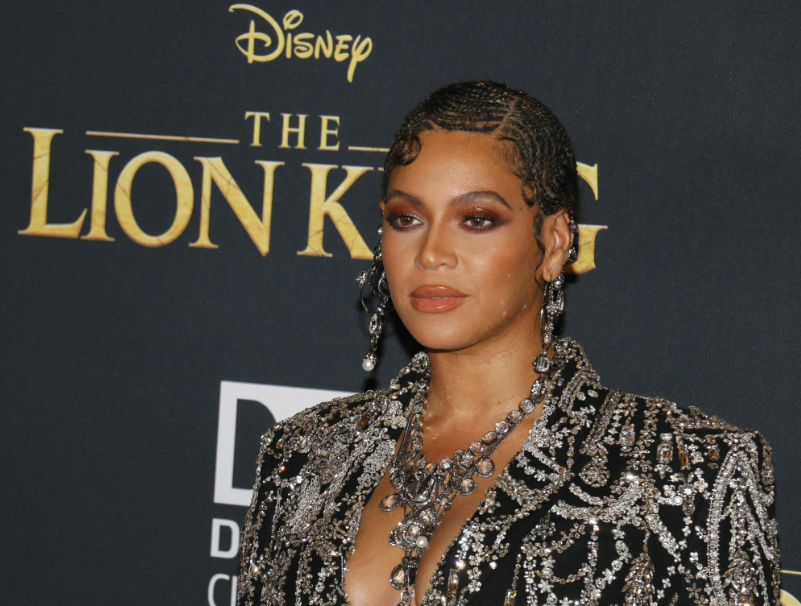
Beyoncé marked the highly anticipated launch of her Cowboy Carter Tour with a grand spectacle at Los Angeles’s SoFi Stadium. The nearly three-hour-long show was a dynamic fusion of country music traditions, pop, R&B, and the vibrant aesthetics of ballroom culture. But beyond just entertainment, it was a profound celebration of Black creativity and an unflinching statement about identity, artistic ownership, and cultural legacy in America.
From the very outset, the evening made it clear that this wasn’t just another concert—it was a powerful act of reclamation. Boldly illuminated on the stadium’s massive screens were the words: “Never ask permission for something that already belongs to you.” This phrase resonated throughout the performance as a defiant assertion that Beyoncé, and the cultural heritage she represents, cannot be boxed in or denied rightful space.
Opening the Show: A Reverent and Revolutionary Introduction
Beyoncé began the evening with “AMERIICAN REQUIEM,” a track from her recent projects that confronts the complicated realities of American patriotism filtered through the Black experience. The somber, atmospheric song set a contemplative tone, leading seamlessly into a stirring rendition of The Beatles’ “Blackbird,” a classic symbol of struggle and hope during the Civil Rights era.
But Beyoncé’s tribute didn’t stop there. She followed “Blackbird” with a Jimi Hendrix-inspired version of “The Star-Spangled Banner,” reimagining the national anthem in a way that layered reverence with critical commentary. While Hendrix’s legendary 1969 Woodstock performance used the anthem to protest the Vietnam War and highlight racial injustice, Beyoncé’s take echoed this tradition of resistance and renewal.
As the anthem played, the stage visuals paid homage to Black trailblazers in country music history, a genre often viewed through a narrow lens as predominantly white. Images of Linda Martell—the first Black woman to sing at the Grand Ole Opry—and other overlooked pioneers filled the backdrop. With sincerity, Beyoncé addressed the audience: “I want to thank all of those who came before me. Thank you for giving me the creative liberty to challenge myself.” Her gratitude was also a subtle demand for recognition of the Black roots that run deep within country music’s history.
Clad in an all-white leather Mugler ensemble and a classic cowboy hat, Beyoncé embodied both a modern icon and a nod to country’s storied past. Her presence was a reminder that she is not just an artist dabbling in a genre but one with a profound connection to its heritage, and the creative prowess to expand its horizons.
Country Music Reclaimed and Revolutionized
The Cowboy Carter Tour is not a simple fusion; it’s a purposeful excavation and reinvention. Country music, often stereotyped as the domain of rural white Americans, actually owes much of its origin to Black musicians, who infused it with blues, gospel, and storytelling traditions. Yet, Black voices have historically been marginalized or erased from country’s mainstream narrative.
Beyoncé’s tour actively challenges this erasure. By merging traditional country sounds—twanging guitars, fiddles, and steady rhythms—with her signature blend of pop and R&B vocals, she dismantles preconceived notions. The aesthetic touches, like cowboy hats and boots, are not costumes but symbols of heritage, worn with pride and layered with contemporary flair.
This deliberate melding of styles invites the audience to reconsider what country music can be. It’s a statement that genres are fluid and that cultural ownership is complex and intertwined.
Family Ties: The Heart of the Show
Family is a cornerstone of Beyoncé’s public persona, and the Cowboy Carter Tour showcased this beautifully. Throughout the night, her eldest daughter Blue Ivy appeared onstage, moving fluidly with the backup dancers during energetic numbers such as “YA YA,” “SWEET ★ HONEY ★ BUCKIIN’,” and the politically charged “AMERICA HAS A PROBLEM.”
Blue Ivy’s presence was more than a cute addition—it symbolized generational continuity, the passing of a creative torch, and the nurturing of a legacy that goes beyond music. Dressed in outfits that mirrored the show’s Western theme, Blue’s confident stage presence signaled that she is carving her own artistic path while honoring her roots.
Another rare and emotionally charged moment came during “PROTECTOR,” when Beyoncé’s youngest daughter, Rumi, made a brief appearance. Waving to the crowd with a bright smile, Rumi’s presence softened the intensity of the concert and reminded fans of the deeply personal motivations behind much of Beyoncé’s work.
Further tying the past to the present, Beyoncé performed a solo rendition of “Deja Vu” that revived choreography from her B’Day era, creating a beautiful bridge between her past artistic phases and her current creative vision.
Echoes of the Renaissance and Ballroom Elegance
Although the Cowboy Carter Tour focuses on country influences, Beyoncé’s signature RENAISSANCE era sound and aesthetic also surfaced prominently. The show’s fluidity between genres was one of its defining features.
One highlight was her performance of “TYRANT” atop a mechanical bull, a visually striking and metaphorically rich moment. The bull, a classic symbol of country and rodeo culture, was transformed into a stage prop that underscored Beyoncé’s control and dominance over the genre she was claiming.
From there, the concert transitioned into a ballroom-inspired segment featuring songs like “I’M THAT GIRL,” “COZY,” and “ALIEN SUPERSTAR.” These performances were a celebration of Black queer culture, ballroom voguing, and self-expression, showcasing Beyoncé’s commitment to amplifying marginalized voices within her artistry.
During “YA YA,” Beyoncé was seated on a throne while a robotic arm poured her whiskey—a futuristic yet Southern tableau that juxtaposed tradition with innovation, heritage with progress.
Visuals as Political and Cultural Commentary
Beyoncé has always been masterful at embedding powerful messages within her visual presentations, and the Cowboy Carter Tour was no exception. Throughout the show, visuals reinforced themes of resistance, empowerment, and reclaiming what rightfully belongs to Black artists and communities.
One of the most striking scenes depicted Beyoncé in a tense gun duel against an older white cowboy figure. Bullets bounced harmlessly off her body, a metaphor that spoke volumes. It referenced her experience being snubbed by Nashville’s predominantly white country music establishment and the broader struggle for Black artists to gain recognition and respect in genres dominated by white narratives.
Later, in a showstopping moment, Beyoncé flew above the crowd on a glowing pink neon horseshoe during “DADDY LESSONS.” This song has long been understood as a tribute to her father and a reflection on lessons of love, loyalty, and strength drawn from her Texas upbringing. Her aerial performance was both literal and symbolic—lifting Black country music to new heights.
Following that, she transitioned to a flying convertible decked out with an American flag as she performed “16 CARRIAGES,” a song layered with themes of burden, femininity, and resilience. These high-flying visuals encapsulated the show’s dual messages of celebration and defiance.
A Setlist Full of Surprises and Homages
The musical journey Beyoncé took her audience on was carefully curated to blend nostalgia, innovation, and cultural significance. She wove snippets of Destiny’s Child hits like “Bills, Bills, Bills” into newer material such as “THIQUE,” creating a multi-generational experience.
One viral moment was her refreshed performance of “Diva,” which had garnered attention online prior to the tour. It served as a testament to her ability to keep reinventing herself and staying culturally relevant.
Another notable highlight was her take on Dolly Parton’s “JOLENE.” Rather than a straightforward cover, Beyoncé infused the classic with her own signature flair and a beat inspired by New Orleans bounce music—a genre deeply connected to Black musical innovation. This reimagining honored Dolly’s influence while asserting Beyoncé’s ownership and reinterpretation of the narrative.
The concert reached a climactic crescendo with a remixed version of “TEXAS HOLD ‘EM,” which then transitioned smoothly into the iconic “Crazy in Love.” Although fans were eager for a guest appearance from JAY-Z, who famously duets on the latter, he did not join Beyoncé on stage. Still, her solo performance was magnetic enough to command the crowd’s undivided attention.
The Cultural Impact and Future Stops
The Cowboy Carter Tour is much more than a high-profile tour—it’s a cultural milestone. Beyoncé is not simply showcasing her talents but is actively challenging the cultural gatekeepers and re-centering Black voices in spaces where they have been historically marginalized.
Her choice to spotlight Black country pioneers, blend genres, and bring her family into the spotlight is a multi-layered strategy that advances discussions about identity, inclusion, and creative freedom.
The tour will continue with additional shows in Los Angeles before making stops in Chicago, New Jersey, London, Paris, Houston, Washington D.C., Atlanta, and concluding in Las Vegas in July. Given the groundbreaking nature of the opening night, audiences worldwide can expect a tour filled with spectacle, meaning, and unapologetic Black excellence.

by Jonathan P-Wright | May 16, 2025 | Latest, Music News |
Image credit: credit: Tinseltown / Shutterstock.com
Ciara has always known how to make an entrance, but this time, she’s sending shockwaves through the internet with a teaser so provocative, it has fans gasping, laughing, and begging for more. With a single photo, the Grammy-winning R&B icon has reignited excitement around her music — and reminded the world that her sensuality, star power, and creative fire are still very much intact.
This week, Ciara took to social media to unveil a smoldering image teasing her upcoming single, “Ecstasy,” and to say it got attention would be an understatement. In the photo, the superstar is seen poised on all fours on a pool table, wearing barely anything and exuding a confidence that only two decades of dominance in the music industry can deliver. With sultry lighting, a teasing gaze, and that unmistakable aura of star quality, the image immediately sparked conversation across platforms.
From Instagram to X (formerly Twitter), fans didn’t just double-tap — they spiraled. Comments poured in almost instantly, many filled with thirst, admiration, and unfiltered excitement for the single’s release. “She’s coming! Russell, it’s our turn. Get off her. We want the new music! Don’t be stingy!” joked one fan on Instagram, playfully calling out Ciara’s NFL-star husband, Russell Wilson, for keeping her too busy with family life. Others were more reverent, praising the singer’s age-defying beauty and ability to command attention like it’s 2004 all over again. “That’s one bad sister right there. She’s aging backwards,” said another fan on X, accompanied by fire emojis and throwback clips of Ciara’s iconic dance moves.
But the buzz isn’t just about looks — it’s about legacy. Ciara’s upcoming single “Ecstasy” marks a long-anticipated return to the music scene. It’s been several years since the release of her 2019 studio album Beauty Marks, and fans have been vocal about craving new music from the multi-talented performer. According to insiders, Ecstasy is set to drop on April 4, and if the teaser is anything to go by, this track will be sensual, stylish, and unapologetically bold — all the things we’ve come to expect from the Atlanta-bred star.
Adding even more excitement to the mix is the news that the music video for Ecstasy is directed by none other than Diane Martel — a name that carries weight in the music video world. Martel is the creative mastermind behind some of Ciara’s most iconic visual work, including “Promise,” “Like a Boy,” “Love Sex Magic” featuring Justin Timberlake, and the unforgettable “Ride,” which famously got banned from BET for its provocative imagery. With Martel at the helm, Ecstasy promises to deliver the kind of cinematic, sultry visuals that helped define Ciara’s artistic image in the first place.
For longtime fans, this moment feels like a full-circle return. Ciara isn’t just releasing a new single — she’s reminding the world of who she is: a visionary artist, a dancefloor icon, and a woman fully in charge of her narrative. At 38, with four children and a high-profile marriage, Ciara continues to balance the roles of mother, wife, entrepreneur, and performer with a grace that few in the entertainment industry manage to maintain. Her ability to switch effortlessly between family life and stage life is one of the many reasons fans continue to root for her — and why her comeback is being celebrated as both a cultural reset and a personal triumph.
It’s worth noting that Ciara’s impact goes far beyond her music. She has consistently pushed boundaries throughout her career — musically, visually, and socially. Her 2004 debut album Goodies introduced a new kind of R&B/pop hybrid, infused with crunk beats and slick choreography. Tracks like “1, 2 Step” and “Oh” became anthems of the early 2000s, while “Promise” and “Like a Boy” showcased a vulnerability and creative depth that set her apart from her peers. She has often used her platform to explore themes of empowerment, femininity, and transformation — and Ecstasy seems poised to continue in that tradition.
Ciara’s artistry has always been closely tied to her visual identity, and the teaser for Ecstasy is a masterclass in modern-day branding. The aesthetic is sleek, sultry, and striking — clearly designed to generate hype, but also to establish a tone. In a sea of pop releases that often feel disposable, Ciara’s teaser image manages to feel like an event. It’s not just a promo photo — it’s a statement of intent.
This is a woman reclaiming her narrative on her own terms. And fans are here for it.
Of course, with any major celebrity moment, there are critics. Some questioned the provocative nature of the teaser, citing her role as a mother and wife. But that discourse, too, feels dated — as if women can’t be sensual and maternal, confident and nurturing, all at once. Ciara has never shied away from embracing all aspects of her identity, and her fans are quick to defend her right to express herself freely. “Being sexy isn’t something you age out of,” one X user commented. “Ciara’s owning her body, her artistry, and her power. That’s real grown-woman energy.”
The anticipation around Ecstasy is more than just fandom — it’s cultural. Ciara represents a generation of Black female artists who changed the sound and style of pop music, and her continued presence in the industry is a reminder of that era’s enduring influence. As TikTok creators remix her old choreography and Gen Zers discover her catalog, Ciara’s legacy continues to evolve in real-time.
With April 4 quickly approaching, all eyes are on what Ciara will deliver. If the teaser is anything to go by, Ecstasy won’t be just another single — it’ll be a moment. A reclaiming. A celebration. A spark.
And with Diane Martel back in the director’s chair, a fire track on the horizon, and a fanbase already in a frenzy, one thing’s clear: Ciara isn’t coming back quietly. She’s coming back on her own terms — powerful, provocative, and fully in her element.
Let the countdown begin.

RECENT COMMENTS