by Voshawn Johnson | Sep 17, 2025 | Latest, Music News |
Why Joe Budden’s Mic Matters
The Joe Budden Podcast is where hip-hop’s biggest conversations become smarter, funnier, and more accountable. Joe and the crew treat the culture like a living institution—balancing humor with rigor, and barbershop energy with newsroom discipline. When they publish, discourse shifts. If you want the pulse, you lock in here.
Do the smart thing: watch the Joe Budden Podcast on YouTube here and tap in with the conversation firsthand.
A Masterclass In Long-Form Storytelling
In a clip-drunk era, JBP doubles down on depth. The pacing lets arguments breathe, lets context build, and gives artists/industry figures fair treatment. That’s why episodes have replay value and clips travel—substance first, virality second.
Fresh From Ep. 856 “Pillow Talk”
This week’s drop crystallizes the show’s range. The room unpacks Young Thug interrogation clips and what they mean for Atlanta’s future (30:09, 56:38), debates “pillow talking” etiquette after an off-mic dust-up (1:15:00), and reacts to Cardi B’s testimony (1:34:00). Joe weighs in on the Jussie Smollett documentary (1:44:19); there’s programming talk with Funk Flex’s Hot 97 timeslot change (1:56:21); then new-music energy with Joey Bada$$ & Westside Gunn album drops (2:09:48). Late-episode gems include Joe calling Kehlani’s “Folded” the R&B song of the summer (2:52:55), a Mario remix reaction (2:55:05), and quick-hit cultural notes from ILoveMakonnen turning chef (3:01:28) to Cracker Barrel’s logo tweak (3:07:57) and a heated Micah Parsons trade debate (3:12:40). (Apple Podcasts)
Network Vision, Creator Integrity
The Joe Budden Podcast Network proves creator-owned media can scale without losing its voice. Independence keeps the takes fearless; editorial consistency keeps the trust.
Why You Should Hit Play Today
If you’re an artist, manager, journalist, or fan who wants context—not clickbait—this episode is required listening. It’s funny, layered, and rooted in love for the craft.
Call to Action: Lock in with the episode and watch on YouTube here. Share a timestamp, argue your take, keep the discourse honest.
by Pharron Fields | Aug 21, 2025 | Music News, Social Justice, Trending |
Photo by Karsten Winegeart on Unsplash
Hip-hop has long been the heartbeat of urban resilience—a genre born in the struggle and sculpted in survival. From its roots in the Bronx to its global dominance, it has remained one of the most honest reflections of culture, identity, pain, and rebellion. Yet despite its triumphs, the genre remains haunted by a disturbing and persistent trend: the premature deaths of its stars.
The headlines come with tragic regularity. Another rising voice silenced. Another tribute concert. Another artist’s last tweet going viral after their murder, overdose, or unexplained passing. The loss feels almost routine now, but it shouldn’t. When Pop Smoke was gunned down at 20, when Juice WRLD collapsed at just 21, when Nipsey Hussle was murdered in front of his own business, and when Takeoff was caught in a senseless crossfire—these weren’t just isolated incidents. They were alarm bells in a system that’s failed to protect its brightest talents.
While many are quick to blame the “lifestyle” or the music itself, the deeper truth is harder to stomach: these deaths reflect broader societal, psychological, and industry-wide failures.
A Crisis Backed by Data
A groundbreaking study published in the Journal of the American Medical Association in 2015 cast a harsh spotlight on the grim statistics surrounding hip-hop deaths. According to the study, 51% of deaths among hip-hop artists were homicides, and the average age of death was just 30. This is alarmingly young compared to other genres. In rock, only 6% of deaths are homicides. In jazz, it’s 1.5%. And in country music, the average age of death surpasses 60.
Clearly, the genre doesn’t just reflect danger—it lives inside it. These numbers don’t just highlight a trend; they paint a clear picture of a cultural health crisis. The artists we idolize, who pour their trauma and truth into their lyrics, are navigating a world that remains perilous—even after they’ve made it big.
Environments of Survival, Not Safety
Music psychologist Dr. Dianna Theadora Kenny put it plainly: “Hip-hop has the highest mortality rate of any major music genre. It’s not a coincidence. It reflects the environments from which many of these artists emerge.”
Indeed, many rappers come from communities ravaged by poverty, violence, incarceration, and neglect. Their ascent into fame doesn’t erase the battles they fought growing up. In fact, success often sharpens the threats they face. Overnight fame doesn’t come with a guidebook for security, mental health, or conflict resolution. These artists are launched into stardom while still carrying unresolved traumas and unhealed wounds—now in a spotlight where those wounds become targets.
Lives Taken, Stories Cut Short
Pop Smoke’s story is a gut-wrenching one. At just 20, he had become the face of Brooklyn drill—a genre bursting with raw intensity and street narrative. His deep voice and intimidating presence were paired with a rising global appeal. But that rise ended abruptly in a Los Angeles home invasion. His killers were teenagers who tracked his location via an Instagram post. A moment meant to celebrate success instead exposed him to fatal danger. His murder reminded the world just how vulnerable young artists can be in the digital age—especially when fame arrives faster than the tools to manage it.
Juice WRLD was a different kind of voice—less aggressive, more introspective. He bled emotion in his tracks, speaking openly about anxiety, heartbreak, and addiction. His vulnerability resonated with millions. But behind that openness was a young man wrestling privately with substance dependency. He died from an accidental overdose of oxycodone and codeine, just days after his 21st birthday. His lyrics had foreshadowed his own demise for months, and still, the system around him failed to intervene in time.
Nipsey Hussle’s death carried a different weight. He wasn’t just an artist—he was a community organizer, an entrepreneur, a visionary. His work in South Central Los Angeles wasn’t performative; it was deeply rooted in change-making. He opened businesses, created jobs, and spoke powerfully about generational wealth and Black empowerment. Yet, in the very community he uplifted, he was shot and killed. His death devastated a generation, not just because of who he was, but because of what he stood for: redemption, transformation, and unity.
Takeoff, the quietest and most peaceful member of the trio Migos, wasn’t known for beefs or controversy. But that didn’t spare him. He was killed in Houston during a confrontation that didn’t even involve him directly. At just 28, his death served as a chilling example of how even those who avoid conflict can fall victim to chaos.
The Industry’s Role in the Pattern
Within the hip-hop community, voices are rising to confront this crisis. Jim Jones famously said, “Rap is the most dangerous job in the world.” Fat Joe described rappers as “an endangered species.” And radio host Charlamagne Tha God criticized record labels for profiting from artists’ trauma without providing real support: “They want the music but not the responsibility of keeping artists alive.”
The reality is that the hip-hop industry has long commodified struggle. Labels race to sign artists who reflect raw, street-originated authenticity—yet rarely offer guidance for navigating fame, managing mental health, or securing safety. Artists are often left to juggle everything—financial pressure, family demands, public scrutiny, unresolved street conflicts—alone. Their trauma becomes content, their lyrics become product, and their safety becomes their own burden to bear.
Imagining a Safer Future for the Culture
Change is possible—but it requires more than mourning after the fact. It requires systems built to prevent these tragedies before they unfold.
One potential starting point is conflict resolution. Many disputes in the hip-hop world stem from misunderstandings, bruised egos, and street tensions. Industry-funded mediation programs could provide a way to resolve these issues before they escalate into violence. Neutral spaces for conversation, reconciliation, and accountability could reduce the likelihood of beefs becoming funerals.
Mental health support must also be prioritized. Therapy should be normalized and made readily accessible for artists—especially Black men, who often carry the weight of generational trauma in silence. Labels need to offer more than studio time and PR budgets—they need to provide therapists, wellness coaches, and trauma counselors. Artists are human beings, not streaming numbers.
Touring, while lucrative, can be dangerous—especially for younger acts. Many up-and-coming rappers travel with minimal security, poorly coordinated teams, and limited preparation for handling crowds, threats, or emergencies. Stronger tour protocols, dedicated security professionals, and clear risk assessments should be standard, not optional.
Investing in the Communities Artists Come From
Ultimately, addressing the violence and instability surrounding hip-hop means investing in the communities that produce its voices. Poverty, gun access, educational inequality, and mental health gaps are not just background conditions—they are direct contributors to the instability that many artists face. Supporting community development, youth programs, and mental health services in underfunded neighborhoods is not just social work—it’s preventative action. When artists succeed and give back, they should not be walking targets. They should be catalysts for transformation.
The Evolution of Lyrical Power
There’s another layer to this evolution—and it’s lyrical. Hip-hop has never been afraid to speak about pain, violence, and trauma. But the next era could be one where that same lyrical honesty turns inward—toward healing, vulnerability, and emotional intelligence. Artists like Kendrick Lamar, J. Cole, Noname, and others are already carving out a path where lyricism doesn’t rely on glorifying death to feel authentic.
The culture has always evolved. It has always responded to its moment. And right now, the moment is asking for something new: not a softer hip-hop, but a smarter one. One that understands the cost of constant funerals. One that wants its artists to live long enough to become elders.
A Genre Worth Protecting
The losses of Pop Smoke, Juice WRLD, Nipsey Hussle, Takeoff, and so many others are not just tragedies—they are wake-up calls. Each death chips away at the foundation of a culture that deserves preservation. But even more importantly, they are reminders that behind every track, every verse, and every viral clip is a life—a real one.
Hip-hop has changed the world. Now, it must protect its own.
The future of hip-hop can be different. It can be a genre not defined by grief, but by growth. Not by funerals, but by legacies. The next chapter doesn’t have to end in obituaries. It can be written in healing, safety, and survival.
by Jonathan P-Wright | Dec 13, 2024 | Latest, Music News, New Music Alert |
Image credit: Franklin Sheard Jr / Shutterstock.com
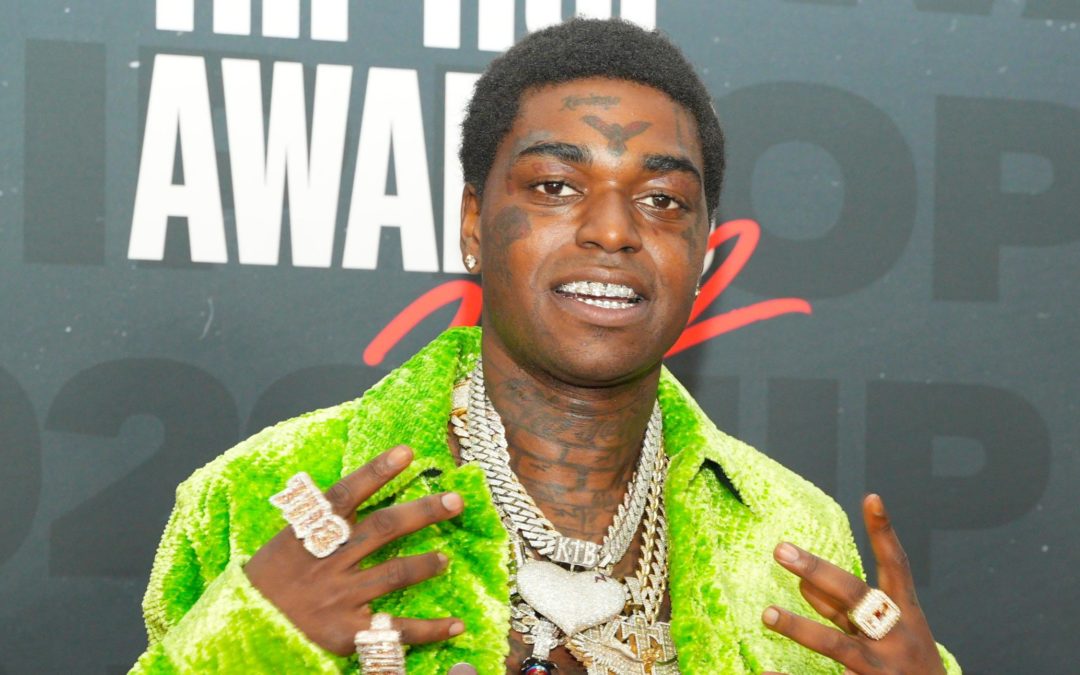
In the ever-evolving landscape of hip-hop, moments of genuine mentorship and guidance can be transformative. Recently, an episode of the popular podcast “Million Dollaz Worth of Game” showcased such a moment, as hosts Wallo and Gillie extended heartfelt counsel to rising star Kodak Black. This interaction, set against the backdrop of Kodak’s childhood home, not only highlighted the challenges faced by young artists but also emphasized the importance of positive influence in the music industry.
The encounter took place in the Golden Acres public housing project of Pompano Beach, Florida, a location laden with significance for Kodak Black. As the rapper revisited his roots, the conversation delved into themes of personal growth, responsibility, and the weight of success. Wallo, known for his candid approach, seized this opportunity to offer words of wisdom that resonated beyond the confines of a typical interview.
This article explores the nuances of this pivotal interaction, examining its potential impact on Kodak Black’s career trajectory and the broader implications for mentorship in hip-hop. We’ll dissect the advice given, contextualize it within the framework of Kodak’s past struggles, and consider how such guidance might shape the future of not only this artist but also the genre as a whole.
The Setting: A Return to Golden Acres
The choice of location for this profound exchange was far from arbitrary. The Golden Acres public housing project in Pompano Beach, Florida, serves as more than just a backdrop; it’s a character in Kodak Black’s narrative. This setting provided a tangible connection to the artist’s humble beginnings, creating an atmosphere ripe for reflection and introspection.
As Kodak Black stepped onto the grounds of his former home, a mix of emotions was palpable. The rapper described the experience as “bittersweet,” a term that encapsulates the complex feelings associated with revisiting one’s past. This return to Golden Acres wasn’t just a physical journey; it was an emotional odyssey that set the stage for the impactful conversation to follow.
The Significance of Place in Hip-Hop Narratives
The importance of ‘the hood’ in hip-hop storytelling cannot be overstated. For many artists, these environments are crucibles of creativity, shaping their worldviews and artistic expressions. By conducting the interview in this location, Wallo and Gillie tapped into a rich vein of authenticity, allowing Kodak to connect his past with his present in a meaningful way.
The familiar surroundings seemed to lower Kodak’s guard, creating a rare moment of vulnerability. This openness was crucial in facilitating the heart-to-heart that would follow, demonstrating the power of environment in fostering genuine communication.
Wallo’s Heartfelt Intervention
At a pivotal moment in the conversation, Wallo took Kodak Black’s hand, initiating a deeply personal exchange. This gesture, both literal and symbolic, marked the transition from a standard interview to a mentorship opportunity.
In an industry often characterized by bravado and emotional distance, Wallo’s decision to hold Kodak’s hand was a powerful statement. This simple act of human connection set the tone for the advice that followed, emphasizing sincerity and care.
Wallo’s message to Kodak was a masterful blend of encouragement and accountability. He began by affirming Kodak’s uniqueness and potential, a crucial foundation for any mentorship relationship. However, he quickly pivoted to the responsibilities that come with talent and success, particularly focusing on Kodak’s role as a father.
Recognizing the challenges faced by young artists, Wallo acknowledged the likelihood of self-doubt and external pressures. By doing so, he normalized these struggles while simultaneously providing a roadmap for overcoming them.
The Weight of Responsibility
A central theme in Wallo’s advice was the concept of responsibility, particularly as it relates to Kodak Black’s children and family.
Wallo emphasized the profound influence that Kodak’s actions would have on his children’s lives. This perspective framed Kodak’s career choices not just in terms of personal success, but as part of a larger legacy that would affect generations to come.
By repeatedly mentioning Kodak’s “babies” and family, Wallo tapped into a powerful motivator. He positioned family not as a burden, but as a source of strength and purpose that could guide Kodak through difficult times.
The advice touched on the delicate balance between pursuing individual ambitions and fulfilling family responsibilities. This is a common struggle for many artists, and Wallo’s words offered a framework for navigating this complex terrain.
The Broader Context of Black Male Success
Wallo’s counsel extended beyond personal advice, touching on the larger narrative of Black male success in America.
The conversation acknowledged the unique opportunities available to successful artists like Kodak Black, while also recognizing the systemic obstacles that many Black men face. This dual perspective added depth to the advice, placing Kodak’s journey within a broader societal context.
The Responsibility of Representation
Wallo stressed the importance of Kodak’s role as a representative of his community. By highlighting the many young people watching Kodak’s every move, he underscored the far-reaching impact of the rapper’s choices and behaviors.
A call to “change the narrative” was a powerful element of Wallo’s message. This challenge invited Kodak to consider how his actions and art could contribute to reshaping perceptions of Black men in America.
The Role of Authenticity in Mentorship
The effectiveness of Wallo’s advice was largely due to its authenticity, rooted in shared experiences and genuine concern.
Wallo’s ability to relate to Kodak’s struggles lent credibility to his words. By referencing his own youth and that of co-host Gillie, Wallo established a connection based on shared experiences in the music industry and beyond.
In a refreshing departure from the sycophantic behavior often surrounding successful artists, Wallo positioned himself as the antithesis of a ‘yes man.’ This honest approach, while potentially uncomfortable, offered Kodak a rare opportunity for genuine growth.
The conversation demonstrated the importance of creating environments where artists can be vulnerable. This openness is crucial for personal development and can lead to more authentic artistic expression.
The Impact of Peer Influence in Hip-Hop
Wallo and Gillie’s interaction with Kodak Black highlighted the potential for positive peer influence within the hip-hop community.
By offering constructive advice and genuine care, Wallo and Gillie presented an alternative to the negative influences that often surround young artists. This positive mentorship model could serve as a template for other industry veterans.
The Power of Shared Experiences
The hosts’ ability to relate to Kodak’s journey through their own experiences in the music industry created a unique bond. This shared background allowed for advice that was both practical and empathetic.
The public nature of this interaction on a popular podcast sends a powerful message about the importance of support and guidance within the hip-hop community. It challenges the notion that success in the industry must come at the cost of personal growth and responsibility.
Addressing Kodak Black’s Past Controversies
While offering support and encouragement, Wallo’s advice also subtly addressed Kodak Black’s history of legal troubles and controversial behavior.
Without directly referencing specific incidents, the conversation created space for reflection on past actions. This approach allowed for accountability without dwelling on negative aspects of Kodak’s history.
The Path to Redemption
Implicit in Wallo’s advice was the idea that redemption is possible. By focusing on the future and the impact Kodak could have on his family and fans, the conversation opened avenues for positive change.
The advice touched on the delicate balance between maintaining artistic authenticity and exercising personal responsibility. This is a crucial consideration for artists like Kodak, whose art often reflects their life experiences.
by Jonathan P-Wright | Dec 6, 2024 | Latest, Music News, New Music Alert |
Image credit: DFree / Shutterstock.com
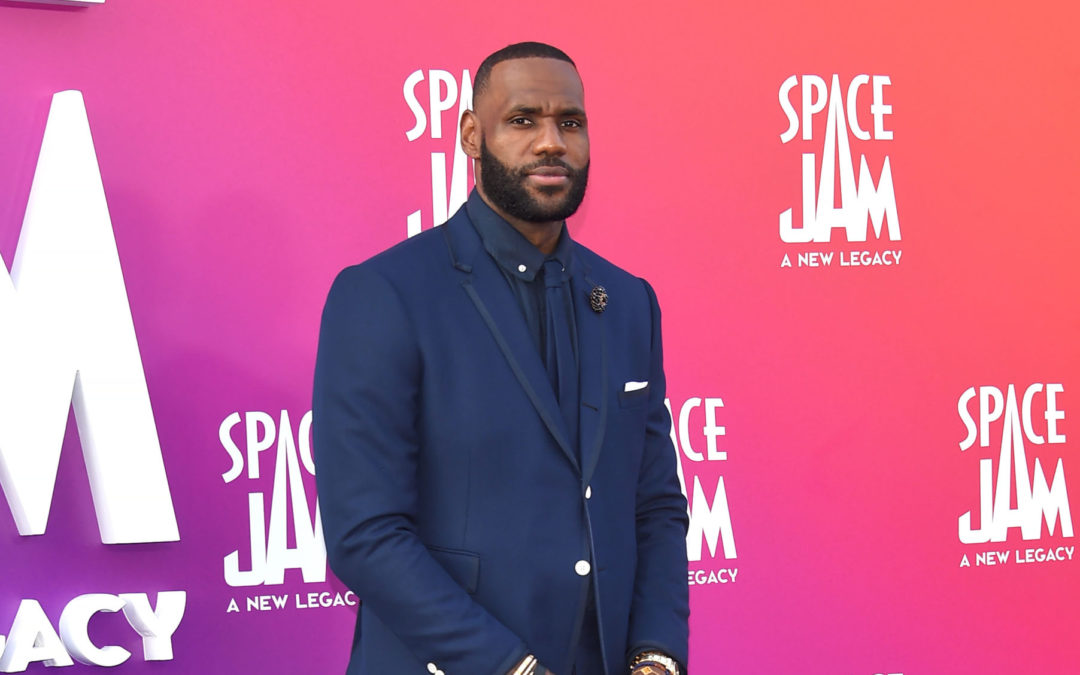
The world of professional sports often intersects with the realm of entertainment, creating moments that capture the imagination of fans across the globe. Recently, one such instance occurred when basketball icon LeBron James shared details of an extraordinary dream that blended his athletic prowess with the star power of music industry legends. This unexpected convergence of basketball and hip-hop royalty in James’ subconscious has sparked widespread interest and discussion among fans and media outlets alike.
In a surprising turn of events, James took to social media to recount a vivid dream that featured an all-star lineup of personalities from both the sports and music worlds. The dream’s narrative wove together elements of James’ basketball career with the electrifying performances of hip-hop luminaries, creating a surreal tapestry that left the NBA superstar both amazed and eager to share with his millions of followers.
As we delve into the details of James’ dream, we’ll explore the significance of each figure involved, the cultural impact of this imaginary collaboration, and the broader implications for the intersection of sports and entertainment. From the hallowed halls of Duke University to the pulsating beats of West Coast rap, this article will take you on a journey through the subconscious of one of basketball’s greatest players, offering insights into the influences and aspirations that shape his world both on and off the court.
Join us as we unpack this fascinating glimpse into the mind of LeBron James, examining the dream that has captivated fans and sparked conversations about the power of imagination in the world of professional athletics. Through this exploration, we’ll gain a deeper understanding of the cultural forces at play in James’ life and the broader landscape of sports and entertainment in the 21st century.
The Dream’s Setting: Cameron Indoor Stadium
In the realm of college basketball, few venues hold as much prestige and historical significance as Cameron Indoor Stadium. Located on the campus of Duke University in Durham, North Carolina, this iconic arena has been the home court for the Blue Devils since 1940. It’s within this hallowed space that LeBron James’ dream unfolds, adding an extra layer of gravitas to the already surreal scenario.
The Significance of Cameron Indoor Stadium
Cameron Indoor Stadium is more than just a basketball court; it’s a cathedral of the sport. With a seating capacity of 9,314, it’s relatively small compared to many modern arenas, but what it lacks in size, it makes up for in atmosphere. The intimate setting creates an electric environment, with fans—particularly the student section known as the “Cameron Crazies”—positioned close to the action, creating an intimidating atmosphere for visiting teams.
The stadium has witnessed countless memorable moments in college basketball history, from buzzer-beaters to championship celebrations. Its wooden bleachers and intimate confines harken back to a bygone era of basketball, preserving a sense of tradition that resonates with players and fans alike. For James to dream of playing in this venue speaks to its enduring impact on the sport and its ability to capture the imagination of even the most accomplished professional athletes.
The Dream Atmosphere
In recounting his dream, James described the atmosphere inside Cameron Indoor Stadium as “INSANE.” This characterization aligns perfectly with the real-life reputation of the venue, known for its deafening noise levels and passionate crowd. The dream seems to have captured the essence of what makes Cameron Indoor Stadium such a special place in the world of basketball.
The intensity of the dream setting reflects the reverence with which many basketball players and fans regard Cameron Indoor Stadium. It’s a place where legends are made, and the fact that James’ subconscious chose this location for his imaginary college basketball experience underscores the venue’s significance in the sport’s culture.
The Blending of Professional and College Basketball
LeBron James’ dream of playing at Cameron Indoor Stadium represents an intriguing blend of his professional career with the college basketball experience he never had. Having entered the NBA directly from high school, James bypassed the traditional college route taken by many of his peers. This dream sequence perhaps offers a glimpse into a “what if” scenario, allowing James to imagine himself as part of the storied tradition of college basketball.
The choice of Cameron Indoor Stadium as the setting for this dream also highlights the ongoing dialogue between professional and college basketball. Despite the differences between the two levels of the sport, there remains a strong connection, with many NBA players and fans maintaining deep ties to their college programs or favorite college teams.
Coach K: A Legend in James’ Dreamscape
In LeBron James’ vivid dream, one of the most prominent figures to emerge was none other than Mike Krzyzewski, affectionately known as “Coach K.” The inclusion of this basketball coaching icon in James’ subconscious narrative speaks volumes about the respect and admiration that even the greatest players in the world hold for certain figures in the sport.
Coach K’s Legacy at Duke
Mike Krzyzewski’s tenure at Duke University is nothing short of legendary. From 1980 to 2022, Coach K led the Blue Devils to unprecedented success, cementing his status as one of the greatest college basketball coaches of all time. These accomplishments only scratch the surface of Coach K’s impact on the game. His ability to consistently recruit and develop top talent, implement sophisticated game strategies, and maintain a culture of excellence at Duke has set a standard that few can match.
The Significance of Coach K in James’ Dream
The appearance of Coach K in LeBron James’ dream underscores the universal respect that Krzyzewski commands in the basketball world. Despite James never having played college basketball, let alone for Duke, the idea of suiting up for Coach K clearly holds a special allure. In the dream, James recounts telling Coach K that it was “an honor to suit up for him,” with Krzyzewski reciprocating the sentiment.
This mutual expression of honor in the dream scenario reflects the real-life dynamic between great players and great coaches. It suggests that even for a player of James’ caliber—widely regarded as one of the best to ever play the game—the opportunity to learn from and play for a coach of Krzyzewski’s stature is still viewed as a significant and desirable experience.
Coach K’s Influence Beyond College Basketball
While Coach K is primarily known for his college coaching career, his influence extends far beyond the confines of the NCAA. Krzyzewski has also made significant contributions to USA Basketball, serving as the head coach of the men’s national team from 2005 to 2016. During this time, he led Team USA to three consecutive Olympic gold medals (2008, 2012, 2016) and two FIBA World Cup gold medals (2010, 2014).
This international success has allowed Coach K to work with and influence many of the NBA’s top players, including LeBron James himself, who was part of the 2008 and 2012 Olympic teams. The relationship forged between Krzyzewski and professional players during these international competitions has further enhanced his reputation and respect among NBA stars.
The “What If” Scenario
LeBron James’ dream of playing for Coach K at Duke presents an intriguing “what if” scenario that has long been a subject of speculation among basketball fans. As a player who went directly from high school to the NBA, James never experienced the college game. The dream sequence allows both James and fans to imagine how his incredible talents might have meshed with Coach K’s system and the college basketball environment.
This hypothetical pairing of one of the game’s greatest players with one of its most successful coaches serves as a tantalizing glimpse into an alternate basketball universe. It speaks to the enduring appeal of college basketball and the unique experiences it offers, even for those who have achieved the highest levels of success in the professional ranks.
The Unexpected Concert: Snoop Dogg and Dr. Dre Take Center Stage
In a surprising twist to LeBron James’ already extraordinary dream, the basketball scenario seamlessly transitioned into a high-energy concert featuring two of hip-hop‘s most iconic figures: Snoop Dogg and Dr. Dre. This unexpected fusion of sports and music within James’ subconscious offers a fascinating glimpse into the cultural influences that shape the NBA superstar’s world.
The Legendary Duo: Snoop Dogg and Dr. Dre
Snoop Dogg and Dr. Dre are not just musicians; they are cultural icons who have played pivotal roles in shaping the landscape of hip-hop and popular music for decades. Their collaboration dates back to the early 1990s when Dr. Dre discovered and mentored a young Snoop Dogg, leading to the latter’s breakout appearance on Dr. Dre’s seminal album “The Chronic” in 1992.
Their partnership has resulted in numerous hit songs and has come to symbolize the sound and spirit of West Coast hip-hop.
“The Next Episode” in Cameron Indoor Stadium
In James’ dream, Snoop Dogg and Dr. Dre performed their classic hit “The Next Episode” within the confines of Cameron Indoor Stadium. This juxtaposition of a hip-hop performance in a venue typically associated with college basketball creates a surreal and electrifying atmosphere in James’ subconscious narrative.
“The Next Episode,” released in 2000 as part of Dr. Dre’s album “2001,” is one of the duo’s most recognizable collaborations. Known for its iconic intro and catchy beat, the song has become a staple of hip-hop culture and continues to be celebrated more than two decades after its release.
The Fusion of Basketball and Hip-Hop Culture
The seamless transition from a basketball game to a hip-hop concert in James’ dream reflects the real-world intersection of these two cultural phenomena. Basketball and hip-hop have long been intertwined, with many NBA players embracing hip-hop culture and numerous rappers referencing basketball in their lyrics and imagery.
This connection is particularly strong in James’ case, as he has been known to have close relationships with several hip-hop artists and has even ventured into music production himself. The dream sequence, therefore, can be seen as a manifestation of the cultural synthesis that James embodies as both an athlete and a cultural icon.
by Jonathan P-Wright | Nov 11, 2024 | Latest, Music News, New Music Alert |
Image credit: lev radin / Shutterstock.com
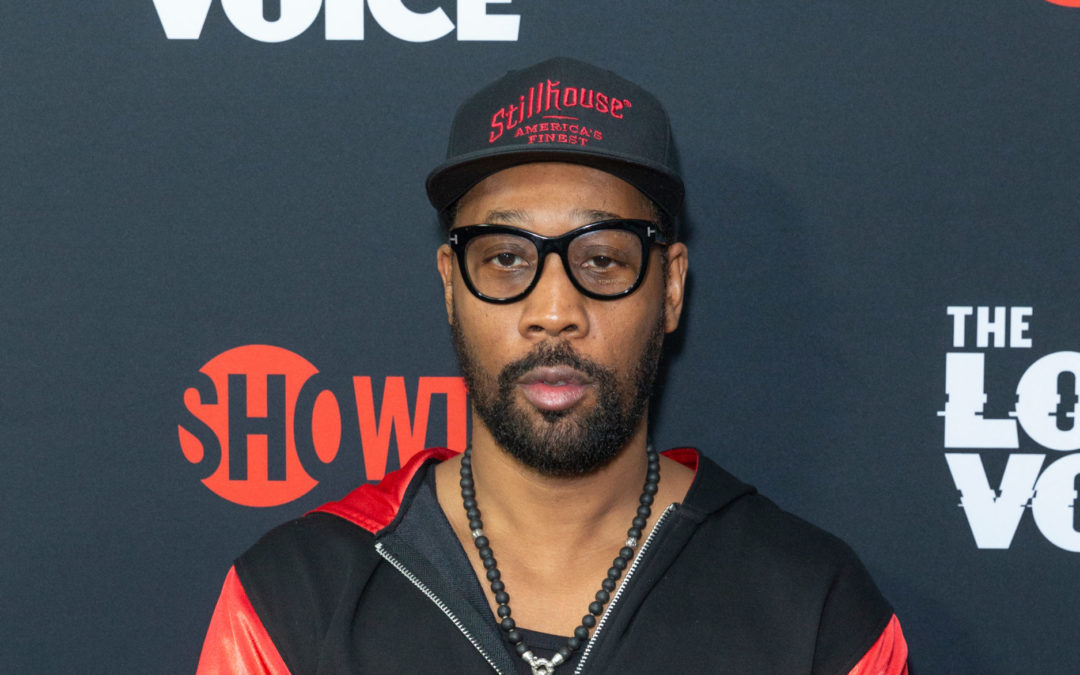
In the ever-shifting landscape of hip-hop, few figures stand as tall as RZA, the mastermind behind the legendary Wu-Tang Clan. Since the group’s inception in 1992, RZA has been at the forefront of musical innovation, pushing boundaries and redefining what it means to be an artist in the rap game. As the genre continues to evolve and new challenges emerge, RZA remains a beacon of creativity and wisdom, his words as potent and rhythmic as ever.
The hip-hop scene has undergone seismic shifts since RZA first burst onto the stage, transforming not just the music industry but the cultural fabric of New York City itself. Yet, in the face of these changes and the looming specter of artificial intelligence in music creation, RZA’s faith in the raw, unfiltered creativity of human artists remains unshaken. His journey from rap pioneer to classical composer is a testament to his versatility and unwavering commitment to artistic growth.
As we delve into the mind of this hip-hop luminary, we’ll explore his thoughts on the current state of the genre, his foray into classical music, and his perspective on the future of creativity in an increasingly digital world. RZA’s insights offer a unique glimpse into the heart of hip-hop, as seen through the eyes of one of its most influential architects.
The Evolution of a Hip-Hop Maestro
RZA’s journey from the streets of Staten Island to the pinnacle of hip-hop royalty is a story of relentless creativity and innovation. As the chief architect of Wu-Tang Clan’s sound, he played a pivotal role in shaping the course of rap music in the 1990s and beyond.
From Beats to Batons
At the age of 55, RZA has taken on a new challenge that showcases his musical versatility. Moving beyond the realm of rap production, he has embraced the role of orchestrator in the most literal sense. His latest project, “A Ballet Through Mud,” marks his debut in the world of classical music.
This ambitious album features 11 tracks that tell RZA’s life story not through rhymes, but through the rich, emotive tones of orchestral instruments. Working closely with the Colorado Symphony, RZA has crafted a sonic landscape that blends the raw energy of his hip-hop roots with the refined elegance of classical composition.
The Creative Process Behind “A Ballet Through Mud”
The creation of “A Ballet Through Mud” was no small feat. RZA describes it as one of the most time-consuming projects of his career, second only to the production of Wu-Tang Clan’s seminal album “Enter the Wu-Tang (36 Chambers).” The sheer scale of the undertaking, from composing for a 60-piece orchestra to navigating the intricacies of classical recording sessions, presented a new set of challenges for the veteran producer.
RZA’s approach to this album was driven purely by artistic vision, with no expectations for commercial success. This freedom allowed him to explore new musical territories and push his creative boundaries in ways he hadn’t since the early days of Wu-Tang.
The Intersection of Hip-Hop and Classical Music
RZA’s venture into classical music raises interesting questions about the relationship between different musical genres. By bridging the gap between hip-hop and classical composition, he demonstrates the universal language of music and the potential for cross-genre pollination.
This fusion of styles not only showcases RZA’s versatility as an artist but also challenges preconceptions about the limitations of hip-hop artists. It serves as a powerful reminder that creativity knows no bounds and that true artists can transcend the confines of any single genre.
RZA on the Current State of Hip-Hop
As a veteran of the hip-hop scene, RZA offers valuable insights into the genre’s current state and its potential future directions. His perspective is shaped by decades of experience and a deep understanding of hip-hop’s roots and evolution.
The Rise of Women in Hip-Hop
One of the most significant developments in recent years, according to RZA, is the increasing prominence of women in hip-hop. He expresses enthusiasm for this trend, noting the diverse voices and perspectives that female artists bring to the genre.
However, RZA also offers a word of caution. Drawing from the lessons of his own generation, he hopes that these rising stars will avoid some of the pitfalls that male artists fell into, particularly the tendency to prioritize style over substance. He emphasizes the importance of maintaining a balance between artistic expression and meaningful content.
The Changing Sound of New York Hip-Hop
As a New York native and a key figure in the city’s hip-hop scene, RZA has a unique perspective on how the sound of New York rap has evolved over the years. He notes that while the city may have moved away from its original, distinctive sound, this evolution is a natural part of the genre’s growth.
RZA points out that as hip-hop has become a global phenomenon, influences from different regions and styles have blended together. This cross-pollination has led to a more diverse and eclectic sound, even in New York, the birthplace of hip-hop.
The Impact of Technology on Hip-Hop Production
The advent of new technologies has dramatically changed the landscape of music production, and hip-hop is no exception. RZA reflects on how these changes have affected the creative process and the sound of contemporary hip-hop.
While acknowledging the benefits of technological advancements, RZA also emphasizes the importance of maintaining the human element in music creation. He believes that the spontaneity and unpredictability of human creativity are what give hip-hop its unique energy and appeal.
RZA’s Thoughts on AI in Music
As artificial intelligence continues to make inroads into various creative fields, including music, RZA offers his perspective on this emerging technology and its potential impact on hip-hop.
The Limits of AI Creativity
Despite the rapid advancements in AI technology, RZA remains skeptical about its ability to truly replicate human creativity. He argues that the spontaneous nature of human thought and expression is something that AI, at least in its current form, cannot fully emulate.
RZA’s view is that while AI might be able to generate content based on existing patterns and data, it lacks the ability to produce truly original, groundbreaking ideas. He believes that the unpredictable, often chaotic process of human creativity is what gives birth to revolutionary artistic expressions.
AI as a Tool, Not a Replacement
Rather than viewing AI as a threat to human artists, RZA sees it as a potential tool that can be harnessed and transformed by creative individuals. He suggests that even if AI-generated content becomes more prevalent, innovative artists will find ways to use this technology to push the boundaries of their craft.
This perspective aligns with hip-hop’s long-standing tradition of sampling and recontextualizing existing material. Just as hip-hop artists have taken snippets of old records and transformed them into something new and exciting, RZA believes that future artists might do the same with AI-generated content.
The Human Element in Music
At the core of RZA’s thoughts on AI in music is a firm belief in the irreplaceable value of human experience and emotion in artistic expression. He argues that the power of music lies not just in its technical execution, but in its ability to convey genuine human experiences and emotions.
This human element, according to RZA, is what allows music to connect with listeners on a deep, emotional level. It’s the raw, unfiltered expression of human creativity that he believes will always set human-made music apart from AI-generated content.
RZA emphasizes the importance of finding a balance between pushing the boundaries of hip-hop and preserving its core elements. He notes that while sonic innovation is thriving, with producers and artists experimenting with new sounds and styles, there’s a need to maintain the substance and messaging that has always been at the heart of hip-hop.
This balance, according to RZA, is crucial for ensuring that hip-hop remains a powerful form of expression and communication, rather than becoming solely focused on style over substance.
As we reflect on RZA’s journey from hip-hop pioneer to classical composer, it’s clear that his influence on the music world extends far beyond his work with Wu-Tang Clan. His willingness to push boundaries, explore new territories, and maintain a commitment to artistic integrity serves as an inspiration to both established and emerging artists.

RECENT COMMENTS