by Jonathan P-Wright | Dec 20, 2024 | Latest, Music News, New Music Alert |
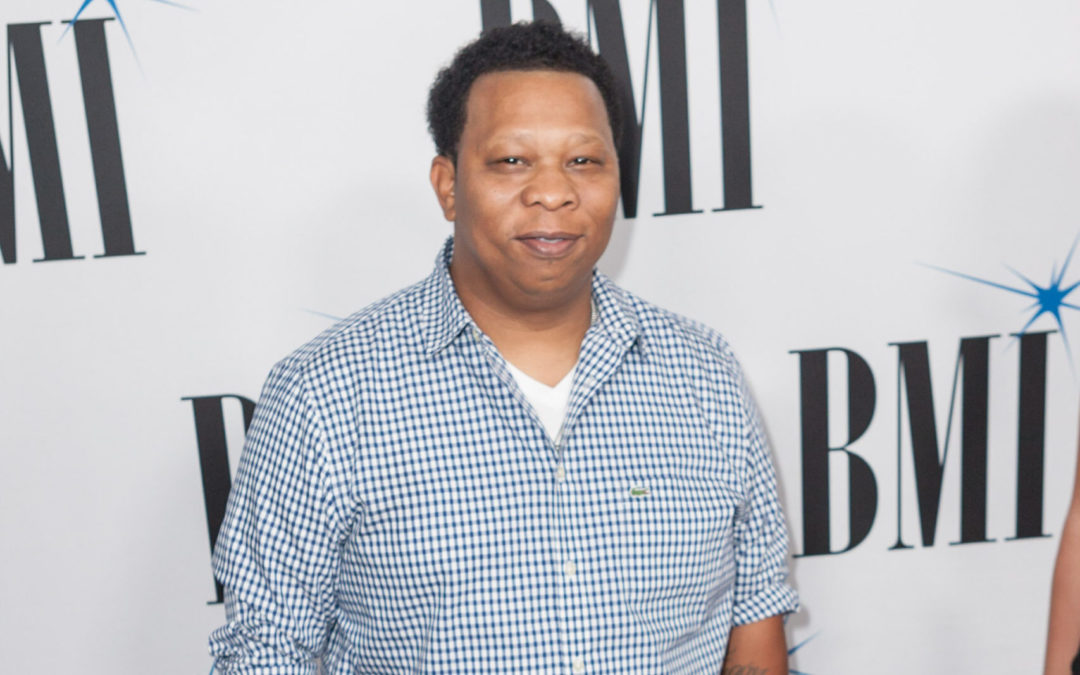
Image credit: Jamie Lamor Thompson / Shutterstock.com
In the realm of music production, sometimes the most unexpected moments can lead to chart-topping hits. Such is the case with the iconic song “Who Let the Dogs Out” by the Baha Men, which, as it turns out, owes its catchy hook to an unintentional contribution from legendary rapper and producer Mannie Fresh. This revelation has sent ripples through the music industry, shedding new light on the creation of one of the most recognizable tunes of the early 2000s.
Mannie Fresh, known for his innovative production style and collaborations with some of hip-hop’s biggest names, recently shared a surprising anecdote about his accidental involvement in crafting the hook for “Who Let the Dogs Out.” The story, which has resurfaced and gained traction in music circles, offers a fascinating glimpse into the sometimes serendipitous nature of hit-making in the music business.
As we delve into this unexpected tale, we’ll explore the circumstances surrounding Fresh’s inadvertent contribution, the impact of the song on popular culture, and the broader implications for the creative process in music production. This story not only highlights the unpredictable nature of musical inspiration but also underscores the collaborative and often spontaneous spirit that drives the industry forward.
The Unexpected Genesis of a Hit
The creation of “Who Let the Dogs Out” took an unexpected turn when Mannie Fresh found himself in the right place at the right time – or perhaps, from his perspective at that moment, the wrong place at the wrong time. Fresh, deeply engrossed in his own project at a recording studio, was interrupted by a group of musicians seeking his expertise.
According to Fresh’s account, he was fully immersed in programming when the team behind what would become the Baha Men’s hit entered the studio. Their request was simple yet crucial: they needed help with a song. Fresh, preoccupied with his own work, initially brushed off their plea for assistance.
However, the persistent group pressed on, specifically asking for a hook. It was at this moment that Fresh, in an attempt to quickly satisfy their request and return to his work, casually tossed out the now-famous phrase: “Who let the dogs out, who, who, who?” Little did he know that this off-the-cuff remark would become the cornerstone of a global phenomenon.
Fresh’s recollection of the incident is tinged with amusement and disbelief. He describes closing the studio door after his impromptu contribution, expecting it to be the end of the matter. The producer’s intention was clear – he wanted to swiftly deal with the interruption and resume his own project. This casual dismissal of what seemed like a minor interaction would soon prove to be a pivotal moment in pop music history.
The Song’s Rise to Fame
Following Mannie Fresh’s unintentional contribution, “Who Let the Dogs Out” embarked on a remarkable journey to become a cultural phenomenon. The Baha Men, a Bahamian junkanoo band, released the song in 2000, and it quickly captured the public’s imagination, transcending musical genres and age groups.
The track’s infectious rhythm, combined with its simple yet catchy hook – the very one Mannie Fresh had inadvertently provided – propelled it to international success. It climbed charts worldwide, becoming a staple at sporting events, parties, and on radio playlists. The song’s appeal was universal, resonating with listeners of all backgrounds and ages.
In the United States, “Who Let the Dogs Out” made a significant impact on the Billboard charts. It peaked in the Top 40, a remarkable achievement for a song that blended elements of junkanoo, soca, and pop music. This chart success was a testament to the song’s broad appeal and its ability to cross musical boundaries.
The song’s popularity extended far beyond mere chart positions. It became a cultural touchstone, frequently referenced in movies, television shows, and advertisements. Its memorable chorus made it an ideal choice for crowd participation at various events, further cementing its place in popular culture.
Grammy Recognition and Industry Impact
The meteoric rise of “Who Let the Dogs Out” culminated in prestigious industry recognition. At the 2001 Grammy Awards, the song achieved a significant milestone by winning the award for Best Dance Recording. This accolade not only validated the song’s commercial success but also acknowledged its impact on the music industry.
Winning a Grammy is a notable achievement for any artist, but for a song that began as an offhand remark in a studio, it was particularly remarkable. The award served as a testament to the unpredictable nature of hit-making in the music industry, where sometimes the most unexpected creations can resonate most strongly with audiences and critics alike.
The Grammy win elevated the status of both the Baha Men and the song itself. It brought increased attention to the band and opened doors for further opportunities in the music industry. For Mannie Fresh, although his contribution remained largely unknown at the time, it added an interesting footnote to his already impressive career in music production.
Mannie Fresh’s Reaction and Revelation
Years after “Who Let the Dogs Out” had become a global sensation, Mannie Fresh’s involvement in creating the hook remained a little-known fact. It wasn’t until recently that Fresh decided to share this surprising anecdote with the public, shedding light on the song’s unexpected origins.
In a candid interview on the “We Need To Talk” podcast with host Nyla Simone, Fresh recounted the story with a mix of amusement and disbelief. He described his initial reaction upon hearing the finished song on the radio, recalling a moment of shock as he recognized the hook he had casually tossed out to get the visiting musicians out of his studio.
Fresh’s revelation adds a layer of intrigue to the song’s history, highlighting the often-serendipitous nature of music creation. His story serves as a reminder that in the world of music production, sometimes the most impactful contributions can come from the most unexpected moments.
The producer’s willingness to share this story years after the fact demonstrates a sense of humor and humility about his unintended role in creating a pop culture phenomenon. It also offers fans and music industry insiders alike a fascinating glimpse into the behind-the-scenes processes that can lead to the creation of hit songs.
The Legacy of “Who Let the Dogs Out”
More than two decades after its release, “Who Let the Dogs Out” continues to hold a unique place in popular culture. The song’s enduring popularity is a testament to its catchy hook – the very element that Mannie Fresh unknowingly contributed.
The track has become more than just a hit song; it’s a cultural touchstone that evokes memories of the early 2000s for many listeners. Its use in films, TV shows, and commercials has ensured its continued relevance long after its initial chart success. The song’s simple yet effective chorus has made it a staple at sporting events and parties, where it continues to energize crowds.
In the realm of music history, “Who Let the Dogs Out” stands as an example of how a simple phrase can capture the public’s imagination and become a global phenomenon. Its success story, now enriched by the revelation of Mannie Fresh’s accidental contribution, adds an intriguing chapter to the annals of pop music lore.
The song’s legacy extends beyond its musical impact. It has become a case study in viral marketing before the age of social media, demonstrating how a catchy tune can spread rapidly through various channels and become a part of the cultural zeitgeist.
Mannie Fresh’s Career and Influence
While the story of “Who Let the Dogs Out” adds an interesting footnote to Mannie Fresh’s career, it’s important to note that his influence in the music industry extends far beyond this accidental contribution. Fresh has been a pivotal figure in hip-hop and R&B for decades, known for his innovative production style and collaborations with some of the biggest names in the business.
As a producer and rapper, Mannie Fresh first gained prominence as part of the New Orleans-based record label Cash Money Records. His work with artists like Juvenile, Lil Wayne, and the Big Tymers helped define the sound of Southern hip-hop in the late 1990s and early 2000s. Fresh’s production style, characterized by its bouncy rhythms and catchy hooks, became a signature sound that influenced countless artists and producers.
Throughout his career, Fresh has been credited with producing numerous hit songs and albums. His ability to craft infectious beats and memorable hooks has made him a sought-after producer across various genres. While “Who Let the Dogs Out” may have been an unintentional contribution, it’s indicative of Fresh’s knack for creating catchy, crowd-pleasing music.
In recent years, Fresh has continued to be active in the music industry, collaborating with both established artists and up-and-coming talents. His legacy as a producer and his influence on hip-hop culture remain significant, with many contemporary artists citing him as an inspiration.
The Art of Hook Creation in Music Production
Mannie Fresh’s accidental creation of the “Who Let the Dogs Out” hook shines a spotlight on an essential aspect of music production: the art of crafting memorable hooks. In the music industry, a hook is a musical idea, often a short riff, passage, or phrase, that is designed to catch the listener’s attention and be easily remembered.
The creation of an effective hook is a skill that combines creativity, musical knowledge, and an understanding of what resonates with audiences. While some hooks are the result of careful planning and multiple iterations, others, like in the case of “Who Let the Dogs Out,” can emerge spontaneously from unexpected moments of inspiration.
Producers and songwriters often spend considerable time developing hooks, recognizing their crucial role in a song’s success. A strong hook can elevate a good song to a great one, making it more likely to stick in listeners’ minds and potentially become a hit. The “Who Let the Dogs Out” hook demonstrates how sometimes the simplest phrases, when paired with the right melody and rhythm, can have a massive impact.
The story of this particular hook’s creation also highlights the collaborative nature of music production. While Mannie Fresh didn’t intend to contribute to the song, his off-the-cuff suggestion became the centerpiece of a global hit, underscoring how different creative minds can come together – sometimes unintentionally – to produce something memorable.
The Impact of Accidental Hits in Music History
The story of “Who Let the Dogs Out” is not unique in the annals of music history. There have been numerous instances where accidental or unintended contributions have led to the creation of hit songs. These stories often become part of music folklore, adding an element of mystique to the creative process.
One famous example is the creation of the iconic guitar riff in Deep Purple’s “Smoke on the Water.” The riff, now one of the most recognizable in rock history, was reportedly created as a warm-up exercise by guitarist Ritchie Blackmore. Similarly, the distinctive opening chord of The Beatles’ “A Hard Day’s Night” was the result of multiple instruments being played simultaneously, creating a unique sound that became instantly recognizable.
These accidental hits highlight the unpredictable nature of creativity in music. They remind us that sometimes the most impactful artistic contributions can come from moments of spontaneity or even mistakes. In the case of “Who Let the Dogs Out,” what began as a dismissive remark became a cultural phenomenon, demonstrating how the line between intentional creation and accidental genius can often be blurred in the world of music production.
The Role of Producers in Shaping Hit Songs
Mannie Fresh’s inadvertent contribution to “Who Let the Dogs Out” underscores the significant role that producers play in shaping hit songs. While artists are often the face of music, producers work behind the scenes to craft the sound, structure, and overall feel of a track.
Producers like Fresh bring a wealth of musical knowledge, technical expertise, and creative vision to the table. They often act as the bridge between an artist’s raw talent and the polished final product that reaches listeners’ ears. Their contributions can range from subtle tweaks to major overhauls of a song’s composition.
In many cases, producers are responsible for creating or refining the hooks that make songs memorable. They have an ear for what will resonate with audiences and the technical skills to bring those ideas to life. While Fresh’s contribution to “Who Let the Dogs Out” was unintentional, it’s a testament to his innate ability to create catchy phrases that stick in people’s minds.
The story also highlights how sometimes the best ideas in music production can come from unexpected places. It serves as a reminder for producers and artists alike to remain open to spontaneous inspiration and to recognize the potential in even the most casual musical ideas.
The Cultural Impact of “Who Let the Dogs Out”
Beyond its musical success, “Who Let the Dogs Out” has had a lasting impact on popular culture. The song’s simple yet infectious chorus has become a widely recognized phrase, often used in contexts far removed from its original musical setting.
The track quickly became a staple at sporting events, with its energetic rhythm and easy-to-chant chorus making it ideal for pumping up crowds. It has been used extensively in movies and television shows, often as a shorthand for excitement or chaos. The phrase “Who let the dogs out?” has entered common vernacular, used humorously in various situations.
The song’s cultural reach extended beyond entertainment, sparking discussions about its meaning and origin. While often perceived as a fun, lighthearted track, some have analyzed its lyrics for deeper meanings or social commentary. This multi-faceted interpretation has contributed to the song’s enduring presence in cultural discourse.
The revelation of Mannie Fresh’s accidental contribution adds another layer to the song’s cultural narrative. It serves as a reminder of the often-complex and sometimes arbitrary nature of pop culture phenomena, where unplanned moments can lead to lasting impact.
by Jonathan P-Wright | Dec 13, 2024 | Latest, Music News, New Music Alert |
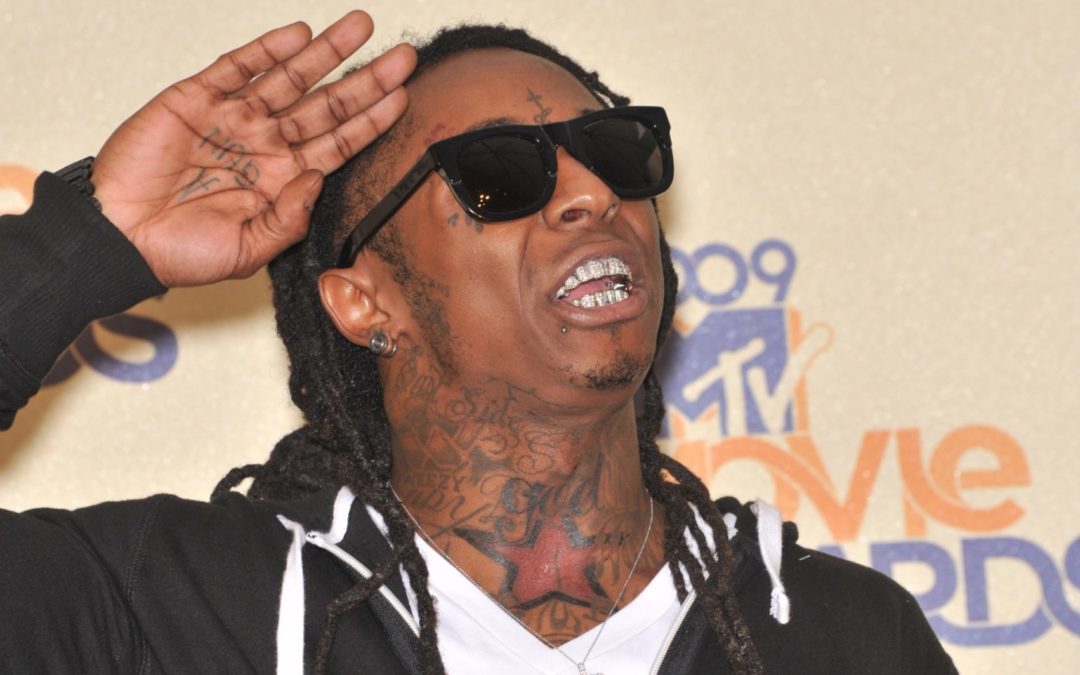
Image credit: Featureflash Photo Agency / Shutterstock.com
The hip-hop world is buzzing with excitement as Lil Wayne, the prolific rapper and entrepreneur, has just announced a second Hot Boys reunion show. This news comes on the heels of the group’s wildly successful performance at the recent WeezyAna Fest, which left fans clamoring for more. The announcement has sent waves of anticipation through the music community, promising another unforgettable night of nostalgia and groundbreaking performances.
As one of the most influential figures in modern hip-hop, Lil Wayne’s decision to reunite with his former group members for a second time speaks volumes about the enduring legacy of the Hot Boys and their impact on the genre. This upcoming show not only represents a trip down memory lane for long-time fans but also serves as an introduction to a new generation of listeners who may be discovering the group’s iconic sound for the first time.
The Hot Boys, consisting of Lil Wayne, Juvenile, B.G., and Turk, were instrumental in shaping the sound of Southern hip-hop in the late 1990s and early 2000s. Their reunion is more than just a concert; it’s a celebration of a pivotal era in rap music and a testament to the enduring bonds formed during those formative years in the industry.
As we delve deeper into the details of this monumental event, we’ll explore the significance of the Hot Boys in hip-hop history, the impact of their previous reunion, and what fans can expect from this highly anticipated second show. We’ll also examine the broader implications for the music industry and the potential for more nostalgic reunions in the future.
The Hot Boys Legacy
The Hot Boys emerged from the vibrant New Orleans hip-hop scene in the late 1990s, quickly becoming one of the most influential groups of their time. Formed under the Cash Money Records label, the quartet consisting of Lil Wayne, Juvenile, B.G., and Turk brought a fresh, energetic sound that would help define Southern rap for years to come.
The group’s ascent to stardom was meteoric. Their debut album, “Get It How U Live!,” released in 1997, showcased their raw talent and unique chemistry. However, it was their 1999 platinum-selling album “Guerrilla Warfare” that catapulted them to mainstream success. Hits like “I Need a Hot Girl” and “We on Fire” dominated airwaves and solidified their place in hip-hop royalty.
Following the group’s initial run, each member went on to achieve varying degrees of solo success. Lil Wayne, in particular, became one of the most successful and influential rappers of his generation. His solo career has been marked by numerous chart-topping albums, Grammy awards, and a level of cultural impact that few artists achieve.
Impact on Hip-Hop Culture
The Hot Boys’ influence extended far beyond their music. They popularized a style of dress, slang, and attitude that became synonymous with Southern hip-hop culture. Their rapid-fire delivery, vivid storytelling, and unapologetic depiction of street life in New Orleans set a new standard for authenticity in rap music.
Even years after their initial breakup, the Hot Boys’ music continues to resonate with fans and inspire new generations of artists. Their reunion shows serve not only as a nostalgic trip for long-time listeners but also as an educational experience for younger fans discovering the roots of contemporary hip-hop.
The First Hot Boys Reunion at WeezyAna Fest
The first Hot Boys reunion at WeezyAna Fest was a landmark event that sent shockwaves through the hip-hop community. This gathering marked the first time in over 15 years that all four original members shared the stage, creating a moment of musical history that fans had long dreamed of witnessing.
Rumors of a potential Hot Boys reunion had circulated for years, with various members hinting at the possibility in interviews and on social media. However, it wasn’t until Lil Wayne announced the lineup for his annual WeezyAna Fest that fans received confirmation of the long-awaited reunion.
The Performance
The reunion performance was nothing short of electric. As Lil Wayne, Juvenile, B.G., and Turk took the stage together, the crowd erupted in a frenzy of excitement. The group performed a selection of their greatest hits, including fan favorites like “Neighborhood Superstar” and “I Need a Hot Girl.”
The response from fans was overwhelmingly positive. Social media platforms were flooded with videos, photos, and ecstatic comments from attendees. Many described the experience as surreal, with some long-time fans admitting to being moved to tears by the sight of their childhood heroes performing together once again.
Critical Reception
Music critics praised the reunion, noting the seamless chemistry between the group members despite their long hiatus. Many commentators highlighted how the performance served as a reminder of the Hot Boys’ significant contribution to hip-hop and their enduring influence on the genre.
The Hot Boys reunion undoubtedly became the talking point of WeezyAna Fest, overshadowing many of the other performances. It elevated the festival’s profile and cemented its status as a must-attend event for hip-hop enthusiasts.
Announcement of the Second Reunion Show
Following the overwhelming success of their performance at WeezyAna Fest, Lil Wayne took to social media to make an announcement that sent fans into a frenzy: a second Hot Boys reunion show was in the works. This news came as a pleasant surprise to many who thought the WeezyAna Fest performance might be a one-time occurrence.
Lil Wayne’s social media post was concise but packed with excitement. He revealed that the Hot Boys would be performing at the Toyota Center in Houston, Texas, on December 21st. The announcement was accompanied by a striking promotional image featuring all four members of the group, instantly sparking a wave of shares and comments from eager fans.
Venue and Date
The choice of Houston’s Toyota Center as the venue for this second reunion show is significant. With a capacity of over 18,000 for concerts, it’s a testament to the enduring popularity of the Hot Boys and the anticipation surrounding their reunion. The December 21st date, just before the holiday season, adds an extra layer of celebration to the event.
In an exciting twist, Lil Wayne announced that the show would not only feature the core Hot Boys lineup but would also include appearances by Birdman, Mannie Fresh, and Big Tymers. This expanded roster transforms the event from a simple reunion show into a full-fledged celebration of Cash Money Records’ golden era.
Ticket Information
The announcement included details about ticket sales, with a presale scheduled for Friday, November 15th. This early access opportunity was met with enthusiasm from fans eager to secure their spots at what promises to be a historic event.
The response to Lil Wayne’s announcement was immediate and overwhelmingly positive. Social media platforms were flooded with excited comments, with fans expressing their joy at having another chance to see the Hot Boys perform together. Many who missed the WeezyAna Fest performance saw this as a second chance to witness hip-hop history in the making.
Significance of the Second Reunion Show
The announcement of a second Hot Boys reunion show carries significant weight in the hip-hop community and beyond. This event is more than just another concert; it represents a continuation of a legacy and a bridge between different eras of rap music.
By organizing a second show, Lil Wayne and the Hot Boys are making a statement that their reunion is not a one-off event but potentially the beginning of a new chapter. This move cements the idea of a genuine comeback, giving fans hope for more collaborations and performances in the future.
Expanding the Reach
While the WeezyAna Fest performance was a major event, it was limited to those who could attend the festival. This second show in Houston allows the reunion to reach a new audience, giving more fans the opportunity to experience the magic of a Hot Boys performance live.
The Hot Boys were instrumental in shaping the sound and style of Southern hip-hop. Their reunion serves as a reminder of this impact and allows a new generation of fans to connect with this important piece of hip-hop history. It’s a celebration of the group’s legacy and their continued relevance in today’s music landscape.
Industry Implications
The success of these reunion shows could potentially inspire other groups from the same era to consider similar comebacks. It demonstrates that there’s still a strong market for nostalgia in hip-hop, which could influence industry decisions and artist collaborations moving forward.
As the date for the second Hot Boys reunion show in Houston approaches, fans are buzzing with anticipation about what the night might hold. Based on the success of their WeezyAna Fest performance and the additional details provided in the announcement, attendees can look forward to an unforgettable evening of hip-hop nostalgia and contemporary flair.
This second show provides an opportunity for older fans to relive their youth while introducing younger listeners to the roots of contemporary hip-hop. It creates a unique intergenerational experience that few other events in the genre can match.
by Jonathan P-Wright | Dec 13, 2024 | Latest, Music News, New Music Alert |
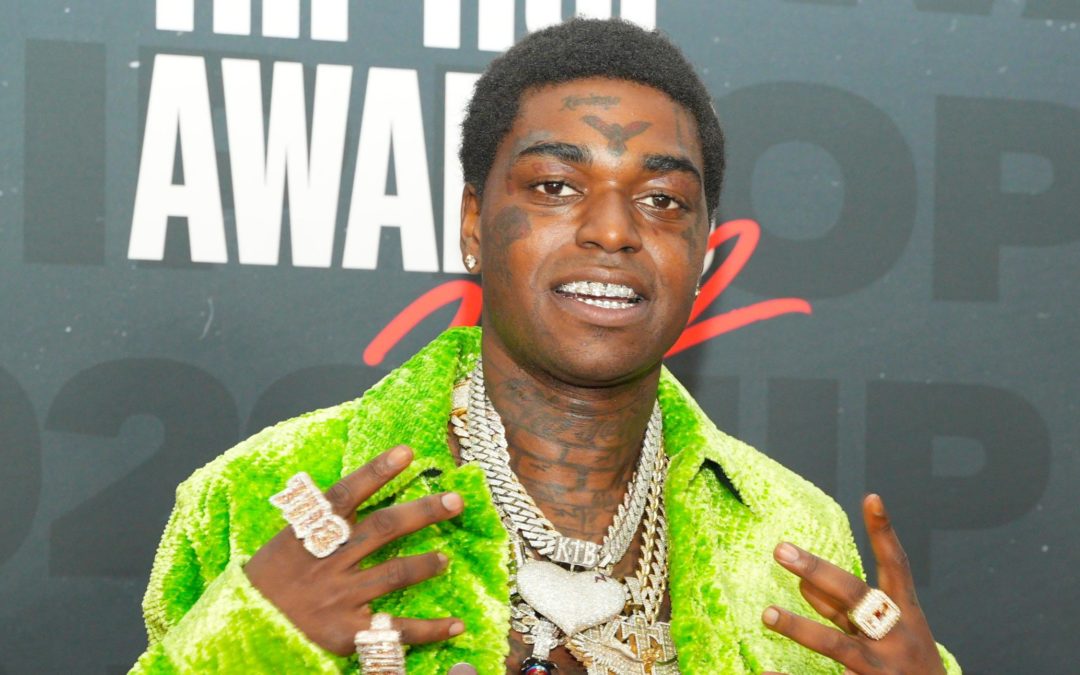
Image credit: Franklin Sheard Jr / Shutterstock.com
In the ever-evolving landscape of hip-hop, moments of genuine mentorship and guidance can be transformative. Recently, an episode of the popular podcast “Million Dollaz Worth of Game” showcased such a moment, as hosts Wallo and Gillie extended heartfelt counsel to rising star Kodak Black. This interaction, set against the backdrop of Kodak’s childhood home, not only highlighted the challenges faced by young artists but also emphasized the importance of positive influence in the music industry.
The encounter took place in the Golden Acres public housing project of Pompano Beach, Florida, a location laden with significance for Kodak Black. As the rapper revisited his roots, the conversation delved into themes of personal growth, responsibility, and the weight of success. Wallo, known for his candid approach, seized this opportunity to offer words of wisdom that resonated beyond the confines of a typical interview.
This article explores the nuances of this pivotal interaction, examining its potential impact on Kodak Black’s career trajectory and the broader implications for mentorship in hip-hop. We’ll dissect the advice given, contextualize it within the framework of Kodak’s past struggles, and consider how such guidance might shape the future of not only this artist but also the genre as a whole.
The Setting: A Return to Golden Acres
The choice of location for this profound exchange was far from arbitrary. The Golden Acres public housing project in Pompano Beach, Florida, serves as more than just a backdrop; it’s a character in Kodak Black’s narrative. This setting provided a tangible connection to the artist’s humble beginnings, creating an atmosphere ripe for reflection and introspection.
As Kodak Black stepped onto the grounds of his former home, a mix of emotions was palpable. The rapper described the experience as “bittersweet,” a term that encapsulates the complex feelings associated with revisiting one’s past. This return to Golden Acres wasn’t just a physical journey; it was an emotional odyssey that set the stage for the impactful conversation to follow.
The Significance of Place in Hip-Hop Narratives
The importance of ‘the hood’ in hip-hop storytelling cannot be overstated. For many artists, these environments are crucibles of creativity, shaping their worldviews and artistic expressions. By conducting the interview in this location, Wallo and Gillie tapped into a rich vein of authenticity, allowing Kodak to connect his past with his present in a meaningful way.
The familiar surroundings seemed to lower Kodak’s guard, creating a rare moment of vulnerability. This openness was crucial in facilitating the heart-to-heart that would follow, demonstrating the power of environment in fostering genuine communication.
Wallo’s Heartfelt Intervention
At a pivotal moment in the conversation, Wallo took Kodak Black’s hand, initiating a deeply personal exchange. This gesture, both literal and symbolic, marked the transition from a standard interview to a mentorship opportunity.
In an industry often characterized by bravado and emotional distance, Wallo’s decision to hold Kodak’s hand was a powerful statement. This simple act of human connection set the tone for the advice that followed, emphasizing sincerity and care.
Wallo’s message to Kodak was a masterful blend of encouragement and accountability. He began by affirming Kodak’s uniqueness and potential, a crucial foundation for any mentorship relationship. However, he quickly pivoted to the responsibilities that come with talent and success, particularly focusing on Kodak’s role as a father.
Recognizing the challenges faced by young artists, Wallo acknowledged the likelihood of self-doubt and external pressures. By doing so, he normalized these struggles while simultaneously providing a roadmap for overcoming them.
The Weight of Responsibility
A central theme in Wallo’s advice was the concept of responsibility, particularly as it relates to Kodak Black’s children and family.
Wallo emphasized the profound influence that Kodak’s actions would have on his children’s lives. This perspective framed Kodak’s career choices not just in terms of personal success, but as part of a larger legacy that would affect generations to come.
By repeatedly mentioning Kodak’s “babies” and family, Wallo tapped into a powerful motivator. He positioned family not as a burden, but as a source of strength and purpose that could guide Kodak through difficult times.
The advice touched on the delicate balance between pursuing individual ambitions and fulfilling family responsibilities. This is a common struggle for many artists, and Wallo’s words offered a framework for navigating this complex terrain.
The Broader Context of Black Male Success
Wallo’s counsel extended beyond personal advice, touching on the larger narrative of Black male success in America.
The conversation acknowledged the unique opportunities available to successful artists like Kodak Black, while also recognizing the systemic obstacles that many Black men face. This dual perspective added depth to the advice, placing Kodak’s journey within a broader societal context.
The Responsibility of Representation
Wallo stressed the importance of Kodak’s role as a representative of his community. By highlighting the many young people watching Kodak’s every move, he underscored the far-reaching impact of the rapper’s choices and behaviors.
A call to “change the narrative” was a powerful element of Wallo’s message. This challenge invited Kodak to consider how his actions and art could contribute to reshaping perceptions of Black men in America.
The Role of Authenticity in Mentorship
The effectiveness of Wallo’s advice was largely due to its authenticity, rooted in shared experiences and genuine concern.
Wallo’s ability to relate to Kodak’s struggles lent credibility to his words. By referencing his own youth and that of co-host Gillie, Wallo established a connection based on shared experiences in the music industry and beyond.
In a refreshing departure from the sycophantic behavior often surrounding successful artists, Wallo positioned himself as the antithesis of a ‘yes man.’ This honest approach, while potentially uncomfortable, offered Kodak a rare opportunity for genuine growth.
The conversation demonstrated the importance of creating environments where artists can be vulnerable. This openness is crucial for personal development and can lead to more authentic artistic expression.
The Impact of Peer Influence in Hip-Hop
Wallo and Gillie’s interaction with Kodak Black highlighted the potential for positive peer influence within the hip-hop community.
By offering constructive advice and genuine care, Wallo and Gillie presented an alternative to the negative influences that often surround young artists. This positive mentorship model could serve as a template for other industry veterans.
The Power of Shared Experiences
The hosts’ ability to relate to Kodak’s journey through their own experiences in the music industry created a unique bond. This shared background allowed for advice that was both practical and empathetic.
The public nature of this interaction on a popular podcast sends a powerful message about the importance of support and guidance within the hip-hop community. It challenges the notion that success in the industry must come at the cost of personal growth and responsibility.
Addressing Kodak Black’s Past Controversies
While offering support and encouragement, Wallo’s advice also subtly addressed Kodak Black’s history of legal troubles and controversial behavior.
Without directly referencing specific incidents, the conversation created space for reflection on past actions. This approach allowed for accountability without dwelling on negative aspects of Kodak’s history.
The Path to Redemption
Implicit in Wallo’s advice was the idea that redemption is possible. By focusing on the future and the impact Kodak could have on his family and fans, the conversation opened avenues for positive change.
The advice touched on the delicate balance between maintaining artistic authenticity and exercising personal responsibility. This is a crucial consideration for artists like Kodak, whose art often reflects their life experiences.
by Jonathan P-Wright | Dec 6, 2024 | Latest, Music News |
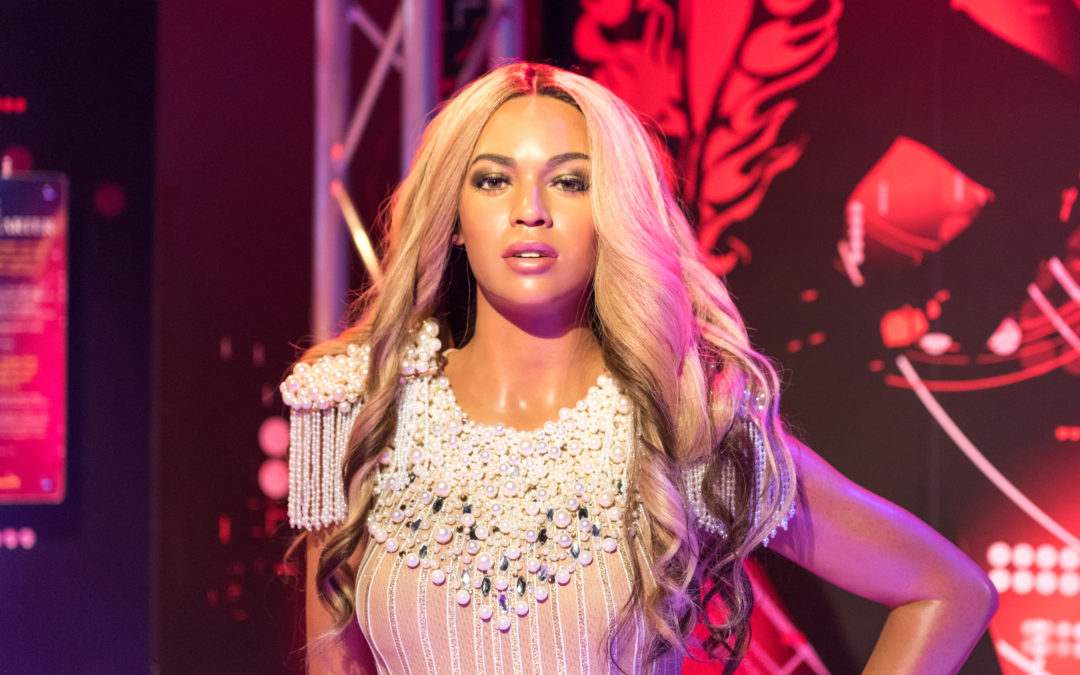
Image credit: Grey82 / Shutterstock.com
The influence of global superstar Beyoncé Knowles-Carter continues to expand beyond the realms of music and entertainment, now reaching the hallowed halls of academia. Yale University, one of America’s most prestigious Ivy League institutions, is set to offer a groundbreaking course dedicated to exploring the multifaceted impact of the 32-time Grammy Award winner. This academic endeavor not only highlights Beyoncé’s significance in contemporary culture but also underscores the growing recognition of popular music as a subject worthy of rigorous scholarly examination.
As news of this innovative course spreads, it has sparked conversations about the intersection of pop culture, academia, and social commentary. The announcement comes at a particularly opportune moment, coinciding with Beyoncé’s latest album, “Cowboy Carter,” which has garnered critical acclaim and an impressive 11 Grammy nominations. This academic offering promises to provide students with a unique opportunity to delve deep into the artistry, cultural significance, and sociopolitical implications of one of the most influential artists of our time.
The course, slated to commence in 2025, will be helmed by Professor Daphne Brooks, a distinguished scholar known for her expertise in African American studies, performance studies, and popular music. With her wealth of knowledge and previous experience teaching about Beyoncé’s work at Princeton University, Professor Brooks is poised to guide students through a comprehensive exploration of the artist’s oeuvre and its wider cultural context.
This article will examine the various aspects of this groundbreaking course, its potential impact on academic discourse, and the broader implications of studying contemporary artists in an academic setting. We will explore the course’s curriculum, its objectives, and the reasons behind Yale’s decision to offer such a specialized program. Additionally, we will consider the significance of Beyoncé’s work in relation to Black culture, feminism, and the music industry at large.
The Genesis of Yale’s Beyoncé Course
The inception of Yale University‘s Beyoncé-focused course marks a significant milestone in the academic world’s recognition of contemporary popular culture as a subject worthy of serious study. This section delves into the origins of this innovative academic offering and the factors that led to its creation.
A Timely Academic Endeavor
Professor Daphne Brooks, the architect behind this groundbreaking course, has described Beyoncé’s work as “just so ripe for teaching” in the current cultural climate. This statement underscores the timeliness of such an academic offering, reflecting the artist’s continued relevance and impact on society. The decision to create a course centered around Beyoncé’s artistry comes at a moment when her influence extends far beyond the realm of entertainment, touching on issues of race, gender, politics, and cultural identity.
Building on Previous Academic Explorations
It’s worth noting that this is not Professor Brooks’ first foray into teaching about Beyoncé’s work in an academic setting. Her previous experience includes a broader course at Princeton University that incorporated elements of Beyoncé’s artistry. This new, more focused course at Yale represents an evolution of that earlier academic exploration, allowing for a more in-depth examination of the artist’s impact and significance.
Responding to Student Interest
The creation of this course can also be seen as a response to growing student interest in studying contemporary cultural phenomena. As younger generations increasingly recognize the power of popular culture to shape societal narratives and drive social change, there has been a corresponding demand for academic programs that engage with these topics in a meaningful way. Yale’s decision to offer this course demonstrates the university’s commitment to providing relevant, cutting-edge educational experiences that resonate with students’ interests and the world around them.
Interdisciplinary Approach
The course’s conception also reflects a growing trend in academia towards interdisciplinary studies. By examining Beyoncé’s work through various lenses – including music theory, cultural studies, gender studies, and African American history – the course promises to offer students a rich, multifaceted understanding of the artist’s impact. This approach aligns with Yale’s reputation for innovative, cross-disciplinary academic programs.
Course Curriculum and Structure
The Yale University course on Beyoncé promises to be a comprehensive exploration of the artist’s work and its cultural significance. This section outlines the key components of the course curriculum and its overall structure, providing insight into what students can expect from this unique academic offering.
Chronological Exploration of Beyoncé’s Career
The course will take students on an educational journey through Beyoncé’s work, spanning from 2013 to the present day. This chronological approach allows for a thorough examination of the artist’s evolution, both musically and in terms of her cultural impact. The starting point of 2013 is significant, as it marks the release of Beyoncé’s self-titled album, which included the hit single “Drunk in Love” and represented a pivotal moment in her career.
Visual Album Screenings and Analysis
A key component of the course will be the screening and analysis of Beyoncé’s visual albums. These innovative projects, which pair music with accompanying visuals, have become a hallmark of the artist’s work. Students will have the opportunity to engage in critical discussions about the visual storytelling, cinematography, and thematic elements present in these groundbreaking releases.
Scholarly Discourse and Complementary Works
The course will not limit itself to Beyoncé’s work alone. Students will also engage with complementary works from various scholars, providing a broader context for understanding the artist’s impact. This approach will encourage critical thinking and allow students to place Beyoncé’s contributions within larger cultural, historical, and theoretical frameworks.
Playlist Creation and Musical Analysis
An interactive element of the course will involve students crafting playlists that link key moments in Beyoncé’s discography to her musical predecessors. This exercise will help students understand the artist’s place within the broader landscape of music history and her contributions to various genres.
Exploration of Cultural and Political Themes
The curriculum will delve into how Beyoncé has interwoven history, politics, and Black cultural life into her performance aesthetics. Students will examine how the artist uses her voice and platform to engage with important social and political issues, making her work a rich text for cultural analysis.
The Significance of Studying Beyoncé in Academia
The introduction of a course dedicated to Beyoncé at Yale University raises important questions about the role of popular culture in academic study. This section explores the significance of examining contemporary artists like Beyoncé within an academic context and the potential benefits of such courses.
Bridging Popular Culture and Academic Discourse
By offering a course focused on Beyoncé, Yale is acknowledging the importance of studying contemporary cultural phenomena in an academic setting. This approach helps bridge the gap between popular culture and traditional academic discourse, allowing for a more comprehensive understanding of our current social and cultural landscape.
Examining Contemporary Issues Through Art
Beyoncé’s work often addresses pressing social issues, including race, gender, and politics. Studying her artistry provides a unique lens through which to examine these contemporary concerns. This approach can make complex societal issues more accessible and relatable to students, fostering engaged and informed discussions.
Interdisciplinary Learning Opportunities
The course’s focus on Beyoncé’s work offers numerous opportunities for interdisciplinary learning. Students will engage with concepts from music theory, cultural studies, gender studies, African American history, and more. This multifaceted approach encourages critical thinking and helps students develop a more nuanced understanding of how various academic disciplines intersect in the real world.
Developing Media Literacy Skills
In an era dominated by digital media and constant information flow, courses like this can help students develop crucial media literacy skills. By critically analyzing Beyoncé’s music videos, live performances, and public persona, students can learn to interpret and evaluate media messages more effectively.
Recognizing the Cultural Impact of Contemporary Artists
Offering a course on Beyoncé at an Ivy League institution like Yale legitimizes the study of contemporary artists and their impact on society. It acknowledges that modern cultural figures can be as worthy of academic scrutiny as historical ones, encouraging a more dynamic and relevant approach to cultural studies.
Professor Daphne Brooks: The Course Architect
At the helm of Yale University’s groundbreaking Beyoncé course is Professor Daphne Brooks, a distinguished scholar whose expertise and vision have shaped this innovative academic offering. This section provides insight into Professor Brooks’ background, her qualifications, and her approach to teaching this unique course.
Academic Background and Expertise
Professor Daphne Brooks brings a wealth of knowledge and experience to the Beyoncé course. With a background in African American studies, performance studies, and popular music, she is uniquely qualified to guide students through an in-depth exploration of Beyoncé’s work and its cultural significance. Her interdisciplinary approach aligns perfectly with the multifaceted nature of the course content.
Previous Experience Teaching Beyoncé’s Work
Prior to developing this course at Yale, Professor Brooks taught a broader course at Princeton University that incorporated elements of Beyoncé’s artistry. This experience has undoubtedly informed her approach to the Yale course, allowing her to refine and expand upon her teaching methods and course content.
Research and Publications
Professor Brooks is not only an educator but also a respected researcher and author in her field. Her publications and academic work have likely contributed to the depth and breadth of knowledge she brings to the course. Students can expect to benefit from her extensive research into popular music, Black cultural studies, and performance theory.
Innovative Teaching Approach
In developing this course, Professor Brooks has demonstrated an innovative approach to academic study. By focusing on a contemporary artist and incorporating elements like visual album screenings and playlist creation, she is pushing the boundaries of traditional academic curricula. This forward-thinking approach is likely to engage students in new and exciting ways.
Commitment to Cultural Analysis
Professor Brooks’ decision to create a course centered on Beyoncé reflects her commitment to analyzing contemporary culture through an academic lens. Her ability to recognize the scholarly potential in popular culture phenomena demonstrates a keen understanding of the evolving landscape of cultural studies.
Course Objectives and Learning Outcomes
The Beyoncé course at Yale University is designed with specific objectives and learning outcomes in mind. This section outlines what students can expect to gain from this unique academic experience and how it aligns with broader educational goals.
Critical Analysis of Popular Culture
One of the primary objectives of the course is to develop students’ ability to critically analyze popular culture. By examining Beyoncé’s work in depth, students will learn to apply academic rigor to contemporary cultural phenomena, developing skills that can be applied to a wide range of media and cultural expressions.
Understanding Cultural and Historical Contexts
The course aims to help students understand the cultural and historical contexts that inform Beyoncé’s work. This includes exploring the artist’s place within the broader landscape of Black music and culture, as well as examining how her art responds to and influences contemporary social and political issues.
Developing Interdisciplinary Thinking
By incorporating elements from various academic disciplines – including music theory, cultural studies, gender studies, and African American history – the course seeks to foster interdisciplinary thinking. Students will learn to make connections across different fields of study, developing a more holistic understanding of complex cultural phenomena.
Enhancing Media Literacy
Through the analysis of music videos, live performances, and other media associated with Beyoncé’s work, students will enhance their media literacy skills. This includes learning to critically evaluate visual and auditory elements, understand narrative structures, and recognize the cultural codes embedded in media texts.
Exploring the Intersection of Art and Activism
The course will examine how Beyoncé uses her art as a form of activism, addressing social and political issues through her music and performances. Students will gain insight into the power of art to drive social change and the responsibilities that come with cultural influence.
Developing Research and Analytical Skills
Students will have opportunities to conduct research and develop analytical skills through various course assignments. This may include writing papers, creating presentations, or engaging in group projects that require in-depth analysis of Beyoncé’s work and its cultural impact.
The Cultural Significance of Beyoncé’s Work
Beyoncé’s impact extends far beyond the realm of entertainment, making her work a rich subject for academic study. This section explores the cultural significance of Beyoncé’s artistry and why it merits scholarly attention.
Redefining Black Femininity
Throughout her career, Beyoncé has played a significant role in redefining and expanding representations of Black femininity in popular culture. Her work often challenges stereotypes and presents nuanced, empowering portrayals of Black women. The course will likely examine how these representations have influenced public perceptions and discussions around race and gender.
The introduction of a Beyoncé-focused course at Yale University represents a significant step in recognizing the academic value of studying contemporary artists. This innovative approach to cultural studies not only provides students with engaging, relevant material but also offers unique insights into our current social, cultural, and political landscape.
By examining Beyoncé’s work through an academic lens, students will gain valuable skills in critical analysis, media literacy, and interdisciplinary thinking. They will learn to connect popular culture phenomena with broader historical and theoretical frameworks, developing a more nuanced understanding of how art reflects and shapes society.
by Jonathan P-Wright | Dec 6, 2024 | Latest, Music News, New Music Alert |
Image credit: DFree / Shutterstock.com
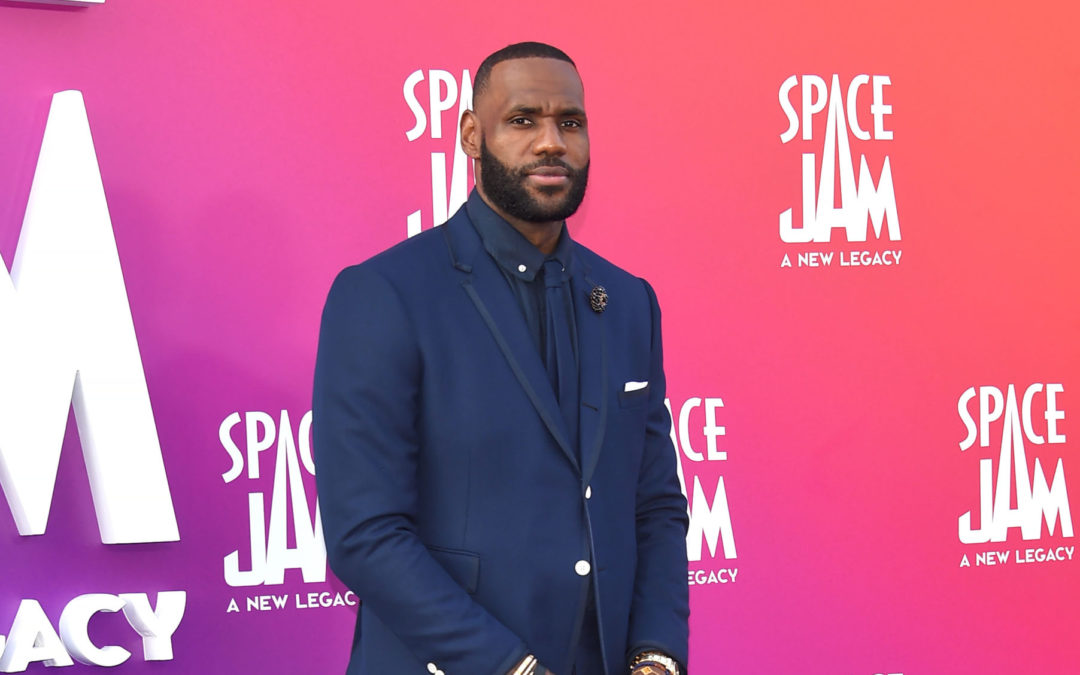
The world of professional sports often intersects with the realm of entertainment, creating moments that capture the imagination of fans across the globe. Recently, one such instance occurred when basketball icon LeBron James shared details of an extraordinary dream that blended his athletic prowess with the star power of music industry legends. This unexpected convergence of basketball and hip-hop royalty in James’ subconscious has sparked widespread interest and discussion among fans and media outlets alike.
In a surprising turn of events, James took to social media to recount a vivid dream that featured an all-star lineup of personalities from both the sports and music worlds. The dream’s narrative wove together elements of James’ basketball career with the electrifying performances of hip-hop luminaries, creating a surreal tapestry that left the NBA superstar both amazed and eager to share with his millions of followers.
As we delve into the details of James’ dream, we’ll explore the significance of each figure involved, the cultural impact of this imaginary collaboration, and the broader implications for the intersection of sports and entertainment. From the hallowed halls of Duke University to the pulsating beats of West Coast rap, this article will take you on a journey through the subconscious of one of basketball’s greatest players, offering insights into the influences and aspirations that shape his world both on and off the court.
Join us as we unpack this fascinating glimpse into the mind of LeBron James, examining the dream that has captivated fans and sparked conversations about the power of imagination in the world of professional athletics. Through this exploration, we’ll gain a deeper understanding of the cultural forces at play in James’ life and the broader landscape of sports and entertainment in the 21st century.
The Dream’s Setting: Cameron Indoor Stadium
In the realm of college basketball, few venues hold as much prestige and historical significance as Cameron Indoor Stadium. Located on the campus of Duke University in Durham, North Carolina, this iconic arena has been the home court for the Blue Devils since 1940. It’s within this hallowed space that LeBron James’ dream unfolds, adding an extra layer of gravitas to the already surreal scenario.
The Significance of Cameron Indoor Stadium
Cameron Indoor Stadium is more than just a basketball court; it’s a cathedral of the sport. With a seating capacity of 9,314, it’s relatively small compared to many modern arenas, but what it lacks in size, it makes up for in atmosphere. The intimate setting creates an electric environment, with fans—particularly the student section known as the “Cameron Crazies”—positioned close to the action, creating an intimidating atmosphere for visiting teams.
The stadium has witnessed countless memorable moments in college basketball history, from buzzer-beaters to championship celebrations. Its wooden bleachers and intimate confines harken back to a bygone era of basketball, preserving a sense of tradition that resonates with players and fans alike. For James to dream of playing in this venue speaks to its enduring impact on the sport and its ability to capture the imagination of even the most accomplished professional athletes.
The Dream Atmosphere
In recounting his dream, James described the atmosphere inside Cameron Indoor Stadium as “INSANE.” This characterization aligns perfectly with the real-life reputation of the venue, known for its deafening noise levels and passionate crowd. The dream seems to have captured the essence of what makes Cameron Indoor Stadium such a special place in the world of basketball.
The intensity of the dream setting reflects the reverence with which many basketball players and fans regard Cameron Indoor Stadium. It’s a place where legends are made, and the fact that James’ subconscious chose this location for his imaginary college basketball experience underscores the venue’s significance in the sport’s culture.
The Blending of Professional and College Basketball
LeBron James’ dream of playing at Cameron Indoor Stadium represents an intriguing blend of his professional career with the college basketball experience he never had. Having entered the NBA directly from high school, James bypassed the traditional college route taken by many of his peers. This dream sequence perhaps offers a glimpse into a “what if” scenario, allowing James to imagine himself as part of the storied tradition of college basketball.
The choice of Cameron Indoor Stadium as the setting for this dream also highlights the ongoing dialogue between professional and college basketball. Despite the differences between the two levels of the sport, there remains a strong connection, with many NBA players and fans maintaining deep ties to their college programs or favorite college teams.
Coach K: A Legend in James’ Dreamscape
In LeBron James’ vivid dream, one of the most prominent figures to emerge was none other than Mike Krzyzewski, affectionately known as “Coach K.” The inclusion of this basketball coaching icon in James’ subconscious narrative speaks volumes about the respect and admiration that even the greatest players in the world hold for certain figures in the sport.
Coach K’s Legacy at Duke
Mike Krzyzewski’s tenure at Duke University is nothing short of legendary. From 1980 to 2022, Coach K led the Blue Devils to unprecedented success, cementing his status as one of the greatest college basketball coaches of all time. These accomplishments only scratch the surface of Coach K’s impact on the game. His ability to consistently recruit and develop top talent, implement sophisticated game strategies, and maintain a culture of excellence at Duke has set a standard that few can match.
The Significance of Coach K in James’ Dream
The appearance of Coach K in LeBron James’ dream underscores the universal respect that Krzyzewski commands in the basketball world. Despite James never having played college basketball, let alone for Duke, the idea of suiting up for Coach K clearly holds a special allure. In the dream, James recounts telling Coach K that it was “an honor to suit up for him,” with Krzyzewski reciprocating the sentiment.
This mutual expression of honor in the dream scenario reflects the real-life dynamic between great players and great coaches. It suggests that even for a player of James’ caliber—widely regarded as one of the best to ever play the game—the opportunity to learn from and play for a coach of Krzyzewski’s stature is still viewed as a significant and desirable experience.
Coach K’s Influence Beyond College Basketball
While Coach K is primarily known for his college coaching career, his influence extends far beyond the confines of the NCAA. Krzyzewski has also made significant contributions to USA Basketball, serving as the head coach of the men’s national team from 2005 to 2016. During this time, he led Team USA to three consecutive Olympic gold medals (2008, 2012, 2016) and two FIBA World Cup gold medals (2010, 2014).
This international success has allowed Coach K to work with and influence many of the NBA’s top players, including LeBron James himself, who was part of the 2008 and 2012 Olympic teams. The relationship forged between Krzyzewski and professional players during these international competitions has further enhanced his reputation and respect among NBA stars.
The “What If” Scenario
LeBron James’ dream of playing for Coach K at Duke presents an intriguing “what if” scenario that has long been a subject of speculation among basketball fans. As a player who went directly from high school to the NBA, James never experienced the college game. The dream sequence allows both James and fans to imagine how his incredible talents might have meshed with Coach K’s system and the college basketball environment.
This hypothetical pairing of one of the game’s greatest players with one of its most successful coaches serves as a tantalizing glimpse into an alternate basketball universe. It speaks to the enduring appeal of college basketball and the unique experiences it offers, even for those who have achieved the highest levels of success in the professional ranks.
The Unexpected Concert: Snoop Dogg and Dr. Dre Take Center Stage
In a surprising twist to LeBron James’ already extraordinary dream, the basketball scenario seamlessly transitioned into a high-energy concert featuring two of hip-hop‘s most iconic figures: Snoop Dogg and Dr. Dre. This unexpected fusion of sports and music within James’ subconscious offers a fascinating glimpse into the cultural influences that shape the NBA superstar’s world.
The Legendary Duo: Snoop Dogg and Dr. Dre
Snoop Dogg and Dr. Dre are not just musicians; they are cultural icons who have played pivotal roles in shaping the landscape of hip-hop and popular music for decades. Their collaboration dates back to the early 1990s when Dr. Dre discovered and mentored a young Snoop Dogg, leading to the latter’s breakout appearance on Dr. Dre’s seminal album “The Chronic” in 1992.
Their partnership has resulted in numerous hit songs and has come to symbolize the sound and spirit of West Coast hip-hop.
“The Next Episode” in Cameron Indoor Stadium
In James’ dream, Snoop Dogg and Dr. Dre performed their classic hit “The Next Episode” within the confines of Cameron Indoor Stadium. This juxtaposition of a hip-hop performance in a venue typically associated with college basketball creates a surreal and electrifying atmosphere in James’ subconscious narrative.
“The Next Episode,” released in 2000 as part of Dr. Dre’s album “2001,” is one of the duo’s most recognizable collaborations. Known for its iconic intro and catchy beat, the song has become a staple of hip-hop culture and continues to be celebrated more than two decades after its release.
The Fusion of Basketball and Hip-Hop Culture
The seamless transition from a basketball game to a hip-hop concert in James’ dream reflects the real-world intersection of these two cultural phenomena. Basketball and hip-hop have long been intertwined, with many NBA players embracing hip-hop culture and numerous rappers referencing basketball in their lyrics and imagery.
This connection is particularly strong in James’ case, as he has been known to have close relationships with several hip-hop artists and has even ventured into music production himself. The dream sequence, therefore, can be seen as a manifestation of the cultural synthesis that James embodies as both an athlete and a cultural icon.

RECENT COMMENTS