
by Harris | Aug 20, 2025 | Business News, Latest, Trending |
Photo by Patrick Ogilvie on Unsplash
In a surprising turn of events that has sparked widespread conversation in both sports and entertainment circles, ESPN has officially pulled the plug on a highly anticipated docuseries centered on former NFL quarterback and civil rights activist Colin Kaepernick. The project, helmed by acclaimed director Spike Lee, was scrapped due to what the network cited as “creative differences” between the involved parties.
“ESPN, Colin Kaepernick, and Spike Lee have collectively decided to no longer proceed with this project as a result of certain creative differences,” a spokesperson for ESPN confirmed in a statement to Entertainment Weekly. “Despite not reaching finality, we appreciate all the hard work and collaboration that went into this film.”
A Project Years in the Making
This docuseries was initially announced back in 2020 as part of a larger collaboration between Colin Kaepernick and The Walt Disney Company. The project was touted as an unfiltered, firsthand portrayal of Kaepernick’s life, activism, and career journey—offering insight into his personal struggles, triumphs, and transformation from athlete to cultural icon.
In 2022, it was revealed that Spike Lee, the Oscar-winning filmmaker known for his socially conscious and politically charged storytelling, had officially come on board to direct the series. Lee’s involvement added even more anticipation, especially given his deep history of covering racial injustice and civil rights issues in America. Together, Lee and Kaepernick were expected to craft a raw, authentic narrative, including never-before-seen footage from Kaepernick’s personal archives.
At the time, Kaepernick expressed optimism and enthusiasm for the project, tweeting, “I’m grateful to be able to work with the legend Spike Lee on my docu-series. It’s time for the narrative to be corrected.”
Cracks in the Collaboration
However, signs of trouble began to surface last year. In September, Puck News reported that production had stalled due to internal disagreements over the creative direction of the project. These “creative differences,” while not explicitly detailed, reportedly involved both Kaepernick and Lee struggling to align on key storytelling elements and editorial control. ESPN Chairman Jimmy Pitaro was also said to be open to allowing the project to be pitched to other networks or streaming platforms, should a resolution not be reached.
Most recently, in an interview with Reuters, Spike Lee confirmed the project would no longer be moving forward. “It’s not coming out,” he said candidly. Lee cited a nondisclosure agreement when asked for further information, adding, “I can’t talk about it.”
Why the Cancellation Matters
While creative differences are not uncommon in the film and television industry, the cancellation of this particular project carries weight far beyond typical behind-the-scenes drama. The collaboration brought together three influential voices—Disney’s sports media powerhouse ESPN, a groundbreaking Black filmmaker in Spike Lee, and an athlete-activist who became the face of modern sports protest. The decision to dissolve the partnership raises questions about whose voice ultimately holds authority when telling stories about Black activism in America.
Kaepernick’s journey is not just one of personal hardship, but one that intersects with systemic issues of racism, institutional resistance, media control, and corporate gatekeeping. A documentary directed by Spike Lee could have offered a platform that combined cinematic artistry with urgent social commentary—something that is increasingly rare in mainstream sports coverage.
The Legacy of Kaepernick’s Activism
Colin Kaepernick’s name is now inextricably linked to the modern era of athlete activism. Once a star quarterback for the San Francisco 49ers, Kaepernick became a global figure in 2016 when he began kneeling during the national anthem to protest racial injustice and police brutality. His silent act of resistance ignited fierce debate across political, social, and athletic arenas. Supporters hailed him as courageous, while critics accused him of disrespecting the flag and the military.
Despite his evident talent, Kaepernick has remained unsigned by any NFL team since the 2016 season, leading many to believe he was blackballed by the league. In 2017, he filed a formal grievance against the NFL, accusing owners of colluding to keep him off the field. The case was settled in 2019, though terms of the agreement remain confidential.
Kaepernick’s stand cost him his career, but it also cemented his place in history. His legacy has influenced a new generation of athletes to speak out on issues ranging from racial injustice to LGBTQ+ rights and mental health. He continues to be a polarizing figure, but one who undeniably shifted the conversation around what it means to be both an athlete and an activist.
Previous Attempts to Tell His Story
This isn’t the first time Kaepernick’s life has been portrayed on screen. In 2021, Netflix premiered the limited series Colin in Black and White, co-created by Ava DuVernay and narrated by Kaepernick himself. The series blended dramatized scenes from his youth with real-life commentary, focusing on his coming-of-age story, biracial identity, and early experiences with racial discrimination.
The reception was mixed—praised for its emotional resonance and criticized by some for being heavy-handed—but it opened a broader dialogue about the role of identity and resistance in shaping personal destiny.
In 2023, Kaepernick also co-authored a graphic novel titled Change the Game alongside writer Eve L. Ewing. The book targeted young readers, exploring themes such as racism, belonging, and the courage to challenge the status quo. Speaking to Entertainment Weekly at the time, Kaepernick said, “I was inspired to write Change the Game to help a younger generation navigate complex issues like racism, family dynamics, and finding their power when the spaces they’re in are trying to strip it away from them.”
What Happens Next?
It remains unclear whether the docuseries will find a new home or be revived under different creative leadership. With ESPN officially stepping away and Spike Lee no longer involved, the future of the project is uncertain. However, given the cultural significance of Kaepernick’s story, it’s unlikely that interest will fade altogether.
There’s still a possibility that another streaming platform—Netflix, Hulu, or even an independent production company—could take on the series in a new form. Jemele Hill, a journalist and producer who had previously been linked to the project, may also explore alternate routes to bring the series to life.
That said, any attempt to revive the series will likely need to address the challenges that led to its initial demise. Navigating the balance between creative vision, editorial autonomy, and the sensitivities of portraying such a high-profile figure is no easy feat.
The Broader Cultural Tension
This event is emblematic of a larger pattern within media and entertainment: the tension between institutional control and authentic storytelling, particularly when it comes to narratives about Black resistance and power. While corporations may seek to capitalize on social justice moments, they often struggle to relinquish enough creative control to allow for truly raw, unfiltered perspectives.
The fact that this project—meant to correct the narrative around Kaepernick—was derailed by internal disagreements underscores how difficult it can be to authentically tell stories that challenge systems of power. Especially when those systems are the very platforms funding and distributing the content.
Final Thoughts
In many ways, the saga surrounding this docuseries mirrors the broader journey of Colin Kaepernick himself—full of promise, controversy, resistance, and unfinished business. His voice, his story, and his message remain relevant in a society still grappling with racial injustice and the uneasy intersection between sports, politics, and corporate interests.

by Jesse Swindell | Aug 20, 2025 | Business News, Latest |
Photo by ilgmyzin on Unsplash
In the wake of ongoing innovation and mounting controversy, OpenAI is reportedly planning a powerful new privacy feature for ChatGPT that could reshape how users engage with the platform. The rumored update? Encryption for temporary chats—a move that, if implemented, could significantly bolster user privacy and provide a welcome sense of security amid rising scrutiny from journalists, copyright holders, and regulators alike.
Over the past few months, OpenAI has been making headlines almost daily. From the release of its most advanced model yet—GPT-5—to noticeable shifts in personality (with GPT-5 described as “warmer” and more humanlike), the AI powerhouse has kept the tech world buzzing. But beyond its capabilities and charisma, there’s been growing tension around the question of user data: how it’s stored, who can access it, and whether it could potentially be weaponized in legal disputes.
And now, in response to increasing pressure—including a high-profile lawsuit from The New York Times—OpenAI appears to be considering end-to-end encryption for certain chat sessions. Specifically, the company may first introduce this feature in temporary chats, those not saved to user histories, according to reports from Axios.
If this move sounds small, think again. It could mark a pivotal shift in how AI tools like ChatGPT handle sensitive user input, setting a new industry standard—and potentially insulating the company from future legal battles.
The Growing Debate Around ChatGPT and Data Privacy
The core of the current controversy lies in a lawsuit filed by The New York Times, which alleges that OpenAI’s language models were trained on copyrighted content, including articles and editorial work from the publication. As part of their demands, the Times is pushing for access to all ChatGPT logs—even those that have been deleted. This, they argue, is necessary to identify potential copyright violations and hold OpenAI accountable.
However, this raises a difficult question: where should the line be drawn between responsible AI oversight and protecting individual privacy?
OpenAI’s current policy does retain chat logs for up to 30 days after deletion, though users themselves cannot retrieve them. This “limbo” period exists primarily for safety auditing and abuse prevention, but critics argue that it opens a door to future breaches, misuse, or legal overreach. Encryption—especially if applied to temporary chats—could be the company’s way of mitigating these concerns, or at least offering a counterbalance.
It’s worth noting that while encryption wouldn’t make deleted chats disappear instantly, it could make them significantly harder (or outright impossible) for third parties—including OpenAI itself—to access. That’s a big deal, especially in an era where tech companies are increasingly facing demands to surrender user data, often without the user’s consent or knowledge.
Why Encryption in ChatGPT Would Be a Game-Changer
If OpenAI does roll out encryption, it would make ChatGPT one of the few mainstream AI chatbots to offer serious privacy protections. The implications are enormous—not just for users concerned about surveillance, but for journalists, researchers, therapists, and even whistleblowers who may use ChatGPT for sensitive tasks.
Currently, interactions with AI chatbots are not private by default. Everything you type could, in theory, be reviewed for training purposes, moderation, or system improvement. While OpenAI allows users to disable chat history, that doesn’t necessarily mean your data is invisible. Encryption would be a much stronger privacy guarantee—transforming ChatGPT from a semi-observed assistant into a truly confidential tool.
And that shift could unlock even more use cases. Consider a healthcare professional using ChatGPT to brainstorm clinical notes, or a therapist jotting down anonymized session insights. With proper encryption in place, these tasks become far more viable, minimizing ethical gray areas and protecting both parties involved.
A Broader Industry Pattern: Encryption as a Competitive Advantage
OpenAI isn’t the only player thinking about this. Earlier this year, Proton—a privacy-centric tech company known for its secure email and cloud services—launched Lumo, an AI chatbot with full end-to-end encryption. Lumo has positioned itself as the go-to solution for privacy-conscious users, and its early success has proven that there’s a real appetite for secure AI tools.
While Lumo may lack some of the raw power and polish of ChatGPT, its privacy-first approach has resonated with a particular audience: journalists, lawyers, activists, and other professionals who view privacy not as a luxury, but as a necessity.
If ChatGPT were to adopt a similar framework, it could effectively combine the best of both worlds: the unmatched power and versatility of GPT-5, and the peace of mind that comes from knowing your chats are shielded from prying eyes.
Legal and Ethical Storms Brewing: The Case Against OpenAI
It’s impossible to ignore the wider legal battle unfolding. OpenAI, like many AI firms, has been accused of training its models on datasets that include copyrighted material without obtaining explicit permission. While the company has defended its practices under the doctrine of “fair use,” that defense may not hold up in court—especially as more media organizations demand accountability.
The New York Times lawsuit is particularly aggressive, not just in its tone but in its requests. Demanding access to deleted chat logs—even those clearly marked as personal or confidential—feels to many like a step too far. It introduces a chilling effect: if users believe their every interaction could be subpoenaed or handed over, they may self-censor or avoid the platform entirely.
And that would be a tragedy—not just for OpenAI, but for innovation more broadly. After all, the magic of tools like ChatGPT lies in their spontaneity, in the freedom users feel when brainstorming ideas, exploring complex topics, or expressing themselves. Encryption could help preserve that spirit.
The Limits of Temporary Solutions
However, it’s important to recognize that this proposed encryption—at least in its initial form—would likely only apply to temporary chats. That means users would have to opt in (or perhaps use a dedicated “incognito mode”) to benefit from this extra layer of protection.
That limitation raises important questions: Why not encrypt all chats by default? What happens if users forget to switch modes? Will the encrypted mode still be compatible with tools like custom GPTs, plugins, or the file upload feature?
These questions point to a larger truth: adding encryption is not as simple as flipping a switch. It requires major architectural changes, especially if the goal is to maintain performance, context awareness, and personalization features. Balancing privacy and utility will be an ongoing challenge.
Still, the mere fact that OpenAI is exploring this path shows progress. For a company that has faced waves of criticism for data use, transparency, and training practices, even a small step toward encryption is a symbolic shift—one that might redefine expectations for the entire AI industry.
Privacy in the Age of AI: A Philosophical Challenge
Beneath all the legalese and technical jargon lies a deeper question: What kind of relationship do we want to have with AI?
Should we treat it like a public notepad, knowing that everything we type could be reviewed or reused? Or should it be more like a private journal, protected by strong encryption and off-limits to outsiders?
The answer likely lies somewhere in between. For casual users, transparency and functionality may be more important than complete secrecy. But for others—those dealing with personal trauma, business strategy, or confidential data—privacy is not negotiable.
If OpenAI succeeds in creating a genuinely secure chat mode, it will send a strong message to the rest of the industry: respecting user privacy is not a bottleneck to innovation—it’s a catalyst.
Final Thoughts: A Step Toward Trust in AI
In an era where data is the new oil and privacy breaches can shatter reputations overnight, adding encryption to ChatGPT—even if only for temporary chats—is more than a technical upgrade. It’s a trust signal. A recognition that user data should be treated with the same level of seriousness as corporate trade secrets or classified government files.
Of course, implementation details matter. Will the encryption be open-source? Will it include zero-knowledge architecture? Will users get audit logs or control over deletion timelines?
We don’t yet have all the answers. But if OpenAI takes this path seriously—and commits to building a privacy-forward version of ChatGPT—it could turn a reactive measure into a proactive advantage.
After all, in the game of AI dominance, trust may be the most valuable currency of all.

by Derrick T Lewis | Aug 15, 2025 | Latest, Social Justice, Trending |
Photo by Tingey Injury Law Firm on Unsplash
The death of Sonya Massey in July 2024 has become the driving force behind a landmark police reform bill in Illinois. What started as a routine 911 call for help ended with a fatal shooting in Massey’s own home, igniting public outrage, grief, and a call for stronger accountability in law enforcement hiring practices.
That call for change has now taken legislative form. The Sonya Massey Bill, formally known as Senate Bill 1953, has successfully passed the Illinois General Assembly and now sits on Governor JB Pritzker’s desk awaiting his signature. Supporters say it will close dangerous gaps in police hiring standards, ensuring that officers with serious misconduct histories can no longer move between departments without scrutiny.
From Tragedy to Legislation
The bill was introduced by State Senator Doris Turner and State Representative Kam Buckner in collaboration with the Illinois Association of Chiefs of Police and the Illinois Sheriff’s Association. It cleared the Senate unanimously before gaining approval in the House — a rare display of bipartisan agreement on criminal justice reform.
High-profile civil rights attorneys Ben Crump and Antonio Romanucci, representing the Massey family, called the bill “a powerful and overdue step forward.” They emphasized that Sonya’s killing revealed “deep flaws in the law enforcement hiring process” — flaws that allowed an officer with a troubling history to remain in uniform and armed.
A Personal Loss for a Legislator
For Senator Turner, the legislation is not just political — it’s personal. She has spoken publicly about her close friendship with Sonya and her family, describing how Massey was a frequent visitor to her home.
“This is not just another tragedy in my district. This is one that’s very close to me,” Turner said. “When we call for law enforcement, it’s never a good day, but the expectation is that the responding officer will live up to the motto ‘protect and serve.’ With the passage of Senate Bill 1953, I believe we can start to rebuild the trust between our communities and the police.”
The Night Everything Changed
On July 6, 2024, Sonya Massey dialed 911 from her residence outside Springfield, reporting a possible intruder. Responding to the call were former Sangamon County Sheriff’s Deputy Sean Patrick Grayson and another officer.
According to investigators, a tense exchange occurred in the kitchen, where Massey stood near a pot of heated water. Reports allege that Grayson threatened to shoot her in the face, and moments later, his firearm discharged. Massey was fatally wounded.
An investigation by the Illinois State Police determined that Grayson’s use of deadly force was not justified. He was fired from the department soon afterward.
A Troubling Career Path
In the days following the shooting, more details emerged about Grayson’s background — details that shocked the public and enraged reform advocates. Between 2020 and 2023, he had worked for six different police departments. His record included two DUI arrests, disciplinary actions for behavioral issues, and incidents of falsifying reports. Despite these red flags, he was still hired by the Sangamon County Sheriff’s Office.
This hiring pattern is part of a well-known issue in policing referred to as the “wandering officer” phenomenon — when officers with a history of misconduct are able to find new jobs in law enforcement because past infractions are poorly documented or shared between agencies.
Criminal Charges and Legal Statu
In July 2024, prosecutors charged Grayson with first-degree murder, aggravated battery with a firearm, and official misconduct. He is currently held in the Macon County Jail awaiting trial. His legal team has requested that he be released before trial, but the Illinois Supreme Court has not yet ruled on the matter.
Key Provisions of Senate Bill 1953
While the bill’s exact rollout will be finalized after the governor’s signature, summaries of SB 1953 highlight several major reforms:
- Statewide Misconduct Database: All law enforcement agencies in Illinois must report disciplinary actions, terminations, and other serious concerns into a centralized system accessible to hiring departments statewide.
- Expanded Background Checks: Departments will be required to conduct comprehensive background reviews, including past employment history, criminal charges, and sustained complaints.
- Certification Oversight: The Illinois Law Enforcement Training and Standards Board will have greater authority to revoke officer certification for serious misconduct, effectively preventing them from being rehired in the state.
- Transparency in Personnel Records: Agencies will no longer be able to hide negative performance or misconduct reports when contacted by other departments during the hiring process.
Supporters argue these measures will help eliminate the ability of officers with a checkered past to quietly transfer to a new department and continue serving without accountability.
A Model for Other States
Illinois joins a growing number of states taking steps to track police misconduct more effectively. States such as Colorado, California, and New Jersey have implemented similar systems, though the scope and enforcement of those laws vary widely.
Advocates say the Sonya Massey Bill could serve as a national example, particularly for states that still lack any formal statewide misconduct registry. Civil rights attorney Ben Crump stressed, “If we cannot trust the process that decides who wears a badge and carries a gun, then we cannot trust the system as a whole.”
The Bigger Picture on Police Hiring Reform
The push for stronger hiring oversight comes amid a national reckoning on police accountability. Research shows that officers who are fired for misconduct are more likely than their peers to be rehired elsewhere — and those re-hired officers have a higher chance of engaging in further misconduct.
A 2020 study in The Yale Law Journal found that “wandering officers” are a persistent problem in U.S. law enforcement. Without strong interagency communication, officers with troubled pasts can slip through the cracks — a gap SB 1953 aims to close.
Community Reaction and Demands for More Change
Since the shooting, Springfield residents have held multiple vigils, rallies, and marches in Massey’s memory. While many community members welcome the bill as progress, activists caution that it addresses only part of the broader need for reform.
Local advocacy groups are pushing for additional measures, including:
- Mandatory de-escalation training for all officers.
- Civilian oversight boards with investigative authority.
- Increased use of mental health crisis teams to handle certain emergency calls instead of armed police.
These groups argue that while SB 1953 will improve hiring standards, true accountability will also require cultural and operational changes within law enforcement.
Governor’s Next Step
Governor JB Pritzker has not set a public date for signing the bill but has expressed support for stronger accountability in policing. Once signed, the law will be phased in over time to give departments the opportunity to adapt to the new requirements.
A Legacy in Legislation
For the Massey family and supporters, the bill represents a form of justice — not through the courts, but through systemic change. It ensures that Sonya’s death is not just remembered as a tragedy, but as the catalyst for laws that could prevent similar incidents in the future.
Senator Turner captured that sentiment: “We can’t bring Sonya back, but we can honor her by making sure her story changes the system for the better.
by Jonathan P-Wright | Jul 11, 2025 | Latest, Music News, New Music Alert |
Photo by freestocks on Unsplash
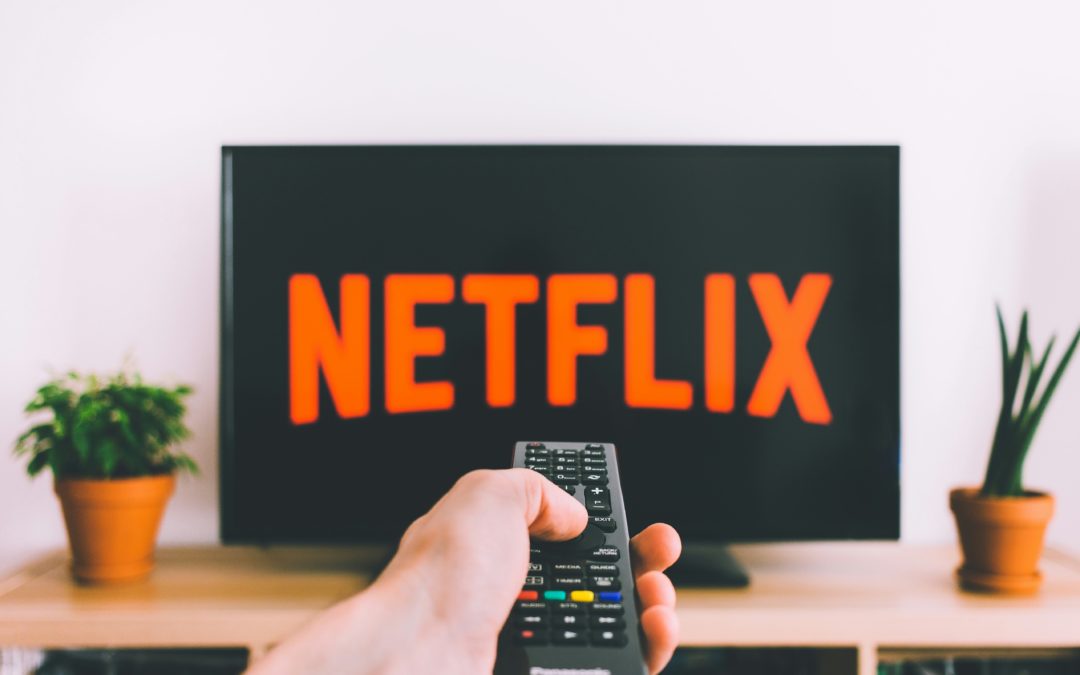
Tonight, history unfolds in the heart of New York City. At the legendary Madison Square Garden, an arena that has witnessed countless iconic moments, women’s boxing claims the main stage in a way never seen before. Netflix is broadcasting the world’s first all-women’s professional boxing card, elevating the sport’s female athletes to global superstars and putting women’s boxing at the center of the combat sports universe. The night’s headline clash—Katie Taylor versus Amanda Serrano III—marks not just a high-stakes sporting contest, but the crest of a wave that is redefining what’s possible for women in boxing.
The Significance of the Night
This event is much more than another set of title fights. It’s a seismic cultural shift for boxing—a sport long dominated by men, where women have had to fight, both literally and metaphorically, for every inch of recognition and opportunity. With five championship bouts and an astonishing 21 world titles up for grabs, tonight’s card is easily the most significant gathering of women’s boxing talent ever assembled.
Never before have so many decorated champions shared a single event, and never before have the stakes been higher for the visibility and legitimacy of women’s boxing. By streaming this historic event live to a worldwide audience, Netflix has effectively declared that women’s fights are every bit as thrilling, marketable, and worthy of investment as their male counterparts.
Amanda Serrano: Driven by Legacy, Not Just Victory
At the core of this event is the electrifying trilogy match between Ireland’s beloved Katie Taylor and Puerto Rico’s legendary Amanda Serrano. For Serrano, this fight is about more than just seeking retribution for two razor-close, contentious defeats. “I’m chasing legacy,” Serrano declared in a recent interview. She has already achieved what no other Puerto Rican boxer has—male or female—by becoming undisputed world champion. But her motivation now is to keep blazing a trail, to keep earning respect and changing the game for women in the sport.
Despite two losses to Taylor—both surrounded by controversy over scoring and officiating—Serrano is steadfast in her belief that she deserved better. “If Katie beat me clearly, I’d say hats off to her. But I just don’t feel it, my fans don’t feel it, my team doesn’t feel it,” she explained, referencing the broader sentiment that has fueled this highly anticipated third bout.
Her commitment is not just mental—it’s intensely physical. For this fight, Serrano has had to move up in weight, battling the discomfort of fighting at 140 pounds instead of her natural 134. She describes gaining weight as even harder than shedding it, which is rare for most fighters. She’s invested in an expanded coaching team, including a nutritionist and running coach, all in an effort to maximize her conditioning and skill for the biggest night of her career.
The Toll of Controversy and the Fight for Equality
Serrano’s last bout with Taylor was marred by more than close scoring; it involved physical adversity that would have broken many fighters. She recalled suffering a deep headbutt cut that briefly blinded her, saying, “I saw black for a second.” Beyond her opponent, she has often felt she’s up against judges and referees as well, making her call for a “fair fight” not just a slogan, but a necessity.
But Serrano’s advocacy stretches beyond her own experience. She’s been a fierce proponent of extending women’s world title fights to 12 three-minute rounds—the men’s standard—believing that this change would allow women’s skill, endurance, and finishing power to truly shine. “I believe if I had that extra minute, I can definitely hurt her and finish her,” she argues. It’s a powerful statement about the potential of women’s boxing and the outdated limitations still imposed on the sport.
New Faces, New Stories: The Next Generation Steps Up
While Taylor and Serrano command the main event, the undercard is a showcase for the next wave of elite talent. Alycia “The Bomb” Baumgardner, the reigning undisputed super featherweight champion, faces Spain’s Jennifer Miranda in a bout expected to be explosive. Baumgardner’s confidence and charisma, both in and out of the ring, represent a new era where women fighters are not just respected but celebrated and marketed as main attractions.
Meanwhile, Shadasia “The Sweet Terminator” Green brings her own story of overcoming adversity. As the first world champion from Jake Paul’s Most Valuable Promotions (MVP), Green seeks to unify the super-middleweight division. Coming from Paterson, New Jersey—a city more often associated with struggle than triumph—Green sees herself as a role model for her community. She was once a top basketball prospect, but after criticism from a coach, she switched to boxing and has flourished ever since. Her story illustrates how the sport is evolving, welcoming athletes from diverse backgrounds and offering them a platform for greatness.
What makes this card even more culturally significant is the prominence of Black women as headline fighters and promotional faces. It’s a shift from the past, reflecting broader changes in both sport and society. These athletes are no longer relegated to the margins; they are front and center, challenging stereotypes and expanding the sport’s reach.
Adding to the event’s gravitas is the participation of Laila Ali, herself a former world champion and daughter of the legendary Muhammad Ali, as part of the commentary team. Her presence underlines the legacy and growing tradition of women’s boxing, as well as the inspiration provided to future generations. Baumgardner put it succinctly: “These young girls are looking at us. They want to know how to be us, or how to be better.”
The Economics of Change: How Serrano and MVP Transformed the Game
Women’s boxing has long lagged behind men’s in financial reward. Serrano’s own journey testifies to that, having once earned as little as $4,000 for world title fights. The turning point came with her partnership with MVP and the influence of YouTuber-turned-boxer Jake Paul, who used his platform to raise the profile and the paychecks of women fighters. Now, the purses reach into the millions, and the Netflix event is both a financial and symbolic milestone.
Serrano explained, “That’s the difference with Jake Paul and these women. Now that people see Katie and me making millions, my fanbase growing, and us making noise, now they want to come along.” For Serrano, an Afro-Latina fighter with a lifetime MVP contract, the money is important—but the recognition and opportunities are priceless. “Netflix believed in me and Katie so much that they gave us our own card, with all women. They believe in us women, and that really touches me.”
Every Fighter, Every Fight: Stories That Inspire
The impact of tonight’s event stretches far beyond the headline names. Fighters like Ramla Ali and Shurretta Metcalf embody what this moment means to so many others. Ali, a Somali refugee who became a global symbol for perseverance, fights not just for herself, but for those who feel powerless. “Every time I go into the ring, I need to make it mean something. I feel like I have a responsibility to fight for people that don’t feel they can fight for themselves,” she said.
Metcalf echoes a similar sentiment: “I’m fighting for the girls who look like me, who come from nothing like me. It doesn’t matter your age or where you’re from. It just matters how you finish.” These stories, broadcast to millions around the globe, will inspire new generations and reinforce the idea that boxing belongs to everyone, regardless of background.
Why This Moment Matters
Tonight is a turning point, not just for boxing, but for sports culture as a whole. For decades, women’s fights were often buried on undercards or ignored by mainstream media. Now, with the world watching via Netflix, women’s boxing commands the spotlight, the money, and—most importantly—the respect it has always deserved.
The fighters entering the ring tonight are doing more than just battling for belts. They are breaking new ground, knocking down barriers, and redefining what is possible for women in sports. Their victories, struggles, and stories will reverberate beyond the ropes, encouraging girls everywhere to step up, dream big, and claim their place at the top.
As the final bell sounds, regardless of who leaves with the championship belts, one thing is certain: the future of women’s boxing—and perhaps women’s sports as a whole—just got a lot brighter.
by Jonathan P-Wright | Jul 11, 2025 | Business News, Latest |
Photo by freestocks on Unsplash
Across the country, a powerful movement is gaining traction as consumers mobilize to hold corporations accountable for abandoning their commitments to diversity, equity, and inclusion (DEI). As some of the world’s largest brands quietly roll back the promises made to marginalized communities over the last several years, a growing chorus of voices is calling for concrete action—beginning with a nationwide boycott of retailers and companies seen as backtracking on DEI.
On February 28th, millions of Americans are expected to participate in a 24-hour boycott of major retailers and banks. The action, informally called “Al Sharpton’s DEI Boycott Plan,” is being championed by organizations such as The People’s Union USA. It represents a pointed response to a late-January executive order by President Donald Trump that made it illegal for companies to implement or promote inclusion-based messaging and practices. This abrupt change signals an alarming reversal for those who have advocated for greater representation, fair access, and opportunity within the business world.
The roots of this movement can be traced to the widespread outrage and activism that swept the nation in 2020. In the aftermath of George Floyd’s murder and subsequent protests, dozens of major corporations rushed to assure the public of their renewed dedication to racial equity and justice. These pledges weren’t just symbolic; companies vowed to hire more diverse workforces, support Black communities through investments, and dismantle systemic barriers that have long denied opportunities to people of color.
But within just a few years, many of those promises are in jeopardy. The newly signed executive order gives companies the legal cover to walk back on DEI initiatives without fear of regulatory consequences. Many have already started to do so quietly, dropping commitments, programs, and even language from their marketing and internal policies. For communities who took these promises seriously, this latest shift feels like a profound betrayal.
Boycotting for Change: Economic Power as Protest
The upcoming February 28th boycott is designed as a direct challenge to corporate indifference and political backsliding. Organizers have made their strategy clear: if companies are only interested in their bottom line, then targeting that bottom line is the most effective way to force real change. “Disrupting the economy for even one day sends a powerful message,” reads a campaign statement circulated online. “If they don’t listen, we’ll make the next blackout longer. Our numbers are powerful. This is how we make history.”
The logic behind this approach is grounded in the history of economic protest. Marginalized groups in America—especially Black Americans—have long wielded their collective purchasing power as a weapon for social justice. From the 1955 Montgomery Bus Boycott, which played a pivotal role in dismantling legalized segregation, to modern “buy Black” campaigns, the principle remains unchanged: if companies profit from the Black community, they must also be accountable to it.
This year’s boycott organizers have also emphasized the importance of broad solidarity. During a rally on the day of the presidential inauguration, a leading activist declared, “We are going to announce the two companies that we’re going after, and we’re going to ask everybody in this country—Black, white, brown, gay, straight, woman, trans—don’t buy where you are not respected.” The message is simple but powerful: inclusion and respect are non-negotiable, and consumers should withdraw their support from any business that fails to honor its commitments.
Yet, it’s important to clarify the origins and official leadership of the current boycott. While Rev. Al Sharpton’s name has been widely circulated online in connection with the boycott, Sharpton and his organization, the National Action Network (NAN), have not officially sanctioned this specific action. In a public statement released February 25th, Sharpton expressed appreciation for the spirit of the boycott, but clarified that NAN’s own planned response will be announced at its national convention in April. “We appreciate the spirit of the various efforts, but the only one that I and NAN have authorized will be announced at our national convention this April,” he said. Sharpton further shared that a council of allies and partners is in the process of identifying companies that have abandoned their DEI commitments, assessing their profit margins, and strategizing how to leverage Black consumer power most effectively.
The Backlash Against DEI: What’s at Stake
The push to undo DEI efforts didn’t arise overnight. After the national reckoning in 2020, the business world saw an outpouring of statements, policy changes, and donations in support of racial equity. Companies pledged billions of dollars, set hiring goals for underrepresented groups, and promised to use their platforms for good. For a moment, it seemed like a genuine step forward.
But backlash soon followed, spearheaded by critics who claimed that DEI initiatives amounted to “reverse discrimination” or undermined traditional notions of “meritocracy.” The Trump administration’s executive order now gives those critics the legal means to challenge, weaken, or outright dismantle these programs. Companies that once saw public relations value in supporting DEI are now recalculating, wary of lawsuits, government penalties, or political scrutiny.
For advocates, these rollbacks are more than just a business decision—they are a direct attack on the hard-fought progress toward equity and fairness. The reversal of DEI commitments isn’t happening in isolation; it’s part of a broader effort to chip away at gains made in civil rights and social justice. As a result, the boycott is as much about reclaiming the narrative as it is about dollars and cents.
The Role of the NAACP: Mobilizing the Black Dollar
Recognizing the gravity of the current moment, the NAACP has stepped in to provide practical guidance for consumers determined to make their voices heard. On February 15th, the NAACP issued a “Black Consumer Advisory,” laying out a clear path for using the Black dollar as a tool for accountability.
The advisory acknowledges that DEI rollbacks threaten to undo decades of economic progress for Black communities. It offers several recommendations: prioritize supporting businesses that demonstrate genuine commitment to diversity and equity; hold companies publicly accountable for backtracking on their promises; actively seek out and invest in Black-owned businesses; advocate for continued change; and, above all, stay informed about corporate actions and the broader political climate.
“These rollbacks reinforce historical barriers to progress under the guise of protecting ‘meritocracy,’ a concept often used to justify exclusion,” the NAACP warns. The organization stresses that the rollback of DEI initiatives isn’t just a business concern, but a fundamental threat to Black economic advancement and the core values of justice, equity, and civil rights.
Why This Boycott Matters
This moment is a test of unity, resolve, and vision. The February 28th boycott is more than a temporary protest—it’s a call to action for a sustainable movement. By leveraging the immense economic influence of the Black community—an estimated $1.8 trillion in annual spending power—consumers can remind corporations that they cannot profit from communities while disregarding their interests.
It’s not just about holding individual companies accountable, but about setting a precedent. When businesses see that consumers will not tolerate broken promises, they become more likely to uphold their end of the bargain. In the long run, this helps ensure that diversity and equity aren’t just passing trends but foundational values.
Boycotts have a proud history in the fight for civil rights. Economic protest has always been a potent means of demanding justice, from the grape boycotts led by César Chávez to the anti-apartheid divestment campaigns. Each action has demonstrated the simple truth: companies and governments alike are forced to pay attention when their profits are on the line.
The Path Forward
Organizers of the February 28th blackout know that one day of action, by itself, won’t fix decades of inequality or force instant change. But the boycott is a starting point—a statement of intent and a demonstration of collective power. Activists have promised to escalate their efforts if companies continue to ignore calls for accountability, with longer boycotts and more targeted campaigns already under consideration.
The message to corporate America is clear: respect the Black dollar, honor your commitments, and don’t take the loyalty of your customers for granted. Companies that choose to walk back DEI pledges will face public scrutiny, economic consequences, and the possibility of lasting reputational damage.
Conclusion
The February 28th boycott represents more than just economic withdrawal—it’s a reminder that the Black dollar has power, and that power can be wielded for justice. As consumers mobilize to demand respect, inclusion, and equity, they send a signal that empty promises are not enough. Real change will require not only words, but sustained action and meaningful accountability.
In an era of political uncertainty and corporate backpedaling, the Black community and its allies are taking the lead—showing once again that the fight for equality is far from over, and that progress, once gained, must be defended by every means available, including the most powerful tool of all: collective economic action.


RECENT COMMENTS