by Jonathan P-Wright | Jul 11, 2025 | Latest |
Photo by Franki Chamaki on Unsplash
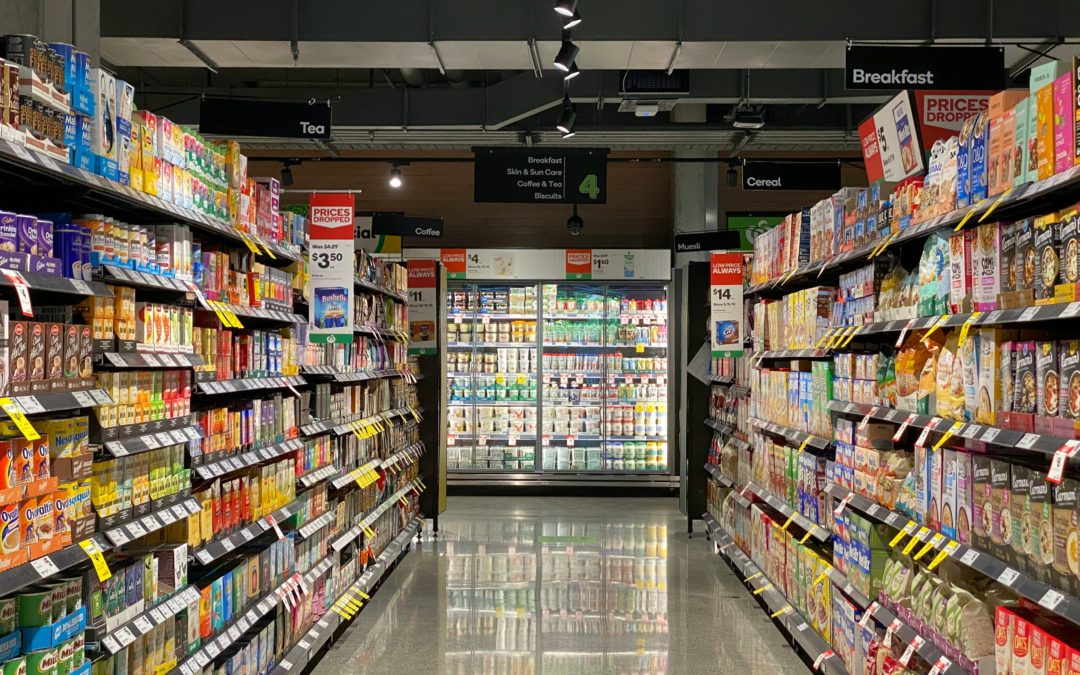
Kroger, one of the largest supermarket chains across the United States, has recently come under intense scrutiny after a TikTok video featuring its Juneteenth-themed desserts from an Atlanta location went viral, sparking widespread criticism. The desserts, especially cookie cakes decorated with the phrase “Free @ Last,” a reference to Dr. Martin Luther King Jr.’s famous “I Have a Dream” speech, were widely seen as poorly designed and culturally insensitive. This incident has reignited a broader dialogue about how large corporations approach holidays commemorating Black history and the pitfalls of performative allyship.
The Viral Video That Ignited the Backlash
The controversy began just before Juneteenth, when TikTok user blaq monalisa uploaded a video highlighting the lackluster efforts by her local Kroger bakery to honor the holiday. In her clip, which has since garnered over 12 million views, she expresses disbelief and frustration at the subpar quality of the desserts. “This is some bulls**t,” she says bluntly, contrasting the attention Kroger pays to other holiday desserts with what she perceives as an afterthought for Juneteenth.
The video shows shelves filled with cookie cakes that appear hastily decorated with uneven and off-center lettering. One cake simply read “FREE,” while another carried a seemingly misplaced “Congratulations” sticker. The most widely discussed item, the “Free @ Last” cake, was intended as a tribute but instead was viewed by many as trivializing a significant cultural moment.
Social Media Reacts With Outrage and Sarcasm
The response across social media platforms was swift and overwhelmingly negative. Thousands of people voiced their disappointment, frustration, and disbelief. Many argued that Kroger would have been better off ignoring the holiday entirely than releasing what they considered lazy and disrespectful products.
One commentator quipped that the cakes resembled “welcome home” treats for inmates, while others called the effort “diabolical” or “insulting.” Many highlighted the fact that Juneteenth marks a solemn occasion commemorating the end of slavery in America, making the lack of thoughtfulness in these desserts all the more egregious.
This episode is not an isolated one. Over recent years, corporations have repeatedly faced criticism for their mishandling of Juneteenth celebrations. For example, Walmart drew backlash for selling Juneteenth-themed ice cream and watermelon-flavored cakes, which many felt perpetuated harmful stereotypes and failed to show genuine respect for the holiday.
The Historical Significance of Juneteenth
Understanding why this controversy struck a nerve requires recognizing the deep importance of Juneteenth. The holiday commemorates June 19, 1865, when Union soldiers arrived in Galveston, Texas, to announce the emancipation of enslaved Black people—over two years after President Abraham Lincoln signed the Emancipation Proclamation.
Juneteenth symbolizes both the triumph of freedom and the persistence of racial injustice. For many Black Americans, it is a day of remembrance, reflection, and celebration of resilience. Given this profound significance, corporate gestures honoring Juneteenth demand thoughtful, culturally aware execution rather than superficial marketing.
Kroger’s Official Response
Following the viral video and subsequent uproar, Kroger issued a statement to Fox News acknowledging the problem and distancing the company from the decisions at the store level. A spokesperson said, “The cakes and cookies that were featured in the video were inconsistent with our provided guidance and not of the quality we would expect to see from our stores.”
They confirmed that the products in question had been removed and that the matter was addressed with both the store team and the customer who posted the video. However, many critics felt the statement fell short by not including a direct apology or outlining steps Kroger would take to prevent similar missteps in the future.
Corporate America’s Ongoing Struggle With Cultural Sensitivity
Kroger’s incident is symptomatic of a broader issue: corporations frequently struggle to genuinely engage with culturally significant holidays. Their efforts often fall into performative allyship—a superficial display of solidarity designed more to protect brand image than to meaningfully honor the communities involved.
In 2022, Walmart’s release of Juneteenth ice cream flavor swirled with red velvet and cheesecake sparked backlash and was eventually pulled from shelves. Critics accused the company of commodifying a painful history for profit.
Experts emphasize the difference between acknowledging a holiday and fully understanding its emotional and historical context. Historian Marcus Allen notes, “Brands need to move beyond surface-level gestures and engage in authentic, ongoing relationships with the communities they claim to serve.”
How Could Kroger Have Done Better?
Many voices in the conversation suggest that Kroger’s blunder could have been avoided through more inclusive planning processes. Involving Black employees, cultural consultants, or local community leaders in the creation and approval of Juneteenth displays would likely have produced more thoughtful and respectful results.
Some recommendations include:
- Donating a portion of profits from Juneteenth merchandise to organizations advancing racial justice.
- Highlighting and supporting Black-owned brands and vendors during June.
- Creating educational materials that inform customers about Juneteenth’s history.
- Hosting community events that elevate Black voices and culture.
Such efforts require more time and care than simply decorating cookie cakes with hastily written slogans but have a far greater impact on building trust and showing genuine respect.
The Importance of Authentic Representation
As consumer awareness grows, brands face increasing pressure to go beyond marketing optics. Authenticity and meaningful representation have become non-negotiable. A single misstep, like Kroger’s “Free @ Last” cake, can quickly escalate into a national controversy, damaging credibility.
This reality underscores the importance of diversity in leadership and marketing teams. Authentic celebration of cultural milestones comes from understanding lived experiences, not from last-minute product ideas.
Conclusion: Learning From Mistake
Kroger’s Juneteenth cake controversy serves as a cautionary tale for corporations everywhere. It illustrates how easily good intentions can be undermined by poor execution and the failure to prioritize cultural sensitivity.
The path forward for companies hoping to honor Black history and culture is clear: listen actively, involve community voices, commit to education, and act with genuine respect.
Only then can they hope to transform symbolic gestures into meaningful celebrations that honor the weight and dignity of days like Juneteenth.
by Jonathan P-Wright | Jul 4, 2025 | Latest, Tech News |
Image credit: WD Stock Photos / Shutterstock.com
Microsoft, one of the most influential players in the global tech landscape, has announced it will be laying off approximately 9,000 employees, a figure that represents less than four percent of its global workforce. This decision, first reported by CNBC, comes at a time when the company is continuing to post strong financial results. In its most recent quarterly earnings report, Microsoft reported an 18 percent year-over-year increase in net income, which brought the total to $25.8 billion. Despite this financial strength, the company is proceeding with a strategic reduction in its employee count—a move that has raised both concern and curiosity across the tech industry.
The decision to reduce headcount is not an isolated action, nor is it the first time the company has done so in 2025. Microsoft has already undergone several rounds of layoffs earlier in the year, signaling that this is part of a larger, deliberate restructuring effort. According to company insiders and industry analysts, these changes are being driven by a need to simplify the organizational hierarchy, reduce unnecessary layers of management, and reallocate resources toward areas with higher growth potential and future impact.
While the news of layoffs is always difficult for the individuals affected, the reasoning behind Microsoft’s decision appears to be rooted in a long-term strategic vision rather than any immediate financial strain. In fact, Microsoft’s continued profitability makes this move all the more noteworthy. It suggests that the company is not reacting to crisis but rather proactively adapting to new operational demands and economic realities. It reflects a broader trend within the tech sector: even thriving giants are now rethinking how they are structured, how they manage talent, and how they sustain innovation in a more volatile global economy.
The early years of the 2020s, particularly during the COVID-19 pandemic, saw explosive growth in the tech sector. Companies rapidly expanded their teams to keep up with the surge in digital transformation, remote work, and cloud adoption. But as the world gradually emerged from the pandemic and macroeconomic conditions became more unpredictable, the industry’s mindset began to shift. The focus moved from aggressive hiring and expansion to efficiency, consolidation, and strategic clarity. For Microsoft, this change in mindset meant critically evaluating how the company operates, communicates, and delivers value across its vast and diverse business units.
Like many of its counterparts—Amazon, Meta, Google, and Salesforce among them—Microsoft is responding to these changing times by taking a hard look at its organizational model. The reduction in staff, while painful for those directly impacted, is aimed at trimming internal complexity. The company believes that too many layers of management can slow down decision-making, create bottlenecks in execution, and ultimately dilute the speed and agility needed to innovate. Streamlining operations, in Microsoft’s view, is essential not just to remain competitive, but to lead the next wave of technological advancement.
CEO Satya Nadella has been a strong advocate for fostering a “growth mindset” within the company—one that embraces change, learns quickly, and adapts rapidly to shifting market demands. Under his leadership, Microsoft has not only revitalized its brand but has also become more aggressive in seizing new opportunities. The layoffs, when viewed through this lens, are not about downsizing for the sake of cost-cutting, but rather about refining the internal engine that drives Microsoft’s innovation and market leadership.
At the same time as it reduces its workforce in certain areas, Microsoft is doubling down on key strategic priorities that it believes will define the next era of technology. One of the most prominent among these is artificial intelligence. Through its high-profile partnership with OpenAI, Microsoft is embedding AI across its product ecosystem—from integrating AI features in Microsoft Office to transforming how developers use the Azure cloud platform. The company sees AI not as a trend, but as a fundamental shift in how software is created, delivered, and consumed.
Cloud computing is another area where Microsoft continues to invest heavily. Azure, its flagship cloud platform, remains a cornerstone of the company’s growth strategy. With businesses increasingly moving their operations to the cloud, demand for Azure’s services—spanning AI, security, storage, and analytics—remains high. Microsoft’s ability to serve these enterprises at scale is a competitive advantage, and the company is committed to enhancing that edge.
Microsoft is also pushing forward in the gaming and entertainment space. The company’s acquisition of Activision Blizzard, though still subject to regulatory approval in some regions, is a bold move that reflects its ambitions to shape the future of interactive media. If completed, this acquisition would mark one of the largest in tech history and position Microsoft as a dominant force not just in consoles, but in mobile gaming, streaming, and virtual experiences.
Taken together, these moves show that Microsoft is not retreating from the future—it is repositioning itself for it. The layoffs, while significant in number, represent a reallocation of energy, capital, and talent. The company is shedding what it sees as excess baggage in order to become more focused, more agile, and more strategically aligned with its future goals.
Still, the impact on employees cannot be ignored. Job loss is more than a statistic—it is a deeply personal event that affects individuals, families, and communities. Microsoft has stated that it will provide support for those affected, including severance pay, job placement services, and continued health benefits for a limited period. Yet, the emotional and psychological toll of such disruptions often lingers beyond the logistics of transition. For employees who had been a part of Microsoft’s journey—some for years, others perhaps just beginning their careers—the experience is undeniably difficult.
Inside the company, morale and internal communication will play a crucial role in the coming months. Even those who remain may feel a sense of uncertainty or survivor’s guilt. Leadership must work hard to reinforce a sense of purpose, stability, and direction. Clarity around the company’s vision, transparency about why these changes are being made, and active efforts to engage and motivate remaining employees will be key to maintaining a healthy and productive culture.
From an investor’s perspective, Microsoft’s move may be interpreted as a responsible and forward-thinking adjustment. The company is clearly not in financial distress, which makes its decision all the more calculated. The stock market often rewards companies that demonstrate operational discipline and a willingness to evolve before problems emerge. In that sense, Microsoft may be reinforcing its reputation as a company that doesn’t just react to trends—it shapes them.
The broader message here is that we are witnessing a fundamental transformation in how large tech companies think about growth. No longer is success measured by how many people you employ or how many departments you can build. Today, success is increasingly defined by focus, clarity, speed, and strategic vision. Microsoft’s layoffs are a reflection of this new reality.
In the coming years, the ability to adapt will likely determine which companies thrive and which fall behind. Microsoft seems to understand this. It is shedding layers, tightening its focus, and aligning its resources around the technologies and markets that will matter most in the next decade.
While painful in the short term, this realignment could ultimately strengthen Microsoft’s ability to compete, innovate, and lead in a world where the pace of change shows no sign of slowing. And for others in the tech world, the message is clear: evolution is no longer optional—it is essential.
by Jonathan P-Wright | Jul 4, 2025 | Latest, Tech News |
Photo by Christian Wiediger on Unsplash
In an era dominated by vertical videos, short-form content, and mobile-first behavior, the numbers speak louder than ever: YouTube Shorts is not only winning — it’s dominating. During a major announcement this week, YouTube CEO Neal Mohan unveiled a staggering new milestone that redefines the playing field. YouTube Shorts is now drawing in 200 billion views every single day. This isn’t a monthly number, nor annual—it’s daily.
To put this into perspective, in March 2024, just over a year ago, YouTube Shorts was getting around 70 billion daily views. The platform has since seen a phenomenal growth of 186%, almost tripling its viewership in just 15 months. These numbers push YouTube far beyond competition, cementing its place as the undisputed powerhouse in both short-form and long-form video ecosystems.
YouTube Shorts: The Quiet Giant That Surged Ahead
This explosive growth highlights YouTube’s strategic success in tapping into the short-form content trend that has reshaped how billions consume media. Once seen as a response to TikTok’s meteoric rise, YouTube Shorts has grown from an experiment into a juggernaut.
Interestingly, while YouTube continues to release its metrics publicly, TikTok has remained relatively silent, withholding daily viewership stats for quite some time now. The absence of comparative data from TikTok could indicate that it’s facing challenges keeping up with YouTube’s explosive pace, especially as YouTube continues to scale its ecosystem globally across multiple devices and demographics.
Although TikTok remains hugely influential in pop culture, music discovery, and trend creation, the sheer scale YouTube has achieved is in another league. And it’s not just about views—it’s about infrastructure, longevity, and monetization power.
YouTube Is Now the Future of Television, Too
Beyond the mobile screen, YouTube is now conquering living rooms at an unprecedented scale. Mohan also shared that users now spend over 1 billion hours watching YouTube on TVs every single day. This isn’t just a statistic—it’s a powerful reflection of how video consumption habits have evolved in the last few years.
According to Nielsen’s Gauge report, YouTube accounted for 12.5% of total U.S. TV viewership in May 2025, surpassing all other streaming platforms, including Netflix, Hulu, and even traditional cable channels. For the fourth consecutive month, YouTube has held this leading position, solidifying its status not only as a video-sharing platform but as a next-gen television network.
More telling is that for over half of the 100 most-watched YouTube channels, TVs are now the most-viewed screen. This flips the historical narrative that YouTube is just for phones and desktops. Now, it’s a platform that commands attention on the largest screen in the home.
This shift is crucial because it brings legitimacy and permanence to YouTube in the traditional content space. No longer just a digital alternative, YouTube is becoming the primary destination for both entertainment and information across every screen.
What Makes YouTube’s Ecosystem So Powerful?
A large part of YouTube’s success lies in its multi-format ecosystem. Unlike platforms that limit creators to a single type of content—be it short videos, live streams, or long-form content—YouTube is designed to allow all of it to coexist. This format-flexibility creates a seamless viewer experience and gives creators multiple ways to grow their presence, reach diverse audiences, and monetize their work.
Whether it’s a 15-second skit, a 10-minute tutorial, or a 3-hour podcast, YouTube supports it all within a single platform. It’s also heavily optimized for various devices, from phones to tablets, laptops to smart TVs. This means that creators don’t need to rebuild their audience across platforms—YouTube is their one-stop shop for creative expression and financial sustainability.
This comprehensive approach has allowed YouTube to create something no other platform has: an all-in-one video infrastructure that supports both creator freedom and audience diversity.
YouTube’s AI Push: Enter Veo 3 and Dream Screen
Not one to rest on its laurels, YouTube is already preparing to launch its next big leap in content creation. Mohan teased the upcoming release of Veo 3, a cutting-edge AI video generation model developed by DeepMind, Google’s AI research arm.
This new technology will be integrated into YouTube Shorts later this summer under a feature called Dream Screen. The promise? Better visuals, smoother transitions, sharper animations, and—most notably—AI-generated sound and motion that elevate the quality of short-form video to near-professional standards.
Imagine this: a creator types a prompt like “a futuristic Tokyo street at night with neon rain,” and within seconds, Dream Screen generates that background in high resolution, complete with ambient sound and movement. This level of creative freedom could eliminate the need for expensive tools, filming gear, or visual effects software.
By baking such advanced AI into its core platform, YouTube is empowering creators to push the boundaries of what’s possible, even within a 60-second video. In doing so, it continues to attract creative talent and set a higher bar for what mobile-first content can look like.
Streaming Is No Longer the Future—It’s the Present
YouTube’s rise is part of a larger transformation happening across the entire media landscape. For the first time in history, streaming has overtaken cable and broadcast combined as the primary source of TV consumption in the United States.
Nielsen’s latest figures show that streaming now represents 44.8% of total TV usage, a dramatic rise from just 26% four years ago. Meanwhile, cable has dropped to 24.1% and traditional broadcast sits at 20.1%.
In other words, the old media models are rapidly being replaced by digital platforms that offer on-demand, algorithmically personalized experiences. And YouTube, unlike most others, has successfully captured both the mass appeal and the personalization edge.
As Nielsen CEO Karthik Rao noted, this shift is a pivotal moment in the media industry—a “perfectly timed inflection point,” coinciding with the four-year anniversary of Nielsen’s Gauge report. In this new world, YouTube isn’t just part of the trend—it’s leading it.
Creators Are Flocking to YouTube for One Key Reason: Money
While TikTok may be where trends start, YouTube is increasingly where creators go to build careers. And the numbers back it up.
YouTube offers monetization avenues that other platforms are still trying to figure out. Whether it’s ad revenue sharing, channel memberships, Super Chats, affiliate tools, or the YouTube Partner Program, creators now have more options than ever to turn views into income.
Even with Shorts, YouTube is rolling out performance-based monetization tools that allow creators to earn directly from short-form content—something TikTok’s widely criticized Creator Fund has struggled with.
The platform is also expanding its e-commerce and live shopping features, helping creators turn their videos into virtual storefronts. With real-time product links, affiliate commissions, and audience segmentation tools, YouTube is shortening the creator-to-customer journey drastically.
In contrast, TikTok creators often rely heavily on external sponsorships and brand deals, which aren’t scalable for smaller or mid-tier creators. YouTube, meanwhile, continues to invest in tools that benefit creators at every stage of their journey.
YouTube Is Now More Than a Platform—It’s the New Media Standard
If there’s one takeaway from all these numbers and announcements, it’s this: YouTube has transformed itself from a platform into a media empire.
It’s redefining what it means to be a “TV channel.” It’s building tools for the next generation of creators. It’s expanding reach across mobile and TV screens alike. And with advanced AI like Veo 3 on the horizon, it’s setting the pace for the entire industry to follow.
What started as a site for cat videos and bedroom vloggers is now a technology-driven global network, attracting billions of users daily, empowering creators at every level, and delivering more hours of content to more screens than any other platform in history.
What This Means for the Industry (and the Viewer)
For creators, YouTube represents the most complete toolkit to build a sustainable and scalable video business.
For brands and advertisers, it’s an unrivaled distribution channel that combines reach, targeting, and conversion power.
For consumers, it’s a content universe tailored to personal preferences, discoverable across every screen in the house.
And for everyone else—whether competitor or casual observer—YouTube’s trajectory is a clear signal: the future of media is not just digital. It’s YouTube-shaped.
by Laghe Andrews | Jun 19, 2025 | Latest, Tech News |
Photo by David Grandmougin on Unsplash
With the announcement of iOS 26, Apple delivers one of its most bold and comprehensive updates yet. This release transforms the iPhone into a more expressive, intelligent, and personalized device. From a dazzling Liquid Glass design to privacy-conscious AI features, iOS 26 is built to empower users in the digital age.
What started as a polished incremental update has evolved into a sweeping overhaul—redefining design, revolutionizing communication, enriching creativity, and strengthening security.
Liquid Glass: A Visually Immersive Interface
Introducing a New Design Language
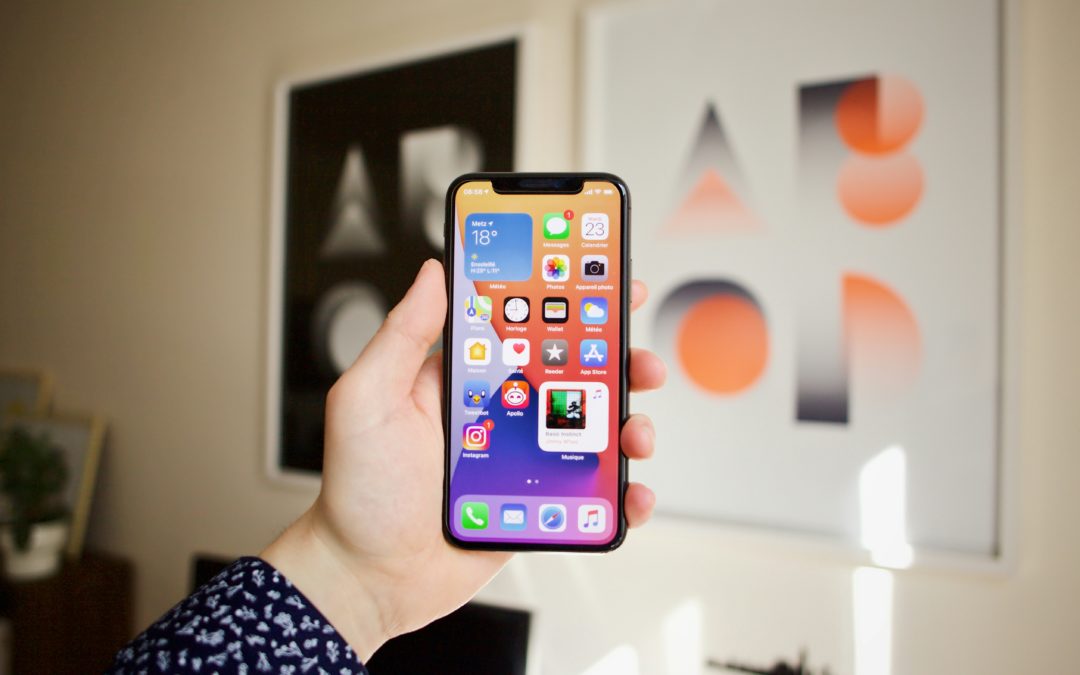
iOS 26’s standout visual feature is Liquid Glass, a design system centered on translucency and depth. Inspired by the aesthetic of polished glass, it gently refracts colors and light from the background into app icons, widgets, menus, and system elements. This creates a subtle sense of motion and visual layering, adding richness to everyday interactions.
Customizable Home and Lock Screens
The Home Screen and Lock Screen are more customizable than ever. Icons and widgets adopt a crystal-clear look, almost as though they’re floating on a pane of glass. The Lock Screen clock intelligently adjusts its size and position based on your wallpaper, ensuring that time is easy to read while preserving image integrity.
iOS 26 also introduces spatial wallpapers, which create dynamic 3D effects as you tilt your iPhone—a subtle but enchanting visual treat.
Refined App UIs
Major apps carry the Liquid Glass aesthetic into their interfaces:
- Camera: A minimalist layout that prioritizes your shot—no distracting overlays, just sleek and simple controls.
- Photos: Redesigned tabs for Library and Collections make browsing faster and more intuitive.
- Safari: Websites now flow from top to bottom with full-screen content and an always-accessible toolbar for search, refresh, and share actions.
- Apple Music, News, Podcasts: Each now features a floating tab bar that shrinks and grows depending on scrolling—delivering content-focus without losing navigation ease.
Apple has provided developers with new APIs to integrate Liquid Glass in third-party apps, paving the way for a cohesive ecosystem-wide design language.
Apple Intelligence: Privacy-First On‑Device AI
At the core of iOS 26 lies Apple Intelligence—a powerful suite of AI-driven features designed to help users accomplish tasks faster, smarter, and more securely. Importantly, all processing occurs on-device, preserving users’ privacy by avoiding cloud transfers.
Live Translation Anywhere
One of the most impressive new features is on-the-fly translation embedded in native apps:
- Phone calls: Hold a conversation in your language and let the phone translate responses in real time.
- FaceTime: Speak or listen in foreign languages and view instantaneous captions or conversions.
- Messages: Type in your native tongue, and the app converts the text before sending or upon receipt.
With iOS 26, language barriers become nearly invisible—yet your translations never leave your device.
Visual Intelligence: Smart Contextual Actions
Ever see an event invite or product image and want to respond instantly? Visual Intelligence in iOS 26 makes that easy. If your screen displays dates, times, or locations, it prompts you to add them to your calendar. Spot a product image? It helps you search for similar items across platforms like Google or Etsy.
Imagine capturing screenshots and being able to immediately ask: “What album is that?” or “Where can I buy this lamp?” Visual Intelligence bridges the gap between seeing and doing.
Genmoji & Image Playground: Unlocking Creativity
If you’ve ever wanted to craft unique expressions, Genmoji is your playground—melding emojis to invent brand-new ones. Image Playground extends this creativity by generating images from textual prompts. Want a sunset-eating cat emoji? Just type it and watch the tools bring your vision to life.
These expressive features broaden the communicative and aesthetic range of iMessage, social media, or wallpaper design.
Smarter Shortcuts
Apple’s Shortcuts platform matures in iOS 26 with added intelligence. The system now learns your habits and suggests context-aware automation—like generating writing tools, creating visual content, or combining actions with a tap or Siri command.
Inbox Assistant: Tracking, Summaries & Insights
Gone are the days of scrolling through endless confirmation emails. Apple Intelligence can automatically monitor emails for purchase, shipping, and delivery information—even if you didn’t use Apple Pay. It then aggregates and summarizes updates into a single dashboard, making it easier to monitor orders in real time.
Foundation Models Framework for Developers
Apple is letting developers tap into this power too. The Foundation Models framework enables third-party apps to use on-device AI models without internet dependency or privacy risk—opening new possibilities for powerful, intelligent apps.
Communication Upgrades: Phone and Messages
iOS 26 brings transformative updates to core communication tools, making calls and chats more intelligent and user-friendly.
A Unified Phone Experience
The Phone app consolidates your call history, favorites, and voicemails into one streamlined view. Two new features take smart call management to the next level:
- Call Screening: When unknown numbers call, iOS answers automatically, gathers caller info, and shows a transcript—helping you decide whether to pick up.
- Hold Assist: Waiting on hold? Your iPhone detects when an agent is on the line and alerts you—no more passive waiting.
Smarter Messages
The Messages app now hides messages from unknown senders in a separate folder, allowing you to view them on your terms—reducing unwanted interruptions.
Other enhancements include:
- Polls in group chats: Quickly gather input (“Where to eat?” “Who’s in for a trip?”)
- AI-generated chat backgrounds: Customize threads with unique imagery.
- Apple Cash support: Send, request, and receive money within group conversations.
- Typing indicators in group chats: See when people are responding for more fluid interaction.
Messages now strikes a balance between fun and functionality.
CarPlay and CarPlay Ultra: Reimagining In-Car UX
Apple reports over 600 million daily CarPlay interactions, and iOS 26 significantly raises the bar.
Compact and Non-Intrusive UI
Incoming calls now appear in a refined compact banner, letting you see who’s calling while still viewing your map or navigation instructions. Messages Tapbacks, pinned conversations, widgets, and Live Activities keep you informed without removing your focus from the road.
CarPlay Ultra: Full Dashboard Integration
For cars equipped with full integration, CarPlay Ultra delivers a unified experience across all vehicle screens—letting drivers control navigation, music, climate, and more from an iPhone-powered interface designed to mirror the phone’s new Liquid Glass aesthetic.
Enhancements to Apple Music, Maps, and Wallet
Apple Music: More Inclusive Listening
iOS 26’s Music app introduces tools that transcend language barriers and enhance the listening experience:
- Lyrics Translation: See translated song lyrics in real time.
- Lyrics Pronunciation: Get phonetic help for singing along to foreign-language tracks.
- AutoMix: Act like a DJ—seamlessly blend tracks using beat and tempo matching.
Apple Maps: Smarter Route Guidance
Visited Places, a new optional feature, records the venues you visit into an encrypted, secure log—perfect for remembering that little café you adored last week.
Maps also learns your routine, proposing preferred routes—especially when you’re heading home or to work—and notifies you proactively about delays and traffic.
Apple Wallet: Travel Meets Productivity
Boarding passes in Wallet get smart with Live Activities, offering real-time updates on flight status, gate changes, and more. Integration with Maps assists with navigation inside airports, while Find My helps locate bags. Additionally, Apple Pay now supports rewards or installment payment options at physical stores for eligible purchases.
Gaming, Accessory, and Family Enhancements
Apple Games: Centralized Play
A new Apple Games app curates all your gaming—App Store titles, Apple Arcade, friend events, updates, leaderboards—into a single hub. It’s the ultimate control center for casual and devoted gamers alike.
AirPods: Elevated Experience
AirPods Pro 2 and AirPods 4 receive fresh features:
- Studio-quality audio recording
- Camera shutter control: Press and hold to take a photo or start a video on your iPhone or iPad.
- Enhanced noise isolation and isolation modes powered by Voice Isolation
Child Safety Tools
Child Accounts are easier to manage, with parental controls integrated deeply into Communication Limits, App Store access, and content safety—like blurring explicit content in Shared Albums or FaceTime.
Privacy & Accessibility: Everybody Included
Privacy upgrades include advanced fingerprinting protection in Safari, which minimizes cross-site tracking by default.
Accessibility gains robust tools:
- Accessibility Reader: A personalized reading mode throughout the system.
- Braille Access: Full screen reader integration for users with braille displays.
- Live Listen, Background Sounds, and Personal Voice improvements support hearing and communication needs.
These enhancements reflect Apple’s continued mission of inclusive user experiences.
Device Compatibility and Launch Timeline
Developer and Public Beta
iOS 26 is currently available through the Apple Developer Program, with a public beta launching via the Apple Beta Software Program in the coming month.
Official Release Date
The final version is scheduled for release this fall, as a free update for devices running iPhone 11 and later.
Apple Intelligence Device Requirements
AI-powered features require new hardware:
- iPhone 16 series
- iPhone 15 Pro / Pro Max
- iPad mini (A17 Pro)
- Any iPad or Mac with Apple Silicon (M1 or newer), with language settings matching Siri
Languages supported at launch include English, French, German, Italian, Spanish, Brazilian Portuguese, Japanese, Korean, and Simplified Chinese. Later this year, additional languages like Danish, Dutch, Swedish, Turkish, Traditional Chinese, and Vietnamese will be rolled out.
Why iOS 26 Matters
Design Meets Function
Liquid Glass signals a move toward a visually cohesive and elevated user experience—one that feels modern, alive, and subtly rich without compromising simplicity.
Privacy-First Intelligence
With AI distributed entirely on-device, Apple eliminates cloud dependencies—meaning your data is never compromised. Live Translation, Visual Intelligence, and Foundation Models represent a major leap forward in empowering smart, private utility.
Communication that Respects You
Smarter call management, advanced messaging features, and AI-built insights reduce noise and let you focus on conversations that matter—promoting meaningful digital interactions.
Inclusive and Intelligent Ecosystem
From CarPlay Ultra to AirPods, Child safety to Accessibility, iOS 26 proves Apple’s commitment to building not only smarter but more inclusive experiences.
Final Thoughts
With iOS 26, Apple reasserts its vision: devices that delight aesthetically, empower intelligently, protect privacy, and include every user. From the striking new Liquid Glass design to groundbreaking on-device AI and deeply integrated app improvements, iOS 26 positions the iPhone as a more capable, personal, and human-centered tool than ever before.
by Jonathan P-Wright | Jun 6, 2025 | Latest, Music News, New Music Alert, Social Justice |
Image credit: Georgios Serafeim / Shutterstock.com
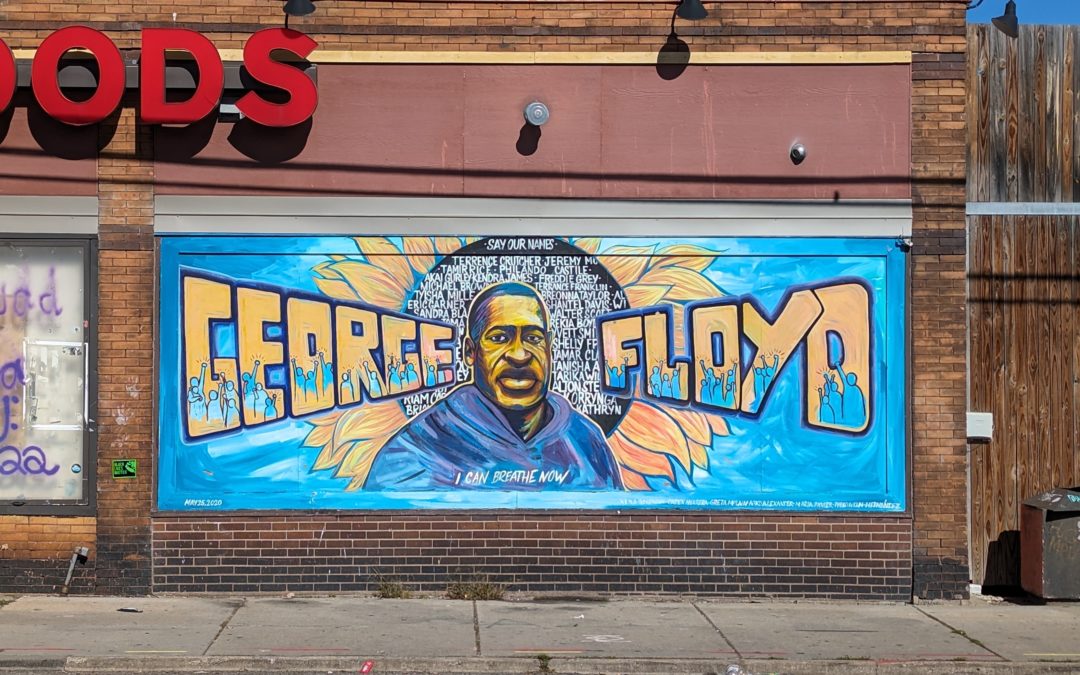
George Floyd’s family, civil rights activists, lawmakers, and local community members gathered in Houston to mark the fifth anniversary of his death — an event that profoundly changed the world’s perception of racial injustice and police accountability. The memorial served not only as a tribute to Floyd’s life but also as a powerful reminder that the fight for justice is far from over.
Held at Cuney Homes in Houston’s Third Ward — the very neighborhood where George Floyd grew up — the event became a sacred ground of remembrance, healing, and a renewed call to action. It drew prominent voices in the civil rights movement, including Reverend Al Sharpton, attorney Ben Crump, and Congresswoman Nikema Williams, along with Floyd’s siblings and members of the community who came to honor his legacy.
A Day of Reflection in Floyd’s Childhood Neighborhood
Floyd’s brother, Philonise Floyd, addressed the crowd at Cuney Homes with a message rooted in purpose and persistence. “We’re fighting for a purpose, and we’re not going anywhere,” he declared. For the Floyd family, the loss has not dulled with time — it has become fuel for advocacy, for pushing a global movement forward with the memory of George Floyd at its heart.
Before the public gathering, the family held a private memorial, reflecting in silence before joining Houston residents for an emotionally charged afternoon of speeches, poetry, gospel performances, and tributes. One especially poignant moment came when Floyd’s sister LaTonya sang the O’Jays’ “Family Reunion,” a soulful tribute to the strength found in unity. Her voice filled the space with sorrow, love, and resilience, embodying the emotional core of the day.
This was not just a family remembering their loved one — this was a community revisiting trauma and trying, together, to reshape it into lasting change.
Reverend Al Sharpton: “George Floyd Was Our Emmett Till”
Reverend Al Sharpton, a long-time advocate for civil rights, stood at the memorial to remind those gathered that Floyd’s murder was not an isolated incident. He described it as a modern echo of the 1955 lynching of Emmett Till — a tragedy that became a catalyst for the Civil Rights Movement. Sharpton drew a direct line between these two pivotal events, underscoring the painful continuity of racial violence across American history.
Sharpton spoke about how attorney Ben Crump flew to Minneapolis in 2020, right in the middle of the pandemic, to stand with the Floyd family and support peaceful protests. “I promised them we’d be there to the end,” he said. That promise, five years later, still stands.
Throughout his speech, Sharpton emphasized that while Derek Chauvin’s conviction brought a sense of accountability, it was far from justice. True justice, he insisted, can only come through transformation of the systems that allowed Floyd’s death to happen in the first place.
A Movement Under Threat: Leaders Criticize Reversal of Reforms
One of the most pressing concerns voiced during the memorial was the rollback of police reform measures, particularly under the Trump administration. Speakers criticized the federal government’s reversal of consent decrees in cities like Minneapolis and Louisville — a decision they saw as undermining the progress made in the wake of Floyd’s death.
Sharpton didn’t mince words: “To announce this rollback on the anniversary of George Floyd’s death is like spitting on his grave.” His outrage echoed that of many who believe that despite five years of protest and dialogue, meaningful reform is being systematically eroded.
Congresswoman Nikema Williams, present at the memorial, expressed her unwavering support for the George Floyd Justice in Policing Act — a bill that seeks to address excessive force, eliminate chokeholds, limit no-knock warrants, and establish national police oversight. Despite being introduced shortly after Floyd’s death, the legislation remains stuck in Congress.
“I’m here to do my part,” Williams affirmed. “I’ll never turn my back on this family or the movement their pain helped launch.” Her words reinforced the urgency of legislative change and the frustration felt by so many waiting for the system to catch up with the people.
Carrying the Flame: From One Life, a Worldwide Movement
Although George Floyd’s name became a rallying cry for justice, the Floyd family and speakers at the event were quick to remind attendees that his story is part of a much broader pattern. They remembered Ahmaud Arbery, Breonna Taylor, and countless others whose names have become symbols in the ongoing battle for racial equity and police accountability.
“George was the spark that lit the flame,” a relative said. “But the fire is bigger than one person.” This sentiment resonated deeply throughout the event, as attendees acknowledged that Floyd’s death catalyzed one of the largest protest movements in modern history — but also that the movement must continue, especially as resistance to reform grows.
Attorney Ben Crump praised the Floyd family for their unwavering resolve. “They turned grief into purpose,” he said. “History will remember these moments — how we stood not only for George Floyd, but for generations to come.”
Crump noted that while the emotional toll on the family has been immense, their courage has turned tragedy into a force for global awareness. Their willingness to speak, to show up, and to advocate has made it impossible for the world to look away.
Conclusion: Five Years Later, the Fight Continues
The memorial in Houston was not a moment of closure — it was a reaffirmation of purpose. While five years have passed since George Floyd died beneath the knee of a police officer, the systemic issues that led to his murder persist. The anniversary served as both a painful reminder and a hopeful rally — proof that although justice remains incomplete, the demand for it has not faded.
The Floyd family’s message was clear: remembering George is not enough. Honoring him requires continued action — in legislation, in communities, and in the hearts of people around the world. As the crowd dispersed from Cuney Homes that day, they left with a renewed commitment: that George Floyd’s name will not be forgotten, and his legacy will not be in vain.

RECENT COMMENTS