
by Harris | Jul 11, 2025 | Latest |
Photo by Michael Förtsch on Unsplash
More than two years have passed since Tyre Nichols was fatally assaulted by Memphis police officers, yet the pain surrounding his death feels as raw as ever—especially after the shocking verdict that acquitted three of the men involved. What many saw as an opportunity for justice instead became a painful reminder of how rarely accountability follows police brutality in the United States.
The acquittals of officers Tadarrius Bean, Demetrius Haley, and Justin Smith stunned the nation. Despite extensive and disturbing video evidence, a state jury found all three not guilty on charges of second-degree murder, aggravated assault, and official misconduct. The decision once again cast a glaring spotlight on the systemic challenges of prosecuting police violence—and the emotional toll it continues to inflict on victims’ families and communities.
The Night That Changed Everything
On January 7, 2023, Tyre Nichols—a 29-year-old Black man, father, photographer, and FedEx worker—was pulled over during what police claimed was a routine traffic stop in Memphis, Tennessee. That stop quickly spiraled into something far more sinister.
Officers from the Memphis Police Department’s now-disbanded SCORPION unit dragged Nichols from his car. He was pepper-sprayed, hit with a stun gun, and chased on foot when he tried to escape. When they caught him, five officers took turns beating him, even as he was restrained. Punches rained down. A baton struck him multiple times. He was kicked in the head while defenseless and screaming for his mother.
This horrific encounter—captured in detail by body-worn cameras and surveillance footage from a nearby pole—would ultimately lead to Nichols’ death three days later, from blunt force trauma and internal injuries.
Graphic Evidence, No Conviction
For many, the most haunting aspect of this tragedy is that the public watched it happen—after the fact, yes, but without ambiguity. The video footage, which sparked nationwide protests when it was released, shows not only the beating but also the callous aftermath. Nichols is left slumped against a car, clearly in distress. The officers laugh, exchange fist bumps, and offer no medical aid.
Yet, during the trial, defense attorneys successfully argued that their clients were simply following police procedures or attempting to subdue a suspect they claimed was resisting arrest. Much of the blame was directed at another officer, Emmitt Martin, who had taken a plea deal and was not on trial.
Among the most damning revelations was that Officer Demetrius Haley had taken a photo of Nichols after the beating—bruised, unconscious, bloodied—and shared that image with multiple people, including acquaintances. That act of casual cruelty symbolized the dehumanization at the heart of this tragedy.
But even this, along with the 20-minute delay in providing medical attention, was not enough to persuade the jury.
Public Reaction and Family Grief
The reaction to the verdict was swift and furious. Shelby County District Attorney Steve Mulroy voiced the frustration felt by many: “We all saw the videos. We know what happened. It’s hard to understand how a jury could find no guilt at all.”
Outside the National Civil Rights Museum, Nichols’ mother and stepfather gave heart-wrenching speeches. His mother said the verdict felt like she had lost her son all over again. His stepfather called it a “travesty of justice,” urging Americans not to grow numb to these failures.
The Congressional Black Caucus issued a powerful statement condemning the verdicts as “a shock to our collective conscience,” while activist Bernice King called for federal authorities to step in, stating that the acquittals reflect a system that was never built to protect Black lives.
A Pattern That Refuses to Break
The Tyre Nichols case is not an isolated incident—it joins a growing, painful list of cases where police officers walk free despite public outrage and overwhelming video evidence. Names like Rodney King, Eric Garner, Breonna Taylor, George Floyd, and Elijah McClain remain seared in public memory for similar reasons.
What unites these cases is not only the violence itself, but the consistent failure of institutions to deliver justice afterward. Legal protections like qualified immunity, strong police union influence, and culturally ingrained biases all make convictions incredibly difficult. Even in the face of bodycam footage and independent autopsies, juries often hesitate to convict officers—especially when the defense leans on split-second decision narratives and “resisting arrest” arguments.
Systemic Failures Go Beyond Individual Officers
Many people noted that all five officers involved in Nichols’ death were Black—prompting some to question if race played the same role it has in other cases of police violence. But experts and activists argue that focusing solely on the race of the officers misses the larger point: policing as a system disproportionately harms Black Americans regardless of who is enforcing it.
This is not about individual bigotry; it’s about a policing structure rooted in control, aggression, and systemic disregard for Black bodies. Training often emphasizes dominance and “compliance” over de-escalation and empathy. Oversight mechanisms are often weak, internal reviews biased, and punishment rare.
Even the SCORPION unit itself—a now-disbanded elite squad meant to tackle violent crime—was criticized from the start for its aggressive tactics and lack of transparency. Critics had warned that such units often go rogue, operating like paramilitary squads within city neighborhoods already over-policed and under-resourced.
Federal Charges Offer a Slim Hope
While the state trial ended in acquittals, federal charges still stand against all five former officers. These include civil rights violations and obstruction of justice—crimes that carry serious penalties. Sentencing is expected later this year.
Additionally, Nichols’ family has filed a $550 million civil lawsuit against the City of Memphis, the Memphis Police Department, and key officials, including the former police chief. The lawsuit claims that the SCORPION unit’s creation, leadership, and oversight failures directly contributed to Nichols’ death.
Some activists see this legal action as a potential tool to force reform. While no amount of money can bring back a life, large settlements often pressure cities to change hiring practices, restructure police units, and implement oversight reforms.
A National Crisis Demands National Reform
The broader crisis is undeniable. Reform advocates have been pushing for:
- Ending qualified immunity, which shields officers from personal liability.
- Independent prosecutors in all police-involved deaths to prevent conflict of interest.
- Stronger federal legislation, such as the stalled George Floyd Justice in Policing Act.
- Community review boards with real power—not just advisory roles.
Yet progress has been frustratingly slow. The political will fades with each news cycle. Police unions lobby hard against reforms. And without sustained public pressure, the status quo remains intact.
But families like the Nichols’, and a new generation of activists, refuse to let the conversation die. They continue to push—not only for accountability in this case but for transformation of the very system that made it possible.
Humanizing Tyre Nichols
Amid the legal arguments and political debates, it’s crucial to remember who Tyre Nichols was. He wasn’t just a symbol—he was a person.
He loved skateboarding and photography. He worked hard and was described by those who knew him as gentle, creative, and thoughtful. He often took photos of sunsets and landscapes around Memphis. He had plans, dreams, and relationships. That night, he was just trying to make it home.
His life was not taken by fate or error—it was taken by a system that chooses force over humanity and silence over accountability.
Conclusion: A Reckoning Still Needed
The acquittals in the Tyre Nichols case illustrate how far we still have to go. Even in an era where body cameras and cell phone footage expose the truth, the institutions responsible for justice too often fall short.
But public memory is long, and the push for reform has not disappeared. It has simply entered a new chapter—one driven by renewed urgency, growing awareness, and the voices of those who refuse to accept injustice as inevitable.
Tyre Nichols’ name now lives among others we remember not just for how they died, but for how they’ve inspired a movement that will not rest until the system changes.
by Jonathan P-Wright | May 16, 2025 | Latest, Music News, New Music Alert |
Image credit: Featureflash Photo Agency / Shutterstock.com
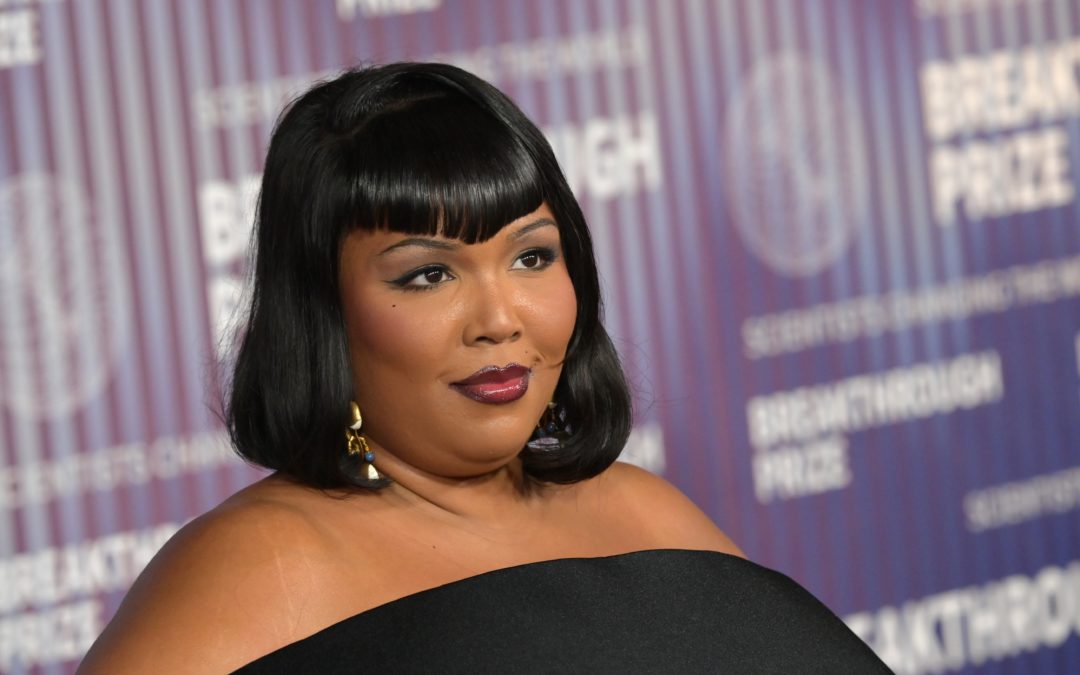
When Lizzo speaks about her music, she no longer just talks about creating hits—she speaks about creating legacies. As one of the most dynamic and genre-defying artists of her generation, Lizzo has built a career that celebrates confidence, authenticity, and self-love. But with her highly anticipated upcoming album Love in Real Life, it’s clear she’s setting her sights on something even more profound: reclaiming her narrative on her own terms and challenging the way success is measured in the music industry.
A Mission Beyond the Charts
In a recent conversation on The TERRELL Show, Lizzo opened up about the motivation behind her new project. She explained that while her past hits like “Juice,” “Truth Hurts,” and “Good as Hell” have become anthems for empowerment, her albums as a whole haven’t yet reached the level of acclaim or love that those singles have enjoyed.
“I feel like my albums don’t outshine my hits yet,” she said candidly. “People keep going back to those songs, and that’s amazing, but I want this new album to be a body of work that stands just as tall. I want every track to be loved as much as the biggest single.”
This desire reflects a significant shift in Lizzo’s approach to her artistry. Unlike the fast-paced culture of single releases and viral moments, Lizzo is aiming to create a cohesive musical experience — one that invites listeners into a deeper emotional connection, showcasing her growth not only as a singer but as a musician and storyteller.
A Fusion of Sounds and Souls
Love in Real Life is expected to blend genres fluidly, combining elements of pop, disco, and rock — a testament to Lizzo’s diverse musical background. Beyond her undeniable vocal talent, Lizzo is a classically trained flutist, bringing layers of musicality and instrumentation into her work. Her upcoming album promises to highlight these skills, presenting a richer sonic palette that reflects her evolving artistry.
But the album’s title isn’t just a clever phrase. It speaks to the album’s thematic heart: real love, the kind that exists beyond the superficial, beyond the fleeting validations of social media and public opinion.
Detaching from External Validation
Lizzo has long been celebrated for her messages of body positivity and self-love, but her latest statements suggest a maturation in her philosophy. She revealed in the interview with Terrell Grice that Love in Real Life marks a period where she’s moving away from seeking approval from the internet or external sources altogether.
“I’m done developing my sense of self based on what people say online,” she explained. “Now, my happiness is unconditional, and love only truly exists in real life — with people who genuinely care about you, not with faceless approval or likes.”
This is a powerful message in today’s hyper-connected world, where social media validation often distorts personal self-worth. Lizzo’s commitment to prioritizing authentic relationships and self-validation over public opinion is both timely and inspiring. It signals her reclaiming control over her identity and her artistry — no longer letting the digital noise define her.
A Personal and Public Reckoning
The past few years have been turbulent for Lizzo beyond the studio. In 2023, she and her production company, Big Grrrl Big Touring Inc., faced workplace harassment lawsuits brought forth by three backup dancers and a hairstylist. Though some claims were dismissed, and the courts ruled Lizzo could not be sued personally in one case, the allegations and ensuing media attention undoubtedly weighed heavily on her.
“When things like that happen to you, the world starts telling you who you are,” Lizzo reflected. “I’m pretty gullible, so sometimes I start to believe it.”
This period of scrutiny forced Lizzo to confront the gap between public perception and her personal reality. The emotional turmoil is mirrored in her new music videos, especially the one for “Love in Real Life.” In it, she depicts a harrowing experience of paranoia and judgment, where she feels watched and attacked by the world — a metaphor for the invasive spotlight she’s endured.
“In the video, I go out and start feeling like everybody hates me,” she explained. “People start to corner me, and then it comes down to either beating them or joining them.”
This visual storytelling speaks to the complex dance celebrities often must perform — balancing vulnerability with strength, fighting off criticism while maintaining authenticity. It’s a vivid illustration of the emotional stakes Lizzo faces, and her determination not to be defeated.
Reclaiming Power Through Music and Imagery
With her second single, “Still Bad,” Lizzo takes the theme of reclaiming power even further. She describes the song and its accompanying visuals as a response to the forces that once sought to break her down.
“The thing that destroyed me, I’m gonna destroy it,” she declared confidently. “I’m taking back control over my narrative, my story. Those little birdie tweet creatures trying to troll me? I control the trolls.”
In an age where social media can amplify both praise and criticism instantaneously, this declaration is a striking act of defiance. Lizzo is asserting that she is the author of her story, and she won’t let external negativity dictate her worth or success.
More Than an Album — A Statement
While a formal release date for Love in Real Life hasn’t been announced yet, the buzz surrounding Lizzo’s new era is palpable. More than a collection of songs, this album represents a pivotal moment of self-empowerment and reinvention.
It’s about a woman who has endured the highs of Grammy nominations and platinum records, and the lows of public legal battles and personal doubts. It’s about shedding the need for external validation and stepping fully into one’s own power.
Lizzo’s journey resonates on many levels — as a beacon for those struggling to define themselves amidst societal pressures, as an artist refusing to be boxed in by expectations, and as a human being claiming joy, authenticity, and love in their truest form.
The Road Ahead
As Lizzo prepares to unleash Love in Real Life, fans and critics alike await a bold, uncompromising work from one of music’s most fearless voices. It’s clear that Lizzo is not just back — she’s reborn. Her commitment to authenticity and emotional truth promises an album that will inspire not only the charts but hearts worldwide.
In the words of Lizzo herself:
“This is me breaking up with the world and reintroducing myself with a new perspective. I don’t need the world to validate me anymore. I validate myself.”
For anyone watching, this declaration is more than an artist’s statement — it’s a manifesto for self-love and resilience that transcends music and cultu
by Jonathan P-Wright | Mar 26, 2025 | Business News, Latest |
Photo by Never Dull Studio on Unsplash
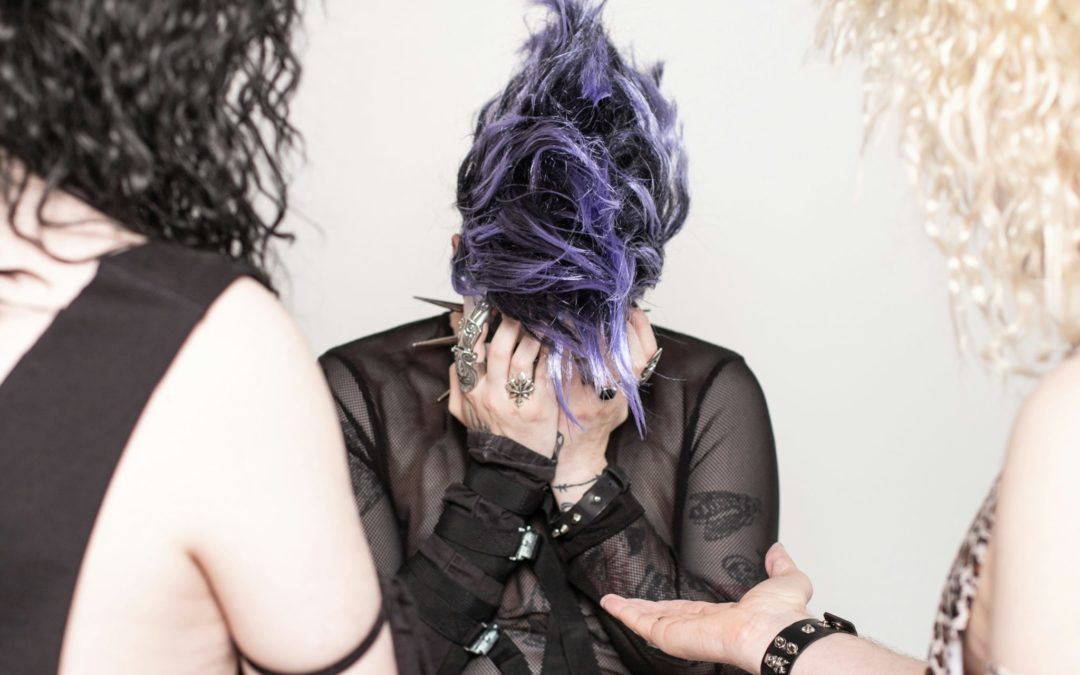
In today’s digital age, bullying extends far beyond the physical boundaries of schoolyards and classrooms, with social media becoming a significant platform where such behavior often unfolds. This digital bullying can be just as harmful, if not more so, than traditional forms of harassment, but until now, teachers and school administrators have had limited means of responding to such incidents when they occur online. In an effort to combat this growing issue, Meta, the parent company of Instagram, has introduced a new initiative aimed at giving schools more power to address online bullying. The program is designed to assist educators in reporting instances of cyberbullying that occur on Instagram, which can often be difficult to manage due to the platform’s vast and sometimes anonymous nature.
Meta’s School Partnership Program for Instagram is now available to middle and high schools across the United States. The initiative was created in response to growing calls from parents and educational professionals who wanted a more structured and supportive approach to handling online bullying. The program enables teachers, school staff, and administrators to directly report troubling Instagram posts and profiles that violate the platform’s Community Guidelines, potentially giving them a quicker way to resolve issues that may otherwise go unnoticed by authorities.
Meta has pledged to treat requests from schools with urgency. According to reports from Engadget, the company guarantees that it will respond to these reports within 48 hours, offering a level of accountability and speed that has often been missing in previous efforts to combat cyberbullying. Schools that utilize this new feature will be kept in the loop throughout the process, receiving timely notifications regarding the actions that Instagram has taken in response to their reports. A new section within Instagram’s interface, labeled “School Resources,” will allow schools to track their complaints and monitor the progress of the reports they’ve submitted.
One of the key components of the program is the provision of educational resources. Meta is working to ensure that teachers, students, and parents are equipped with the knowledge they need to navigate the app safely. These resources will address various aspects of online safety, ranging from how to recognize and handle cyberbullying to understanding privacy settings and content moderation. By providing these materials, Meta aims to foster a more informed and responsible community both inside and outside the classroom.
For schools that decide to participate in the program, there is an additional benefit. Their Instagram profiles will display a banner indicating their official partnership with Instagram. This banner is not only a sign of their commitment to ensuring a safe digital environment but also serves as an informative tool for others. When users tap on the banner, they will be directed to further information about the program, including how it works and how to get involved.
The development of this initiative was a collaborative effort, with Meta working closely alongside two prominent educational organizations: the International Society for Technology in Education (ISTE) and the Association for Supervision and Curriculum Development (ASCD). These partnerships ensure that the program is grounded in educational best practices and that schools can access the expertise needed to handle online issues effectively. In early testing, the program was piloted in 60 schools, and Meta reported that the results were encouraging, with promising early feedback regarding its effectiveness.
While the program is now open to schools nationwide, there is still a waitlist for schools interested in joining, and Meta has encouraged institutions to sign up if they wish to take part. This initiative reflects a growing recognition of the need to address the challenges that come with online interactions, especially in the context of children and teenagers who are navigating these spaces during critical developmental stages.
The launch of this partnership comes just as Meta has rolled out another feature aimed at improving safety for younger Instagram users. Last year, the company introduced Teen Accounts for users under the age of 16. These accounts are set to private by default, meaning that only approved followers can see the user’s posts and interact with them. Moreover, parents have the ability to adjust certain settings on their child’s account, which further enhances safety and ensures that kids have more control over their online presence.
However, despite these advancements, Meta has also faced mounting scrutiny regarding its role in fostering environments that can lead to harmful addiction and overuse among younger audiences. The company has been hit with multiple lawsuits, alleging that its features are designed in ways that hook children and adolescents into using Instagram and its sister platforms for prolonged periods. Critics argue that these platforms are deliberately engineered to keep users engaged for longer, which can lead to negative consequences such as mental health issues, decreased academic performance, and exposure to inappropriate content.
Adding to the complexity of the issue, several countries around the world have taken steps to limit or even ban social media use for minors. Governments are grappling with the dangers associated with young people’s increasing use of digital platforms, and many are taking proactive measures to regulate these spaces. Some countries have imposed age restrictions on social media accounts, while others have gone further by banning certain platforms outright in an attempt to protect children from the risks of online exposure.
In light of these challenges, Meta’s introduction of the School Partnership Program is an important step toward addressing one of the most persistent issues facing schools today: cyberbullying. The program not only provides schools with the tools they need to combat harmful behavior on social media but also helps to educate students and parents on how to protect themselves in the digital world. By giving educators a more direct way to report bullying incidents and track responses from Instagram, Meta is making an effort to bridge the gap between traditional forms of bullying and the new challenges posed by the digital age.
Furthermore, Meta’s collaboration with education professionals through ISTE and ASCD helps ensure that this initiative is not just a reactive measure but also a proactive one. The inclusion of educational resources will allow schools to build a culture of online responsibility, teaching students not only how to be safe online but also how to treat others with respect and kindness. This aspect of the program aligns with a broader movement in education, where digital literacy and online ethics are becoming an increasingly important part of the curriculum.
As online spaces become ever more integrated into our daily lives, it is clear that addressing the issue of cyberbullying requires a multifaceted approach. Meta’s School Partnership Program is a valuable tool in this fight, providing schools with resources and support to tackle online harassment more effectively. By ensuring that educators have a way to report problematic content and engage directly with Instagram’s team, the platform is empowering schools to take a stand against cyberbullying, ultimately contributing to a safer and more positive online environment for everyone.
The success of this initiative may set the stage for similar partnerships between social media platforms and educational institutions in the future. As technology continues to evolve and become an even more integral part of our lives, it will be essential for both tech companies and schools to work together to protect young people from the risks associated with online behavior. Meta’s program is a positive example of how this type of collaboration can help create safer, more responsible online spaces for future generations.
by Jonathan P-Wright | Aug 2, 2024 | Latest, Music News, New Music Alert |
Image credit: April Visuals / Shutterstock.com
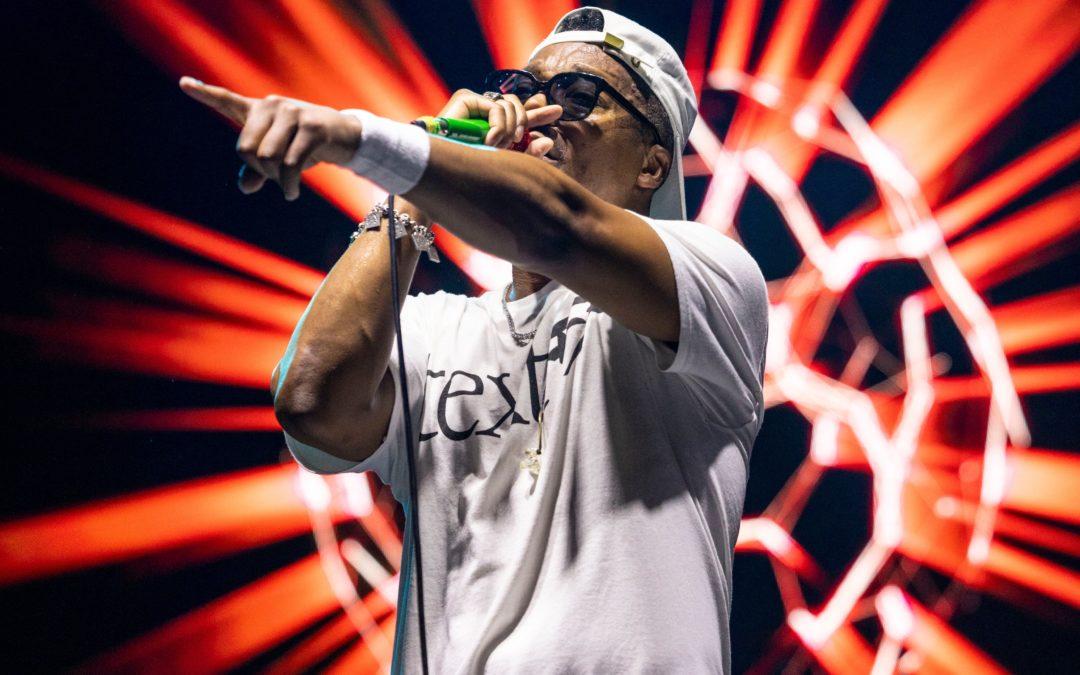
VentureIn an intriguing revelation, the esteemed rapper Lupe Fiasco has unveiled plans to resurrect his once-envisioned musical collective, Child Rebel Soldier. However, this resurgence takes an unexpected turn, deviating from the initial collaborative concept to become a solitary endeavor.
During a candid exchange with Stereogum, Fiasco reminisced about the group’s origins, which initially encompassed himself, Pharrell Williams, and Kanye West. He elucidated how the formation of this trio catalyzed his penchant for seamlessly blending rap verses with the ethereal soundscapes of Radiohead’s music.
The Genesis: Lupe’s Radiohead-Infused Rap Vision
According to Fiasco’s recollections, the inception of Child Rebel Soldier stemmed from a singular idea – his desire to juxtapose lyrics ruminating on the perils of fame with the hauntingly beautiful melodies of “ethereal ass Radiohead beats.” This unconventional fusion piqued the interest of fellow musical luminaries Kanye West and Pharrell Williams, ultimately leading to their collaborative efforts.
Despite the initial enthusiasm and creative synergy, the collective’s aspirations remained largely unfulfilled. Their collaborative output was limited to a handful of tracks, including “Us (Placers),” “Don’t Stop!,” and “Everybody Noze (Remix).” The promise of a full-length album, once hinted at by Fiasco in a 2007 interview with Billboard, ultimately faded into obscurity, with the rapper confirming the project’s cancellation in 2013.
Undeterred by the collective’s fleeting existence, Fiasco now envisions a renaissance for Child Rebel Soldier, albeit in a radically different form. This time, the project will manifest as a solo endeavor, with Fiasco returning to his roots – crafting lyrical tapestries over the ethereal sonic landscapes of Radiohead’s discography.
In his own words, Fiasco articulated his intent to “reboot CRS in the next six months, maybe next year.” He elaborated, “Tyler, [The Creator] has one of the CRS records. But it’s gonna go back to the original energy, which was me rapping over Radiohead beats.”
Embracing the Unconventional: Sampling, Lawsuits, and Artistic Freedom
Fiasco’s resolute commitment to this artistic vision extends beyond mere creative expression. He acknowledges the potential legal ramifications of sampling Radiohead’s music, yet remains undaunted, declaring his willingness to “get sued for it, and keep it moving.”
His plans encompass releasing either “loosie freestyle shit or a proper tape,” an approach that encapsulates the essence of artistic freedom and a willingness to embrace the unconventional.
A Retrospective Glance: The Collective’s Fleeting Existence
To fully comprehend the significance of this resurgence, it is essential to revisit the collective’s origins and its short-lived existence. Despite the initial fervor surrounding Child Rebel Soldier in the late 2000s, the group’s collaborative efforts were short-lived.
Beyond the aforementioned trio of tracks, the collective’s output remained elusive, with Fiasco hinting at the possibility of a full-length album in his 2007 interview with Billboard. However, these aspirations ultimately dissipated, culminating in Fiasco’s 2013 tweet confirming the cancellation of the group’s plans.
Fiasco’s decision to revive Child Rebel Soldier as a solo venture marks a significant artistic evolution. While the initial concept revolved around a collaborative fusion of diverse talents, the reboot embraces a more introspective and personal approach.
By immersing himself in the sonic landscapes of Radiohead’s discography, Fiasco aims to forge a unique artistic expression that seamlessly blends his lyrical prowess with the band’s atmospheric and emotionally resonant compositions.
Embracing Risks: Legal Implications and Artistic Integrity
One of the most intriguing aspects of Fiasco’s plans is his willingness to embrace potential legal risks associated with sampling Radiohead’s music. His candid admission of being prepared to “get sued for it, and keep it moving” underscores his unwavering commitment to artistic integrity.
This bold stance not only exemplifies Fiasco’s dedication to his craft but also highlights the complexities and challenges artists often face when navigating the intricate realms of intellectual property and sampling laws.
While the reboot of Child Rebel Soldier primarily envisions Fiasco as a solitary force, he has hinted at the involvement of fellow artistic luminary Tyler, The Creator. According to Fiasco, Tyler already possesses one of the records slated for inclusion in this revived project.
This unexpected collaboration adds an intriguing layer to the narrative, suggesting that while Child Rebel Soldier may no longer exist as a traditional collective, its spirit of cross-pollination and artistic synergy remains intact.
Regardless of the outcome of this ambitious endeavor, Lupe Fiasco’s decision to revive Child Rebel Soldier solidifies his status as an artist unafraid to challenge conventions and push creative boundaries.
His willingness to embrace unconventional sonic fusions, coupled with his lyrical prowess and unwavering artistic vision, has cemented his place as a influential figure in the realm of hip-hop and contemporary music.
Anticipation Builds: Fans Eagerly Await the Rebirth
As news of Fiasco’s plans to resurrect Child Rebel Soldier as a solo project spreads, a palpable sense of anticipation permeates the air. Fans and music enthusiasts alike eagerly await the manifestation of this audacious artistic vision, curious to witness the seamless fusion of Fiasco’s lyrical narratives with the ethereal sonic tapestries of Radiohead’s discography.
The prospect of Fiasco’s willingness to embrace potential legal entanglements only adds to the intrigue, underscoring his unwavering commitment to artistic authenticity and his refusal to compromise his creative vision.
Conclusion: A Bold New Chapter in Lupe Fiasco’s Musical Odyssey
In a bold and unexpected move, Lupe Fiasco has chosen to revive the once-collaborative Child Rebel Soldier project as a solo endeavor, marking a new chapter in his illustrious musical odyssey. By fusing his lyrical prowess with the atmospheric soundscapes of Radiohead’s discography, Fiasco aims to forge a unique artistic expression that transcends conventional boundaries.
While the path ahead may be fraught with legal complexities and challenges, Fiasco’s resolute determination to embrace risks and uphold artistic integrity is a testament to his unwavering commitment to his craft. As fans eagerly await the manifestation of this ambitious undertaking, one thing remains certain: Lupe Fiasco’s unwavering pursuit of creative excellence will undoubtedly leave an indelible mark on the musical landscape.
by Jonathan P-Wright | Jun 14, 2024 | Uncategorized |
Image credit: lev radin / Shutterstock.com
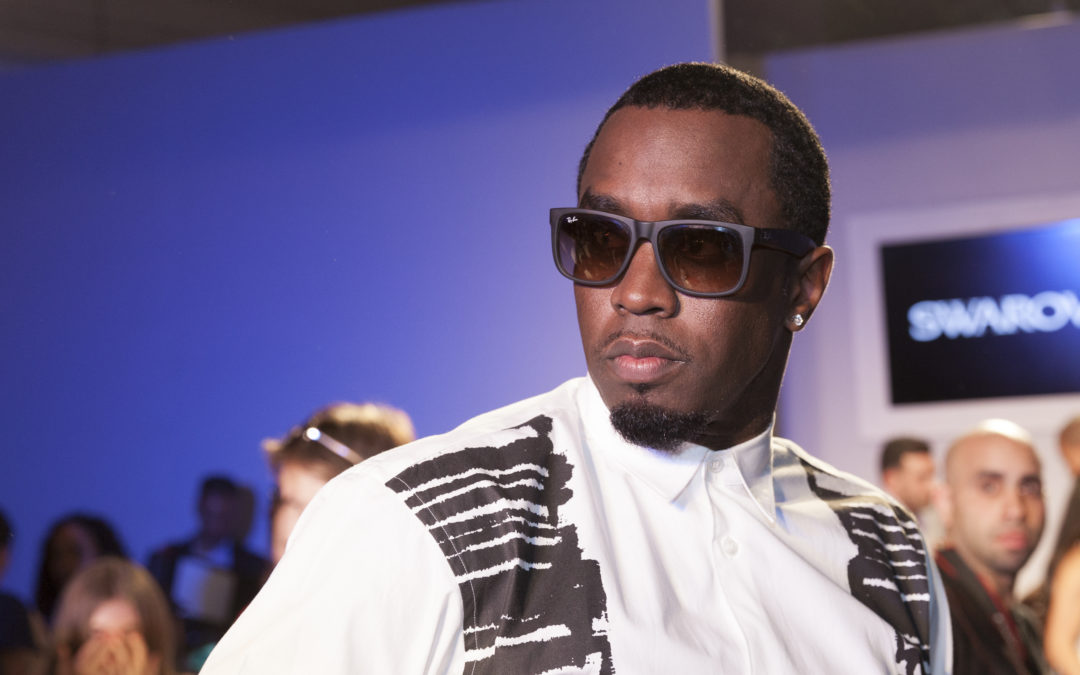
In a seismic decision that sent shockwaves through the entertainment industry, the hallowed halls of Howard University have echoed with the reverberations of a unanimous vote by the esteemed Board of Trustees. The verdict? To revoke the Doctor of Humanities honorary degree bestowed upon Sean “Diddy” Combs, a move that serves as a resounding rebuke of the mogul’s actions captured in a harrowing video that recently surfaced.
The Revocation: A Bold Stand Against Interpersonal Violence
The prestigious historically Black university, a bastion of education and empowerment, has taken an unequivocal stance against interpersonal violence. In a statement that resonated with clarity and conviction, Howard University declared, “Mr. Combs’ behavior, as captured in a recently released video, is so fundamentally incompatible with Howard University’s core values and beliefs that he is deemed no longer worthy to hold the institution’s highest honor.”
The video in question, a chilling glimpse into the dark underbelly of domestic abuse, depicted the Bad Boy Records founder in a shocking display of violence against his former partner, Cassie. The footage, which surfaced in 2016 but gained widespread attention only recently, showed Diddy assaulting the singer, kicking and dragging her in a hotel setting.
Stripping the Accolades: A Resounding Message
In a sweeping move that underscores the gravity of the situation, the Board of Trustees has not only revoked Diddy’s honorary degree but has also directed the university administration to take immediate and decisive action. This includes:
The university’s statement left no room for ambiguity, asserting, “All honors and privileges associated with the degree will also be revoked. Accordingly, the Board has directed that his name be removed from all documents listing honorary degree recipients of Howard University.”
Diddy’s Apology: Too Little, Too Late?
In the wake of the video’s release, Diddy issued an apology video, acknowledging the gravity of his actions. “I mean, I hit rock bottom but I make no excuses,” he said in May. “My behavior on that video is inexcusable. I take full responsibility for my actions in that video. I’m disgusted. I was disgusted then when I did it, I’m disgusted now.”
However, the sincerity of his remorse has been called into question by many, as the apology came years after the incident and only in the face of mounting public outrage and scrutiny.
A Chorus of Condemnation: Celebrities Speak Out
The release of the disturbing footage has sparked a wave of condemnation from various corners of the entertainment industry. Prominent figures such as John Legend, 50 Cent, and Ray J have voiced their disapproval of Diddy’s actions, further amplifying the calls for accountability and consequences.
The Legal Fallout: Lawsuits and Investigations
The fallout from the Cassie assault video has extended far beyond the revocation of Diddy’s honorary degree. In November of the previous year, prior to the footage’s release, Cassie filed a lawsuit accusing Diddy of rape and abuse throughout their relationship. While the suit was settled shortly after its filing, the allegations cast a long shadow over the mogul’s reputation.
Moreover, in March of 2024, Diddy’s Miami and Los Angeles homes were raided, suggesting that the legal implications of his actions may be far-reaching. The mogul is also facing a wave of other lawsuits in which he stands accused of rape and abuse, further compounding the mounting legal challenges he faces.
The Aftermath: A Tarnished Legacy?
The decision by Howard University to strip Diddy of his honorary degree and sever ties with him financially represents a seismic shift in the public perception of the once-revered mogul. What was once a celebrated career marked by groundbreaking achievements in the music industry now risks being overshadowed by allegations of violence and abuse.
As the legal battles continue to unfold and the court of public opinion weighs in, the question remains: Can Diddy’s legacy withstand the weight of these damning accusations, or will his downfall be etched into the annals of history as a cautionary tale of the consequences of unchecked power and alleged abuse?
The Ripple Effect: A Catalyst for Change?
While the circumstances surrounding Diddy’s fall from grace are undoubtedly tragic, they have ignited a broader conversation about the pervasive issue of domestic violence and the need for accountability, particularly among those in positions of power and influence.
Howard University’s decisive action has set a precedent, sending a clear message that even the most celebrated figures are not immune to consequences when their actions betray the core values of society. This watershed moment could potentially serve as a catalyst for further discussions and initiatives aimed at addressing interpersonal violence and fostering a culture of respect and accountability.
The Road Ahead: Redemption or Reckoning?
As the dust settles on this seismic event, the path forward for Diddy remains uncertain. Will he seek redemption through genuine remorse and a commitment to change, or will he face a reckoning that forever tarnishes his legacy?
Only time will tell, but one thing is certain: Howard University’s stance has sent a resounding message that transcends the boundaries of the entertainment industry. It is a clarion call for accountability, a reminder that no one, regardless of their status or achievements, is above the fundamental principles of human decency and respect.
The Aftermath: A Cautionary Tale for the Entertainment Industry
The Diddy scandal has cast a long shadow over the entertainment industry, prompting introspection and soul-searching within its ranks. The message is clear: Abuse and violence, no matter the perpetrator, will not be tolerated, and consequences will be swift and severe.
As the industry grapples with this watershed moment, it is evident that a reckoning is underway. The era of turning a blind eye to the misdeeds of its most prominent figures is rapidly drawing to a close, replaced by a newfound commitment to accountability and a zero-tolerance policy for any form of interpersonal violence.
The Road Ahead: A Collective Responsibility
While the journey towards a more accountable and ethical entertainment industry is fraught with challenges, there is a palpable sense of optimism and determination. Industry leaders, artists, and advocates alike are coming together, recognizing that lasting change can only be achieved through a collective effort.
As the dust settles on the Diddy scandal, one thing becomes increasingly clear: The road ahead will require unwavering commitment, open dialogue, and a willingness to confront uncomfortable truths. Only then can the industry truly embrace a future where abuse and misconduct are no longer tolerated, and where the voices of survivors are amplified and respected.
Conclusion: A New Era of Accountability
The decision by Howard University to revoke Diddy’s honorary degree and sever ties with the embattled mogul has sent shockwaves through the entertainment industry and beyond. It is a watershed moment that has catalyzed a broader conversation about accountability, respect, and the consequences of unchecked power and alleged abuse.
As the industry grapples with this seismic shift, it is evident that a new era of accountability is dawning. No longer will the misdeeds of prominent figures be swept under the rug or excused in the name of preserving reputations. Instead, a collective commitment to creating a safer, more inclusive environment for all is taking root, driven by the voices of survivors and advocates who refuse to remain silent.
While the road ahead is undoubtedly challenging, the Diddy scandal has ignited a spark of change that cannot be extinguished. It has served as a rallying cry for those who demand better, for those who refuse to accept the status quo, and for those who believe that true greatness lies not in accolades or achievements, but in the unwavering pursuit of integrity, respect, and human decency.
As the industry navigates this transformative period, one thing is certain: The echoes of Howard University‘s decision will reverberate for years to come, serving as a reminder that accountability is not a fleeting trend but a fundamental imperative that must be embraced by all who seek to create a better, more just world.

RECENT COMMENTS