by Jonathan P-Wright | Dec 25, 2021 | Black Girl Magic, Editorial Pick, Latest, Music News |
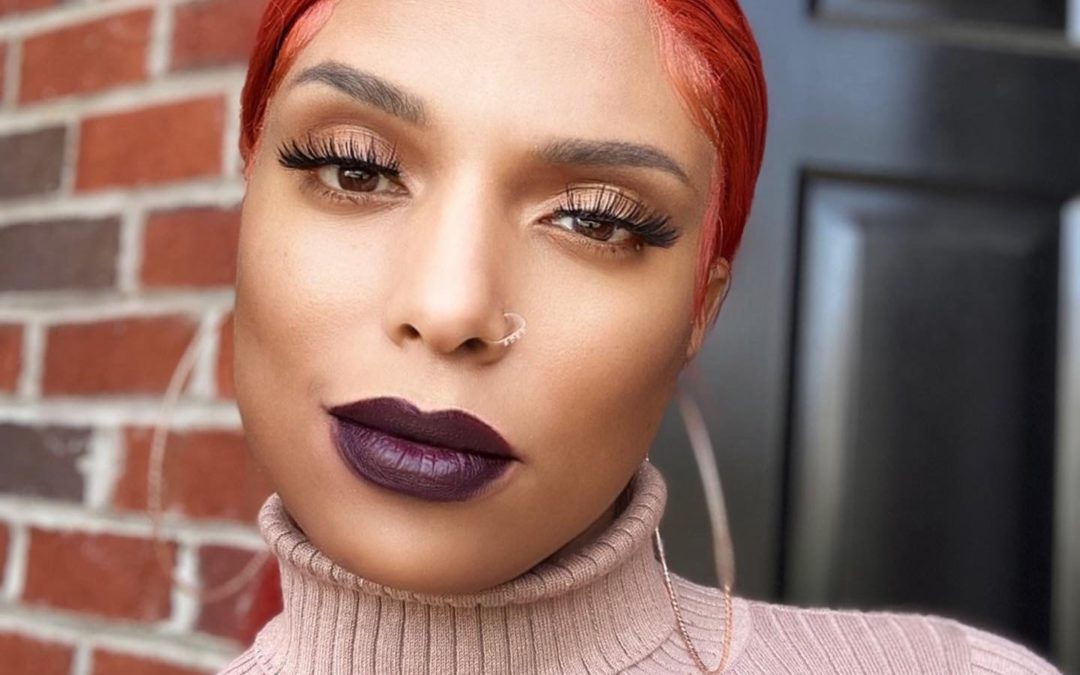
Kareesh Forreal is Built for greatness.
There is no doubt that not everyone achieves their goals and receives their visions. However, some people are destined for success. Despite the challenges, difficulties, and costs, they reach the finish line in life.
Kareesh Forreal has faced the severe challenges of surviving immorality, abuse, scarcity, and racism. The greatest gift you have is knowing your strengths and weaknesses.
At times of panic and unforeseen circumstances, you are the most vulnerable. Converting vulnerability into fearless energy requires tunnel vision and the heart of a lion.
The fact that you hold on to your strengths during those dark times reveals you as a courageous leader who rode out the storm. Kareesh Forreal is a poise, charming, and utterly beautiful woman.
The meteoric rise of Kareesh Forreal
In 2019, Kareesh Forreal launched her multimedia company, Kulture Buzzin TV, LLC. The company inked multiple streaming syndication deals. Kareesh Forreal’s multimedia brand includes a record label, TV/Films, media production studio’s and artist consultation services.
Kareesh Forreal is universally loved by everyone inside the music industry. Radio programmers, legends of the music industry, and R&B elite artists have all expressed their admiration for her work. ‘She’s a born superstar,’ say the music critics. Kareesh Forreal is a natural-born songstress.
In 2021, Kareesh Forreal’s multimedia company inked a strategic monetization partnership with RADIOPUSHERS and RESULTSANDNOHYPE. They are renowned for cultivating talent and promoting indie artists around the world.
RADIOPUSHERS TV offered a streaming TV syndication deal to her agency, Kulture Buzzin TV. The coalition was for Amazon Fire and Roku platforms. As a result, they started a podcast series with DA BLAZE 88.7 XM Miami powered by iHeartRadio.
The podcast series of Kulture Buzzin uniquely presents the musical journeys of rising talented artists. The genres included in the podcast series are R&B, Hip-Hop, Pop, and EDM.
This collaboration between RADIOPUSHERS and RESULTSANDNOHYPE has resulted in the expansion of Kareesh Forreal’s multimedia company. By 2022, the expansion will continue.
This article penned by Jonathan P. Wright. Jonathan is a freelance writer for multiple mainstream publications and CVO of RADIOPUSHERS. You can read more of his work by clicking here.

by Voshawn Johnson | Aug 29, 2025 | Latest, Music News, Trending |
The sight of Tyla being escorted into a waiting car by her security team in São Paulo raised alarms worldwide this weekend. But beyond the initial panic, the incident has sparked broader discussion about the physical and mental toll of international touring on young artists.
Tyla’s management attributed her brief spell of distress to exhaustion and dehydration. These are familiar diagnoses in the music industry, but they hint at deeper systemic challenges. For emerging stars like Tyla, the transition from relative obscurity to global sensation can be both exhilarating and punishing.
The lifestyle is relentless: international flights, jet lag, interviews, meet-and-greets, rehearsals, performances, and after-parties. Each appearance is an opportunity to grow the brand, but each also extracts a cost. Nutrition, rest, and downtime are often sacrificed in the pursuit of momentum. For artists in their early twenties, the body can bounce back quickly, but repeated strain takes its toll.
Tyla’s case isn’t unique. Pop history is littered with similar moments. In the early 2010s, Justin Bieber collapsed on stage in London due to exhaustion. Lady Gaga famously canceled part of her “Born This Way” tour citing hip injuries exacerbated by relentless performance schedules. More recently, Shawn Mendes postponed an entire tour in 2022, acknowledging the mental health strain of life on the road.
These incidents highlight the dual reality of pop stardom: the dream of global recognition is tethered to the grind of constant output. Artists are brands, and brands must be “always on.” Fans demand access, promoters demand consistency, and social media demands content. The result is a lifestyle that leaves little room for human vulnerability.
Tyla’s response, however, has been measured and reassuring. “I’m okay and feeling stronger,” she said in her note to fans, reminding them that sometimes the pace simply catches up with her. The honesty resonated with supporters, many of whom praised her for acknowledging the strain rather than hiding it.
As her management noted, no major changes to her schedule have been made yet. But even if adjustments are minimal, the incident has reignited calls within the industry for more sustainable touring practices. From mandatory rest days to integrated wellness programs, conversations about reform are increasingly common.
At just 22, Tyla embodies both the promise and the pressures of pop’s new generation. Her health scare may have been temporary, but it has underscored the very real demands placed on artists navigating global fame. For fans, the takeaway is relief that she is safe. For the industry, it’s another reminder that behind the lights and applause, health remains the most important performance of all.

by Harris | Jul 11, 2025 | Latest |
Photo by Tingey Injury Law Firm on Unsplash
Following the highly publicized trial of music mogul Sean “Diddy” Combs, defense attorney Joe Tacopina has launched a scathing attack on federal prosecutors. The outspoken lawyer criticized what he described as a weak and sensationalized case brought against the Bad Boy Records founder, after the jury cleared Diddy of the most serious accusations: sex trafficking and racketeering.
Tacopina, who has built his reputation representing high-profile clients like A$AP Rocky and Alex Rodriguez, made his remarks on the TMZ-produced Tubi docuseries United States v. Sean Combs: Inside the Diddy Trial. Reflecting on the trial’s outcome, he claimed prosecutors were more concerned with headlines than facts. “They came after him with everything they had,” he said. “But it wasn’t enough. The jury saw through the noise.”
Diddy Cleared of Top Charges—But Convicted on Others
While Combs walked away from the most damning allegations, the verdict wasn’t an outright victory. The jury did find him guilty of two federal charges: transporting individuals for the purpose of prostitution. Each count carries up to 10 years in prison, meaning the artist could face a possible 20-year sentence if the court imposes the maximum penalty and chooses to stack them.
Tacopina, however, focused on the broader picture. “Let’s not forget—he was facing life-changing charges. Racketeering. Sex trafficking. This could’ve ended his career, his freedom, his legacy. But the jury got it right,” he emphasized.
Capricorn Clark’s Testimony Backfires
A major flashpoint during the trial was the testimony of Capricorn Clark, a former employee of Combs. She claimed that years ago, after some of Diddy’s jewelry had gone missing, he had her kidnapped and forced to undergo lie detector tests over several days. Her account painted a disturbing image of control, paranoia, and abuse of power.
But during cross-examination, the defense presented a key revelation: Clark had allegedly contacted Diddy after the incident in an attempt to be rehired as his personal assistant. To Tacopina, this single fact exposed a serious inconsistency. “You don’t try to go back to someone you believe held you captive,” he said. “That’s not behavior consistent with fear or trauma—it suggests a different story.”
He used this contradiction to criticize the prosecution’s reliance on emotionally charged but legally weak testimonies. “It’s trial law 101: your star witness has to be bulletproof. This wasn’t even close.”
Bail Denied Despite Defense Offer
Immediately after the verdict, a bail hearing was scheduled. Diddy’s legal team offered a $1 million bond along with standard pretrial restrictions—such as surrendering his passport, limiting his travel, undergoing regular drug testing, and complying with supervision protocols.
Despite the offer, Judge Arun Subramanian denied bail, citing significant concerns about Combs’ behavior. He referenced not only the charges but also what the defense had acknowledged during the trial: past instances of violence in Diddy’s personal relationships, including with Cassie Ventura and another woman referred to as “Jane.”
The Judge’s View: “A Pattern of Disregard for the Law”
In his remarks, Judge Subramanian pointed to what he considered a consistent pattern of misconduct. He noted that even after law enforcement searched Combs’ properties, there were signs of continued illegal activity. “This isn’t just about isolated incidents,” he said. “This is about a demonstrated disregard for the rule of law—and a propensity toward violence.”
His reasoning underscored that while the jury acquitted Diddy of the worst charges, the court still viewed him as a serious legal risk. Subramanian’s refusal to grant bail reinforces how seriously the justice system is treating the remaining convictions.
A sentencing date has been provisionally set for October 3, though the defense may request an earlier appearance. However, the prosecution is asking for more time to conduct a pre-sentencing investigation, claiming the court does not yet have sufficient information to determine a fair sentence.
Tacopina Says Prosecutors “Overreached”
Joe Tacopina believes the case never should have escalated to this point. “They overcharged him,” he said. “It was a weak case padded with dramatic testimonies and emotional manipulation.”
He claims that the prosecution’s strategy was to overwhelm the jury with stories, hoping something would stick. “They were throwing darts in the dark,” he added. “But you can’t win a case based on suspicion, innuendo, and vibes.”
The defense’s success, Tacopina argued, came down to forcing the jury to focus on facts—not emotions or tabloid narratives. “Twelve jurors, regular citizens, were smart enough to cut through the fog.”
More Legal Trouble Ahead
Even though the criminal trial is nearly behind him, Sean Combs is not free from legal turmoil. A series of civil lawsuits are still pending, many of them alleging long-term abuse, coercion, and misconduct spanning over two decades. Some plaintiffs are former romantic partners; others are former colleagues or assistants.
These civil claims won’t send Diddy to prison, but they could cost him financially and reputationally. Unlike criminal court, civil trials require a lower burden of proof. And because these proceedings are public, they will likely continue to expose personal and professional details that could harm the hip-hop mogul’s brand and legacy.
Public Reaction: Mixed and Volatile
As expected, public reaction to the verdict has been divided. Fans of Diddy celebrated the acquittal on the top charges as proof of his innocence and accused federal authorities of trying to destroy a successful Black entrepreneur. The #JusticeForDiddy hashtag trended on X (formerly Twitter) shortly after the verdict was announced.
But critics—and many advocates for survivors of abuse—view the outcome as only a partial victory for accountability. They argue that while Diddy avoided the worst charges, the court still convicted him on serious federal crimes. “Guilty is guilty,” one activist tweeted. “Whether it’s trafficking or transporting for prostitution—this is not someone who should be free of consequences.”
Justice, Fame, and the American Legal System
The Diddy case raises familiar questions: Can rich, powerful people truly be held accountable? Or does their status allow them to outmaneuver justice?
Joe Tacopina argues that the system worked. “This case proves that juries still matter. You can have the full power of the U.S. government behind a prosecution, but if the case is weak, a fair jury will call it out.”
But critics point out that the very fact Diddy was able to afford elite legal defense, private investigators, and media strategy teams is a privilege most defendants don’t enjoy. “If he were poor and unknown, do you think the outcome would’ve been the same?” asked one legal analyst on MSNBC. “Doubtful.”
The Road Ahead: Uncertain and Risky
Now held in federal custody, Diddy awaits his fate. With sentencing on the horizon, his legal team is expected to argue for leniency based on his contributions to the music industry, charitable donations, and lack of prior convictions.
Prosecutors, on the other hand, are likely to emphasize the seriousness of the charges and the pattern of behavior uncovered during the trial. The judge will also weigh the upcoming civil lawsuits as potential evidence of ongoing misconduct.
One thing is certain: the next few months will be crucial for both Diddy and his legacy. Whether he serves time or walks free with probation, the fallout from this case will linger. Music fans, legal experts, and social justice advocates alike will continue to debate what this case says about celebrity, accountability, and how far money can take you in America’s justice system.
Conclusion
While Joe Tacopina may see the verdict as a validation of the defense’s skill and the flaws in the government’s case, the story is far from over. Sean “Diddy” Combs has avoided the harshest legal consequences—for now—but the shadow of this trial, the ongoing civil lawsuits, and the weight of public opinion may shape the rest of his life far more than any courtroom decision.
by Jonathan P-Wright | May 2, 2025 | Latest, Music News, New Music Alert |
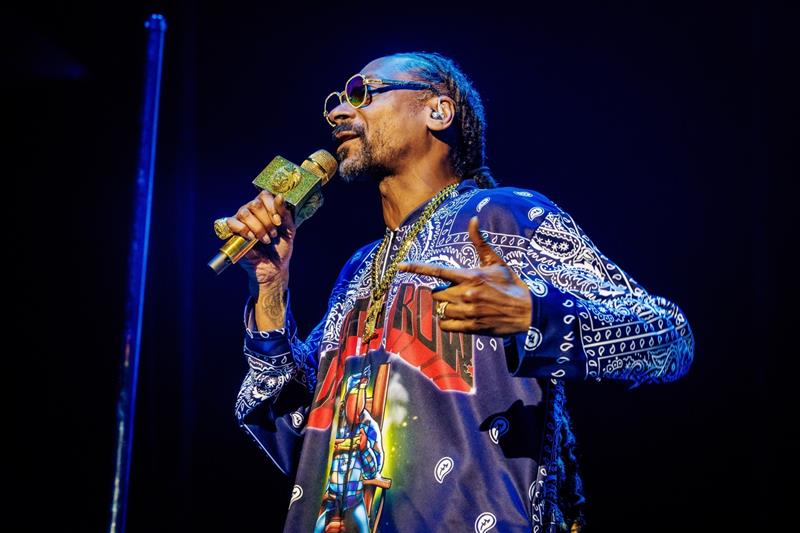
Image credit: Ben Houdijk / Shutterstock.com
The seemingly disparate realms of West Coast hip-hop and Southern country music have, against conventional expectations, found a captivating point of intersection. This unexpected confluence has manifested in the form of “Gettin’ Gone,” a refreshingly laidback and genre-fluid track born from the collaboration between the iconic rap luminary Snoop Dogg and the ascendant Nashville country artist ERNEST. This intriguing musical partnership graces ERNEST’s forthcoming mixtape, “Cadillac Sessions,” hinting at a project that dares to defy genre boundaries and explore uncharted sonic territories.
ERNEST, a name rapidly gaining prominence within the Nashville songwriting and performing community, has already established himself as a significant force in contemporary country music. His songwriting prowess is evident in his collaborations with artists like Morgan Wallen, contributing to a string of chart-topping singles that have resonated deeply with audiences. On the other side of this compelling musical equation stands Snoop Dogg, a veritable institution in the hip-hop world. Beyond his legendary status as a rapper, Snoop has consistently demonstrated a willingness to venture beyond the confines of his primary genre. His forays into reggae under the moniker Snoop Lion, his explorations of gospel music, and even his unlikely yet endearing collaborations with Martha Stewart underscore a restless creative spirit and an openness to diverse sonic landscapes, solidifying his position as a global cultural icon unafraid of artisustic risk.
While the pairing of Snoop Dogg and a rising country artist might initially raise eyebrows, a closer examination reveals a surprising undercurrent of mutual respect and appreciation. Snoop Dogg himself has publicly acknowledged a long-standing affinity for country music, notably expressing admiration for the legendary Johnny Cash, whom he once lauded as his “main man” and a quintessential “real American gangster.” This shared appreciation for authenticity, the power of storytelling, and a certain rebellious spirit inherent in both hip-
hop and traditional country music renders their collaboration not as a contrived marketing ploy, but rather as a serendipitous alignment of artistic sensibilities.
An Unlikely Backstage Encounter Sparks a Musical Connection
The genesis of “Gettin’ Gone” was not orchestrated in a sterile boardroom but rather unfolded organically in the backstage milieu of a Jelly Roll concert. ERNEST, a self-professed admirer of hip-hop culture and ever the astute opportunist, seized the moment to engage in conversation with Snoop Dogg amidst the backstage bustle. Armed with a freshly recorded demo of “Gettin’ Gone,” ERNEST recognized a potential opportunity and boldly presented his musical offering.
Recounting the pivotal encounter with a touch of amusement, ERNEST explained, “I basically weaseled my way into Snoop’s green room. I was like, ‘Yo, can I play you a song I wrote last weekend?’ and he was just super chill—’Sure.’ I hit play, and he was vibing.” This initial positive reception paved the way for a direct exchange of contact information, laying the groundwork for a collaboration that would soon transcend the confines of that backstage meeting.
The song itself, “Gettin’ Gone,” had its genesis during a songwriting retreat held on ERNEST’s tour bus, in the company of esteemed country songwriting heavyweights Rhett Akins, Ben Hayslip, and Mark Holman. The initial concept revolved around the universal desire for escapism—whether a physical departure or a mental retreat—when the pressures of the world become overwhelming. This theme of seeking solace and respite resonates deeply within both country and rap traditions, albeit often explored through distinct lyrical and sonic lenses.
A mere couple of weeks after their chance encounter, ERNEST received a text message from Snoop Dogg that signaled more than just casual appreciation. It was an enthusiastic expression of interest in actively participating in the song. “He sent me this flood of emojis—blue hearts, fire, paw prints,” ERNEST described, interpreting the digital deluge as Snoop’s affirmative response: “Yeah, I’m down.” True to his word, Snoop swiftly recorded and delivered his verse in less than 48 hours. This rapid and enthusiastic engagement speaks volumes about the genuine connection and organic energy that fueled the collaboration, a refreshing departure from the often-calculated pace of the modern music industry.
Capturing the Vibe: Cadillac Cruising and Authentic Chemistry
The music video accompanying “Gettin’ Gone” masterfully captures the same relaxed and authentic vibe that permeates the track itself. Filmed against the backdrop of iconic Nashville landmarks, the visual narrative feels less like a meticulously scripted production
and more like an impromptu hangout between two artists from seemingly different worlds who find common ground in their shared passion for music. ERNEST and Snoop are seen cruising through the city in a classic Cadillac, making stops at local haunts and effortlessly trading verses, their camaraderie palpable and genuine.
“The chemistry was real,” ERNEST emphasized. “It wasn’t just like, ‘Hey, here’s your verse, and we’ll film you in a studio later.’ He was all in. He wanted to film the video. He wanted to vibe in the city.” One particularly memorable moment for ERNEST during the filming occurred while they were driving back to Castle Recording Studios. He decided to play Snoop Dogg’s timeless hit, “Gin and Juice.” The surreal experience of Snoop rapping along to his own iconic track, word for word, while the bass resonated through the Cadillac’s sound system, created a profound full-circle moment for ERNEST. “That was a childhood memory unfolding in real-time,” he reflected.
A Growing Trend: Genre Lines Blur in Modern Music
While some might view Snoop Dogg’s foray into country music as an unexpected detour, it is not entirely unprecedented. In recent years, Snoop and his longtime collaborator Dr. Dre have demonstrated an increasing interest in the evolving musical landscape of Nashville. Notably, they featured the burgeoning country sensation Jelly Roll on a track from their collaborative album, “Missionary,” released the previous year. Furthermore, earlier this year, they enlisted HARDY, a prominent figure in the country-rock scene, for a fresh reimagining of Snoop’s 1994 classic “Gin and Juice,” complete with an accompanying short film.
These instances are not isolated experiments but rather indicative of a broader trend in the music industry: the gradual erosion of rigid genre boundaries. The traditional walls separating Nashville’s country vocalists and hip-hop’s lyrical giants are becoming increasingly porous. Country artists are exploring covers of hip-hop tracks, while rappers are incorporating elements of folk music into their sonic palettes. We are entering an era where individual playlists, driven by personal taste, are gaining precedence over traditional genre classifications, and music enthusiasts are increasingly valuing authenticity over strict adherence to established labels.
More significantly, collaborations such as “Gettin’ Gone” serve to challenge preconceived notions and foster connections across generational and cultural divides. ERNEST and Snoop Dogg, while originating from distinct backgrounds and musical traditions, find common ground at the intersection of creative expression, rhythmic innovation, and genuine soulfulness.
“Cadillac Sessions”: A Launchpad for Southern Sound and Collaboration
“Gettin’ Gone” serves as a compelling precursor to ERNEST’s upcoming “Cadillac Sessions” mixtape, a project that extends beyond his own artistic endeavors to spotlight a new wave of emerging talent nurtured under his own label, DeVille Records, a partnership with Big Loud Records.
“This project is all about spotlighting a new wave of talent coming out of the South,” ERNEST elaborated. “I’m collaborating with guys like Cody Lohden, Chandler Walters, and Rhys Rutherford. These aren’t just features—they wrote their own songs. They’re authentic, they’re storytellers, and they represent the next generation of Nashville.”
Each artist featured on the mixtape hails from a different corner of the American South—Rhys from Nashville itself, Chandler from Georgia, and Cody from Kentucky. This geographical diversity imbues the project with a rich tapestry of styles and thematic explorations, while maintaining a cohesive grounding in Southern identity and ethos. ERNEST’s vision for “Cadillac Sessions” extends beyond simply creating music; it encompasses the ambition to cultivate a supportive community and establish a lasting legacy for these emerging voices.
While the title “Gettin’ Gone” might conjure images of escaping on open highways, ERNEST offers a more nuanced perspective on finding moments of respite in his adopted home of Nashville. When asked about his preferred local spots for unwinding, his answer reveals a refreshingly down-to-earth sensibility.
“Either Troubadour Golf Course out in College Grove or Losers in Midtown,” he shared. “But honestly, sometimes I be gettin’ gone while I work at the office.”
This sentiment encapsulates the core essence of “Gettin’ Gone.” It transcends the literal act of physical departure, delving into the realm of mental reprieve, a temporary detachment from expectations, and the freedom to simply be oneself. Whether it’s the familiar comfort of a local dive bar or the expansive tranquility of a driving range, the specific location is secondary to the liberating energy it provides.
Snoop Dogg’s participation in a country music project sends a significant signal throughout the music industry, indicating a broader cultural shift. Audiences are increasingly receptive to genre-bending sounds, embracing musical fusions that defy traditional categorization. The willingness of artists to collaborate across genre lines reflects a growing appreciation for authenticity and a desire to connect with diverse audiences.
More importantly, collaborations like “Gettin’ Gone” challenge ingrained stereotypes and foster connections across generational and cultural divides. ERNEST and Snoop Dogg, while originating from distinct backgrounds and musical traditions, find common ground in their shared commitment to expressive storytelling, rhythmic innovation, and genuine soulfulness.
In conclusion, “Gettin’ Gone” is more than just a novelty track; it serves as a potent reminder of the creative possibilities that emerge when artists disregard artificial industry barriers and simply create from a place of genuine inspiration. It underscores the notion that music, when infused with sincere respect and unwavering passion, possesses the remarkable ability to transcend genre limitations and geographical boundaries.
ERNEST’s audacious move of approaching a legendary figure like Snoop Dogg backstage with a demo, and subsequently forging a collaborative partnership, embodies the kind of bold, spontaneous action that often lies at the heart of the most compelling musical narratives. And Snoop Dogg’s enthusiastic embrace of this unexpected collaboration, lending his iconic voice to a country track and immersing himself in the Nashville experience, stands as a testament to his continued evolution as a cultural bridge-builder. If “Cadillac Sessions” lives up to the promising precedent set by “Gettin’ Gone,” ERNEST may well be on the cusp of not just releasing a mixtape, but potentially igniting a transformative movement within the landscape of contemporary country music.

by Jonathan P-Wright | Apr 25, 2025 | Music News |
Photo by Wesley Tingey on Unsplash
A significant chapter in the long-standing discord between Ali, a former member of the St. Lunatics, and the prominent hip-hop artist Nelly has seemingly concluded with Ali’s withdrawal of his substantial $50 million lawsuit. This legal action had cast a shadow over the legacy of the group and Nelly’s early success. However, despite this dismissal, the legal maneuvering appears far from over, as Nelly’s legal representatives are actively urging the court to maintain jurisdiction over the matter, hinting at potential future legal repercussions for Ali.
The Lawsuit That Shook the Foundation of the St. Lunatics
The contentious lawsuit, initiated in the year 2023, centered on allegations that Nelly had neglected to provide due royalty payments to his fellow St. Lunatics collaborators for their contributions to his groundbreaking 2000 album, “Country Grammar.” This album proved to be a monumental commercial triumph, propelling Nelly to international stardom and firmly establishing him as a dominant force in mainstream hip-hop. With sales exceeding 10 million copies within the United States alone, “Country Grammar” remains etched in history as one of the best-selling rap albums of all time, a testament to its widespread appeal and enduring popularity.
Ali, who has long asserted his role as the principal founder of the St. Lunatics, initiated the legal proceedings on behalf of the entire group. His claim asserted that the collective efforts and creative input of the group members on “Country Grammar” went largely unacknowledged and financially unrewarded. The lawsuit sought a staggering $50 million in financial redress, reflecting the perceived magnitude of the alleged injustice and the immense commercial success that Nelly had achieved, largely on the back of this pivotal album.
However, the foundation of Ali’s legal challenge began to erode relatively quickly. Crucially, several key members of the St. Lunatics, including prominent figures like Murphy Lee, City Spud, and Kyjuan, publicly distanced themselves from the legal action shortly after its inception. These members explicitly stated that they had not granted Ali any authorization to pursue legal action on their behalf, thereby creating a significant internal rift within the group. This division extended beyond the conflict between Ali and Nelly, fracturing the unity of the St. Lunatics and adding layers of complexity to an already sensitive situation. The public disavowal by these key members significantly weakened Ali’s position and cast doubt on the legitimacy of his claim as representing the collective grievance of the group.
Legal Maneuvering and the Subsequent Dismissal
According to reports from Billboard, Ali officially and voluntarily withdrew his lawsuit on April 10, 2024. This action might have initially appeared to signal a resolution to the protracted dispute, offering a sense of closure to this particular legal entanglement. However, Nelly’s legal team has demonstrated a clear intention not to let the matter rest without a formal response and potential counter-action. In their subsequent court filings, Nelly’s attorneys vehemently characterized Ali’s lawsuit as “frivolous” and argued that it was legally “time-barred,” suggesting that the claim lacked any substantial legal basis and was initiated well beyond the permissible statute of limitations. They further contended that the primary motivation behind the lawsuit was not a genuine pursuit of justice but rather an attempt to inflict financial and legal burdens upon Nelly, disrupting his professional and personal life.
Nelly’s legal representatives have strongly urged the court to retain its jurisdiction over the case, even in light of Ali’s withdrawal. This strategic move is aimed at enabling them to potentially pursue sanctions against Ali and his legal counsel. They argue that Ali’s legal team engaged in what they describe as a “frivolous campaign” with the explicit objective of compelling Nelly to expend significant financial resources in defending against what they maintain was a baseless and outdated claim. In their formal request to the court, Nelly’s lawyers stated, “Plaintiff’s counsel succeeded in its frivolous campaign aimed at forcing [Nelly] to spend money defending Plaintiff’s ridiculous time-barred claim. The Court is respectfully requested to retain jurisdiction and set a briefing and hearing schedule for [potential sanctions].”
Essentially, while Nelly is no longer facing the immediate legal threat posed by Ali’s withdrawn lawsuit, he and his legal team are determined to ensure that those they believe were responsible for initiating what they consider to be a groundless legal action are held accountable for their actions. The underlying aim of this pursuit of sanctions appears to be twofold: firstly, to potentially recover some of the financial costs and time lost in navigating the legal proceedings, and secondly, to serve as a deterrent against similar legal actions in the future, discouraging others from pursuing what Nelly’s team perceives as meritless claims. This counter-offensive underscores the lingering animosity and the potential for further legal skirmishes despite the initial dismissal.
The Genesis of the Rift: Unpacking the Underlying Issues
Ali’s grievances against Nelly are far from being a recent development. The underlying conflict appears to be deeply entrenched and intensely personal, stemming from years of what Ali perceives as unaddressed frustrations and fundamental breaches of trust. In a revealing 2023 interview with VladTV, Ali articulated his strong feelings of resentment towards Nelly, expressing profound bitterness over what he described as two decades of consistent disrespect and broken promises. His words painted a picture of a relationship marred by a significant power imbalance and a lack of mutual regard.
During this candid interview, Ali employed a vivid metaphor to illustrate his long-held perception of Nelly’s character, stating, “A tiger ain’t never gonna change his stripes. I watched it for 20 years and I’m the butt of the joke because it took me 20 years to realize it.” This statement encapsulates Ali’s sense of prolonged disillusionment and the feeling that he was consistently underestimated or treated unfairly over an extended period. He further declared that he would “never, ever” perform alongside Nelly again, emphasizing the deep emotional and financial toll that their past interactions had taken on him. This resolute statement underscored the seemingly irreparable nature of their fractured relationship and the profound impact of their history on Ali’s present stance.
Ali did not shy away from directly questioning Nelly’s motivations and intentions, expressing a starkly negative assessment of his character. “He has no real, raw good intentions for others,” Ali asserted, his words laden with disappointment and a sense of betrayal. He specifically extended this negative assessment to his former St. Lunatics colleagues, stating, “Not for us… He got $50 million, I’m happy for him. That’s what he wants. He wants a billion.” These strong pronouncements reveal a deep-seated belief that Nelly’s pursuit of individual success came at the expense of his loyalty to the group and his genuine concern for their well-being.
These are not merely the words of a disgruntled former collaborator expressing professional disappointment. Instead, they convey the profound sense of personal betrayal felt by someone who once shared a close bond and collective aspirations with Nelly. For Ali, the core issue transcends mere financial compensation or recognition for past contributions; it delves into fundamental principles of loyalty, the sanctity of friendship, and the true meaning of brotherhood within the often cutthroat and complex landscape of the music business. His statements highlight the emotional undercurrents that fueled the lawsuit and continue to shape his perspective on his relationship with Nelly and the trajectory of the St. Lunatics.
A Retrospective of Conflict and the Gradual Separation
To fully comprehend the depth and complexity of the current fractured relationship between Ali and Nelly, it is essential to delve into the formative years of the St. Lunatics and trace the trajectory of their journey. Ali has consistently maintained that he was the pivotal figure in the establishment of the group, which came into existence in 1993 within their shared hometown of St. Louis, Missouri. In a detailed and emotionally charged Instagram post dating back to 2021, Ali provided his personal account of the group’s origins, its initial unity, and its subsequent gradual disintegration.
In his recollection, Ali asserted that his role extended beyond mere founding; he also took on a mentorship capacity, guiding and nurturing the rapping skills of the other members, including Nelly, during their formative years. He recounted a pivotal moment early in their collective journey when he was presented with an opportunity for a solo recording contract. However, driven by a strong sense of loyalty and commitment to the group’s collective aspirations, Ali claimed that he declined this individual offer, choosing instead to prioritize their shared pursuit of success as the St. Lunatics. This decision, in his narrative, underscores his initial dedication to the group’s unity and his belief in their collective potential.
However, the narrative takes a significant turn when Ali recounts a parallel situation involving Nelly. According to Ali’s account, when Nelly was presented with a similar solo opportunity, the outcome was markedly different. Ali alleged that Nelly accepted the solo deal and, in doing so, effectively began to distance himself from the rest of the group. This divergence in their paths and decisions marked a critical juncture in the history of the St. Lunatics, sowing the seeds of future conflict and resentment.
Ali’s 2021 Instagram post vividly describes this turning point, stating, “Fast forward to 1999. Ma$e’s manager at the time, Cudda, was introduced to us… and he immediately started separating the group. He wanted Nelly and City Spud. They left with Cudda and went to Harlem. The separation became the reality. They had left.” The starkness of this account highlights Ali’s perception of a deliberate act of separation, orchestrated by an external influence that recognized Nelly’s individual potential.
The tone of Ali’s message in this post is palpable with both lingering pain and deep-seated resentment. He articulated the feelings of the remaining group members, writing, “We — the rest of the group — felt hustled. We were *1 until the opportunity was presented to be *2… They hustled us.” This powerful word choice conveys a profound sense of betrayal and the feeling of being manipulated or left behind as Nelly’s individual star began to ascend. Ali’s narrative paints a picture of a group that was once unified in its aspirations but ultimately fractured by the allure of individual success and the perceived abandonment of collective loyalty.
The Broader Context: Navigating Fame, Loyalty, and the Price of Achievement
The intricate and often acrimonious feud between Ali and Nelly transcends their personal dynamic, tapping into a more pervasive and complex issue within the music industry, particularly within the realm of hip-hop: the inherent tension between the pursuit of individual ambition and the maintenance of group solidarity. The history of hip-hop is replete with examples of groups that initially rose to prominence as cohesive units but subsequently fractured under the immense pressures and temptations that accompany fame and financial success. As individual creative visions begin to diverge, personal egos potentially inflate, and the bonds of loyalty are rigorously tested, the initial unity of a group can often unravel, sometimes with devastating and long-lasting consequences for all involved.
In the specific case of the St. Lunatics, their journey exemplifies this common trajectory. What began as a close-knit collective of friends sharing a common dream of achieving musical recognition and putting their hometown of St. Louis on the map eventually succumbed to the divisive forces that often accompany significant success. While Nelly ascended to become a globally recognized and commercially successful artist, the remaining members of the group did not attain the same level of widespread acclaim and financial prosperity. This disparity in their individual outcomes likely served as a significant catalyst, fueling long-standing feelings of resentment, marginalization, and a sense of injustice among those who felt left behind as one of their own soared to unprecedented heights.
Ali’s decision to pursue legal action, despite the challenges and the lack of unified support from his other former group members, can be interpreted as an attempt to reclaim a sense of justice, to gain recognition for past contributions that he felt were undervalued, or perhaps simply to voice a long-simmering sense of grievance. However, the subsequent lack of support from key figures within the St. Lunatics and the decidedly harsh and dismissive response from Nelly’s formidable legal team underscore the fact that not everyone within the group shared Ali’s perspective on the situation or agreed with his chosen method of addressing these long-standing issues. This internal division further complicates the narrative and highlights the multifaceted nature of their fractured relationships.
Looking Ahead: Uncertainties and Lingering Questions
With Ali’s lawsuit now officially withdrawn from the legal arena, the immediate question that arises is: what potential developments lie ahead in this ongoing saga?
For Nelly, the primary focus in the immediate aftermath of the dismissal is whether the presiding court will grant his legal team’s request to proceed with considering sanctions against Ali. Nelly’s lawyers have vehemently argued that Ali’s lawsuit constituted a misuse of the legal system, initiated without merit and for the purpose of causing financial and legal distress. If the court ultimately grants these sanctions, it could impose significant financial penalties on Ali for pursuing what is deemed to be a frivolous claim. Furthermore, such a ruling could potentially establish a precedent for how similar disputes within the music industry are handled in the future, sending a message about the potential consequences of pursuing unsubstantiated legal action against more established artists.
For Ali, the decision to drop the lawsuit, while seemingly bringing an end to one particular chapter of this conflict, does not necessarily signify the end of his grievances or his pursuit of some form of resolution. The larger and more fundamental conversation surrounding issues of fairness, proper credit attribution, and equitable compensation within the often-complex and sometimes exploitative landscape of the music industry remains a significant and unresolved issue. Whether Ali chooses to explore alternative legal avenues, to continue his public discourse on the matter, or to seek resolution through private channels remains uncertain. His next steps will likely be closely watched by those familiar with the long and often bitter history of the St. Lunatics.
One undeniable truth that emerges from this protracted dispute is that the emotional and relational wounds between Nelly and Ali, and perhaps extending to the broader legacy of the St. Lunatics as a whole, are far from being fully healed. What initially began as a shared and hopeful dream of putting their St. Louis roots firmly on the national musical map has, over time, devolved into a cautionary narrative. It serves as a stark reminder of how the immense pressures and complexities of achieving significant success can sometimes lead to division and discord, rather than fostering enduring unity and shared prosperity. The story of the St. Lunatics, once a symbol of local talent and collective ambition, now carries a bittersweet undercurrent, tinged with the complexities of fractured relationships and unresolved grievances.
Concluding Reflections
This protracted and emotionally charged legal battle serves as a poignant reminder that beneath the surface of hit records, widespread fame, and the often-glamorous public personas of artists, the music industry is frequently characterized by intricate personal histories, deeply rooted unresolved conflicts, and the enduring challenges of navigating success and maintaining interpersonal relationships. The legal skirmish between Nelly and Ali may have reached a temporary lull with the withdrawal of the lawsuit, but the underlying emotional tensions and the fundamental issues that fueled the conflict continue to simmer beneath the surface.
For the dedicated fans who fondly remember the early days of the St. Lunatics and still enjoy the infectious energy of “Country Grammar,” this ongoing saga presents a bittersweet reality. While the iconic album continues to resonate in clubs and on nostalgic playlists, its backstory is now inextricably linked with tales of legal battles, accusations of betrayal, and the painful fracturing of a once-promising collective. It serves as a sobering reminder that even the brightest and most celebrated moments in the world of music can sometimes be shadowed by darkness and the complexities of human relationships under the intense pressures of fame and fortune.

RECENT COMMENTS