
by Jonathan P-Wright | Dec 20, 2024 | Latest, Music News, New Music Alert |
Photo by Ansh on Unsplash
The music scene in Dallas witnessed an unexpected thrill as rising star 4Batz made a surprise appearance during Latto’s Sugar Honey Iced Tea Tour stop at the South Side Ballroom. This unannounced performance not only delighted fans but also showcased the growing trend of artists supporting each other on tour, creating memorable moments for concert-goers.
As Latto’s tour continues to gain momentum, the inclusion of homegrown talent has become a hallmark of her shows. Following in the footsteps of Drake’s appearance in Toronto and Lil Kim’s cameo in Brooklyn, 4Batz’s presence in Dallas further solidified this pattern of local representation. The unexpected collaboration between these two artists highlighted the dynamic nature of live performances and the importance of showcasing regional talent.
The Sugar Honey Iced Tea Tour has been making waves across the country, and the Dallas stop proved to be no exception. With a lineup that included opening acts Karrahbooo and Mariah the Scientist, the evening was already set to be a musical extravaganza. However, it was the surprise appearance of 4Batz that truly elevated the night to new heights, leaving fans buzzing with excitement long after the final notes faded away.
The Unexpected Entrance: 4Batz Takes the Stage
As the crowd at South Side Ballroom eagerly anticipated Latto’s performance, little did they know that they were in for an additional treat. The energy in the venue shifted palpably when 4Batz, the ‘U Made Me a St4r’ artist, unexpectedly took to the stage. His arrival marked a significant moment in the tour, adding an element of surprise that concert-goers crave.
4Batz’s appearance was more than just a cameo; it was a full-fledged performance that showcased his growing repertoire. The artist, known for his unique style and captivating stage presence, delivered a set that included two of his most popular tracks. This unexpected addition to the lineup demonstrated the collaborative spirit within the music industry and the willingness of established artists like Latto to share their platform with emerging talents.
The surprise factor played a crucial role in amplifying the audience’s excitement. As 4Batz emerged, the initial shock quickly gave way to enthusiastic cheers, creating an electric atmosphere that permeated the entire venue. This spontaneous moment exemplified the unpredictable nature of live music events and the thrill that comes with witnessing something truly special and unplanned.
Showcasing Local Talent: A Tour Tradition
Latto’s decision to bring out 4Batz as a surprise guest aligns with a growing trend in the music industry. More and more artists are using their tours as platforms to showcase local talent in each city they visit. This approach not only adds variety to the performances but also helps to strengthen the connection between touring artists and the local music scenes they encounter.
By featuring 4Batz, a Dallas native, Latto demonstrated her commitment to this practice. It’s a strategy that has been well-received by fans and critics alike, as it provides exposure for up-and-coming artists while offering concert-goers a taste of their city’s homegrown talent. This approach creates a win-win situation: established artists like Latto can enhance their shows with fresh performances, while local artists gain valuable exposure to larger audiences.
The inclusion of local talent also serves to create a unique experience in each city on the tour. Fans in Dallas were treated to a performance they couldn’t see anywhere else, making the concert a truly special event. This strategy helps to build anticipation for future tour stops, as audiences in other cities wonder which local artist might make a surprise appearance at their show.
4Batz’s Performance: Changing the Energy
When 4Batz took the stage, he brought with him a shift in the concert’s atmosphere. Known for his ability to engage audiences, the artist quickly transformed the mood from the high-energy dance vibes that typically characterize Latto’s performances to a more intimate, sing-along experience. This change of pace provided a welcome contrast and showcased the versatility of both artists.
4Batz chose to perform two of his most popular tracks, demonstrating his range as an artist. The first was the remix of “act ii: date @ 8,” a collaboration with Drake that has been gaining significant traction in the music world. This choice not only highlighted 4Batz’s rising status in the industry but also connected him to one of the biggest names in hip-hop, further validating his presence on Latto’s stage.
Following this, 4Batz performed “act iv: fckin u (18+),” another fan favorite that showcased his ability to captivate an audience. The transition between these two tracks demonstrated 4Batz’s versatility as a performer and his skill in reading and responding to the crowd’s energy. His performance style, which encourages audience participation through sing-alongs, created a sense of unity in the venue, turning individual spectators into a collective part of the show.
Hometown Pride: 4Batz Represents Dallas
One of the most striking moments of 4Batz’s surprise appearance came when he took a moment to address the crowd directly. With palpable enthusiasm, he proclaimed, “Dallas, Texas, I want y’all to know, we over everybody. I’m really from Dallas, Texas, and we really in this motherfucker!” This declaration of hometown pride resonated deeply with the local audience, creating an instant connection between the artist and his fellow Dallasites.
This moment of local pride did more than just excite the crowd; it exemplified the importance of representation in the music industry. By proudly claiming his Dallas roots on a national tour stage, 4Batz not only elevated his own status but also shone a spotlight on the Dallas music scene as a whole. His words served as a reminder of the rich talent pool that exists in cities across the country, often overshadowed by more prominent music hubs.
The artist’s connection to Dallas runs deep, as evidenced by his previous statements about the city. In an interview with D Magazine, 4Batz once said, “Honestly, there was a part of my life where I thought Dallas was everything. I thought Dallas was Chicago. I could’ve sworn I’d seen Chief Keef when I was seven. I just thought Dallas was the world because I had never been out of Dallas before. And that just goes to show how much Dallas means to me because it is so big in my heart. I will always love Dallas.” This sentiment, coupled with his surprise appearance at Latto’s show, demonstrates 4Batz’s ongoing commitment to representing his hometown on the national stage.
The Impact of Surprise Guests on Concert Experiences
The inclusion of surprise guests like 4Batz in concert lineups has become an increasingly popular trend in the music industry. This practice offers numerous benefits for both the artists involved and the audience. For headlining artists like Latto, bringing out unexpected performers adds an element of excitement and unpredictability to their shows, keeping fans on their toes and generating buzz around the tour.
For the surprise guests themselves, these appearances provide invaluable exposure to new audiences. 4Batz, already a rising star in his own right, had the opportunity to perform in front of Latto’s diverse fan base, potentially expanding his own following. This cross-pollination of fan bases is a powerful tool for artists looking to grow their careers and reach new listeners.
From the audience’s perspective, surprise guests elevate the concert experience to something truly special. Fans who attend multiple shows on a tour often hope for unique moments that set each performance apart. The appearance of 4Batz in Dallas created just such a moment, giving attendees a story to share and a memory to cherish long after the concert ended.
Moreover, these surprise collaborations often lead to exciting developments in the music industry. They can spark new creative partnerships, inspire future collaborations, and contribute to the ever-evolving landscape of popular music. The energy and spontaneity of these live performances can sometimes translate into studio collaborations or featured appearances on upcoming tracks, further enriching the musical ecosystem.
4Batz’s Rising Career: From Tour to Stardom
4Batz’s appearance at Latto’s Dallas show comes on the heels of his own successful tour earlier in the year. Named after his ex-girlfriend Jada, this tour marked a significant milestone in 4Batz’s career, showcasing his ability to headline his own shows and draw substantial crowds. The experience gained from this tour undoubtedly contributed to his confident and engaging performance as a surprise guest.
Since the release of his album “U Made Me a St4r,” 4Batz has been steadily building his reputation in the music industry. The album’s success has opened doors for collaborations with established artists, as evidenced by his recent singles featuring Lil Baby and Jeremih. These collaborations not only expand 4Batz’s musical range but also introduce him to wider audiences, contributing to his growing fan base.
The artist’s journey from a local Dallas performer to a nationally recognized name is a testament to his talent and work ethic. His ability to captivate audiences, whether as a headliner or a surprise guest, speaks to his potential for long-term success in the competitive world of hip-hop and R&B. As 4Batz continues to build on these experiences, industry insiders and fans alike are watching closely to see where his career will take him next.
The Sugar Honey Iced Tea Tour: A Platform for Collaboration
Latto’s Sugar Honey Iced Tea Tour has become more than just a showcase for her own talents; it’s evolving into a platform for collaboration and musical diversity. By incorporating surprise guests like 4Batz, as well as featuring opening acts that span different genres and styles, the tour is offering audiences a rich and varied musical experience.
The tour’s structure, which includes opening acts Karrahbooo and Mariah the Scientist, demonstrates a commitment to showcasing a range of talent. Karrahbooo’s high-energy set, which included tracks like “Running Late” and “Box the 40,” along with her Concrete Cypher verse, set the tone for an evening of dynamic performances. Mariah the Scientist followed with a more mellow R&B vibe, creating a well-rounded prelude to Latto’s headlining set.
This diversity in musical styles not only keeps the audience engaged but also reflects the eclectic nature of contemporary music consumption. By exposing fans to different artists and genres within a single show, the tour is mirroring the playlist-driven listening habits of many modern music fans. This approach can help to break down genre barriers and introduce audiences to new artists they might not have discovered otherwise.
The Dallas Show: A Night of Highlights
While 4Batz’s surprise appearance was undoubtedly a highlight of the evening, the entire Dallas show was packed with memorable moments. The night kicked off with Karrahbooo’s energetic 10-minute set, which quickly got the crowd moving. Her performance of tracks like “Running Late” and “Box the 40” set a high-energy tone for the evening.
Mariah the Scientist followed with a set that provided a perfect contrast to the opening act. Her R&B-infused performance, including fan favorites like “Always n Forever,” brought a more mellow vibe to the venue. A particularly touching moment occurred when Mariah acknowledged a fan’s message about Young Thug being free, showcasing the connection between artists and their audience.
DJ Von, Latto’s official DJ, paid tribute to the late Beatking by playing tracks “Outside” and “Then Leave,” adding a poignant moment to the evening and demonstrating the music community’s ability to honor its own. This segued into Latto’s dynamic performance, which featured impressive choreography and a setlist that had the crowd singing along to every word.
Latto’s set included hits like “Back Outside,” “Shrimp & Grits,” and “Big Mama,” the last of which she performed twice due to popular demand. The viral sensations “Brokey” and “Put It On Da Floor” had fans rapping every lyric, while “Chicken Grease,” which samples T.I.’s “24’s,” showcased Latto’s ability to blend classic hip-hop influences with her own unique style.
Fan Engagement and Safety: A Priority for Latto
Throughout her performance, Latto demonstrated a strong commitment to fan safety and engagement. Despite the high energy of the show, she took moments to pause and address the crowd directly, ensuring that everyone was enjoying the concert responsibly. This included breaking up fights and distributing water to audience members, showcasing her awareness of the importance of crowd safety at large events.
Latto’s attention to her fans’ well-being reflects a growing trend in the music industry, where artists are taking a more active role in ensuring the safety of their audiences. This approach not only creates a more positive concert experience but also helps to build a stronger, more loyal fan base. By showing genuine concern for her fans, Latto is fostering a sense of community around her music and performances.
The artist’s willingness to interact directly with the audience, whether through addressing safety concerns or engaging in playful banter, adds a personal touch to her shows. This level of engagement helps to break down the barrier between performer and audience, creating a more intimate and memorable experience for concert-goers.
The Tour Continues: What’s Next for Latto and 4Batz
As the Sugar Honey Iced Tea Tour continues its journey across Texas, fans in Houston and Austin are eagerly anticipating their own chances to experience Latto’s electrifying performance. The tour’s stop in Houston on November 16th and Austin on November 17th promises to bring the same level of energy and excitement that Dallas witnessed, with the added anticipation of potential surprise guests.
For 4Batz, this surprise appearance at Latto’s Dallas show could mark the beginning of a new chapter in his career. The exposure gained from performing in front of Latto’s diverse and enthusiastic fan base may open doors to new opportunities, collaborations, and an expanded audience. Music industry insiders will be watching closely to see how this performance impacts 4Batz’s trajectory in the coming months.
As for Latto, the success of the Dallas show and the positive reception to surprise guests like 4Batz may influence the structure of future tour stops. Fans in other cities might now be on the lookout for unexpected appearances by local talents, adding an extra layer of excitement to each performance.
The surprise appearance of 4Batz at Latto’s Dallas show exemplifies the dynamic and collaborative nature of today’s music scene. By bringing together established and rising artists, tours like Sugar Honey Iced Tea are creating unique experiences that resonate with fans long after the final encore.

by Jonathan P-Wright | Dec 6, 2024 | Latest, Music News, New Music Alert |
Photo by Ansh on Unsplash
In a recent interview that has sent ripples through the music industry, acclaimed rapper Ferg shared his candid thoughts on the lifestyle of the affluent, particularly focusing on their perceived lack of authenticity and creative energy. The artist, known for his dynamic performances and unique style, offered a critique that challenges common perceptions about wealth and its relationship to personal expression and cultural influence.
Ferg’s comments have ignited discussions about the nature of success, the value of genuine artistic expression, and the potential pitfalls of extreme wealth. As we delve into the rapper’s observations, we’ll explore the implications of his statements for both the music industry and broader societal attitudes towards wealth and creativity.
The Evolution of Ferg’s Perspective
Ferg’s journey in the music industry has been marked by significant success and personal growth. As he promotes his sixth studio album, “Darold,” the artist reflects on how his viewpoint has shifted over time, particularly regarding the nature of wealth and its impact on creativity and personal fulfillment.
From Aspiration to Reflection
In the early stages of his career, like many aspiring artists, Ferg may have viewed financial success as a primary goal. However, his recent comments suggest a more nuanced understanding of what truly matters in life and art. This evolution in thinking demonstrates the complex relationship between artistic ambition and material success.
The Realization of Wealth’s Limitations
As Ferg has achieved significant financial success, he’s had the opportunity to observe and interact with individuals at the highest echelons of wealth. These experiences have led him to question the commonly held belief that extreme affluence correlates with a more fulfilling or exciting lifestyle.
Challenging Societal Norms
By openly discussing his observations, Ferg is challenging societal norms that often equate wealth with desirability or superiority. His willingness to speak candidly about these issues reflects a growing trend among artists to use their platforms for social commentary beyond their music.
Ferg’s Critique of the Wealthy Elite
In his interview on “The Zach Sang Show,” Ferg didn’t mince words when describing his experiences with extremely wealthy individuals. His observations paint a picture of a demographic that, despite its financial resources, often lacks the vibrancy and authenticity that Ferg values.
The Concept of ‘Sauce’
Ferg introduces the concept of ‘sauce’ – a term that in this context refers to a combination of charisma, authenticity, and creative energy. According to the rapper, this quality is noticeably absent among many wealthy individuals he has encountered.
Lack of Energy and Authenticity
The artist describes interactions with affluent circles as “boring,” suggesting that despite their material success, these individuals often fail to bring excitement or genuine passion to their social interactions. This observation challenges the common perception that wealth automatically leads to a more interesting or fulfilling lifestyle.
The Disconnect from Creative Energy
Ferg’s comments imply that extreme wealth can sometimes lead to a disconnection from the creative impulses and authentic self-expression that he values. This disconnect, in his view, results in a lack of ‘swag’ or personal style that goes beyond mere material possessions.
The Pursuit of ‘Sauce’ Through Consumption
One of the most intriguing aspects of Ferg’s critique is his analysis of how wealthy individuals attempt to compensate for their perceived lack of ‘sauce’ through consumption habits. This observation offers insight into the relationship between material wealth and personal identity.
Art as a Substitute for Personal Expression
Ferg suggests that many wealthy individuals purchase art not just as an investment or for aesthetic pleasure, but as a way to “buy into somebody’s sauce.” This implies that they are seeking to acquire the creative energy and authenticity they feel they lack in themselves.
The Role of Fashion in Identity Construction
Similarly, Ferg extends his critique to the realm of fashion, suggesting that expensive designer clothes often serve as a substitute for genuine personal style. This observation raises questions about the authenticity of self-expression in a consumer-driven culture.
The Cycle of Consumption and Emptiness
The rapper’s comments paint a picture of a cycle where wealthy individuals continually seek to fill an internal void through external acquisitions. This cycle, according to Ferg, is ultimately unsatisfying and fails to address the root cause of their perceived lack of ‘sauce.’
The Impact of Wealth on Personal Identity
Ferg’s observations extend beyond mere criticism of consumption habits. He delves into the profound impact that the pursuit and acquisition of extreme wealth can have on an individual’s sense of self and personal identity.
The Loss of Self in the Pursuit of Wealth
According to Ferg, many wealthy individuals have “done did so much shit for money that you like you kind of lost yourself in it.” This statement suggests that the single-minded pursuit of financial success can lead to a disconnection from one’s authentic self and values.
The Challenge of Maintaining Authenticity
The rapper’s comments highlight the difficulty of maintaining a genuine sense of self in the face of extreme wealth and the societal expectations that come with it. This challenge is particularly relevant in the entertainment industry, where image and authenticity often intersect in complex ways.
The Search for Meaning Beyond Material Success
Ferg’s critique implies that many wealthy individuals struggle to find meaning and fulfillment once they’ve achieved financial success. This observation raises important questions about the nature of happiness and the limitations of material wealth in providing a sense of purpose.
The Role of Art and Music in Authentic Expression
Throughout his interview, Ferg emphasizes the importance of genuine artistic expression as a counterpoint to the perceived emptiness of wealth-driven consumption. His comments highlight the unique role that art and music play in conveying authentic human experiences.
Music as a Vehicle for Soul Expression
Ferg uses the example of James Brown to illustrate how music can serve as a powerful medium for expressing one’s innermost self. This comparison underscores the value he places on genuine artistic expression over material displays of wealth.
The Transformative Power of Creativity
The rapper’s comments suggest a belief in the transformative power of creativity, both for the artist and the audience. This perspective positions art and music as essential components of a fulfilling life, regardless of one’s financial status.
Challenging the Commodification of Art
By critiquing the way wealthy individuals “buy into somebody’s sauce” through art purchases, Ferg raises important questions about the commodification of creativity in contemporary society. His observations challenge us to consider the true value of art beyond its market price.
The Pressure of Fame and Wealth in the Entertainment Industry
As a successful artist himself, Ferg offers a unique insider’s perspective on the pressures and pitfalls of fame and wealth in the entertainment industry. His comments shed light on the challenges faced by artists as they navigate success and try to maintain their authenticity.
The Temptation of Material Excess
Ferg’s critique suggests that many entertainers fall into the trap of excessive materialism, potentially losing touch with the creative spark that initially drove their success. This observation highlights the delicate balance artists must maintain between commercial success and artistic integrity.
The Challenge of Staying Grounded
The rapper’s comments imply that maintaining a sense of authenticity and connection to one’s roots becomes increasingly difficult as one’s wealth and fame grow. This challenge is particularly relevant in the music industry, where image and relatability often play crucial roles in an artist’s success.
The Importance of Self-Reflection
Ferg’s willingness to critically examine the impact of wealth on creativity and personal authenticity demonstrates the importance of ongoing self-reflection for artists. His insights suggest that maintaining one’s ‘sauce’ requires conscious effort and a commitment to personal growth.
Ferg’s Personal Journey and Growth
While critiquing the perceived lack of ‘sauce’ among the wealthy elite, Ferg also reflects on his own experiences and personal growth. His comments reveal a thoughtful approach to navigating success while striving to maintain authenticity and creative vitality.
Ferg acknowledges that he has never felt like he was going to lose his ‘sauce,’ but he recognizes the potential for such a loss. This awareness demonstrates a level of self-reflection and vigilance that he seems to find lacking in many of his wealthy peers.
by Jonathan P-Wright | Nov 22, 2024 | Latest, Music News, New Music Alert |
Image credit: Featureflash Photo Agency / Shutterstock.com
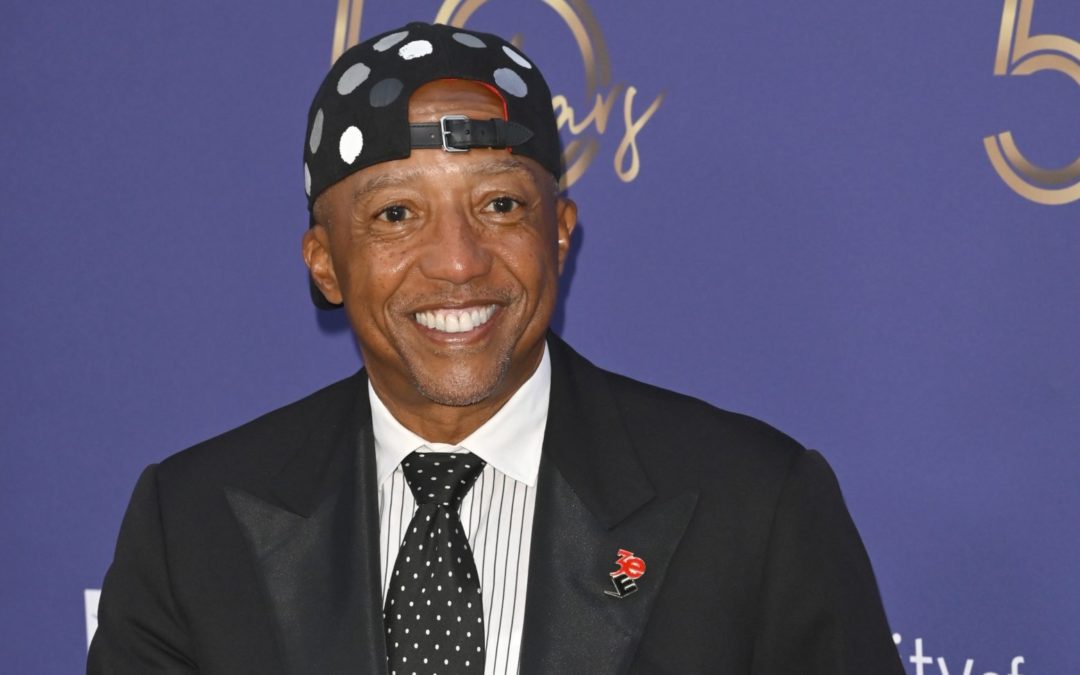
In the ever-evolving landscape of the music industry, change is the only constant. This rings especially true for Kevin Liles, the renowned music mogul who recently made waves by stepping down from his role as Chairman and CEO of 300 Entertainment. This decision, far from being a retreat, marks a bold step forward for a man whose career has been defined by innovation, leadership, and an unwavering commitment to fostering talent.
Liles’ departure from 300 Entertainment isn’t just another corporate reshuffle; it’s a statement about growth, vision, and the pursuit of new horizons. In a candid interview with Hot 97’s TT Torez, Liles shed light on the motivations behind his decision, offering insights into his philosophy of leadership and his plans for the future.
As we delve into the story of Kevin Liles and his journey with 300 Entertainment, we’ll explore the impact of his leadership, the legacy he leaves behind, and the exciting possibilities that lie ahead for this visionary entrepreneur. From the birth of 300 Entertainment to its growth into a musical powerhouse, and finally to Liles’ decision to step away, this is a tale of ambition, success, and the courage to embrace change in the pursuit of greater goals.
The Rise of Kevin Liles: A Musical Journey
Kevin Liles’ story is one of relentless ambition and musical passion. From his early days as a DJ and songwriter, Liles has always been at the forefront of the music industry, constantly pushing boundaries and redefining what’s possible.
From Beats to Boardrooms
Liles’ journey in the music industry began on the dance floors and in the recording studios. As a young DJ, he honed his ear for what makes a track resonate with audiences. This hands-on experience would prove invaluable as he climbed the ranks of the industry, eventually transitioning from creating music to shaping the careers of artists.
His trajectory from artist to executive wasn’t just a career change; it was a natural evolution for someone with Liles’ unique blend of creative insight and business acumen. This dual perspective allowed him to bridge the gap between artistic vision and commercial success, a skill that would define his approach to leadership throughout his career.
Building a Legacy at Def Jam
Before his tenure at 300 Entertainment, Liles made his mark at Def Jam Recordings. Rising through the ranks, he eventually became president of the label, overseeing a period of unprecedented growth and success. Under his leadership, Def Jam solidified its position as a cultural powerhouse, nurturing artists who would go on to define generations of hip-hop and R&B.
Liles’ time at Def Jam wasn’t just about hit records and chart-topping artists. It was about cultivating a culture of creativity and innovation, one that empowered artists to push the boundaries of their craft while also achieving commercial success. This philosophy of balancing artistic integrity with business savvy would become a hallmark of Liles’ approach to the music industry.
Entrepreneurial Spirit: Ventures Beyond Music
Kevin Liles’ influence extends far beyond the recording studio. His entrepreneurial spirit has led him to explore various business ventures, from technology startups to lifestyle brands. Each of these endeavors reflects Liles’ knack for identifying trends and opportunities, as well as his commitment to creating platforms that empower creators and innovators.
These diverse experiences have contributed to Liles’ holistic understanding of the entertainment industry and beyond. They’ve shaped him into a leader who can navigate the complexities of the modern business landscape while never losing sight of the creative spark that drives the music industry forward.
The Birth of 300 Entertainment: A New Era in Music
The founding of 300 Entertainment in 2014 marked a pivotal moment in the music industry. Co-founded by Kevin Liles alongside industry veterans Lyor Cohen, Roger Gold, and Todd Moscowitz, 300 Entertainment was conceived as a different kind of record label – one that would combine the agility and artist-focused approach of an independent with the resources and reach of a major label.
A Vision for the Future of Music
From its inception, 300 Entertainment was built on a foundation of innovation and artist empowerment. The label’s name, inspired by the legendary Spartan warriors, reflected its founders’ commitment to building a lean, efficient, and fiercely competitive organization.
Liles and his co-founders envisioned a label that could adapt quickly to the rapidly changing music landscape. They recognized that the traditional model of artist development and promotion was evolving, and they wanted to create a company that could thrive in this new environment.
Disrupting the Industry Status Quo
300 Entertainment’s approach was revolutionary in many ways. The label embraced digital platforms and social media as primary channels for artist promotion and fan engagement, recognizing early on the power of these tools to connect artists directly with their audiences.
Moreover, the label’s structure allowed for more flexibility in deal-making and artist partnerships. This adaptability proved crucial in attracting and retaining a diverse roster of talent, from established stars to up-and-coming artists looking for a more hands-on, collaborative relationship with their label.
Early Successes and Growing Pains
The early years of 300 Entertainment were marked by both triumphs and challenges. The label quickly made a name for itself by signing and developing artists who would go on to become some of the biggest names in hip-hop and R&B. However, like any new venture, it also faced its share of obstacles as it worked to establish its place in the competitive music industry landscape.
Through it all, Kevin Liles’ leadership was instrumental in guiding the company through these formative years. His experience, industry connections, and unwavering belief in the label’s vision helped 300 Entertainment weather the storms and emerge as a formidable force in the music world.
Kevin Liles at the Helm: Steering 300 Entertainment to Success
As Chairman and CEO of 300 Entertainment, Kevin Liles brought his wealth of experience and unique vision to bear on the company’s operations. His leadership style, characterized by a blend of strategic thinking and creative intuition, played a crucial role in shaping the label’s identity and success.
Cultivating a Unique Company Culture
One of Liles’ primary focuses was on fostering a company culture that reflected the label’s innovative spirit. He encouraged a work environment that valued creativity, risk-taking, and collaboration. This approach not only attracted top talent to the company but also created an atmosphere where new ideas could flourish.
Liles was known for his hands-on approach, often working directly with artists and staff to ensure that the label’s vision was being realized at every level. This personal touch helped to create a sense of family within the organization, fostering loyalty and dedication among both employees and artists.
Navigating the Digital Revolution
Under Liles’ guidance, 300 Entertainment embraced the digital revolution in the music industry. The label was at the forefront of leveraging streaming platforms, social media, and other digital tools to promote its artists and connect with fans. This forward-thinking approach allowed 300 to punch above its weight, competing effectively with much larger, more established labels.
Liles’ understanding of both the creative and technical aspects of the industry proved invaluable in this regard. He was able to bridge the gap between the artistic vision of 300’s roster and the technological innovations reshaping the music landscape.
Building a Roster of Game-Changing Artists
Perhaps the most visible testament to Liles’ leadership at 300 Entertainment was the label’s impressive roster of artists. Under his tenure, the company signed and developed acts that would go on to redefine genres and dominate charts. From established stars to emerging talents, 300’s artist lineup reflected Liles’ keen ear for talent and his ability to spot the next big thing in music.
The success of these artists not only brought commercial success to the label but also solidified its reputation as a tastemaker in the industry. 300 Entertainment became known as a place where artists could grow, experiment, and achieve their full potential.
The 300 Entertainment Legacy: A Decade of Musical Innovation
As 300 Entertainment approached its tenth anniversary, the label had firmly established itself as a major player in the music industry. The company’s impact extended far beyond its commercial success, influencing the way labels operate and interact with artists in the modern music landscape.
Redefining the Artist-Label Relationship
One of the most significant aspects of 300 Entertainment’s legacy is its approach to artist relationships. The label pioneered a more collaborative, partnership-based model that gave artists greater control over their careers and creative output. This approach not only attracted top talent but also fostered a sense of loyalty and mutual respect between the label and its roster.
Cultural Impact and Industry Influence
Under Kevin Liles’ leadership, 300 Entertainment became more than just a record label; it became a cultural force. The company’s artists were at the forefront of shaping trends in music, fashion, and popular culture. This influence extended to the business side of the industry as well, with 300’s innovative approaches to marketing, distribution, and artist development serving as a model for other labels to follow.
Adapting to Industry Changes
Throughout its first decade, 300 Entertainment demonstrated a remarkable ability to adapt to the rapidly changing music industry. From the rise of streaming to the increasing importance of social media in artist promotion, the label consistently stayed ahead of the curve. This adaptability, driven by Liles’ forward-thinking leadership, was key to the company’s sustained success in a notoriously volatile industry.
The Decision to Step Down: Kevin Liles’ New Chapter
Kevin Liles’ announcement of his decision to step down as Chairman and CEO of 300 Entertainment came as a surprise to many in the industry. However, for those who know Liles and understand his approach to business and life, the move is characteristic of his forward-thinking mindset and constant pursuit of new challenges.
A Moment of Reflection
In his interview with Hot 97’s TT Torez, Liles offered a candid and introspective look at his decision-making process. He spoke of 300 Entertainment as a “ten-year-old baby” that had grown beyond its years, thanks to the dedication and talent of the team he had assembled. This metaphor provides insight into Liles’ view of company building – nurturing an organization from infancy to maturity, and knowing when it’s time to let it stand on its own.
The Call to Something Bigger
Liles’ explanation for his departure wasn’t rooted in dissatisfaction or a desire to retire. Instead, he spoke of a calling to pursue even larger goals. “I want to create more millionaires and more brands,” he stated, hinting at ambitious plans for the future. This desire to continually push boundaries and take on new challenges is a hallmark of Liles’ career and personal philosophy.
The timing of Liles’ departure is significant. Stepping down after a decade at the helm, he leaves 300 Entertainment in a position of strength. The label has a solid foundation, a strong roster of artists, and a clear identity in the industry. By choosing this moment to step away, Liles ensures that the company is well-positioned to continue thriving under new leadership.
by Jonathan P-Wright | Nov 11, 2024 | Latest, Music News, New Music Alert |
Image credit: Michael Mattes / Shutterstock.com
In the pulsating heart of the music industry, where legends are born and legacies are crafted, stands a figure whose influence has shaped the soundscape of generations. Jimmy Jam, at the vibrant age of 65, finds himself in the midst of what he affectionately calls his “bucket list year.” This musical maestro, whose fingerprints are all over countless chart-topping hits, is experiencing a renaissance that’s as unexpected as it is thrilling.
From the funk-infused streets of Minneapolis to the glittering halls of the Rock and Roll Hall of Fame, Jimmy Jam’s journey is a testament to the enduring power of passion, creativity, and reinvention. As he navigates this new chapter, collaborating with fresh talent and reconnecting with his roots, Jimmy Jam is not just reliving his glory days – he’s creating new ones.
The Early Days: From Minneapolis to Stardom
Jimmy Jam’s musical odyssey began in the vibrant city of Minneapolis, a place that would later become synonymous with a unique sound that captivated the world. Born James Samuel Harris III, Jimmy’s early life was steeped in melody and rhythm, thanks in large part to his father, James “Cornbread” Harris Jr., a local piano virtuoso with a flair for jazz and blues.
The young Jimmy was a prodigy in the making, his fingers dancing across keyboards with a natural grace that belied his years. By the tender age of 12, he was already keeping time as a drummer in his father’s band, wowing adult audiences with his precocious talent. These formative experiences laid the groundwork for what would become a revolutionary career in music.
As Jimmy entered his teenage years, fate intervened in the form of a chance meeting with Terry Lewis. This encounter would spark a partnership that would change the face of popular music. Together, they formed a bond that transcended mere friendship, becoming a creative force that would shape the sound of generations to come.
Their ascent in the music world was meteoric. As members of the funk-rock outfit The Time, Jimmy and Terry caught the eye of the Purple One himself, Prince. Under his tutelage, they honed their skills, absorbing the eclectic influences that permeated the Minneapolis music scene. It was here that Jimmy began to develop his signature style, both musically and sartorially, donning the black suits and fedoras that would become his trademark.
But it was behind the scenes where Jimmy Jam truly found his calling. Transitioning from performer to producer, he and Terry Lewis embarked on a journey that would see them crafting hits for some of the biggest names in the industry. Their innovative approach to songwriting and production breathed new life into the pop and R&B genres, creating a sound that was at once fresh and timeless.
As the 1980s rolled on, Jimmy Jam and Terry Lewis became the go-to team for artists looking to top the charts. Their collaboration with Janet Jackson, in particular, yielded a string of iconic albums and singles that defined an era. From “Control” to “Rhythm Nation,” their work with Janet showcased their ability to blend cutting-edge production techniques with irresistible melodies and socially conscious lyrics.
This period of Jimmy’s career was marked by an relentless pursuit of musical excellence. Long nights in the studio, endless experimentation with new sounds and technologies, and a commitment to pushing the boundaries of what was possible in popular music became his hallmarks. It was a time of tremendous growth and creativity, setting the stage for the legendary status he would achieve in the decades to come.
The Jam & Lewis Sound: Revolutionizing Pop Music
The partnership between Jimmy Jam and Terry Lewis didn’t just produce hit songs – it redefined the very landscape of popular music. Their unique approach to production, blending state-of-the-art technology with soulful musicianship, created a sound that was instantly recognizable yet endlessly versatile.
At the heart of the Jam & Lewis sound was a deep understanding of rhythm and groove. Drawing from their experiences in funk and R&B, they crafted basslines and drum patterns that were impossible to resist. But it was their innovative use of synthesizers and drum machines that truly set them apart. They weren’t content to simply use these tools as they came out of the box – instead, they pushed them to their limits, coaxing new and unexpected sounds that would become their sonic signature.
Their work with Janet Jackson serves as the perfect case study of their revolutionary approach. Albums like “Control” and “Rhythm Nation 1814” weren’t just collections of songs – they were cohesive musical statements that seamlessly blended pop, R&B, and social commentary. The production on these records was crisp and clean, yet full of depth and texture. Each track was a carefully constructed world of sound, with layers that revealed themselves over repeated listens.
But Janet was far from their only muse. Jimmy Jam and Terry Lewis brought their magic touch to a diverse array of artists, from Boyz II Men to Mariah Carey, Usher to Mary J. Blige. With each collaboration, they showed an uncanny ability to adapt their sound to suit the artist while still maintaining their distinctive style.
What set Jimmy Jam apart as a producer was his keen ear for melody and his understanding of the human voice. He had a gift for crafting vocal arrangements that showcased an artist’s strengths, often pushing them to deliver career-defining performances. His background as a musician allowed him to communicate effectively with artists, speaking their language and drawing out their best work.
The Jam & Lewis sound wasn’t just about the music – it was a complete package. Their production often came with a visual aesthetic that was just as impactful. Music videos for songs they produced were often groundbreaking, pushing the boundaries of what was possible in the medium. The iconic black and white video for Janet Jackson’s “Rhythm Nation” is a prime example, blending sharp choreography with powerful imagery that perfectly complemented the song’s message.
As the years went on, Jimmy Jam and Terry Lewis continued to evolve their sound, incorporating new influences and technologies while staying true to their roots. They weren’t afraid to experiment, whether it was incorporating elements of hip-hop, dabbling in electronic dance music, or revisiting classic soul sounds.
Their influence on the music industry cannot be overstated. The Jam & Lewis sound became a blueprint for pop and R&B production, inspiring countless imitators and shaping the direction of popular music for decades. Even today, in an era of digital production and bedroom studios, the meticulous craftsmanship and attention to detail that characterized their work remains a gold standard in the industry.
A Fashion Icon: The Signature Look
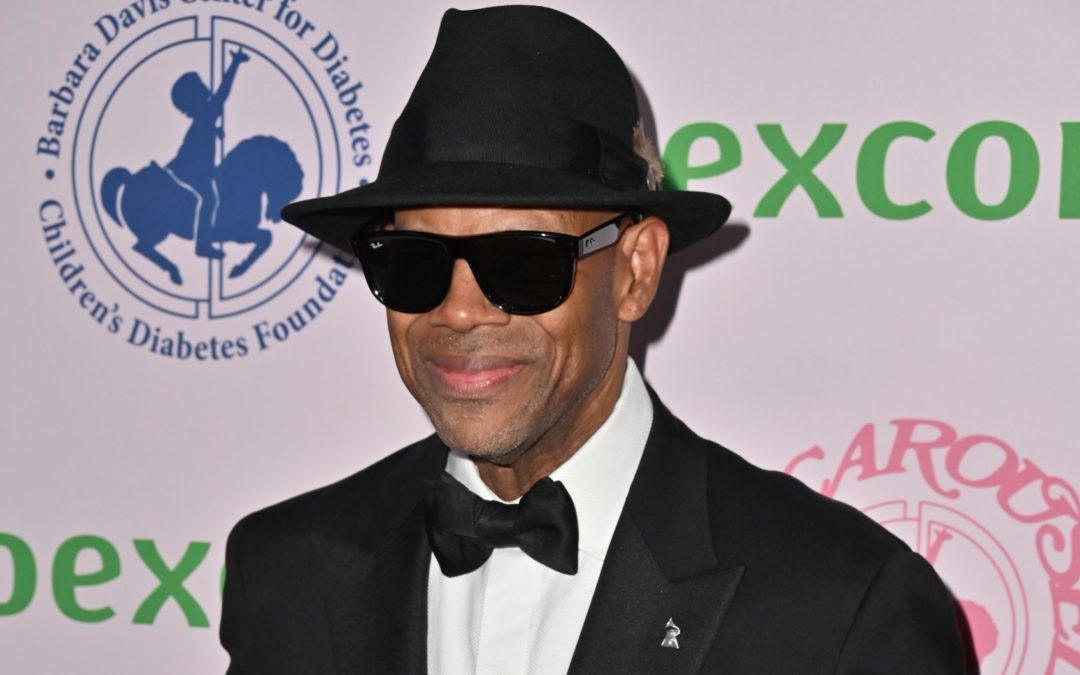
When you think of Jimmy Jam, it’s impossible to separate the man from his iconic style. For over four decades, he’s been rocking a look that’s become as legendary as his music: black suits, fedoras, and ever-present sunglasses. This signature ensemble isn’t just a fashion statement – it’s a reflection of Jimmy’s philosophy on life and music.
The origins of this distinctive look can be traced back to Jimmy’s early days in The Time. Prince, their mentor and bandleader, instilled in them the importance of maintaining a consistent image both on and off stage. This lesson stuck with Jimmy, who saw his style as an extension of his musical identity.
But the suits weren’t just about looking good. For Jimmy and Terry, they were a symbol of professionalism and respect for their craft. In an industry often associated with casual attire, they chose to present themselves with a level of sophistication that set them apart. It was a visual representation of their commitment to excellence in everything they did.
The fedora, perhaps the most recognizable element of Jimmy’s look, has its own story. While Terry was the first to adopt the hat as part of his style, Jimmy soon followed suit. Over the years, the fedora became more than just an accessory – it became a trademark, as closely associated with Jimmy Jam as his keyboard skills.
Interestingly, the commitment to this look wasn’t always easy. In the early days, when money was tight, Jimmy and Terry would scour thrift stores for suits, having them tailored to fit. This resourcefulness speaks to their determination to maintain their image, even when resources were limited.
The sunglasses, another constant in Jimmy’s ensemble, serve a dual purpose. On a practical level, they protect his eyes from the bright lights of studios and stages. But they also add an air of mystery, a barrier between the public persona and the private individual. In an industry where image is everything, this small detail has helped Jimmy maintain a sense of control over his public image.
Over the years, Jimmy’s style has evolved subtly while remaining true to its core elements. The cuts of the suits may have changed with the times, and the brands may have become more prestigious, but the essence remains the same. It’s a look that’s both timeless and distinctly of its era, much like Jimmy’s music itself.
The impact of Jimmy’s style extends beyond his personal brand. It’s influenced countless musicians and producers who have followed in his footsteps. The image of the well-dressed producer, once a rarity in the casual world of music studios, has become more common, thanks in no small part to Jimmy’s influence.
In recent years, Jimmy has shown a willingness to experiment with his look, incorporating new elements while staying true to his classic style. Whether it’s a pop of color in a pocket square or a more modern cut to his suits, he’s demonstrated that style, like music, is an ever-evolving art form.
As Jimmy enters his 65th year, his signature look remains as sharp and relevant as ever. It’s a testament to the power of personal style, and a reminder that true icons don’t follow trends – they set them. In a world of constantly changing fashions, Jimmy Jam’s enduring style stands as a beacon of consistency and cool.
The Art of Collaboration: Working with Music Legends
Throughout his illustrious career, Jimmy Jam has been the mastermind behind countless hit records, collaborating with some of the biggest names in the music industry. His ability to bring out the best in artists, coupled with his innovative production techniques, has made him one of the most sought-after producers in the business.
One of Jimmy’s most fruitful collaborations has been with Janet Jackson. Their partnership, which began in the mid-1980s, produced a string of groundbreaking albums that defined the sound of pop and R&B for a generation. Jimmy’s work with Janet went beyond mere hit-making – together, they crafted albums that were cohesive artistic statements, tackling social issues while delivering irresistible hooks and dance-floor fillers.
The process of working with Janet, as Jimmy has described it, was always a collaborative one. He and Terry Lewis would create the musical backdrop, crafting intricate arrangements that showcased Janet’s vocals while pushing the boundaries of contemporary pop production. Janet, in turn, would bring her unique vision and lyrical prowess to the table, resulting in songs that were both deeply personal and universally relatable.
But Janet is far from the only legend Jimmy has worked with. His resume reads like a who’s who of music royalty. From Michael Jackson to Mariah Carey, Usher to Mary J. Blige, Jimmy has left his mark on the discographies of some of the most iconic artists of the past four decades.
What sets Jimmy apart as a collaborator is his ability to adapt his style to suit the artist he’s working with, while still maintaining his signature sound. When working with Boyz II Men, for example, he and Terry crafted lush, harmony-rich productions that showcased the group’s incredible vocal abilities. With Usher, they created sleek, dance-oriented tracks that helped establish him as a pop superstar.
Jimmy’s approach to collaboration is rooted in respect for the artist’s vision. He’s not interested in imposing his will on a project, but rather in finding ways to enhance and elevate the artist’s natural talents. This philosophy has earned him the trust and admiration of countless musicians over the years.
In recent years, Jimmy has shown a willingness to collaborate with a new generation of artists, bringing his wealth of experience to bear on contemporary sounds. His work with younger artists has allowed him to stay current while imparting the wisdom he’s gained over decades in the industry.
One of the most exciting aspects of Jimmy’s collaborative spirit is his openness to unexpected partnerships. Whether it’s working with rock bands, country artists, or electronic producers, he’s always eager to push himself out of his comfort zone and explore new musical territories.
As he enters his 65th year, Jimmy’s passion for collaboration shows no signs of waning. If anything, he seems more excited than ever about the possibilities that come with working with diverse artists from different genres and generations. It’s this openness to new ideas and his genuine love for the collaborative process that keeps Jimmy Jam at the forefront of music production, even after all these years.
by Jonathan P-Wright | Nov 1, 2024 | Latest, Music News, New Music Alert |
Image credit: Jamie Lamor Thompson / Shutterstock.com
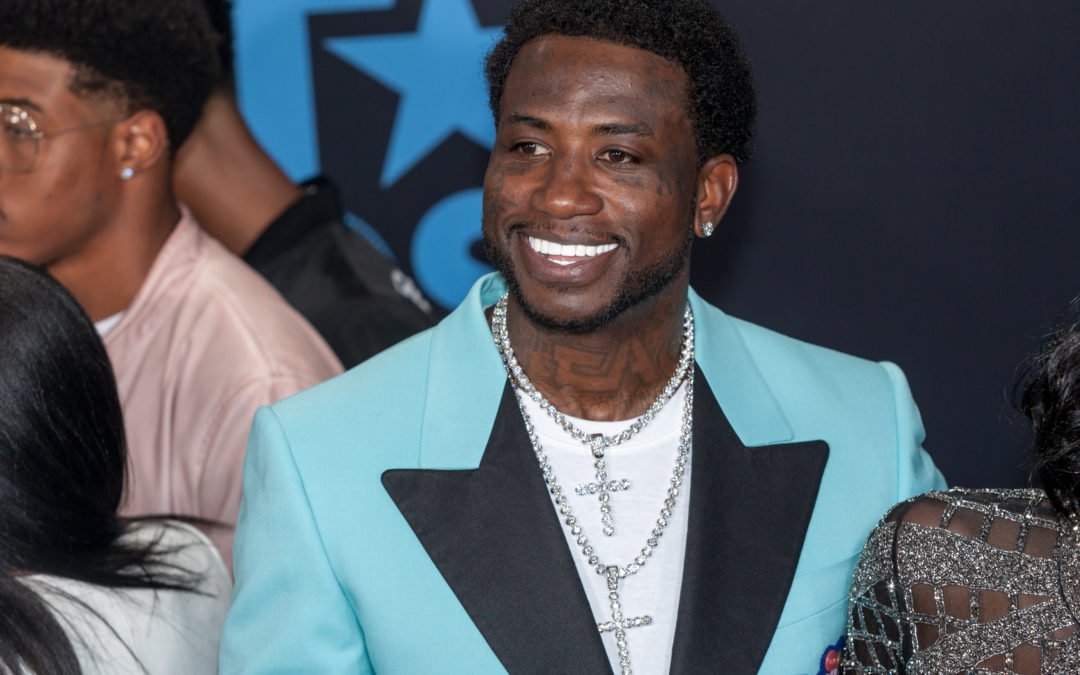
The hip-hop world is buzzing with shocking news as Gucci Mane, the Atlanta-based rap mogul, announces a dramatic overhaul of his 1017 Records label. In a move that’s sent shockwaves through the industry, the “Lemonade” hitmaker has decided to part ways with nearly all of his signed artists, retaining only two while setting his sights on fresh talent. This seismic shift in Gucci’s empire has left fans and industry insiders alike wondering: what’s next for 1017 Records, and how will this reshape the landscape of contemporary rap?
Let’s dive deep into the world of Gucci Mane, exploring the reasons behind this unexpected decision, its potential impact on the music industry, and what it means for the future of hip-hop. From the business acumen driving this choice to the personal struggles that may have influenced it, we’ll unpack every angle of this game-changing announcement.
The Shocking Announcement
In a world where social media reigns supreme, it’s fitting that Gucci Mane chose to drop this bombshell via a video post. On October 18th, the rap icon took to his platforms with an announcement that left his followers stunned. With his characteristic straightforwardness, Gucci revealed his intention to release almost every artist from his 1017 Records roster.
The video, raw and unfiltered, showcased Gucci’s business-minded approach. He spoke candidly about examining his profit and loss statements, a move that ultimately led to this drastic decision. “When I’m looking at my P&L, and me being a businessman, I’m thinking that I’m going to have to release almost all my artists,” he stated, his words carrying the weight of a difficult choice.
But amidst the shock, two names stood out: Pooh Shiesty and Foogiano. These artists, it seems, have managed to secure their spots in Gucci’s streamlined vision for 1017 Records. The mention of these two rappers amidst the announcement of widespread cuts has sparked intense speculation about their role in the label’s future.
Gucci’s words weren’t just about cuts, though. In a surprising twist, he also expressed his intention to seek out new talent. This dual approach of trimming the roster while simultaneously scouting for fresh faces paints a picture of a label in transition, poised for a new era under Gucci’s reinvigorated leadership.
The announcement video quickly went viral, sparking heated debates across social media platforms. Fans, fellow artists, and industry experts all weighed in, dissecting Gucci’s words and speculating about the future of 1017 Records. In the span of a few minutes, Gucci Mane had managed to set the hip-hop world ablaze with anticipation and uncertainty.
The Business Behind the Decision
At the heart of Gucci Mane’s decision lies a cold, hard look at the numbers. The rap mogul didn’t mince words when he cited his profit and loss statements as a key factor in this sweeping change. This peek behind the curtain of the music industry reveals the often-overlooked business side of hip-hop, where artistic expression meets financial reality.
Running a record label is no small feat, and 1017 Records has faced its share of challenges. From marketing costs to studio time, music video production to tour support, the expenses can quickly add up. For each artist on the roster, there’s an investment of time, money, and resources. When these investments don’t yield the expected returns, tough decisions have to be made.
Gucci’s approach to this situation demonstrates his evolution as a businessman. Gone are the days when artistic potential alone could secure a spot on a label. In today’s competitive music landscape, commercial viability is just as crucial. By streamlining his roster, Gucci is positioning 1017 Records to be leaner and potentially more profitable.
This move also speaks to the changing dynamics of the music industry. In an era of streaming and social media, artists have more avenues than ever to reach their audience directly. This shift has forced labels to reconsider their role and value proposition. By focusing on a smaller roster, 1017 Records can potentially offer more personalized attention and resources to its remaining artists.
However, this business-driven decision isn’t without its risks. There’s the potential for backlash from fans of the dropped artists, as well as the challenge of rebuilding the label’s roster with new talent. Gucci’s gamble here is that the long-term financial health of 1017 Records will outweigh any short-term setbacks.
The Survivors: Pooh Shiesty and Foogiano
In the midst of this label-wide shakeup, two names emerged as the survivors: Pooh Shiesty and Foogiano. These artists, both relative newcomers to the rap scene, have managed to secure their positions at 1017 Records while their labelmates face an uncertain future. But who are these rappers, and what sets them apart?
Pooh Shiesty, born Lontrell Williams Jr., burst onto the scene in 2020 with his breakout single “Back in Blood” featuring Lil Durk. The Memphis native’s gritty lyrics and authentic street narratives quickly caught the attention of hip-hop fans and industry insiders alike. His debut mixtape, “Shiesty Season,” released under 1017 Records, solidified his position as one of rap’s rising stars.
Foogiano, hailing from Greensboro, Georgia, has been making waves with his raw, unfiltered approach to rap. His single “Molly (Baby Mama)” became a viral hit, showcasing his unique flow and storytelling abilities. Like Pooh Shiesty, Foogiano’s music resonates with listeners who appreciate authentic, street-oriented rap.
The retention of these two artists speaks volumes about Gucci Mane’s vision for 1017 Records. Both Pooh Shiesty and Foogiano represent a new generation of Southern rap, carrying forward the tradition that Gucci himself helped establish. Their ability to connect with younger audiences while maintaining the gritty authenticity that 1017 Records is known for likely played a significant role in Gucci’s decision to keep them on board.
However, it’s worth noting that both artists are currently facing legal troubles. Pooh Shiesty is serving a five-year sentence for a firearms conspiracy charge, while Foogiano is also behind bars on a firearms charge. Despite these setbacks, Gucci’s commitment to these artists underscores his belief in their potential and his willingness to stand by them through challenging times.
The Search for New Talent
Even as Gucci Mane trims his label’s roster, he’s already got his sights set on the future. In the same breath that he announced the release of most of his artists, he also revealed his intention to seek out fresh talent. This dual approach of cutting ties while simultaneously scouting for new blood paints a picture of a label in transition, ready to evolve with the ever-changing landscape of hip-hop.
Gucci’s hunt for new artists isn’t just about filling the gaps left by those who’ve been let go. It’s about finding the next generation of rap superstars who can carry the 1017 Records banner into the future. The rap mogul has a keen eye for talent, having previously discovered and nurtured artists who’ve gone on to make significant impacts in the industry.
But what kind of talent is Gucci looking for? If his retention of Pooh Shiesty and Foogiano is any indication, he’s likely seeking artists who embody the raw, authentic spirit of Southern rap while also bringing something fresh to the table. In today’s hip-hop landscape, that could mean artists who seamlessly blend traditional rap elements with new sounds, or those who have a strong social media presence and the ability to connect directly with fans.
The search for new talent also presents an opportunity for 1017 Records to diversify its roster. While the label has primarily been known for its male rappers, Gucci could use this moment to bring in female artists or even expand into other subgenres of hip-hop.
For aspiring rappers, this search represents a golden opportunity. The chance to be mentored by Gucci Mane and to be part of the 1017 Records legacy is sure to attract a flood of submissions from hungry young artists eager to make their mark on the rap world.
The Impact on Released Artists
While Gucci Mane’s decision to streamline 1017 Records may be a strategic move for the label, it leaves many artists in a state of uncertainty. The rappers who’ve been released from their contracts now face the challenge of navigating their careers without the backing of a major label.
For some, this sudden change could be seen as a setback. The resources, connections, and promotional power that come with being signed to a label like 1017 Records are significant. Artists who were relying on these benefits to further their careers may now need to reassess their strategies and find new ways to reach their audience.
However, for others, this could be an opportunity for growth and independence. In today’s music landscape, artists have more tools than ever to promote their work and connect with fans directly. Streaming platforms, social media, and DIY marketing strategies have made it possible for independent artists to build successful careers without major label support.
The released artists also have the advantage of their association with 1017 Records. Having been part of Gucci Mane’s label, even for a short time, can serve as a valuable credential in the industry. These artists can leverage this experience as they seek new opportunities or partnerships.
It’s also worth considering the potential for these artists to form new alliances or even start their own labels. The hip-hop world has seen numerous examples of artists turning label setbacks into entrepreneurial opportunities, and this situation could spark similar initiatives.
Ultimately, the impact of this decision on the released artists will largely depend on how they choose to respond to this change. While it undoubtedly presents challenges, it also opens up new possibilities for these artists to chart their own paths in the music industry.
The Legacy of 1017 Records
To understand the full impact of Gucci Mane’s decision, it’s crucial to look back at the legacy of 1017 Records. Founded in 2007, the label has been a cornerstone of Southern rap for over a decade, playing a significant role in shaping the sound and culture of contemporary hip-hop.
From its inception, 1017 Records has been synonymous with Gucci Mane’s raw, unfiltered approach to rap. The label has served as a launching pad for numerous artists who’ve gone on to make significant impacts in the industry. Names like Waka Flocka Flame, Young Thug, and Migos all have ties to 1017 Records, underscoring the label’s knack for identifying and nurturing talent.
The label’s influence extends beyond just the artists it’s signed. 1017 Records has been instrumental in popularizing the trap music subgenre, helping to bring the gritty, bass-heavy sound from the streets of Atlanta to mainstream audiences worldwide. This sonic signature has become a defining characteristic of modern hip-hop, influencing countless artists and producers.
1017 Records has also been known for its distinctive aesthetic, from its iconic ice cream cone logo to the flashy, street-oriented music videos that have become a hallmark of the label’s visual style. This branding has played a crucial role in establishing 1017 Records as more than just a label, but a cultural force in its own right.
However, the label’s journey hasn’t been without its challenges. Legal troubles, both for Gucci Mane himself and for several of the label’s artists, have at times overshadowed its musical achievements. The recent losses of artists like Enchanting and Big Scarr to drug overdoses have also cast a somber shadow over the label’s legacy.
As 1017 Records enters this new phase, it carries with it a rich history that has left an indelible mark on hip-hop culture. The question now is how this legacy will evolve as the label moves forward with its streamlined roster and renewed focus on fresh talent.
Gucci Mane’s decision to reshape 1017 Records is not just a business move – it’s also a reflection of his personal growth and evolution as an artist and entrepreneur. To fully understand this pivotal moment, it’s worth looking at Gucci’s own journey in the music industry.
From his early days as a rising star in Atlanta’s rap scene to his current status as a hip-hop icon, Gucci Mane has weathered numerous storms

RECENT COMMENTS