
by Jonathan P-Wright | Nov 11, 2024 | Latest, Music News, New Music Alert |
Photo by Marcela Laskoski on Unsplash
Ab-Soul, the lyrical mastermind behind tracks that make your brain cells do backflips, decided it was high time to clear the air about his relationship with J. Cole. And boy, did he deliver! In an era where social media can turn a molehill into a mountain faster than you can say “retweet,” Ab-Soul’s straightforward approach is like a breath of fresh air in a room full of smoke and mirrors.
Now, you might be wondering, “What’s all the fuss about?” Well, buckle up, buttercup, because we’re about to take a wild ride through the twists and turns of this hip-hop saga. From collaborative tracks that never saw the light of day to surprise features that had fans losing their minds, we’re going to unpack it all. And trust me, by the time we’re done, you’ll have a front-row seat to one of the most intriguing stories in recent hip-hop history.
So, whether you’re a die-hard Ab-Soul stan, a J. Cole aficionado, or just someone who loves a good story, stick around. We’re about to delve into a tale of friendship, respect, and the complex web of relationships that make the hip-hop world go round. Get ready to have your perceptions challenged, your assumptions shattered, and your mind blown. This isn’t just another rap beef story – it’s a masterclass in how real G’s handle their business.
The Genesis of the Rumors
Let’s rewind the tape and set the scene for this epic tale. Picture this: the hip-hop world is buzzing like a beehive that’s been poked with a stick. Rumors are flying faster than Eminem’s rap speed, and at the center of it all? Our man Ab-Soul and the one and only J. Cole.
It all started with a track – isn’t that how these things always kick off? Ab-Soul dropped a banger called “Squeeze 1st 2,” and suddenly, everyone and their grandma was playing detective. You see, in this track, Ab-Soul spits some fire that had folks raising their eyebrows higher than a Botox addict. He rapped, “Metasota warned me they wanna war / But actually they forfeiting.” Now, to the untrained ear, this might sound like just another dope line. But in the hyper-analytical world of hip-hop, where fans dissect every syllable like it’s a frog in a high school biology class, this was seen as a potential shot at J. Cole.
Why, you ask? Well, buckle up, because this is where it gets juicy. This track dropped on the same day that J. Cole released “Port Antonio,” a song where Cole addressed his decision to bow out of the ongoing beef between Drake and Kendrick Lamar. Coincidence? In the hip-hop world, there’s no such thing, baby!
The timing was too perfect, too synchronized. It was like watching two trains heading towards each other on the same track. Fans and critics alike started connecting dots that may or may not have been there. Was Ab-Soul calling out Cole for “forfeiting” the beef? Was this a subliminal diss wrapped in wordplay?
The internet, being the internet, went wild. Twitter threads longer than a CVS receipt started popping up, breaking down every word, every pause, every breath in Ab-Soul’s track. YouTube videos with titles like “AB-SOUL DESTROYS J. COLE?!” racked up views faster than you can say “clickbait.”
But here’s the kicker – in the world of hip-hop, perception is often reality. It doesn’t matter if Ab-Soul meant to diss Cole or not. Once the rumor mill starts churning, it’s harder to stop than a runaway freight train. The narrative was set: Ab-Soul vs. J. Cole, the battle no one saw coming.
And so, the stage was set for one of the most intriguing stories in recent hip-hop memory. Two respected lyricists, both known for their intricate wordplay and deep cuts, seemingly at odds. It was like watching two chess grandmasters square off – you knew the moves were coming, but you couldn’t quite figure out what they’d be.
But as we’ll soon see, in the world of hip-hop, things are rarely as they seem. This story was about to take more twists and turns than a roller coaster designed by M.C. Escher. So strap in, because we’re just getting started on this wild ride through the complex, fascinating, and often misunderstood world of hip-hop relationships.
Ab-Soul’s Clarification
Now, let’s cut to the chase and dive into the meat of this story – Ab-Soul’s much-needed clarification. In an interview that had hip-hop heads glued to their screens like it was the season finale of their favorite Netflix show, Ab-Soul decided to set the record straight. And boy, did he deliver!
First things first, Ab-Soul came out swinging with a statement that hit harder than a Mike Tyson right hook: “Cole is the homie for real, that’s what I want to make very clear to the whole world.” Boom! Just like that, he took all those rumors and speculation and dropkicked them into next week. It was like watching a master magician reveal the trick behind the illusion – suddenly, all those conspiracy theories about a beef between Ab-Soul and J. Cole started to look as flimsy as a house of cards in a hurricane.
But Ab-Soul didn’t stop there. Oh no, he was on a roll, and he wasn’t about to let this opportunity slip through his fingers like a greased-up football. He went on to explain that in the world of hip-hop, words like “friend” and “homie” get thrown around more loosely than spare change at a wishing well. But when it comes to J. Cole? Ab-Soul made it crystal clear that this wasn’t just some surface-level, industry schmoozing type of friendship. This was the real deal, the kind of bond that survives the fickle tides of the music industry.
Now, you might be thinking, “Okay, but what about that track? What about ‘Squeeze 1st 2’?” Well, hold onto your hats, because Ab-Soul had an explanation for that too. He revealed that the track wasn’t some calculated diss aimed at J. Cole. In fact, it wasn’t even about Cole at all. It was just Ab-Soul doing what Ab-Soul does best – spitting fire lyrics that make you think, that make you rewind and listen again, trying to unpack all the layers of meaning.
But here’s where it gets really interesting. Ab-Soul didn’t just deny the beef – he went a step further and opened up about his actual relationship with J. Cole. He talked about collaborations that were in the works, about mutual respect, about the admiration he has for Cole’s skills on the mic. It was like watching someone peel back the curtain on a world that most of us only get glimpses of through social media and carefully crafted public personas.
In essence, Ab-Soul’s clarification wasn’t just about squashing rumors. It was a masterclass in how to handle misunderstandings in the public eye. No drama, no Twitter rants, no subliminal disses. Just straight talk, respect, and a reminder that in the world of hip-hop, things aren’t always what they seem.
So there you have it, folks. The great Ab-Soul vs. J. Cole beef of 2023 – a beef that never was. It’s a reminder that in this age of hot takes and instant reactions, sometimes it pays to sit back, take a breath, and wait for the full story. Because as Ab-Soul showed us, the truth is often far more interesting – and far more positive – than the rumors.
The “FOMF” Collaboration That Never Was
Alright, let’s dive into the juicy details of a collaboration that could have been but never quite materialized. We’re talking about the track “FOMF” from Ab-Soul’s 2022 album “Herbert.” Now, this isn’t just any old track we’re discussing – this is the one that almost featured the lyrical prowess of J. Cole himself. Yeah, you heard that right. J. Cole was supposed to be on this joint, and the fact that it didn’t happen is a story in itself.
Picture this: Ab-Soul, the master wordsmith, crafting what would become “FOMF.” He’s in the studio, laying down verses that would make even the most seasoned English professor’s head spin. And in his mind, he’s hearing J. Cole’s voice, imagining how the North Carolina rapper would complement his own intricate wordplay. It’s a hip-hop dream team in the making.
Now, here’s where it gets interesting. Ab-Soul reveals that he actually played the album for Cole. Not just a track or two, but the whole damn thing. And guess what? Cole picked “FOMF” as the one he wanted to jump on. It’s like watching two chess grandmasters recognizing each other’s genius moves. Cole heard something in that track that spoke to him, that ignited that creative spark.
But here’s the kicker – it never happened. The collaboration that hip-hop heads would have sold their left sneaker for just… didn’t materialize. Ab-Soul, in his characteristically candid manner, admits, “I bugged him about it!” You can almost picture it – Ab-Soul blowing up Cole’s phone, sending carrier pigeons, maybe even considering smoke signals. All in the name of getting that verse.
So what happened? Well, that’s the million-dollar question, isn’t it? In the world of hip-hop, where schedules are as packed as a Tokyo subway during rush hour, and creative inspiration can be as fleeting as a summer romance, sometimes things just don’t line up. Maybe Cole got busy with his own projects. Maybe the timing wasn’t right. Or maybe, just maybe, the hip-hop gods decided to save this collaboration for another day, another track.
But here’s the beautiful thing about Ab-Soul’s revelation – there’s no bitterness, no resentment. Instead, there’s understanding and respect. Ab-Soul doesn’t throw Cole under the bus or make excuses. He simply acknowledges that sometimes, in this crazy world of music, things don’t always go as planned.
And let’s be real for a second – how many of us can say we’ve had J. Cole pick our track as the one he wants to feature on? That alone is a badge of honor, a testament to Ab-Soul’s skill as a lyricist and producer. It’s like getting a nod of approval from the hip-hop equivalent of a Jedi Master.
So while we may never get to hear what “FOMF” would have sounded like with J. Cole’s verse, we’re left with something perhaps even more valuable – a glimpse into the behind-the-scenes world of hip-hop collaborations. It’s a world of mutual respect, of artistic recognition, and yes, sometimes of missed connections.
The Kendrick Lamar Connection
If you thought this tale couldn’t get any more star-studded, think again. We’re about to dive into how K-Dot himself fits into this intricate web of hip-hop relationships.
First off, let’s set the scene. Ab-Soul and Kendrick Lamar go way back. We’re talking shared-a-pack-of-Ramen-noodles-in-the-studio kind of back. These two have been friends and collaborators for years, part of the same TDE (Top Dawg Entertainment) family that’s been pumping out hits faster than a factory on overdrive. So when Ab-Soul says he sent “Pi” to Kendrick, it’s not just some random act of music sharing. It’s like showing your older brother your report card – you’re looking for that nod of approval, that “yeah, you did good, kid” moment.
And guess what? Kendrick didn’t just nod – he full-on co-signed the track. Now, for those of you who might not be hip to the lingo, a co-sign in the hip-hop world is like getting a five-star review from Gordon Ramsay. It’s the ultimate seal of approval, the hip-hop equivalent of a papal blessing. When Kendrick Lamar co-signs your track, you know you’ve cooked up something special.
As we wrap up this deep dive into the Ab-Soul and J. Cole saga, it’s clear that we’ve witnessed something truly special in the world of hip-hop. This isn’t just a story about two artists clearing up a misunderstanding – it’s a testament to the evolving nature of hip-hop culture and the power of mutual respect and clear communication.
by Jonathan P-Wright | Nov 11, 2024 | Latest, Music News, New Music Alert |
Image credit: lev radin / Shutterstock.com
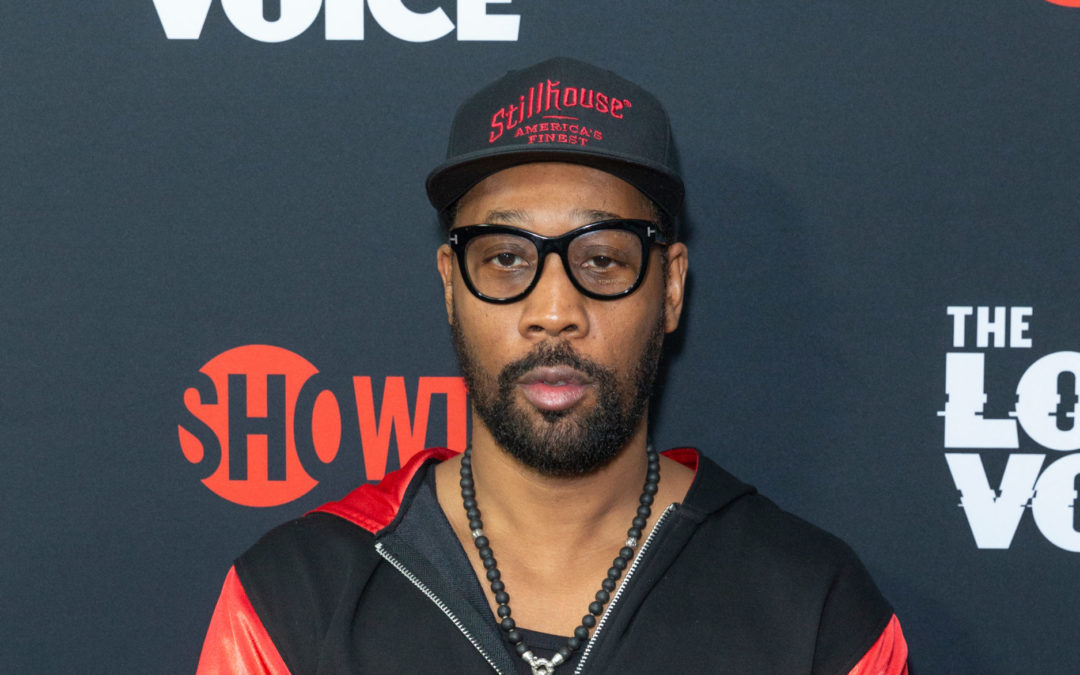
In the ever-shifting landscape of hip-hop, few figures stand as tall as RZA, the mastermind behind the legendary Wu-Tang Clan. Since the group’s inception in 1992, RZA has been at the forefront of musical innovation, pushing boundaries and redefining what it means to be an artist in the rap game. As the genre continues to evolve and new challenges emerge, RZA remains a beacon of creativity and wisdom, his words as potent and rhythmic as ever.
The hip-hop scene has undergone seismic shifts since RZA first burst onto the stage, transforming not just the music industry but the cultural fabric of New York City itself. Yet, in the face of these changes and the looming specter of artificial intelligence in music creation, RZA’s faith in the raw, unfiltered creativity of human artists remains unshaken. His journey from rap pioneer to classical composer is a testament to his versatility and unwavering commitment to artistic growth.
As we delve into the mind of this hip-hop luminary, we’ll explore his thoughts on the current state of the genre, his foray into classical music, and his perspective on the future of creativity in an increasingly digital world. RZA’s insights offer a unique glimpse into the heart of hip-hop, as seen through the eyes of one of its most influential architects.
The Evolution of a Hip-Hop Maestro
RZA’s journey from the streets of Staten Island to the pinnacle of hip-hop royalty is a story of relentless creativity and innovation. As the chief architect of Wu-Tang Clan’s sound, he played a pivotal role in shaping the course of rap music in the 1990s and beyond.
From Beats to Batons
At the age of 55, RZA has taken on a new challenge that showcases his musical versatility. Moving beyond the realm of rap production, he has embraced the role of orchestrator in the most literal sense. His latest project, “A Ballet Through Mud,” marks his debut in the world of classical music.
This ambitious album features 11 tracks that tell RZA’s life story not through rhymes, but through the rich, emotive tones of orchestral instruments. Working closely with the Colorado Symphony, RZA has crafted a sonic landscape that blends the raw energy of his hip-hop roots with the refined elegance of classical composition.
The Creative Process Behind “A Ballet Through Mud”
The creation of “A Ballet Through Mud” was no small feat. RZA describes it as one of the most time-consuming projects of his career, second only to the production of Wu-Tang Clan’s seminal album “Enter the Wu-Tang (36 Chambers).” The sheer scale of the undertaking, from composing for a 60-piece orchestra to navigating the intricacies of classical recording sessions, presented a new set of challenges for the veteran producer.
RZA’s approach to this album was driven purely by artistic vision, with no expectations for commercial success. This freedom allowed him to explore new musical territories and push his creative boundaries in ways he hadn’t since the early days of Wu-Tang.
The Intersection of Hip-Hop and Classical Music
RZA’s venture into classical music raises interesting questions about the relationship between different musical genres. By bridging the gap between hip-hop and classical composition, he demonstrates the universal language of music and the potential for cross-genre pollination.
This fusion of styles not only showcases RZA’s versatility as an artist but also challenges preconceptions about the limitations of hip-hop artists. It serves as a powerful reminder that creativity knows no bounds and that true artists can transcend the confines of any single genre.
RZA on the Current State of Hip-Hop
As a veteran of the hip-hop scene, RZA offers valuable insights into the genre’s current state and its potential future directions. His perspective is shaped by decades of experience and a deep understanding of hip-hop’s roots and evolution.
The Rise of Women in Hip-Hop
One of the most significant developments in recent years, according to RZA, is the increasing prominence of women in hip-hop. He expresses enthusiasm for this trend, noting the diverse voices and perspectives that female artists bring to the genre.
However, RZA also offers a word of caution. Drawing from the lessons of his own generation, he hopes that these rising stars will avoid some of the pitfalls that male artists fell into, particularly the tendency to prioritize style over substance. He emphasizes the importance of maintaining a balance between artistic expression and meaningful content.
The Changing Sound of New York Hip-Hop
As a New York native and a key figure in the city’s hip-hop scene, RZA has a unique perspective on how the sound of New York rap has evolved over the years. He notes that while the city may have moved away from its original, distinctive sound, this evolution is a natural part of the genre’s growth.
RZA points out that as hip-hop has become a global phenomenon, influences from different regions and styles have blended together. This cross-pollination has led to a more diverse and eclectic sound, even in New York, the birthplace of hip-hop.
The Impact of Technology on Hip-Hop Production
The advent of new technologies has dramatically changed the landscape of music production, and hip-hop is no exception. RZA reflects on how these changes have affected the creative process and the sound of contemporary hip-hop.
While acknowledging the benefits of technological advancements, RZA also emphasizes the importance of maintaining the human element in music creation. He believes that the spontaneity and unpredictability of human creativity are what give hip-hop its unique energy and appeal.
RZA’s Thoughts on AI in Music
As artificial intelligence continues to make inroads into various creative fields, including music, RZA offers his perspective on this emerging technology and its potential impact on hip-hop.
The Limits of AI Creativity
Despite the rapid advancements in AI technology, RZA remains skeptical about its ability to truly replicate human creativity. He argues that the spontaneous nature of human thought and expression is something that AI, at least in its current form, cannot fully emulate.
RZA’s view is that while AI might be able to generate content based on existing patterns and data, it lacks the ability to produce truly original, groundbreaking ideas. He believes that the unpredictable, often chaotic process of human creativity is what gives birth to revolutionary artistic expressions.
AI as a Tool, Not a Replacement
Rather than viewing AI as a threat to human artists, RZA sees it as a potential tool that can be harnessed and transformed by creative individuals. He suggests that even if AI-generated content becomes more prevalent, innovative artists will find ways to use this technology to push the boundaries of their craft.
This perspective aligns with hip-hop’s long-standing tradition of sampling and recontextualizing existing material. Just as hip-hop artists have taken snippets of old records and transformed them into something new and exciting, RZA believes that future artists might do the same with AI-generated content.
The Human Element in Music
At the core of RZA’s thoughts on AI in music is a firm belief in the irreplaceable value of human experience and emotion in artistic expression. He argues that the power of music lies not just in its technical execution, but in its ability to convey genuine human experiences and emotions.
This human element, according to RZA, is what allows music to connect with listeners on a deep, emotional level. It’s the raw, unfiltered expression of human creativity that he believes will always set human-made music apart from AI-generated content.
RZA emphasizes the importance of finding a balance between pushing the boundaries of hip-hop and preserving its core elements. He notes that while sonic innovation is thriving, with producers and artists experimenting with new sounds and styles, there’s a need to maintain the substance and messaging that has always been at the heart of hip-hop.
This balance, according to RZA, is crucial for ensuring that hip-hop remains a powerful form of expression and communication, rather than becoming solely focused on style over substance.
As we reflect on RZA’s journey from hip-hop pioneer to classical composer, it’s clear that his influence on the music world extends far beyond his work with Wu-Tang Clan. His willingness to push boundaries, explore new territories, and maintain a commitment to artistic integrity serves as an inspiration to both established and emerging artists.
by Jonathan P-Wright | Nov 1, 2024 | Latest, Music News, New Music Alert |
Image credit: Kathy Hutchins / Shutterstock.com
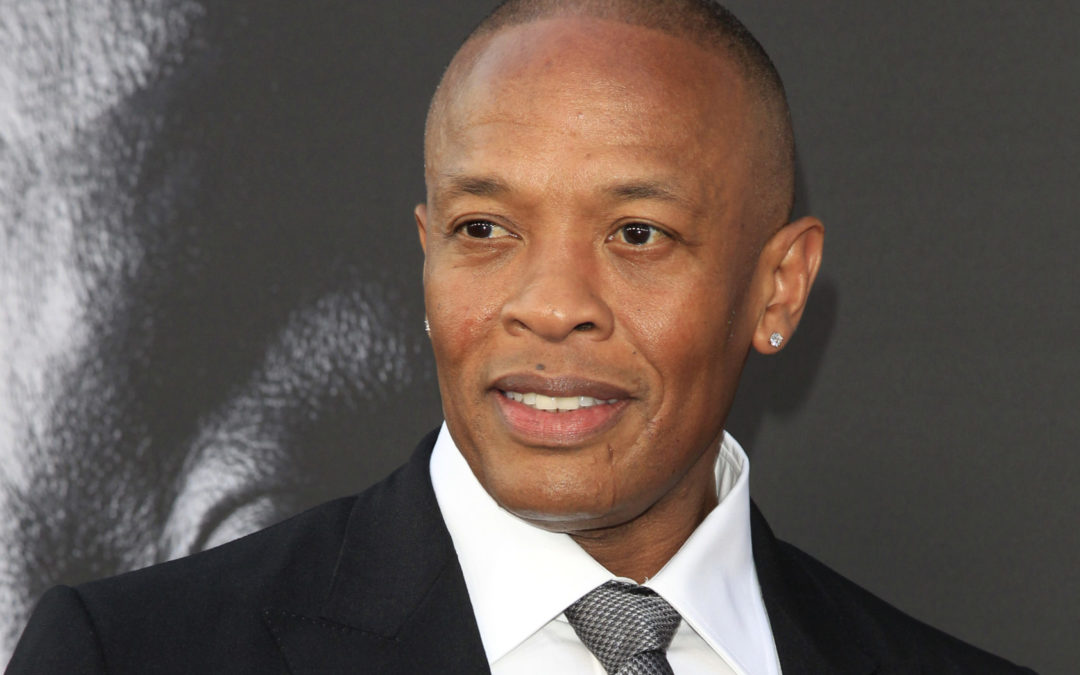
The Case for Single-Producer AlbumsIn the ever-evolving landscape of music production, a titan of the industry has spoken out, challenging the status quo and igniting a conversation that’s set to reverberate through recording studios worldwide. Dr. Dre, the legendary producer whose fingerprints are all over some of hip-hop’s most iconic tracks, has dropped a truth bomb that’s got everyone from aspiring beatmakers to seasoned veterans sitting up and taking notice. His stance? It’s time to bring back the era of the single-producer album.
Picture this: a world where albums aren’t a patchwork quilt of different sounds and styles, but a cohesive journey crafted by a single visionary. That’s the dream Dr. Dre is selling, and let’s be real, when the good doctor speaks, the music world listens. But why is this such a big deal? And what could it mean for the future of music as we know it?
Buckle up, music lovers, because we’re about to dive deep into the mind of a master producer and explore why this seemingly simple idea could be the shake-up the industry didn’t know it needed. From the creative process to the final product, we’re unpacking every angle of Dr. Dre’s game-changing philosophy. Get ready to see albums in a whole new light – this is one ride you won’t want to miss.
The Single-Producer Vision: Dr. Dre’s Game-Changing Perspective
When Dr. Dre drops knowledge, the music world sits up and takes notice. And boy, did he drop a bombshell recently. In a candid conversation that’s got everyone talking, the legendary producer laid out his vision for the future of album production – and it’s as bold as it is straightforward.
Picture this: you’re in the studio with Dr. Dre and Snoop Dogg, two icons casually rewriting the rules of the game. That’s exactly what went down on the Stephen A. Smith show, where Dre laid his cards on the table. “I like the idea of one producer on an album,” he declared, sending shockwaves through the industry. But he didn’t stop there. Dre went on to assert, “If you’re a producer, you should be able to produce the whole album.”
Now, let’s break this down. We’re not just talking about a preference here; we’re talking about a fundamental shift in how albums are created. Dre’s vision isn’t just about streamlining the process – it’s about creating a cohesive artistic statement from start to finish. It’s about giving producers the space to flex their creative muscles across an entire project, rather than just a track or two.
But here’s where it gets really interesting. Dre didn’t mince words when he expressed his dissatisfaction with the current state of affairs: “I don’t like the fact that there’s nine different producers on one album.” Boom. There it is. A direct challenge to the multi-producer model that’s become the norm in recent years.
This isn’t just talk from someone on the sidelines. This is Dr. Dre – the man behind some of the most groundbreaking albums in hip-hop history. When he speaks about production, it’s with the weight of decades of experience and countless platinum records behind him. His words carry the kind of gravitas that can shift industry paradigms.
So, what does this mean for artists, producers, and listeners? It’s a call to action, a challenge to rethink how albums are made. It’s an invitation to imagine a world where each album is a singular vision, a complete artistic statement from a single creative mind. And let’s be real – coming from Dr. Dre, it’s a challenge that’s hard to ignore.
As we dive deeper into this topic, we’ll explore the implications of Dre’s statement, the potential benefits and challenges of the single-producer model, and what it could mean for the future of music. Buckle up, folks – we’re about to go on a journey through the mind of a production genius.
The Multi-Producer Dilemma: Unpacking the Current Trend
Let’s face it – the music industry has been riding the multi-producer wave for a hot minute now. It’s become the norm to see album credits that read like a who’s who of production talent. But is more always better? Dr. Dre doesn’t think so, and he’s got us all questioning the status quo.
In today’s music scene, it’s not uncommon to find albums with a different producer for almost every track. On the surface, this might seem like a dream team approach – bringing together the best of the best to create a sonic masterpiece. But let’s peel back the layers and see what’s really going on.
First off, there’s the issue of cohesion. When you’ve got multiple producers working on an album, each bringing their own style and sound, it can sometimes feel like you’re listening to a playlist rather than a unified body of work. Sure, you might get a bunch of bangers, but do they tell a story together? Do they take you on a journey? That’s the question Dr. Dre is asking us to consider.
Then there’s the artist’s vision. In a multi-producer setup, the artist often becomes a juggler, trying to balance different production styles and make them fit their own artistic direction. It’s a tightrope walk that doesn’t always pay off. Sometimes, the result is an album that feels disjointed, lacking the kind of narrative flow that can make a good album great.
But let’s not forget the business side of things. The multi-producer model has become popular for a reason. It spreads the risk, potentially increases the album’s appeal to different audiences, and can bring in multiple fan bases. It’s a strategy that’s worked well for many artists, leading to chart-topping hits and commercial success.
However, Dr. Dre’s critique forces us to ask: at what cost? Are we sacrificing artistic integrity for commercial viability? Are we losing something essential in the pursuit of diversity?
The multi-producer trend also reflects the collaborative nature of modern music-making. In an era where features and crossovers are the norm, having multiple producers on an album can be seen as an extension of this collaborative spirit. It’s a way of bringing different flavors and perspectives into the mix.
But Dr. Dre’s stance challenges this notion. He’s suggesting that true collaboration might actually come from a deeper, more sustained relationship between an artist and a single producer. It’s about creating a shared vision, a unified sound that carries through from the first track to the last.
As we continue to unpack Dr. Dre’s perspective, we’ll explore how the single-producer model might address these issues and potentially revolutionize the way we think about album production.
When Dr. Dre speaks about the benefits of having a single producer for an entire album, he’s not just talking about creative cohesion – he’s also touching on a crucial technical aspect of music production. The consistency in sound and mix that can be achieved with this approach is a game-changer, and it’s something that shouldn’t be overlooked.
by Jonathan P-Wright | Oct 18, 2024 | Latest, Music News |
Image credit: John Arehart / Shutterstock.com
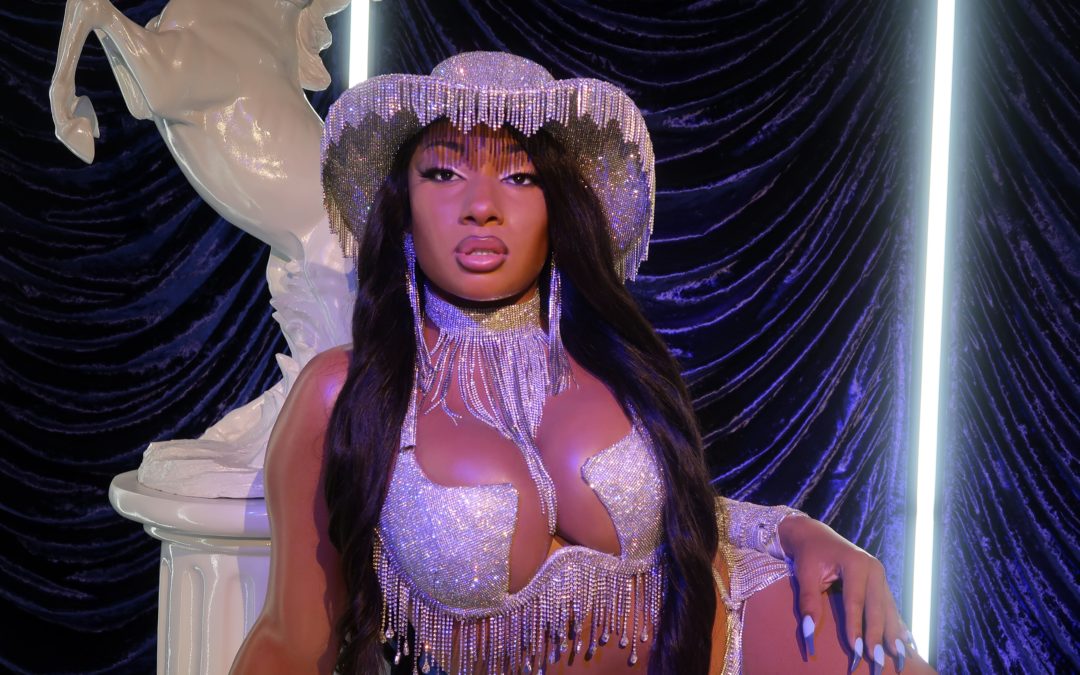
The highly anticipated documentary featuring the multi-talented artist Megan Thee Stallion is set to premiere on Halloween, offering fans an intimate glimpse into the life and journey of the Grammy-winning rapper. The upcoming film, produced by TIME Studios and Roc Nation, promises to peel back the layers of Megan’s public persona, revealing the vulnerable human beneath the confident exterior.
In a recently released trailer, viewers are given a tantalizing preview of what’s to come in this feature-length exploration of Megan’s rise to stardom. The two-minute teaser showcases moments of triumph intertwined with periods of intense struggle, painting a nuanced portrait of an artist grappling with fame, loss, and self-discovery.
As the trailer unfolds, we hear Megan’s voice, tinged with emotion, posing a profound question that seems to lie at the heart of the documentary: “How can I be Megan Thee Stallion when I’m not having fun?” This poignant inquiry sets the stage for a deep dive into the dichotomy between the public figure and the private individual.
The documentary, titled “In Her Words,” is directed by the acclaimed filmmaker Nneka Onuorah, known for her thought-provoking works such as “The Same Difference” and “The Legend of the Underground.” Onuorah’s involvement adds an extra layer of anticipation, as her reputation for crafting compelling narratives precedes her.
With Amazon MGM Studios at the helm of distribution, “In Her Words” is poised to reach a wide audience, potentially reshaping public perception of one of music’s most dynamic personalities. As we eagerly await the full release, let’s delve deeper into what this documentary promises to reveal about Megan Thee Stallion’s journey, her struggles, and the protective nature of her stage persona.
The Genesis of Megan Thee Stallion
Megan Thee Stallion’s ascent to hip-hop royalty didn’t happen overnight. The documentary trailer offers glimpses into the rapper’s early life and the influences that shaped her artistic vision. Born Megan Jovon Ruth Pete, the Houston native’s journey to stardom is rooted in a rich musical heritage.
In the trailer, Megan reflects on her upbringing, stating, “Music has always been in my life.” This simple yet powerful statement underscores the integral role that rhythm and rhyme have played in shaping her identity from a young age. The artist’s early exposure to the world of hip-hop came through an unexpected source – her mother.
Megan’s mother, Holly Thomas, emerges as a pivotal figure in the narrative. Described by Megan as “a gangster rapper,” Holly appears to have been more than just a parent; she was a role model and inspiration. “I wouldn’t be here without my mom,” Megan admits, highlighting the profound impact her mother had on her career choice and artistic development.
The creation of the Megan Thee Stallion persona seems to have been a gradual process, born out of admiration for her mother’s boldness and creativity. “When I get older, I really wanna be like her,” Megan recalls thinking, providing insight into the genesis of her alter ego. This desire to emulate her mother’s strength and artistry eventually culminated in the birth of Megan Thee Stallion – a persona that would catapult her to international fame.
As the documentary promises to explore, the evolution from Megan Pete to Megan Thee Stallion was not just a change in name, but a transformation of identity. It was during this metamorphosis that Megan found her truest form of self-expression, stating, “That was when I was my happiest.” This happiness, however, would be tested by the trials and tribulations that accompanied her rapid rise to fame.
The Protective Power of Persona
One of the most intriguing aspects teased in the trailer is the complex relationship between Megan Pete, the person, and Megan Thee Stallion, the persona. As the artist navigates the tumultuous waters of fame, it becomes apparent that her stage identity serves as more than just an artistic expression – it’s a shield.
In a particularly revealing moment, Megan articulates this duality, saying, “I think Megan Thee Stallion is trying to protect Megan Pete.” This statement offers a fascinating glimpse into the psychological dynamics at play in the life of a public figure. It suggests that the confident, outspoken Megan Thee Stallion we see on stage and in music videos is, in part, a construct designed to safeguard the more vulnerable Megan Pete from the harsh realities of celebrity life.
The documentary appears poised to explore this protective mechanism in depth, potentially shedding light on how artists create and maintain public personas as a means of self-preservation. It raises questions about the toll such a division can take on an individual’s psyche and the challenges of maintaining authenticity in the face of overwhelming public scrutiny.
Moreover, this aspect of the documentary promises to resonate with audiences beyond just fans of Megan’s music. It touches on universal themes of identity, self-protection, and the masks we all wear in various aspects of our lives. By examining the interplay between Megan Pete and Megan Thee Stallion, the film may offer insights into the broader human experience of navigating personal and public identities.
As viewers, we are invited to consider the strength required to maintain such a persona, especially in moments of personal crisis. The trailer hints at periods where the line between the two identities blurred, particularly in the face of tragedy and public backlash. These moments of vulnerability may prove to be some of the most powerful in the documentary, offering a rare, unfiltered look at the woman behind the stage name.
Navigating Loss and Transformation
The trailer for “In Her Words” doesn’t shy away from addressing one of the most profound losses in Megan’s life – the death of her mother, Holly Thomas, in 2019. This tragic event is presented as a pivotal moment in Megan’s journey, both personally and professionally.
Megan’s raw emotion is palpable as she recalls the impact of her mother’s passing. “When life started getting crazy, I didn’t have her,” she shares, her voice heavy with the weight of absence. The loss of such a significant figure – one who was not just a parent but also a source of inspiration and guidance in her musical career – clearly left an indelible mark on the artist.
The documentary appears set to explore how this loss affected Megan’s sense of self and her career trajectory. In the aftermath of her mother’s death, Megan describes feeling “in shambles,” a stark contrast to the confident persona she presents on stage. This period of grief and disorientation seems to have precipitated a crisis of identity, with Megan admitting, “I forgot who I was.”
This section of the documentary promises to be particularly poignant, offering viewers insight into how public figures cope with personal tragedy while maintaining their professional obligations. It raises questions about the expectations placed on celebrities to remain strong and composed in the face of devastating loss, and the toll such expectations can take.
Moreover, the exploration of this difficult period in Megan’s life may serve as a turning point in the narrative. It appears to mark the beginning of a transformative journey, one that forced Megan to reevaluate her identity both as an artist and as an individual. The documentary seems poised to chronicle this process of rediscovery and healing, potentially offering inspiration to viewers who have faced their own losses and struggles.
By delving into this deeply personal aspect of Megan’s life, “In Her Words” looks set to humanize the superstar, reminding audiences of the very real person behind the larger-than-life persona. It’s a bold move that could foster a deeper connection between Megan and her fans, as well as attract new admirers drawn to her resilience and authenticity.
The Price of Fame: Backlash and Breakdowns
As Megan Thee Stallion’s star continued to rise, so did the challenges that came with her newfound fame. The documentary trailer hints at a period of intense scrutiny and criticism that took a significant toll on the artist’s mental health.
In a particularly vulnerable moment, Megan alludes to experiencing “a real breakdown” amidst the backlash in her career. This admission provides a stark contrast to the confident, seemingly unshakeable image she often projects in her public appearances and performances. It serves as a poignant reminder of the human being behind the celebrity facade, one who is susceptible to the same doubts, fears, and insecurities as anyone else.
The nature of this backlash is not explicitly detailed in the trailer, leaving viewers to speculate about the specific incidents or controversies that may have contributed to Megan’s distress. However, the implication is clear – the pressure of being in the public eye, coupled with the often harsh and unforgiving nature of social media criticism, can have severe consequences on an artist’s well-being.
This section of the documentary promises to shed light on the darker side of fame, exploring the mental and emotional toll of constant public scrutiny. It raises important questions about the responsibility of fans and media in their treatment of public figures, and the need for greater empathy and understanding in our celebrity-obsessed culture.
Moreover, Megan’s willingness to discuss her breakdown openly in the documentary is a powerful statement in itself. In an industry that often prioritizes image over authenticity, her candor about her struggles could serve as a catalyst for broader conversations about mental health in the entertainment world.
The exploration of these challenges also sets the stage for a narrative of resilience and recovery. As viewers, we are likely to see how Megan navigated through this difficult period, potentially offering inspiration to others facing their own struggles with public perception and self-doubt.
Rediscovering Joy: The Quest for Authenticity
A central theme that emerges from the documentary trailer is Megan’s quest to rediscover joy and authenticity in her career. This journey is encapsulated in her poignant question: “How can I be Megan Thee Stallion when I’m not having fun?”
This query speaks volumes about the pressures of maintaining a public persona, especially one as vibrant and energetic as Megan Thee Stallion. It suggests a period where the lines between the artist’s stage presence and her true self became blurred, leading to a sense of disconnection from her own identity.
The documentary appears set to chronicle Megan’s efforts to reconnect with the passion and excitement that initially drew her to music. This process likely involves a deep exploration of her motivations, her artistic vision, and the core values that define her both as a performer and as a person.
Viewers can expect to see Megan grappling with questions of authenticity in an industry often criticized for its emphasis on image over substance. How does an artist stay true to themselves while meeting the expectations of fans, record labels, and the media? How can one balance the demands of a high-profile career with the need for personal fulfillment and genuine self-expression?
This section of the documentary may also delve into Megan’s creative process, showing how she channels her experiences – both positive and negative – into her music. It could offer fans a behind-the-scenes look at the making of some of her biggest hits, revealing the emotional and intellectual labor that goes into crafting lyrics and performances that resonate with millions.
Moreover, Megan’s journey to rediscover joy in her work could serve as an inspiring narrative for viewers facing their own challenges in maintaining passion and authenticity in their careers. By sharing her struggles and triumphs, Megan may offer valuable insights on the importance of staying connected to one’s true self, even in the face of external pressures and expectations.
The Role of Resilience in Megan’s Journey
Throughout the trailer, a recurring theme emerges – Megan Thee Stallion’s incredible resilience in the face of adversity. From personal loss to public scrutiny, the artist has faced numerous challenges that could have derailed her career. Yet, she has consistently found ways to persevere and grow stronger.
The documentary appears poised to explore the sources of Megan’s resilience, potentially delving into her upbringing, support systems, and personal philosophies that have helped her navigate difficult times. This exploration could offer valuable insights into the mindset required to succeed in the often turbulent world of entertainment.
One aspect of Megan’s resilience that may be highlighted is her ability to channel her struggles into her art. Many of her songs touch on themes of empowerment, self-confidence, and overcoming obstacles – elements that seem to be directly informed by her own experiences. The documentary might showcase how this process of transforming pain into art has been both a coping mechanism and a source of strength for Megan.
Additionally, the film may examine how Megan’s experiences have shaped her advocacy work. Known for her outspoken support of various causes, including women’s rights and social justice issues, Megan has used her platform to effect positive change. This aspect of her career could be presented as another manifestation of her resilience – a way of creating meaning and purpose from her challenges.
The documentary’s exploration of Megan’s resilience is likely to resonate with viewers facing their own obstacles. By sharing her story of perseverance, Megan may inspire others to find strength in adversity and to pursue their dreams despite setbacks.
by Jonathan P-Wright | Oct 18, 2024 | Latest, Music News, New Music Alert |
Image credit: Kathy Hutchins / Shutterstock.com
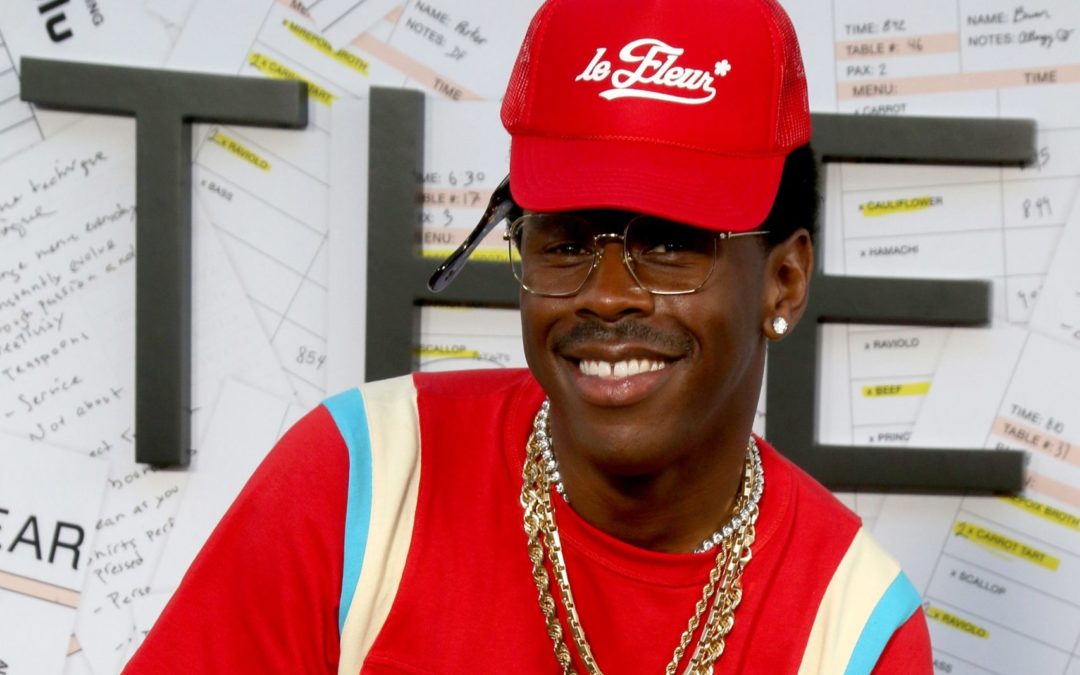
Brace yourselves for a sonic tsunami because Tyler, the Creator is about to unleash his creative fury once again. The maestro of musical mayhem has just dropped a bombshell that’s sent shockwaves through the industry. Strap in as we dive deep into the kaleidoscopic world of Tyler’s upcoming album, ‘Chromakopia‘, and the mind-bending visuals of “St. Chroma”. This ain’t your average album announcement, folks. It’s a full-blown artistic revolution, and we’re here for every colorful second of it.
In true Tyler fashion, this announcement came out of left field, leaving fans and critics alike scrambling to piece together the puzzle. But fear not, dear reader, for we’ve got the inside scoop on all things ‘Chromakopia’. From release dates to visual teasers, we’re breaking down every juicy detail of this highly anticipated drop. So, buckle up, buttercup – we’re in for one hell of a ride through the technicolor dreamscape of Tyler’s imagination.
The Big Reveal: ‘Chromakopia’ Unveiled
Hold onto your hats, folks, because Tyler, the Creator has just pulled back the curtain on his latest masterpiece. The hip-hop virtuoso took to social media to confirm what fans have been speculating for weeks – a new album is indeed on the horizon. But Tyler being Tyler, he didn’t just announce it; he unleashed a visual and auditory assault that’s left us all reeling.
A Title to Remember
Let’s talk about that title for a second – ‘Chromakopia’. It’s a word that rolls off the tongue like a psychedelic lollipop, doesn’t it? While the meaning remains shrouded in mystery, one thing’s for sure: it’s quintessentially Tyler. The artist has always had a knack for crafting album titles that are as intriguing as they are unforgettable. From ‘Goblin’ to ‘Flower Boy’, each title has been a portal into Tyler’s ever-evolving artistic vision. ‘Chromakopia’ seems to be no exception, hinting at a vibrant, possibly color-centric theme that’s got us all kinds of excited.
The Countdown Begins
Mark your calendars, set your alarms, and maybe consider taking the day off work because ‘Chromakopia’ is set to drop on October 28th. But here’s where things get interesting – October 28th falls on a Monday. In an industry where Friday releases are the norm, Tyler’s decision to buck the trend is a bold move that’s got everyone talking. Is it a strategic play to dominate the news cycle? A middle finger to industry conventions? Or simply Tyler being Tyler? Whatever the reason, it’s clear that ‘Chromakopia’ is set to make waves before a single track is even released.
Cover Art Conundrum
Along with the title and release date, Tyler has blessed us with what appears to be the album’s cover art. Now, we could spend hours dissecting every pixel, but let’s just say it’s a visual feast that perfectly encapsulates the ‘Chromakopia’ vibe. It’s bold, it’s vibrant, and it’s unmistakably Tyler. The cover art alone is enough to get the hype train rolling at full steam.
“St. Chroma”: A Visual Odyssey
If the album announcement wasn’t enough to send your senses into overdrive, Tyler decided to up the ante by dropping the “St. Chroma” video. Buckle up, buttercup, because we’re about to take a deep dive into this visual masterpiece.
A Feast for the Eyes
From the moment the video begins, it’s clear we’re not in Kansas anymore. “St. Chroma” is a kaleidoscopic journey through Tyler’s imagination, filled with vivid colors, surreal imagery, and enough visual metaphors to keep film students busy for semesters. It’s like someone took a Wes Anderson film, dipped it in a vat of neon paint, and sprinkled it with Tyler’s unique brand of weirdness.
The Sound of ‘Chromakopia’
While the visuals are undoubtedly stunning, let’s not forget about the audio. The snippet of music we hear in “St. Chroma” gives us our first taste of what ‘Chromakopia’ might sound like. And let me tell you, it’s got us salivating for more. The beats are crisp, the production is lush, and Tyler’s flow is as smooth as ever. If this is just a sample of what’s to come, then ‘Chromakopia’ is shaping up to be one hell of an auditory experience.
Easter Eggs Galore
True to form, Tyler has packed “St. Chroma” with more Easter eggs than a bunny’s basket. From subtle nods to his previous work to cryptic hints about the album’s themes, there’s enough hidden content here to keep fans busy until the album drops. It’s like a treasure hunt for the eyes and ears, and we’re all invited to play.
The Evolution of Tyler
To truly appreciate the significance of ‘Chromakopia’, we need to take a step back and look at Tyler’s artistic journey. This isn’t just another album; it’s the next chapter in the story of one of hip-hop’s most innovative voices.
From Odd Future to Odd Genius
Remember when Tyler first burst onto the scene with Odd Future? Those were the days of shock value lyrics and deliberately provocative content. But as the years have passed, we’ve seen Tyler evolve into a true musical auteur. Each album has been a step forward, both sonically and lyrically. From the raw aggression of ‘Goblin’ to the introspective beauty of ‘Flower Boy’, Tyler has consistently pushed the boundaries of what hip-hop can be.
The ‘Call Me If You Get Lost’ Legacy
Speaking of evolution, let’s talk about Tyler’s last album, ‘Call Me If You Get Lost’. Not only did it win the Grammy for Best Rap Album, but it also showcased Tyler at the height of his powers. The album was a perfect blend of hard-hitting beats, introspective lyrics, and the kind of genre-bending experimentation that Tyler has become known for. It set a new bar for what we can expect from a Tyler, the Creator album.
Expectations for ‘Chromakopia’
So, where does ‘Chromakopia’ fit into this evolutionary timeline? If the “St. Chroma” video is anything to go by, we’re in for something truly special. The vibrant visuals and tantalizing audio snippets suggest that Tyler is ready to take his artistry to new heights. Will ‘Chromakopia’ be his most ambitious project yet? Only time will tell, but one thing’s for sure – we’re here for it.
The Hype Machine in Overdrive
Let’s face it, folks – the internet is losing its collective mind over ‘Chromakopia’. From Twitter to TikTok, the hype machine is in full swing, and it’s a beautiful thing to behold.
Social Media Meltdown
Within minutes of Tyler dropping the “St. Chroma” video, social media exploded. Fans were dissecting every frame, speculating about potential collaborations, and generally freaking out in the best possible way. The hashtag #Chromakopia started trending faster than you can say “Golf Wang”, with fans sharing their excitement, theories, and some truly impressive fan art.
Celebrity Co-Signs
It’s not just the fans who are hyped. Tyler’s peers in the music industry are showing their support too. From Lil Yachty’s enthusiastic “It’s dat time” comment on Instagram to shout-outs from other big names in hip-hop, it’s clear that ‘Chromakopia’ has the industry buzzing. When your album announcement gets the seal of approval from both fans and fellow artists, you know you’re onto something special.
The Countdown Begins
With the release date set, fans have already started their countdowns. Playlist curators are prepping their “Road to Chromakopia” lists, reaction YouTubers are warming up their cameras, and music critics are sharpening their pens. The anticipation is palpable, and it’s only going to intensify as we get closer to October 28th.
Tyler’s Visual Mastery
One aspect of Tyler’s artistry that often gets overlooked is his incredible visual sense. The man isn’t just a musical genius; he’s a visual storyteller of the highest order.
The Tyler Aesthetic
From music videos to album artwork, Tyler has cultivated a distinct visual style that’s instantly recognizable. It’s a blend of retro aesthetics, bold color palettes, and surrealist imagery that perfectly complements his music. The “St. Chroma” video is a prime example of this, showcasing Tyler’s ability to create visuals that are both striking and meaningful.
Beyond Music Videos
Tyler’s visual prowess extends beyond just music videos. His fashion line, Golf Wang, is a testament to his eye for design. The way he curates his social media presence, the visuals for his music festivals – everything Tyler touches has a cohesive aesthetic that’s uniquely his own. It’s this attention to visual detail that elevates Tyler from musician to full-fledged artistic visionary.
The Potential for More
With each project, Tyler seems to push his visual storytelling further. Could ‘Chromakopia’ be the project where he fully realizes his visual potential? There are already whispers about a possible visual album or even a feature-length film to accompany the music. Whatever form it takes, we’re certain that the visuals for ‘Chromakopia’ will be nothing short of spectacular.
The Industry Disruptor
Tyler has never been one to play by the rules, and the announcement of ‘Chromakopia’ is no exception. Let’s take a moment to appreciate how Tyler continues to disrupt the music industry in the best possible ways.
Monday Madness
The decision to release ‘Chromakopia’ on a Monday is a perfect example of Tyler’s disruptive nature. In an industry where Friday releases are the norm, Tyler is zigging while everyone else zags. It’s a move that ensures maximum attention for the album and challenges the very notion of how music should be released.
Direct-to-Fan Approach
Tyler’s approach to announcing ‘Chromakopia’ is also worth noting. Instead of going through traditional media channels, he chose to reveal the album directly to his fans via social media. This direct-to-fan approach cuts out the middleman and allows Tyler to control the narrative around his art. It’s a strategy that more and more artists are adopting, and Tyler is at the forefront of this trend.
Genre-Defying Sound
While we’ve only heard a snippet of ‘Chromakopia’ so far, it’s clear that Tyler is continuing to push the boundaries of genre. His ability to blend elements of hip-hop, jazz, R&B, and even classical music creates a sound that’s impossible to pigeonhole. In doing so, Tyler challenges our very notions of what hip-hop can be.
As fans, critics, and fellow artists alike hold their breath in anticipation, one thing is certain: October 28th can’t come soon enough. ‘Chromakopia’ is poised to be more than just an album – it’s set to be a cultural moment, a sonic revolution, and a vibrant new chapter in the ever-evolving story of Tyler, the Creator.

RECENT COMMENTS