by Jonathan P-Wright | Nov 22, 2024 | Latest, Music News, New Music Alert |
Image credit: Brian Friedman / Shutterstock.com
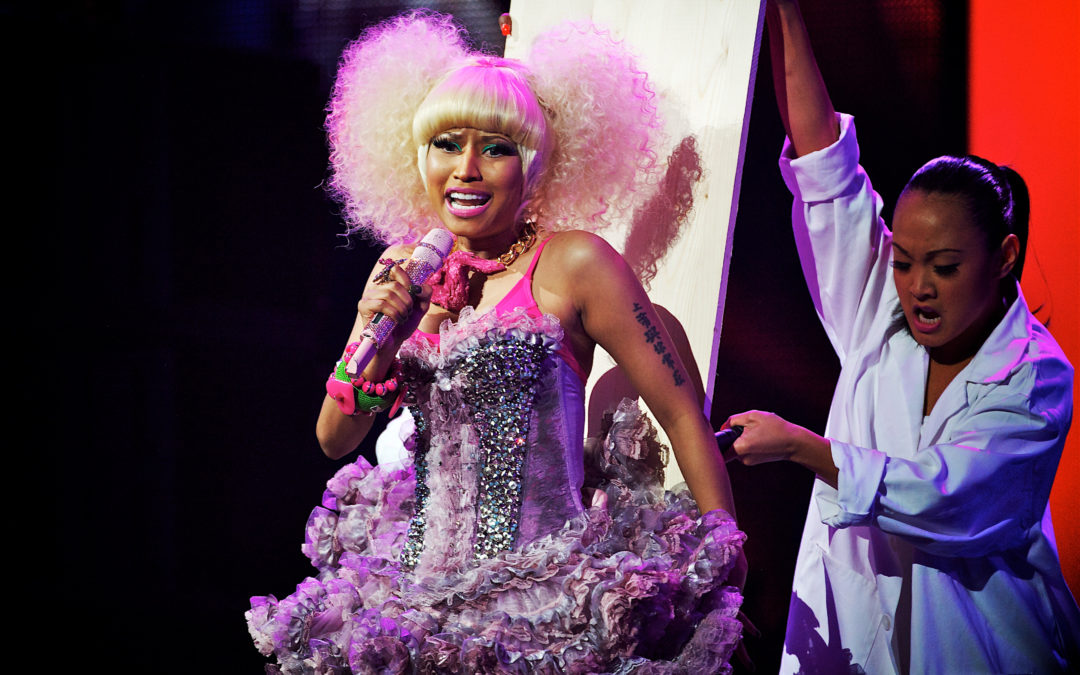
The queen of rap has done it again, sending shockwaves through the music industry with her latest announcement. Nicki Minaj, the undisputed monarch of hip-hop, has set the internet ablaze with news that’s got her loyal Barbz buzzing with excitement and confusion in equal measure. As the first anniversary of her chart-topping album “Pink Friday 2” approaches, Minaj has unveiled plans for a deluxe edition that’s anything but ordinary. Dubbed “Pink Friday 2 – The Hiatus,” this unexpected release is stirring up a whirlwind of emotions and speculation among fans and critics alike.
In true Nicki fashion, the announcement came out of nowhere, catching everyone off guard and sparking a frenzy of theories about what this enigmatic title could mean for the future of one of music’s most influential artists. Is this a hint at an impending break from the spotlight? Or is it just another masterful move in the chess game of her career? As we dive into the details of this surprising revelation, one thing’s for certain: Nicki Minaj continues to keep us all on our toes, proving why she’s the reigning queen of not just rap, but of keeping the music world guessing.
The Surprise Announcement
When it comes to dropping bombshells, Nicki Minaj is in a league of her own. The rap sensation has once again proven her ability to captivate the masses with a single tweet that sent ripples through the music industry. On a seemingly ordinary Friday, November 8th, Minaj unleashed a digital storm that would leave her fans reeling for days to come.
With the precision of a seasoned social media maestro, Minaj took to Twitter to share the news that would soon be on everyone’s lips. “Pink Friday 2 – The Hiatus,” she declared, accompanied by a pair of gifs that perfectly encapsulated the mix of excitement and mystery surrounding the announcement. But it wasn’t just the title that caught attention; it was the additional information that really set tongues wagging.
“The final deluxe installment,” Minaj added, instantly sparking debates about what this could mean for her discography. Was this the end of an era? The beginning of a new chapter? Fans were left to speculate as they digested the news that this special edition would coincide with the one-year anniversary of “Pink Friday 2,” the album that had already made waves in the rap scene.
But Nicki wasn’t done yet. In true superstar fashion, she dropped one more piece of information that sent her followers into a frenzy: the release date. Mark your calendars for Friday, December 13th, she told the world, adding an extra layer of anticipation to an already electrifying announcement.
The timing of this revelation was nothing short of masterful. Coming just as fans were settling into the rhythm of “Pink Friday 2,” Minaj managed to reignite the flame of excitement that had burned so brightly upon the album’s initial release. It was a reminder of her unparalleled ability to keep the spotlight firmly fixed on her, even in an industry known for its short attention span.
As news of the announcement spread like wildfire across social media platforms, it became clear that Nicki Minaj had once again demonstrated why she’s considered one of the most savvy artists in the game. With just a few carefully chosen words and images, she had set the stage for what promised to be one of the most talked-about releases of the year.
Decoding “The Hiatus”
The phrase “The Hiatus” attached to Nicki Minaj’s upcoming deluxe edition has sparked a wildfire of speculation among fans and music industry insiders alike. This enigmatic title has become the subject of intense debate, with theories ranging from the practical to the fantastical. Let’s dive into the potential meanings behind this cryptic addition to the “Pink Friday 2” saga.
One prevailing theory suggests that “The Hiatus” could be signaling a temporary step back from the music scene for the rap queen. Fans are pondering whether this might be Nicki’s way of announcing a break to focus on personal endeavors or to recharge her creative batteries. It’s not uncommon for artists of her caliber to take time off between major projects, and this could be her unique way of preparing her audience for such a move.
Alternatively, some speculate that “The Hiatus” might be a clever marketing ploy, designed to create buzz and keep fans on their toes. In the fast-paced world of music, where attention spans are short and competition is fierce, this could be Minaj’s strategy to maintain her position at the forefront of the industry. By introducing an element of mystery, she ensures that all eyes remain fixed on her next move.
There’s also the possibility that “The Hiatus” refers to the content of the deluxe edition itself. Could it be a collection of tracks that Nicki created during a period of reflection or a break from her usual style? This interpretation suggests that fans might be in for a treat with songs that showcase a different side of the artist they thought they knew.
Some of Nicki’s more imaginative followers have even proposed that “The Hiatus” could be setting the stage for a dramatic reinvention. In this scenario, the deluxe edition would serve as a farewell to her current persona, paving the way for a new chapter in her artistic journey. This theory gains traction when considering Minaj’s history of pushing boundaries and reinventing herself throughout her career.
Whatever the true meaning behind “The Hiatus,” one thing is certain: Nicki Minaj has once again demonstrated her unparalleled ability to keep the public guessing. By attaching such an intriguing subtitle to her deluxe edition, she’s ensured that the conversation around her music will continue long after the initial excitement of the announcement has faded.
As fans and critics alike continue to dissect every possible interpretation of “The Hiatus,” it’s clear that Nicki Minaj’s marketing genius is at work. Whether it’s a genuine hint at future plans or simply a clever way to stir up interest, the rapper has succeeded in creating a buzz that few artists can match. The true meaning of “The Hiatus” may only be revealed with time, but until then, the speculation itself serves as a testament to Minaj’s enduring influence in the world of music.
Fan Reactions and Theories
The announcement of “Pink Friday 2 – The Hiatus” has sent Nicki Minaj’s fanbase into a frenzy, with reactions ranging from unbridled excitement to bewildered confusion. Social media platforms have been ablaze with discussions, theories, and emotional outpourings from the Barbz, as Minaj’s devoted followers are known. Let’s take a closer look at how fans are processing this unexpected news.
Many fans have expressed sheer joy at the prospect of new music from their favorite artist. Twitter and Instagram have been flooded with celebratory posts, with fans sharing their anticipation for what they believe will be another groundbreaking addition to Minaj’s discography. Comments like “Queen Nicki never disappoints!” and “The Barbz are eating good this year!” have been trending, showcasing the unwavering support of her loyal fanbase.
However, the cryptic nature of the announcement has also led to a fair share of confusion. Some fans are struggling to understand what “The Hiatus” could mean for Nicki’s career trajectory. Questions like “Is she taking a break?” and “What does this mean for future tours?” are circulating widely, reflecting the uncertainty that the title has introduced.
Theories about the content of the deluxe edition are running wild. Some fans speculate that it might include collaborations with other major artists that were previously unreleased. Others believe it could feature remixes of fan-favorite tracks from the original “Pink Friday 2” album. There’s even a subset of fans who are convinced that “The Hiatus” is a concept album, telling a story of Nicki’s own experiences with taking breaks from the spotlight.
The timing of the release has also sparked discussion. With the deluxe edition set to drop on December 13th, exactly one year after the original album, fans are debating whether this is part of a larger plan. Some theorize that Nicki might be planning annual releases, creating a “Pink Friday” tradition that could span years to come.
Interestingly, a portion of the fanbase is connecting “The Hiatus” to Nicki’s previous statements about her career. They’re referencing interviews where she’s discussed the pressures of fame and the importance of self-care, suggesting that this release might be her way of addressing these themes through her music.
The announcement has also reignited debates about Nicki’s place in the rap game. Supporters are using this as evidence of her continued relevance and innovation, while critics question the need for another deluxe edition so soon after the original release. This divide has led to heated discussions on music forums and social media platforms, further fueling the buzz around the upcoming release.
Perhaps most notably, the announcement has sparked a wave of creativity among fans. Fan art depicting potential album covers for “The Hiatus” has flooded social media, along with fan-made tracklists and even mock music videos. This outpouring of creativity demonstrates the deep connection Nicki’s music fosters with her audience and their eagerness to engage with her work on multiple levels.
As the release date approaches, it’s clear that the fan reactions to “Pink Friday 2 – The Hiatus” are as diverse and dynamic as Nicki Minaj’s music itself. From excitement to confusion, from wild theories to creative expressions, the announcement has succeeded in keeping the rapper at the center of the cultural conversation. Whether “The Hiatus” turns out to be a game-changing release or simply a clever marketing strategy, it has already achieved its goal of captivating the audience and building anticipation for what’s to come.
The Evolution of “Pink Friday”
The “Pink Friday” saga is a testament to Nicki Minaj’s artistic growth and her ability to reinvent herself while staying true to her roots. This journey, which began over a decade ago, has become a cornerstone of modern hip-hop, influencing both the genre and pop culture at large. Let’s trace the evolution of this iconic series and how it has shaped Minaj’s career.
The original “Pink Friday,” released in 2010, was Nicki’s debut studio album and marked her transition from mixtape phenomenon to mainstream superstar. This album introduced the world to Minaj’s unique blend of fierce rap skills and pop sensibilities. Tracks like “Super Bass” and “Moment 4 Life” showcased her versatility and cemented her status as a force to be reckoned with in the music industry. The album’s success set a new standard for female rappers and paved the way for a new era in hip-hop.
Following the massive success of her debut, Nicki continued to evolve her sound and image. While not directly part of the “Pink Friday” series, albums like “Pink Friday: Roman Reloaded” and “The Pinkprint” saw Minaj experimenting with different styles and personas. These releases demonstrated her willingness to take risks and push boundaries, traits that have become hallmarks of her career.
Fast forward to 2023, and the release of “Pink Friday 2” marked a triumphant return to the series that launched her into stardom. This album was seen as both a continuation and a reinvention of the “Pink Friday” concept. It paid homage to her roots while showcasing her growth as an artist and a person. The album’s critical and commercial success proved that Nicki had not lost her touch, and if anything, had become even more adept at crafting hits and thought-provoking lyrics.
Now, with the announcement of “Pink Friday 2 – The Hiatus,” we’re witnessing yet another evolution in the “Pink Friday” narrative. This deluxe edition promises to add new layers to an already rich tapestry of music. It represents not just an extension of the album, but potentially a bridge to the next phase of Minaj’s career.
The “Pink Friday” series has become more than just a collection of albums; it’s a reflection of Nicki Minaj’s journey as an artist and a woman. Each installment has captured a different moment in her life and career, from the hungry up-and-comer of the original to the established icon of the sequel. “The Hiatus” now stands poised to add another chapter to this ongoing story.
Throughout this evolution, certain themes have remained constant. Nicki’s unapologetic approach to her art, her clever wordplay, and her ability to balance vulnerability with braggadocio have been present in every iteration of “Pink Friday.” These elements have helped maintain a sense of continuity even as the sound and style have evolved.
The impact of the “Pink Friday” series extends beyond Nicki’s own discography. It has influenced a generation of female rappers who have followed in her footsteps, emboldened by her success to carve out their own spaces in a male-dominated industry. The series has also played a significant role in bridging the gap between hip-hop and pop, helping to bring rap further into the mainstream.
As we anticipate the release of “Pink Friday 2 – The Hiatus,” it’s clear that this series continues to be a defining aspect of Nicki Minaj’s legacy. Each new installment not only adds to her impressive body of work but also serves as a cultural touchstone, marking the evolution of both the artist and the music industry as a whole. Whatever “The Hiatus” brings, it’s sure to be another significant milestone in the ongoing “Pink Friday” saga.
Speculation on New Tracks
As the release date for “Pink Friday 2 – The Hiatus” draws near, speculation about the new tracks that might be included is reaching fever pitch. Fans and music critics alike are scouring the internet for clues, analyzing Nicki Minaj’s recent social media posts, and even interpreting her public appearances for hints about what the deluxe edition might contain. Let’s dive into some of the most intriguing theories and expectations surrounding the potential new material.
One of the most prevalent rumors circulating is the possibility of high-profile collaborations. Given Nicki’s history of working with some of the biggest names in the industry, fans are eagerly anticipating potential duets or features. Names being thrown around include Drake, Lil Wayne, and even pop icons like Ariana Grande or Beyoncé. The inclusion of such collaborations would certainly add significant star power to the deluxe edition.
Another theory gaining traction is the idea that “The Hiatus” might include tracks that explore a more introspective side of Nicki. Some fans believe that the title hints at a collection of songs written during a period of reflection or time away from the spotlight. This could potentially lead to more personal, emotionally-charged lyrics that give listeners a deeper insight into Minaj’s thoughts and experiences.
There’s also speculation about the musical direction of the new tracks. While “Pink Friday 2” was praised for its blend of hard-hitting rap and catchy pop elements, some are wondering if “The Hiatus” might see Nicki experimenting with new genres or sounds. Could we see her venturing into R&B territory, or perhaps even exploring rock or electronic influences? The possibility of Nicki pushing her musical boundaries is an exciting prospect for many fans.
Some eagle-eyed followers have noted snippets of unreleased music in Nicki’s recent social media posts and live streams. These brief teasers have led to intense discussion and analysis, with fans trying to piece together what these fragments might reveal about the full tracks. While it’s impossible to know for sure if these snippets are indeed from “The Hiatus,” they’ve certainly added fuel to the speculative fire.
by Jonathan P-Wright | Nov 22, 2024 | Latest, Music News, New Music Alert |
Image credit: Featureflash Photo Agency / Shutterstock.com
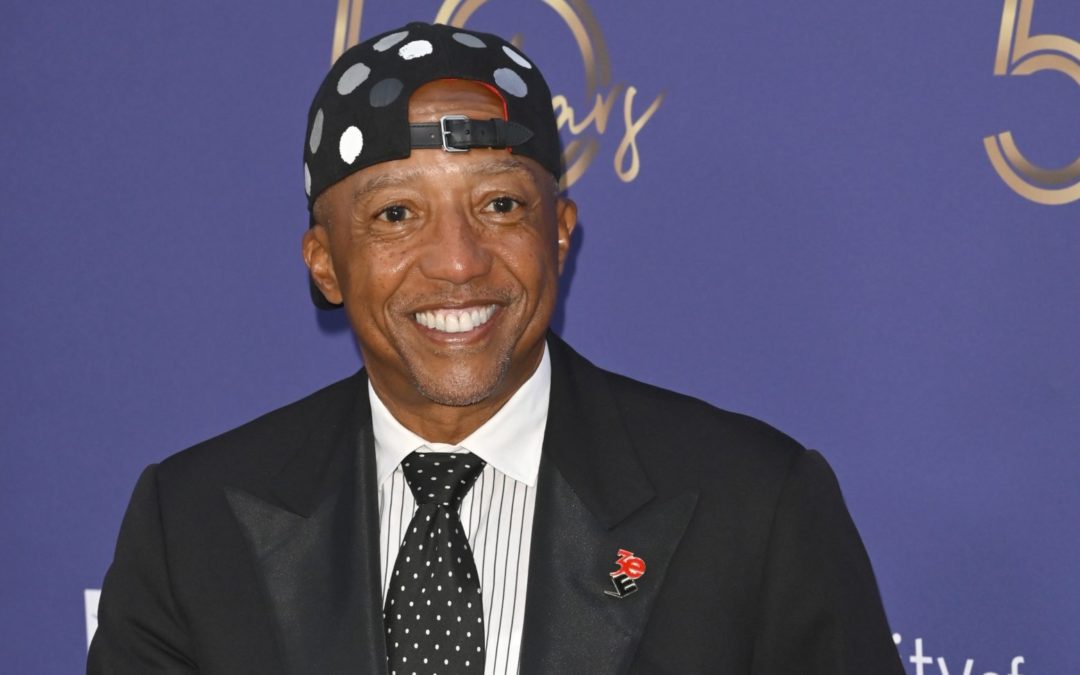
In the ever-evolving landscape of the music industry, change is the only constant. This rings especially true for Kevin Liles, the renowned music mogul who recently made waves by stepping down from his role as Chairman and CEO of 300 Entertainment. This decision, far from being a retreat, marks a bold step forward for a man whose career has been defined by innovation, leadership, and an unwavering commitment to fostering talent.
Liles’ departure from 300 Entertainment isn’t just another corporate reshuffle; it’s a statement about growth, vision, and the pursuit of new horizons. In a candid interview with Hot 97’s TT Torez, Liles shed light on the motivations behind his decision, offering insights into his philosophy of leadership and his plans for the future.
As we delve into the story of Kevin Liles and his journey with 300 Entertainment, we’ll explore the impact of his leadership, the legacy he leaves behind, and the exciting possibilities that lie ahead for this visionary entrepreneur. From the birth of 300 Entertainment to its growth into a musical powerhouse, and finally to Liles’ decision to step away, this is a tale of ambition, success, and the courage to embrace change in the pursuit of greater goals.
The Rise of Kevin Liles: A Musical Journey
Kevin Liles’ story is one of relentless ambition and musical passion. From his early days as a DJ and songwriter, Liles has always been at the forefront of the music industry, constantly pushing boundaries and redefining what’s possible.
From Beats to Boardrooms
Liles’ journey in the music industry began on the dance floors and in the recording studios. As a young DJ, he honed his ear for what makes a track resonate with audiences. This hands-on experience would prove invaluable as he climbed the ranks of the industry, eventually transitioning from creating music to shaping the careers of artists.
His trajectory from artist to executive wasn’t just a career change; it was a natural evolution for someone with Liles’ unique blend of creative insight and business acumen. This dual perspective allowed him to bridge the gap between artistic vision and commercial success, a skill that would define his approach to leadership throughout his career.
Building a Legacy at Def Jam
Before his tenure at 300 Entertainment, Liles made his mark at Def Jam Recordings. Rising through the ranks, he eventually became president of the label, overseeing a period of unprecedented growth and success. Under his leadership, Def Jam solidified its position as a cultural powerhouse, nurturing artists who would go on to define generations of hip-hop and R&B.
Liles’ time at Def Jam wasn’t just about hit records and chart-topping artists. It was about cultivating a culture of creativity and innovation, one that empowered artists to push the boundaries of their craft while also achieving commercial success. This philosophy of balancing artistic integrity with business savvy would become a hallmark of Liles’ approach to the music industry.
Entrepreneurial Spirit: Ventures Beyond Music
Kevin Liles’ influence extends far beyond the recording studio. His entrepreneurial spirit has led him to explore various business ventures, from technology startups to lifestyle brands. Each of these endeavors reflects Liles’ knack for identifying trends and opportunities, as well as his commitment to creating platforms that empower creators and innovators.
These diverse experiences have contributed to Liles’ holistic understanding of the entertainment industry and beyond. They’ve shaped him into a leader who can navigate the complexities of the modern business landscape while never losing sight of the creative spark that drives the music industry forward.
The Birth of 300 Entertainment: A New Era in Music
The founding of 300 Entertainment in 2014 marked a pivotal moment in the music industry. Co-founded by Kevin Liles alongside industry veterans Lyor Cohen, Roger Gold, and Todd Moscowitz, 300 Entertainment was conceived as a different kind of record label – one that would combine the agility and artist-focused approach of an independent with the resources and reach of a major label.
A Vision for the Future of Music
From its inception, 300 Entertainment was built on a foundation of innovation and artist empowerment. The label’s name, inspired by the legendary Spartan warriors, reflected its founders’ commitment to building a lean, efficient, and fiercely competitive organization.
Liles and his co-founders envisioned a label that could adapt quickly to the rapidly changing music landscape. They recognized that the traditional model of artist development and promotion was evolving, and they wanted to create a company that could thrive in this new environment.
Disrupting the Industry Status Quo
300 Entertainment’s approach was revolutionary in many ways. The label embraced digital platforms and social media as primary channels for artist promotion and fan engagement, recognizing early on the power of these tools to connect artists directly with their audiences.
Moreover, the label’s structure allowed for more flexibility in deal-making and artist partnerships. This adaptability proved crucial in attracting and retaining a diverse roster of talent, from established stars to up-and-coming artists looking for a more hands-on, collaborative relationship with their label.
Early Successes and Growing Pains
The early years of 300 Entertainment were marked by both triumphs and challenges. The label quickly made a name for itself by signing and developing artists who would go on to become some of the biggest names in hip-hop and R&B. However, like any new venture, it also faced its share of obstacles as it worked to establish its place in the competitive music industry landscape.
Through it all, Kevin Liles’ leadership was instrumental in guiding the company through these formative years. His experience, industry connections, and unwavering belief in the label’s vision helped 300 Entertainment weather the storms and emerge as a formidable force in the music world.
Kevin Liles at the Helm: Steering 300 Entertainment to Success
As Chairman and CEO of 300 Entertainment, Kevin Liles brought his wealth of experience and unique vision to bear on the company’s operations. His leadership style, characterized by a blend of strategic thinking and creative intuition, played a crucial role in shaping the label’s identity and success.
Cultivating a Unique Company Culture
One of Liles’ primary focuses was on fostering a company culture that reflected the label’s innovative spirit. He encouraged a work environment that valued creativity, risk-taking, and collaboration. This approach not only attracted top talent to the company but also created an atmosphere where new ideas could flourish.
Liles was known for his hands-on approach, often working directly with artists and staff to ensure that the label’s vision was being realized at every level. This personal touch helped to create a sense of family within the organization, fostering loyalty and dedication among both employees and artists.
Navigating the Digital Revolution
Under Liles’ guidance, 300 Entertainment embraced the digital revolution in the music industry. The label was at the forefront of leveraging streaming platforms, social media, and other digital tools to promote its artists and connect with fans. This forward-thinking approach allowed 300 to punch above its weight, competing effectively with much larger, more established labels.
Liles’ understanding of both the creative and technical aspects of the industry proved invaluable in this regard. He was able to bridge the gap between the artistic vision of 300’s roster and the technological innovations reshaping the music landscape.
Building a Roster of Game-Changing Artists
Perhaps the most visible testament to Liles’ leadership at 300 Entertainment was the label’s impressive roster of artists. Under his tenure, the company signed and developed acts that would go on to redefine genres and dominate charts. From established stars to emerging talents, 300’s artist lineup reflected Liles’ keen ear for talent and his ability to spot the next big thing in music.
The success of these artists not only brought commercial success to the label but also solidified its reputation as a tastemaker in the industry. 300 Entertainment became known as a place where artists could grow, experiment, and achieve their full potential.
The 300 Entertainment Legacy: A Decade of Musical Innovation
As 300 Entertainment approached its tenth anniversary, the label had firmly established itself as a major player in the music industry. The company’s impact extended far beyond its commercial success, influencing the way labels operate and interact with artists in the modern music landscape.
Redefining the Artist-Label Relationship
One of the most significant aspects of 300 Entertainment’s legacy is its approach to artist relationships. The label pioneered a more collaborative, partnership-based model that gave artists greater control over their careers and creative output. This approach not only attracted top talent but also fostered a sense of loyalty and mutual respect between the label and its roster.
Cultural Impact and Industry Influence
Under Kevin Liles’ leadership, 300 Entertainment became more than just a record label; it became a cultural force. The company’s artists were at the forefront of shaping trends in music, fashion, and popular culture. This influence extended to the business side of the industry as well, with 300’s innovative approaches to marketing, distribution, and artist development serving as a model for other labels to follow.
Adapting to Industry Changes
Throughout its first decade, 300 Entertainment demonstrated a remarkable ability to adapt to the rapidly changing music industry. From the rise of streaming to the increasing importance of social media in artist promotion, the label consistently stayed ahead of the curve. This adaptability, driven by Liles’ forward-thinking leadership, was key to the company’s sustained success in a notoriously volatile industry.
The Decision to Step Down: Kevin Liles’ New Chapter
Kevin Liles’ announcement of his decision to step down as Chairman and CEO of 300 Entertainment came as a surprise to many in the industry. However, for those who know Liles and understand his approach to business and life, the move is characteristic of his forward-thinking mindset and constant pursuit of new challenges.
A Moment of Reflection
In his interview with Hot 97’s TT Torez, Liles offered a candid and introspective look at his decision-making process. He spoke of 300 Entertainment as a “ten-year-old baby” that had grown beyond its years, thanks to the dedication and talent of the team he had assembled. This metaphor provides insight into Liles’ view of company building – nurturing an organization from infancy to maturity, and knowing when it’s time to let it stand on its own.
The Call to Something Bigger
Liles’ explanation for his departure wasn’t rooted in dissatisfaction or a desire to retire. Instead, he spoke of a calling to pursue even larger goals. “I want to create more millionaires and more brands,” he stated, hinting at ambitious plans for the future. This desire to continually push boundaries and take on new challenges is a hallmark of Liles’ career and personal philosophy.
The timing of Liles’ departure is significant. Stepping down after a decade at the helm, he leaves 300 Entertainment in a position of strength. The label has a solid foundation, a strong roster of artists, and a clear identity in the industry. By choosing this moment to step away, Liles ensures that the company is well-positioned to continue thriving under new leadership.
by Jonathan P-Wright | Nov 11, 2024 | Latest, Music News, New Music Alert |
Image credit: lev radin / Shutterstock.com
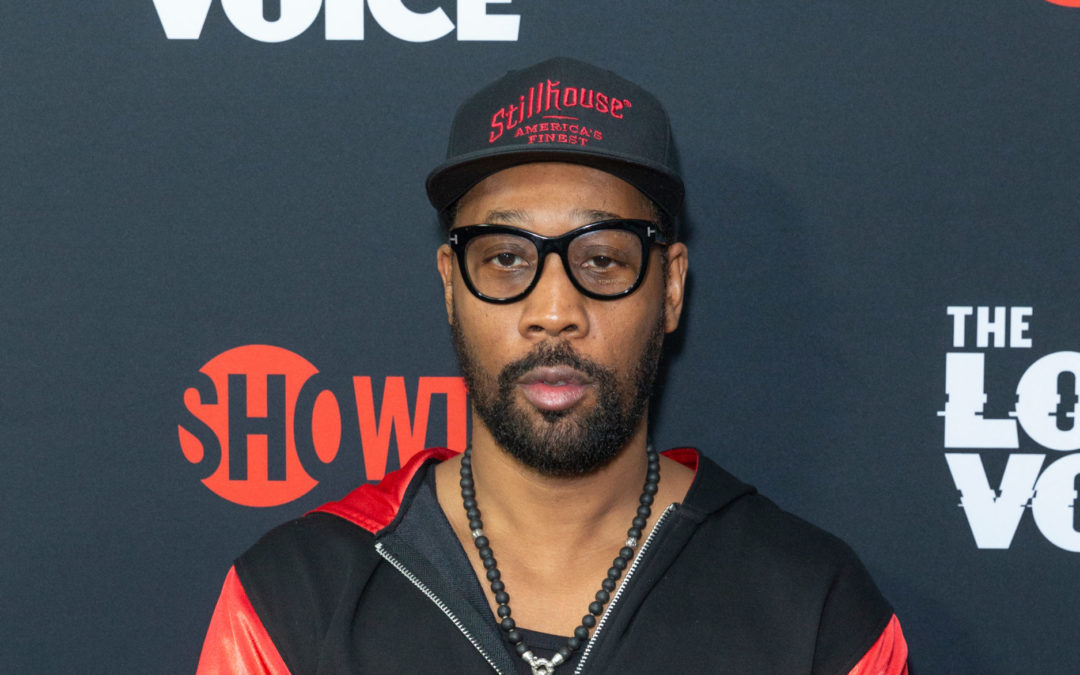
In the ever-shifting landscape of hip-hop, few figures stand as tall as RZA, the mastermind behind the legendary Wu-Tang Clan. Since the group’s inception in 1992, RZA has been at the forefront of musical innovation, pushing boundaries and redefining what it means to be an artist in the rap game. As the genre continues to evolve and new challenges emerge, RZA remains a beacon of creativity and wisdom, his words as potent and rhythmic as ever.
The hip-hop scene has undergone seismic shifts since RZA first burst onto the stage, transforming not just the music industry but the cultural fabric of New York City itself. Yet, in the face of these changes and the looming specter of artificial intelligence in music creation, RZA’s faith in the raw, unfiltered creativity of human artists remains unshaken. His journey from rap pioneer to classical composer is a testament to his versatility and unwavering commitment to artistic growth.
As we delve into the mind of this hip-hop luminary, we’ll explore his thoughts on the current state of the genre, his foray into classical music, and his perspective on the future of creativity in an increasingly digital world. RZA’s insights offer a unique glimpse into the heart of hip-hop, as seen through the eyes of one of its most influential architects.
The Evolution of a Hip-Hop Maestro
RZA’s journey from the streets of Staten Island to the pinnacle of hip-hop royalty is a story of relentless creativity and innovation. As the chief architect of Wu-Tang Clan’s sound, he played a pivotal role in shaping the course of rap music in the 1990s and beyond.
From Beats to Batons
At the age of 55, RZA has taken on a new challenge that showcases his musical versatility. Moving beyond the realm of rap production, he has embraced the role of orchestrator in the most literal sense. His latest project, “A Ballet Through Mud,” marks his debut in the world of classical music.
This ambitious album features 11 tracks that tell RZA’s life story not through rhymes, but through the rich, emotive tones of orchestral instruments. Working closely with the Colorado Symphony, RZA has crafted a sonic landscape that blends the raw energy of his hip-hop roots with the refined elegance of classical composition.
The Creative Process Behind “A Ballet Through Mud”
The creation of “A Ballet Through Mud” was no small feat. RZA describes it as one of the most time-consuming projects of his career, second only to the production of Wu-Tang Clan’s seminal album “Enter the Wu-Tang (36 Chambers).” The sheer scale of the undertaking, from composing for a 60-piece orchestra to navigating the intricacies of classical recording sessions, presented a new set of challenges for the veteran producer.
RZA’s approach to this album was driven purely by artistic vision, with no expectations for commercial success. This freedom allowed him to explore new musical territories and push his creative boundaries in ways he hadn’t since the early days of Wu-Tang.
The Intersection of Hip-Hop and Classical Music
RZA’s venture into classical music raises interesting questions about the relationship between different musical genres. By bridging the gap between hip-hop and classical composition, he demonstrates the universal language of music and the potential for cross-genre pollination.
This fusion of styles not only showcases RZA’s versatility as an artist but also challenges preconceptions about the limitations of hip-hop artists. It serves as a powerful reminder that creativity knows no bounds and that true artists can transcend the confines of any single genre.
RZA on the Current State of Hip-Hop
As a veteran of the hip-hop scene, RZA offers valuable insights into the genre’s current state and its potential future directions. His perspective is shaped by decades of experience and a deep understanding of hip-hop’s roots and evolution.
The Rise of Women in Hip-Hop
One of the most significant developments in recent years, according to RZA, is the increasing prominence of women in hip-hop. He expresses enthusiasm for this trend, noting the diverse voices and perspectives that female artists bring to the genre.
However, RZA also offers a word of caution. Drawing from the lessons of his own generation, he hopes that these rising stars will avoid some of the pitfalls that male artists fell into, particularly the tendency to prioritize style over substance. He emphasizes the importance of maintaining a balance between artistic expression and meaningful content.
The Changing Sound of New York Hip-Hop
As a New York native and a key figure in the city’s hip-hop scene, RZA has a unique perspective on how the sound of New York rap has evolved over the years. He notes that while the city may have moved away from its original, distinctive sound, this evolution is a natural part of the genre’s growth.
RZA points out that as hip-hop has become a global phenomenon, influences from different regions and styles have blended together. This cross-pollination has led to a more diverse and eclectic sound, even in New York, the birthplace of hip-hop.
The Impact of Technology on Hip-Hop Production
The advent of new technologies has dramatically changed the landscape of music production, and hip-hop is no exception. RZA reflects on how these changes have affected the creative process and the sound of contemporary hip-hop.
While acknowledging the benefits of technological advancements, RZA also emphasizes the importance of maintaining the human element in music creation. He believes that the spontaneity and unpredictability of human creativity are what give hip-hop its unique energy and appeal.
RZA’s Thoughts on AI in Music
As artificial intelligence continues to make inroads into various creative fields, including music, RZA offers his perspective on this emerging technology and its potential impact on hip-hop.
The Limits of AI Creativity
Despite the rapid advancements in AI technology, RZA remains skeptical about its ability to truly replicate human creativity. He argues that the spontaneous nature of human thought and expression is something that AI, at least in its current form, cannot fully emulate.
RZA’s view is that while AI might be able to generate content based on existing patterns and data, it lacks the ability to produce truly original, groundbreaking ideas. He believes that the unpredictable, often chaotic process of human creativity is what gives birth to revolutionary artistic expressions.
AI as a Tool, Not a Replacement
Rather than viewing AI as a threat to human artists, RZA sees it as a potential tool that can be harnessed and transformed by creative individuals. He suggests that even if AI-generated content becomes more prevalent, innovative artists will find ways to use this technology to push the boundaries of their craft.
This perspective aligns with hip-hop’s long-standing tradition of sampling and recontextualizing existing material. Just as hip-hop artists have taken snippets of old records and transformed them into something new and exciting, RZA believes that future artists might do the same with AI-generated content.
The Human Element in Music
At the core of RZA’s thoughts on AI in music is a firm belief in the irreplaceable value of human experience and emotion in artistic expression. He argues that the power of music lies not just in its technical execution, but in its ability to convey genuine human experiences and emotions.
This human element, according to RZA, is what allows music to connect with listeners on a deep, emotional level. It’s the raw, unfiltered expression of human creativity that he believes will always set human-made music apart from AI-generated content.
RZA emphasizes the importance of finding a balance between pushing the boundaries of hip-hop and preserving its core elements. He notes that while sonic innovation is thriving, with producers and artists experimenting with new sounds and styles, there’s a need to maintain the substance and messaging that has always been at the heart of hip-hop.
This balance, according to RZA, is crucial for ensuring that hip-hop remains a powerful form of expression and communication, rather than becoming solely focused on style over substance.
As we reflect on RZA’s journey from hip-hop pioneer to classical composer, it’s clear that his influence on the music world extends far beyond his work with Wu-Tang Clan. His willingness to push boundaries, explore new territories, and maintain a commitment to artistic integrity serves as an inspiration to both established and emerging artists.
by Jonathan P-Wright | Nov 11, 2024 | Latest, Music News, New Music Alert |
Image credit: Michael Mattes / Shutterstock.com
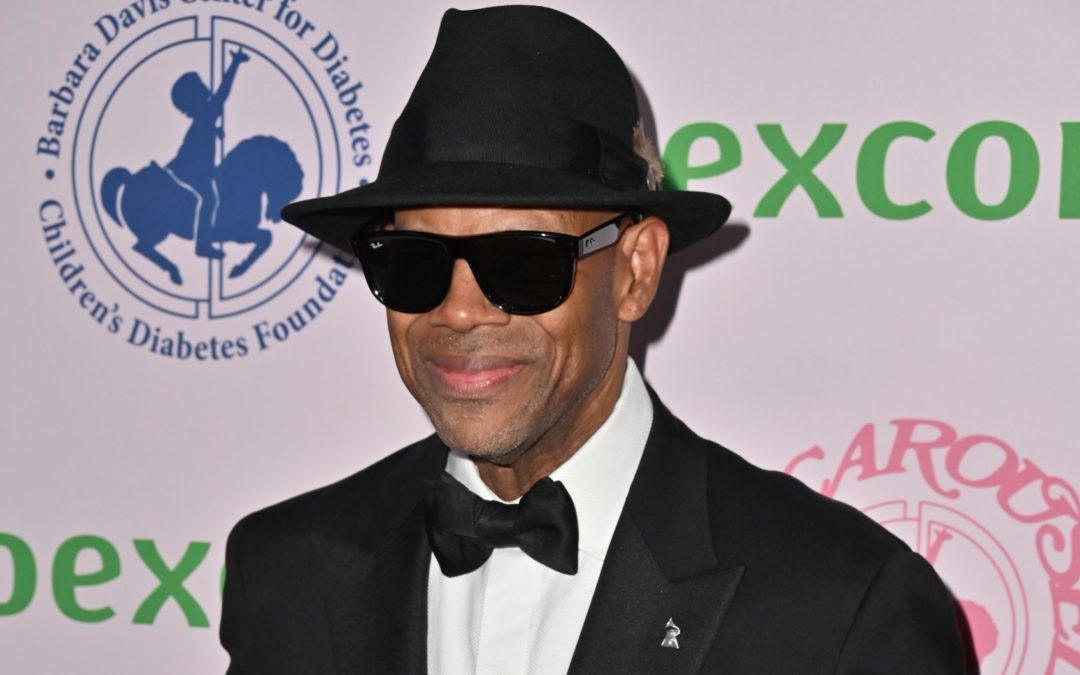
In the pulsating heart of the music industry, where legends are born and legacies are crafted, stands a figure whose influence has shaped the soundscape of generations. Jimmy Jam, at the vibrant age of 65, finds himself in the midst of what he affectionately calls his “bucket list year.” This musical maestro, whose fingerprints are all over countless chart-topping hits, is experiencing a renaissance that’s as unexpected as it is thrilling.
From the funk-infused streets of Minneapolis to the glittering halls of the Rock and Roll Hall of Fame, Jimmy Jam’s journey is a testament to the enduring power of passion, creativity, and reinvention. As he navigates this new chapter, collaborating with fresh talent and reconnecting with his roots, Jimmy Jam is not just reliving his glory days – he’s creating new ones.
The Early Days: From Minneapolis to Stardom
Jimmy Jam’s musical odyssey began in the vibrant city of Minneapolis, a place that would later become synonymous with a unique sound that captivated the world. Born James Samuel Harris III, Jimmy’s early life was steeped in melody and rhythm, thanks in large part to his father, James “Cornbread” Harris Jr., a local piano virtuoso with a flair for jazz and blues.
The young Jimmy was a prodigy in the making, his fingers dancing across keyboards with a natural grace that belied his years. By the tender age of 12, he was already keeping time as a drummer in his father’s band, wowing adult audiences with his precocious talent. These formative experiences laid the groundwork for what would become a revolutionary career in music.
As Jimmy entered his teenage years, fate intervened in the form of a chance meeting with Terry Lewis. This encounter would spark a partnership that would change the face of popular music. Together, they formed a bond that transcended mere friendship, becoming a creative force that would shape the sound of generations to come.
Their ascent in the music world was meteoric. As members of the funk-rock outfit The Time, Jimmy and Terry caught the eye of the Purple One himself, Prince. Under his tutelage, they honed their skills, absorbing the eclectic influences that permeated the Minneapolis music scene. It was here that Jimmy began to develop his signature style, both musically and sartorially, donning the black suits and fedoras that would become his trademark.
But it was behind the scenes where Jimmy Jam truly found his calling. Transitioning from performer to producer, he and Terry Lewis embarked on a journey that would see them crafting hits for some of the biggest names in the industry. Their innovative approach to songwriting and production breathed new life into the pop and R&B genres, creating a sound that was at once fresh and timeless.
As the 1980s rolled on, Jimmy Jam and Terry Lewis became the go-to team for artists looking to top the charts. Their collaboration with Janet Jackson, in particular, yielded a string of iconic albums and singles that defined an era. From “Control” to “Rhythm Nation,” their work with Janet showcased their ability to blend cutting-edge production techniques with irresistible melodies and socially conscious lyrics.
This period of Jimmy’s career was marked by an relentless pursuit of musical excellence. Long nights in the studio, endless experimentation with new sounds and technologies, and a commitment to pushing the boundaries of what was possible in popular music became his hallmarks. It was a time of tremendous growth and creativity, setting the stage for the legendary status he would achieve in the decades to come.
The Jam & Lewis Sound: Revolutionizing Pop Music
The partnership between Jimmy Jam and Terry Lewis didn’t just produce hit songs – it redefined the very landscape of popular music. Their unique approach to production, blending state-of-the-art technology with soulful musicianship, created a sound that was instantly recognizable yet endlessly versatile.
At the heart of the Jam & Lewis sound was a deep understanding of rhythm and groove. Drawing from their experiences in funk and R&B, they crafted basslines and drum patterns that were impossible to resist. But it was their innovative use of synthesizers and drum machines that truly set them apart. They weren’t content to simply use these tools as they came out of the box – instead, they pushed them to their limits, coaxing new and unexpected sounds that would become their sonic signature.
Their work with Janet Jackson serves as the perfect case study of their revolutionary approach. Albums like “Control” and “Rhythm Nation 1814” weren’t just collections of songs – they were cohesive musical statements that seamlessly blended pop, R&B, and social commentary. The production on these records was crisp and clean, yet full of depth and texture. Each track was a carefully constructed world of sound, with layers that revealed themselves over repeated listens.
But Janet was far from their only muse. Jimmy Jam and Terry Lewis brought their magic touch to a diverse array of artists, from Boyz II Men to Mariah Carey, Usher to Mary J. Blige. With each collaboration, they showed an uncanny ability to adapt their sound to suit the artist while still maintaining their distinctive style.
What set Jimmy Jam apart as a producer was his keen ear for melody and his understanding of the human voice. He had a gift for crafting vocal arrangements that showcased an artist’s strengths, often pushing them to deliver career-defining performances. His background as a musician allowed him to communicate effectively with artists, speaking their language and drawing out their best work.
The Jam & Lewis sound wasn’t just about the music – it was a complete package. Their production often came with a visual aesthetic that was just as impactful. Music videos for songs they produced were often groundbreaking, pushing the boundaries of what was possible in the medium. The iconic black and white video for Janet Jackson’s “Rhythm Nation” is a prime example, blending sharp choreography with powerful imagery that perfectly complemented the song’s message.
As the years went on, Jimmy Jam and Terry Lewis continued to evolve their sound, incorporating new influences and technologies while staying true to their roots. They weren’t afraid to experiment, whether it was incorporating elements of hip-hop, dabbling in electronic dance music, or revisiting classic soul sounds.
Their influence on the music industry cannot be overstated. The Jam & Lewis sound became a blueprint for pop and R&B production, inspiring countless imitators and shaping the direction of popular music for decades. Even today, in an era of digital production and bedroom studios, the meticulous craftsmanship and attention to detail that characterized their work remains a gold standard in the industry.
A Fashion Icon: The Signature Look
When you think of Jimmy Jam, it’s impossible to separate the man from his iconic style. For over four decades, he’s been rocking a look that’s become as legendary as his music: black suits, fedoras, and ever-present sunglasses. This signature ensemble isn’t just a fashion statement – it’s a reflection of Jimmy’s philosophy on life and music.
The origins of this distinctive look can be traced back to Jimmy’s early days in The Time. Prince, their mentor and bandleader, instilled in them the importance of maintaining a consistent image both on and off stage. This lesson stuck with Jimmy, who saw his style as an extension of his musical identity.
But the suits weren’t just about looking good. For Jimmy and Terry, they were a symbol of professionalism and respect for their craft. In an industry often associated with casual attire, they chose to present themselves with a level of sophistication that set them apart. It was a visual representation of their commitment to excellence in everything they did.
The fedora, perhaps the most recognizable element of Jimmy’s look, has its own story. While Terry was the first to adopt the hat as part of his style, Jimmy soon followed suit. Over the years, the fedora became more than just an accessory – it became a trademark, as closely associated with Jimmy Jam as his keyboard skills.
Interestingly, the commitment to this look wasn’t always easy. In the early days, when money was tight, Jimmy and Terry would scour thrift stores for suits, having them tailored to fit. This resourcefulness speaks to their determination to maintain their image, even when resources were limited.
The sunglasses, another constant in Jimmy’s ensemble, serve a dual purpose. On a practical level, they protect his eyes from the bright lights of studios and stages. But they also add an air of mystery, a barrier between the public persona and the private individual. In an industry where image is everything, this small detail has helped Jimmy maintain a sense of control over his public image.
Over the years, Jimmy’s style has evolved subtly while remaining true to its core elements. The cuts of the suits may have changed with the times, and the brands may have become more prestigious, but the essence remains the same. It’s a look that’s both timeless and distinctly of its era, much like Jimmy’s music itself.
The impact of Jimmy’s style extends beyond his personal brand. It’s influenced countless musicians and producers who have followed in his footsteps. The image of the well-dressed producer, once a rarity in the casual world of music studios, has become more common, thanks in no small part to Jimmy’s influence.
In recent years, Jimmy has shown a willingness to experiment with his look, incorporating new elements while staying true to his classic style. Whether it’s a pop of color in a pocket square or a more modern cut to his suits, he’s demonstrated that style, like music, is an ever-evolving art form.
As Jimmy enters his 65th year, his signature look remains as sharp and relevant as ever. It’s a testament to the power of personal style, and a reminder that true icons don’t follow trends – they set them. In a world of constantly changing fashions, Jimmy Jam’s enduring style stands as a beacon of consistency and cool.
The Art of Collaboration: Working with Music Legends
Throughout his illustrious career, Jimmy Jam has been the mastermind behind countless hit records, collaborating with some of the biggest names in the music industry. His ability to bring out the best in artists, coupled with his innovative production techniques, has made him one of the most sought-after producers in the business.
One of Jimmy’s most fruitful collaborations has been with Janet Jackson. Their partnership, which began in the mid-1980s, produced a string of groundbreaking albums that defined the sound of pop and R&B for a generation. Jimmy’s work with Janet went beyond mere hit-making – together, they crafted albums that were cohesive artistic statements, tackling social issues while delivering irresistible hooks and dance-floor fillers.
The process of working with Janet, as Jimmy has described it, was always a collaborative one. He and Terry Lewis would create the musical backdrop, crafting intricate arrangements that showcased Janet’s vocals while pushing the boundaries of contemporary pop production. Janet, in turn, would bring her unique vision and lyrical prowess to the table, resulting in songs that were both deeply personal and universally relatable.
But Janet is far from the only legend Jimmy has worked with. His resume reads like a who’s who of music royalty. From Michael Jackson to Mariah Carey, Usher to Mary J. Blige, Jimmy has left his mark on the discographies of some of the most iconic artists of the past four decades.
What sets Jimmy apart as a collaborator is his ability to adapt his style to suit the artist he’s working with, while still maintaining his signature sound. When working with Boyz II Men, for example, he and Terry crafted lush, harmony-rich productions that showcased the group’s incredible vocal abilities. With Usher, they created sleek, dance-oriented tracks that helped establish him as a pop superstar.
Jimmy’s approach to collaboration is rooted in respect for the artist’s vision. He’s not interested in imposing his will on a project, but rather in finding ways to enhance and elevate the artist’s natural talents. This philosophy has earned him the trust and admiration of countless musicians over the years.
In recent years, Jimmy has shown a willingness to collaborate with a new generation of artists, bringing his wealth of experience to bear on contemporary sounds. His work with younger artists has allowed him to stay current while imparting the wisdom he’s gained over decades in the industry.
One of the most exciting aspects of Jimmy’s collaborative spirit is his openness to unexpected partnerships. Whether it’s working with rock bands, country artists, or electronic producers, he’s always eager to push himself out of his comfort zone and explore new musical territories.
As he enters his 65th year, Jimmy’s passion for collaboration shows no signs of waning. If anything, he seems more excited than ever about the possibilities that come with working with diverse artists from different genres and generations. It’s this openness to new ideas and his genuine love for the collaborative process that keeps Jimmy Jam at the forefront of music production, even after all these years.
by Jonathan P-Wright | Nov 1, 2024 | Latest, Music News, New Music Alert |
Image credit: Kathy Hutchins / Shutterstock.com
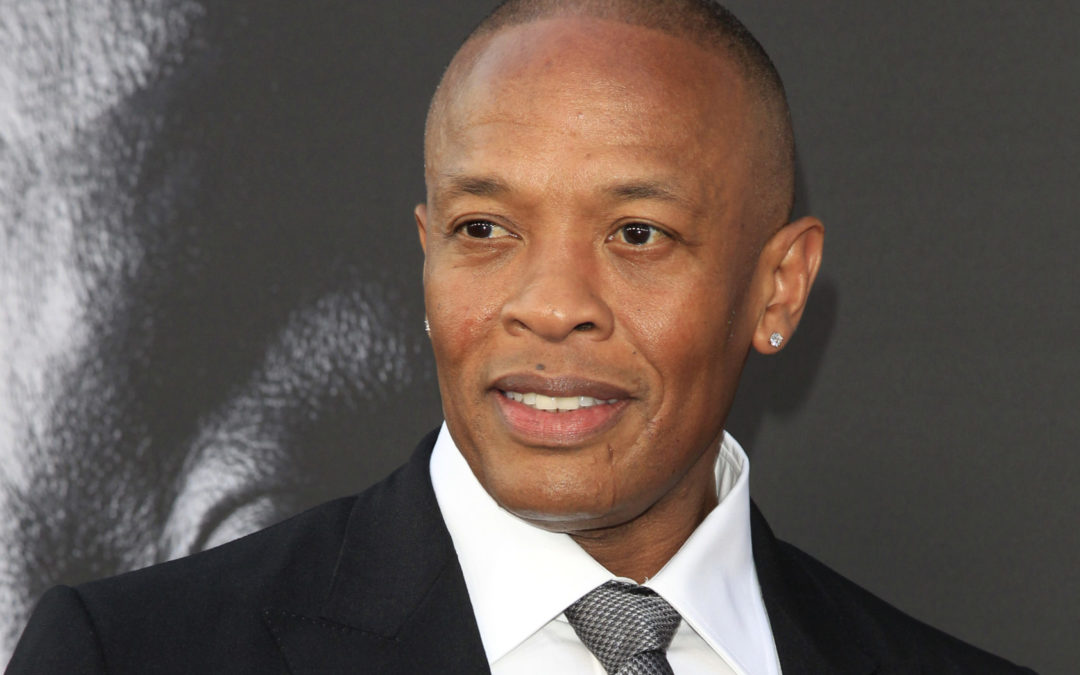
The Case for Single-Producer AlbumsIn the ever-evolving landscape of music production, a titan of the industry has spoken out, challenging the status quo and igniting a conversation that’s set to reverberate through recording studios worldwide. Dr. Dre, the legendary producer whose fingerprints are all over some of hip-hop’s most iconic tracks, has dropped a truth bomb that’s got everyone from aspiring beatmakers to seasoned veterans sitting up and taking notice. His stance? It’s time to bring back the era of the single-producer album.
Picture this: a world where albums aren’t a patchwork quilt of different sounds and styles, but a cohesive journey crafted by a single visionary. That’s the dream Dr. Dre is selling, and let’s be real, when the good doctor speaks, the music world listens. But why is this such a big deal? And what could it mean for the future of music as we know it?
Buckle up, music lovers, because we’re about to dive deep into the mind of a master producer and explore why this seemingly simple idea could be the shake-up the industry didn’t know it needed. From the creative process to the final product, we’re unpacking every angle of Dr. Dre’s game-changing philosophy. Get ready to see albums in a whole new light – this is one ride you won’t want to miss.
The Single-Producer Vision: Dr. Dre’s Game-Changing Perspective
When Dr. Dre drops knowledge, the music world sits up and takes notice. And boy, did he drop a bombshell recently. In a candid conversation that’s got everyone talking, the legendary producer laid out his vision for the future of album production – and it’s as bold as it is straightforward.
Picture this: you’re in the studio with Dr. Dre and Snoop Dogg, two icons casually rewriting the rules of the game. That’s exactly what went down on the Stephen A. Smith show, where Dre laid his cards on the table. “I like the idea of one producer on an album,” he declared, sending shockwaves through the industry. But he didn’t stop there. Dre went on to assert, “If you’re a producer, you should be able to produce the whole album.”
Now, let’s break this down. We’re not just talking about a preference here; we’re talking about a fundamental shift in how albums are created. Dre’s vision isn’t just about streamlining the process – it’s about creating a cohesive artistic statement from start to finish. It’s about giving producers the space to flex their creative muscles across an entire project, rather than just a track or two.
But here’s where it gets really interesting. Dre didn’t mince words when he expressed his dissatisfaction with the current state of affairs: “I don’t like the fact that there’s nine different producers on one album.” Boom. There it is. A direct challenge to the multi-producer model that’s become the norm in recent years.
This isn’t just talk from someone on the sidelines. This is Dr. Dre – the man behind some of the most groundbreaking albums in hip-hop history. When he speaks about production, it’s with the weight of decades of experience and countless platinum records behind him. His words carry the kind of gravitas that can shift industry paradigms.
So, what does this mean for artists, producers, and listeners? It’s a call to action, a challenge to rethink how albums are made. It’s an invitation to imagine a world where each album is a singular vision, a complete artistic statement from a single creative mind. And let’s be real – coming from Dr. Dre, it’s a challenge that’s hard to ignore.
As we dive deeper into this topic, we’ll explore the implications of Dre’s statement, the potential benefits and challenges of the single-producer model, and what it could mean for the future of music. Buckle up, folks – we’re about to go on a journey through the mind of a production genius.
The Multi-Producer Dilemma: Unpacking the Current Trend
Let’s face it – the music industry has been riding the multi-producer wave for a hot minute now. It’s become the norm to see album credits that read like a who’s who of production talent. But is more always better? Dr. Dre doesn’t think so, and he’s got us all questioning the status quo.
In today’s music scene, it’s not uncommon to find albums with a different producer for almost every track. On the surface, this might seem like a dream team approach – bringing together the best of the best to create a sonic masterpiece. But let’s peel back the layers and see what’s really going on.
First off, there’s the issue of cohesion. When you’ve got multiple producers working on an album, each bringing their own style and sound, it can sometimes feel like you’re listening to a playlist rather than a unified body of work. Sure, you might get a bunch of bangers, but do they tell a story together? Do they take you on a journey? That’s the question Dr. Dre is asking us to consider.
Then there’s the artist’s vision. In a multi-producer setup, the artist often becomes a juggler, trying to balance different production styles and make them fit their own artistic direction. It’s a tightrope walk that doesn’t always pay off. Sometimes, the result is an album that feels disjointed, lacking the kind of narrative flow that can make a good album great.
But let’s not forget the business side of things. The multi-producer model has become popular for a reason. It spreads the risk, potentially increases the album’s appeal to different audiences, and can bring in multiple fan bases. It’s a strategy that’s worked well for many artists, leading to chart-topping hits and commercial success.
However, Dr. Dre’s critique forces us to ask: at what cost? Are we sacrificing artistic integrity for commercial viability? Are we losing something essential in the pursuit of diversity?
The multi-producer trend also reflects the collaborative nature of modern music-making. In an era where features and crossovers are the norm, having multiple producers on an album can be seen as an extension of this collaborative spirit. It’s a way of bringing different flavors and perspectives into the mix.
But Dr. Dre’s stance challenges this notion. He’s suggesting that true collaboration might actually come from a deeper, more sustained relationship between an artist and a single producer. It’s about creating a shared vision, a unified sound that carries through from the first track to the last.
As we continue to unpack Dr. Dre’s perspective, we’ll explore how the single-producer model might address these issues and potentially revolutionize the way we think about album production.
When Dr. Dre speaks about the benefits of having a single producer for an entire album, he’s not just talking about creative cohesion – he’s also touching on a crucial technical aspect of music production. The consistency in sound and mix that can be achieved with this approach is a game-changer, and it’s something that shouldn’t be overlooked.

RECENT COMMENTS