In a recent interview that has sent ripples through the music industry, acclaimed rapper Ferg shared his candid thoughts on the lifestyle of the affluent, particularly focusing on their perceived lack of authenticity and creative energy. The artist, known for his dynamic performances and unique style, offered a critique that challenges common perceptions about wealth and its relationship to personal expression and cultural influence.
Ferg’s comments have ignited discussions about the nature of success, the value of genuine artistic expression, and the potential pitfalls of extreme wealth. As we delve into the rapper’s observations, we’ll explore the implications of his statements for both the music industry and broader societal attitudes towards wealth and creativity.
The Evolution of Ferg’s Perspective
Ferg’s journey in the music industry has been marked by significant success and personal growth. As he promotes his sixth studio album, “Darold,” the artist reflects on how his viewpoint has shifted over time, particularly regarding the nature of wealth and its impact on creativity and personal fulfillment.
From Aspiration to Reflection
In the early stages of his career, like many aspiring artists, Ferg may have viewed financial success as a primary goal. However, his recent comments suggest a more nuanced understanding of what truly matters in life and art. This evolution in thinking demonstrates the complex relationship between artistic ambition and material success.
The Realization of Wealth’s Limitations
As Ferg has achieved significant financial success, he’s had the opportunity to observe and interact with individuals at the highest echelons of wealth. These experiences have led him to question the commonly held belief that extreme affluence correlates with a more fulfilling or exciting lifestyle.
Challenging Societal Norms
By openly discussing his observations, Ferg is challenging societal norms that often equate wealth with desirability or superiority. His willingness to speak candidly about these issues reflects a growing trend among artists to use their platforms for social commentary beyond their music.
Ferg’s Critique of the Wealthy Elite
In his interview on “The Zach Sang Show,” Ferg didn’t mince words when describing his experiences with extremely wealthy individuals. His observations paint a picture of a demographic that, despite its financial resources, often lacks the vibrancy and authenticity that Ferg values.
The Concept of ‘Sauce’
Ferg introduces the concept of ‘sauce’ – a term that in this context refers to a combination of charisma, authenticity, and creative energy. According to the rapper, this quality is noticeably absent among many wealthy individuals he has encountered.
Lack of Energy and Authenticity
The artist describes interactions with affluent circles as “boring,” suggesting that despite their material success, these individuals often fail to bring excitement or genuine passion to their social interactions. This observation challenges the common perception that wealth automatically leads to a more interesting or fulfilling lifestyle.
The Disconnect from Creative Energy
Ferg’s comments imply that extreme wealth can sometimes lead to a disconnection from the creative impulses and authentic self-expression that he values. This disconnect, in his view, results in a lack of ‘swag’ or personal style that goes beyond mere material possessions.
The Pursuit of ‘Sauce’ Through Consumption
One of the most intriguing aspects of Ferg’s critique is his analysis of how wealthy individuals attempt to compensate for their perceived lack of ‘sauce’ through consumption habits. This observation offers insight into the relationship between material wealth and personal identity.
Art as a Substitute for Personal Expression
Ferg suggests that many wealthy individuals purchase art not just as an investment or for aesthetic pleasure, but as a way to “buy into somebody’s sauce.” This implies that they are seeking to acquire the creative energy and authenticity they feel they lack in themselves.
The Role of Fashion in Identity Construction
Similarly, Ferg extends his critique to the realm of fashion, suggesting that expensive designer clothes often serve as a substitute for genuine personal style. This observation raises questions about the authenticity of self-expression in a consumer-driven culture.
The Cycle of Consumption and Emptiness
The rapper’s comments paint a picture of a cycle where wealthy individuals continually seek to fill an internal void through external acquisitions. This cycle, according to Ferg, is ultimately unsatisfying and fails to address the root cause of their perceived lack of ‘sauce.’
The Impact of Wealth on Personal Identity
Ferg’s observations extend beyond mere criticism of consumption habits. He delves into the profound impact that the pursuit and acquisition of extreme wealth can have on an individual’s sense of self and personal identity.
The Loss of Self in the Pursuit of Wealth
According to Ferg, many wealthy individuals have “done did so much shit for money that you like you kind of lost yourself in it.” This statement suggests that the single-minded pursuit of financial success can lead to a disconnection from one’s authentic self and values.
The Challenge of Maintaining Authenticity
The rapper’s comments highlight the difficulty of maintaining a genuine sense of self in the face of extreme wealth and the societal expectations that come with it. This challenge is particularly relevant in the entertainment industry, where image and authenticity often intersect in complex ways.
The Search for Meaning Beyond Material Success
Ferg’s critique implies that many wealthy individuals struggle to find meaning and fulfillment once they’ve achieved financial success. This observation raises important questions about the nature of happiness and the limitations of material wealth in providing a sense of purpose.
The Role of Art and Music in Authentic Expression
Throughout his interview, Ferg emphasizes the importance of genuine artistic expression as a counterpoint to the perceived emptiness of wealth-driven consumption. His comments highlight the unique role that art and music play in conveying authentic human experiences.
Music as a Vehicle for Soul Expression
Ferg uses the example of James Brown to illustrate how music can serve as a powerful medium for expressing one’s innermost self. This comparison underscores the value he places on genuine artistic expression over material displays of wealth.
The Transformative Power of Creativity
The rapper’s comments suggest a belief in the transformative power of creativity, both for the artist and the audience. This perspective positions art and music as essential components of a fulfilling life, regardless of one’s financial status.
Challenging the Commodification of Art
By critiquing the way wealthy individuals “buy into somebody’s sauce” through art purchases, Ferg raises important questions about the commodification of creativity in contemporary society. His observations challenge us to consider the true value of art beyond its market price.
The Pressure of Fame and Wealth in the Entertainment Industry
As a successful artist himself, Ferg offers a unique insider’s perspective on the pressures and pitfalls of fame and wealth in the entertainment industry. His comments shed light on the challenges faced by artists as they navigate success and try to maintain their authenticity.
The Temptation of Material Excess
Ferg’s critique suggests that many entertainers fall into the trap of excessive materialism, potentially losing touch with the creative spark that initially drove their success. This observation highlights the delicate balance artists must maintain between commercial success and artistic integrity.
The Challenge of Staying Grounded
The rapper’s comments imply that maintaining a sense of authenticity and connection to one’s roots becomes increasingly difficult as one’s wealth and fame grow. This challenge is particularly relevant in the music industry, where image and relatability often play crucial roles in an artist’s success.
The Importance of Self-Reflection
Ferg’s willingness to critically examine the impact of wealth on creativity and personal authenticity demonstrates the importance of ongoing self-reflection for artists. His insights suggest that maintaining one’s ‘sauce’ requires conscious effort and a commitment to personal growth.
Ferg’s Personal Journey and Growth
While critiquing the perceived lack of ‘sauce’ among the wealthy elite, Ferg also reflects on his own experiences and personal growth. His comments reveal a thoughtful approach to navigating success while striving to maintain authenticity and creative vitality.
Ferg acknowledges that he has never felt like he was going to lose his ‘sauce,’ but he recognizes the potential for such a loss. This awareness demonstrates a level of self-reflection and vigilance that he seems to find lacking in many of his wealthy peers.
Creating freedom is the most expensive component of life.
Creating freedom is the most expensive component of life. Gazing into the mirror by oneself can be an almost otherworldly experience. It offers a unique opportunity to delve into the depths of one’s heart and soul, allowing for an unfiltered view of oneself. This kind of introspection enables individuals to honestly assess their self-worth and decide if they should demand more from life. Recognizing one’s true identity and understanding their life’s purpose marks the beginning of a fulfilling journey.
True liberation is inherently tied to understanding one’s purpose, and living in alignment with it empowers individuals to make a significant impact on the world. Embracing one’s purpose involves a deep awareness of personal strengths and weaknesses, as well as acknowledging innate talents and the duty to contribute positively to humanity.
Women stand as some of the most invaluable yet often unprotected resources in society. Their strength is immeasurable, influencing every aspect of human existence. With their intuition, emotional depth, grace, and life-giving power, women are considered among the most magnificent of creations. The love and support of a woman can profoundly alter and enhance a man’s vision and sense of purpose. Indeed, nothing in this world comes into being without the influence, inspiration, and tangible contributions of women. Their role is pivotal and irreplaceable in shaping the course of life itself.
Women of color often navigate a unique and challenging path, particularly within the Hollywood landscape. The journey demands that their presentation, processes, and business dealings be executed with exceptional precision and excellence. There is little room for error, necessitating that every decision is meticulously evaluated before any definitive action is taken. For women of color in Hollywood, it requires possessing a championship mindset, an unwavering determination, resilience against betrayal, unmatched creativity, and an inclusive, forward-thinking perspective.
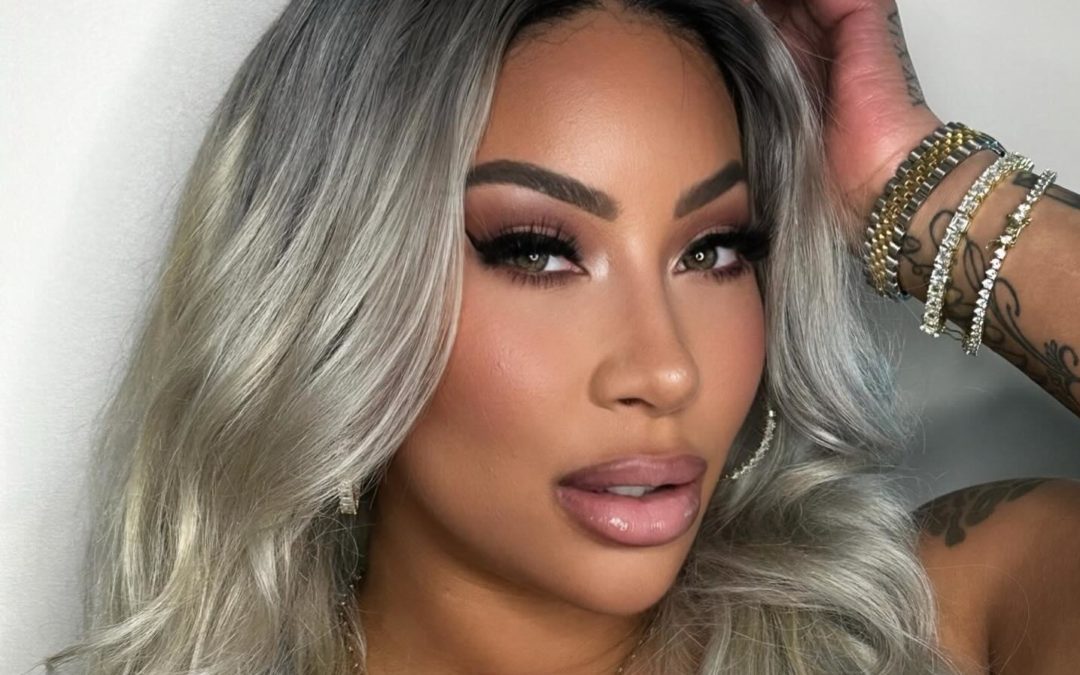
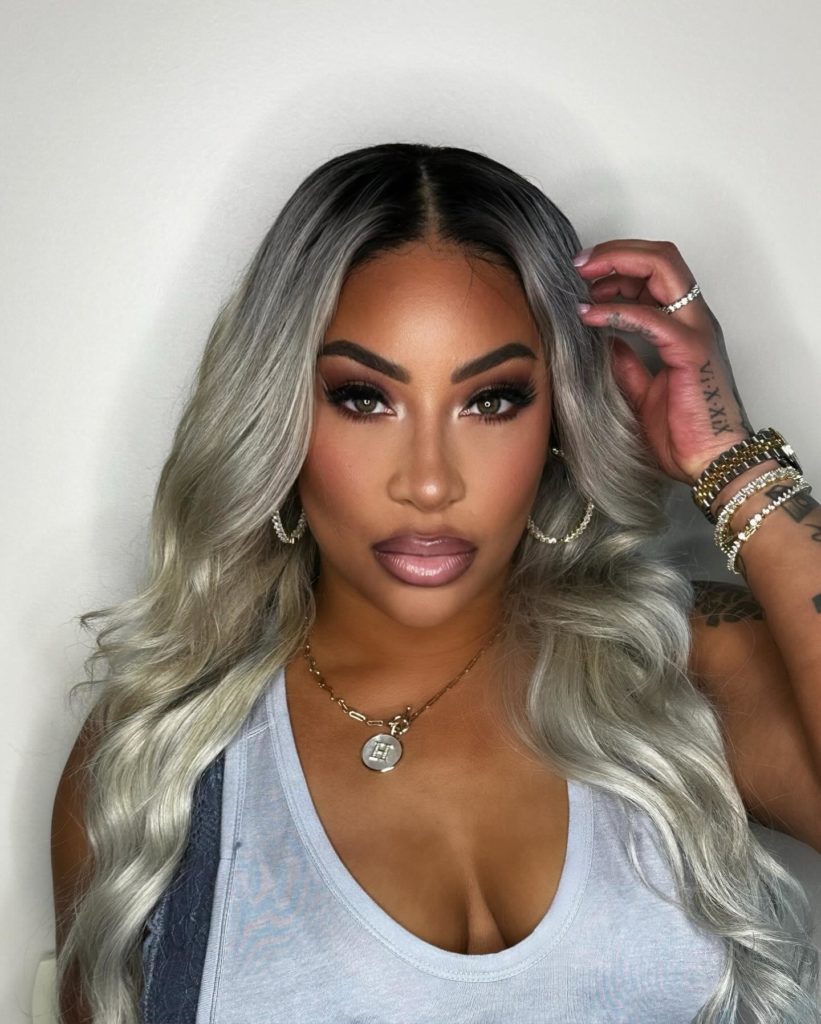
Arica Adams, who is also known as Hazel E, perfectly illustrates the courage required to invest in oneself without reservation. As a serial entrepreneur, Hollywood actress, and celebrity publicist, she was introduced into the world burdened with high expectations and extraordinary pressure to achieve success. Growing up in a military household instilled in her a profound sense of discipline and provided a solid foundation for her future endeavors. From an early age, the constant relocations taught Hazel E how to adapt swiftly and evolve with accuracy in dynamic environments.
Gifted with resilience as strong as that of a rhinoceros and the bravery of a lion, Hazel E possesses an exceptional ability to withstand negativity and unjust criticism. Her capacity to embrace change and critically evaluate her actions allows her to embody the true spirit of leadership. This skillset not only defines her personal journey but also serves as an inspiration for others who walk similar paths, highlighting the importance of perseverance and self-belief in achieving one’s goals amidst adversity.
Endowed with a natural eloquence, Hazel E was destined for a remarkable career in public relations and business communications. Her life’s mission is to transform people’s visions and messages into influential global movements. With an extraordinary ability to perceive the unspoken thoughts and emotions within individuals, Hazel E has crafted one of Hollywood’s most formidable public relations firms, representing some of the music industry’s most vibrant and renowned artists. Her journey through the entertainment capital has seen her shatter barriers and forge her path as a self-made media powerhouse.
Throughout her illustrious career, Hazel E has steadfastly upheld her values and integrity, refusing to compromise them for personal gain. From the outset, maintaining her reputation and family name has been paramount. Over the past six years, she has become a television sensation, leaving lasting impressions in major productions such as the VH1 hit series Love & Hip-Hop Hollywood, The Parkers, The Conversation on Zeus Network, and Dish TV Nation.
Hazel E lit up the TV scene with her electrifying presence on the hit ‘WE TV’ series “Marriage Bootcamp.” Her unmatched authenticity, vibrant charisma, and bold spirit carved out her own niche on the show. Hazel’s journey into the television spotlight didn’t go unnoticed, catching the eye of Oprah Winfrey’s network, ‘OWN.’ They featured her life story in the acclaimed series ‘Iyanla, Fix My Life’ during its eighth season.
On the show, she bravely opened up about her childhood challenges, transforming past traumas into a driving force for her future aspirations. Her candid storytelling and resilience made a memorable impact, resonating deeply with audiences. Her established status as an actress in Hollywood has earned her the respect of top-tier film directors.
Hazel E’s journey is a testament to her unwavering dedication and unique talents, which have propelled her to the forefront of the entertainment industry. Her story inspires aspiring professionals who aim to carve out their niche without sacrificing their principles. Hazel E continues to make waves with her dynamic presence, proving that authenticity and hard work are key ingredients in achieving lasting success in Hollywood’s competitive landscape.
As we approach 2025, Hazel E is making significant strides in broadening her dynamic multimedia enterprise. Her endeavors span from music production to the creation of motion pictures, ensuring that Hazel E’s influence is felt worldwide. Under the visionary leadership of Arica Adams, also known as Hazel E, the Girl Code Lifestyle brand is revolutionizing pop culture by crafting content with widespread appeal and pushing creative limits. Girl Code Inc. showcases the powerful influence and undeniable strength of women around the globe, offering a platform for those who have been unheard. Fully aware of her value, Hazel E is stepping into 2025 with renewed confidence, enhancing her presence and setting new standards for her work. Jonathan P-Wright is a Senior writer for RNH Magazine and Head of journalism for Miezeer Media.
The highly anticipated reunion of the Hot Boys at Lil Wayne’s Lil WeezyAna Fest was a moment that sent waves of excitement through the hip-hop community. However, in a recent revelation that has caught the attention of music enthusiasts and industry insiders alike, Turk, a pivotal member of the legendary group, has shed light on the initial tension that permeated the atmosphere behind the scenes. This unexpected disclosure has prompted a closer examination of the dynamics at play during high-profile reunions and the complexities that often accompany such momentous occasions in the music world.
In an exclusive interview with B High ATL, Turk offered a candid glimpse into the reunion process, detailing the subtle undercurrents of tension that existed as the group prepared to take the stage together after a considerable hiatus. His revelations have sparked discussions about the challenges faced by artists when rekindling professional relationships and the pressures associated with meeting fan expectations after extended periods apart.
As we delve deeper into Turk’s account of the events leading up to the Hot Boys’ performance at Lil WeezyAna Fest, we’ll explore the various factors that contributed to the initial unease, the group’s journey towards finding their rhythm once more, and the ultimate triumph that unfolded on stage. This comprehensive analysis will provide valuable insights into the inner workings of one of hip-hop’s most iconic collectives and the intricate process of reuniting for a highly anticipated performance.
The Anticipation and Expectations Surrounding the Hot Boys Reunion
The announcement of the Hot Boys reunion at Lil WeezyAna Fest generated immense excitement among fans and industry observers. The group, consisting of Lil Wayne, Juvenile, B.G., and Turk, had not performed together in over 15 years, making this a truly momentous occasion in the hip-hop world.
The Hot Boys played a pivotal role in shaping the sound of Southern hip-hop in the late 1990s and early 2000s. Their influence on the genre cannot be overstated, with hits like “I Need a Hot Girl” and “Bling Bling” becoming cultural touchstones. The group’s reunion represented more than just a nostalgic trip down memory lane; it was a celebration of their enduring legacy and impact on the music industry.
Fan Expectations and Social Media Buzz
In the lead-up to the festival, social media platforms were abuzz with anticipation. Fans shared their favorite Hot Boys memories, speculated about the setlist, and expressed their excitement at the prospect of seeing the group perform together once again. This digital fervor created a palpable sense of expectation, adding to the pressure on the artists to deliver a memorable performance.
The music industry closely watched the Hot Boys reunion, recognizing its potential to reignite interest in the group’s catalog and possibly pave the way for future collaborations. Record labels, streaming platforms, and music journalists all paid keen attention to this event, understanding its significance in the broader context of hip-hop history.
Lil WeezyAna Fest as the Perfect Stage
Lil Wayne’s annual Lil WeezyAna Fest provided the ideal backdrop for this reunion. The festival, known for its celebration of New Orleans hip-hop culture, offered a fitting homecoming for the Hot Boys. The choice of venue added an extra layer of significance to the reunion, connecting it to the group’s roots and the city that shaped their sound.
As Turk arrived at the venue for the Hot Boys reunion, he was greeted with a warm welcome that belied the underlying tension he would later describe. The rapper’s account of his arrival provides valuable insight into the atmosphere backstage and the professional demeanor maintained by all involved.
Upon entering the preparation area, Turk was met with cordial greetings from his fellow group members and the production team. This initial interaction set a positive tone, reflecting the mutual respect and shared history among the artists. The warmth of this welcome served as a testament to the enduring bonds formed during their time as a group, despite the years spent apart.
Mannie Fresh and the DJ Preparations
One of the first things Turk noticed was the presence of Mannie Fresh, the legendary producer closely associated with the Hot Boys’ success. Fresh was actively involved in coordinating with the DJs and finalizing the setlist for the performance. This level of involvement from such a key figure in their history underscored the importance of the reunion and the attention to detail being given to ensure its success.
The Evolving Setlist
Turk mentioned that while they had received a preliminary setlist prior to the event, changes were still being made on the day of the performance. This flexibility in planning demonstrated the group’s commitment to delivering the best possible show for their fans. It also highlighted the collaborative nature of their approach, with all members having input into the final lineup of songs.
Despite the excitement and potential for nerves, Turk emphasized the professional attitude maintained by everyone involved. He noted that the smooth handling of preparations was a result of their extensive experience in the industry. This professionalism was crucial in managing the complexities of reuniting for such a high-profile event.
Lil Wayne’s Arrival and the Shift in Atmosphere
The arrival of Lil Wayne marked a significant moment in the preparation process, as described by Turk. Wayne’s presence brought a new energy to the room and signaled the beginning of more focused rehearsals.
Turk recounted that when Lil Wayne entered, he quickly greeted everyone with daps and hugs. This gesture, while brief, was important in acknowledging the personal connections between the group members. It set a tone of camaraderie amidst the professional setting.
Following the greetings, Wayne’s approach was described as being “straight to business.” This shift in focus underscored the seriousness with which the group was approaching the reunion performance. It also reflected Wayne’s leadership role within the Hot Boys and his commitment to ensuring a high-quality show.
The Intensity of Rehearsals
As the group began to run through their songs, Turk noted an increase in the intensity of the atmosphere. The rehearsals were characterized by a concentrated effort to perfect their performance, with each member fully engaged in the process. This dedication was a clear indication of the importance they placed on meeting and exceeding fan expectations.
The transition from casual greetings to focused rehearsals also brought to light the need to navigate the group’s dynamics after years apart. Each member had to find their place within the ensemble once again, balancing their individual growth as artists with the cohesive sound that had defined the Hot Boys.
The Underlying Tension During Rehearsals
As the Hot Boys delved into their rehearsals, Turk observed a palpable tension that permeated the atmosphere. This underlying strain, while not stemming from any personal conflicts, was a natural result of the group’s long absence from performing together.
Turk described the rehearsal environment as “tense,” emphasizing that this tension was not due to any pre-existing issues between group members. Instead, it was characterized by a cautious approach, with each artist being extra careful and respectful of one another. This heightened awareness of each other’s presence and contributions reflected the significance of the moment and the desire to avoid any missteps.
Relearning Group Dynamics
After years of pursuing individual careers, the members of the Hot Boys found themselves in the position of having to relearn how to perform as a cohesive unit. This process involved rediscovering their on-stage chemistry, timing, and the nuances of their collaborative style. The tension arose from the concentration required to sync their performances and recapture the magic that had made them such a formidable group in the past.
The knowledge that they would soon be performing in front of thousands of eager fans added an extra layer of pressure to the rehearsals. Each member felt the weight of expectations – not only from their audience but also from themselves. This self-imposed pressure contributed to the tense atmosphere as they strived for perfection in their performance.
In the years since their last performance together, each member of the Hot Boys had evolved as an artist. Reconciling these individual artistic growths with the group’s established sound and dynamic presented a unique challenge. The tension observed by Turk was partly a result of this delicate balancing act between honoring their past and incorporating their present artistic identities.
Breaking the Ice: The Turning Point in Rehearsals
Despite the initial tension, Turk recounted a pivotal moment during rehearsals that marked a significant shift in the group’s dynamic. This turning point not only eased the atmosphere but also rekindled the chemistry that had made the Hot Boys such a formidable force in hip-hop.
According to Turk, the breakthrough came when the group began rehearsing their iconic hit “Back That Azz Up.” As they launched into this familiar track, the mood in the room noticeably changed. The energy of this fan-favorite song seemed to dissolve the earlier caution and hesitation, replacing it with a sense of excitement and nostalgia.
As the beats of “Back That Azz Up” filled the rehearsal space, the members of the Hot Boys found themselves naturally falling back into their old rhythms and patterns. The muscle memory of countless performances came flooding back, and the group began to move and interact with the ease and confidence that had characterized their earlier collaborations.
Influence on Current Artists
Many of today’s prominent rappers cite the Hot Boys as a major influence on their style and career. The reunion served as a reminder of the group’s lasting impact on the genre, inspiring current artists and potentially influencing future trends in hip-hop. It also provided an opportunity for newer fans to connect the dots between the music they enjoy today and its historical precedents.
The choice to reunite at Lil WeezyAna Fest in New Orleans was particularly significant. It not only honored the city where the Hot Boys originated but also celebrated the rich hip-hop culture of New Orleans. This homecoming aspect added an extra layer of emotion and cultural significance to the performance.
Ab-Soul, the lyrical mastermind behind tracks that make your brain cells do backflips, decided it was high time to clear the air about his relationship with J. Cole. And boy, did he deliver! In an era where social media can turn a molehill into a mountain faster than you can say “retweet,” Ab-Soul’s straightforward approach is like a breath of fresh air in a room full of smoke and mirrors.
Now, you might be wondering, “What’s all the fuss about?” Well, buckle up, buttercup, because we’re about to take a wild ride through the twists and turns of this hip-hop saga. From collaborative tracks that never saw the light of day to surprise features that had fans losing their minds, we’re going to unpack it all. And trust me, by the time we’re done, you’ll have a front-row seat to one of the most intriguing stories in recent hip-hop history.
So, whether you’re a die-hard Ab-Soul stan, a J. Cole aficionado, or just someone who loves a good story, stick around. We’re about to delve into a tale of friendship, respect, and the complex web of relationships that make the hip-hop world go round. Get ready to have your perceptions challenged, your assumptions shattered, and your mind blown. This isn’t just another rap beef story – it’s a masterclass in how real G’s handle their business.
The Genesis of the Rumors
Let’s rewind the tape and set the scene for this epic tale. Picture this: the hip-hop world is buzzing like a beehive that’s been poked with a stick. Rumors are flying faster than Eminem’s rap speed, and at the center of it all? Our man Ab-Soul and the one and only J. Cole.
It all started with a track – isn’t that how these things always kick off? Ab-Soul dropped a banger called “Squeeze 1st 2,” and suddenly, everyone and their grandma was playing detective. You see, in this track, Ab-Soul spits some fire that had folks raising their eyebrows higher than a Botox addict. He rapped, “Metasota warned me they wanna war / But actually they forfeiting.” Now, to the untrained ear, this might sound like just another dope line. But in the hyper-analytical world of hip-hop, where fans dissect every syllable like it’s a frog in a high school biology class, this was seen as a potential shot at J. Cole.
Why, you ask? Well, buckle up, because this is where it gets juicy. This track dropped on the same day that J. Cole released “Port Antonio,” a song where Cole addressed his decision to bow out of the ongoing beef between Drake and Kendrick Lamar. Coincidence? In the hip-hop world, there’s no such thing, baby!
The timing was too perfect, too synchronized. It was like watching two trains heading towards each other on the same track. Fans and critics alike started connecting dots that may or may not have been there. Was Ab-Soul calling out Cole for “forfeiting” the beef? Was this a subliminal diss wrapped in wordplay?
The internet, being the internet, went wild. Twitter threads longer than a CVS receipt started popping up, breaking down every word, every pause, every breath in Ab-Soul’s track. YouTube videos with titles like “AB-SOUL DESTROYS J. COLE?!” racked up views faster than you can say “clickbait.”
But here’s the kicker – in the world of hip-hop, perception is often reality. It doesn’t matter if Ab-Soul meant to diss Cole or not. Once the rumor mill starts churning, it’s harder to stop than a runaway freight train. The narrative was set: Ab-Soul vs. J. Cole, the battle no one saw coming.
And so, the stage was set for one of the most intriguing stories in recent hip-hop memory. Two respected lyricists, both known for their intricate wordplay and deep cuts, seemingly at odds. It was like watching two chess grandmasters square off – you knew the moves were coming, but you couldn’t quite figure out what they’d be.
But as we’ll soon see, in the world of hip-hop, things are rarely as they seem. This story was about to take more twists and turns than a roller coaster designed by M.C. Escher. So strap in, because we’re just getting started on this wild ride through the complex, fascinating, and often misunderstood world of hip-hop relationships.
Ab-Soul’s Clarification
Now, let’s cut to the chase and dive into the meat of this story – Ab-Soul’s much-needed clarification. In an interview that had hip-hop heads glued to their screens like it was the season finale of their favorite Netflix show, Ab-Soul decided to set the record straight. And boy, did he deliver!
First things first, Ab-Soul came out swinging with a statement that hit harder than a Mike Tyson right hook: “Cole is the homie for real, that’s what I want to make very clear to the whole world.” Boom! Just like that, he took all those rumors and speculation and dropkicked them into next week. It was like watching a master magician reveal the trick behind the illusion – suddenly, all those conspiracy theories about a beef between Ab-Soul and J. Cole started to look as flimsy as a house of cards in a hurricane.
But Ab-Soul didn’t stop there. Oh no, he was on a roll, and he wasn’t about to let this opportunity slip through his fingers like a greased-up football. He went on to explain that in the world of hip-hop, words like “friend” and “homie” get thrown around more loosely than spare change at a wishing well. But when it comes to J. Cole? Ab-Soul made it crystal clear that this wasn’t just some surface-level, industry schmoozing type of friendship. This was the real deal, the kind of bond that survives the fickle tides of the music industry.
Now, you might be thinking, “Okay, but what about that track? What about ‘Squeeze 1st 2’?” Well, hold onto your hats, because Ab-Soul had an explanation for that too. He revealed that the track wasn’t some calculated diss aimed at J. Cole. In fact, it wasn’t even about Cole at all. It was just Ab-Soul doing what Ab-Soul does best – spitting fire lyrics that make you think, that make you rewind and listen again, trying to unpack all the layers of meaning.
But here’s where it gets really interesting. Ab-Soul didn’t just deny the beef – he went a step further and opened up about his actual relationship with J. Cole. He talked about collaborations that were in the works, about mutual respect, about the admiration he has for Cole’s skills on the mic. It was like watching someone peel back the curtain on a world that most of us only get glimpses of through social media and carefully crafted public personas.
In essence, Ab-Soul’s clarification wasn’t just about squashing rumors. It was a masterclass in how to handle misunderstandings in the public eye. No drama, no Twitter rants, no subliminal disses. Just straight talk, respect, and a reminder that in the world of hip-hop, things aren’t always what they seem.
So there you have it, folks. The great Ab-Soul vs. J. Cole beef of 2023 – a beef that never was. It’s a reminder that in this age of hot takes and instant reactions, sometimes it pays to sit back, take a breath, and wait for the full story. Because as Ab-Soul showed us, the truth is often far more interesting – and far more positive – than the rumors.
The “FOMF” Collaboration That Never Was
Alright, let’s dive into the juicy details of a collaboration that could have been but never quite materialized. We’re talking about the track “FOMF” from Ab-Soul’s 2022 album “Herbert.” Now, this isn’t just any old track we’re discussing – this is the one that almost featured the lyrical prowess of J. Cole himself. Yeah, you heard that right. J. Cole was supposed to be on this joint, and the fact that it didn’t happen is a story in itself.
Picture this: Ab-Soul, the master wordsmith, crafting what would become “FOMF.” He’s in the studio, laying down verses that would make even the most seasoned English professor’s head spin. And in his mind, he’s hearing J. Cole’s voice, imagining how the North Carolina rapper would complement his own intricate wordplay. It’s a hip-hop dream team in the making.
Now, here’s where it gets interesting. Ab-Soul reveals that he actually played the album for Cole. Not just a track or two, but the whole damn thing. And guess what? Cole picked “FOMF” as the one he wanted to jump on. It’s like watching two chess grandmasters recognizing each other’s genius moves. Cole heard something in that track that spoke to him, that ignited that creative spark.
But here’s the kicker – it never happened. The collaboration that hip-hop heads would have sold their left sneaker for just… didn’t materialize. Ab-Soul, in his characteristically candid manner, admits, “I bugged him about it!” You can almost picture it – Ab-Soul blowing up Cole’s phone, sending carrier pigeons, maybe even considering smoke signals. All in the name of getting that verse.
So what happened? Well, that’s the million-dollar question, isn’t it? In the world of hip-hop, where schedules are as packed as a Tokyo subway during rush hour, and creative inspiration can be as fleeting as a summer romance, sometimes things just don’t line up. Maybe Cole got busy with his own projects. Maybe the timing wasn’t right. Or maybe, just maybe, the hip-hop gods decided to save this collaboration for another day, another track.
But here’s the beautiful thing about Ab-Soul’s revelation – there’s no bitterness, no resentment. Instead, there’s understanding and respect. Ab-Soul doesn’t throw Cole under the bus or make excuses. He simply acknowledges that sometimes, in this crazy world of music, things don’t always go as planned.
And let’s be real for a second – how many of us can say we’ve had J. Cole pick our track as the one he wants to feature on? That alone is a badge of honor, a testament to Ab-Soul’s skill as a lyricist and producer. It’s like getting a nod of approval from the hip-hop equivalent of a Jedi Master.
So while we may never get to hear what “FOMF” would have sounded like with J. Cole’s verse, we’re left with something perhaps even more valuable – a glimpse into the behind-the-scenes world of hip-hop collaborations. It’s a world of mutual respect, of artistic recognition, and yes, sometimes of missed connections.
The Kendrick Lamar Connection
If you thought this tale couldn’t get any more star-studded, think again. We’re about to dive into how K-Dot himself fits into this intricate web of hip-hop relationships.
First off, let’s set the scene. Ab-Soul and Kendrick Lamar go way back. We’re talking shared-a-pack-of-Ramen-noodles-in-the-studio kind of back. These two have been friends and collaborators for years, part of the same TDE (Top Dawg Entertainment) family that’s been pumping out hits faster than a factory on overdrive. So when Ab-Soul says he sent “Pi” to Kendrick, it’s not just some random act of music sharing. It’s like showing your older brother your report card – you’re looking for that nod of approval, that “yeah, you did good, kid” moment.
And guess what? Kendrick didn’t just nod – he full-on co-signed the track. Now, for those of you who might not be hip to the lingo, a co-sign in the hip-hop world is like getting a five-star review from Gordon Ramsay. It’s the ultimate seal of approval, the hip-hop equivalent of a papal blessing. When Kendrick Lamar co-signs your track, you know you’ve cooked up something special.
As we wrap up this deep dive into the Ab-Soul and J. Cole saga, it’s clear that we’ve witnessed something truly special in the world of hip-hop. This isn’t just a story about two artists clearing up a misunderstanding – it’s a testament to the evolving nature of hip-hop culture and the power of mutual respect and clear communication.
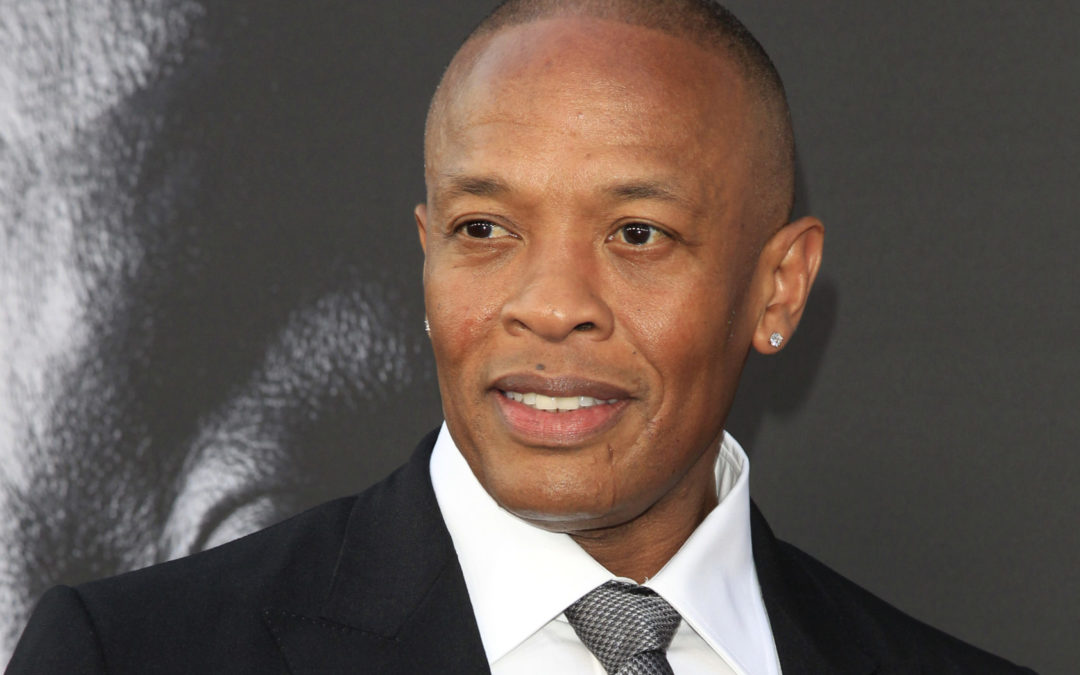
The Case for Single-Producer AlbumsIn the ever-evolving landscape of music production, a titan of the industry has spoken out, challenging the status quo and igniting a conversation that’s set to reverberate through recording studios worldwide. Dr. Dre, the legendary producer whose fingerprints are all over some of hip-hop’s most iconic tracks, has dropped a truth bomb that’s got everyone from aspiring beatmakers to seasoned veterans sitting up and taking notice. His stance? It’s time to bring back the era of the single-producer album.
Picture this: a world where albums aren’t a patchwork quilt of different sounds and styles, but a cohesive journey crafted by a single visionary. That’s the dream Dr. Dre is selling, and let’s be real, when the good doctor speaks, the music world listens. But why is this such a big deal? And what could it mean for the future of music as we know it?
Buckle up, music lovers, because we’re about to dive deep into the mind of a master producer and explore why this seemingly simple idea could be the shake-up the industry didn’t know it needed. From the creative process to the final product, we’re unpacking every angle of Dr. Dre’s game-changing philosophy. Get ready to see albums in a whole new light – this is one ride you won’t want to miss.
The Single-Producer Vision: Dr. Dre’s Game-Changing Perspective
When Dr. Dre drops knowledge, the music world sits up and takes notice. And boy, did he drop a bombshell recently. In a candid conversation that’s got everyone talking, the legendary producer laid out his vision for the future of album production – and it’s as bold as it is straightforward.
Picture this: you’re in the studio with Dr. Dre and Snoop Dogg, two icons casually rewriting the rules of the game. That’s exactly what went down on the Stephen A. Smith show, where Dre laid his cards on the table. “I like the idea of one producer on an album,” he declared, sending shockwaves through the industry. But he didn’t stop there. Dre went on to assert, “If you’re a producer, you should be able to produce the whole album.”
Now, let’s break this down. We’re not just talking about a preference here; we’re talking about a fundamental shift in how albums are created. Dre’s vision isn’t just about streamlining the process – it’s about creating a cohesive artistic statement from start to finish. It’s about giving producers the space to flex their creative muscles across an entire project, rather than just a track or two.
But here’s where it gets really interesting. Dre didn’t mince words when he expressed his dissatisfaction with the current state of affairs: “I don’t like the fact that there’s nine different producers on one album.” Boom. There it is. A direct challenge to the multi-producer model that’s become the norm in recent years.
This isn’t just talk from someone on the sidelines. This is Dr. Dre – the man behind some of the most groundbreaking albums in hip-hop history. When he speaks about production, it’s with the weight of decades of experience and countless platinum records behind him. His words carry the kind of gravitas that can shift industry paradigms.
So, what does this mean for artists, producers, and listeners? It’s a call to action, a challenge to rethink how albums are made. It’s an invitation to imagine a world where each album is a singular vision, a complete artistic statement from a single creative mind. And let’s be real – coming from Dr. Dre, it’s a challenge that’s hard to ignore.
As we dive deeper into this topic, we’ll explore the implications of Dre’s statement, the potential benefits and challenges of the single-producer model, and what it could mean for the future of music. Buckle up, folks – we’re about to go on a journey through the mind of a production genius.
The Multi-Producer Dilemma: Unpacking the Current Trend
Let’s face it – the music industry has been riding the multi-producer wave for a hot minute now. It’s become the norm to see album credits that read like a who’s who of production talent. But is more always better? Dr. Dre doesn’t think so, and he’s got us all questioning the status quo.
In today’s music scene, it’s not uncommon to find albums with a different producer for almost every track. On the surface, this might seem like a dream team approach – bringing together the best of the best to create a sonic masterpiece. But let’s peel back the layers and see what’s really going on.
First off, there’s the issue of cohesion. When you’ve got multiple producers working on an album, each bringing their own style and sound, it can sometimes feel like you’re listening to a playlist rather than a unified body of work. Sure, you might get a bunch of bangers, but do they tell a story together? Do they take you on a journey? That’s the question Dr. Dre is asking us to consider.
Then there’s the artist’s vision. In a multi-producer setup, the artist often becomes a juggler, trying to balance different production styles and make them fit their own artistic direction. It’s a tightrope walk that doesn’t always pay off. Sometimes, the result is an album that feels disjointed, lacking the kind of narrative flow that can make a good album great.
But let’s not forget the business side of things. The multi-producer model has become popular for a reason. It spreads the risk, potentially increases the album’s appeal to different audiences, and can bring in multiple fan bases. It’s a strategy that’s worked well for many artists, leading to chart-topping hits and commercial success.
However, Dr. Dre’s critique forces us to ask: at what cost? Are we sacrificing artistic integrity for commercial viability? Are we losing something essential in the pursuit of diversity?
The multi-producer trend also reflects the collaborative nature of modern music-making. In an era where features and crossovers are the norm, having multiple producers on an album can be seen as an extension of this collaborative spirit. It’s a way of bringing different flavors and perspectives into the mix.
But Dr. Dre’s stance challenges this notion. He’s suggesting that true collaboration might actually come from a deeper, more sustained relationship between an artist and a single producer. It’s about creating a shared vision, a unified sound that carries through from the first track to the last.
As we continue to unpack Dr. Dre’s perspective, we’ll explore how the single-producer model might address these issues and potentially revolutionize the way we think about album production.
When Dr. Dre speaks about the benefits of having a single producer for an entire album, he’s not just talking about creative cohesion – he’s also touching on a crucial technical aspect of music production. The consistency in sound and mix that can be achieved with this approach is a game-changer, and it’s something that shouldn’t be overlooked.



RECENT COMMENTS