

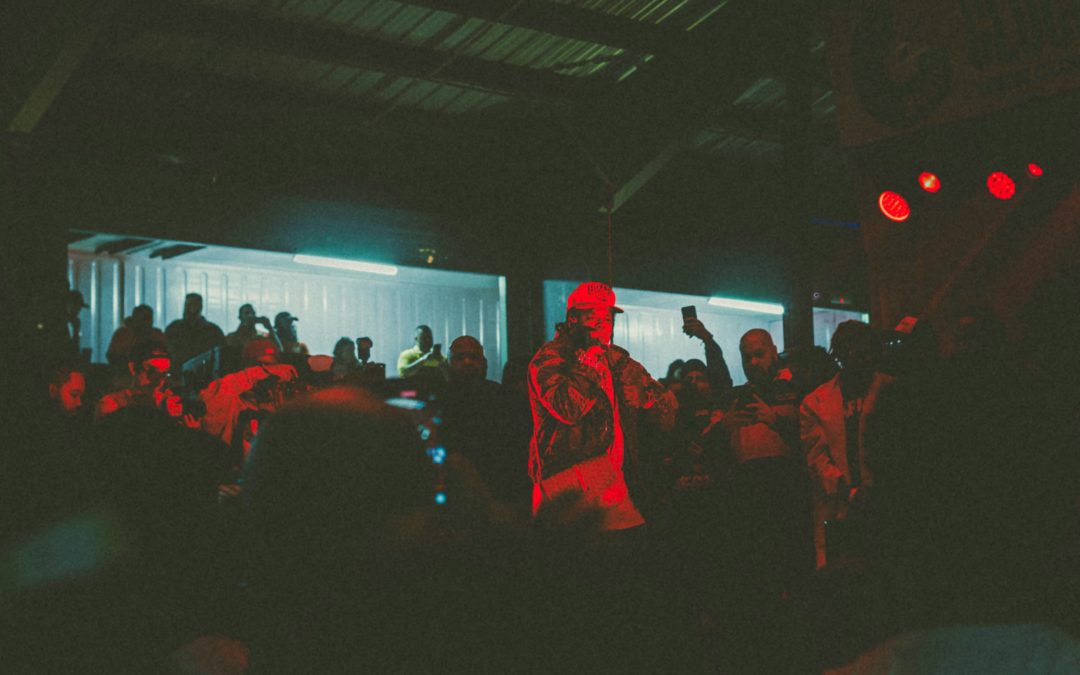
Why Indie Musicians Are Shifting Focus From Streaming to Selling Direct
Photo by Frankie Cordoba on Unsplash
For over a decade, digital streaming platforms have dominated the way people discover and consume music. They’ve revolutionized access, given listeners millions of songs at their fingertips, and provided artists—particularly independent ones—with the promise of a level playing field. But over the last couple of years, that promise has started to fade. A new movement is emerging among indie musicians: one that favors direct-to-consumer models over mainstream streaming platforms. This isn’t rebellion—it’s a response to economics, ownership, and a desire for long-term sustainability.
The Harsh Reality of Streaming Revenue
At first glance, streaming seems like a great way for artists to reach global audiences. A song can travel across countries overnight, algorithmic playlists can spike visibility, and listeners can easily find new artists. But for all its reach, streaming delivers little reward for most artists financially. Many musicians have realized that their play counts look impressive, but their income doesn’t match. That’s because the underlying payment structure doesn’t favor small-scale creators.
Streaming services operate on a revenue-sharing system. Each month, the platform calculates the total number of streams across all songs and divides the subscription revenue based on what percentage of plays each song received. This means artists are not paid per play in any fixed or reliable sense. Instead, they earn a slice of the monthly pie that gets smaller the more the platform grows and the more competitive the streamshare becomes.
This structure overwhelmingly favors major label artists and viral chart-toppers. For independent artists, it often translates to a payout of just a few dollars for thousands of streams. Spotify, one of the biggest platforms, typically pays between $0.003 and $0.005 per stream. At that rate, an artist would need roughly 333,000 streams to earn just $1,000. Meanwhile, even Apple Music and Amazon, which pay slightly better, still require over 100,000 streams to hit the same mark. With no flat rate, the income is not only low but also unpredictable.
Streaming Thresholds and the New Gatekeeping
In 2024, Spotify introduced a new policy that added insult to injury for small artists. Under this update, any song that fails to accumulate 1,000 streams in a 12-month window is excluded from royalty payments. The company positioned this move as a way to reduce low-quality uploads and fraudulent activity. But it had a side effect that hit legitimate indie artists the hardest—especially those with niche fanbases or smaller catalogs.
This policy pushed many artists to reassess their reliance on streaming. If your music isn’t hitting a certain level of volume, it’s now simply not worth anything to the platform, no matter how much effort went into it or how meaningful it is to fans. This effectively introduced a new form of gatekeeping. Not based on talent, but on numbers.
Rethinking Value: Why Artists Are Selling Direct
In light of these challenges, a wave of musicians is finding new hope in older models—with a modern twist. Selling music, merch, and experiences directly to fans has emerged as a powerful alternative to the streaming economy. When artists go direct, they not only get paid more per transaction, but they also regain a sense of control and connection that streaming cannot offer.
Let’s break down the math. If an artist sells 200 digital albums at $10 each through their own site or a DTC platform, and keeps 80% of the revenue, they take home $1,600. That’s more than what they’d earn from hundreds of thousands of Spotify streams—and they get paid faster, often within a couple of days. This model puts the artist back in charge. They set their own price, keep the data, and engage their audience on their terms.
Owning the Fan Relationship Is the Game-Changer
Perhaps the biggest advantage of the direct model is access to fans. Streaming platforms are designed to keep users inside the app. They don’t share listener data with artists, which means the musician never truly knows who their fans are. They can’t reach out directly, promote shows, or sell merchandise easily. They just have to hope the algorithm favors them again.
Going direct changes this dynamic completely. When someone buys music from an artist’s store or a DTC platform, the artist gets their contact information. They can now build an email list, send SMS updates, and keep fans informed about new projects or tour dates. This turns passive listeners into loyal supporters—and those relationships last far longer than a playlist add.
Some platforms even include built-in CRM (customer relationship management) tools that make it easy to segment fan lists and create custom campaigns. Artists can reward top fans, run promotions, or offer exclusive content. This isn’t just marketing—it’s community-building. And that’s something no streaming platform can replicate.
Scarcity and Exclusivity as Revenue Multipliers
One of the most effective strategies in the direct-to-consumer model is using scarcity to drive action. Artists are now releasing music as limited-time digital “drops” or exclusive early-access bundles before ever touching streaming platforms. Fans who want to be the first to hear new songs are encouraged to buy rather than wait. This urgency turns first-week hype into real money and helps fund future releases.
Artists can also experiment with tiered pricing. For example, they might offer a basic album for $10, a deluxe edition for $25 with bonus tracks, and a $50 VIP package that includes a video call or signed item. Fans love the chance to support artists in meaningful ways—and artists earn far more per fan compared to what streaming provides.
Ethics and Brand Alignment Matter Too
For some musicians, this shift is not just about revenue but about values. Large streaming platforms make business decisions that may clash with an artist’s beliefs—whether it’s partnerships with controversial companies, investment in industries like defense tech, or failure to support marginalized communities. Selling direct gives artists the freedom to run their business in a way that aligns with their personal ethics.
When artists own the entire sales process, they’re no longer beholden to corporate policies or opaque algorithms. They get to decide what they release, how they price it, and who they serve. This creative and ethical freedom is invaluable for many.
The Rise of Artist-Centric Platforms
New tools are making it easier than ever for artists to make the shift. EVEN and Nebula are two standout platforms helping lead the way. EVEN allows musicians to sell digital releases, merch, and bundled experiences directly to fans. Artists can customize pricing, capture fan data, and use built-in marketing features to manage ongoing campaigns.
Nebula takes a different angle. It uses blockchain technology to let fans buy fractional ownership of songs. In return, they earn a share of the royalties generated by the music. This turns listeners into stakeholders and allows artists to raise funding without signing away rights to labels. It’s a bold new model for community-funded creativity.
Both platforms prioritize independence. They’re designed not to replace streaming, but to give artists more tools to succeed outside it. And the best part? They let artists decide how much or how little they want to use traditional DSPs in their strategy.
A Smarter Strategy for a Changing Industry
Many indie artists are adopting a hybrid approach. Instead of abandoning streaming altogether, they’re reframing it. Streaming becomes a discovery tool, not the primary monetization method. New music is released first through a paid drop on the artist’s own site or platform, where the core audience can buy it and support the artist directly. Afterward, it’s released to streaming for visibility and algorithmic traction.
This strategy allows artists to earn upfront from their biggest supporters and still reach wider audiences later. It’s not about rejecting the mainstream—it’s about making it work for you, on your own terms.
Direct Sales Aren’t Just for Albums
The beauty of the DTC model is that it extends far beyond just selling music. Artists can bundle their releases with behind-the-scenes content, virtual meet-and-greets, concert tickets, merch, or even fan-only community access. These experiences increase the value of each transaction and deepen the fan connection.
At live shows, artists can sell limited edition merch or use QR codes to drive traffic to their digital storefronts. The same principle applies online: every post, livestream, or tweet becomes an opportunity to guide fans to a space the artist owns.
Where Things Are Headed
As the music landscape continues to evolve, more independent artists are realizing they don’t have to play by the rules set by streaming giants. The tools for independence are finally here. And while streaming platforms will continue to dominate mass consumption, they no longer have to dominate the business of being an artist.
The DTC movement isn’t just a trend—it’s a fundamental shift in how artists think about their careers. It’s about turning fans into partners, attention into income, and data into long-term opportunity. In a world where streams rarely pay the bills, selling direct might just be the future of music for those who want to stay creative, stay independent, and stay in business.
Apple Music Unveils a Game-Changing Artist Hub in Los Angeles, Celebrating 10 Years of Musical Innovation
Photo by Mariia Shalabaieva on Unsplash
In a move that underscores its commitment to creativity and musical excellence, Apple Music has revealed a monumental new development in Los Angeles: a sprawling, next-generation studio and artist hub, unveiled to mark the streaming giant’s 10th anniversary. This initiative is more than a commemorative gesture—it’s a strategic leap forward, designed to empower artists, elevate production standards, and redefine the relationship between musicians, technology, and global audiences.
Reflecting on a Decade of Disruption
Since its 2015 debut, Apple Music has played a transformative role in the digital music revolution. Over the past ten years, the service has grown from an ambitious streaming platform into a cultural powerhouse, influencing everything from how people discover new tracks to how artists launch careers. Unlike its early competitors, Apple Music made it a priority to blend cutting-edge technology with a human touch—emphasizing expertly curated playlists, artist-driven content, and exclusive programming.
Celebrating ten years at the forefront of music streaming, Apple has chosen to mark this milestone not just with nostalgia, but with bold action. The new Los Angeles creative campus signals a new era: one where musicians, producers, and content creators have unprecedented resources and opportunities at their fingertips.
A Hub Designed for Today’s Artist
Opening in the heart of Los Angeles this summer, Apple’s latest venture goes far beyond the confines of a traditional music studio. Rather, it’s conceived as a dynamic “creative campus”—a multi-purpose space where innovation, technology, and artistry meet. This campus is a physical manifestation of Apple’s belief that, in the digital age, music-making should be collaborative, immersive, and deeply personal.
Rachel Newman, co-head of Apple Music, articulates this vision clearly: “Apple Music Radio has always been a home for storytelling and artistry, serving as a space for bold conversations and surprising moments. With this new studio we are furthering our commitment to creating a space for artists to create, connect, and share their vision.”
Next-Level Facilities to Power Creativity
The scope of Apple’s new Los Angeles studio is nothing short of impressive. Spread across three stories and more than 15,000 square feet, the campus has been meticulously designed to inspire creativity and provide world-class resources for every facet of music and content production. Here’s what sets this facility apart:
- Immersive Radio Studios: Two technologically advanced radio studios are at the heart of the space, equipped with Apple’s cutting-edge Spatial Audio capabilities. These studios can seamlessly switch between configurations, hosting live interviews, casual artist chats, or even spontaneous live performances. The flexibility ensures that every moment—planned or unscripted—can be captured in stunning, multidimensional sound.
- Expansive Performance Soundstage: The campus features a massive 4,000-square-foot soundstage, built to handle everything from intimate live sets and multi-camera video shoots to exclusive fan events and screenings. With this, Apple enables artists to create high-production-value events that connect directly with audiences—whether live in-person, streamed worldwide, or repurposed as exclusive content.
- Dedicated Spatial Audio Mixing Lab: Sound quality is a top priority, and Apple has equipped its mixing room with a state-of-the-art 9.2.4 PMC speaker array. This technology is at the forefront of the industry, allowing artists and producers to experiment with Spatial Audio and craft immersive soundscapes that are rapidly becoming the new standard for music.
- Onsite Content Creation Suite: Understanding the power of instant, visually engaging media, Apple has included a comprehensive suite for photography, social media, and video editing. Artists and their teams can create, edit, and share real-time content, ensuring their creative process is documented and their promotional needs are met without ever leaving the building.
- Private Isolation Booths: To support songwriting, podcasting, or sensitive interviews, the campus offers several soundproof booths, providing privacy and a focused environment for artists to capture their ideas and emotions without distractions.
- Artistic Hallways and Archives: More than just functional corridors, the campus’s hallways double as living galleries. The A-List Corridor and Archive Corridor display iconic moments, artwork, and photographs from Apple Music’s own journey and from artists who have shaped its legacy.
Connecting a Global Creative Network
This Los Angeles campus isn’t a standalone project. Apple has been quietly building a network of creative hubs across the world, in cities famed for their musical histories and vibrant communities—New York, Tokyo, Berlin, Paris, and Nashville among them. The company has announced that even more hubs are on the way. These studios are strategically positioned to serve local talent while being integrated into Apple’s global content ecosystem, fostering a cross-pollination of ideas and opportunities.
Artist Empowerment at the Core
The driving philosophy behind Apple’s new studio initiative is simple but powerful: empower artists. The current music industry landscape is a paradox—while it’s never been easier to release music digitally, it’s also never been harder to stand out in a sea of content. Apple’s answer is to give artists access to the same world-class facilities, promotion, and creative support, regardless of whether they’re chart-topping superstars or promising newcomers.
This ethos is evident in every detail of the Los Angeles campus. Apple is not just creating a space for recording; it’s crafting a holistic environment for idea generation, experimentation, collaboration, and direct fan interaction.
Elevating Apple Music Radio
Apple Music Radio, a flagship part of the platform, is set to benefit greatly from the new facilities. The studio will be a hub for the next wave of original shows, in-depth interviews, and genre-defining playlists. With its enhanced capabilities, expect more live events, behind-the-scenes content, interactive broadcasts, and unfiltered access to artists at the top of their craft.
By prioritizing both the technical quality and the human element, Apple Music Radio cements itself as a global destination for music fans hungry for discovery, authenticity, and expert curation.
The Promise of Spatial Audio
One of the defining features of the new campus is its commitment to Spatial Audio. Apple has led the charge in this technology, which allows music to be experienced three-dimensionally, giving listeners the feeling of being surrounded by sound. This leap in audio fidelity isn’t just a technical upgrade; it’s fundamentally changing the way music is composed, mixed, and enjoyed.
With a dedicated Spatial Audio mixing room, artists can now push creative boundaries—enveloping listeners in soundscapes that mimic live performances, or revealing hidden layers and details previously lost in stereo mixes. For the audience, this means more immersive, emotionally resonant listening experiences.
Why This Matters for the Industry
Apple’s investment in a sprawling, artist-first campus has far-reaching implications. In the era of digital streaming, where algorithms and platforms mediate the artist-listener connection, physical spaces like this restore a sense of community, collaboration, and hands-on creativity. Apple’s model isn’t just about offering tools—it’s about providing holistic support: from creative inception to production, promotion, and direct engagement with fans.
In a crowded streaming market, these investments give Apple a competitive edge, offering exclusive content and experiences that competitors can’t easily replicate. At the same time, they provide artists—especially independents—with a rare opportunity to break through the noise.
Merging Artistry and Technology
At every level, the new Apple Music Los Angeles campus is a testament to the company’s unique fusion of artistry and technological prowess. The adaptable radio studios, advanced mixing labs, and instant content suites all serve one goal: to make the creative process as seamless and inspiring as possible. Technology here is not a barrier, but an enabler of bold artistic vision.
Apple’s commitment to artist empowerment is clear in both its infrastructure and its intent. By lowering the friction between inspiration and realization, and between artist and audience, Apple is helping to define what the future of music creation—and consumption—can look like.
A Glimpse Into the Future
This ambitious new campus is just the beginning. As Apple expands its network of creative hubs worldwide, the opportunities for collaboration, experimentation, and cultural exchange will only multiply. Each new hub will be shaped by the city it inhabits, further diversifying Apple’s global creative community.
For Apple Music subscribers, this means richer content, greater artist access, and ever more innovative musical experiences. For artists, it’s a chance to create, connect, and share on an entirely new level.
Conclusion: More Than Just a Studio
Apple Music’s Los Angeles artist hub is far more than a celebration of ten years—it’s a declaration of intent for the future. With this campus, Apple demonstrates its unwavering belief in the power of music to inspire, unite, and transform. By providing world-class tools, spaces, and support, Apple is not just shaping the future of music technology—it’s nurturing the next wave of global creative talent. As the doors open this summer, the world will be watching, listening, and waiting for the next evolution o
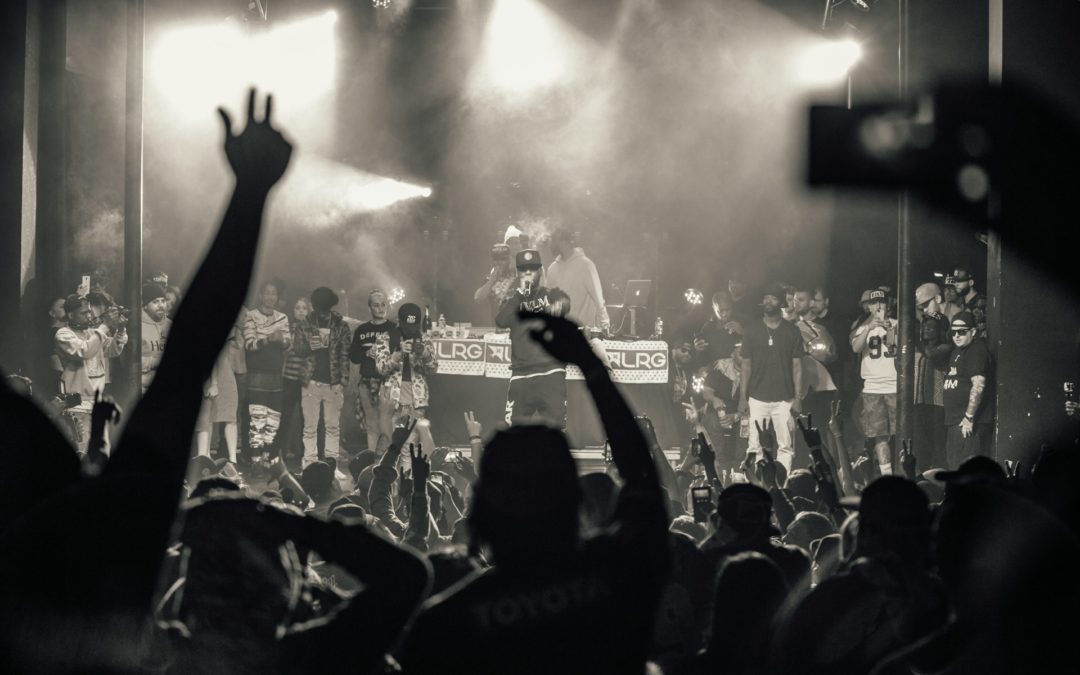
Playboi Carti Declares ‘I AM MUSIC’ With His Highly Anticipated New Album
Photo by Joel Muniz on Unsplash
Playboi Carti, one of the most enigmatic and influential figures in modern music, has finally unveiled his long-awaited album, solidifying his artistic identity with a bold declaration—I AM MUSIC.
After years of teasing fans with cryptic messages, unpredictable social media activity, and an unconventional approach to releases, the Atlanta-born rapper has returned with a follow-up to Whole Lotta Red (WLR). This album is not just another addition to his discography but a defining statement that cements his legacy in the industry.
With a uniquely chaotic energy, Playboi Carti has carved out a space that transcends traditional hip-hop. His music is not just rap—it’s an experience, a subculture, a lifestyle. And with this new release, he isn’t just offering fans another album; he’s declaring his supremacy as an artist whose influence shapes an entire generation.
The Wait is Over
For years, fans have been eagerly awaiting new material from Playboi Carti. Following the release of Whole Lotta Red in December 2020, the rapper went relatively silent, except for sporadic leaks and snippets that sent his fanbase into a frenzy. With no clear release date in sight and an aura of mystery surrounding his creative process, Carti built up anticipation in a way only he could—through silence, unpredictability, and a carefully curated persona of mystique.
Rumors of new music circulated for months, with fans dissecting every hint, every cryptic social media post, and every rare public appearance. Would it be a Whole Lotta Red deluxe edition? A completely new project? No one knew for sure.
But now, the wait is finally over. Playboi Carti has delivered an album that crashes through all expectations and arrives with a force that demands attention.
If there’s one thing Playboi Carti knows how to do, it’s curate an unforgettable sonic experience. His new album boasts an impressive lineup of guest appearances, featuring some of the biggest names in the industry such as Travis Scott, The Weekned, Skepta and Kendrick Lamar just to name a few.
With such a diverse array of artists contributing to the album, I AM MUSIC (or simply MUSIC, as listed on streaming services) becomes more than just a rap album—it’s a genre-blending masterpiece that showcases the fluidity of modern music.
The Album’s Name: A Statement of Power
While the album is officially listed under the title MUSIC, its cover art features an overlaid font reading I AM MUSIC, a phrase that carries a profound meaning.
Carti’s choice to make such a bold statement isn’t accidental. He has often been regarded as a trendsetter, with a musical style that continues to evolve and redefine what rap can be. His influence is undeniable—his unique delivery, ad-lib-heavy flows, and punk-rock-inspired aesthetics have birthed an entirely new wave of artists attempting to replicate his signature sound.
Back in 2022, Carti spoke about the album while it was still in progress, hinting that it would be his most personal and impactful project yet. Now that it’s here, it’s clear that he wasn’t exaggerating. MUSIC isn’t just a collection of songs—it’s a manifesto.
The Build-Up and Unique Marketing Strategy
In the days leading up to the album’s release, Carti took a highly unconventional approach to marketing. Rather than relying on traditional rollouts with single releases and promotional interviews, he let the anticipation build organically.
One of the most notable pre-release moments came through Carti’s use of Blackhaine, a UK-based experimental artist known for his aggressive spoken-word style. Blackhaine was tasked with delivering shouted announcements about the album, further adding to the chaotic and unpredictable nature of the release.
Streaming giant Spotify also played a role in amplifying the hype, sharing a cryptic video with the caption, “Have faith.” Fans interpreted this as a sign that MUSIC was about to drop, and sure enough, the album arrived in a fashion that was both expected and unexpected—exactly the way Playboi Carti operates.
A Cultural Phenomenon, Not Just an Album
Playboi Carti has never been an artist bound by industry norms. He doesn’t follow trends—he sets them.
With MUSIC, he reaffirms his place at the forefront of the culture, embracing his role as a musical chameleon who can adapt, evolve, and disrupt the status quo at will. His influence extends beyond just music—his aesthetic choices, from avant-garde fashion to distorted album covers, continue to inspire artists across multiple disciplines.
For longtime fans, this release is a validation of Carti’s enduring star power. For newcomers, it’s a perfect entry point into the world of an artist who refuses to be confined by labels.
Headlining Rolling Loud California: The Next Big Moment
The album’s release is only the beginning. Fans won’t have to wait long to see Playboi Carti bring MUSIC to life on stage.
Carti is set to headline Rolling Loud California this weekend, and given his history of high-energy, unpredictable performances, expectations are sky-high.
Those who witnessed his Rolling Loud Miami performance last year will remember a moment that felt almost prophetic. Before launching into his feature on Ye and Ty Dolla Sign’s Grammy-nominated hit Carnival, Carti told the crowd:
“Every song I’m on is my song.”
It was a bold statement that reflects how he sees his artistry. Carti doesn’t just contribute to music—he is the music. Every song he touches is infused with his unmistakable energy, making it uniquely his, regardless of who else is on the track.
With MUSIC out now and his Rolling Loud performance just around the corner, Carti is poised to deliver yet another unforgettable cultural moment.
A Legacy That Continues to Grow
Playboi Carti’s impact on the music industry is impossible to ignore. From his early days with Die Lit to the game-changing Whole Lotta Red, he has continuously defied expectations and pushed the boundaries of what hip-hop can be.
With MUSIC, he takes his artistry to the next level, proving once again that he is in a league of his own. This album isn’t just about proving doubters wrong—it’s about solidifying a legacy that will be studied, analyzed, and celebrated for years to come.
So, whether you’re a longtime fan or a newcomer just discovering the world of Playboi Carti, one thing is certain: you’re witnessing history in the making.
Stream MUSIC now on Apple Music, Spotify, Tidal, and YouTube, and experience the evolution of an artist who truly is music.

André 3000’s Grammy Absence: A Reflection on Music, Wildfires, and Artistic Evolution
Photo by Michael Held on Unsplash
In a surprising turn of events, the music world was taken aback when André 3000, the acclaimed rapper-turned-flutist, announced his decision to skip the 67th Annual Grammy Awards. This unexpected revelation came on the heels of his nominations for three prestigious Grammy categories, including the highly coveted Album of the Year for his groundbreaking instrumental album, “New Blue Sun.” As fans and industry insiders grapple with this news, it’s crucial to delve deeper into the circumstances surrounding André’s decision, the impact of recent wildfires in Los Angeles, and the broader implications for the music industry.
The Unexpected Announcement
On a quiet Saturday morning, just a day before the star-studded Grammy ceremony, André 3000 took to social media to share his decision with his devoted fanbase. The nine-time Grammy winner expressed his regret at being unable to attend the event, citing unforeseen circumstances. However, he assured his followers that the spirit of “New Blue Sun” would be well-represented at the ceremony.
In his heartfelt message, André stated, “Unfortunately, I’m not able to attend the Grammys tomorrow, but some of the ‘New Blue Sun’ musicians, friends, and supporters will be in attendance.” This announcement sent ripples through the music community, prompting speculation and concern among fans and industry professionals alike.
The Significance of “New Blue Sun”
“New Blue Sun” marked a significant milestone in André 3000’s illustrious career. Released in November 2023, this album represented his first solo venture in seventeen years, following the sixth and final Outkast album, “Idlewild.” What truly set this project apart was its purely instrumental nature, a departure from the rap-centric style that had defined much of André’s earlier work.
The album’s nomination for Album of the Year at the Grammys was a testament to its innovative approach and artistic merit. It showcased André’s evolution as a musician and his willingness to explore new sonic territories. The recognition from the Recording Academy further cemented the album’s place in the annals of contemporary music.
The Los Angeles Connection
In his statement, André 3000 made a poignant reference to Los Angeles, the city where “New Blue Sun” was conceived and recorded. He emphasized the collaborative spirit that permeated the album’s creation, stating, “Our album was conceived and recorded in Los Angeles with the spirit of openness and creative collaboration.”
This connection to Los Angeles took on added significance in light of recent events that had impacted the city. André’s message continued with a heartfelt wish: “We hope that the rebound of Los Angeles is swift and renewing.” This statement alluded to the challenges faced by the city, particularly the devastating wildfires that had recently swept through the region.
The Impact of Wildfires on the Music Community
The mention of Los Angeles’s rebound in André’s statement brought attention to the broader issue of how natural disasters, particularly wildfires, affect the music industry and the creative community at large. Los Angeles, being a hub for entertainment and music production, has faced significant challenges due to recurring wildfires in recent years.
These wildfires have not only posed physical threats to studios, venues, and artists’ homes but have also disrupted the creative process and collaborative spirit that André 3000 highlighted in his album’s creation. The music community’s resilience in the face of such adversities has been remarkable, with many artists and industry professionals coming together to support those affected and to ensure the continuity of their craft.
André 3000’s Artistic Journey
To fully appreciate the significance of André 3000’s Grammy nominations and his decision not to attend the ceremony, it’s essential to understand the trajectory of his artistic journey. Known primarily as one-half of the groundbreaking hip-hop duo Outkast, André has consistently pushed the boundaries of musical expression throughout his career.
From Rap Icon to Instrumental Innovator
André 3000’s transition from a rap icon to an instrumental innovator has been a subject of fascination for many in the music industry. While fans and critics alike had long anticipated a rap-focused solo album from the artist, André surprised everyone with the release of “New Blue Sun,” a project that eschewed vocals in favor of rich, layered instrumentation.
This bold artistic choice was not made lightly. In various interviews, André has spoken candidly about his creative process and the challenges he faced in returning to rap. He admitted to struggling with finding authentic subject matter for rap lyrics, stating, “I’ve worked with some of the newest, freshest, youngest, and old-school producers. I get beats all the time. I try to write all the time. Even now people think, ‘Oh, man, he’s just sitting on raps, or he’s just holding these raps hostage.’ I ain’t got no raps like that. It actually feels… sometimes it feels inauthentic for me to rap because I don’t have anything to talk about in that way.”
Collaborations and Explorations
Despite his reservations about returning to rap, André 3000 has not been entirely absent from the hip-hop scene. Over the past decade, he has collaborated with notable artists such as Ye (formerly known as Kanye West) and Frank Ocean. These collaborations have allowed André to contribute his unique perspective and skills to various projects while continuing to explore his own artistic direction.
The journey from these collaborations to the creation of “New Blue Sun” is a testament to André’s commitment to artistic authenticity and growth. By choosing to focus on instrumental music, he has opened up new avenues for expression and challenged both himself and his audience to experience music in different ways.
The Grammy Nominations
André 3000’s nominations for the 67th Annual Grammy Awards are a reflection of both his artistic evolution and the music industry’s recognition of innovative approaches to composition and performance.
These nominations span a diverse range of musical categories, highlighting the album’s unique position at the intersection of various genres and styles. The inclusion of “New Blue Sun” in the Album of the Year category, in particular, speaks to its impact and the respect it has garnered within the industry.
The Significance of the Nominations
For an artist primarily known for his work in hip-hop, these nominations in jazz and instrumental categories represent a significant shift in perception and recognition. They validate André 3000’s artistic choices and demonstrate the Recording Academy’s willingness to acknowledge and celebrate genre-defying works.
The Album of the Year nomination, in particular, places “New Blue Sun” alongside some of the most commercially successful and critically acclaimed albums of the year. This recognition not only elevates André’s status as a multifaceted artist but also opens up discussions about the nature of genre classifications and the evolving landscape of contemporary music.
The Decision to Skip the Grammys
André 3000’s announcement that he would not be attending the Grammy Awards ceremony came as a surprise to many, given the significance of his nominations. While the exact reasons for his absence were not explicitly stated, his message provided some insights into his perspective and priorities.
The Impact of His Absence
While André 3000’s physical absence from the Grammy ceremony is notable, his presence will undoubtedly be felt through the music of “New Blue Sun” and the recognition it has received. His decision to have the album represented by his collaborators and supporters emphasizes the collaborative nature of the project and the importance of the music itself over individual accolades.
The Los Angeles Music Scene and Wildfires
André 3000’s reference to the “rebound of Los Angeles” in his statement brings attention to the challenges faced by the city’s vibrant music scene, particularly in the wake of recent wildfires. Los Angeles has long been a crucible of musical innovation and collaboration, serving as a hub for artists across genres.
The Impact of Wildfires on the Creative Community
Recent years have seen Los Angeles and its surrounding areas grappling with increasingly severe wildfire seasons. These natural disasters have had profound effects on the city’s residents, including its large community of musicians, producers, and industry professionals.
Community Response and Resilience
Despite these challenges, the Los Angeles music scene has demonstrated remarkable resilience. Artists, industry professionals, and community members have come together to support those affected by wildfires through benefit concerts, fundraising initiatives, and mutual aid networks. This spirit of collaboration and support echoes the “spirit of openness and creative collaboration” that André 3000 cited in the creation of “New Blue Sun.”
The Evolution of André 3000’s Musical Style
André 3000’s journey from hip-hop innovator to instrumental composer is a fascinating study in artistic evolution. This transformation reflects not only his personal growth as a musician but also broader trends in the music industry towards genre-blending and experimentation.
From Outkast to Solo Experimentation
As a member of Outkast, André 3000 was instrumental in pushing the boundaries of hip-hop, incorporating elements of funk, soul, and psychedelia into the duo’s sound. Albums like “Aquemini” and “Speakerboxxx/The Love Below” showcased his willingness to experiment with different musical styles and lyrical approaches.
Following Outkast’s hiatus, André’s musical output became more sporadic but no less innovative. His guest verses on tracks by other artists often stood out for their technical brilliance and thought-provoking content. However, it was clear that André was searching for new modes of expression beyond traditional rap.
The Shift to Instrumental Music
The release of “New Blue Sun” marked a definitive shift in André’s musical direction. By focusing on instrumental compositions, he freed himself from the constraints of lyrical expectations and opened up new avenues for sonic exploration. This move also allowed him to showcase his skills as a multi-instrumentalist, with a particular focus on the flute.
The album’s blend of jazz, ambient, and experimental elements creates a unique soundscape that defies easy categorization. This genre-defying approach is reflective of André’s career-long resistance to being pigeonholed into a single style or sound.
By drawing from such a wide array of inspirations, André has created a musical experience that invites listeners to expand their own sonic horizons.
The Significance of “New Blue Sun” in Contemporary Music
“New Blue Sun” stands as a significant work in the landscape of contemporary music, challenging conventions and blurring the lines between genres. Its nomination for Album of the Year at the Grammys underscores its impact and the industry’s recognition of its innovative approach.
Breaking Down Genre Barriers
The album’s success in garnering nominations across different categories (Instrumental Composition, Alternative Jazz, and Album of the Year) highlights its ability to transcend traditional genre classifications. This cross-genre appeal speaks to a growing trend in the music industry towards more fluid and inclusive categorizations of musical styles.
Redefining Artist Expectations
André 3000’s shift from rap to instrumental music challenges preconceived notions about artist evolution and career trajectories. By pursuing a path that feels authentic to his current artistic vision, regardless of commercial expectations, André sets an example for other artists seeking to explore new creative directions.
Elevating Instrumental Music
The recognition of “New Blue Sun” in mainstream award categories like Album of the Year brings increased attention to instrumental music. This acknowledgment could potentially open doors for other instrumental works to receive similar recognition in the future, enriching the diversity of music celebrated at major award shows.
The Role of Collaboration in “New Blue Sun”
André 3000’s emphasis on the collaborative nature of “New Blue Sun” in his Grammy announcement highlights an important aspect of the album’s creation. This focus on collaboration reflects a broader trend in the music industry towards more interconnected and diverse creative processes.
The Collaborative Process
The creation of “New Blue Sun” involved a series of improvisational sessions and collaborative explorations. This approach allowed for spontaneous creativity and the blending of different musical backgrounds and techniques. The result is an album that feels both cohesive and expansive, reflecting the diverse inputs of its contributors.
Impact on the Final Product
The collaborative nature of the album’s creation is evident in its sound. The interplay between different instruments and styles creates a dynamic and evolving sonic landscape that rewards repeated listening. This approach to music-making also aligns with André 3000’s stated desire to move beyond the constraints of his previous work and explore new creative territories.
The Intersection of Music and Social Issues
André 3000’s reference to the “rebound of Los Angeles” in his Grammy announcement touches on the broader relationship between music and social issues. This connection is particularly relevant in the context of natural disasters like wildfires and their impact on communities.
Music as a Tool for Healing and Unity
In times of crisis, music often serves as a powerful medium for healing, unity, and raising awareness. The Los Angeles music community has a history of coming together to support causes and address social issues, from benefit concerts to collaborative projects aimed at driving change.
Artists as Advocates
Many artists, including André 3000, use their platforms to draw attention to important social and environmental issues. By mentioning Los Angeles’s recovery in his statement, André subtly highlights the ongoing challenges faced by the city and its residents, potentially inspiring further support and action from his fanbase and the wider music community.
The Role of Music in Community Resilience
The creation and performance of music can play a significant role in building community resilience in the face of challenges like natural disasters. Music events, whether live or virtual, can bring people together, provide emotional support, and help raise funds for recovery efforts.
Looking to the Future: André 3000’s Musical Path
As André 3000 continues to evolve as an artist, fans and critics alike are eager to see where his musical journey will lead next. The success and recognition of “New Blue Sun” open up new possibilities for his future creative endeavors.
Regardless of the specific direction André 3000 chooses to pursue, his continued evolution as an artist is likely to have a significant impact on the music industry. His willingness to take risks and explore new territories serves as an inspiration to both established and emerging artists, encouraging creative experimentation and genre-defying approaches to music-making.
Conclusion: The Enduring Legacy of André 3000
As the music world processes André 3000‘s decision to skip the Grammy Awards, it’s clear that his influence extends far beyond his physical presence at any single event. The nominations for “New Blue Sun” across multiple categories stand as a testament to his artistic vision and the album’s impact on contemporary music.
André’s journey from hip-hop innovator to instrumental composer reflects the ever-evolving nature of musical creativity. His emphasis on authenticity and willingness to explore new sonic territories serve as an inspiration to artists across genres. The collaborative spirit embodied in “New Blue Sun” and André’s supportive message for Los Angeles’s recovery highlight the interconnectedness of music, community, and social issues.
As fans and critics eagerly anticipate André 3000’s next artistic move, one thing remains certain: his unique voice and perspective will continue to shape the landscape of modern music for years to come. Whether through instrumental compositions, potential returns to vocal work, or yet-unexplored creative avenues, André 3000’s musical journey promises to be as innovative and inspiring as ever.
In the end, André’s Grammy nominations and his decision to let the music speak for itself at the ceremony underscore a fundamental truth: great art transcends awards and accolades. It’s the impact on listeners, the pushing of boundaries, and the authentic expression of creativity that truly define an artist’s legacy. In this regard, André 3000 has already secured his place as one of music’s most intriguing and influential figures.
LATEST MAG
FEATURED MAG
RECENT COMMENTS