by Jonathan P-Wright | Dec 20, 2024 | Latest, Music News, New Music Alert |
Photo by Ansh on Unsplash
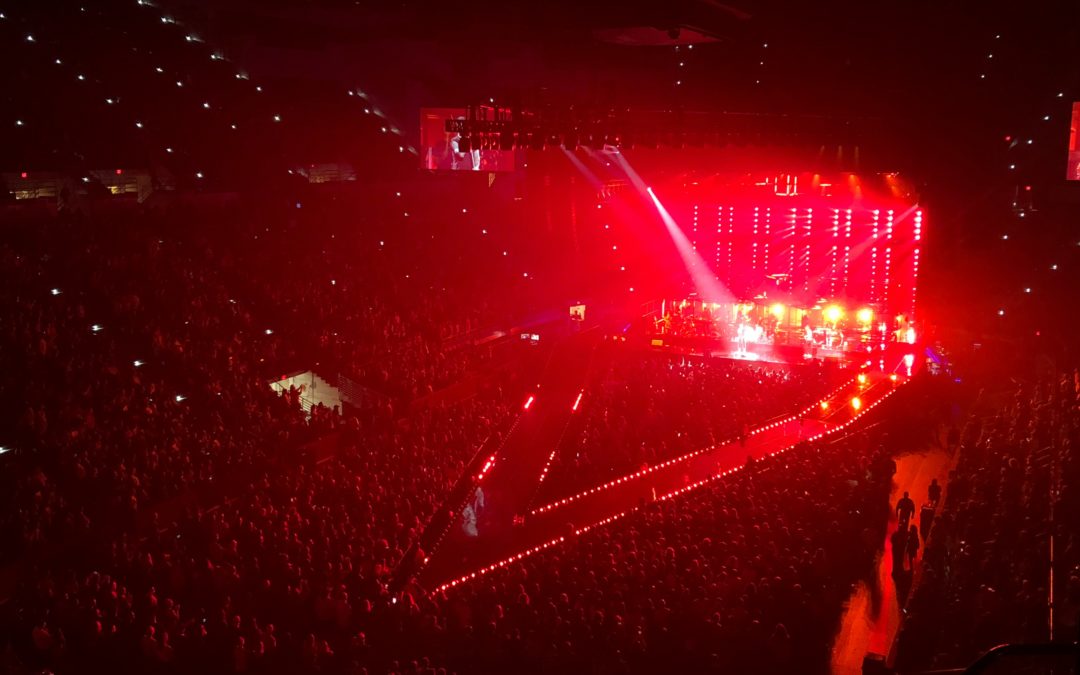
The music scene in Dallas witnessed an unexpected thrill as rising star 4Batz made a surprise appearance during Latto’s Sugar Honey Iced Tea Tour stop at the South Side Ballroom. This unannounced performance not only delighted fans but also showcased the growing trend of artists supporting each other on tour, creating memorable moments for concert-goers.
As Latto’s tour continues to gain momentum, the inclusion of homegrown talent has become a hallmark of her shows. Following in the footsteps of Drake’s appearance in Toronto and Lil Kim’s cameo in Brooklyn, 4Batz’s presence in Dallas further solidified this pattern of local representation. The unexpected collaboration between these two artists highlighted the dynamic nature of live performances and the importance of showcasing regional talent.
The Sugar Honey Iced Tea Tour has been making waves across the country, and the Dallas stop proved to be no exception. With a lineup that included opening acts Karrahbooo and Mariah the Scientist, the evening was already set to be a musical extravaganza. However, it was the surprise appearance of 4Batz that truly elevated the night to new heights, leaving fans buzzing with excitement long after the final notes faded away.
The Unexpected Entrance: 4Batz Takes the Stage
As the crowd at South Side Ballroom eagerly anticipated Latto’s performance, little did they know that they were in for an additional treat. The energy in the venue shifted palpably when 4Batz, the ‘U Made Me a St4r’ artist, unexpectedly took to the stage. His arrival marked a significant moment in the tour, adding an element of surprise that concert-goers crave.
4Batz’s appearance was more than just a cameo; it was a full-fledged performance that showcased his growing repertoire. The artist, known for his unique style and captivating stage presence, delivered a set that included two of his most popular tracks. This unexpected addition to the lineup demonstrated the collaborative spirit within the music industry and the willingness of established artists like Latto to share their platform with emerging talents.
The surprise factor played a crucial role in amplifying the audience’s excitement. As 4Batz emerged, the initial shock quickly gave way to enthusiastic cheers, creating an electric atmosphere that permeated the entire venue. This spontaneous moment exemplified the unpredictable nature of live music events and the thrill that comes with witnessing something truly special and unplanned.
Showcasing Local Talent: A Tour Tradition
Latto’s decision to bring out 4Batz as a surprise guest aligns with a growing trend in the music industry. More and more artists are using their tours as platforms to showcase local talent in each city they visit. This approach not only adds variety to the performances but also helps to strengthen the connection between touring artists and the local music scenes they encounter.
By featuring 4Batz, a Dallas native, Latto demonstrated her commitment to this practice. It’s a strategy that has been well-received by fans and critics alike, as it provides exposure for up-and-coming artists while offering concert-goers a taste of their city’s homegrown talent. This approach creates a win-win situation: established artists like Latto can enhance their shows with fresh performances, while local artists gain valuable exposure to larger audiences.
The inclusion of local talent also serves to create a unique experience in each city on the tour. Fans in Dallas were treated to a performance they couldn’t see anywhere else, making the concert a truly special event. This strategy helps to build anticipation for future tour stops, as audiences in other cities wonder which local artist might make a surprise appearance at their show.
4Batz’s Performance: Changing the Energy
When 4Batz took the stage, he brought with him a shift in the concert’s atmosphere. Known for his ability to engage audiences, the artist quickly transformed the mood from the high-energy dance vibes that typically characterize Latto’s performances to a more intimate, sing-along experience. This change of pace provided a welcome contrast and showcased the versatility of both artists.
4Batz chose to perform two of his most popular tracks, demonstrating his range as an artist. The first was the remix of “act ii: date @ 8,” a collaboration with Drake that has been gaining significant traction in the music world. This choice not only highlighted 4Batz’s rising status in the industry but also connected him to one of the biggest names in hip-hop, further validating his presence on Latto’s stage.
Following this, 4Batz performed “act iv: fckin u (18+),” another fan favorite that showcased his ability to captivate an audience. The transition between these two tracks demonstrated 4Batz’s versatility as a performer and his skill in reading and responding to the crowd’s energy. His performance style, which encourages audience participation through sing-alongs, created a sense of unity in the venue, turning individual spectators into a collective part of the show.
Hometown Pride: 4Batz Represents Dallas
One of the most striking moments of 4Batz’s surprise appearance came when he took a moment to address the crowd directly. With palpable enthusiasm, he proclaimed, “Dallas, Texas, I want y’all to know, we over everybody. I’m really from Dallas, Texas, and we really in this motherfucker!” This declaration of hometown pride resonated deeply with the local audience, creating an instant connection between the artist and his fellow Dallasites.
This moment of local pride did more than just excite the crowd; it exemplified the importance of representation in the music industry. By proudly claiming his Dallas roots on a national tour stage, 4Batz not only elevated his own status but also shone a spotlight on the Dallas music scene as a whole. His words served as a reminder of the rich talent pool that exists in cities across the country, often overshadowed by more prominent music hubs.
The artist’s connection to Dallas runs deep, as evidenced by his previous statements about the city. In an interview with D Magazine, 4Batz once said, “Honestly, there was a part of my life where I thought Dallas was everything. I thought Dallas was Chicago. I could’ve sworn I’d seen Chief Keef when I was seven. I just thought Dallas was the world because I had never been out of Dallas before. And that just goes to show how much Dallas means to me because it is so big in my heart. I will always love Dallas.” This sentiment, coupled with his surprise appearance at Latto’s show, demonstrates 4Batz’s ongoing commitment to representing his hometown on the national stage.
The Impact of Surprise Guests on Concert Experiences
The inclusion of surprise guests like 4Batz in concert lineups has become an increasingly popular trend in the music industry. This practice offers numerous benefits for both the artists involved and the audience. For headlining artists like Latto, bringing out unexpected performers adds an element of excitement and unpredictability to their shows, keeping fans on their toes and generating buzz around the tour.
For the surprise guests themselves, these appearances provide invaluable exposure to new audiences. 4Batz, already a rising star in his own right, had the opportunity to perform in front of Latto’s diverse fan base, potentially expanding his own following. This cross-pollination of fan bases is a powerful tool for artists looking to grow their careers and reach new listeners.
From the audience’s perspective, surprise guests elevate the concert experience to something truly special. Fans who attend multiple shows on a tour often hope for unique moments that set each performance apart. The appearance of 4Batz in Dallas created just such a moment, giving attendees a story to share and a memory to cherish long after the concert ended.
Moreover, these surprise collaborations often lead to exciting developments in the music industry. They can spark new creative partnerships, inspire future collaborations, and contribute to the ever-evolving landscape of popular music. The energy and spontaneity of these live performances can sometimes translate into studio collaborations or featured appearances on upcoming tracks, further enriching the musical ecosystem.
4Batz’s Rising Career: From Tour to Stardom
4Batz’s appearance at Latto’s Dallas show comes on the heels of his own successful tour earlier in the year. Named after his ex-girlfriend Jada, this tour marked a significant milestone in 4Batz’s career, showcasing his ability to headline his own shows and draw substantial crowds. The experience gained from this tour undoubtedly contributed to his confident and engaging performance as a surprise guest.
Since the release of his album “U Made Me a St4r,” 4Batz has been steadily building his reputation in the music industry. The album’s success has opened doors for collaborations with established artists, as evidenced by his recent singles featuring Lil Baby and Jeremih. These collaborations not only expand 4Batz’s musical range but also introduce him to wider audiences, contributing to his growing fan base.
The artist’s journey from a local Dallas performer to a nationally recognized name is a testament to his talent and work ethic. His ability to captivate audiences, whether as a headliner or a surprise guest, speaks to his potential for long-term success in the competitive world of hip-hop and R&B. As 4Batz continues to build on these experiences, industry insiders and fans alike are watching closely to see where his career will take him next.
The Sugar Honey Iced Tea Tour: A Platform for Collaboration
Latto’s Sugar Honey Iced Tea Tour has become more than just a showcase for her own talents; it’s evolving into a platform for collaboration and musical diversity. By incorporating surprise guests like 4Batz, as well as featuring opening acts that span different genres and styles, the tour is offering audiences a rich and varied musical experience.
The tour’s structure, which includes opening acts Karrahbooo and Mariah the Scientist, demonstrates a commitment to showcasing a range of talent. Karrahbooo’s high-energy set, which included tracks like “Running Late” and “Box the 40,” along with her Concrete Cypher verse, set the tone for an evening of dynamic performances. Mariah the Scientist followed with a more mellow R&B vibe, creating a well-rounded prelude to Latto’s headlining set.
This diversity in musical styles not only keeps the audience engaged but also reflects the eclectic nature of contemporary music consumption. By exposing fans to different artists and genres within a single show, the tour is mirroring the playlist-driven listening habits of many modern music fans. This approach can help to break down genre barriers and introduce audiences to new artists they might not have discovered otherwise.
The Dallas Show: A Night of Highlights
While 4Batz’s surprise appearance was undoubtedly a highlight of the evening, the entire Dallas show was packed with memorable moments. The night kicked off with Karrahbooo’s energetic 10-minute set, which quickly got the crowd moving. Her performance of tracks like “Running Late” and “Box the 40” set a high-energy tone for the evening.
Mariah the Scientist followed with a set that provided a perfect contrast to the opening act. Her R&B-infused performance, including fan favorites like “Always n Forever,” brought a more mellow vibe to the venue. A particularly touching moment occurred when Mariah acknowledged a fan’s message about Young Thug being free, showcasing the connection between artists and their audience.
DJ Von, Latto’s official DJ, paid tribute to the late Beatking by playing tracks “Outside” and “Then Leave,” adding a poignant moment to the evening and demonstrating the music community’s ability to honor its own. This segued into Latto’s dynamic performance, which featured impressive choreography and a setlist that had the crowd singing along to every word.
Latto’s set included hits like “Back Outside,” “Shrimp & Grits,” and “Big Mama,” the last of which she performed twice due to popular demand. The viral sensations “Brokey” and “Put It On Da Floor” had fans rapping every lyric, while “Chicken Grease,” which samples T.I.’s “24’s,” showcased Latto’s ability to blend classic hip-hop influences with her own unique style.
Fan Engagement and Safety: A Priority for Latto
Throughout her performance, Latto demonstrated a strong commitment to fan safety and engagement. Despite the high energy of the show, she took moments to pause and address the crowd directly, ensuring that everyone was enjoying the concert responsibly. This included breaking up fights and distributing water to audience members, showcasing her awareness of the importance of crowd safety at large events.
Latto’s attention to her fans’ well-being reflects a growing trend in the music industry, where artists are taking a more active role in ensuring the safety of their audiences. This approach not only creates a more positive concert experience but also helps to build a stronger, more loyal fan base. By showing genuine concern for her fans, Latto is fostering a sense of community around her music and performances.
The artist’s willingness to interact directly with the audience, whether through addressing safety concerns or engaging in playful banter, adds a personal touch to her shows. This level of engagement helps to break down the barrier between performer and audience, creating a more intimate and memorable experience for concert-goers.
The Tour Continues: What’s Next for Latto and 4Batz
As the Sugar Honey Iced Tea Tour continues its journey across Texas, fans in Houston and Austin are eagerly anticipating their own chances to experience Latto’s electrifying performance. The tour’s stop in Houston on November 16th and Austin on November 17th promises to bring the same level of energy and excitement that Dallas witnessed, with the added anticipation of potential surprise guests.
For 4Batz, this surprise appearance at Latto’s Dallas show could mark the beginning of a new chapter in his career. The exposure gained from performing in front of Latto’s diverse and enthusiastic fan base may open doors to new opportunities, collaborations, and an expanded audience. Music industry insiders will be watching closely to see how this performance impacts 4Batz’s trajectory in the coming months.
As for Latto, the success of the Dallas show and the positive reception to surprise guests like 4Batz may influence the structure of future tour stops. Fans in other cities might now be on the lookout for unexpected appearances by local talents, adding an extra layer of excitement to each performance.
The surprise appearance of 4Batz at Latto’s Dallas show exemplifies the dynamic and collaborative nature of today’s music scene. By bringing together established and rising artists, tours like Sugar Honey Iced Tea are creating unique experiences that resonate with fans long after the final encore.

by Jonathan P-Wright | Dec 13, 2024 | Latest, Music News, New Music Alert |
Photo by Marcela Laskoski on Unsplash
In the pantheon of hip-hop classics, few albums have garnered as much critical acclaim and enduring fan adoration as MF DOOM’s ‘MM..FOOD’. Released in 2004, this culinary-themed masterpiece has steadily risen to become the quintessential work in DOOM’s extensive discography. As we approach the 20th anniversary of its release, it’s time to delve deep into the ingredients that make this album a timeless feast for the ears.
The masked maestro’s fifth studio album, ‘MM..FOOD’, serves up a smorgasbord of clever wordplay, intricate production, and conceptual brilliance. It’s a testament to DOOM’s unparalleled ability to weave complex narratives and social commentary into a tapestry of gastronomic metaphors. This article aims to explore the album’s creation, its impact on the hip-hop landscape, and why it continues to resonate with listeners two decades after its initial release.
From the moment the needle drops on the opening track, listeners are transported into DOOM’s world – a place where food and life intertwine in unexpected and often humorous ways. As we peel back the layers of this sonic onion, we’ll uncover the genius behind the mask and the lasting legacy of an album that has become a cornerstone of alternative hip-hop.
The Genesis of a Culinary Classic
The conception of ‘MM..FOOD’ was as unconventional as the artist himself. MF DOOM, born Daniel Dumile, had already established himself as a formidable force in underground hip-hop with albums like ‘Operation: Doomsday’ and collaborations such as ‘Madvillainy’. However, ‘MM..FOOD’ represented a new chapter in DOOM’s artistic journey – one that would solidify his reputation as hip-hop’s most enigmatic wordsmith.
The album’s unique concept can be traced back to a vivid dream DOOM shared with collaborator staHHr. In this nocturnal vision, the two were soaring through the sky, with staHHr shooting azure beams from her eyes. This surreal imagery prompted DOOM to encourage staHHr to research Firestar, an obscure Marvel character with similar abilities.
This seemingly random connection between dreams, comic book characters, and music exemplifies DOOM’s approach to creativity. It’s a testament to his ability to draw inspiration from the most unexpected sources and weave them into a cohesive artistic vision.
The Alter Ego as a Creative Catalyst
The MF DOOM persona itself was born out of tragedy and reinvention. Following the untimely death of his brother and fellow KMD member Subroc in 1993, Dumile retreated from the public eye. When he reemerged, it was behind the mask of MF DOOM – a character inspired by the Marvel villain Doctor Doom.
This alter ego provided Dumile with a shield, allowing him to process his grief and channel it into art. ‘MM..FOOD’ represents the full realization of this character, with DOOM using food as a metaphor for life, love, and the music industry itself.
Deconstructing the Album’s Themes
At its core, ‘MM..FOOD’ is an exploration of consumption – both literal and metaphorical. DOOM uses culinary references as a lens through which to examine broader societal issues, personal struggles, and the state of hip-hop culture.
One of the album’s central themes is the comparison between the music industry and fast food culture. DOOM critiques the commercialization of hip-hop, likening mass-produced music to processed foods – both lacking in substance and potentially harmful to consumers.
This analogy is particularly evident in tracks like “Beef Rapp,” where DOOM warns against “feeding babies colored, sugar-coated lard squares.” The line serves as a biting commentary on the empty calories of mainstream rap and the music industry’s tendency to prioritize marketability over artistic merit.
Nostalgia and Childhood Memories
Throughout ‘MM..FOOD’, DOOM peppers his lyrics with references to childhood snacks, family meals, and the comfort food of his youth. These nostalgic nods serve a dual purpose – they add a layer of relatability to DOOM’s often complex wordplay and provide a counterpoint to the album’s more cynical observations.
Tracks like “Hoe Cakes” and “Kookies” evoke memories of simpler times while simultaneously addressing more adult themes. This juxtaposition of innocence and experience is a hallmark of DOOM’s style, allowing him to tackle serious subjects with a playful touch.
The Sonic Palette: Production and Sampling
The production on ‘MM..FOOD’ is as meticulously crafted as its lyrical content. DOOM’s approach to beatmaking is characterized by its use of eclectic samples, quirky sound effects, and unconventional song structures.
DOOM’s sampling technique on ‘MM..FOOD’ is nothing short of masterful. He draws from a diverse array of sources, including old cartoons, obscure jazz records, and even cooking shows. This collage-like approach to production creates a rich, textured soundscape that perfectly complements the album’s themes.
Notable samples include the use of Frank Zappa’s “Willie the Pimp” on “Beef Rapp” and the incorporation of dialogue from the 1967 Spider-Man cartoon series throughout the album. These samples not only add depth to the tracks but also serve as easter eggs for attentive listeners.
The Unconventional Middle Section
One of the most divisive aspects of ‘MM..FOOD’ is its unconventional middle section, comprising tracks like “Poo-Putt Platter” and “Fig Leaf Bi-Carbonate.” This stretch of the album features minimal rapping, instead focusing on a collage of samples and skits.
While some critics initially viewed this section as disruptive to the album’s flow, many fans have come to appreciate it as an integral part of the ‘MM..FOOD’ experience. It serves as a palate cleanser of sorts, allowing listeners to digest the dense lyricism of the surrounding tracks while immersing them further in DOOM’s sonic world.
Lyrical Mastery: DOOM’s Wordplay and Storytelling
MF DOOM’s lyrical prowess is on full display throughout ‘MM..FOOD’. His intricate wordplay, multisyllabic rhyme schemes, and clever use of food-related metaphors set a new standard for hip-hop lyricism.
DOOM and staHHr coined the term “subtle wreck” to describe their approach to lyricism. This technique involves delivering complex messages and social commentary in a nuanced, often humorous manner. Rather than beating listeners over the head with heavy-handed rhetoric, DOOM opts for a more subtle approach, allowing his audience to unpack his lyrics over multiple listens.
This approach is evident in tracks like “Rapp Snitch Knishes,” where DOOM addresses the issue of self-incrimination in hip-hop with the now-iconic line: “Rap snitches, telling all their business / Sit in the court and be their own star witness.” The use of food imagery (knishes) to discuss a serious topic exemplifies DOOM’s ability to blend humor and social commentary seamlessly.
Narrative Complexity
While ‘MM..FOOD’ is ostensibly a concept album about cuisine, DOOM weaves in numerous subplots and character studies throughout its runtime. Tracks like “Deep Fried Frenz” offer poignant reflections on friendship and loyalty, while “One Beer” showcases DOOM’s talent for autobiographical storytelling.
These narrative threads add depth to the album, elevating it beyond a simple collection of food-themed tracks. They provide insight into DOOM’s psyche and experiences, allowing listeners to connect with the man behind the mask.
Visual Aesthetics: The Album Artwork
The visual component of ‘MM..FOOD’ is as crucial to its overall impact as the music itself. The album’s cover art, created by Jason Jagel, perfectly encapsulates the whimsical yet subversive nature of DOOM’s music.
Jagel’s artwork for ‘MM..FOOD’ draws heavily from comic book aesthetics, particularly the exaggerated proportions and bold colors associated with artists like Jack Kirby. The cover depicts DOOM in various food-related scenarios, including cooking a steak by a river and eating from a bowl of liquor-filled cereal.
These surreal images not only complement the album’s themes but also reflect DOOM’s own comic book-inspired persona. The artwork serves as a visual representation of the album’s blend of nostalgia, humor, and social commentary.
Hidden Messages and Easter Eggs
Like the music it accompanies, the ‘MM..FOOD’ artwork is filled with hidden messages and references. Attentive viewers can spot nods to DOOM’s previous albums, references to New York City culture, and even subtle critiques of consumerism.
These visual easter eggs encourage repeated viewings, much like how the album’s dense lyricism rewards multiple listens. The artwork becomes an extension of the music, providing another layer of depth to the ‘MM..FOOD’ experience.
The Impact and Legacy of ‘MM..FOOD’
In the years since its release, ‘MM..FOOD’ has only grown in stature. Its influence can be heard in the work of countless contemporary artists, and its songs continue to resonate with new generations of hip-hop fans.
‘MM..FOOD’ helped establish a blueprint for what alternative hip-hop could be. Its blend of complex lyricism, unconventional production, and conceptual cohesion set a new standard for artistic ambition in rap music.
Artists like Tyler, the Creator, Earl Sweatshirt, and Open Mike Eagle have all cited DOOM and ‘MM..FOOD’ as significant influences on their work. The album’s success proved that there was a market for hip-hop that prioritized creativity and artistic vision over commercial appeal.
Enduring Popularity
Despite its unconventional nature, ‘MM..FOOD’ has enjoyed remarkable longevity. Tracks like “Rapp Snitch Knishes” have become bona fide hip-hop classics, amassing hundreds of millions of streams across various platforms.
This enduring popularity is a testament to the album’s quality and DOOM’s ability to create music that transcends trends. ‘MM..FOOD’ remains as fresh and engaging today as it was upon its initial release, a rare feat in the fast-paced world of hip-hop.
To fully appreciate ‘MM..FOOD’, it’s essential to understand the artistic philosophy that drove its creation. DOOM’s approach to music-making was as unique as his masked persona, informed by a deep love of wordplay, a penchant for obscure references, and a desire to push the boundaries of hip-hop.
by Jonathan P-Wright | Dec 13, 2024 | Latest, Music News, New Music Alert |
Image credit: Franklin Sheard Jr / Shutterstock.com
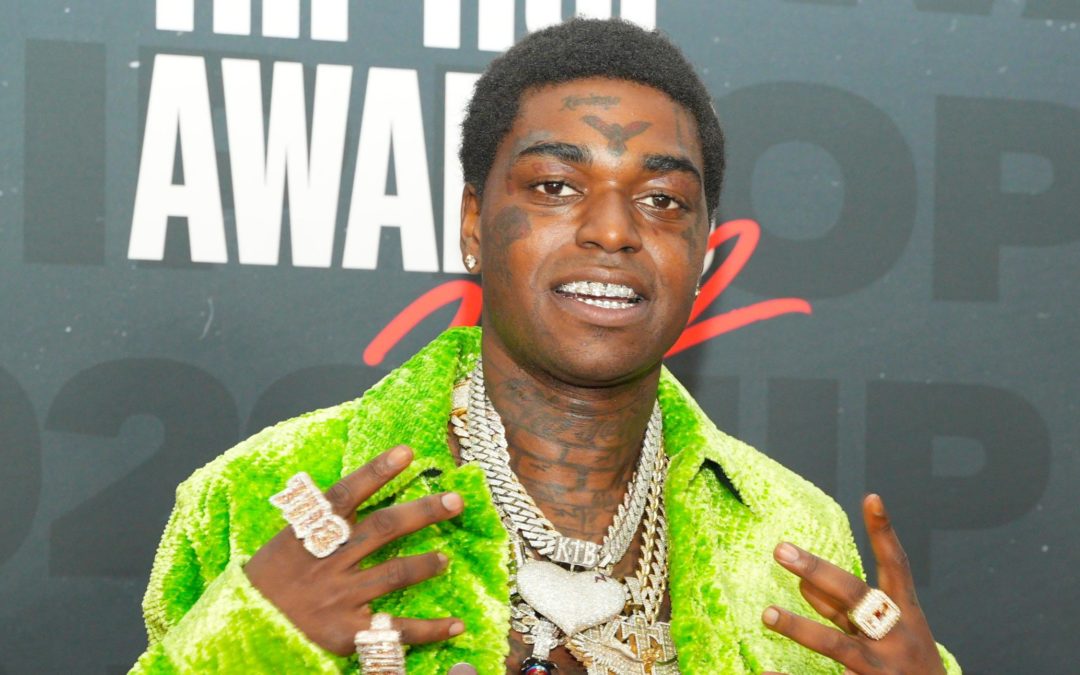
In the ever-evolving landscape of hip-hop, moments of genuine mentorship and guidance can be transformative. Recently, an episode of the popular podcast “Million Dollaz Worth of Game” showcased such a moment, as hosts Wallo and Gillie extended heartfelt counsel to rising star Kodak Black. This interaction, set against the backdrop of Kodak’s childhood home, not only highlighted the challenges faced by young artists but also emphasized the importance of positive influence in the music industry.
The encounter took place in the Golden Acres public housing project of Pompano Beach, Florida, a location laden with significance for Kodak Black. As the rapper revisited his roots, the conversation delved into themes of personal growth, responsibility, and the weight of success. Wallo, known for his candid approach, seized this opportunity to offer words of wisdom that resonated beyond the confines of a typical interview.
This article explores the nuances of this pivotal interaction, examining its potential impact on Kodak Black’s career trajectory and the broader implications for mentorship in hip-hop. We’ll dissect the advice given, contextualize it within the framework of Kodak’s past struggles, and consider how such guidance might shape the future of not only this artist but also the genre as a whole.
The Setting: A Return to Golden Acres
The choice of location for this profound exchange was far from arbitrary. The Golden Acres public housing project in Pompano Beach, Florida, serves as more than just a backdrop; it’s a character in Kodak Black’s narrative. This setting provided a tangible connection to the artist’s humble beginnings, creating an atmosphere ripe for reflection and introspection.
As Kodak Black stepped onto the grounds of his former home, a mix of emotions was palpable. The rapper described the experience as “bittersweet,” a term that encapsulates the complex feelings associated with revisiting one’s past. This return to Golden Acres wasn’t just a physical journey; it was an emotional odyssey that set the stage for the impactful conversation to follow.
The Significance of Place in Hip-Hop Narratives
The importance of ‘the hood’ in hip-hop storytelling cannot be overstated. For many artists, these environments are crucibles of creativity, shaping their worldviews and artistic expressions. By conducting the interview in this location, Wallo and Gillie tapped into a rich vein of authenticity, allowing Kodak to connect his past with his present in a meaningful way.
The familiar surroundings seemed to lower Kodak’s guard, creating a rare moment of vulnerability. This openness was crucial in facilitating the heart-to-heart that would follow, demonstrating the power of environment in fostering genuine communication.
Wallo’s Heartfelt Intervention
At a pivotal moment in the conversation, Wallo took Kodak Black’s hand, initiating a deeply personal exchange. This gesture, both literal and symbolic, marked the transition from a standard interview to a mentorship opportunity.
In an industry often characterized by bravado and emotional distance, Wallo’s decision to hold Kodak’s hand was a powerful statement. This simple act of human connection set the tone for the advice that followed, emphasizing sincerity and care.
Wallo’s message to Kodak was a masterful blend of encouragement and accountability. He began by affirming Kodak’s uniqueness and potential, a crucial foundation for any mentorship relationship. However, he quickly pivoted to the responsibilities that come with talent and success, particularly focusing on Kodak’s role as a father.
Recognizing the challenges faced by young artists, Wallo acknowledged the likelihood of self-doubt and external pressures. By doing so, he normalized these struggles while simultaneously providing a roadmap for overcoming them.
The Weight of Responsibility
A central theme in Wallo’s advice was the concept of responsibility, particularly as it relates to Kodak Black’s children and family.
Wallo emphasized the profound influence that Kodak’s actions would have on his children’s lives. This perspective framed Kodak’s career choices not just in terms of personal success, but as part of a larger legacy that would affect generations to come.
By repeatedly mentioning Kodak’s “babies” and family, Wallo tapped into a powerful motivator. He positioned family not as a burden, but as a source of strength and purpose that could guide Kodak through difficult times.
The advice touched on the delicate balance between pursuing individual ambitions and fulfilling family responsibilities. This is a common struggle for many artists, and Wallo’s words offered a framework for navigating this complex terrain.
The Broader Context of Black Male Success
Wallo’s counsel extended beyond personal advice, touching on the larger narrative of Black male success in America.
The conversation acknowledged the unique opportunities available to successful artists like Kodak Black, while also recognizing the systemic obstacles that many Black men face. This dual perspective added depth to the advice, placing Kodak’s journey within a broader societal context.
The Responsibility of Representation
Wallo stressed the importance of Kodak’s role as a representative of his community. By highlighting the many young people watching Kodak’s every move, he underscored the far-reaching impact of the rapper’s choices and behaviors.
A call to “change the narrative” was a powerful element of Wallo’s message. This challenge invited Kodak to consider how his actions and art could contribute to reshaping perceptions of Black men in America.
The Role of Authenticity in Mentorship
The effectiveness of Wallo’s advice was largely due to its authenticity, rooted in shared experiences and genuine concern.
Wallo’s ability to relate to Kodak’s struggles lent credibility to his words. By referencing his own youth and that of co-host Gillie, Wallo established a connection based on shared experiences in the music industry and beyond.
In a refreshing departure from the sycophantic behavior often surrounding successful artists, Wallo positioned himself as the antithesis of a ‘yes man.’ This honest approach, while potentially uncomfortable, offered Kodak a rare opportunity for genuine growth.
The conversation demonstrated the importance of creating environments where artists can be vulnerable. This openness is crucial for personal development and can lead to more authentic artistic expression.
The Impact of Peer Influence in Hip-Hop
Wallo and Gillie’s interaction with Kodak Black highlighted the potential for positive peer influence within the hip-hop community.
By offering constructive advice and genuine care, Wallo and Gillie presented an alternative to the negative influences that often surround young artists. This positive mentorship model could serve as a template for other industry veterans.
The Power of Shared Experiences
The hosts’ ability to relate to Kodak’s journey through their own experiences in the music industry created a unique bond. This shared background allowed for advice that was both practical and empathetic.
The public nature of this interaction on a popular podcast sends a powerful message about the importance of support and guidance within the hip-hop community. It challenges the notion that success in the industry must come at the cost of personal growth and responsibility.
Addressing Kodak Black’s Past Controversies
While offering support and encouragement, Wallo’s advice also subtly addressed Kodak Black’s history of legal troubles and controversial behavior.
Without directly referencing specific incidents, the conversation created space for reflection on past actions. This approach allowed for accountability without dwelling on negative aspects of Kodak’s history.
The Path to Redemption
Implicit in Wallo’s advice was the idea that redemption is possible. By focusing on the future and the impact Kodak could have on his family and fans, the conversation opened avenues for positive change.
The advice touched on the delicate balance between maintaining artistic authenticity and exercising personal responsibility. This is a crucial consideration for artists like Kodak, whose art often reflects their life experiences.
by Jonathan P-Wright | Dec 6, 2024 | Latest, Music News |
Image credit: Grey82 / Shutterstock.com
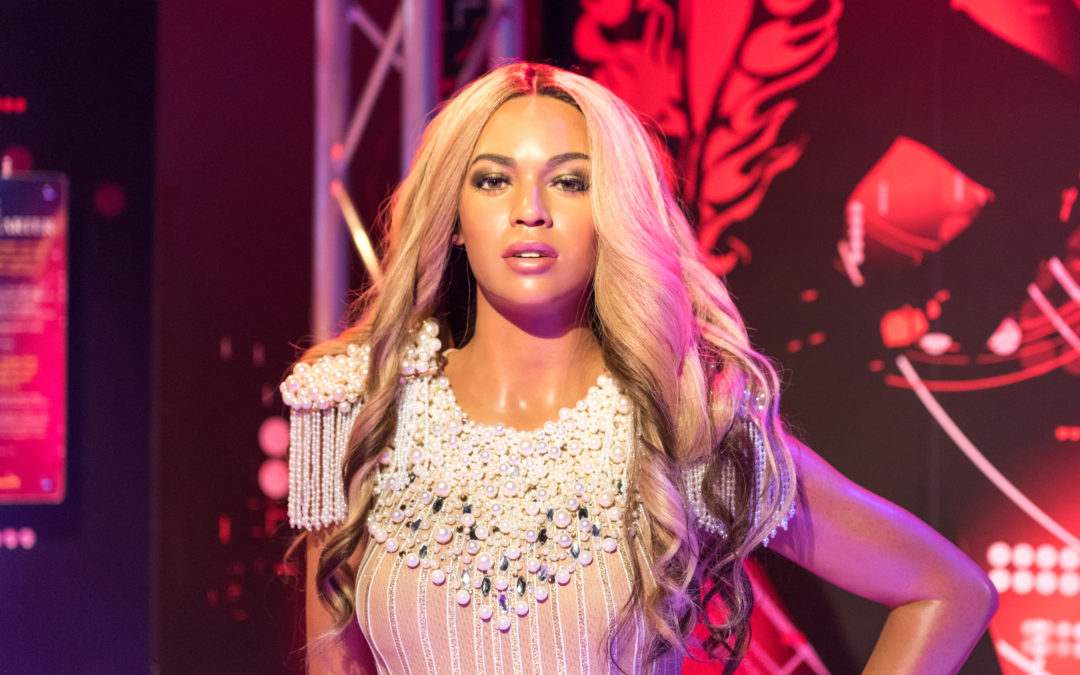
The influence of global superstar Beyoncé Knowles-Carter continues to expand beyond the realms of music and entertainment, now reaching the hallowed halls of academia. Yale University, one of America’s most prestigious Ivy League institutions, is set to offer a groundbreaking course dedicated to exploring the multifaceted impact of the 32-time Grammy Award winner. This academic endeavor not only highlights Beyoncé’s significance in contemporary culture but also underscores the growing recognition of popular music as a subject worthy of rigorous scholarly examination.
As news of this innovative course spreads, it has sparked conversations about the intersection of pop culture, academia, and social commentary. The announcement comes at a particularly opportune moment, coinciding with Beyoncé’s latest album, “Cowboy Carter,” which has garnered critical acclaim and an impressive 11 Grammy nominations. This academic offering promises to provide students with a unique opportunity to delve deep into the artistry, cultural significance, and sociopolitical implications of one of the most influential artists of our time.
The course, slated to commence in 2025, will be helmed by Professor Daphne Brooks, a distinguished scholar known for her expertise in African American studies, performance studies, and popular music. With her wealth of knowledge and previous experience teaching about Beyoncé’s work at Princeton University, Professor Brooks is poised to guide students through a comprehensive exploration of the artist’s oeuvre and its wider cultural context.
This article will examine the various aspects of this groundbreaking course, its potential impact on academic discourse, and the broader implications of studying contemporary artists in an academic setting. We will explore the course’s curriculum, its objectives, and the reasons behind Yale’s decision to offer such a specialized program. Additionally, we will consider the significance of Beyoncé’s work in relation to Black culture, feminism, and the music industry at large.
The Genesis of Yale’s Beyoncé Course
The inception of Yale University‘s Beyoncé-focused course marks a significant milestone in the academic world’s recognition of contemporary popular culture as a subject worthy of serious study. This section delves into the origins of this innovative academic offering and the factors that led to its creation.
A Timely Academic Endeavor
Professor Daphne Brooks, the architect behind this groundbreaking course, has described Beyoncé’s work as “just so ripe for teaching” in the current cultural climate. This statement underscores the timeliness of such an academic offering, reflecting the artist’s continued relevance and impact on society. The decision to create a course centered around Beyoncé’s artistry comes at a moment when her influence extends far beyond the realm of entertainment, touching on issues of race, gender, politics, and cultural identity.
Building on Previous Academic Explorations
It’s worth noting that this is not Professor Brooks’ first foray into teaching about Beyoncé’s work in an academic setting. Her previous experience includes a broader course at Princeton University that incorporated elements of Beyoncé’s artistry. This new, more focused course at Yale represents an evolution of that earlier academic exploration, allowing for a more in-depth examination of the artist’s impact and significance.
Responding to Student Interest
The creation of this course can also be seen as a response to growing student interest in studying contemporary cultural phenomena. As younger generations increasingly recognize the power of popular culture to shape societal narratives and drive social change, there has been a corresponding demand for academic programs that engage with these topics in a meaningful way. Yale’s decision to offer this course demonstrates the university’s commitment to providing relevant, cutting-edge educational experiences that resonate with students’ interests and the world around them.
Interdisciplinary Approach
The course’s conception also reflects a growing trend in academia towards interdisciplinary studies. By examining Beyoncé’s work through various lenses – including music theory, cultural studies, gender studies, and African American history – the course promises to offer students a rich, multifaceted understanding of the artist’s impact. This approach aligns with Yale’s reputation for innovative, cross-disciplinary academic programs.
Course Curriculum and Structure
The Yale University course on Beyoncé promises to be a comprehensive exploration of the artist’s work and its cultural significance. This section outlines the key components of the course curriculum and its overall structure, providing insight into what students can expect from this unique academic offering.
Chronological Exploration of Beyoncé’s Career
The course will take students on an educational journey through Beyoncé’s work, spanning from 2013 to the present day. This chronological approach allows for a thorough examination of the artist’s evolution, both musically and in terms of her cultural impact. The starting point of 2013 is significant, as it marks the release of Beyoncé’s self-titled album, which included the hit single “Drunk in Love” and represented a pivotal moment in her career.
Visual Album Screenings and Analysis
A key component of the course will be the screening and analysis of Beyoncé’s visual albums. These innovative projects, which pair music with accompanying visuals, have become a hallmark of the artist’s work. Students will have the opportunity to engage in critical discussions about the visual storytelling, cinematography, and thematic elements present in these groundbreaking releases.
Scholarly Discourse and Complementary Works
The course will not limit itself to Beyoncé’s work alone. Students will also engage with complementary works from various scholars, providing a broader context for understanding the artist’s impact. This approach will encourage critical thinking and allow students to place Beyoncé’s contributions within larger cultural, historical, and theoretical frameworks.
Playlist Creation and Musical Analysis
An interactive element of the course will involve students crafting playlists that link key moments in Beyoncé’s discography to her musical predecessors. This exercise will help students understand the artist’s place within the broader landscape of music history and her contributions to various genres.
Exploration of Cultural and Political Themes
The curriculum will delve into how Beyoncé has interwoven history, politics, and Black cultural life into her performance aesthetics. Students will examine how the artist uses her voice and platform to engage with important social and political issues, making her work a rich text for cultural analysis.
The Significance of Studying Beyoncé in Academia
The introduction of a course dedicated to Beyoncé at Yale University raises important questions about the role of popular culture in academic study. This section explores the significance of examining contemporary artists like Beyoncé within an academic context and the potential benefits of such courses.
Bridging Popular Culture and Academic Discourse
By offering a course focused on Beyoncé, Yale is acknowledging the importance of studying contemporary cultural phenomena in an academic setting. This approach helps bridge the gap between popular culture and traditional academic discourse, allowing for a more comprehensive understanding of our current social and cultural landscape.
Examining Contemporary Issues Through Art
Beyoncé’s work often addresses pressing social issues, including race, gender, and politics. Studying her artistry provides a unique lens through which to examine these contemporary concerns. This approach can make complex societal issues more accessible and relatable to students, fostering engaged and informed discussions.
Interdisciplinary Learning Opportunities
The course’s focus on Beyoncé’s work offers numerous opportunities for interdisciplinary learning. Students will engage with concepts from music theory, cultural studies, gender studies, African American history, and more. This multifaceted approach encourages critical thinking and helps students develop a more nuanced understanding of how various academic disciplines intersect in the real world.
Developing Media Literacy Skills
In an era dominated by digital media and constant information flow, courses like this can help students develop crucial media literacy skills. By critically analyzing Beyoncé’s music videos, live performances, and public persona, students can learn to interpret and evaluate media messages more effectively.
Recognizing the Cultural Impact of Contemporary Artists
Offering a course on Beyoncé at an Ivy League institution like Yale legitimizes the study of contemporary artists and their impact on society. It acknowledges that modern cultural figures can be as worthy of academic scrutiny as historical ones, encouraging a more dynamic and relevant approach to cultural studies.
Professor Daphne Brooks: The Course Architect
At the helm of Yale University’s groundbreaking Beyoncé course is Professor Daphne Brooks, a distinguished scholar whose expertise and vision have shaped this innovative academic offering. This section provides insight into Professor Brooks’ background, her qualifications, and her approach to teaching this unique course.
Academic Background and Expertise
Professor Daphne Brooks brings a wealth of knowledge and experience to the Beyoncé course. With a background in African American studies, performance studies, and popular music, she is uniquely qualified to guide students through an in-depth exploration of Beyoncé’s work and its cultural significance. Her interdisciplinary approach aligns perfectly with the multifaceted nature of the course content.
Previous Experience Teaching Beyoncé’s Work
Prior to developing this course at Yale, Professor Brooks taught a broader course at Princeton University that incorporated elements of Beyoncé’s artistry. This experience has undoubtedly informed her approach to the Yale course, allowing her to refine and expand upon her teaching methods and course content.
Research and Publications
Professor Brooks is not only an educator but also a respected researcher and author in her field. Her publications and academic work have likely contributed to the depth and breadth of knowledge she brings to the course. Students can expect to benefit from her extensive research into popular music, Black cultural studies, and performance theory.
Innovative Teaching Approach
In developing this course, Professor Brooks has demonstrated an innovative approach to academic study. By focusing on a contemporary artist and incorporating elements like visual album screenings and playlist creation, she is pushing the boundaries of traditional academic curricula. This forward-thinking approach is likely to engage students in new and exciting ways.
Commitment to Cultural Analysis
Professor Brooks’ decision to create a course centered on Beyoncé reflects her commitment to analyzing contemporary culture through an academic lens. Her ability to recognize the scholarly potential in popular culture phenomena demonstrates a keen understanding of the evolving landscape of cultural studies.
Course Objectives and Learning Outcomes
The Beyoncé course at Yale University is designed with specific objectives and learning outcomes in mind. This section outlines what students can expect to gain from this unique academic experience and how it aligns with broader educational goals.
Critical Analysis of Popular Culture
One of the primary objectives of the course is to develop students’ ability to critically analyze popular culture. By examining Beyoncé’s work in depth, students will learn to apply academic rigor to contemporary cultural phenomena, developing skills that can be applied to a wide range of media and cultural expressions.
Understanding Cultural and Historical Contexts
The course aims to help students understand the cultural and historical contexts that inform Beyoncé’s work. This includes exploring the artist’s place within the broader landscape of Black music and culture, as well as examining how her art responds to and influences contemporary social and political issues.
Developing Interdisciplinary Thinking
By incorporating elements from various academic disciplines – including music theory, cultural studies, gender studies, and African American history – the course seeks to foster interdisciplinary thinking. Students will learn to make connections across different fields of study, developing a more holistic understanding of complex cultural phenomena.
Enhancing Media Literacy
Through the analysis of music videos, live performances, and other media associated with Beyoncé’s work, students will enhance their media literacy skills. This includes learning to critically evaluate visual and auditory elements, understand narrative structures, and recognize the cultural codes embedded in media texts.
Exploring the Intersection of Art and Activism
The course will examine how Beyoncé uses her art as a form of activism, addressing social and political issues through her music and performances. Students will gain insight into the power of art to drive social change and the responsibilities that come with cultural influence.
Developing Research and Analytical Skills
Students will have opportunities to conduct research and develop analytical skills through various course assignments. This may include writing papers, creating presentations, or engaging in group projects that require in-depth analysis of Beyoncé’s work and its cultural impact.
The Cultural Significance of Beyoncé’s Work
Beyoncé’s impact extends far beyond the realm of entertainment, making her work a rich subject for academic study. This section explores the cultural significance of Beyoncé’s artistry and why it merits scholarly attention.
Redefining Black Femininity
Throughout her career, Beyoncé has played a significant role in redefining and expanding representations of Black femininity in popular culture. Her work often challenges stereotypes and presents nuanced, empowering portrayals of Black women. The course will likely examine how these representations have influenced public perceptions and discussions around race and gender.
The introduction of a Beyoncé-focused course at Yale University represents a significant step in recognizing the academic value of studying contemporary artists. This innovative approach to cultural studies not only provides students with engaging, relevant material but also offers unique insights into our current social, cultural, and political landscape.
By examining Beyoncé’s work through an academic lens, students will gain valuable skills in critical analysis, media literacy, and interdisciplinary thinking. They will learn to connect popular culture phenomena with broader historical and theoretical frameworks, developing a more nuanced understanding of how art reflects and shapes society.
by Jonathan P-Wright | Dec 6, 2024 | Latest, Music News, New Music Alert |
Image credit: DFree / Shutterstock.com
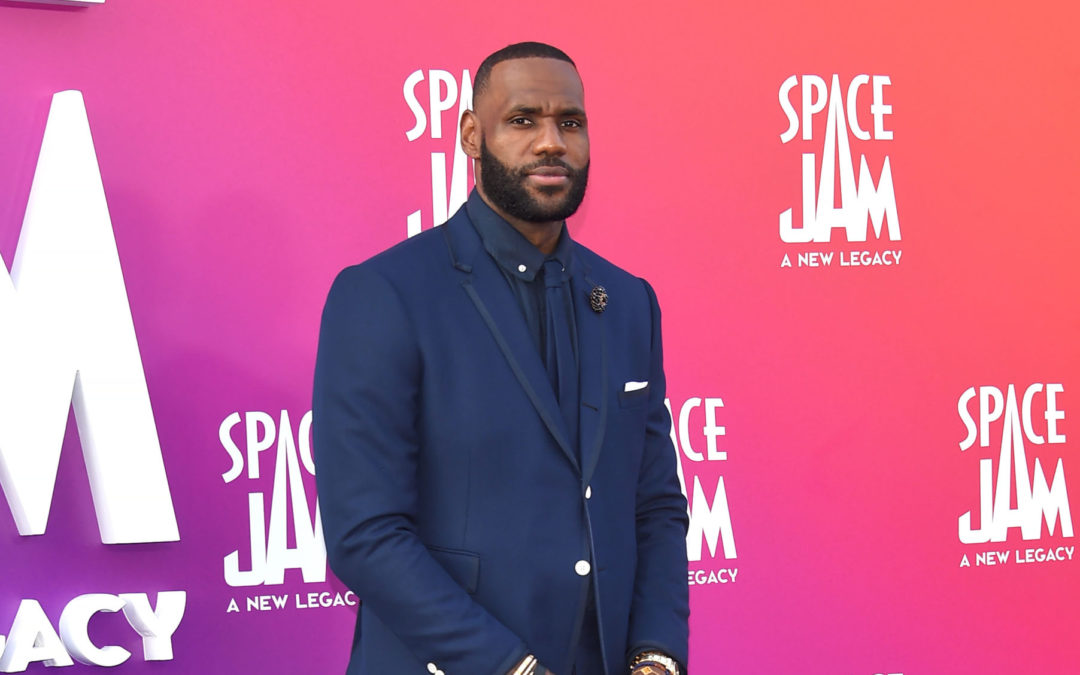
The world of professional sports often intersects with the realm of entertainment, creating moments that capture the imagination of fans across the globe. Recently, one such instance occurred when basketball icon LeBron James shared details of an extraordinary dream that blended his athletic prowess with the star power of music industry legends. This unexpected convergence of basketball and hip-hop royalty in James’ subconscious has sparked widespread interest and discussion among fans and media outlets alike.
In a surprising turn of events, James took to social media to recount a vivid dream that featured an all-star lineup of personalities from both the sports and music worlds. The dream’s narrative wove together elements of James’ basketball career with the electrifying performances of hip-hop luminaries, creating a surreal tapestry that left the NBA superstar both amazed and eager to share with his millions of followers.
As we delve into the details of James’ dream, we’ll explore the significance of each figure involved, the cultural impact of this imaginary collaboration, and the broader implications for the intersection of sports and entertainment. From the hallowed halls of Duke University to the pulsating beats of West Coast rap, this article will take you on a journey through the subconscious of one of basketball’s greatest players, offering insights into the influences and aspirations that shape his world both on and off the court.
Join us as we unpack this fascinating glimpse into the mind of LeBron James, examining the dream that has captivated fans and sparked conversations about the power of imagination in the world of professional athletics. Through this exploration, we’ll gain a deeper understanding of the cultural forces at play in James’ life and the broader landscape of sports and entertainment in the 21st century.
The Dream’s Setting: Cameron Indoor Stadium
In the realm of college basketball, few venues hold as much prestige and historical significance as Cameron Indoor Stadium. Located on the campus of Duke University in Durham, North Carolina, this iconic arena has been the home court for the Blue Devils since 1940. It’s within this hallowed space that LeBron James’ dream unfolds, adding an extra layer of gravitas to the already surreal scenario.
The Significance of Cameron Indoor Stadium
Cameron Indoor Stadium is more than just a basketball court; it’s a cathedral of the sport. With a seating capacity of 9,314, it’s relatively small compared to many modern arenas, but what it lacks in size, it makes up for in atmosphere. The intimate setting creates an electric environment, with fans—particularly the student section known as the “Cameron Crazies”—positioned close to the action, creating an intimidating atmosphere for visiting teams.
The stadium has witnessed countless memorable moments in college basketball history, from buzzer-beaters to championship celebrations. Its wooden bleachers and intimate confines harken back to a bygone era of basketball, preserving a sense of tradition that resonates with players and fans alike. For James to dream of playing in this venue speaks to its enduring impact on the sport and its ability to capture the imagination of even the most accomplished professional athletes.
The Dream Atmosphere
In recounting his dream, James described the atmosphere inside Cameron Indoor Stadium as “INSANE.” This characterization aligns perfectly with the real-life reputation of the venue, known for its deafening noise levels and passionate crowd. The dream seems to have captured the essence of what makes Cameron Indoor Stadium such a special place in the world of basketball.
The intensity of the dream setting reflects the reverence with which many basketball players and fans regard Cameron Indoor Stadium. It’s a place where legends are made, and the fact that James’ subconscious chose this location for his imaginary college basketball experience underscores the venue’s significance in the sport’s culture.
The Blending of Professional and College Basketball
LeBron James’ dream of playing at Cameron Indoor Stadium represents an intriguing blend of his professional career with the college basketball experience he never had. Having entered the NBA directly from high school, James bypassed the traditional college route taken by many of his peers. This dream sequence perhaps offers a glimpse into a “what if” scenario, allowing James to imagine himself as part of the storied tradition of college basketball.
The choice of Cameron Indoor Stadium as the setting for this dream also highlights the ongoing dialogue between professional and college basketball. Despite the differences between the two levels of the sport, there remains a strong connection, with many NBA players and fans maintaining deep ties to their college programs or favorite college teams.
Coach K: A Legend in James’ Dreamscape
In LeBron James’ vivid dream, one of the most prominent figures to emerge was none other than Mike Krzyzewski, affectionately known as “Coach K.” The inclusion of this basketball coaching icon in James’ subconscious narrative speaks volumes about the respect and admiration that even the greatest players in the world hold for certain figures in the sport.
Coach K’s Legacy at Duke
Mike Krzyzewski’s tenure at Duke University is nothing short of legendary. From 1980 to 2022, Coach K led the Blue Devils to unprecedented success, cementing his status as one of the greatest college basketball coaches of all time. These accomplishments only scratch the surface of Coach K’s impact on the game. His ability to consistently recruit and develop top talent, implement sophisticated game strategies, and maintain a culture of excellence at Duke has set a standard that few can match.
The Significance of Coach K in James’ Dream
The appearance of Coach K in LeBron James’ dream underscores the universal respect that Krzyzewski commands in the basketball world. Despite James never having played college basketball, let alone for Duke, the idea of suiting up for Coach K clearly holds a special allure. In the dream, James recounts telling Coach K that it was “an honor to suit up for him,” with Krzyzewski reciprocating the sentiment.
This mutual expression of honor in the dream scenario reflects the real-life dynamic between great players and great coaches. It suggests that even for a player of James’ caliber—widely regarded as one of the best to ever play the game—the opportunity to learn from and play for a coach of Krzyzewski’s stature is still viewed as a significant and desirable experience.
Coach K’s Influence Beyond College Basketball
While Coach K is primarily known for his college coaching career, his influence extends far beyond the confines of the NCAA. Krzyzewski has also made significant contributions to USA Basketball, serving as the head coach of the men’s national team from 2005 to 2016. During this time, he led Team USA to three consecutive Olympic gold medals (2008, 2012, 2016) and two FIBA World Cup gold medals (2010, 2014).
This international success has allowed Coach K to work with and influence many of the NBA’s top players, including LeBron James himself, who was part of the 2008 and 2012 Olympic teams. The relationship forged between Krzyzewski and professional players during these international competitions has further enhanced his reputation and respect among NBA stars.
The “What If” Scenario
LeBron James’ dream of playing for Coach K at Duke presents an intriguing “what if” scenario that has long been a subject of speculation among basketball fans. As a player who went directly from high school to the NBA, James never experienced the college game. The dream sequence allows both James and fans to imagine how his incredible talents might have meshed with Coach K’s system and the college basketball environment.
This hypothetical pairing of one of the game’s greatest players with one of its most successful coaches serves as a tantalizing glimpse into an alternate basketball universe. It speaks to the enduring appeal of college basketball and the unique experiences it offers, even for those who have achieved the highest levels of success in the professional ranks.
The Unexpected Concert: Snoop Dogg and Dr. Dre Take Center Stage
In a surprising twist to LeBron James’ already extraordinary dream, the basketball scenario seamlessly transitioned into a high-energy concert featuring two of hip-hop‘s most iconic figures: Snoop Dogg and Dr. Dre. This unexpected fusion of sports and music within James’ subconscious offers a fascinating glimpse into the cultural influences that shape the NBA superstar’s world.
The Legendary Duo: Snoop Dogg and Dr. Dre
Snoop Dogg and Dr. Dre are not just musicians; they are cultural icons who have played pivotal roles in shaping the landscape of hip-hop and popular music for decades. Their collaboration dates back to the early 1990s when Dr. Dre discovered and mentored a young Snoop Dogg, leading to the latter’s breakout appearance on Dr. Dre’s seminal album “The Chronic” in 1992.
Their partnership has resulted in numerous hit songs and has come to symbolize the sound and spirit of West Coast hip-hop.
“The Next Episode” in Cameron Indoor Stadium
In James’ dream, Snoop Dogg and Dr. Dre performed their classic hit “The Next Episode” within the confines of Cameron Indoor Stadium. This juxtaposition of a hip-hop performance in a venue typically associated with college basketball creates a surreal and electrifying atmosphere in James’ subconscious narrative.
“The Next Episode,” released in 2000 as part of Dr. Dre’s album “2001,” is one of the duo’s most recognizable collaborations. Known for its iconic intro and catchy beat, the song has become a staple of hip-hop culture and continues to be celebrated more than two decades after its release.
The Fusion of Basketball and Hip-Hop Culture
The seamless transition from a basketball game to a hip-hop concert in James’ dream reflects the real-world intersection of these two cultural phenomena. Basketball and hip-hop have long been intertwined, with many NBA players embracing hip-hop culture and numerous rappers referencing basketball in their lyrics and imagery.
This connection is particularly strong in James’ case, as he has been known to have close relationships with several hip-hop artists and has even ventured into music production himself. The dream sequence, therefore, can be seen as a manifestation of the cultural synthesis that James embodies as both an athlete and a cultural icon.

RECENT COMMENTS