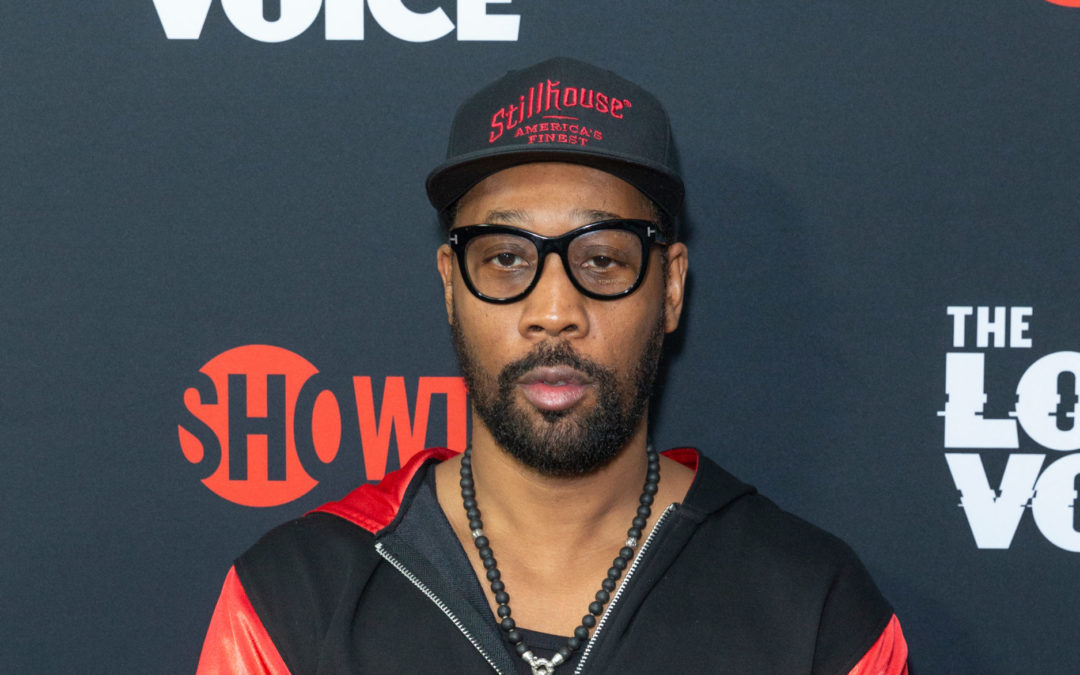
In the ever-shifting landscape of hip-hop, few figures stand as tall as RZA, the mastermind behind the legendary Wu-Tang Clan. Since the group’s inception in 1992, RZA has been at the forefront of musical innovation, pushing boundaries and redefining what it means to be an artist in the rap game. As the genre continues to evolve and new challenges emerge, RZA remains a beacon of creativity and wisdom, his words as potent and rhythmic as ever.
The hip-hop scene has undergone seismic shifts since RZA first burst onto the stage, transforming not just the music industry but the cultural fabric of New York City itself. Yet, in the face of these changes and the looming specter of artificial intelligence in music creation, RZA’s faith in the raw, unfiltered creativity of human artists remains unshaken. His journey from rap pioneer to classical composer is a testament to his versatility and unwavering commitment to artistic growth.
As we delve into the mind of this hip-hop luminary, we’ll explore his thoughts on the current state of the genre, his foray into classical music, and his perspective on the future of creativity in an increasingly digital world. RZA’s insights offer a unique glimpse into the heart of hip-hop, as seen through the eyes of one of its most influential architects.
The Evolution of a Hip-Hop Maestro
RZA’s journey from the streets of Staten Island to the pinnacle of hip-hop royalty is a story of relentless creativity and innovation. As the chief architect of Wu-Tang Clan’s sound, he played a pivotal role in shaping the course of rap music in the 1990s and beyond.
From Beats to Batons
At the age of 55, RZA has taken on a new challenge that showcases his musical versatility. Moving beyond the realm of rap production, he has embraced the role of orchestrator in the most literal sense. His latest project, “A Ballet Through Mud,” marks his debut in the world of classical music.
This ambitious album features 11 tracks that tell RZA’s life story not through rhymes, but through the rich, emotive tones of orchestral instruments. Working closely with the Colorado Symphony, RZA has crafted a sonic landscape that blends the raw energy of his hip-hop roots with the refined elegance of classical composition.
The Creative Process Behind “A Ballet Through Mud”
The creation of “A Ballet Through Mud” was no small feat. RZA describes it as one of the most time-consuming projects of his career, second only to the production of Wu-Tang Clan’s seminal album “Enter the Wu-Tang (36 Chambers).” The sheer scale of the undertaking, from composing for a 60-piece orchestra to navigating the intricacies of classical recording sessions, presented a new set of challenges for the veteran producer.
RZA’s approach to this album was driven purely by artistic vision, with no expectations for commercial success. This freedom allowed him to explore new musical territories and push his creative boundaries in ways he hadn’t since the early days of Wu-Tang.
The Intersection of Hip-Hop and Classical Music
RZA’s venture into classical music raises interesting questions about the relationship between different musical genres. By bridging the gap between hip-hop and classical composition, he demonstrates the universal language of music and the potential for cross-genre pollination.
This fusion of styles not only showcases RZA’s versatility as an artist but also challenges preconceptions about the limitations of hip-hop artists. It serves as a powerful reminder that creativity knows no bounds and that true artists can transcend the confines of any single genre.
RZA on the Current State of Hip-Hop
As a veteran of the hip-hop scene, RZA offers valuable insights into the genre’s current state and its potential future directions. His perspective is shaped by decades of experience and a deep understanding of hip-hop’s roots and evolution.
The Rise of Women in Hip-Hop
One of the most significant developments in recent years, according to RZA, is the increasing prominence of women in hip-hop. He expresses enthusiasm for this trend, noting the diverse voices and perspectives that female artists bring to the genre.
However, RZA also offers a word of caution. Drawing from the lessons of his own generation, he hopes that these rising stars will avoid some of the pitfalls that male artists fell into, particularly the tendency to prioritize style over substance. He emphasizes the importance of maintaining a balance between artistic expression and meaningful content.
The Changing Sound of New York Hip-Hop
As a New York native and a key figure in the city’s hip-hop scene, RZA has a unique perspective on how the sound of New York rap has evolved over the years. He notes that while the city may have moved away from its original, distinctive sound, this evolution is a natural part of the genre’s growth.
RZA points out that as hip-hop has become a global phenomenon, influences from different regions and styles have blended together. This cross-pollination has led to a more diverse and eclectic sound, even in New York, the birthplace of hip-hop.
The Impact of Technology on Hip-Hop Production
The advent of new technologies has dramatically changed the landscape of music production, and hip-hop is no exception. RZA reflects on how these changes have affected the creative process and the sound of contemporary hip-hop.
While acknowledging the benefits of technological advancements, RZA also emphasizes the importance of maintaining the human element in music creation. He believes that the spontaneity and unpredictability of human creativity are what give hip-hop its unique energy and appeal.
RZA’s Thoughts on AI in Music
As artificial intelligence continues to make inroads into various creative fields, including music, RZA offers his perspective on this emerging technology and its potential impact on hip-hop.
The Limits of AI Creativity
Despite the rapid advancements in AI technology, RZA remains skeptical about its ability to truly replicate human creativity. He argues that the spontaneous nature of human thought and expression is something that AI, at least in its current form, cannot fully emulate.
RZA’s view is that while AI might be able to generate content based on existing patterns and data, it lacks the ability to produce truly original, groundbreaking ideas. He believes that the unpredictable, often chaotic process of human creativity is what gives birth to revolutionary artistic expressions.
AI as a Tool, Not a Replacement
Rather than viewing AI as a threat to human artists, RZA sees it as a potential tool that can be harnessed and transformed by creative individuals. He suggests that even if AI-generated content becomes more prevalent, innovative artists will find ways to use this technology to push the boundaries of their craft.
This perspective aligns with hip-hop’s long-standing tradition of sampling and recontextualizing existing material. Just as hip-hop artists have taken snippets of old records and transformed them into something new and exciting, RZA believes that future artists might do the same with AI-generated content.
The Human Element in Music
At the core of RZA’s thoughts on AI in music is a firm belief in the irreplaceable value of human experience and emotion in artistic expression. He argues that the power of music lies not just in its technical execution, but in its ability to convey genuine human experiences and emotions.
This human element, according to RZA, is what allows music to connect with listeners on a deep, emotional level. It’s the raw, unfiltered expression of human creativity that he believes will always set human-made music apart from AI-generated content.
RZA emphasizes the importance of finding a balance between pushing the boundaries of hip-hop and preserving its core elements. He notes that while sonic innovation is thriving, with producers and artists experimenting with new sounds and styles, there’s a need to maintain the substance and messaging that has always been at the heart of hip-hop.
This balance, according to RZA, is crucial for ensuring that hip-hop remains a powerful form of expression and communication, rather than becoming solely focused on style over substance.
As we reflect on RZA’s journey from hip-hop pioneer to classical composer, it’s clear that his influence on the music world extends far beyond his work with Wu-Tang Clan. His willingness to push boundaries, explore new territories, and maintain a commitment to artistic integrity serves as an inspiration to both established and emerging artists.
In the pulsating heart of the music industry, where legends are born and legacies are crafted, stands a figure whose influence has shaped the soundscape of generations. Jimmy Jam, at the vibrant age of 65, finds himself in the midst of what he affectionately calls his “bucket list year.” This musical maestro, whose fingerprints are all over countless chart-topping hits, is experiencing a renaissance that’s as unexpected as it is thrilling.
From the funk-infused streets of Minneapolis to the glittering halls of the Rock and Roll Hall of Fame, Jimmy Jam’s journey is a testament to the enduring power of passion, creativity, and reinvention. As he navigates this new chapter, collaborating with fresh talent and reconnecting with his roots, Jimmy Jam is not just reliving his glory days – he’s creating new ones.
The Early Days: From Minneapolis to Stardom
Jimmy Jam’s musical odyssey began in the vibrant city of Minneapolis, a place that would later become synonymous with a unique sound that captivated the world. Born James Samuel Harris III, Jimmy’s early life was steeped in melody and rhythm, thanks in large part to his father, James “Cornbread” Harris Jr., a local piano virtuoso with a flair for jazz and blues.
The young Jimmy was a prodigy in the making, his fingers dancing across keyboards with a natural grace that belied his years. By the tender age of 12, he was already keeping time as a drummer in his father’s band, wowing adult audiences with his precocious talent. These formative experiences laid the groundwork for what would become a revolutionary career in music.
As Jimmy entered his teenage years, fate intervened in the form of a chance meeting with Terry Lewis. This encounter would spark a partnership that would change the face of popular music. Together, they formed a bond that transcended mere friendship, becoming a creative force that would shape the sound of generations to come.
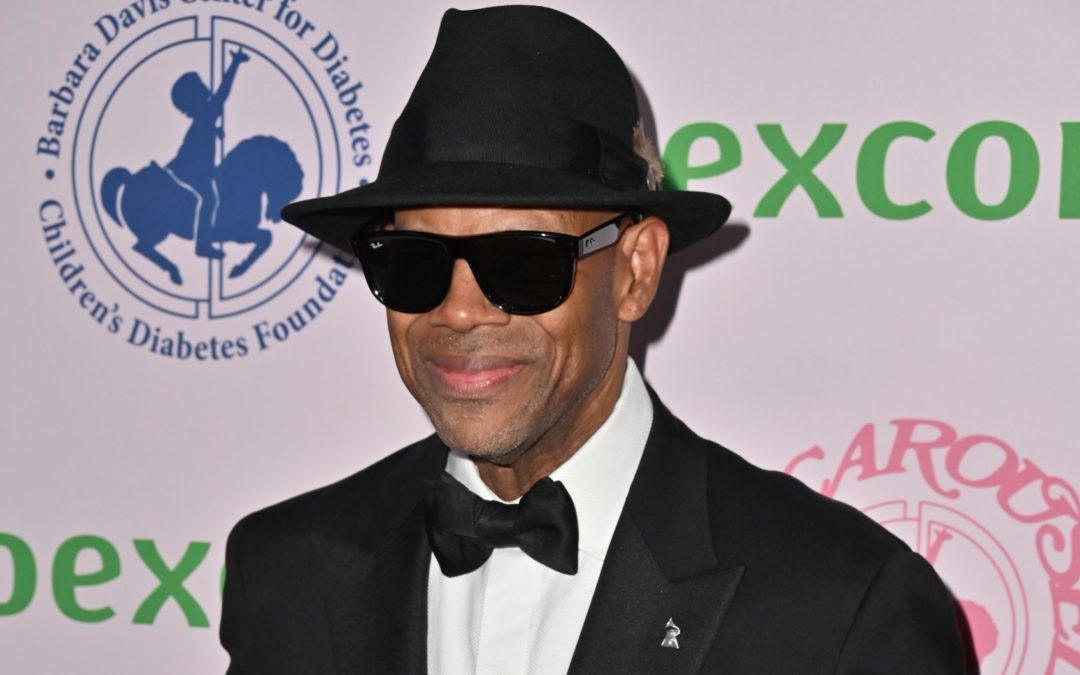
Their ascent in the music world was meteoric. As members of the funk-rock outfit The Time, Jimmy and Terry caught the eye of the Purple One himself, Prince. Under his tutelage, they honed their skills, absorbing the eclectic influences that permeated the Minneapolis music scene. It was here that Jimmy began to develop his signature style, both musically and sartorially, donning the black suits and fedoras that would become his trademark.
But it was behind the scenes where Jimmy Jam truly found his calling. Transitioning from performer to producer, he and Terry Lewis embarked on a journey that would see them crafting hits for some of the biggest names in the industry. Their innovative approach to songwriting and production breathed new life into the pop and R&B genres, creating a sound that was at once fresh and timeless.
As the 1980s rolled on, Jimmy Jam and Terry Lewis became the go-to team for artists looking to top the charts. Their collaboration with Janet Jackson, in particular, yielded a string of iconic albums and singles that defined an era. From “Control” to “Rhythm Nation,” their work with Janet showcased their ability to blend cutting-edge production techniques with irresistible melodies and socially conscious lyrics.
This period of Jimmy’s career was marked by an relentless pursuit of musical excellence. Long nights in the studio, endless experimentation with new sounds and technologies, and a commitment to pushing the boundaries of what was possible in popular music became his hallmarks. It was a time of tremendous growth and creativity, setting the stage for the legendary status he would achieve in the decades to come.
The Jam & Lewis Sound: Revolutionizing Pop Music
The partnership between Jimmy Jam and Terry Lewis didn’t just produce hit songs – it redefined the very landscape of popular music. Their unique approach to production, blending state-of-the-art technology with soulful musicianship, created a sound that was instantly recognizable yet endlessly versatile.
At the heart of the Jam & Lewis sound was a deep understanding of rhythm and groove. Drawing from their experiences in funk and R&B, they crafted basslines and drum patterns that were impossible to resist. But it was their innovative use of synthesizers and drum machines that truly set them apart. They weren’t content to simply use these tools as they came out of the box – instead, they pushed them to their limits, coaxing new and unexpected sounds that would become their sonic signature.
Their work with Janet Jackson serves as the perfect case study of their revolutionary approach. Albums like “Control” and “Rhythm Nation 1814” weren’t just collections of songs – they were cohesive musical statements that seamlessly blended pop, R&B, and social commentary. The production on these records was crisp and clean, yet full of depth and texture. Each track was a carefully constructed world of sound, with layers that revealed themselves over repeated listens.
But Janet was far from their only muse. Jimmy Jam and Terry Lewis brought their magic touch to a diverse array of artists, from Boyz II Men to Mariah Carey, Usher to Mary J. Blige. With each collaboration, they showed an uncanny ability to adapt their sound to suit the artist while still maintaining their distinctive style.
What set Jimmy Jam apart as a producer was his keen ear for melody and his understanding of the human voice. He had a gift for crafting vocal arrangements that showcased an artist’s strengths, often pushing them to deliver career-defining performances. His background as a musician allowed him to communicate effectively with artists, speaking their language and drawing out their best work.
The Jam & Lewis sound wasn’t just about the music – it was a complete package. Their production often came with a visual aesthetic that was just as impactful. Music videos for songs they produced were often groundbreaking, pushing the boundaries of what was possible in the medium. The iconic black and white video for Janet Jackson’s “Rhythm Nation” is a prime example, blending sharp choreography with powerful imagery that perfectly complemented the song’s message.
As the years went on, Jimmy Jam and Terry Lewis continued to evolve their sound, incorporating new influences and technologies while staying true to their roots. They weren’t afraid to experiment, whether it was incorporating elements of hip-hop, dabbling in electronic dance music, or revisiting classic soul sounds.
Their influence on the music industry cannot be overstated. The Jam & Lewis sound became a blueprint for pop and R&B production, inspiring countless imitators and shaping the direction of popular music for decades. Even today, in an era of digital production and bedroom studios, the meticulous craftsmanship and attention to detail that characterized their work remains a gold standard in the industry.
A Fashion Icon: The Signature Look
When you think of Jimmy Jam, it’s impossible to separate the man from his iconic style. For over four decades, he’s been rocking a look that’s become as legendary as his music: black suits, fedoras, and ever-present sunglasses. This signature ensemble isn’t just a fashion statement – it’s a reflection of Jimmy’s philosophy on life and music.
The origins of this distinctive look can be traced back to Jimmy’s early days in The Time. Prince, their mentor and bandleader, instilled in them the importance of maintaining a consistent image both on and off stage. This lesson stuck with Jimmy, who saw his style as an extension of his musical identity.
But the suits weren’t just about looking good. For Jimmy and Terry, they were a symbol of professionalism and respect for their craft. In an industry often associated with casual attire, they chose to present themselves with a level of sophistication that set them apart. It was a visual representation of their commitment to excellence in everything they did.
The fedora, perhaps the most recognizable element of Jimmy’s look, has its own story. While Terry was the first to adopt the hat as part of his style, Jimmy soon followed suit. Over the years, the fedora became more than just an accessory – it became a trademark, as closely associated with Jimmy Jam as his keyboard skills.
Interestingly, the commitment to this look wasn’t always easy. In the early days, when money was tight, Jimmy and Terry would scour thrift stores for suits, having them tailored to fit. This resourcefulness speaks to their determination to maintain their image, even when resources were limited.
The sunglasses, another constant in Jimmy’s ensemble, serve a dual purpose. On a practical level, they protect his eyes from the bright lights of studios and stages. But they also add an air of mystery, a barrier between the public persona and the private individual. In an industry where image is everything, this small detail has helped Jimmy maintain a sense of control over his public image.
Over the years, Jimmy’s style has evolved subtly while remaining true to its core elements. The cuts of the suits may have changed with the times, and the brands may have become more prestigious, but the essence remains the same. It’s a look that’s both timeless and distinctly of its era, much like Jimmy’s music itself.
The impact of Jimmy’s style extends beyond his personal brand. It’s influenced countless musicians and producers who have followed in his footsteps. The image of the well-dressed producer, once a rarity in the casual world of music studios, has become more common, thanks in no small part to Jimmy’s influence.
In recent years, Jimmy has shown a willingness to experiment with his look, incorporating new elements while staying true to his classic style. Whether it’s a pop of color in a pocket square or a more modern cut to his suits, he’s demonstrated that style, like music, is an ever-evolving art form.
As Jimmy enters his 65th year, his signature look remains as sharp and relevant as ever. It’s a testament to the power of personal style, and a reminder that true icons don’t follow trends – they set them. In a world of constantly changing fashions, Jimmy Jam’s enduring style stands as a beacon of consistency and cool.
The Art of Collaboration: Working with Music Legends
Throughout his illustrious career, Jimmy Jam has been the mastermind behind countless hit records, collaborating with some of the biggest names in the music industry. His ability to bring out the best in artists, coupled with his innovative production techniques, has made him one of the most sought-after producers in the business.
One of Jimmy’s most fruitful collaborations has been with Janet Jackson. Their partnership, which began in the mid-1980s, produced a string of groundbreaking albums that defined the sound of pop and R&B for a generation. Jimmy’s work with Janet went beyond mere hit-making – together, they crafted albums that were cohesive artistic statements, tackling social issues while delivering irresistible hooks and dance-floor fillers.
The process of working with Janet, as Jimmy has described it, was always a collaborative one. He and Terry Lewis would create the musical backdrop, crafting intricate arrangements that showcased Janet’s vocals while pushing the boundaries of contemporary pop production. Janet, in turn, would bring her unique vision and lyrical prowess to the table, resulting in songs that were both deeply personal and universally relatable.
But Janet is far from the only legend Jimmy has worked with. His resume reads like a who’s who of music royalty. From Michael Jackson to Mariah Carey, Usher to Mary J. Blige, Jimmy has left his mark on the discographies of some of the most iconic artists of the past four decades.
What sets Jimmy apart as a collaborator is his ability to adapt his style to suit the artist he’s working with, while still maintaining his signature sound. When working with Boyz II Men, for example, he and Terry crafted lush, harmony-rich productions that showcased the group’s incredible vocal abilities. With Usher, they created sleek, dance-oriented tracks that helped establish him as a pop superstar.
Jimmy’s approach to collaboration is rooted in respect for the artist’s vision. He’s not interested in imposing his will on a project, but rather in finding ways to enhance and elevate the artist’s natural talents. This philosophy has earned him the trust and admiration of countless musicians over the years.
In recent years, Jimmy has shown a willingness to collaborate with a new generation of artists, bringing his wealth of experience to bear on contemporary sounds. His work with younger artists has allowed him to stay current while imparting the wisdom he’s gained over decades in the industry.
One of the most exciting aspects of Jimmy’s collaborative spirit is his openness to unexpected partnerships. Whether it’s working with rock bands, country artists, or electronic producers, he’s always eager to push himself out of his comfort zone and explore new musical territories.
As he enters his 65th year, Jimmy’s passion for collaboration shows no signs of waning. If anything, he seems more excited than ever about the possibilities that come with working with diverse artists from different genres and generations. It’s this openness to new ideas and his genuine love for the collaborative process that keeps Jimmy Jam at the forefront of music production, even after all these years.
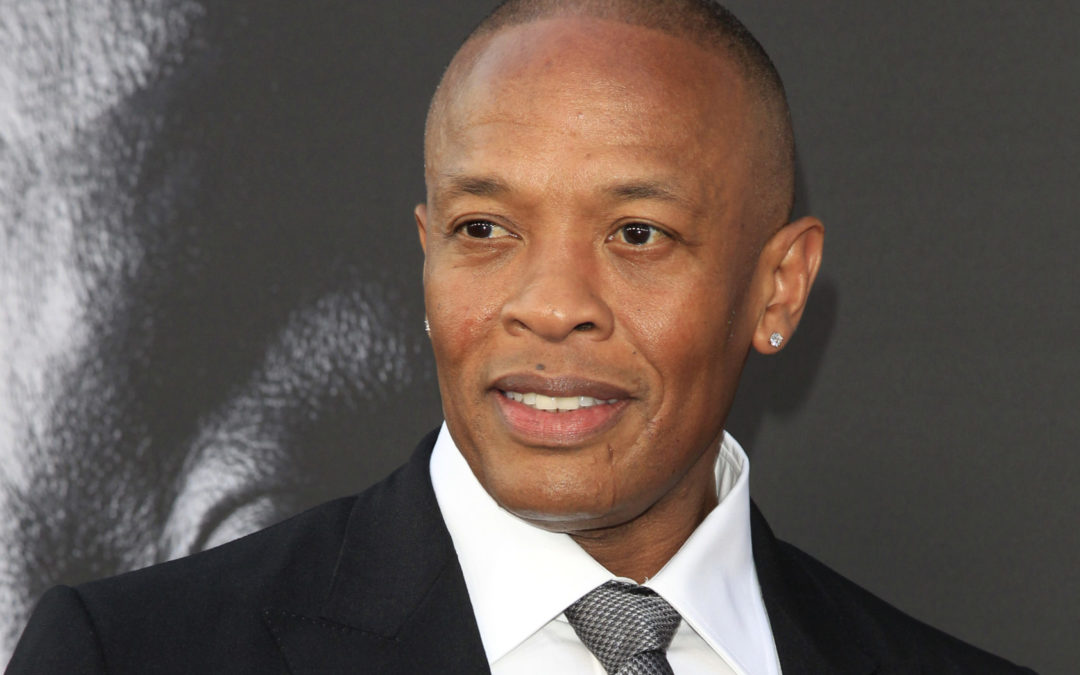
The Case for Single-Producer AlbumsIn the ever-evolving landscape of music production, a titan of the industry has spoken out, challenging the status quo and igniting a conversation that’s set to reverberate through recording studios worldwide. Dr. Dre, the legendary producer whose fingerprints are all over some of hip-hop’s most iconic tracks, has dropped a truth bomb that’s got everyone from aspiring beatmakers to seasoned veterans sitting up and taking notice. His stance? It’s time to bring back the era of the single-producer album.
Picture this: a world where albums aren’t a patchwork quilt of different sounds and styles, but a cohesive journey crafted by a single visionary. That’s the dream Dr. Dre is selling, and let’s be real, when the good doctor speaks, the music world listens. But why is this such a big deal? And what could it mean for the future of music as we know it?
Buckle up, music lovers, because we’re about to dive deep into the mind of a master producer and explore why this seemingly simple idea could be the shake-up the industry didn’t know it needed. From the creative process to the final product, we’re unpacking every angle of Dr. Dre’s game-changing philosophy. Get ready to see albums in a whole new light – this is one ride you won’t want to miss.
The Single-Producer Vision: Dr. Dre’s Game-Changing Perspective
When Dr. Dre drops knowledge, the music world sits up and takes notice. And boy, did he drop a bombshell recently. In a candid conversation that’s got everyone talking, the legendary producer laid out his vision for the future of album production – and it’s as bold as it is straightforward.
Picture this: you’re in the studio with Dr. Dre and Snoop Dogg, two icons casually rewriting the rules of the game. That’s exactly what went down on the Stephen A. Smith show, where Dre laid his cards on the table. “I like the idea of one producer on an album,” he declared, sending shockwaves through the industry. But he didn’t stop there. Dre went on to assert, “If you’re a producer, you should be able to produce the whole album.”
Now, let’s break this down. We’re not just talking about a preference here; we’re talking about a fundamental shift in how albums are created. Dre’s vision isn’t just about streamlining the process – it’s about creating a cohesive artistic statement from start to finish. It’s about giving producers the space to flex their creative muscles across an entire project, rather than just a track or two.
But here’s where it gets really interesting. Dre didn’t mince words when he expressed his dissatisfaction with the current state of affairs: “I don’t like the fact that there’s nine different producers on one album.” Boom. There it is. A direct challenge to the multi-producer model that’s become the norm in recent years.
This isn’t just talk from someone on the sidelines. This is Dr. Dre – the man behind some of the most groundbreaking albums in hip-hop history. When he speaks about production, it’s with the weight of decades of experience and countless platinum records behind him. His words carry the kind of gravitas that can shift industry paradigms.
So, what does this mean for artists, producers, and listeners? It’s a call to action, a challenge to rethink how albums are made. It’s an invitation to imagine a world where each album is a singular vision, a complete artistic statement from a single creative mind. And let’s be real – coming from Dr. Dre, it’s a challenge that’s hard to ignore.
As we dive deeper into this topic, we’ll explore the implications of Dre’s statement, the potential benefits and challenges of the single-producer model, and what it could mean for the future of music. Buckle up, folks – we’re about to go on a journey through the mind of a production genius.
The Multi-Producer Dilemma: Unpacking the Current Trend
Let’s face it – the music industry has been riding the multi-producer wave for a hot minute now. It’s become the norm to see album credits that read like a who’s who of production talent. But is more always better? Dr. Dre doesn’t think so, and he’s got us all questioning the status quo.
In today’s music scene, it’s not uncommon to find albums with a different producer for almost every track. On the surface, this might seem like a dream team approach – bringing together the best of the best to create a sonic masterpiece. But let’s peel back the layers and see what’s really going on.
First off, there’s the issue of cohesion. When you’ve got multiple producers working on an album, each bringing their own style and sound, it can sometimes feel like you’re listening to a playlist rather than a unified body of work. Sure, you might get a bunch of bangers, but do they tell a story together? Do they take you on a journey? That’s the question Dr. Dre is asking us to consider.
Then there’s the artist’s vision. In a multi-producer setup, the artist often becomes a juggler, trying to balance different production styles and make them fit their own artistic direction. It’s a tightrope walk that doesn’t always pay off. Sometimes, the result is an album that feels disjointed, lacking the kind of narrative flow that can make a good album great.
But let’s not forget the business side of things. The multi-producer model has become popular for a reason. It spreads the risk, potentially increases the album’s appeal to different audiences, and can bring in multiple fan bases. It’s a strategy that’s worked well for many artists, leading to chart-topping hits and commercial success.
However, Dr. Dre’s critique forces us to ask: at what cost? Are we sacrificing artistic integrity for commercial viability? Are we losing something essential in the pursuit of diversity?
The multi-producer trend also reflects the collaborative nature of modern music-making. In an era where features and crossovers are the norm, having multiple producers on an album can be seen as an extension of this collaborative spirit. It’s a way of bringing different flavors and perspectives into the mix.
But Dr. Dre’s stance challenges this notion. He’s suggesting that true collaboration might actually come from a deeper, more sustained relationship between an artist and a single producer. It’s about creating a shared vision, a unified sound that carries through from the first track to the last.
As we continue to unpack Dr. Dre’s perspective, we’ll explore how the single-producer model might address these issues and potentially revolutionize the way we think about album production.
When Dr. Dre speaks about the benefits of having a single producer for an entire album, he’s not just talking about creative cohesion – he’s also touching on a crucial technical aspect of music production. The consistency in sound and mix that can be achieved with this approach is a game-changer, and it’s something that shouldn’t be overlooked.
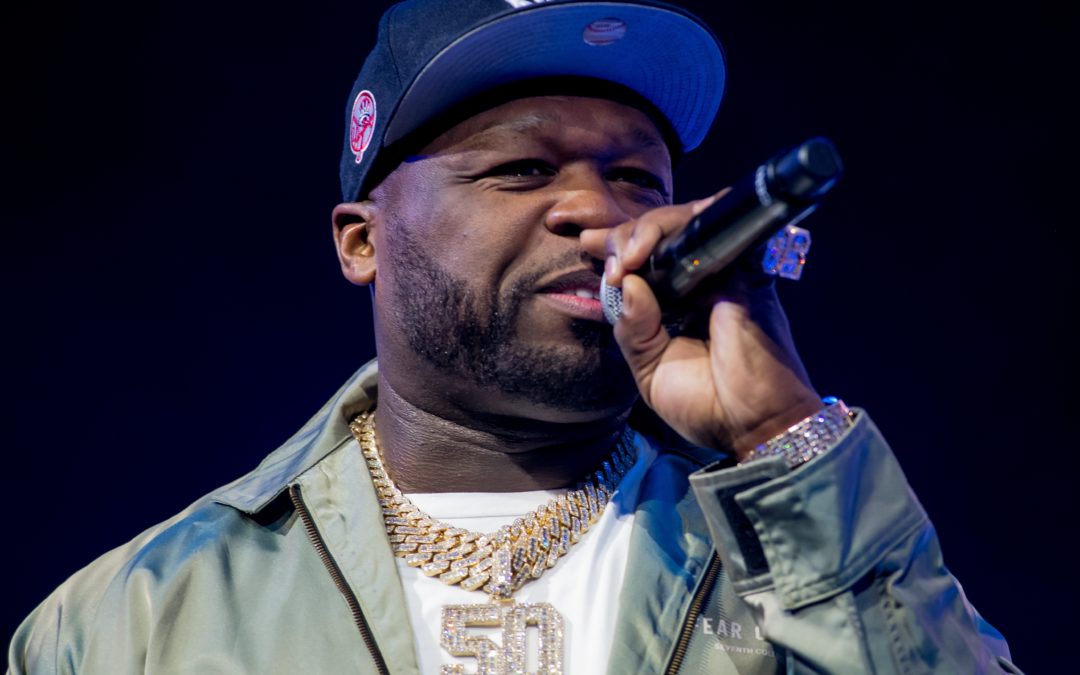
The entertainment world is buzzing with excitement as hip-hop icon 50 Cent gears up to make his mark on the Las Vegas Strip. In a move that’s set to redefine the city’s music scene, the rap mogul has announced his first-ever residency in the entertainment capital of the world. Titled “50 Cent: In Da Club,” this groundbreaking series of shows promises to deliver an unforgettable experience that fans won’t want to miss.
As the news spreads like wildfire across social media platforms, anticipation is building for what’s sure to be a game-changing event in the world of live music. With his signature style and a catalog of chart-topping hits, 50 Cent is poised to bring a fresh energy to the Vegas entertainment landscape. This residency isn’t just another gig – it’s a statement, a celebration of a career that has spanned decades and influenced generations of artists and fans alike.
From the streets of Queens to the neon-lit stages of Las Vegas, 50 Cent’s journey is a testament to his relentless drive and undeniable talent. As he prepares to take center stage at one of the most prestigious venues in the city, the rapper is promising an experience that will blend his raw, authentic sound with the glitz and glamour that Vegas is known for. It’s a collision of worlds that’s sure to create sparks and leave a lasting impression on everyone lucky enough to witness it.
So, buckle up and get ready to dive into the details of what’s shaping up to be one of the hottest tickets in town. From the venue and dates to the setlist and special surprises, we’re breaking down everything you need to know about 50 Cent’s Las Vegas residency. Whether you’re a die-hard fan or simply curious about what this hip-hop heavyweight has in store, this is one Vegas spectacle you won’t want to sleep on.
The Announcement That Shook the Strip
When 50 Cent drops news, the world listens. And his latest announcement has sent shockwaves through the entertainment industry. In a move that’s both bold and brilliant, the rap superstar has revealed plans for his first-ever Las Vegas residency, a series of shows that promise to bring his unique brand of hip-hop to the heart of Sin City.
The announcement came via 50 Cent’s Instagram account, where he teased fans with a simple yet tantalizing message: “My first Vegas residency is going to be an experience, you don’t wanna miss this!” With those words, the internet exploded, as fans and industry insiders alike scrambled to learn more about this groundbreaking event.
But what exactly does a 50 Cent residency mean for Las Vegas? For starters, it signals a shift in the city’s entertainment landscape. While Vegas has long been associated with classic crooners and pop divas, 50 Cent’s arrival marks a new era for hip-hop in the desert oasis. It’s a testament to the genre’s enduring popularity and its ability to draw crowds from all walks of life.
Moreover, this residency is a milestone in 50 Cent’s career. Known for his business acumen as much as his musical talents, the rapper has always been one to push boundaries and explore new opportunities. By taking on a Vegas residency, he’s not just performing – he’s staking his claim in a city known for its high-stakes entertainment.
The announcement has also sparked a flurry of speculation about what fans can expect from the shows. Will 50 Cent bring out surprise guests? How will he adapt his gritty, street-smart style to the glitzy Vegas stage? These questions and more have fans buzzing with excitement and anticipation.
As news of the residency spreads, it’s clear that 50 Cent is once again proving why he’s one of the most influential figures in modern music. With this move, he’s not just joining the ranks of Vegas headliners – he’s redefining what it means to be a star on the Strip.
Dates and Venue: Mark Your Calendars
Get ready to ring in the New Year with one of hip-hop’s biggest names. 50 Cent’s Las Vegas residency is set to kick off on December 27th, running through the end of the year and into early January. This strategic timing ensures that fans will have the opportunity to celebrate the holiday season and welcome 2024 with an unforgettable bang.
The residency will take place at PH Live, the state-of-the-art venue located within the iconic Planet Hollywood Resort and Casino. Known for its cutting-edge technology and immersive atmosphere, PH Live is the perfect setting for 50 Cent’s high-energy performances. The venue’s intimate yet spacious layout ensures that every seat in the house will offer an up-close and personal experience with the rap legend.
Here’s a breakdown of the show dates:
December 27, 2023
December 28, 2023
December 29, 2023
December 30, 2023
December 31, 2023 (New Year’s Eve Special)
January 3, 2024
January 4, 2024
The New Year’s Eve show is particularly noteworthy, as it’s being presented by 50 Cent’s own Sire Spirits brand. This special performance promises to be the ultimate party to ring in 2024, combining 50 Cent’s electrifying stage presence with the excitement of a Vegas New Year’s celebration.
For those planning to attend, it’s worth noting that Planet Hollywood is centrally located on the Las Vegas Strip, making it easily accessible for both locals and tourists. The resort offers a range of accommodations and amenities, allowing fans to turn their concert experience into a full-fledged Vegas getaway.
Tickets for the residency are set to go on sale on Saturday, October 19th at 1 p.m. ET through Ticketmaster’s website. Given the limited number of shows and the anticipated high demand, fans are advised to act quickly to secure their spots at what’s sure to be one of the hottest events in Vegas.
Whether you’re planning to catch one show or make it a multi-night experience, 50 Cent’s residency dates offer plenty of options for fans to get in on the action. With the perfect blend of holiday cheer and hip-hop flair, these shows are set to be the highlight of the Vegas entertainment calendar.
What to Expect: Hits, Surprises, and More
When it comes to a 50 Cent show, expectations are always high. But for his Las Vegas residency, the rapper is promising to take things to a whole new level. Fans can look forward to a high-energy performance that spans the breadth of 50 Cent’s impressive career, from his early breakout hits to his more recent tracks.
According to the official press release, the setlist will include fan favorites like “In Da Club,” “Candy Shop,” “P.I.M.P.,” and “21 Questions.” These chart-topping hits have defined 50 Cent’s sound and helped cement his place in hip-hop history. But don’t expect a simple run-through of his greatest hits – 50 Cent has hinted at special surprises and extraordinary production elements that will make each show a unique experience.
One of the most intriguing aspects of the residency is how 50 Cent plans to adapt his raw, street-inspired style to the glitzy Vegas stage. Known for his intense performances and commanding stage presence, the rapper is likely to bring a level of energy and authenticity that Vegas has rarely seen. Fans can expect a show that blends the grit of New York hip-hop with the spectacle of a Vegas production.
The residency is also set to feature state-of-the-art technology and impressive visual effects. While details are being kept under wraps, insiders suggest that the production will include elaborate set designs, cutting-edge lighting, and possibly even some interactive elements that will bring fans closer to the action.
But it’s not just about the music and the visuals. 50 Cent is known for his larger-than-life personality and quick wit, so attendees can likely expect some between-song banter and possibly even some storytelling that gives insight into his life and career. This personal touch could make the residency feel more intimate and exclusive, despite the grand scale of the production.
Moreover, given 50 Cent’s extensive network in the entertainment industry, there’s always the possibility of surprise guest appearances. While nothing has been confirmed, fans are already speculating about potential collaborators who might join him on stage.
Lastly, the New Year’s Eve show is set to be a particular highlight. Presented by 50 Cent’s Sire Spirits brand, this performance is likely to feature some special elements that tie into the holiday celebration. It could be the ultimate way to ring in 2024, combining 50 Cent’s music with the excitement of a Vegas New Year’s party.
In essence, 50 Cent’s Las Vegas residency is shaping up to be more than just a concert series – it’s an event, an experience, and a celebration of one of hip-hop’s most enduring figures. Whether you’re a long-time fan or new to his music, these shows promise to deliver something truly unforgettable.
The Business of Beats: 50 Cent’s Vegas Venture
When it comes to business acumen in the music industry, few can match 50 Cent’s track record. His Las Vegas residency is not just a series of performances – it’s a strategic move that showcases his entrepreneurial spirit and business savvy. According to reports, the rapper is set to earn a staggering $15 million for this set of shows, a figure that speaks volumes about his star power and negotiating skills.
This venture into the world of Las Vegas residencies is a natural progression for 50 Cent, who has long been known for his diverse business portfolio. From his early days as a mixtape hustler to his successful forays into film, television, and spirits, 50 Cent has consistently demonstrated an ability to leverage his brand for maximum profit.
The residency also represents a significant investment for Planet Hollywood and its parent company, Caesars Entertainment. By bringing in a hip-hop heavyweight like 50 Cent, they’re tapping into a demographic that has been historically underserved by traditional Vegas entertainment. This move could potentially open the doors for more hip-hop and urban music residencies in the future, reshaping the landscape of Sin City’s music scene.
Moreover, the timing of the residency – spanning the lucrative holiday season and New Year’s Eve – is a strategic choice that’s likely to maximize both attendance and revenue. The New Year’s Eve show, in particular, presented by 50 Cent’s own Sire Spirits brand, represents a clever bit of cross-promotion that could boost sales for his alcohol brands.
But the business implications of this residency extend beyond just ticket sales and performance fees. There’s potential for merchandising, VIP packages, and other ancillary revenue streams that could significantly increase the overall value of the deal. Additionally, the exposure from a high-profile Vegas residency could lead to new opportunities in other areas of entertainment and business.
It’s worth noting that 50 Cent’s venture into Las Vegas comes at a time when the city is experiencing a resurgence in tourism and entertainment following the challenges of the past few years. By bringing his star power to the Strip, 50 Cent is not only boosting his own brand but also contributing to the ongoing revitalization of Vegas as a premier entertainment destination.
From a broader industry perspective, 50 Cent’s residency could serve as a case study for other artists looking to make similar moves. If successful, it could pave the way for more hip-hop and R&B artists to secure lucrative residency deals, potentially shifting the balance of power in live music entertainment.
In many ways, this residency is a testament to 50 Cent’s evolution as an artist and businessman. It’s a bold move that combines his musical talents with his business acumen, creating a unique entertainment experience that has the potential to redefine what a Vegas residency can be. As the shows approach, all eyes will be on 50 Cent to see how this latest venture plays out – both on stage and in the boardroom.
Fan Reactions and Ticket Information
The announcement of 50 Cent’s Las Vegas residency has sent shockwaves through his fanbase and the music community at large. Social media platforms have been buzzing with excitement, with fans expressing their enthusiasm and making plans to attend the shows.
On Twitter, one fan wrote, “50 Cent in Vegas? This is going to be epic! Already planning my trip!” Another chimed in on Instagram, saying, “Finally, some real hip-hop on the Strip. Can’t wait to see what 50 brings to the table!”
As the ticket sale date approaches, the excitement continues to build. Whether you’re a die-hard 50 Cent fan or simply someone who appreciates groundbreaking entertainment, this residency promises to be a must-see event. The anticipation is palpable, with fans from across the country and even internationally making plans to descend upon Las Vegas for what’s shaping up to be a landmark moment in hip-hop history.
The Evolution of 50 Cent: From Queens to Vegas
The journey from the streets of Queens to the neon-lit stages of Las Vegas is a testament to 50 Cent’s remarkable career trajectory. Born Curtis James Jackson III, 50 Cent’s rise to fame is a story of perseverance, talent, and business acumen that has captivated fans and industry insiders alike.
50 Cent burst onto the music scene in the early 2000s with his debut album “Get Rich or Die Tryin’.” The album’s raw energy and unflinching lyrics resonated with audiences, catapulting him to superstardom almost overnight. Tracks like “In Da Club” and “21 Questions” became instant classics, establishing 50 Cent as a force to be reckoned with in the hip-hop world.
But 50 Cent’s influence extends far beyond his music. Throughout his career, he has demonstrated a keen business sense, diversifying his portfolio with ventures in film, television, and spirits. His success in these areas has transformed him from just another rapper into a bona fide entertainment mogul.
The Las Vegas residency represents a new chapter in 50 Cent’s evolving career. It’s a move that showcases his ability to adapt and reinvent himself while staying true to his roots. The residency format allows him to present his music in a new context, potentially reaching audiences who might not typically attend a hip-hop concert.
Moreover, this venture into Las Vegas entertainment demonstrates 50 Cent’s understanding of his place in the cultural zeitgeist. By bringing his brand of hip-hop to the Strip, he’s not just performing – he’s making a statement about the genre’s enduring relevance and its rightful place alongside other forms of mainstream entertainment.
As Hurricane Milton, a monstrous Category 3 tempest, set its sights on the Florida peninsula, Dame Dash found himself grappling with a perplexing conundrum. Should he and his fam pack up and bounce, or should they tough it out, risking potential backlash for appearing soft? Ultimately, the Roc-A-Fella co-founder made the wise call to evacuate, but not before some serious contemplation.
In a candid Instagram video, the hip-hop mogul spilled the tea on his initial hesitation to flee the storm’s wrath. With Milton’s ominous approach, Dash revealed that the decision to stay put or hit the road was no cakewalk. Peep his words:
“We were like, ‘Alright, we’re gonna try to grind it out and stay. Because none of our neighbors were leaving, and the people that we knew that are from Florida — like every day all day [weren’t leaving],’ he said while traveling in his private bus. ‘It kinda seemed like we were soft if we were leaving. Pause.'”
A Veteran of Natural Disasters
For Dash and his crew, battling the elements is nothing new. From raging wildfires engulfing their Wyoming ranch to multiple hurricanes, they’ve stared down Mother Nature’s fury time and again. Yet, each ordeal leaves its mark, as the entrepreneur candidly admitted:
“I’m like, ‘Damn, why are we always in the mix?’ And, of course, we get here (Florida)… and, of course, we end up right in the thick of things and be challenged.”
Despite their resilience, the prospect of weathering Hurricane Milton’s wrath was daunting, especially with a little one and four furry companions in tow. As Dash pondered, the discomfort of hunkering down during the storm’s onslaught became increasingly apparent.
“You know, we’d work it out, but who wants to be uncomfortable? Plus, with a baby and four dogs…”
The Decisive Moment
With the stakes high and the pressure mounting, Dash’s fiancée, Raquel Horn, and those around him began to feel the strain. As the gravity of the situation intensified, the decision to evacuate crystallized as the safest course of action.
“[Raquel] and others around [me] began stressing a little, so we decided to heed the warnings, packed our bags, and left,” Dash recounted.
In that pivotal moment, the hip-hop mogul’s priorities became clear: protecting his loved ones trumped any perceived notion of appearing soft. With a level head and a pragmatic mindset, Dash and his family hit the road, leaving their Florida abode behind as Hurricane Milton bore down.
A Seasoned Survivor’s Wisdom
Reflecting on the experience, Dash imparted some hard-earned wisdom for those living in disaster-prone regions. Preparedness, he emphasized, is key:
“If you live in a place where natural disasters happen — like hurricanes, like once a year — you gotta have a hurricane house on deck to go to. So we developed that, and we figured it out, so we know where we’re going amongst family and all that.”
His advice? When authorities sound the alarm, don’t hesitate – evacuate. As Dash put it bluntly, “If people warn you… I’m out. I don’t care. We gotta go. I got a family.”
The Silver Lining
Despite the harrowing ordeal, Dash managed to find a silver lining. Even amid the chaos of an evacuation, being surrounded by loved ones made the journey bearable, if not enjoyable.
“Even this evacuation is still fun when you’re with the people you love, as long as they’re not panicking,” he remarked.
Yet, the entrepreneur’s exasperation was palpable as he reflected on the recurring challenges posed by natural disasters: “But I’m sick of this shit, I ain’t gonna hold you.”
A Cautionary Tale
Dash’s experience serves as a cautionary tale, underscoring the importance of heeding evacuation orders and prioritizing safety over misguided perceptions of toughness. While his initial hesitation was rooted in a desire to project strength, his ultimate decision to evacuate demonstrated true resilience – the fortitude to put his family’s well-being above all else.
As the world grapples with the escalating effects of climate change, stories like Dash’s serve as a poignant reminder that preparedness and swift action can mean the difference between life and death in the face of nature’s fury.
The Aftermath: Devastation and Resilience
In the wake of Hurricane Milton’s rampage, the toll on Florida’s western coast was staggering. At least 12 lives were lost, and millions were left without power, their homes and communities ravaged by the storm’s relentless onslaught.
Amidst the wreckage, tales of resilience and heroism emerged. From residents banding together to aid their neighbors to first responders risking their lives to save others, the indomitable spirit of Floridians shone through the darkness.
A Viral Phenomenon: ‘Lieutenant Dan’ Defies Evacuation Orders
One particularly viral story captured the nation’s attention: the saga of “Lieutenant Dan,” a Florida man who refused to abandon his boat amid Hurricane Milton’s approach. Despite pleas from authorities, the resolute resident remained steadfast, his defiance sparking a social media frenzy and prompting a statewide search and rescue operation.
While his actions were undoubtedly reckless, “Lieutenant Dan’s” unwavering determination struck a chord with many, embodying the rugged individualism and rebellious spirit that has long been associated with the Sunshine State.
Anderson Cooper’s Harrowing Experience
Even seasoned journalists found themselves in harm’s way as Milton raged. Veteran reporter Anderson Cooper, known for his fearless coverage of natural disasters, experienced a harrowing moment during a live broadcast. As he reported from the heart of the storm, a sudden gust of wind sent debris hurtling towards him, prompting a startled exclamation: “That wasn’t good!”
Cooper’s composure in the face of danger was a testament to the risks journalists often face in pursuit of keeping the public informed during times of crisis.
Roc-A-Fella’s Past and Dame Dash’s Resilience
Dame Dash’s journey from the mean streets of Harlem to the heights of hip-hop moguldom is a tale of perseverance and resilience in itself. As the co-founder of the iconic Roc-A-Fella Records, he helped shape the careers of legendary artists like Jay-Z and Kanye West, leaving an indelible mark on the music industry.
However, his path was far from smooth. Dash’s decision to walk away from Jay-Z and R. Kelly’s highly anticipated “Best of Both Worlds” album, citing ethical concerns, exemplified his unwavering commitment to his principles, even in the face of potential financial gain.
“I didn’t want any part of that project,” Dash revealed in a candid interview, alluding to the controversies surrounding R. Kelly at the time.
Embracing Authenticity and Staying True to Oneself
Throughout his career, Dash has remained steadfast in his commitment to authenticity and staying true to himself, even when it meant making tough choices. His refusal to compromise his values in pursuit of commercial success has earned him respect and admiration from fans and peers alike.
In an industry often criticized for its superficiality and materialism, Dash’s unwavering dedication to his principles serves as a refreshing reminder of the importance of staying grounded and true to one’s core beliefs.
Fostering Inclusivity and Empowerment
Beyond his artistic and entrepreneurial endeavors, Dash has also been a vocal advocate for inclusivity and empowerment within the hip-hop community and beyond. His efforts to uplift and amplify underrepresented voices have been widely praised, solidifying his status as a cultural icon and a force for positive change.
Through his various initiatives and platforms, Dash has sought to create spaces where diverse perspectives can be shared and celebrated, fostering a sense of unity and belonging among those who have often felt marginalized or overlooked.
As the world continues to grapple with the challenges of natural disasters, social injustice, and the ever-evolving cultural landscape, figures like Dame Dash serve as beacons of resilience, authenticity, and empowerment.
His unwavering spirit in the face of adversity, whether confronting the fury of Hurricane Milton or navigating the complexities of the entertainment industry, serves as an inspiration to countless individuals striving to stay true to themselves and make a positive impact on the world around them.
Dash’s story is a testament to the power of perseverance, the importance of family, and the enduring strength of the human spirit – a narrative that transcends the boundaries of geography, culture, and circumstance, resonating with people from all walks of life.




RECENT COMMENTS