by Jonathan P-Wright | May 2, 2025 | Uncategorized |
Image credit: Maciej Rogowski Photo / Shutterstock.com
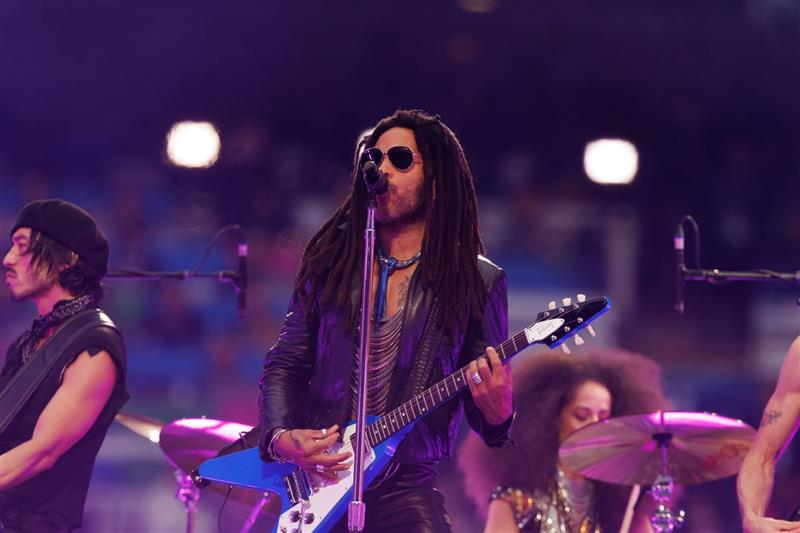
Lenny Kravitz, a celebrated figure in the realm of rock music, renowned for his genre-defying sound and distinctive aesthetic, has recently offered an intimate glimpse into his Parisian abode, a sanctuary he affectionately refers to as Hotel Roxie. Far from being a conventional celebrity dwelling, this Parisian residence, nestled in a tranquil corner of the luminous city, stands as a vibrant homage to the intertwined worlds of art, historical significance, musical expression, and profound affection.
In a revealing video tour conducted for Architectural Digest, Kravitz graciously unveils the interiors of this extraordinary space, a home brimming with a bold and deeply personal character. More than a mere display of opulence, Hotel Roxie serves as a tangible extension of Kravitz’s multifaceted identity as an artist, a devoted son, a loving father, and a respected cultural icon.
A Mother’s Dream Realized: The Genesis of Hotel Roxie
The very name of the house, Hotel Roxie, carries a weighty significance, serving as a heartfelt tribute to Kravitz’s late mother, the accomplished actress Roxie Roker. As Kravitz himself explains during the video walkthrough, “It was named after my mother because it was her dream to come live in Paris.” This seemingly small yet profoundly meaningful detail establishes the overarching tone of the entire residence. It is a space saturated with memories, imbued with intention, and designed to honor a cherished maternal figure. Kravitz has not simply constructed a place to reside; rather, he has meticulously crafted a narrative that interweaves his past experiences, his present life, and his aspirations for the legacy he will eventually leave behind.
As the virtual tour unfolds, viewers are inevitably drawn into a world that feels like the physical embodiment of Lenny Kravitz’s innermost artistic sensibilities. It is a space that exudes soulfulness, radiates style, and surprises with its eclectic artistic choices. The walls serve as canvases for abstract art, each piece pulsating with vibrant colors, rich textures,
and palpable emotions. It is a carefully curated collection, a harmonious yet unpredictable assembly of visual storytelling, where each artwork has been thoughtfully selected to articulate an idea, evoke a feeling, or represent a significant phase in Kravitz’s personal and artistic evolution.
A particularly striking feature of the home is the imposing grand piano that commands attention in the entryway. This is far more than a mere decorative element; it possesses a presence akin to a centerpiece in a grand concert hall. It is an instrument that seems to demand to be played, to be an integral part of the musical experience. One can easily envision Kravitz pausing at its keys during the quiet hours of the night, allowing melodies to flow into the surrounding air like fragrant incense.
Beyond the realms of music and fine art, Hotel Roxie holds spaces dedicated to more personal connections. An entire room is lovingly devoted to his mother, Roxie. Furnished and styled with meticulous care, it serves as a serene sanctuary for reflection and remembrance, a sacred space honoring the woman who profoundly shaped his life. In a home filled with expressive design, this room acts as an emotional anchor, grounding the entire space in familial love and respect.
Homage to a Legend: The Grand Salon’s Tribute to Muhammad Ali
Venturing further into the house, one encounters the Grand Salon, an expansive room that functions as a veritable shrine to the legendary boxer and influential activist, Muhammad Ali. The room is filled with carefully chosen memorabilia, distinct design elements, and powerful iconography all dedicated to this iconic figure.
The choice of dedicating such a significant space to Ali is not arbitrary. For Kravitz, the admiration extends far beyond the realm of sports. “What I love about Muhammad Ali is the humanitarian work, the civil rights work—he was a freedom fighter, and that is so important,” Kravitz articulates, revealing the deeper resonance of this dedication.
It becomes evident that the Grand Salon transcends mere aesthetic considerations. It is a space of reverence, a celebration of courage, unwavering strength, and the profound act of speaking truth to power. Muhammad Ali, often perceived as the ultimate symbol of resilience and dignity in the face of adversity, serves as a potent source of inspiration for Kravitz’s own journey as a Black artist navigating the complexities of the world on his own terms. The room emanates a palpable sense of quiet respect. This is not a mere display of celebrity collectibles; it is a heartfelt expression of gratitude and a powerful channeling of inspiration.
An Underground Sanctuary: The Secret Nightclub
However, the most captivating and unexpected feature of Hotel Roxie lies beneath the surface, in the basement—a hidden gem that most would never anticipate finding within a private residence: a fully operational nightclub. Indeed, Lenny Kravitz has created his very own underground club beneath his Parisian home.
Bathed in a moody and seductive ambiance reminiscent of a scene from an A24 film, the nightclub is characterized by deep red lighting, carefully selected vintage decor, and luxurious velvet textures that collectively create an atmosphere that feels both retro and timeless. Stepping into this space is akin to entering another era, yet it possesses an undeniable contemporary allure.
Kravitz himself describes this subterranean haven as the “heart and soul” of his Parisian residence. It is a dynamic space where creativity and community converge and flourish after nightfall. On any given evening, it can spontaneously transform into a vibrant gathering, with guests spanning generations engaging in lively conversations, freely dancing to the rhythm of the music, and fully embracing the joy of the moment.
And Kravitz is not merely an observer in this vibrant setting. As the music fills the air and the energy of the gathering intensifies, he wholeheartedly immerses himself in the celebration—dancing with unrestrained joy, sharing laughter with his guests, and fully embracing the present moment. The image of him moving freely, his signature dreadlocks swaying with the rhythm, is undeniably cinematic. This underground space is part speakeasy, part dreamscape—a carefully crafted environment designed to be felt viscerally, not just admired visually.
Beyond Paris: A Global Footprint Rooted in Identity
As the tour draws to a close, Kravitz adopts a more contemplative tone. Standing in the very heart of Hotel Roxie, he reflects on the profound significance of the house in his life. “It represents so many parts of my history, my story, and evolution,” he shares with a quiet sincerity. This Parisian residence is clearly more than just an asset in a real estate portfolio. For Lenny Kravitz, it is an emotional and creative landmark, a tangible representation of his personal journey. It encapsulates the entirety of his experiences—from his upbringing as the son of the Bahamian-American actress Roxie Roker to his current status as a globally recognized music icon with an unshakeable sense of self. Then follows a deeply personal revelation. Kravitz expresses his intention to leave the house unchanged. In his eyes, it has reached its final, perfect form—at least for him. He states that upon his passing, the responsibility and creative freedom regarding the future of Hotel Roxie will be entrusted to his daughter, the talented actress Zoë Kravitz. “She can do what she wants with it after I’m gone,” he says with a sense of quiet peace and acceptance. This is a profoundly poetic
gesture, one that speaks volumes about preserving the past, fully embracing the present, and having the wisdom to trust the future. It underscores themes of legacy, the enduring power of love, and the subtle yet significant art of letting go.
While his Parisian home, Hotel Roxie, may hold the deepest emotional resonance among his properties, it is but one facet of Lenny Kravitz’s impressive global real estate portfolio. He possesses a discerning eye for designing spaces that not only reflect his rockstar persona but also embody his globally attuned spirit. According to reports from Travel Noire, Kravitz also owns a sprawling estate in Brazil, encompassing nearly 1,000 acres of land that once served as a coffee plantation. Nestled deep within the lush jungle, this property has evolved into a serene retreat, an earthly paradise where he can disconnect from the demands of his public life and reconnect with the tranquility of the natural world. However, his appreciation for freedom and a certain understated minimalism extends beyond his Brazilian estate. He also maintains a custom-designed Airstream trailer in the Bahamas—sleek, silver, and fully equipped for off-grid living. This mobile home-away-from-home contains all the essentials, proving that true luxury does not always equate to extravagance. For Kravitz, even a trailer can be transformed into a sanctuary if it possesses thoughtful design and positive energy.
Ultimately, what renders Lenny Kravitz’s homes—and particularly Hotel Roxie—so compelling is not merely the carefully chosen decor or the architectural design. It is the profound way in which he seamlessly weaves his identity, his core values, and his personal history into the very fabric of these spaces. Each room serves a purpose, and every object within tells a story. From honoring the memory of his mother and celebrating the legacy of civil rights heroes to creating environments that foster joy and meaningful connections, Kravitz approaches the art of design with the same soulful depth that characterizes his music. In a world where the homes of celebrities often feel like sterile showcases of wealth and status, Hotel Roxie stands as a refreshing contrast. It is not simply a house; it is a living memoir, a deeply human and profoundly artistic space that serves as a powerful reminder that the essence of a true home lies not in flawless perfection but in authentic truth. And in the case of Lenny Kravitz, that truth is undeniably cool, deeply conscious, and vibrantly alive, perhaps even echoing with music from a hidden nightclub in the basement.

by Jonathan P-Wright | Apr 25, 2025 | Music News |
Photo by Wesley Tingey on Unsplash
A significant chapter in the long-standing discord between Ali, a former member of the St. Lunatics, and the prominent hip-hop artist Nelly has seemingly concluded with Ali’s withdrawal of his substantial $50 million lawsuit. This legal action had cast a shadow over the legacy of the group and Nelly’s early success. However, despite this dismissal, the legal maneuvering appears far from over, as Nelly’s legal representatives are actively urging the court to maintain jurisdiction over the matter, hinting at potential future legal repercussions for Ali.
The Lawsuit That Shook the Foundation of the St. Lunatics
The contentious lawsuit, initiated in the year 2023, centered on allegations that Nelly had neglected to provide due royalty payments to his fellow St. Lunatics collaborators for their contributions to his groundbreaking 2000 album, “Country Grammar.” This album proved to be a monumental commercial triumph, propelling Nelly to international stardom and firmly establishing him as a dominant force in mainstream hip-hop. With sales exceeding 10 million copies within the United States alone, “Country Grammar” remains etched in history as one of the best-selling rap albums of all time, a testament to its widespread appeal and enduring popularity.
Ali, who has long asserted his role as the principal founder of the St. Lunatics, initiated the legal proceedings on behalf of the entire group. His claim asserted that the collective efforts and creative input of the group members on “Country Grammar” went largely unacknowledged and financially unrewarded. The lawsuit sought a staggering $50 million in financial redress, reflecting the perceived magnitude of the alleged injustice and the immense commercial success that Nelly had achieved, largely on the back of this pivotal album.
However, the foundation of Ali’s legal challenge began to erode relatively quickly. Crucially, several key members of the St. Lunatics, including prominent figures like Murphy Lee, City Spud, and Kyjuan, publicly distanced themselves from the legal action shortly after its inception. These members explicitly stated that they had not granted Ali any authorization to pursue legal action on their behalf, thereby creating a significant internal rift within the group. This division extended beyond the conflict between Ali and Nelly, fracturing the unity of the St. Lunatics and adding layers of complexity to an already sensitive situation. The public disavowal by these key members significantly weakened Ali’s position and cast doubt on the legitimacy of his claim as representing the collective grievance of the group.
Legal Maneuvering and the Subsequent Dismissal
According to reports from Billboard, Ali officially and voluntarily withdrew his lawsuit on April 10, 2024. This action might have initially appeared to signal a resolution to the protracted dispute, offering a sense of closure to this particular legal entanglement. However, Nelly’s legal team has demonstrated a clear intention not to let the matter rest without a formal response and potential counter-action. In their subsequent court filings, Nelly’s attorneys vehemently characterized Ali’s lawsuit as “frivolous” and argued that it was legally “time-barred,” suggesting that the claim lacked any substantial legal basis and was initiated well beyond the permissible statute of limitations. They further contended that the primary motivation behind the lawsuit was not a genuine pursuit of justice but rather an attempt to inflict financial and legal burdens upon Nelly, disrupting his professional and personal life.
Nelly’s legal representatives have strongly urged the court to retain its jurisdiction over the case, even in light of Ali’s withdrawal. This strategic move is aimed at enabling them to potentially pursue sanctions against Ali and his legal counsel. They argue that Ali’s legal team engaged in what they describe as a “frivolous campaign” with the explicit objective of compelling Nelly to expend significant financial resources in defending against what they maintain was a baseless and outdated claim. In their formal request to the court, Nelly’s lawyers stated, “Plaintiff’s counsel succeeded in its frivolous campaign aimed at forcing [Nelly] to spend money defending Plaintiff’s ridiculous time-barred claim. The Court is respectfully requested to retain jurisdiction and set a briefing and hearing schedule for [potential sanctions].”
Essentially, while Nelly is no longer facing the immediate legal threat posed by Ali’s withdrawn lawsuit, he and his legal team are determined to ensure that those they believe were responsible for initiating what they consider to be a groundless legal action are held accountable for their actions. The underlying aim of this pursuit of sanctions appears to be twofold: firstly, to potentially recover some of the financial costs and time lost in navigating the legal proceedings, and secondly, to serve as a deterrent against similar legal actions in the future, discouraging others from pursuing what Nelly’s team perceives as meritless claims. This counter-offensive underscores the lingering animosity and the potential for further legal skirmishes despite the initial dismissal.
The Genesis of the Rift: Unpacking the Underlying Issues
Ali’s grievances against Nelly are far from being a recent development. The underlying conflict appears to be deeply entrenched and intensely personal, stemming from years of what Ali perceives as unaddressed frustrations and fundamental breaches of trust. In a revealing 2023 interview with VladTV, Ali articulated his strong feelings of resentment towards Nelly, expressing profound bitterness over what he described as two decades of consistent disrespect and broken promises. His words painted a picture of a relationship marred by a significant power imbalance and a lack of mutual regard.
During this candid interview, Ali employed a vivid metaphor to illustrate his long-held perception of Nelly’s character, stating, “A tiger ain’t never gonna change his stripes. I watched it for 20 years and I’m the butt of the joke because it took me 20 years to realize it.” This statement encapsulates Ali’s sense of prolonged disillusionment and the feeling that he was consistently underestimated or treated unfairly over an extended period. He further declared that he would “never, ever” perform alongside Nelly again, emphasizing the deep emotional and financial toll that their past interactions had taken on him. This resolute statement underscored the seemingly irreparable nature of their fractured relationship and the profound impact of their history on Ali’s present stance.
Ali did not shy away from directly questioning Nelly’s motivations and intentions, expressing a starkly negative assessment of his character. “He has no real, raw good intentions for others,” Ali asserted, his words laden with disappointment and a sense of betrayal. He specifically extended this negative assessment to his former St. Lunatics colleagues, stating, “Not for us… He got $50 million, I’m happy for him. That’s what he wants. He wants a billion.” These strong pronouncements reveal a deep-seated belief that Nelly’s pursuit of individual success came at the expense of his loyalty to the group and his genuine concern for their well-being.
These are not merely the words of a disgruntled former collaborator expressing professional disappointment. Instead, they convey the profound sense of personal betrayal felt by someone who once shared a close bond and collective aspirations with Nelly. For Ali, the core issue transcends mere financial compensation or recognition for past contributions; it delves into fundamental principles of loyalty, the sanctity of friendship, and the true meaning of brotherhood within the often cutthroat and complex landscape of the music business. His statements highlight the emotional undercurrents that fueled the lawsuit and continue to shape his perspective on his relationship with Nelly and the trajectory of the St. Lunatics.
A Retrospective of Conflict and the Gradual Separation
To fully comprehend the depth and complexity of the current fractured relationship between Ali and Nelly, it is essential to delve into the formative years of the St. Lunatics and trace the trajectory of their journey. Ali has consistently maintained that he was the pivotal figure in the establishment of the group, which came into existence in 1993 within their shared hometown of St. Louis, Missouri. In a detailed and emotionally charged Instagram post dating back to 2021, Ali provided his personal account of the group’s origins, its initial unity, and its subsequent gradual disintegration.
In his recollection, Ali asserted that his role extended beyond mere founding; he also took on a mentorship capacity, guiding and nurturing the rapping skills of the other members, including Nelly, during their formative years. He recounted a pivotal moment early in their collective journey when he was presented with an opportunity for a solo recording contract. However, driven by a strong sense of loyalty and commitment to the group’s collective aspirations, Ali claimed that he declined this individual offer, choosing instead to prioritize their shared pursuit of success as the St. Lunatics. This decision, in his narrative, underscores his initial dedication to the group’s unity and his belief in their collective potential.
However, the narrative takes a significant turn when Ali recounts a parallel situation involving Nelly. According to Ali’s account, when Nelly was presented with a similar solo opportunity, the outcome was markedly different. Ali alleged that Nelly accepted the solo deal and, in doing so, effectively began to distance himself from the rest of the group. This divergence in their paths and decisions marked a critical juncture in the history of the St. Lunatics, sowing the seeds of future conflict and resentment.
Ali’s 2021 Instagram post vividly describes this turning point, stating, “Fast forward to 1999. Ma$e’s manager at the time, Cudda, was introduced to us… and he immediately started separating the group. He wanted Nelly and City Spud. They left with Cudda and went to Harlem. The separation became the reality. They had left.” The starkness of this account highlights Ali’s perception of a deliberate act of separation, orchestrated by an external influence that recognized Nelly’s individual potential.
The tone of Ali’s message in this post is palpable with both lingering pain and deep-seated resentment. He articulated the feelings of the remaining group members, writing, “We — the rest of the group — felt hustled. We were *1 until the opportunity was presented to be *2… They hustled us.” This powerful word choice conveys a profound sense of betrayal and the feeling of being manipulated or left behind as Nelly’s individual star began to ascend. Ali’s narrative paints a picture of a group that was once unified in its aspirations but ultimately fractured by the allure of individual success and the perceived abandonment of collective loyalty.
The Broader Context: Navigating Fame, Loyalty, and the Price of Achievement
The intricate and often acrimonious feud between Ali and Nelly transcends their personal dynamic, tapping into a more pervasive and complex issue within the music industry, particularly within the realm of hip-hop: the inherent tension between the pursuit of individual ambition and the maintenance of group solidarity. The history of hip-hop is replete with examples of groups that initially rose to prominence as cohesive units but subsequently fractured under the immense pressures and temptations that accompany fame and financial success. As individual creative visions begin to diverge, personal egos potentially inflate, and the bonds of loyalty are rigorously tested, the initial unity of a group can often unravel, sometimes with devastating and long-lasting consequences for all involved.
In the specific case of the St. Lunatics, their journey exemplifies this common trajectory. What began as a close-knit collective of friends sharing a common dream of achieving musical recognition and putting their hometown of St. Louis on the map eventually succumbed to the divisive forces that often accompany significant success. While Nelly ascended to become a globally recognized and commercially successful artist, the remaining members of the group did not attain the same level of widespread acclaim and financial prosperity. This disparity in their individual outcomes likely served as a significant catalyst, fueling long-standing feelings of resentment, marginalization, and a sense of injustice among those who felt left behind as one of their own soared to unprecedented heights.
Ali’s decision to pursue legal action, despite the challenges and the lack of unified support from his other former group members, can be interpreted as an attempt to reclaim a sense of justice, to gain recognition for past contributions that he felt were undervalued, or perhaps simply to voice a long-simmering sense of grievance. However, the subsequent lack of support from key figures within the St. Lunatics and the decidedly harsh and dismissive response from Nelly’s formidable legal team underscore the fact that not everyone within the group shared Ali’s perspective on the situation or agreed with his chosen method of addressing these long-standing issues. This internal division further complicates the narrative and highlights the multifaceted nature of their fractured relationships.
Looking Ahead: Uncertainties and Lingering Questions
With Ali’s lawsuit now officially withdrawn from the legal arena, the immediate question that arises is: what potential developments lie ahead in this ongoing saga?
For Nelly, the primary focus in the immediate aftermath of the dismissal is whether the presiding court will grant his legal team’s request to proceed with considering sanctions against Ali. Nelly’s lawyers have vehemently argued that Ali’s lawsuit constituted a misuse of the legal system, initiated without merit and for the purpose of causing financial and legal distress. If the court ultimately grants these sanctions, it could impose significant financial penalties on Ali for pursuing what is deemed to be a frivolous claim. Furthermore, such a ruling could potentially establish a precedent for how similar disputes within the music industry are handled in the future, sending a message about the potential consequences of pursuing unsubstantiated legal action against more established artists.
For Ali, the decision to drop the lawsuit, while seemingly bringing an end to one particular chapter of this conflict, does not necessarily signify the end of his grievances or his pursuit of some form of resolution. The larger and more fundamental conversation surrounding issues of fairness, proper credit attribution, and equitable compensation within the often-complex and sometimes exploitative landscape of the music industry remains a significant and unresolved issue. Whether Ali chooses to explore alternative legal avenues, to continue his public discourse on the matter, or to seek resolution through private channels remains uncertain. His next steps will likely be closely watched by those familiar with the long and often bitter history of the St. Lunatics.
One undeniable truth that emerges from this protracted dispute is that the emotional and relational wounds between Nelly and Ali, and perhaps extending to the broader legacy of the St. Lunatics as a whole, are far from being fully healed. What initially began as a shared and hopeful dream of putting their St. Louis roots firmly on the national musical map has, over time, devolved into a cautionary narrative. It serves as a stark reminder of how the immense pressures and complexities of achieving significant success can sometimes lead to division and discord, rather than fostering enduring unity and shared prosperity. The story of the St. Lunatics, once a symbol of local talent and collective ambition, now carries a bittersweet undercurrent, tinged with the complexities of fractured relationships and unresolved grievances.
Concluding Reflections
This protracted and emotionally charged legal battle serves as a poignant reminder that beneath the surface of hit records, widespread fame, and the often-glamorous public personas of artists, the music industry is frequently characterized by intricate personal histories, deeply rooted unresolved conflicts, and the enduring challenges of navigating success and maintaining interpersonal relationships. The legal skirmish between Nelly and Ali may have reached a temporary lull with the withdrawal of the lawsuit, but the underlying emotional tensions and the fundamental issues that fueled the conflict continue to simmer beneath the surface.
For the dedicated fans who fondly remember the early days of the St. Lunatics and still enjoy the infectious energy of “Country Grammar,” this ongoing saga presents a bittersweet reality. While the iconic album continues to resonate in clubs and on nostalgic playlists, its backstory is now inextricably linked with tales of legal battles, accusations of betrayal, and the painful fracturing of a once-promising collective. It serves as a sobering reminder that even the brightest and most celebrated moments in the world of music can sometimes be shadowed by darkness and the complexities of human relationships under the intense pressures of fame and fortune.
by Waqar | Apr 3, 2025 | Black Girl Magic, Black Owned Business, Digital Mogul, Latest |
Photo by Zuzanna Adamczyk on Unsplash
SZA has firmly established herself as one of 2025’s most influential and versatile artists, setting the stage for what promises to be an extraordinary year. Not only has she made history by being the first artist to simultaneously hold the top spots with a No. 1 movie and No. 1 album, but she also captivated millions with her Super Bowl performance alongside Kendrick Lamar. And now, as if dominating the music scene wasn’t enough, SZA is taking her talents to the entrepreneurial world with the launch of her own beauty brand, Not Beauty. This new venture marks a fresh chapter in the career of this Grammy-winning artist, as she shifts from music to business in a way that’s as dynamic and ambitious as her previous accomplishments.
In a recent appearance on The Jennifer Hudson Show on Friday, March 21, SZA shared how this exciting new chapter came to life. Speaking with host Jennifer Hudson, SZA revealed the inspiration behind the makeup line, saying, “People ask about my lip combo all the time. And I am a yapper, right? I’m like a certified yapper, I’m always talking, I’m always singing, and I felt like I needed something that lasted so long.” She went on to explain that her need for long-lasting makeup products was the driving force behind creating the line. “It all came out of necessity,” she continued. “So I pretty much just designed my own formula.”
The Not Beauty lineup includes a range of products designed for all your lip needs, from glosses and creams to liners, stains, and more. However, this isn’t your typical beauty brand. SZA has made it clear that Not Beauty is far from being just another makeup line. Unlike many beauty moguls who set out to become beauty experts, SZA doesn’t consider herself one. Instead, she sees herself as an innovator and creator, aiming to provide functional, reliable, and high-performance products that actually work. The concept behind Not Beauty, she explains, isn’t about glamming up the world; it’s about fulfilling practical needs with products that fit seamlessly into everyday life.
The big surprise? Not Beauty will not be available in stores or online. So, if you’re hoping to get your hands on the products, you’ll need to do so exclusively at SZA’s “Grand National Tour” pop-up activations. Yes, that’s right – these unique products will only be available at the tour, making them a coveted item for fans who are eager to experience both the music and the beauty brand firsthand. For many, this exclusivity factor will only add to the excitement, with a sense of urgency growing as fans scramble to secure their products during the tour.
But SZA’s ambitions don’t end with beauty. In fact, she made it clear that Not Beauty is just the beginning of her larger entrepreneurial vision. “It’ll also branch into maybe Not Farming, Not Furniture, whatever need I see. If I see an armchair that I feel like I can design this better, I’m going to make an armchair,” she explained, giving fans a glimpse into the future of her growing empire. Whether it’s creating functional beauty products, innovative furniture, or even venturing into unexpected industries, SZA’s approach is guided by her creativity and a passion for solving real-world problems. She’s not just interested in making beauty products – she’s on a mission to redefine what it means to be a multifaceted entrepreneur.
While many celebrities have ventured into the beauty space, SZA’s approach stands out because of her authenticity and focus on utility rather than following trends. Her personal style and music resonate with her fans, and now, with Not Beauty, she is able to take her influence and apply it to an entirely different industry. Her products will appeal to those who admire her for more than just her musical talents but also for her creativity and unique sense of style. By releasing a line based on necessity and practicality, rather than pure vanity, SZA sets herself apart from other beauty moguls who often lean into heavily polished, aspirational marketing.
Fans of SZA will also appreciate the thought and attention she’s put into the design of the products themselves. She has always been someone who values authenticity in every aspect of her life, and with Not Beauty, she is continuing that philosophy by providing beauty products that are made for real people, not just those with perfect social media personas. Whether you’re a busy professional, a stay-at-home parent, or anyone in between, SZA’s beauty line is crafted with the everyday user in mind. This no-nonsense, practical approach to makeup ensures that each product is not only functional but also durable, meeting the high demands of a fast-paced, on-the-go lifestyle.
In a world where many new brands are quick to disappear as trends shift, SZA’s vision for Not Beauty promises longevity. She has already proven time and again that she knows how to build something that lasts, whether it’s her career in music or now, with her burgeoning business empire. Her attention to detail, commitment to quality, and genuine passion for creating useful products that make life easier are all factors that suggest Not Beauty is here to stay.
And the exclusive pop-up activations at the Grand National Tour are bound to be a major draw for fans. As the tour progresses, there will undoubtedly be a buzz around each city she visits, with fans eager to get their hands on the limited-edition products. This strategy not only makes the products even more desirable but also adds an element of exclusivity that will only amplify the excitement surrounding SZA’s brand.
But the entrepreneurial side of SZA isn’t just about capitalizing on her fame – it’s about creating something that resonates with her fans and brings value to their lives. She’s not interested in creating just another makeup line for the sake of it; she’s passionate about designing products that work for the real world, not just the beauty industry’s glossy image. SZA’s focus on practicality, combined with her immense talent, sets the stage for an exciting future in both the beauty industry and beyond.
For those eager to try the Not Beauty makeup line, the clock is ticking. The “Grand National Tour” is your only chance to snag the exclusive products that are already creating buzz. As SZA continues to build her empire and redefine the boundaries of what it means to be an artist and entrepreneur, one thing is clear – she’s not just creating a beauty brand; she’s creating a movement.
If you want to be part of SZA’s next big step, now’s the time to secure your tickets to the “Grand National Tour” and experience firsthand the power of Not Beauty. And who knows? The future of this multifaceted mogul might just surprise us all as she continues to push the envelope and redefine what it means to be an artist in the modern world. Don’t miss out on the chance to get a glimpse into the future of SZA’s entrepreneurial era – it’s only just beginning, and the possibilities are endless.
by Waqar | Apr 3, 2025 | Black Girl Magic, Digital Mogul, Latest, Music News, New Music Alert |
Photo by Stephen Bellocillo on Unsplash
For fans of Keri Hilson, the wait is finally over. The acclaimed singer-songwriter is making a highly anticipated return to the music scene with the first installment of her new album We Need to Talk, set to drop on April 18. After years of speculation about her next move, Hilson is ready to reintroduce herself, proving that her voice and storytelling are just as powerful as ever. The first single from the album, “Bae,” released on March 27, sets the tone for what promises to be a captivating musical era.
The Grammy-nominated songstress, who hails from Decatur, Georgia, has been a staple in the R&B world since her breakout in the late 2000s. With an impressive catalog of hits, including “Knock You Down” featuring Kanye West and Ne-Yo, “Turnin Me On” with Lil Wayne, and the self-empowering anthem “Pretty Girl Rock,” Hilson has solidified her place in contemporary R&B. However, after her last studio album, No Boys Allowed (2010), she stepped away from the limelight, leaving fans wondering when she would make her grand return. Now, with We Need to Talk, Hilson is not only reclaiming her spot but also sharing the deeply personal journey that led her back to music.
Keri Hilson Confronts Her Hiatus Through Introspective Skits
Before officially rolling out her new album, Hilson took an innovative approach to storytelling. She released a six-part skit series that delves into the complexities of her career break. Through these thought-provoking clips, fans are given an intimate look at the internal dialogue she has had with herself—one part of her hesitant and doubtful, while the other urges her to reclaim her passion.
“This is my way of being vulnerable, honest, and authentic,” Hilson explained in an interview with Rated R&B. “I wanted people to understand why I’ve been away, what I’ve been feeling, and how I got to the point where I’m ready to share my music again. It’s not just about making songs; it’s about rediscovering who I am as an artist.”
The skits provide an emotional backdrop to the album, allowing listeners to connect with Hilson’s struggles, fears, and ultimate triumph. This raw honesty sets the stage for We Need to Talk, which promises to be a body of work filled with themes of love, healing, and self-reflection.
“Bae” Sets the Mood for an Intoxicating Love Story
The first single, “Bae,” is an enchanting track that captures the all-consuming feeling of falling in love. Produced by Melvin Hough, the song delivers smooth, sultry R&B vibes that transport listeners into the rush of newfound passion. Hilson’s signature vocals effortlessly glide over the melody, creating an atmosphere of warmth and affection.
The lyrics paint a vivid picture of infatuation and deep emotional connection:
“Maybe it’s your fragrance/ Wanna kiss you every mornin’ when you wake up/ It’s a vibration/ I don’t know what to call it right now/ But this s**t feelin’ amazin’/ Makes me wanna pull over the car, get acquainted/ Feelin’ elevated, yeah/ Gettin’ high off your love, I can’t take it.”
By the time the chorus hits, Hilson fully embraces the emotions of the song, crooning:
“D**n, I feel so lucky/ Love it when you call me bae/ Love it when you love me, hold me, touch me/ Come here, bae/ I’m gon’ always be your one and only/ You know that I’ll never change.”
With its infectious melody and heartfelt lyrics, “Bae” is a testament to Hilson’s ability to craft music that resonates with listeners on an emotional level. It’s a reminder of why she became a household name in the first place—her knack for blending passion with authenticity in every note.
A New Chapter in Keri Hilson’s Career
While the first installment of We Need to Talk will primarily focus on themes of love and vulnerability, Hilson has hinted that future releases will explore deeper narratives, including drama, self-discovery, and redemption. This multi-part album rollout suggests that she is taking a cinematic approach to her music, allowing fans to experience different facets of her journey in a gradual and meaningful way.
“I have music to last for a very long time,” Hilson revealed. “The hardest thing was figuring out what kind of projects I want to put out after this. I’m inspired by different stuff every couple of years, but I got plenty of music to work with in the near future. I expect to flood the market. That’s what I want to do.”
Hilson’s return signifies more than just a new album—it’s a statement of resilience. After years of stepping away from the spotlight, she has returned with a newfound confidence, ready to claim her space in the industry once again.
A Legacy of Songwriting and Influence
Beyond her own music, Keri Hilson’s contributions to the industry extend far and wide. She has been an integral force behind the scenes, penning hits for some of the biggest names in
music. From crafting songs for Ciara, Usher, and Ludacris to writing for international pop icons like Britney Spears, Hilson’s influence on modern R&B and pop cannot be overstated.
Her ability to seamlessly transition between writing for others and developing her own artistry is a rare gift. With We Need to Talk, she continues to showcase the depth of her talent, proving that she is not just a singer but a true storyteller.
The Road Ahead for Keri Hilson
With We Need to Talk, Hilson is poised to make a major impact in R&B once again. The album is not just about making music—it’s about reclaiming her voice, reconnecting with her audience, and setting the foundation for a new era in her career.
As the music industry continues to evolve, artists like Hilson remind us of the power of perseverance. She is living proof that taking time away does not mean fading into obscurity; rather, it can be an opportunity to grow, reflect, and return stronger than ever.
For fans who have been eagerly awaiting new music from Hilson, the wait has undoubtedly been worth it. With “Bae” serving as a captivating introduction to her next chapter, there’s no telling how far she will go. But one thing is certain—Keri Hilson is back, and she’s here to stay.

by Waqar | Apr 3, 2025 | Latest, Trending |
Photo by Austin Distel on Unsplash
Kevin Hart’s rap alter ego, Chocolate Droppa, made an unforgettable appearance on NPR’s Tiny Desk Concert series, delivering what can only be described as a completely unhinged and chaotic performance. Known for his over-the-top energy and self-declared rap supremacy, Droppa stormed into the intimate setting like a battle rapper who had something to prove—but to no one in particular. His 10-minute set, presumably orchestrated in honor of April Fools’ Day, left the audience in stitches and questioning reality.
A Chaotic Opening That Set the Tone
Kicking off the performance with “ATL RAP” (a title seemingly bestowed upon the track by NPR itself), Droppa immediately established his unique stage presence. Rather than simply delivering bars, he halted the beat mid-bar and launched into an impromptu sermon. Channeling the intensity of DMX, the enthusiasm of a motivational speaker, and the swagger of a high school fight hype-man, he proclaimed, “I’m dressed in all black ‘cause it’s a funeral. It ain’t mine. It’s theirs. You know who I’m talking to.”
The problem? No one actually knew who he was talking to. But that didn’t stop the room from watching in captivated bewilderment.
With his hoodie pulled up like a rapper about to drop the diss track of the decade, Droppa prowled around the stage with an intensity that could only be rivaled by someone who just downed five espresso shots. His presence demanded attention, and whether you were laughing, confused, or genuinely vibing, you couldn’t look away.
Chocolate Droppa’s Unforgettable Performance
Accompanied by The Band of Brothas, Chocolate Droppa powered through four tracks, each more absurdly entertaining than the last. His setlist included “West Coast,” “Love Song,” and the hard-hitting closer, “Don’t F**k With Dem.” If you expected poetic lyricism and intricate storytelling, you were at the wrong concert. Instead, what viewers got was a high-energy spectacle featuring growls, pacing, exaggerated hand gestures, and a commitment to miming that deserves an award.
At one point, Droppa aggressively mimed eating out of an invisible bowl—an action so committed that audience members visibly struggled to hold in their laughter. Whether he was metaphorically consuming the competition or just really into imaginary meals, one thing was clear: Chocolate Droppa was in his own world, and he didn’t care who was watching.
Between songs, he took moments to remind the audience of his greatness. “I bark. I’m a big dog,” he declared with unwavering confidence. His eyes scanned the room, seemingly daring someone to challenge him. “That’s what big dogs do.”
The Return of Chocolate Droppa—A Decade in the Making
It’s been nearly ten years since Chocolate Droppa last released a mixtape, a project that featured an unexpectedly diverse lineup of collaborators—including Big Sean and Nick Jonas (whom Droppa affectionately refers to as Vanilla Wafer). During his absence, the rap game somehow managed to survive without him, but as he made it clear in his Tiny Desk performance, he’s back, and he’s here to remind everyone why no one ever tried to take his place.
But was this just a one-time April Fools’ joke, or is Droppa here to stay? If you ask him, the answer is obvious. Droppa confidently announced that a new album is on the way, though whether this is a serious announcement or another comedic bit remains a mystery. Considering his entire performance was “off the dome” (a fact he repeated multiple times), fans are left to wonder if the upcoming album will follow suit—or if it even exists at all.
Fans React to the Madness
The internet wasted no time in reacting to Chocolate Droppa’s unexpected NPR takeover. The YouTube comment section was flooded with gems, proving that the audience was just as amused as they were confused.
One user hilariously pointed out, “He made the desk look big,” poking fun at Kevin Hart’s notoriously small stature. Another praised NPR for embracing the absurdity of the performance, stating, “Give it up to NPR ‘Tiny Desk’ for playing along with the festivities… Whoever requested this should get a raise.”
Other viewers acknowledged the sheer comedic brilliance of having Kevin Hart’s rap persona take center stage on a platform known for soulful, intimate performances. “April Fools’ Day ushered in by a fool… Thanks, Kevin, we didn’t know we needed this,” one fan wrote. Another declared, “This wasn’t a Tiny Desk Concert, this was the very first ‘Regular Desk Concert.’”
Even NPR’s own staff seemed unsure of how to react. Throughout the video, they appeared visibly torn between laughing and filing a formal complaint. But regardless of how anyone felt about the performance, there was no denying that Chocolate Droppa had accomplished his mission: he left the audience entertained, bewildered, and possibly questioning their own musical tastes.
The Genius of Kevin Hart’s Chocolate Droppa Persona
While Chocolate Droppa is undeniably a parody, Kevin Hart’s commitment to the character is what makes it so brilliant. This isn’t just a quick joke—Hart fully transforms into Droppa, adopting his mannerisms, exaggerated confidence, and nonsensical bravado. It’s a satire of the rap industry, poking fun at over-the-top personas and exaggerated self-promotion, yet it’s done with such dedication that it feels real.
By placing Droppa in NPR’s Tiny Desk setting—an environment typically reserved for stripped-down, acoustic performances—Hart masterfully subverts expectations. The contrast between Droppa’s intense, larger-than-life presence and the intimate, low-key vibe of Tiny Desk makes the entire spectacle even funnier. It’s an intentional clash of worlds that highlights Hart’s comedic genius.
Will There Be More Chocolate Droppa?
With the announcement of a new album, it’s safe to assume that this won’t be the last we see of Chocolate Droppa. Whether the album materializes or not, one thing is for certain—Kevin Hart has once again proven his ability to entertain across multiple platforms.
His Tiny Desk debut may have been chaotic, absurd, and entirely unnecessary, but it was also one of the most memorable moments the series has seen. Fans are already calling for more, and given Hart’s love for pushing comedic boundaries, we wouldn’t be surprised if Chocolate Droppa makes another unexpected return in the near future.
Until then, we’ll just have to replay the performance and continue debating the true meaning behind the invisible bowl.

RECENT COMMENTS