
by Jonathan P-Wright | Feb 7, 2025 | Latest, Music News, New Music Alert |
Photo by israel palacio on Unsplash
Atlanta-based rap sensation Lil Baby dropped a bombshell that has sent ripples through the music industry. The chart-topping artist revealed his initial reluctance to release his third studio album, “It’s Only Me,” citing a lack of personal connection with the tracks and an unfavorable mental state during its creation. This unexpected disclosure sheds new light on the album’s journey from studio to streaming platforms, offering fans and critics alike a rare glimpse into the inner workings of a major music release.
The revelation comes as a surprise to many, given the commercial success of “It’s Only Me.” The album, which debuted at the coveted No. 1 spot on the Billboard 200 chart, showcased Lil Baby’s continued dominance in the rap scene. However, the artist’s recent comments suggest that commercial triumph doesn’t always align with artistic satisfaction, prompting a deeper exploration of the creative process and the pressures faced by artists in today’s fast-paced music industry.
As we delve into the intricacies of Lil Baby’s confession, we’ll examine the various factors that contributed to his hesitation, the role of his record label in the album’s release, and the broader implications for artists navigating the delicate balance between commercial expectations and creative integrity. This article aims to provide a comprehensive analysis of the situation, offering insights into the challenges faced by modern musicians and the complex dynamics at play in the world of hip-hop and beyond.
The Unexpected Confession
Lil Baby’s confession paints a picture of an artist grappling with the pressures of fame and the expectations placed upon him. He admitted that at the time of the album’s creation, he wasn’t in the right frame of mind to produce music that truly resonated with him. This revelation offers a rare glimpse into the mental and emotional challenges faced by artists at the peak of their careers.
The rapper’s honesty in expressing his dissatisfaction with the album is particularly noteworthy, given the project’s impressive commercial performance. “It’s Only Me” debuted at the top of the Billboard 200 chart, a testament to Lil Baby’s popularity and influence in the hip-hop landscape. However, his recent comments suggest that chart success doesn’t always equate to artistic fulfillment.
This unexpected disclosure raises important questions about the nature of creativity in the music industry and the potential disconnect between an artist’s vision and the final product that reaches the public. It also highlights the complex relationship between commercial success and artistic integrity, a balance that many musicians struggle to maintain throughout their careers.
The Creative Process and Mental State
Delving deeper into Lil Baby’s revelations, it becomes clear that his mental state played a crucial role in his dissatisfaction with “It’s Only Me.” The artist candidly shared that he wasn’t in the right “headspace” during the album’s creation, a factor that significantly impacted his connection to the music he was producing.
This admission sheds light on the often-overlooked aspect of an artist’s mental well-being and its influence on their creative output. Lil Baby’s experience underscores the importance of being in the right frame of mind when crafting music, especially for an album that would be scrutinized by millions of fans and critics alike.
The rapper’s comments suggest that the songs on “It’s Only Me” were created more out of obligation than inspiration. He described them as tracks he was “just making,” rather than pieces of art he truly loved or even liked. This disconnect between the artist and his work raises questions about the pressures faced by musicians to consistently produce content, even when they may not feel creatively inspired.
Lil Baby’s honesty about his mental state during the album’s creation also opens up a broader conversation about mental health in the music industry. It highlights the need for artists to have the space and support to prioritize their well-being, even in the face of commercial demands and expectations.
The artist’s experience serves as a reminder that the creative process is deeply personal and can be significantly affected by an individual’s mental and emotional state. It also challenges the notion that successful artists are always in a state of creative flow, revealing the very human struggles that can occur behind the scenes of even the most commercially successful projects.
Label Pressure and Artist Autonomy
One of the most intriguing aspects of Lil Baby’s revelation is the role his record label, Quality Control Records, played in the release of “It’s Only Me.” The artist disclosed that there was a “back and forth” with the label, which ultimately pushed for the album’s release despite his reservations.
This situation highlights the often complex and sometimes contentious relationship between artists and their labels. While record companies invest significant resources in their artists and have a vested interest in releasing new music, this can sometimes conflict with an artist’s creative vision or personal readiness to share their work.
Lil Baby’s experience raises important questions about artist autonomy in the music industry. How much control should artists have over when and what they release? At what point does label pressure become detrimental to the artistic process? These are complex issues that many musicians grapple with throughout their careers.
The rapper’s admission that he would have never dropped “It’s Only Me” if it were solely up to him underscores the potential disconnect between an artist’s desires and the commercial realities of the music business. It also highlights the challenges faced by established artists who may feel pressure to maintain their momentum and meet fan expectations, even when they don’t feel creatively fulfilled.
This situation serves as a reminder of the delicate balance that must be struck between commercial interests and artistic integrity. While labels play a crucial role in an artist’s success, providing resources, promotion, and industry expertise, it’s equally important to consider the long-term implications of pushing an artist to release work they’re not fully satisfied with.
Lil Baby’s candid discussion of these behind-the-scenes negotiations offers fans and industry observers alike a rare glimpse into the decision-making processes that shape the music we hear. It also opens up a broader conversation about how the industry can better support artists’ creative processes while still meeting business objectives.
Commercial Success vs. Artistic Satisfaction
The case of Lil Baby’s “It’s Only Me” presents a fascinating dichotomy between commercial success and artistic satisfaction. Despite the rapper’s personal misgivings about the album, it achieved remarkable commercial success, debuting at No. 1 on the Billboard 200 chart and amassing impressive streaming numbers.
This disparity raises intriguing questions about the metrics by which we measure an album’s success. While chart positions and streaming figures are undoubtedly important indicators of an album’s reach and popularity, Lil Baby’s experience suggests that these metrics don’t always align with an artist’s personal satisfaction or artistic vision.
The album’s commercial triumph, including earning 216,000 album-equivalent units in its first week and generating nearly 289 million official streams, stands in stark contrast to Lil Baby’s admitted dislike for many of the songs. This situation highlights the complex nature of success in the music industry, where critical acclaim, commercial performance, and artistic fulfillment don’t always go hand in hand.
It’s worth considering how this disconnect between commercial success and artistic satisfaction might impact an artist’s career in the long term. While hit albums can cement an artist’s status and expand their fan base, creating work that doesn’t resonate personally could potentially lead to burnout or a sense of artistic compromise.
Moreover, this situation raises questions about audience perception. How might fans react to learning that an album they’ve embraced and streamed millions of times was one the artist himself wasn’t particularly fond of? This revelation could potentially alter the way listeners engage with the music, adding an extra layer of complexity to the artist-fan relationship.
The “It’s Only Me” scenario also prompts reflection on the pressure artists face to consistently deliver commercially successful projects. In an industry where streaming numbers and chart positions often drive decision-making, there’s a risk that artistic growth and experimentation might be stifled in favor of formulaic approaches known to perform well commercially.
The Impact on Future Projects
Lil Baby’s candid revelations about “It’s Only Me” not only shed light on his past work but also hint at potential shifts in his approach to future projects. The artist’s experience with this album seems to have sparked a period of reflection and reevaluation, which could significantly influence his creative process moving forward.
In his interview, Lil Baby mentioned that he’s now on a “whole different process,” suggesting a potential change in how he approaches his music-making. This statement indicates that the rapper may be seeking ways to align his artistic vision more closely with the music he releases, potentially leading to a more authentic and personally satisfying body of work in the future.
The artist’s newfound perspective might also impact his relationship with his record label. Having experienced the disconnect between his personal feelings about the album and the label’s push for its release, Lil Baby may seek to establish clearer boundaries or negotiate for more creative control in future projects. This could lead to interesting developments in how he navigates the often-complex artist-label dynamic.
Furthermore, Lil Baby’s honesty about his dissatisfaction with “It’s Only Me” could influence how he engages with his fan base. By openly discussing his creative struggles, he’s opened up a more transparent dialogue with his audience. This honesty could foster a deeper connection with fans who appreciate his authenticity, potentially leading to a more understanding and supportive fan base as he explores new creative directions.
The rapper’s experience might also prompt him to be more selective about the music he releases in the future. Rather than feeling pressured to put out albums on a set schedule, he may opt to take more time between releases to ensure he’s fully satisfied with the end product. This approach could lead to a shift in the quantity versus quality balance of his output.
Additionally, Lil Baby’s revelations could inspire him to explore new themes or styles in his music. Having acknowledged that some of the songs on “It’s Only Me” don’t resonate with him personally, he might be motivated to push his artistic boundaries and experiment with different sounds or lyrical content that better reflect his current state of mind and artistic vision.
Lessons for the Music Industry
Lil Baby’s unexpected disclosure about “It’s Only Me” offers valuable lessons for the music industry as a whole. This situation highlights several key issues that merit consideration by artists, labels, and industry professionals alike.
Firstly, it underscores the importance of artist mental health and well-being in the creative process. Lil Baby’s admission that he wasn’t in the right “headspace” to create music he truly loved serves as a reminder that an artist’s mental state can significantly impact the quality and authenticity of their work. This suggests that the industry should prioritize supporting artists’ mental health, potentially by allowing for more flexible recording schedules or providing resources for mental health support.
Secondly, the situation brings to light the need for better communication and alignment between artists and their labels. The “back and forth” Lil Baby described with Quality Control Records indicates a potential disconnect between the artist’s readiness to release music and the label’s commercial objectives. Improving these lines of communication and finding ways to balance artistic integrity with business needs could lead to more satisfying outcomes for all parties involved.
Another key lesson is the importance of giving artists the space and time they need to create work they’re truly proud of. Rushing to release albums to meet market demands or maintain momentum can sometimes result in projects that don’t fully reflect an artist’s vision or capabilities. Labels and management teams might consider adopting more flexible approaches that allow for periods of creative exploration and refinement.
The industry could also benefit from reconsidering how success is measured. While commercial performance is undoubtedly important, Lil Baby’s experience suggests that chart positions and streaming numbers don’t tell the whole story. Incorporating metrics that gauge artist satisfaction or artistic growth could provide a more holistic view of an album’s success.
Furthermore, this situation highlights the potential benefits of transparency in the music industry. Lil Baby’s honesty about his feelings towards the album, while surprising, has opened up important conversations about the realities of creating and releasing music. Encouraging more open dialogue about the challenges artists face could foster greater understanding and support from fans and industry professionals alike.
Fan Reactions and Perceptions
The revelation from Lil Baby about his true feelings towards “It’s Only Me” has undoubtedly stirred various reactions among his fan base. This unexpected disclosure has the potential to significantly impact how fans perceive not only this particular album but also the artist himself and his future work.
For many fans, learning that their favorite artist didn’t particularly like an album they’ve been enjoying could be jarring. It might lead them to reassess their own relationship with the music, questioning whether their appreciation of the album aligns with the artist’s intent or vision. This situation could prompt fans to listen to the album with fresh ears, potentially discovering new layers or perspectives in light of Lil Baby’s comments.
On the other hand, some fans might appreciate the rapper’s honesty and vulnerability. In an industry often criticized for its lack of authenticity, Lil Baby’s candid admission could be seen as a refreshing display of transparency. This openness might actually strengthen the connection between the artist and his fans, as it offers a glimpse into the real person behind the music.
The revelation could also spark interesting discussions among fans about the nature of art and its reception. It raises questions about whether an artist’s personal feelings towards their work should influence how it’s perceived by the audience. Some might argue that once music is released, it takes on a life of its own, separate from the artist’s intentions or feelings.
Additionally, this situation might influence how fans approach Lil Baby’s future releases. Knowing that the artist wasn’t fully satisfied with “It’s Only Me,” fans might be particularly curious about his next project, eager to hear what he creates when he feels more creatively fulfilled.
There’s also the possibility that this revelation could lead to a reevaluation of Lil Baby’s discography as a whole. Fans might revisit his earlier works, trying to discern which albums or tracks the artist feels more connected to, potentially leading to a shift in how his body of work is perceived and appreciated.
The Role of Authenticity in Hip-Hop
Lil Baby’s candid admission about his feelings towards “It’s Only Me” brings to the forefront a crucial aspect of hip-hop culture: authenticity. In a genre that has long prized realness and truth-telling, the rapper’s honesty aligns with these core values while simultaneously challenging conventional notions of success and artistic expression.
Hip-hop has always been a platform for artists to share their genuine experiences and emotions. From its inception in the Bronx in the 1970s, the genre has served as a voice for the marginalized, with artists using their music to paint vivid, often raw pictures of their lives and communities. In this context, Lil Baby’s willingness to openly discuss his dissatisfaction with his own work can be seen as a continuation of this tradition of authenticity.
However, the rapper’s revelation also complicates the narrative of success in hip-hop. Traditionally, reaching the top of the charts and achieving high streaming numbers have been celebrated as markers of an artist’s triumph. Lil Baby’s experience suggests that these external measures of success don’t always correlate with an artist’s internal sense of accomplishment or satisfaction.
This situation invites a broader discussion about what it means to be authentic in modern hip-hop. Is it more authentic to release music that meets commercial expectations and fan demands, or to hold back work that doesn’t meet an artist’s personal standards? Lil Baby’s experience highlights the complex negotiations that artists must navigate between staying true to themselves and meeting the demands of the industry.
Moreover, the rapper’s honesty about his creative struggles could potentially pave the way for more open discussions about the challenges of artistry in hip-hop. In a genre often associated with bravado and confidence, admitting to periods of creative dissatisfaction or uncertainty could be seen as a bold move. This openness might encourage other artists to share similar experiences, fostering a more nuanced understanding of the creative process in hip-hop.
The situation also raises questions about the relationship between an artist’s personal growth and their music. Hip-hop has always been a genre that values evolution and reinvention. Lil Baby’s comments about being on a “whole different process” now suggest that he’s undergone significant personal and artistic growth since the creation of “It’s Only Me.” This evolution aligns with hip-hop’s tradition of artists continually pushing themselves and their art forward.
The Pressure of Expectations
The situation surrounding Lil Baby’s “It’s Only Me” album brings to light the immense pressure of expectations that successful artists often face in the music industry. As an artist’s popularity grows, so too does the weight of anticipation from fans, critics, and industry stakeholders for each new release.
In Lil Baby’s case, coming off the success of his previous album “My Turn,” which was both a critical and commercial triumph, the expectations for his follow-up were undoubtedly high. This pressure to meet or exceed past successes can create a challenging environment for creativity and artistic expression.
The music industry’s fast-paced nature, driven by streaming platforms and the constant demand for new content, adds another layer of pressure. Artists often feel compelled to maintain a consistent release schedule to stay relevant and keep their momentum going. This urgency can sometimes conflict with the natural ebb and flow of creativity, potentially leading to situations where artists feel rushed or unprepared to release new material.
Furthermore, the expectations extend beyond just creating music. Successful artists like Lil Baby are often expected to maintain a certain image, engage with fans on social media, perform live shows, and participate in various promotional activities. Balancing these demands with the need for personal time and creative space can be extremely challenging.
The pressure of expectations can also come from within the artist themselves. Many musicians set high standards for their work and may struggle with feelings of self-doubt or impostor syndrome, especially when their previous releases have been well-received. This internal pressure can sometimes lead to creative blocks or dissatisfaction with their output.
In Lil Baby’s situation, the pressure to release a new album seems to have outweighed his personal readiness or satisfaction with the material. This highlights the potential negative impacts of external expectations on an artist’s creative process and mental well-being.
Moving forward, this experience might prompt Lil Baby and other artists to find ways to better manage these expectations. This could involve being more selective about release schedules, setting clearer boundaries with labels and management, or finding new ways to communicate with fans about the realities of the creative process.
The Evolution of an Artist
Lil Baby’s revelations about “It’s Only Me” offer a unique glimpse into the evolution of an artist at a crucial point in their career. This situation serves as a snapshot of an artist in transition, grappling with the challenges of maintaining commercial success while striving for personal artistic fulfillment.
The rapper’s comments about being on a “whole different process” now suggest that he’s undergone significant growth and change since the creation of “It’s Only Me.” This evolution is a natural and often necessary part of an artist’s journey, as they seek to refine their craft, explore new creative territories, and align their work more closely with their personal vision.
Lil Baby’s experience with this album could be seen as a turning point in his artistic development. The disconnect he felt with the songs on “It’s Only Me” might serve as a catalyst for a new phase in his career, one where he places greater emphasis on creating music that resonates more deeply with his current state of mind and artistic aspirations.
This situation also highlights the challenges artists face as they evolve. As musicians grow and change, their music naturally evolves with them. However, this evolution can sometimes create tension with fan expectations or commercial pressures to maintain a certain sound or style. Lil Baby’s openness about his dissatisfaction with “It’s Only Me” suggests a willingness to prioritize his artistic growth over meeting external expectations.
Furthermore, the rapper’s candid admissions offer fans a rare opportunity to witness the behind-the-scenes struggles and growth of an artist. This transparency could foster a deeper connection between Lil Baby and his audience, as fans gain insight into his creative process and personal journey.
The evolution of an artist also often involves refining their approach to the music-making process. Lil Baby’s experience might lead him to develop new strategies for creating and selecting songs for future projects, ensuring that he feels a stronger personal connection to the music he releases.
As Lil Baby continues to evolve as an artist, it will be interesting to see how this experience shapes his future work. Will he experiment with new sounds or themes? Will he take more time between releases to ensure he’s fully satisfied with the end product? How will his relationship with his label and his approach to the business side of music change?
Conclusion
Lil Baby’s unexpected revelation about his true feelings towards “It’s Only Me” offers a fascinating case study in the complexities of modern music creation and release. This situation highlights the often-unseen challenges that artists face in balancing personal artistic satisfaction with commercial expectations and industry pressures.
The rapper’s honesty provides valuable insights into the mental and emotional aspects of creating music at the highest levels of the industry. It underscores the importance of an artist’s mental state in the creative process and raises important questions about the potential consequences of releasing work that doesn’t fully align with an artist’s vision.
This experience also sheds light on the intricate dynamics between artists and their labels, highlighting the need for better communication and alignment of goals. It challenges the industry to reconsider how success is measured and to potentially place greater value on artist satisfaction alongside commercial performance.
For fans, Lil Baby’s candid admission offers a rare glimpse behind the curtain of music production, potentially fostering a deeper appreciation for the challenges artists face. It also opens up interesting discussions about the nature of art and its reception, questioning whether an artist’s personal feelings towards their work should influence how it’s perceived by the audience.
Looking forward, this situation could mark a significant turning point in Lil Baby’s career. His acknowledgment of being on a “whole different process” now suggests potential changes in his approach to music-making and his artistic direction. Fans and industry observers alike will undoubtedly be watching with interest to see how this experience shapes his future projects.
Ultimately, Lil Baby’s revelations about “It’s Only Me” serve as a powerful reminder of the human element in music creation. They highlight the ongoing struggles and growth that artists experience, even at the peak of commercial success, and underscore the importance of authenticity and personal fulfillment in the creative process.
As the music industry continues to evolve, situations like this prompt important reflections on how to better support artists in their creative journeys while still meeting the demands of a fast-paced, commercially driven landscape. The lessons learned from Lil Baby’s experience have the potential to contribute to positive changes in how music is created, released, and received in the future.

by Jonathan P-Wright | Feb 7, 2025 | Latest, Music News, New Music Alert |
Photo by Alexander Grey on Unsplash
In a remarkable display of compassion and solidarity, acclaimed music artist The Weeknd has stepped forward with a substantial $1 million donation to aid those affected by the devastating wildfires ravaging Southern California. This generous contribution comes at a critical time when the region faces unprecedented challenges, with thousands displaced and significant damage to property and wildlife habitats.
The Canadian singer-songwriter, known for his chart-topping hits and soulful performances, has once again demonstrated his commitment to humanitarian causes. This act of kindness not only provides much-needed financial support but also shines a spotlight on the urgent need for assistance in the affected areas.
As the flames continue to spread across Southern California, leaving a trail of destruction in their wake, The Weeknd’s donation serves as a beacon of hope for those grappling with the aftermath of this natural disaster. His gesture has already inspired other celebrities and organizations to join the relief efforts, creating a ripple effect of generosity that could make a significant difference in the lives of those impacted by the wildfires.
The Scope of the Donation
The Weeknd’s $1 million contribution is set to be distributed among several key organizations at the forefront of the wildfire relief efforts. This strategic allocation of funds ensures that the donation will have a wide-reaching impact, addressing various aspects of the crisis.
A significant portion of the funds will be directed to the Los Angeles Fire Department Foundation. This organization plays a crucial role in supporting the brave firefighters who are tirelessly battling the blazes. The donation will help provide essential equipment, training, and resources to enhance the department’s firefighting capabilities.
GoFundMe’s Wildlife Relief Fund
Recognizing the devastating impact of the wildfires on local wildlife, The Weeknd has earmarked a portion of his donation for GoFundMe’s Wildlife Relief Fund. This fund focuses on rescuing, rehabilitating, and protecting animals affected by the fires, ensuring that the region’s diverse ecosystem receives the care and attention it desperately needs during this crisis.
In times of disaster, access to food and basic necessities becomes a pressing concern for affected communities. The Weeknd’s donation will also support the Los Angeles Regional Food Bank, enabling the organization to provide meals and essential supplies to those displaced by the wildfires and the volunteers working tirelessly to combat the flames.
The artist’s philanthropic efforts extend beyond local organizations. The Weeknd has partnered with World Food Program USA to amplify the impact of his donation. This collaboration aims to leverage the organization’s global expertise in disaster relief and food security to provide comprehensive support to those affected by the wildfires.
The XO Humanitarian Fund
The Weeknd’s commitment to humanitarian causes is not new. His latest donation is part of a broader initiative through his own XO Humanitarian Fund. This fund has been instrumental in supporting various charitable causes and disaster relief efforts around the world.
The XO Humanitarian Fund has a track record of responding to global crises. From natural disasters to humanitarian emergencies, the fund has consistently stepped up to provide aid and support to those in need. The Weeknd’s personal involvement in these efforts underscores his dedication to making a positive impact beyond the music industry.
While the current focus is on the immediate needs arising from the Southern California wildfires, the XO Humanitarian Fund maintains a long-term vision for sustainable development and disaster preparedness. This approach ensures that communities are not only supported during crises but are also equipped to build resilience against future challenges.
Impact on the Music Industry
The Weeknd’s generous donation has not only made headlines for its humanitarian aspect but has also sparked discussions within the music industry about the role of artists in social responsibility and disaster relief.
In light of the ongoing wildfire crisis, The Weeknd made the difficult decision to postpone the release of his highly anticipated new album. This move demonstrates the artist’s sensitivity to the current situation and his prioritization of community needs over commercial interests.
Cancelled Concert
Additionally, The Weeknd cancelled a scheduled performance at the Rose Bowl, which was meant to coincide with his album release. This decision reflects the artist’s understanding of the gravity of the situation and the need to focus on relief efforts rather than entertainment during this challenging time.
The Weeknd’s actions have prompted other artists and industry professionals to reconsider their roles in times of crisis. Many are now exploring ways to incorporate social responsibility and disaster relief into their career strategies, potentially leading to a more engaged and socially conscious music industry.
Celebrity Contributions to Wildfire Relief
The Weeknd’s donation has inspired a wave of support from other celebrities, highlighting the entertainment industry’s potential to make a significant impact during times of crisis.
Following The Weeknd’s lead, Beyoncé’s foundation announced a substantial $2.5 million donation to the wildfire relief fund. This generous contribution further amplifies the impact of celebrity involvement in disaster response and recovery efforts.
Leonardo DiCaprio’s Commitment
Actor and environmental activist Leonardo DiCaprio has also stepped up, pledging $1 million in partnership with Re:wild, an organization dedicated to protecting and restoring biodiversity. DiCaprio’s contribution focuses on both immediate relief and long-term environmental conservation in the affected areas.
The combined efforts of these high-profile individuals have not only provided substantial financial support but have also raised awareness about the severity of the wildfire crisis. Their actions serve as a call to action for others with the means to contribute to the relief efforts.
The Devastating Toll of the Wildfires
As the wildfires continue to rage across Southern California, the human and environmental costs are mounting. The latest reports paint a grim picture of the situation on the ground.
Tragically, at least 27 people have been confirmed dead as a result of the fires. This sobering statistic underscores the deadly nature of the disaster and the urgent need for continued relief efforts.
Tens of thousands of residents in the affected regions remain under mandatory evacuation orders. This mass displacement has created significant challenges in terms of housing, food security, and access to essential services.
Environmental Impact
Beyond the immediate human toll, the wildfires have caused extensive damage to the region’s ecosystems. Vast areas of forest and wildlife habitats have been destroyed, with long-term consequences for biodiversity and environmental health.
The economic impact of the wildfires is expected to be substantial. From property damage to disrupted businesses and lost tourism revenue, the financial repercussions of this disaster will likely be felt for years to come.
Government Response and Challenges
The response to the Southern California wildfires has mobilized resources at all levels of government, from local fire departments to federal agencies.
Outgoing President Joe Biden addressed the nation regarding the wildfire crisis, emphasizing his administration’s commitment to supporting affected communities. He stated that the government is “laser-focused on helping survivors” and pledged to use “every tool available” in the fight against the fires.
In his farewell address, President Biden briefly touched on the situation in Southern California while discussing the broader issue of climate change. He emphasized the urgency of addressing environmental challenges, stating, “So much is at stake. Right now, the existential threat of climate change has never been clearer.”
Coordination Efforts
The response to the wildfires has required unprecedented coordination between various agencies and organizations. From firefighting efforts to evacuation management and relief distribution, the scale of the disaster has tested the capabilities of emergency response systems.
As the immediate crisis continues, government officials are already beginning to plan for long-term recovery efforts. This includes strategies for rebuilding infrastructure, restoring natural habitats, and implementing measures to mitigate the impact of future wildfires.
The Role of Social Media in Crisis Response
In the digital age, social media has emerged as a crucial tool for disseminating information and coordinating relief efforts during disasters like the Southern California wildfires.
Platforms like Twitter and Facebook have become invaluable sources of real-time information for both affected residents and those monitoring the situation from afar. Emergency services and government agencies have utilized these channels to provide critical updates on fire progression, evacuation orders, and safety measures.
Fundraising Campaigns
Social media has played a significant role in amplifying fundraising efforts for wildfire relief. Campaigns like The Weeknd’s donation announcement have gained traction quickly, inspiring others to contribute and share information about how to help.
Online communities have formed to offer support, share resources, and coordinate volunteer efforts. These digital networks have proven essential in connecting those in need with those able to provide assistance, from temporary housing to supplies and emotional support.
While social media has been largely beneficial in crisis response, it has also presented challenges in terms of misinformation and rumor control. Authorities and responsible users have had to work diligently to ensure that accurate and verified information is prioritized and shared.
Environmental Implications and Future Preparedness
The Southern California wildfires have brought the issue of climate change and environmental management to the forefront of public discourse.
Many experts point to climate change as a contributing factor to the increased frequency and intensity of wildfires in the region. This disaster has reignited debates about the need for more aggressive climate action and environmental protection measures.
Forest Management Practices
The wildfires have also sparked discussions about current forest management practices and their effectiveness in preventing and mitigating large-scale fires. Experts are calling for a reevaluation of strategies to create more fire-resistant landscapes.
In response to the growing threat of wildfires, there is increased interest in developing and implementing new technologies for early detection, prediction, and firefighting. From advanced satellite monitoring systems to AI-powered risk assessment tools, innovation is playing a crucial role in enhancing wildfire preparedness.
There is a growing recognition of the need for community-level resilience programs. These initiatives focus on educating residents about fire safety, creating defensible spaces around properties, and developing comprehensive evacuation plans.
The Healing Power of Music in Times of Crisis
As communities grapple with the aftermath of the wildfires, the role of music in healing and bringing people together has come into focus.
While The Weeknd’s Rose Bowl concert was cancelled due to the crisis, there are discussions about organizing benefit concerts to raise additional funds for relief efforts. Such events could provide both financial support and emotional uplift for affected communities.
Therapeutic Value of Music
Music therapists and mental health professionals emphasize the healing power of music in times of stress and trauma. As recovery efforts continue, music may play a significant role in helping individuals and communities process their experiences and find solace.
Beyond financial contributions, many artists are exploring ways to engage directly with affected communities. From volunteer work to special performances for first responders and evacuees, the music industry is finding creative ways to support the recovery process.
Looking Ahead: Rebuilding and Recovery
As the immediate crisis of the Southern California wildfires begins to subside, attention is turning to the long road of rebuilding and recovery that lies ahead.
The process of rebuilding offers an opportunity to create more resilient communities. This includes implementing fire-resistant building practices, improving evacuation routes, and enhancing local emergency response capabilities.
Environmental Restoration
Efforts to restore damaged ecosystems will be crucial in the coming years. This includes reforestation projects, wildlife habitat restoration, and measures to prevent soil erosion in fire-affected areas.
Supporting local businesses and industries affected by the wildfires will be essential for the region’s economic recovery. This may involve targeted assistance programs, tax incentives, and initiatives to boost tourism once it’s safe to do so.
Mental Health Support
The psychological impact of the wildfires on affected individuals and communities cannot be overlooked. Long-term mental health support and counseling services will play a vital role in the healing process.
In conclusion, The Weeknd’s $1 million donation to Southern California wildfire relief efforts represents more than just a financial contribution. It serves as a catalyst for broader engagement, inspiring others to take action and highlighting the critical needs of affected communities. As the region begins the long process of recovery and rebuilding, the combined efforts of individuals, organizations, and government agencies will be essential in creating a more resilient and prepared Southern California. The music industry’s response, led by artists like The Weeknd, demonstrates the powerful role that cultural figures can play in addressing urgent social and environmental challenges. As we move forward, the lessons learned from this crisis and the spirit of solidarity it has inspired will undoubtedly shape future approaches to disaster response and community resilience.
by Jonathan P-Wright | Feb 7, 2025 | Latest, Music News, New Music Alert |
Photo by Erik Mclean on Unsplash
In the world of hip-hop, the journey of a beat can be as intriguing as the final product itself. Such is the case with the captivating rhythm behind Kendrick Lamar’s chart-topping hit “Hey Now.” The mastermind behind this infectious beat, none other than the prolific producer Mustard, recently shed light on the fascinating odyssey that led to the track’s creation and eventual success.
The Genesis of a Unique Sound
The story of “Hey Now” begins in 2019, when Mustard, known for his innovative approach to music production, set out to create something extraordinary. His goal was ambitious yet clear: to craft a West Coast-inspired beat that would pay homage to the iconic sound of The Neptunes’ “Grindin’.” This vision led to the birth of a rhythm that would eventually captivate audiences worldwide.
Crafting the Beat
Mustard’s creative process for “Hey Now” was marked by a deliberate approach to sound design. The producer focused on creating a sparse, minimalist backdrop that would serve as a canvas for an artist’s lyrical prowess. This intentional emptiness, punctuated by unconventional sound elements, was designed to challenge and inspire the right performer.
Drawing inspiration from the groundbreaking production of “Grindin’,” Mustard aimed to capture the essence of that track’s impact while infusing it with a distinctly West Coast flavor. This fusion of influences resulted in a beat that was both familiar and refreshingly novel, setting the stage for what would become a standout track in contemporary hip-hop.
The Search for the Perfect Artist
With the beat completed, Mustard embarked on a quest to find the ideal artist who could bring his vision to life. This search would lead him to present the track to several high-profile rappers, each encounter revealing new insights about the beat’s potential and challenges.
Mustard’s first stop was with long-time collaborator and fellow West Coast artist YG. Known for his hard-hitting lyrics and authentic street sound, YG seemed like a natural fit for the unconventional beat. However, the encounter didn’t yield the expected results.
When presented with the beat, YG’s response was one of intrigue mixed with uncertainty. The rapper, accustomed to Mustard’s more traditional productions, found himself at a loss for how to approach the unique rhythm. Despite Mustard’s enthusiasm, YG ultimately decided not to pursue the track, leaving the producer to continue his search.
Quavo’s Surprising Response
Undeterred, Mustard next approached Quavo, one-third of the chart-topping group Migos. Known for his distinctive flow and ability to adapt to various styles, Quavo seemed like a potential match for the unconventional beat.
The interaction between Mustard and Quavo regarding the beat became a memorable anecdote in the track’s journey. Quavo, upon hearing the sparse and unusual rhythm, reportedly asked Mustard, “What the hell you want me to do to it? You want me to whisper on the beat?” This candid response highlighted the challenging nature of the production and the unique approach it demanded from any potential artist.
In his continued quest to find the right artist, Mustard also shared the beat with versatile singer and rapper Ty Dolla $ign. Known for his smooth vocals and ability to blend genres, Ty Dolla $ign seemed like an interesting choice for the unconventional track.
Interestingly, Ty Dolla $ign did record a song using the beat. However, in a surprising twist, Mustard decided not to move forward with this version. The reasons behind this decision remain undisclosed, adding another layer of intrigue to the beat’s journey.
The Kendrick Lamar Connection
As the beat continued its journey through the music industry, fate would eventually bring it to the attention of one of hip-hop’s most revered artists: Kendrick Lamar. The connection between Mustard’s creation and the Pulitzer Prize-winning rapper would prove to be the key to unlocking the beat’s full potential.
The turning point came during a casual conversation between Mustard and Kendrick Lamar. Mustard, still believing in the potential of his creation, decided to share it with Lamar, describing it as a “really weird-ass beat” that he genuinely loved.
Unlike the previous artists, Kendrick Lamar’s response was immediate and enthusiastic. Upon hearing the beat, Lamar quickly claimed it, simply stating, “Oh yeah, I got it.” This instant connection between the artist and the production would prove to be the catalyst for what would become “Hey Now.”
The Transformation into “Hey Now”
With Kendrick Lamar on board, the beat began its transformation into the track that would captivate audiences worldwide. This process, however, remained shrouded in mystery for Mustard, adding an element of anticipation to the project.
Despite Kendrick Lamar’s immediate interest, Mustard didn’t get to hear the finished product until much later. The producer’s first encounter with the completed track came during the video shoot for “Not Like Us,” another collaboration between the two artists.
Upon its release, “Hey Now” quickly became a standout track on Kendrick Lamar’s album. The song’s unique sound, combining Mustard’s innovative beat with Lamar’s lyrical prowess, resonated strongly with listeners and critics alike.
Chart Success and Recognition
The success of “Hey Now” was not limited to critical acclaim; it also achieved significant commercial success, further cementing both Mustard’s and Kendrick Lamar’s positions in the music industry.
“Hey Now” made a strong debut on the Billboard Hot 100 chart, quickly climbing to the number 5 position. This achievement marked another milestone in both artists’ careers and highlighted the track’s widespread appeal.
Mustard’s excitement over the song’s success was evident in his social media posts. The producer shared his joy on Instagram, posting, “I’m just getting started #2 and #5!” This statement not only celebrated the current success but also hinted at Mustard’s ambitions for future projects.
The Significance of “Hey Now” in Hip-Hop
The journey of “Hey Now” from its creation to its eventual success with Kendrick Lamar represents more than just a hit song; it exemplifies the collaborative and often unpredictable nature of hip-hop production.
Mustard’s unwavering belief in the beat, despite initial rejections from other artists, showcases the importance of persistence in the music industry. His decision to continue sharing the beat until it found the right artist ultimately led to its success.
The collaboration between Mustard and Kendrick Lamar on “Hey Now” highlights the magic that can happen when the right producer connects with the right artist. Their synergy brought out the best in both the beat and Lamar’s lyrical abilities.
Mustard’s Production Philosophy
The story behind “Hey Now” offers insights into Mustard’s approach to music production and his willingness to push boundaries within the hip-hop genre.
By creating a beat that was described as “weird” and “empty,” Mustard demonstrated his commitment to innovation in music production. This approach challenges artists to think differently and can lead to groundbreaking tracks.
Mustard’s journey with this beat underscores the importance of finding the right artist for a particular production. The producer’s patience in waiting for the perfect match paid off in the end, resulting in a chart-topping hit.
The Impact on Mustard’s Career
The success of “Hey Now” has had a significant impact on Mustard’s career, further solidifying his position as one of the industry’s top producers.
The track’s success has showcased Mustard’s ability to create hits beyond his signature sound, potentially opening doors for more diverse collaborations in the future.
The collaboration with Kendrick Lamar on “Hey Now” has likely strengthened Mustard’s relationship with one of hip-hop’s most respected artists, potentially leading to future high-profile projects.
Lessons for Aspiring Producers
The story of “Hey Now” offers valuable lessons for up-and-coming producers in the music industry.
Mustard’s unwavering belief in the potential of his beat, despite initial setbacks, highlights the importance of trusting one’s creative instincts.
The journey of this beat from creation to chart success spanned several years, emphasizing the need for patience in the music industry.
Mustard’s ability to share his beat with various high-profile artists underscores the importance of building and maintaining industry relationships.
The Future of Mustard’s Productions
With the success of “Hey Now,” many are curious about what the future holds for Mustard’s productions. The positive reception to this unconventional beat may encourage Mustard to explore even more experimental sounds in his future productions.
The industry and fans alike are eagerly anticipating Mustard’s next moves, particularly potential collaborations with other innovative artists in the hip-hop world.
Conclusion
The journey of Mustard’s beat from its creation in 2019 to becoming the foundation of Kendrick Lamar’s hit “Hey Now” is a fascinating tale of persistence, creativity, and the unpredictable nature of the music industry. It serves as a testament to Mustard’s skill as a producer and his ability to create sounds that challenge and inspire artists. As the track continues to enjoy success, it stands as a reminder of the magic that can happen when innovative production meets exceptional artistry in the world of hip-hop.

by Jonathan P-Wright | Jan 31, 2025 | Latest, Music News, New Music Alert |
Photo by Nathan Dumlao on Unsplash
As the clock struck midnight on New Year’s Day 2025, hip-hop icon Ice-T and his wife Coco Austin celebrated a remarkable milestone – their 24th wedding anniversary. This power couple, known for their enduring love and unabashed display of affection, marked the occasion with heartfelt social media tributes that captured the essence of their long-lasting union.
The entertainment world watched in awe as Ice-T, born Tracy Lauren Marrow, and his model wife Nicole “Coco” Austin, reaffirmed their commitment to each other. Their journey, spanning nearly a quarter of a century, has been nothing short of extraordinary, filled with triumphs, challenges, and an unwavering dedication to keeping their relationship vibrant and passionate.
In an industry often marred by fleeting romances and high-profile breakups, Ice-T and Coco’s enduring love story stands as a testament to the power of mutual respect, understanding, and the ability to evolve together. Their relationship has not only withstood the test of time but has also flourished in the public eye, inspiring fans and fellow celebrities alike.
As we delve into the intricacies of their 24-year journey, we’ll explore the key moments that have defined their relationship, the secrets behind their lasting marriage, and the impact they’ve had on popular culture. From their whirlwind romance to their reality TV stardom, and their roles as devoted parents, Ice-T and Coco’s story is one of love, resilience, and the art of ‘keeping it sexy’ through the years.
The Beginning of a Love Story
The tale of Ice-T and Coco’s romance begins like a scene from a Hollywood movie. Their paths crossed on the set of a music video, where a mutual friend played cupid, introducing the rapper to the vivacious model. The chemistry was instant, sparking a connection that would soon blossom into a deep and lasting love.
A Chance Encounter
It was the early 2000s, and Ice-T was already a established figure in the hip-hop world, having transitioned successfully into acting with his role on “Law & Order: Special Victims Unit.” Coco, on the other hand, was making waves in the modeling industry with her unique look and confident persona. Their meeting on that fateful day set the stage for a romance that would captivate the public’s imagination for years to come.
Long-Distance Love
Following their initial encounter, Ice-T and Coco found themselves navigating the challenges of a long-distance relationship. With Ice-T’s commitments in New York City for “Law & Order: SVU” and Coco’s modeling career based in California, the couple had to work hard to nurture their budding romance. Despite the geographical distance, their emotional connection grew stronger, proving that their bond was built on a solid foundation.
The Proposal
As their relationship deepened, Ice-T knew he had found his soulmate in Coco. The details of his proposal remain a cherished private memory for the couple, but the outcome was clear – Coco said yes, and the stage was set for one of Hollywood’s most enduring marriages.
A Las Vegas Wedding
On January 1, 2001, Ice-T and Coco exchanged vows in a Las Vegas ceremony that perfectly encapsulated their vibrant personalities. The New Year’s Day wedding was a celebration of new beginnings, both for the couple and for the millennium that had just dawned. The choice of Las Vegas as their wedding venue spoke to their spontaneous nature and desire to start their married life with excitement and flair.
Building a Life Together
After their whirlwind romance and Vegas wedding, Ice-T and Coco embarked on the journey of building a life together. This phase of their relationship was marked by personal growth, career developments, and the strengthening of their bond as a married couple.
Balancing Careers and Marriage
One of the key challenges the couple faced early in their marriage was balancing their individual careers with their commitment to each other. Ice-T’s role on “Law & Order: SVU” continued to flourish, cementing his status as a versatile entertainer. Meanwhile, Coco pursued her modeling career, gaining recognition for her unique physique and confident persona.
Supporting Each Other’s Dreams
A hallmark of Ice-T and Coco’s relationship has been their unwavering support for each other’s ambitions. Ice-T encouraged Coco’s modeling and later, her forays into fashion design and reality TV. Similarly, Coco stood by Ice-T as he continued to explore various facets of the entertainment industry, from music to acting and producing.
Creating a Home Together
As their careers progressed, Ice-T and Coco focused on creating a home that reflected their personalities and shared vision. Their residence became a testament to their love for luxury and comfort, often featured in interviews and reality shows. The couple’s home became a sanctuary where they could relax and be themselves away from the public eye.
Navigating Public Scrutiny
Being in the spotlight meant that Ice-T and Coco’s relationship was often subject to public scrutiny. They faced their fair share of rumors and criticism, but their united front and open communication helped them weather these storms. The couple’s ability to laugh off negative comments and focus on their love for each other became a defining characteristic of their relationship.
The Reality TV Years
Ice-T and Coco’s relationship took on a new dimension when they decided to open their lives to the public through reality television. This move not only showcased their dynamic as a couple but also allowed fans to see a more personal side of the hip-hop legend and his model wife.
“Ice Loves Coco” Debuts
In 2011, E! Network premiered “Ice Loves Coco,” a reality show that offered an intimate look into the couple’s daily lives. The series quickly became a hit, drawing viewers with its blend of humor, love, and the occasional glimpse into the entertainment world. Over three seasons, fans watched as Ice-T and Coco navigated their careers, personal lives, and relationship challenges.
Renewing Their Vows
One of the most memorable moments from “Ice Loves Coco” was the couple’s decision to renew their wedding vows. This ceremony, more elaborate than their original Las Vegas wedding, was a public reaffirmation of their love and commitment. The event, which aired on the show, allowed fans to share in the couple’s joy and witness the depth of their bond.
Showcasing Their Unique Dynamic
Throughout the series, viewers were treated to Ice-T and Coco’s playful banter, mutual respect, and unwavering support for each other. The show highlighted how they balanced their individual personalities – Ice-T’s no-nonsense attitude and Coco’s bubbly exuberance – to create a harmonious partnership.
Impact on Their Public Image
“Ice Loves Coco” played a significant role in shaping the public’s perception of the couple. It humanized Ice-T, showing a softer side to the tough rapper and actor, and gave Coco a platform to showcase her personality beyond her modeling career. The show endeared them to a wider audience and solidified their status as a power couple in the entertainment industry.
Parenthood: Welcoming Chanel Nicole
The next chapter in Ice-T and Coco’s love story began with the arrival of their daughter, Chanel Nicole. Born on November 28, 2015, Chanel brought a new dimension of joy and responsibility to the couple’s life, further strengthening their bond.
A Long-Awaited Blessing
The birth of Chanel was a momentous occasion for Ice-T and Coco. At 57 and 36 respectively, the couple had been married for nearly 15 years before welcoming their first child together. The anticipation and excitement surrounding Chanel’s arrival were palpable, with fans and media eagerly awaiting news of the birth.
Adjusting to Parenthood
Becoming parents later in life brought its own set of challenges and joys for Ice-T and Coco. They embraced their new roles with enthusiasm, often sharing updates and milestones of Chanel’s growth on social media. The couple’s approach to parenting became a topic of interest, with many admiring their hands-on and loving style.
Balancing Family and Career
With the arrival of Chanel, Ice-T and Coco faced the task of balancing their busy careers with the demands of parenthood. Ice-T continued his work on “Law & Order: SVU,” while Coco took on the role of a devoted mother. Their ability to juggle professional commitments with family life became an inspiration to many working parents.
Chanel in the Spotlight
As the daughter of two public figures, Chanel quickly became a mini-celebrity in her own right. Ice-T and Coco’s decision to share aspects of their daughter’s life on social media sparked discussions about privacy and celebrity children. Despite some criticism, the couple maintained that sharing their family life was a way to connect with fans and celebrate their joy.
The Secret to Their Lasting Marriage
As Ice-T and Coco celebrated their 24th wedding anniversary, many wondered about the secret behind their enduring relationship. The couple has been open about the elements that have kept their marriage strong through the years, offering insights that have resonated with fans and fellow celebrities alike.
Communication is Key
One of the fundamental pillars of Ice-T and Coco’s relationship is open and honest communication. They’ve emphasized the importance of talking through issues, expressing feelings, and maintaining transparency in all aspects of their life together. This commitment to clear communication has helped them navigate challenges and strengthen their bond over the years.
Maintaining Intimacy
Ice-T and Coco have never shied away from discussing the importance of physical intimacy in their marriage. They’ve been vocal about keeping their romantic life exciting and prioritizing their connection as a couple. Their candid approach to this aspect of their relationship has sparked conversations about maintaining passion in long-term marriages.
Mutual Respect and Support
Throughout their years together, Ice-T and Coco have demonstrated unwavering support for each other’s endeavors. Whether it’s Ice-T’s music and acting career or Coco’s modeling and business ventures, the couple has always been each other’s biggest cheerleaders. This mutual respect and encouragement have been crucial in sustaining their relationship.
Embracing Individuality
While Ice-T and Coco are often seen as a unit, they’ve also emphasized the importance of maintaining their individual identities. They’ve encouraged each other to pursue personal interests and goals, recognizing that personal growth contributes to the strength of their partnership.
Humor and Playfulness
A key ingredient in Ice-T and Coco’s relationship is their ability to laugh together and not take themselves too seriously. Their playful banter and shared sense of humor have helped them through tough times and kept their relationship fresh and enjoyable.
Celebrating 24 Years: The Anniversary Tributes
As Ice-T and Coco marked their 24th wedding anniversary on New Year’s Day 2025, they took to social media to share their love and appreciation for each other. These heartfelt tributes not only celebrated their journey together but also gave fans a glimpse into the depth of their connection.
Coco’s Loving Message
Coco’s anniversary post was a touching declaration of her love for Ice-T. She shared a series of recent photographs capturing intimate moments between the couple. Her caption read, “Happy Anniversary to the love of my life. MY heart MY soul MY everything! I love you #24yearsanniversary #newyears2025.” The post highlighted the continued passion and affection in their relationship, even after more than two decades together.
Ice-T’s Reflection on Their Journey
Ice-T’s anniversary tribute took a different approach, showcasing the couple’s evolution over the years. He posted three photographs taken at different stages of their relationship, demonstrating how their love has grown and matured. His caption, “Today is @Coco and my 24th Anniversary. Yep… We keep it Sexy,” encapsulated their enduring chemistry and the playful nature of their bond.
Fan Reactions and Well-Wishes
The anniversary posts were met with an outpouring of love and support from fans, friends, and fellow celebrities. Comments flooded in, congratulating the couple on their milestone and expressing admiration for their lasting relationship. Many fans shared how Ice-T and Coco’s love story had inspired them in their own relationships.
Reflecting on Their Journey
In interviews following their anniversary, Ice-T and Coco took the opportunity to reflect on their 24-year journey. They spoke about the challenges they’ve overcome, the joys they’ve shared, and their hopes for the future. Their candid discussions about the work required to maintain a long-term relationship resonated with many, offering valuable insights into the realities of married life in the public eye.
The Impact of Their Relationship on Pop Culture
Over the past 24 years, Ice-T and Coco’s relationship has left an indelible mark on popular culture. Their union has challenged stereotypes, influenced perceptions of celebrity marriages, and sparked important conversations about love, commitment, and individuality in the public eye.
Breaking Stereotypes
Ice-T and Coco’s relationship has consistently defied expectations and challenged societal norms. Their significant age difference, contrasting personalities, and unique backgrounds have shown that love can thrive beyond conventional boundaries. This has inspired many to look beyond superficial differences in their own relationships.
Redefining Celebrity Marriages
In an era where celebrity breakups often make headlines, Ice-T and Coco’s enduring marriage has become a symbol of stability and commitment. Their ability to maintain a strong relationship while navigating the pressures of fame has set them apart in the entertainment industry, offering a counterpoint to the notion that Hollywood marriages are destined to fail.
Influencing Reality TV
“Ice Loves Coco” helped pave the way for a new kind of celebrity reality show – one that focused on the positive aspects of a relationship rather than manufacturing drama. The series influenced subsequent reality shows, demonstrating that audiences were interested in authentic portrayals of love and partnership.
Body Positivity and Self-Confidence
Coco, with her curvaceous figure and confident demeanor, has become an icon of body positivity. Her relationship with Ice-T, who has always celebrated her appearance, has sparked discussions about beauty standards and self-acceptance. Their mutual admiration has encouraged many to embrace their own bodies and support their partners’ self-expression.
Conversations About Age and Relationships
The significant age difference between Ice-T and Coco has prompted discussions about age in relationships. Their successful marriage has challenged preconceptions about age gaps and demonstrated that mutual respect, shared values, and genuine connection are more important than numbers.
Looking to the Future
As Ice-T and Coco celebrate 24 years of marriage, they continue to look forward to the future with optimism and excitement. Their journey together is far from over, and they have shared their hopes and plans for the years to come.
Continuing to Grow Together
Both Ice-T and Coco have expressed their commitment to personal growth and evolving together as a couple. They understand that maintaining a strong relationship requires constant effort and are dedicated to nurturing their bond as they face new challenges and opportunities.
Focusing on Family
With their daughter Chanel now growing up, Ice-T and Coco are embracing their roles as parents and looking forward to the joys and challenges of raising a child in the public eye. They’ve spoken about their desire to provide a stable and loving environment for Chanel while balancing their careers and public lives.
Professional Endeavors
Ice-T continues to be a prominent figure in entertainment, with his ongoing role in “Law & Order: SVU” and various music projects. Coco has expressed interest in expanding her business ventures and possibly returning to television. The couple remains supportive of each other’s career aspirations and looks forward to new professional challenges.
Giving Back to the Community
As they move forward, Ice-T and Coco have expressed a desire to use their platform for positive change. They’ve discussed plans to increase their involvement in charitable causes and community outreach programs, leveraging their fame to make a difference in the lives of others.
Celebrating Milestones
With their 25th wedding anniversary on the horizon, Ice-T and Coco are already thinking about how to commemorate this significant milestone. They’ve hinted at possibly renewing their vows again or taking a special anniversary trip to celebrate their enduring love.
Conclusion: A Love Story for the Ages
Ice-T and Coco’s 24-year journey together is more than just a celebrity romance; it’s a testament to the power of love, commitment, and mutual respect. From their chance meeting on a music video set to becoming parents and navigating the complexities of fame, they have faced each challenge hand in hand, growing stronger as individuals and as a couple.
Their ability to maintain a passionate and loving relationship in the public eye has inspired countless fans and challenged societal norms. Ice-T and Coco have shown that with open communication, unwavering support, and a healthy dose of humor, it’s possible to build a lasting partnership that withstands the test of time.
As they celebrate 24 years of marriage and look forward to many more, Ice-T and Coco continue to embody their mantra of “keeping it sexy.” Their love story serves as a reminder that with dedication, understanding, and a willingness to evolve together, relationships can not only endure but thrive, even in the face of public scrutiny and life’s many challenges.
In a world where celebrity relationships often come and go, Ice-T and Coco stand as a beacon of enduring love, proving that when it comes to matters of the heart, age is just a number, and true connection knows no boundaries.
by Jonathan P-Wright | Jan 31, 2025 | Latest, Music News, New Music Alert |
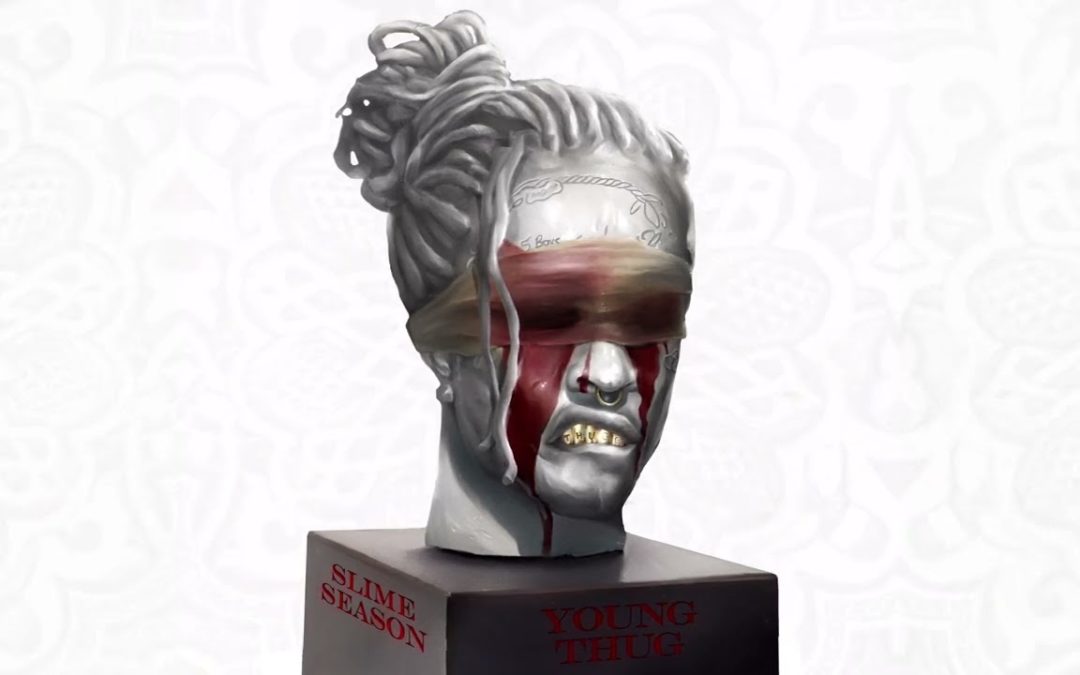
The hip-hop world is abuzz with the latest musical offering from Atlanta’s finest. Young Thug, the enigmatic rapper known for his unique style and lyrical prowess, has once again captured the attention of fans and critics alike. This time, it’s not just his music making waves, but his explanation of a particular lyric that has sparked curiosity and debate among listeners.
In a recent collaboration with Future on Lil Baby’s track “Dum, Dumb, and Dumber,” Young Thug delivered a verse that left some fans scratching their heads. The song, featured on Lil Baby’s album “WHAM,” showcases Thug’s signature flow and wordplay. However, one line in particular caught the ear of many, prompting the artist to offer some clarity on its meaning.
The verse in question sees Young Thug expressing his preferences in romantic pursuits, with a specific focus on geographical distinctions. It’s a theme that’s not uncommon in hip-hop, but Thug’s approach and subsequent explanation have added an interesting layer to the conversation surrounding the track.
As we delve deeper into the story behind this lyrical clarification, we’ll explore the context of the song, the specifics of Young Thug’s verse, and the rapper’s own words on what he truly meant. This incident serves as a reminder of the power of language in music and the importance of artists being able to explain their art in their own terms.
The Song: “Dum, Dumb, and Dumber”
“Dum, Dumb, and Dumber” is more than just a catchy title; it’s a powerhouse collaboration that brings together three of Atlanta’s most prominent rap figures. Lil Baby, the track’s primary artist, has been making significant waves in the hip-hop scene with his distinctive style and compelling narratives. The addition of Future and Young Thug to this track elevates it to a must-listen status for any hip-hop enthusiast.
The song is part of Lil Baby’s album “WHAM,” which has been generating considerable buzz in the music industry. “WHAM” showcases Lil Baby’s growth as an artist and his ability to bring together various talents to create a cohesive and impactful body of work. The inclusion of Young Thug and Future on “Dum, Dumb, and Dumber” is a testament to the collaborative spirit that often defines Atlanta’s hip-hop scene.
Musically, the track features a hard-hitting beat that serves as the perfect backdrop for the lyrical gymnastics performed by all three artists. The production is crisp and modern, with a sound that’s unmistakably rooted in the current Atlanta rap scene. It’s the kind of beat that demands attention and provides ample space for each rapper to showcase their unique flow and style.
Lyrically, each artist brings their A-game to the track. Lil Baby sets the tone with his verses, while Future adds his signature auto-tuned melodies and street-wise lyrics. However, it’s Young Thug’s verse that has become the focal point of discussions surrounding the song. His unique delivery and choice of words have once again demonstrated why he’s considered one of the most innovative voices in contemporary hip-hop.
The collaboration between these three artists on “Dum, Dumb, and Dumber” is a prime example of the synergy that can occur when top-tier talents come together. It’s a track that not only entertains but also provides plenty of material for analysis and discussion among fans and critics alike.
Young Thug’s Verse: Breaking It Down
Young Thug’s contribution to “Dum, Dumb, and Dumber” comes in the form of the song’s second verse. As is typical of Thug’s style, the verse is a whirlwind of clever wordplay, unique vocal inflections, and provocative statements. It’s a performance that showcases why Young Thug has become such a influential figure in modern hip-hop.
The verse begins with Thug making a bold declaration about his romantic preferences, stating a preference for international liaisons. This opening line sets the tone for what follows, immediately grabbing the listener’s attention and hinting at the themes that will be explored throughout the verse.
Following this initial statement, Thug delivers the line that has become the center of attention:
“These U.S. bitches kinda bad”
It’s this line that has sparked discussion and ultimately led to Thug’s clarification. The use of the word “bad” in this context is crucial to understanding the controversy and Thug’s subsequent explanation.
The verse continues with Thug painting vivid pictures of his lifestyle and experiences. He references college life, fraternity culture, and interpersonal relationships, all delivered with his characteristic flair and unconventional rhyme schemes. Each line builds upon the last, creating a narrative that’s both compelling and provocative.
One of the most striking aspects of Thug’s verse is his ability to switch between different flows and cadences. He effortlessly moves from rapid-fire delivery to more melodic passages, demonstrating the versatility that has become his trademark. This constant shifting keeps the listener engaged and adds layers of complexity to the verse.
Throughout the verse, Thug drops references that will resonate with his fan base and those familiar with his life and career. These insider nods add depth to the lyrics and reward repeated listens, as listeners unpack the various meanings and allusions contained within.
The Controversial Lyric: Context and Interpretation
The line “These U.S. bitches kinda bad” has become the focal point of discussions surrounding Young Thug’s verse on “Dum, Dumb, and Dumber.” To understand the controversy and Thug’s subsequent clarification, it’s essential to examine the context in which this line appears and the various ways it can be interpreted.
In hip-hop vernacular, the term “bad” often carries a positive connotation, particularly when used to describe someone’s appearance. It’s frequently employed as a compliment, suggesting that someone is attractive or appealing. However, the ambiguity of the term, especially when used in conjunction with potentially derogatory language, can lead to misinterpretations.
The line appears immediately after Thug expresses a preference for “overseas” romantic encounters. This juxtaposition creates a potential for the line to be read as a backhanded compliment or even a slight against women in the United States. It’s this ambiguity that likely led to the confusion among some listeners and the need for clarification from Thug himself.
Moreover, the use of the word “kinda” adds another layer of complexity to the interpretation. It could be read as a hesitant acknowledgment, potentially undermining the complimentary nature of the term “bad.” This nuance further contributes to the multiple ways the line could be understood.
It’s also worth noting that the line exists within the broader context of hip-hop’s often complex and sometimes problematic relationship with gender dynamics and the portrayal of women. This backdrop adds additional weight to how such lyrics are perceived and interpreted by listeners.
The controversy surrounding this line underscores the power of language in music and the importance of context in understanding artistic expression. It also highlights the ongoing conversations within hip-hop about representation, respect, and the responsibility of artists in shaping cultural narratives.
Young Thug’s Explanation: Clearing the Air
In response to the discussions and potential misinterpretations of his lyrics, Young Thug took the initiative to clarify the meaning behind the controversial line. His explanation provides valuable insight into his intentions and sheds light on the complexities of language and interpretation in hip-hop.
Thug emphasized that when he used the term “bad” in reference to “U.S. bitches,” he meant it in an entirely positive light. He stated unequivocally, “Not ugly girls.” This direct clarification leaves no room for ambiguity about his intentions with the lyric.
Expanding on his explanation, Thug added, “We got the prettiest girls on Earth.” This statement not only reinforces the complimentary nature of his original lyric but also elevates it, expressing a strong appreciation for the beauty of women in the United States.
By offering this clarification, Young Thug demonstrates an awareness of how his lyrics can be perceived and a willingness to engage with his audience to ensure his message is understood correctly. This level of engagement is particularly noteworthy given Thug’s often enigmatic public persona.
The rapper’s explanation also serves to contextualize the line within the broader themes of his verse and his artistic expression as a whole. It underscores the importance of not taking individual lines in isolation but considering them as part of a larger narrative and artistic vision.
Thug’s clarification highlights the nuanced nature of language in hip-hop, where words and phrases can carry multiple meanings and interpretations. It serves as a reminder of the importance of cultural context and insider knowledge in fully appreciating and understanding hip-hop lyricism.
The Power of Words in Hip-Hop
The incident surrounding Young Thug’s lyric and subsequent explanation serves as a potent reminder of the power of words in hip-hop. This genre, perhaps more than any other, places a premium on lyrical dexterity, wordplay, and the ability to convey complex ideas through clever turns of phrase.
In hip-hop, a single word or phrase can carry multiple layers of meaning. Rappers often employ double entendres, cultural references, and region-specific slang to create lyrics that reward close listening and repeated analysis. This linguistic richness is part of what makes hip-hop such a vibrant and intellectually engaging genre.
However, this same complexity can also lead to misunderstandings or misinterpretations, as evidenced by the reaction to Young Thug’s lyric. The incident highlights the importance of context in understanding hip-hop lyrics. A line that might seem straightforward on the surface can take on different meanings when considered within the broader context of the verse, the song, or even the artist’s entire body of work.
The power of words in hip-hop extends beyond just their literal meanings. The way words are delivered – the flow, the rhythm, the emphasis – all contribute to their impact and interpretation. Young Thug, known for his unique vocal style and delivery, is a prime example of an artist who uses not just the words themselves but how they’re delivered to create meaning.
Moreover, the incident underscores the responsibility that comes with this linguistic power. Artists like Young Thug, who have significant influence and reach, must be aware of how their words might be interpreted and be prepared to clarify their intentions when necessary.
The Role of Social Media in Music Discourse
The clarification of Young Thug’s lyrics and the subsequent discussions highlight the significant role that social media plays in contemporary music discourse. Platforms like Twitter, Instagram, and TikTok have become integral to how music is shared, discussed, and sometimes even created.
In the case of Young Thug’s lyric, social media provided an immediate platform for fans and critics alike to share their interpretations and reactions. This instant feedback loop allows for rapid dissemination of opinions and can quickly amplify certain perspectives or controversies.
Social media also offered Young Thug a direct channel to address his audience and clarify his intentions. This direct artist-to-fan communication is a relatively new phenomenon, enabled by the widespread adoption of social media platforms. It allows artists to shape the narrative around their work in real-time, responding to feedback and clearing up misunderstandings as they arise.
However, the speed and reach of social media can also lead to the rapid spread of misinformation or misinterpretations. A misunderstood lyric or out-of-context quote can quickly go viral, potentially damaging an artist’s reputation or distorting the intended message of their work.
The incident also demonstrates how social media has blurred the lines between public and private discourse. What might have once been a private conversation between an artist and a small group of fans can now become a public spectacle, with thousands or even millions of people weighing in.
For artists like Young Thug, navigating this landscape requires a delicate balance. They must be aware of how their words might be perceived on social media while also staying true to their artistic vision and personal expression.
The Impact on Young Thug’s Career
The attention garnered by Young Thug’s lyric clarification is likely to have both short-term and long-term impacts on his career. In the immediate aftermath, the incident has brought increased attention to “Dum, Dumb, and Dumber” and Lil Baby’s “WHAM” album as a whole. This additional publicity could potentially boost streams and sales for the track and album.
Moreover, Young Thug’s willingness to engage with his audience and clarify his intentions may well be viewed positively by many fans. It demonstrates a level of accountability and respect for his listeners that could strengthen his connection with his fan base.
In the broader context of Young Thug’s career, this incident adds another chapter to his reputation as an artist who pushes boundaries and sparks conversation. Throughout his career, Thug has been known for his unconventional approach to hip-hop, both in terms of his musical style and his public persona. This latest incident reinforces that image while also showing a more communicative side of the artist.
The clarification may also impact how Young Thug’s lyrics are interpreted in the future. Fans and critics alike may pay even closer attention to his wordplay and potential double meanings, knowing that there might be more to his lyrics than what’s immediately apparent.
From a broader industry perspective, this incident highlights Young Thug’s continued relevance and influence in the hip-hop world. Despite legal challenges and periods away from the spotlight, he remains an artist whose words and actions generate significant interest and discussion.
The Broader Conversation: Language and Respect in Hip-Hop
The discussion surrounding Young Thug’s lyric opens up a broader conversation about language use and respect in hip-hop. This genre has long grappled with issues of misogyny, objectification, and the use of potentially offensive language. Young Thug’s clarification that his lyrics were meant as a compliment rather than an insult touches on these ongoing debates.
On one hand, hip-hop is an art form that often prides itself on raw, unfiltered expression. Many artists and fans argue that the genre’s power lies in its ability to reflect real-life experiences and emotions, even when those are uncomfortable or controversial. From this perspective, policing language in hip-hop risks sanitizing the art form and diminishing its impact.
On the other hand, there’s a growing awareness of the responsibility that comes with the platform and influence that successful hip-hop artists possess. Many argue that artists should be mindful of how their words might be interpreted and the potential impact they could have on listeners, particularly young and impressionable fans.
Young Thug’s situation illustrates the complexities of this debate. While his intention was to compliment, the ambiguity of his language led to potential misinterpretations. This highlights the importance of clarity in expression, especially when dealing with sensitive topics or potentially offensive language.
The incident also raises questions about the role of context in interpreting hip-hop lyrics. Should listeners always assume the best intentions? Or do artists have a responsibility to be more explicit in their meaning to avoid misunderstandings?
The Future of Lyrical Interpretation in the Digital Age
As we move further into the digital age, incidents like Young Thug’s lyric clarification may become increasingly common. The immediacy of social media and the global reach of streaming platforms mean that songs can be disseminated, analyzed, and debated almost instantaneously upon release.
This new reality presents both challenges and opportunities for artists. On one hand, it means that their words are subject to intense scrutiny and potential misinterpretation. A single line taken out of context can quickly become a source of controversy. On the other hand, artists now have unprecedented ability to engage directly with their audience, clarifying their intentions and providing context for their work.
For fans and critics, this new landscape offers richer opportunities for engagement with music. Lyrics can be dissected in real-time, with multiple interpretations shared and debated across social media platforms. This can lead to a deeper appreciation of the artistry and complexity of hip-hop lyricism.
However, this environment also raises questions about the role of authorial intent in lyrical interpretation. Should an artist’s explanation of their lyrics be taken as the final word? Or is there value in allowing multiple interpretations to coexist?
As we move forward, it’s likely that we’ll see more artists following Young Thug’s lead in proactively addressing potential misinterpretations of their lyrics. This could lead to a more open and dialogic relationship between artists and fans, with music becoming an even more interactive and collaborative experience.
Conclusion: The Ongoing Evolution of Hip-Hop Communication
The incident surrounding Young Thug’s lyric in “Dum, Dumb, and Dumber” and his subsequent clarification serves as a microcosm of the larger trends shaping communication in hip-hop. It highlights the power of words in this genre, the impact of social media on music discourse, and the ongoing conversations about language use and respect in hip-hop.
Young Thug’s willingness to engage directly with his audience and clarify his intentions demonstrates a new level of artist-fan interaction made possible by digital platforms. This direct communication allows for greater understanding and appreciation of an artist’s work, but it also places new responsibilities on artists to be aware of how their words might be interpreted.
As hip-hop continues to evolve in the digital age, we can expect to see more instances of real-time lyrical clarification and debate. This ongoing dialogue between artists and fans is likely to shape not only how we interpret individual songs but also how we understand the role and responsibility of artists in the broader cultural conversation.
Ultimately, incidents like this serve to enrich our understanding and appreciation of hip-hop as an art form. They remind us of the complexity and nuance inherent in lyrical expression and the importance of considering context and intention in our interpretation of music. As we move forward, it’s clear that the conversation around hip-hop lyrics will continue to be as dynamic and multifaceted as the genre itself.

RECENT COMMENTS