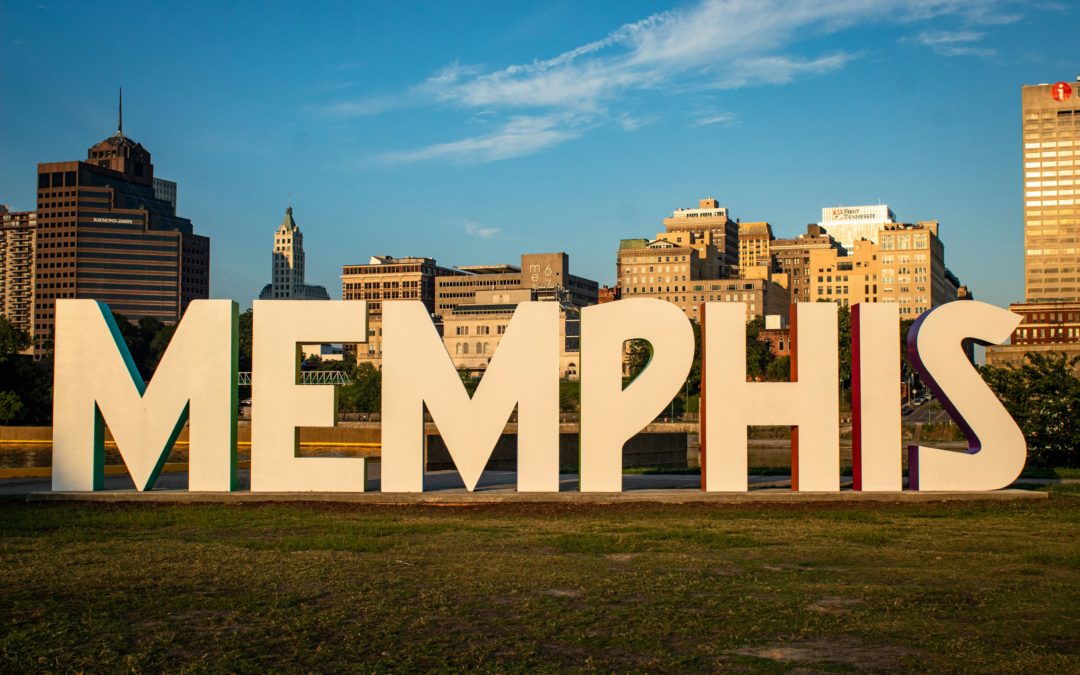
Every time Adolph Robert Thornton Jr., better known to the world as Young Dolph, stepped into the spotlight, he brought Memphis with him — in his cadence, in his lyrics, in his presence. He wasn’t just a rapper representing a city; he was a walking embodiment of its grit, struggle, ambition, and raw authenticity. To understand Young Dolph is to understand the soul of Memphis. But Dolph’s story was more than just about music — it was about legacy, loyalty, leadership, and the power of betting on oneself.
Born Into Fire, Forged Through Hustle
Born on July 27, 1985, in Chicago, Dolph was relocated to Memphis during his early childhood, where he was raised primarily by his grandmother. The neighborhoods of South Memphis weren’t easy to grow up in — poverty, instability, and crime surrounded him from a young age. But instead of falling into despair, Dolph developed a hardened sense of resilience. He was quick to learn that in his world, survival depended on resourcefulness and drive.
He once reflected that where he came from, people didn’t have time to dream unless they figured out how to stay alive first. For Dolph, music was more than expression — it was strategy. It was the rope he climbed out of the shadows with. It became the way he narrated his reality while transforming it into something better.
From Mixtapes to Movement: The Birth of a Paper Route
In 2008, Dolph released his first mixtape titled “Paper Route Campaign.” The name wasn’t just a catchy slogan — it was a philosophy. He wasn’t following a script handed down by labels or trends. He was designing his own blueprint. That same year, he founded Paper Route Empire (PRE), his independent label that would go on to change the way many young artists viewed the music industry.
PRE wasn’t just a label — it was a defiant stance. It was Dolph’s message to the world that independence was possible, that a rapper could retain control of his art, his image, and his income. While most new artists were chasing label deals, Dolph was rejecting them. Even when major labels offered multi-million-dollar contracts, Dolph said no — not out of arrogance, but out of vision.
He understood something many artists learn too late: that freedom and ownership often matter more than fame. Instead of sharing his profits with industry giants, Dolph reinvested into himself and into his city. His choice to go solo wasn’t a backup plan. It was the main strategy.
A Catalog of Confidence and Clarity
By 2016, Dolph had already built a strong reputation in Southern hip-hop circles. That year, he released “King of Memphis,” a declaration of both self-belief and territorial pride. Some saw the title as audacious, but fans and critics alike couldn’t deny the consistency in his work and the depth in his storytelling.
A year later, Dolph dropped “Gelato,” a project that echoed with raw energy and uncompromising lyrics. It made waves online and offline, sparking conversations about his authenticity and his entrepreneurial streak. It wasn’t just that the music slapped — it was the fact that he did it without anyone pulling strings in the background. Every release was self-funded, self-owned, and self-promoted.
His 2020 album, “Rich Slave,” would become his highest-charting record, debuting at No. 4 on the Billboard 200. The album blended introspection, social commentary, and banger-level production — proving that even at the height of his career, Dolph was still evolving as an artist and thinker.
The Power of Family and Collaboration
One of the brightest chapters of Dolph’s career unfolded through his collaboration with his cousin and protégé, Key Glock. Together, they dropped “Dum and Dummer” in 2019, an explosive mixtape that captured the unique energy of Memphis with back-to-back verses that were both playful and powerful.
The chemistry between Dolph and Glock was palpable. Their partnership went beyond business — it was a brotherhood. The success of their mixtape led to a national tour that packed venues in city after city. Fans weren’t just attending shows — they were witnessing a movement.
The Dum and Dummer Tour wasn’t supported by corporate sponsors or big-label marketing budgets. It was Dolph, Glock, and the Paper Route Empire team doing it on their own — selling out dates, moving merch, and giving fans a high-octane experience rooted in love for the music and pride in their independence.
Lifting Others While Building His Own
What truly set Young Dolph apart was his role as a mentor and leader. While many artists become obsessed with self-promotion, Dolph made it a point to spotlight others. He saw PRE as more than a label — it was a gateway for other Memphis talents to shine. He poured time, money, and attention into developing artists like Key Glock, Big Moochie Grape, and Snupe Bandz, helping them avoid the pitfalls he had navigated alone.
Dolph was vocal about the importance of owning music rights and being educated about business. In an industry where artists are often exploited, he consistently encouraged newcomers to take the reins of their careers. His philosophy was straightforward: don’t wait for validation, don’t give up your power, and don’t forget to take care of your people on the way up.
A Father’s Love, A Mogul’s Mind
Away from the spotlight, Dolph was a devoted father and businessman. He made it clear that his children were his top priority. As a symbol of that commitment, he bought properties for his kids — not flashy toys or temporary luxuries, but real assets. He wanted to ensure that his children had a solid foundation no matter what happened.
His business acumen extended beyond music. Dolph had investments in real estate, retail, and other ventures. He understood that his voice might not last forever, but if he played it right, his money could. His moves were intentional — everything he did had a long-term goal behind it.
A Quiet Force for Good
Despite his fame and wealth, Dolph never distanced himself from his roots. He was frequently seen in his old neighborhoods, not for PR stunts but for genuine acts of support. He donated $25,000 to Hamilton High, his former school. He funded college scholarships. He handed out turkeys to families during Thanksgiving. He paid rent for those facing eviction. And he did it all without broadcasting his good deeds.
For Dolph, giving back wasn’t about headlines. It was about doing what needed to be done because he remembered being the kid who needed help too. His generosity wasn’t performative — it was personal.
An Icon for the New Era of Artists
To today’s rising generation of rappers and creatives, Young Dolph represents more than a name — he’s a model of what’s possible. He became a north star for artists who wanted to remain authentic, build on their terms, and retain full control of their vision.
The stories of Dolph turning down record deals and still selling out tours have become folklore. New artists refer to him as “the big homie they never met” — a guiding spirit in an industry full of smoke and mirrors. He proved that there’s another way to make it — one rooted in hustle, ownership, and loyalty.
A Life Cut Short, A Legacy That Multiplies
On November 17, 2021, tragedy struck when Young Dolph was gunned down in Memphis while visiting Makeda’s Homemade Butter Cookies, a local shop he regularly supported. The city mourned. The music world paused. The headlines were filled with disbelief.
But while his life ended abruptly, his story didn’t. His music still plays in cars, in headphones, and in speakers around the globe. Paper Route Empire continues to thrive, driven by artists he mentored. His messages about ownership and independence are echoed by younger rappers, YouTubers, and entrepreneurs alike.
Dolph didn’t just leave behind albums — he left behind a philosophy. A mindset. A movement.
Forever Paper Route
To many, Young Dolph will always be the guy who did it his way — who refused to bend, refused to sell out, and refused to forget where he came from. His journey was never easy, but it was always honest. And in a world where authenticity is often the first thing to go, that made him special.
His name lives on not just in songs or murals but in the very spirit of modern hip-hop. Every independent artist carving their own lane is part of his ripple effect.
Hip-hop has long been the heartbeat of urban resilience—a genre born in the struggle and sculpted in survival. From its roots in the Bronx to its global dominance, it has remained one of the most honest reflections of culture, identity, pain, and rebellion. Yet despite its triumphs, the genre remains haunted by a disturbing and persistent trend: the premature deaths of its stars.
The headlines come with tragic regularity. Another rising voice silenced. Another tribute concert. Another artist’s last tweet going viral after their murder, overdose, or unexplained passing. The loss feels almost routine now, but it shouldn’t. When Pop Smoke was gunned down at 20, when Juice WRLD collapsed at just 21, when Nipsey Hussle was murdered in front of his own business, and when Takeoff was caught in a senseless crossfire—these weren’t just isolated incidents. They were alarm bells in a system that’s failed to protect its brightest talents.
While many are quick to blame the “lifestyle” or the music itself, the deeper truth is harder to stomach: these deaths reflect broader societal, psychological, and industry-wide failures.
A Crisis Backed by Data
A groundbreaking study published in the Journal of the American Medical Association in 2015 cast a harsh spotlight on the grim statistics surrounding hip-hop deaths. According to the study, 51% of deaths among hip-hop artists were homicides, and the average age of death was just 30. This is alarmingly young compared to other genres. In rock, only 6% of deaths are homicides. In jazz, it’s 1.5%. And in country music, the average age of death surpasses 60.
Clearly, the genre doesn’t just reflect danger—it lives inside it. These numbers don’t just highlight a trend; they paint a clear picture of a cultural health crisis. The artists we idolize, who pour their trauma and truth into their lyrics, are navigating a world that remains perilous—even after they’ve made it big.
Environments of Survival, Not Safety
Music psychologist Dr. Dianna Theadora Kenny put it plainly: “Hip-hop has the highest mortality rate of any major music genre. It’s not a coincidence. It reflects the environments from which many of these artists emerge.”
Indeed, many rappers come from communities ravaged by poverty, violence, incarceration, and neglect. Their ascent into fame doesn’t erase the battles they fought growing up. In fact, success often sharpens the threats they face. Overnight fame doesn’t come with a guidebook for security, mental health, or conflict resolution. These artists are launched into stardom while still carrying unresolved traumas and unhealed wounds—now in a spotlight where those wounds become targets.
Lives Taken, Stories Cut Short
Pop Smoke’s story is a gut-wrenching one. At just 20, he had become the face of Brooklyn drill—a genre bursting with raw intensity and street narrative. His deep voice and intimidating presence were paired with a rising global appeal. But that rise ended abruptly in a Los Angeles home invasion. His killers were teenagers who tracked his location via an Instagram post. A moment meant to celebrate success instead exposed him to fatal danger. His murder reminded the world just how vulnerable young artists can be in the digital age—especially when fame arrives faster than the tools to manage it.
Juice WRLD was a different kind of voice—less aggressive, more introspective. He bled emotion in his tracks, speaking openly about anxiety, heartbreak, and addiction. His vulnerability resonated with millions. But behind that openness was a young man wrestling privately with substance dependency. He died from an accidental overdose of oxycodone and codeine, just days after his 21st birthday. His lyrics had foreshadowed his own demise for months, and still, the system around him failed to intervene in time.
Nipsey Hussle’s death carried a different weight. He wasn’t just an artist—he was a community organizer, an entrepreneur, a visionary. His work in South Central Los Angeles wasn’t performative; it was deeply rooted in change-making. He opened businesses, created jobs, and spoke powerfully about generational wealth and Black empowerment. Yet, in the very community he uplifted, he was shot and killed. His death devastated a generation, not just because of who he was, but because of what he stood for: redemption, transformation, and unity.
Takeoff, the quietest and most peaceful member of the trio Migos, wasn’t known for beefs or controversy. But that didn’t spare him. He was killed in Houston during a confrontation that didn’t even involve him directly. At just 28, his death served as a chilling example of how even those who avoid conflict can fall victim to chaos.
The Industry’s Role in the Pattern
Within the hip-hop community, voices are rising to confront this crisis. Jim Jones famously said, “Rap is the most dangerous job in the world.” Fat Joe described rappers as “an endangered species.” And radio host Charlamagne Tha God criticized record labels for profiting from artists’ trauma without providing real support: “They want the music but not the responsibility of keeping artists alive.”
The reality is that the hip-hop industry has long commodified struggle. Labels race to sign artists who reflect raw, street-originated authenticity—yet rarely offer guidance for navigating fame, managing mental health, or securing safety. Artists are often left to juggle everything—financial pressure, family demands, public scrutiny, unresolved street conflicts—alone. Their trauma becomes content, their lyrics become product, and their safety becomes their own burden to bear.
Imagining a Safer Future for the Culture
Change is possible—but it requires more than mourning after the fact. It requires systems built to prevent these tragedies before they unfold.
One potential starting point is conflict resolution. Many disputes in the hip-hop world stem from misunderstandings, bruised egos, and street tensions. Industry-funded mediation programs could provide a way to resolve these issues before they escalate into violence. Neutral spaces for conversation, reconciliation, and accountability could reduce the likelihood of beefs becoming funerals.
Mental health support must also be prioritized. Therapy should be normalized and made readily accessible for artists—especially Black men, who often carry the weight of generational trauma in silence. Labels need to offer more than studio time and PR budgets—they need to provide therapists, wellness coaches, and trauma counselors. Artists are human beings, not streaming numbers.
Touring, while lucrative, can be dangerous—especially for younger acts. Many up-and-coming rappers travel with minimal security, poorly coordinated teams, and limited preparation for handling crowds, threats, or emergencies. Stronger tour protocols, dedicated security professionals, and clear risk assessments should be standard, not optional.
Investing in the Communities Artists Come From
Ultimately, addressing the violence and instability surrounding hip-hop means investing in the communities that produce its voices. Poverty, gun access, educational inequality, and mental health gaps are not just background conditions—they are direct contributors to the instability that many artists face. Supporting community development, youth programs, and mental health services in underfunded neighborhoods is not just social work—it’s preventative action. When artists succeed and give back, they should not be walking targets. They should be catalysts for transformation.
The Evolution of Lyrical Power
There’s another layer to this evolution—and it’s lyrical. Hip-hop has never been afraid to speak about pain, violence, and trauma. But the next era could be one where that same lyrical honesty turns inward—toward healing, vulnerability, and emotional intelligence. Artists like Kendrick Lamar, J. Cole, Noname, and others are already carving out a path where lyricism doesn’t rely on glorifying death to feel authentic.
The culture has always evolved. It has always responded to its moment. And right now, the moment is asking for something new: not a softer hip-hop, but a smarter one. One that understands the cost of constant funerals. One that wants its artists to live long enough to become elders.
A Genre Worth Protecting
The losses of Pop Smoke, Juice WRLD, Nipsey Hussle, Takeoff, and so many others are not just tragedies—they are wake-up calls. Each death chips away at the foundation of a culture that deserves preservation. But even more importantly, they are reminders that behind every track, every verse, and every viral clip is a life—a real one.
Hip-hop has changed the world. Now, it must protect its own.
The future of hip-hop can be different. It can be a genre not defined by grief, but by growth. Not by funerals, but by legacies. The next chapter doesn’t have to end in obituaries. It can be written in healing, safety, and survival.
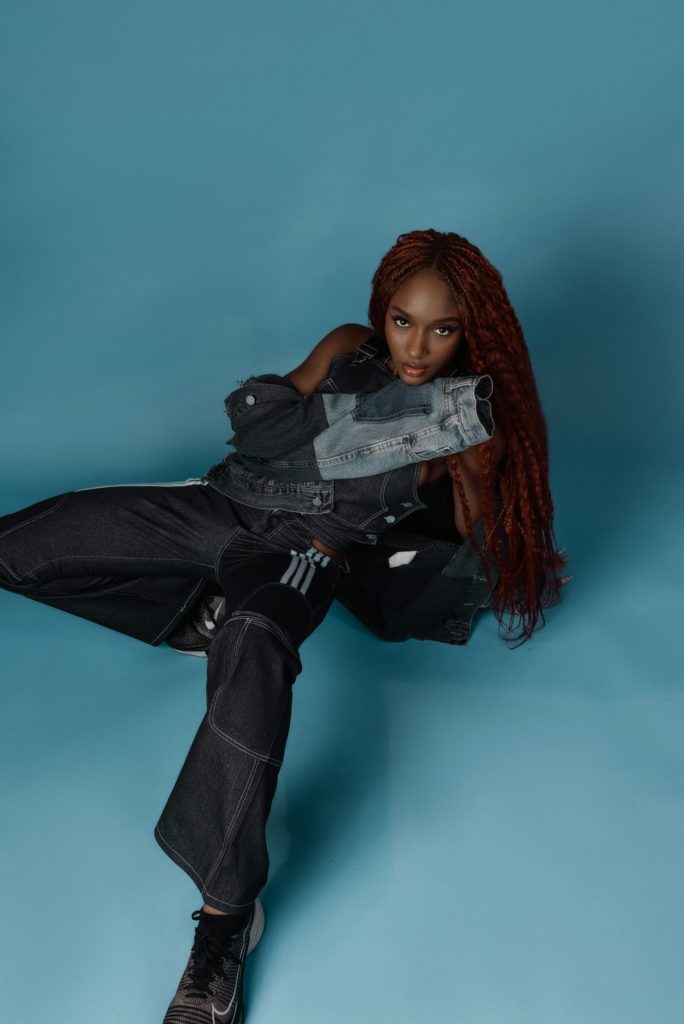
In a major career leap that underscores her skyrocketing international presence, Nigerian Afropop sensation Ayra Starr has inked a management deal with Roc Nation, the global entertainment powerhouse founded by iconic rapper and entrepreneur Jay-Z.
This strategic partnership comes on the heels of a remarkable year for the 21-year-old singer, who has been rapidly ascending through the ranks of global music stardom. Roc Nation’s move to bring her into its exclusive artist roster is seen by many in the industry as a definitive nod to Starr’s surging influence—not just in Africa, but across the world.
A Partnership Sealed in Momentum
While the news was formally confirmed only recently, industry watchers had already begun speculating about a potential Roc Nation collaboration weeks earlier. When the label publicly congratulated Ayra Starr on her recent BET Award win—her first—many fans and insiders interpreted the gesture as more than a passing compliment. It was a subtle foreshadowing of something much bigger.
Fast forward a few weeks, and the dots have connected. Ayra Starr, still signed under Mavin Records—the influential Nigerian label led by veteran producer Don Jazzy—will now be represented internationally by Roc Nation. She also remains under the umbrella of Universal Music Group (UMG), through Mavin’s global distribution deal. This layered arrangement effectively creates a powerhouse of industry veterans and strategists working behind the scenes to elevate her career.
Why Roc Nation? Why Now?
Founded in 2008, Roc Nation isn’t just another label. It’s a full-service entertainment agency that manages top-tier artists like Rihanna, J. Cole, Shakira, and Megan Thee Stallion, offering not only music production and promotion but also film, sports, and cultural influence strategies. With its deep roots in the American entertainment ecosystem, Roc Nation provides a gateway into one of the most competitive music markets in the world.
For Ayra Starr, whose appeal transcends Afrobeats and leans into global pop, fashion, and Gen Z zeitgeist, Roc Nation offers the perfect machinery to transition from a rising African star into an international pop icon.
“This is more than just management,” says Nigerian music journalist and Afrobeats Intelligence host Joey Akan. “It’s a calculated step to position her in a league that very few African female artists have accessed. Roc Nation isn’t just working with talent—they execute global careers.”
Balancing Loyalty with Ambition
Despite signing with Roc Nation, Ayra Starr has not severed ties with the team that first discovered her. She continues to be a core artist under Mavin Records, which played a critical role in shaping her artistic identity. Discovered by Don Jazzy in 2021, she broke onto the scene with her self-titled EP and the viral single “Away,” quickly becoming one of the faces of Nigeria’s Gen Z music movement.
This new arrangement reflects a modern approach to artist development—collaborative and international in scope. By leveraging the infrastructure of Mavin in Nigeria, UMG globally, and now Roc Nation in the U.S., Ayra Starr is supported on multiple fronts as she navigates increasingly demanding creative and commercial opportunities.
“This isn’t a split from Mavin or Universal,” Akan adds. “It’s an expansion of her team. With Roc Nation involved, she now has localized support in the U.S.—arguably the most competitive music market in the world—with the resources and insight to break her in properly.”
A Career Already on the Fast Trac
Even before this announcement, 2024 has been a landmark year for Ayra Starr. Fresh off her BET Award and MOBO Award wins, she’s currently on a stadium tour with Coldplay, performing in front of tens of thousands across Europe and North America. This exposure is not just a badge of honor—it’s a crucial visibility play in markets that many Afrobeats artists spend years trying to break into.
She’s also making her acting debut in the upcoming film adaptation of “Children of Blood and Bone,” a highly anticipated fantasy epic based on the bestselling novel by Tomi Adeyemi. The film has already generated considerable buzz for its Black-centered mythology and Hollywood production value, and Ayra’s involvement signals her ambition to transcend music and build a multi-faceted global brand.
Moreover, her upcoming single “Hot Body”, which she teased just days before the Roc Nation announcement, is expected to be her first major release under the management of her new team. If successful, it could mark a new era in her sound and visual storytelling—one that is likely to target a broader global pop audience.
The ‘IT Girl’ of Afrobeats
Ayra Starr is not just another singer in the Afrobeats boom—she is a stylistic trailblazer. With her genre-bending sound that mixes Afropop, R&B, soul, and global pop, she has cultivated a distinct identity: fiercely confident, fashion-forward, and unapologetically young. Her fashion choices, music videos, and interviews resonate with a generation that wants more than just hits—they want icons.
Her 2023 album “19 & Dangerous” featured hits like “Rush”, which not only topped African charts but made waves on global streaming platforms, further cementing her reputation as a future-facing artist.
“She’s the ‘IT’ girl,” says Akan. “Not just for Nigeria, but for the global youth culture. She’s bold, genre-fluid, unfiltered, and highly marketable. Roc Nation sees that potential and is betting on it.”
A Big Win for African Pop
While Ayra Starr’s move is monumental for her career, it also signals broader shifts in the global perception of African artists—particularly women. In an industry historically dominated by Western acts and male voices, her signing reflects a growing hunger for fresh perspectives from the Global South.
Jay-Z’s Roc Nation aligning with a Nigerian Gen Z female artist isn’t just a business move—it’s a cultural endorsement.
More than ever, Afrobeats is being treated not as a regional genre but as a global soundscape, with artists like Burna Boy, Wizkid, Tems, and Rema leading the charge. Ayra Starr’s Roc Nation signing adds to that list—but from a fresh, female-led perspective.
Looking Ahead: What This Means for Ayra Starr’s Future
With Roc Nation in her corner, Ayra Starr is now poised to take bolder creative risks and tap into high-level collaborations across music, fashion, and film. Whether that means working with American producers, appearing in brand campaigns, or featuring in Hollywood soundtracks, the resources and connections are now there.
There’s also anticipation around how Roc Nation might position her visually and sonically. Will she maintain her raw, Afrocentric aesthetic? Or evolve into a more globally hybrid artist, like Rihanna or Doja Cat? Time will tell—but with a label known for nurturing multidimensional careers, fans can expect an elevated era of Ayra Starr.
A Sign of Things to Com
Ayra Starr’s journey is emblematic of a wider movement. Africa is no longer a talent pool waiting to be tapped—it’s a thriving creative ecosystem exporting world-class stars. And with structures like Mavin, UMG, and Roc Nation collaborating, the blueprint is evolving from mere talent discovery to global domination.
Her new single Hot Body—dropping soon—is more than just a song. It’s the first test of this new chapter, backed by one of the most influential music companies in the world.
For fans, for Nigeria, and for the global music community, the message is clear: Ayra Starr is not just coming—she’s arrived.
In a powerful homage to Black artistry, heritage, and resilience, Amazon Music has announced an exceptional cultural event that will serve as a centerpiece for this year’s Black Music Month celebrations. On June 19th, multi-Grammy-winning artist and neo-soul pioneer Erykah Badu will headline a special Juneteenth concert titled “Badu Presents: Echos 19,” streaming live from her hometown of Dallas, Texas.
Organized by Amazon Music’s Rotation, its Black music-focused brand, the event is part of their broader campaign, “Forever In Rotation”—a tribute to influential Black musicians who continue to shape the cultural and sonic identity of America. This show isn’t just a concert; it’s a landmark moment designed to uplift the spirit of Juneteenth through the healing and expressive power of live music.
Why Juneteenth Matters
To understand the significance of this concert, one must recognize the profound meaning of Juneteenth. Officially known as Emancipation Day, Juneteenth marks the date—June 19, 1865—when Union soldiers arrived in Galveston, Texas, to inform enslaved African Americans of their freedom, more than two years after President Lincoln’s Emancipation Proclamation had been signed.
Though freedom had technically been granted, it had been denied in practice—making Juneteenth both a celebration of liberation and a solemn reminder of delayed justice. It’s a uniquely Texan holiday that has grown into a nationally celebrated day of remembrance and Black pride, especially following its designation as a federal holiday in 2021.
Pairing Juneteenth with a performance by Erykah Badu, a Texas-born artist whose music echoes themes of spiritual liberation, cultural consciousness, and ancestral wisdom, turns this concert into something larger than entertainment. It becomes an act of communal remembrance, celebration, and cultural affirmation.
Amazon Music’s “Forever In Rotation” Campaign: Uplifting Black Voices
Amazon Music’s Rotation platform was created to spotlight Black creators across the spectrum of hip-hop, R&B, soul, and beyond. Their “Forever In Rotation” campaign for Black Music Month 2025 is designed to highlight trailblazers whose work has become permanently etched into the musical and cultural fabric of Black America.
This isn’t just a brand campaign. It’s a public acknowledgment of the ongoing impact of Black creativity, and Rotation is using its platform to make sure the spotlight stays where it belongs.
A Hometown Hero on a Global Stage
The concert will take place at The Bomb Factory, a beloved Dallas music venue located in the historic Deep Ellum district—known for its deep jazz and blues roots. Once an actual munitions plant, the space has transformed into one of Texas’s top live performance venues, and its gritty, industrial past offers a striking contrast to the soulful, transcendent sounds Badu will deliver.
For Erykah Badu, performing in her hometown carries special meaning. She has always taken pride in her Dallas roots and frequently pays tribute to the city in her music, interviews, and activism. This Juneteenth show is both a return and a renewal—a full-circle moment where a local legend reconnects with her origins while broadcasting her message of love and liberation to a global audience.
Free tickets for Dallas-area residents are being offered through ErykahBadu.com, making the event accessible for the local community. For fans worldwide, the show will be livestreamed on Prime Video and Amazon Music’s Twitch channel, making this a truly international celebration of Black culture and artistry.
Erykah Badu: The Soul of a Generation
Erykah Badu is not just a musician—she is a cultural force. Since the release of her groundbreaking debut album Baduizm in 1997, she has redefined what it means to be a modern Black artist. Her music, often categorized as neo-soul, is an eclectic fusion of jazz, hip-hop, R&B, funk, and African spiritual traditions.
But Badu’s impact goes far beyond music. She’s a fashion icon, wellness advocate, spiritual teacher, and creative visionary. Her lyrics tackle everything from self-empowerment and motherhood to capitalism and cultural identity. Whether singing about ancestral trauma or romantic entanglement, she does so with poetic complexity and unmatched authenticity.
Now, in 2025, Badu is fully independent, releasing new material under her own label, Control Freaq Records. A new album is scheduled to drop later this summer, and this Juneteenth concert may serve as a preview of what’s to come—potentially featuring unreleased tracks, experimental sounds, and genre-defying performances.
More Than Music: A Night of Connection and Celebration
“Badu Presents: Echos 19” is set to deliver far more than just a setlist. Backed by her full band, Badu will perform a range of material—classic hits like Tyrone, Window Seat, and On & On, as well as rare gems and potentially new tracks from her upcoming project.
Live performances have always been Badu’s strong suit. Her concerts are spiritual rituals, filled with improvisation, emotion, and connection. Whether she’s burning incense or speaking to the crowd between songs, Badu creates a space that feels sacred and transformative.
The experience will be enriched by the presence of rising Texas rapper Tye Harris, who will open the show, offering a glimpse into the next generation of lyrical and poetic Black voices. The event will be hosted by well-known media personalities Wayno, Nyla Symone, and Mouse Jones, who will guide viewers through the night with commentary, artist insights, and audience interaction—creating a complete digital experience that mirrors the energy of an in-person concert.
Black Music Month: Celebrating Generations of Impact
Black Music Month, officially established in 1979 by President Jimmy Carter, was created to honor the pivotal role that Black artists have played in the development of music in America and around the world. From gospel and blues to jazz, rock, soul, and hip-hop—Black music is the backbone of the modern soundscape.
Erykah Badu’s career alone touches on many of these genres, making her a fitting choice to represent Black Music Month. She blends the wisdom of the past with the vision of the future, uniting audiences across generations.
And in many ways, her musical evolution reflects the broader arc of Black music in America—rooted in struggle, guided by spirit, and fueled by a drive for expression, joy, and freedom.
Why This Concert Matters
There are many concerts happening around the world this summer, but “Badu Presents: Echos 19” is different. It’s not just about music—it’s about marking a moment.
At a time when conversations around race, equity, identity, and cultural memory continue to evolve, this event reminds us of the transformative power of art. Music can heal. It can teach. It can connect. And it can honor those who came before while inspiring those who will follow.
For fans of Badu, this is a rare opportunity to witness her in peak form, doing what she does best. For others, it may be an introduction to a modern-day griot, a storyteller whose voice carries echoes of both the past and the future.
What to Expect from the Livestream
Live Band Performance: A full ensemble accompanying Badu with rich instrumentation and improvisational flair.
Fan Favorites and Deep Cuts: From her early classics to more obscure tracks—and possibly unreleased music.
Cultural Commentary: Expect spoken interludes, personal anecdotes, and social reflection throughout the performance.
Immersive Visuals: Lighting, staging, and styling that echo the themes of identity, legacy, and transformation.
Global Access: A high-quality livestream via Prime Video and Twitch, bringing the event to audiences around the world.
In Closing: A Moment Bigger Than Music
“Badu Presents: Echos 19” is more than a concert. It is a celebration of survival, a testament to freedom, and a showcase of what Black music has always been—a voice for the voiceless, a rhythm of resistance, and a sound of sacred joy.
On this Juneteenth, Erykah Badu will not only perform—she will channel centuries of soul into a single night. And the world will be watching.
In a cultural crossover few anticipated but many celebrated, Grammy-winning rapper and pop culture icon Megan Thee Stallion has announced she is developing her own anime series. The surprise revelation came during her appearance at DreamCon, a convention that celebrates anime, gaming, and the contributions of Black creatives in fandom spaces. Megan, a longtime anime enthusiast, took the stage dressed as Yoruichi Shihōin from the anime classic “Bleach” and unveiled her collaboration with acclaimed producer Carl Jones, known for his work on “The Boondocks” and “Black Dynamite.”
This project, which will debut on Prime Video, is not just a vanity experiment or a branding gimmick. It’s a full-scale anime series created by someone who grew up loving the medium, finally seizing the opportunity to contribute to it in a meaningful way. This announcement has sparked widespread excitement among anime fans, hip-hop heads, and anyone who understands the power of creative cross-pollination.
Megan’s personal connection to anime has been well documented. Over the years, she’s made her fandom a central part of her public identity. Whether through Instagram cosplays, interviews, or her previous Crunchyroll collaboration, Megan has shown time and again that she isn’t jumping on a trend—she’s been living it.
In 2020, Megan teamed up with Crunchyroll to launch an anime-inspired streetwear collection. The capsule line included t-shirts, hoodies, and tote bags, all adorned with anime versions of the rapper. The pieces also referenced her hit song “Savage,” tying her music and anime love into a cohesive visual identity. It was a moment that underscored her genuine affection for anime culture and her desire to merge it with her brand in an authentic way.
Beyond fashion, Megan has also spoken at length about how anime has inspired her life. In a 2020 interview with Crunchyroll, she shared:
“I’m half anime character, half rapper. I like how you see a character, and it starts off, he’s not really the strongest, he might be a little weak, but he has to go through all this training. You grow with the character. You see all the trials and tribulations they go through. Then you meet new people along the way that help them become the person he needs to be. I apply that to my life a lot.”
That quote encapsulates the essence of what anime represents to so many fans: growth, resilience, friendship, transformation. For Megan, these are not just themes she appreciates as a viewer, but values she embodies as an artist. From her early days releasing freestyles on YouTube to her meteoric rise in the rap industry, Megan has lived the anime protagonist arc in real time.
So what can fans expect from this new anime series? While specific plot details remain tightly under wraps, the creative partnership between Megan and Carl Jones suggests a show that will be both visually dynamic and narratively deep. Jones is known for blending satire, social commentary, and stylistic flair. His work on “The Boondocks” helped redefine Black animation, while “Black Dynamite” pushed boundaries with its bold visuals and biting humor.
Combining Jones’ experience with Megan’s vision and charisma has the potential to produce something groundbreaking. Given Megan’s emphasis on character growth, strength, and identity, the anime is likely to reflect those themes in a futuristic, action-packed, or even magical girl format. It could be a story rooted in hip-hop aesthetics or draw on more traditional shonen or seinen influences with a feminist twist.
The significance of Megan creating an anime cannot be overstated. Anime has long suffered from a lack of diversity, both in front of and behind the screen. Black characters are often sidelined or stereotyped, and the industry has historically struggled with cultural representation. By taking on the role of creator, Megan is helping to rewrite that narrative. She is placing a Black woman at the helm of a genre that’s often been criticized for its lack of inclusivity.
Moreover, Megan is not alone in this movement. Other artists like Michael B. Jordan and Pharrell Williams have also stepped into the anime and animation space, reflecting a broader cultural moment where Black creatives are reclaiming genre storytelling. Megan’s anime isn’t just entertainment—it’s a statement.
This creative expansion also dovetails with Megan’s larger entrepreneurial pursuits. Just one day before her DreamCon appearance, she launched her new swimwear line, Hot Girl Summer, at PARAISO Miami Swim Week. The 18-piece collection, featuring vibrant bikinis, monokinis, one-piece swimsuits, and cover-ups, is now available at Walmart, Megan’s own website, and other outlets. Prices range from $16 to $28, making it both stylish and accessible.
In her press release, Megan said, “Everyone knows I love being near a pool or a beach, so I finally decided to turn my passion into a business and create my own swimwear brand. It was only right that we kick off Hot Girl Summer with this launch and provide Hotties of all body types with the official Hot Girl uniform. I used to shop at Walmart growing up, so it’s a full circle to have my own line available at Walmart and I’m so grateful for their support.”
This move reflects a broader trend among celebrities who are expanding their personal brands into fashion, beauty, and lifestyle sectors. But again, what makes Megan stand out is the intentionality behind her ventures. Whether she’s creating a swimsuit or an anime, she does it with the aim of empowering others, particularly young Black women who rarely see themselves reflected in these spaces.
Her swimwear line and anime series are two sides of the same coin: bold declarations of autonomy, creativity, and representation. They show that Megan isn’t content to be boxed in by industry expectations. She is forging her own path—not just as a rapper, but as a mogul, storyteller, and icon of modern femininity.
The response to Megan’s anime announcement has been overwhelmingly positive. Social media buzzed with excitement, fan art, and speculation about the show’s storyline. Anime fans expressed their joy that someone with genuine love for the medium is finally stepping into a creator role. Meanwhile, hip-hop heads celebrated Megan’s continued ascent as a cultural powerhouse.
This isn’t just another celebrity project—it’s a cultural moment. It shows the power of fandom to inspire real-world creation. It shows how being a “nerd” or a “fan” is no longer a weakness or a quirk, but a strength. It shows that representation matters, and when people are given the tools to tell their own stories, they create magic.
As Megan continues to rise, her ventures in music, fashion, and animation serve as a blueprint for how to build a legacy that’s both personal and revolutionary. She is not just contributing to pop culture; she is reshaping it in her own image.
In the months ahead, fans will be eagerly awaiting more details about the anime—its name, characters, plot, and release date. But even now, before a single frame has aired, the project is already a triumph. It affirms that anime can be a space for everyone, and that when artists bring their full selves into their work, the results are nothing short of extraordinary.
Stay tuned for what promises to be one of the most exciting creative projects of the year. Megan Thee Stallion’s anime journey is just beginning—and the world is watching with anticipation and applause.



RECENT COMMENTS