
by Tanyette McCoy Davis | Dec 19, 2022 | Latest, Social Justice |
Since comedian Mark Curry went public with his story of being racially profiled by staff at The Mining Exchange A Wyndham Grand Hotel & Spa in Colorado, he has been flooded with support from fans and fellow celebrities. Mark Curry recounted the incident on “The D.L. Hughley Show,” alleging that he was asked to show multiple forms of ID before being allowed to enter the hotel lobby. When he asked why he was being singled out, Mark Curry claims the employee told him it was because he “fit the description” of someone who had been causing trouble at the hotel.
The comedian said he was “shocked” and “humiliated” by the encounter and has since filed a complaint with the hotel. He also praised the show’s host, D.L. Hughley, for speaking out about similar experiences he’s had with racial profiling. The outpouring of support for Curry has been overwhelming, with many people taking to social media to express their outrage at the treatment he allegedly received.
ome have even vowed to boycott the hotel until they issue a public apology to Mark Curry and implement policies to prevent similar incidents from happening in the future. It’s clear that this story has struck a nerve with many people, and it’s great to see so many people standing up for what’s right.
Mark Curry shared his story on social media, and it quickly went viral. He has since been inundated with messages of support from people all over the world. The Mining Exchange A Wyndham Grand Hotel & Spa has issued a statement saying they are “deeply troubled” by the incident and are conducting an investigation. They have also reached out to Curry to apologize and offer him a free stay at the hotel.

by Diontae Bussey | Nov 4, 2022 | Business News, Latest, Tech News |
683 Lyft employees will be laid off as part of the company’s cost-cutting efforts.
Ride-hailing giant Lyft is laying off 683 employees as part of a cost-cutting effort, the company said on Tuesday.
The move comes as Lyft, which is scheduled to go public next month, looks to cut costs ahead of its debut on the stock market.
The layoffs will affect 9% of Lyft’s workforce and are the biggest round of job cuts in the company’s history. The company will take a $60 million charge because of layoffs.
Six hundred and eighty-three Lyft employees will be laid off as part of its cost-cutting measures
Lyft is laying off 683 employees across the U.S. in a cost-cutting push that will center on its human resources, marketing, and recruiting teams.
The ride-hailing company announced the layoffs in an email to staff on Tuesday, saying the move was necessary to achieve profitability. The company has been burning through cash as it battles Uber for supremacy in the U.S. market and has been under pressure from investors to cut costs.
“We need to get to profitability and ensure our long-term health as a business,” Lyft co-founder and president John Zimmer wrote in a company-wide email.
The layoffs represent about 9 percent of Lyft’s 7,000 employees worldwide. Most of the affected workers are based in San Francisco, where Lyft is headquartered, but there are also cuts in New York, Seattle, and other cities.
How will this affect Lyft’s business?
Lyft’s decision to let go of employees will affect its business. The company has been under pressure to cut costs, and this move will help it achieve that goal. However, the layoffs will also reduce the company’s workforce and could lead to lower morale among the remaining employees. It is unclear how Lyft will manage its business without the affected employees.
How will this affect the rideshare industry?
The coronavirus pandemic has decimated ride-sharing demand, and Lyft is feeling the pinch. The company announced yesterday that it would release 982 employees, or 14% of its workforce.
This is a significant blow to the rideshare industry, which has already been struggling to compete with traditional taxi and transportation companies. The pandemic has only exacerbated those problems, as people are hesitant to use shared ride services.
Lyft’s layoffs will have a ripple effect throughout the industry as other companies attempt to cut costs to stay afloat. This could mean fewer drivers on the road, higher prices for riders, and shorter wait times for cars. Rideshare is going through a tough time, and it’s unclear when the industry will recover.
Why is Lyft laying off employees?
As the coronavirus pandemic continues to ravage the economy, many companies are forced to make tough decisions to stay afloat. That means many workers are losing their jobs.
Lyft is the latest company to announce layoffs, saying it will cut about 1,000 employees from its workforce. The ride-hailing company has been hit hard by the pandemic, with ridership plummeting as people stay home to avoid spreading or contracting the virus.
The layoffs are meant to make the organization more efficient.
With the layoffs, Lyft expects to save money, but it is seeking to raise $600 million in new financing.
That money will be used in part to help offset some losses caused by the pandemic.
Lyft says it will offer severance packages and outplacement services for those who are losing their jobs to help them transition to new employment. The company also says it is committed to rehiring as many laid-off employees as possible when business picks back up.
Conclusion
Lyft is the latest company to release workers to cut costs. The ride-hailing firm said it would eliminate 683 positions, or about 5% of its workforce, as part of a broad restructuring announced late last month.
Lyft has been hit hard by the coronavirus pandemic, with ridership plummeting and losses widening. The company has already announced several rounds of layoffs and other cost-cutting measures, including the closure of its self-driving car division.
by Xavier Thompson | Nov 1, 2021 | Business News, Latest, Social Justice |
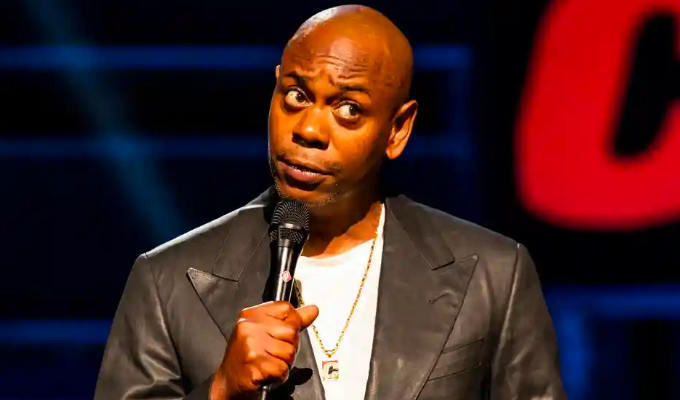
This comedian has been in the spotlight since 25th October. The events transpired after he posted the video from his tour. The video was on Instagram, and he spoke about his invitation to talk to the L.G.B.T.Q. Netflix community. The comedian stated these allegations were false, and he is unsure about his conversation with people of the transgender community.
He said that he would give an audience, but he doesn’t bend over to anyone’s rules and set some conditions. The comedian was open to Netflix employees about the transgender jokes he loves making. His requirements for attendees were to watch his special and meet him at the time of his choosing. He also added other conditions on top of these conditions.
Some Netflix members held a protest of the comedians’ comments, and his jokes were anti-transgender. This led to a call from G.L.A.A.D., among others, to draw the comedian away from Netflix. The streaming agents of Netflix also raised points saying this show would stay on Netflix, and they refuted claims that the comedians’ comments would increase violence in transgender communities.
There was evidence to support this because screens violence has grown over the years. The rate of violent crimes is rising significantly, and adults can attest that assault, abuse, and violence are prevailing.
This article was penned by Jonathan P. Wright. Jonathan is a freelance writer for multiple mainstream publications and CVO of RADIOPUSHERS. You can read more of his work by clicking here.
by Jonathan P-Wright | Nov 22, 2024 | Latest, Music News, New Music Alert |
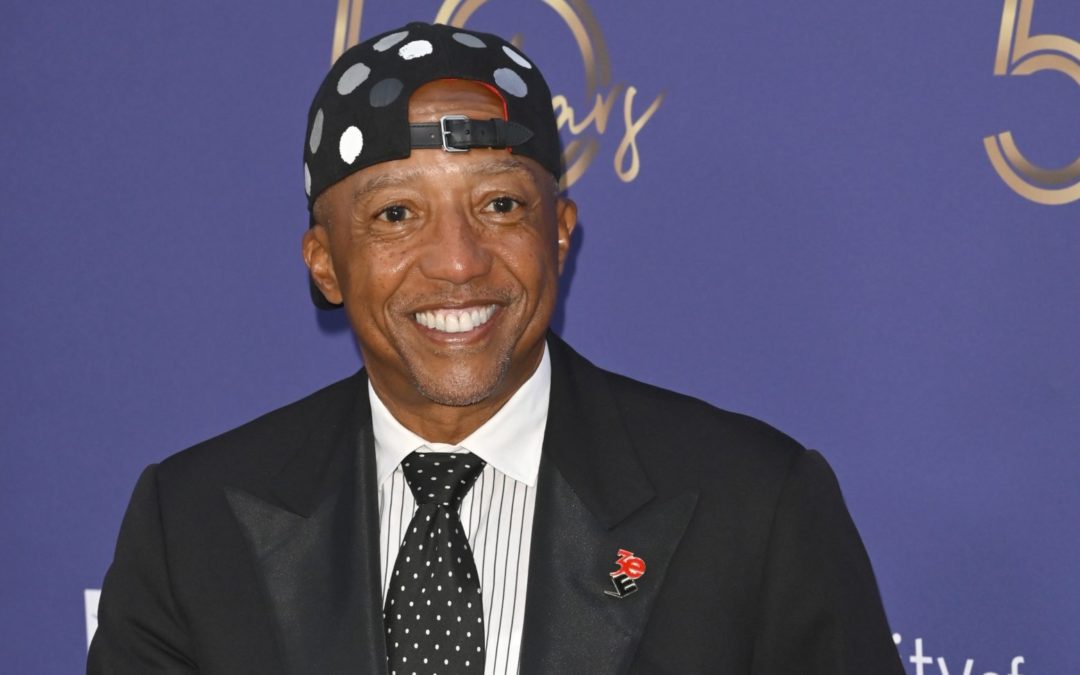
Image credit: Featureflash Photo Agency / Shutterstock.com
In the ever-evolving landscape of the music industry, change is the only constant. This rings especially true for Kevin Liles, the renowned music mogul who recently made waves by stepping down from his role as Chairman and CEO of 300 Entertainment. This decision, far from being a retreat, marks a bold step forward for a man whose career has been defined by innovation, leadership, and an unwavering commitment to fostering talent.
Liles’ departure from 300 Entertainment isn’t just another corporate reshuffle; it’s a statement about growth, vision, and the pursuit of new horizons. In a candid interview with Hot 97’s TT Torez, Liles shed light on the motivations behind his decision, offering insights into his philosophy of leadership and his plans for the future.
As we delve into the story of Kevin Liles and his journey with 300 Entertainment, we’ll explore the impact of his leadership, the legacy he leaves behind, and the exciting possibilities that lie ahead for this visionary entrepreneur. From the birth of 300 Entertainment to its growth into a musical powerhouse, and finally to Liles’ decision to step away, this is a tale of ambition, success, and the courage to embrace change in the pursuit of greater goals.
The Rise of Kevin Liles: A Musical Journey
Kevin Liles’ story is one of relentless ambition and musical passion. From his early days as a DJ and songwriter, Liles has always been at the forefront of the music industry, constantly pushing boundaries and redefining what’s possible.
From Beats to Boardrooms
Liles’ journey in the music industry began on the dance floors and in the recording studios. As a young DJ, he honed his ear for what makes a track resonate with audiences. This hands-on experience would prove invaluable as he climbed the ranks of the industry, eventually transitioning from creating music to shaping the careers of artists.
His trajectory from artist to executive wasn’t just a career change; it was a natural evolution for someone with Liles’ unique blend of creative insight and business acumen. This dual perspective allowed him to bridge the gap between artistic vision and commercial success, a skill that would define his approach to leadership throughout his career.
Building a Legacy at Def Jam
Before his tenure at 300 Entertainment, Liles made his mark at Def Jam Recordings. Rising through the ranks, he eventually became president of the label, overseeing a period of unprecedented growth and success. Under his leadership, Def Jam solidified its position as a cultural powerhouse, nurturing artists who would go on to define generations of hip-hop and R&B.
Liles’ time at Def Jam wasn’t just about hit records and chart-topping artists. It was about cultivating a culture of creativity and innovation, one that empowered artists to push the boundaries of their craft while also achieving commercial success. This philosophy of balancing artistic integrity with business savvy would become a hallmark of Liles’ approach to the music industry.
Entrepreneurial Spirit: Ventures Beyond Music
Kevin Liles’ influence extends far beyond the recording studio. His entrepreneurial spirit has led him to explore various business ventures, from technology startups to lifestyle brands. Each of these endeavors reflects Liles’ knack for identifying trends and opportunities, as well as his commitment to creating platforms that empower creators and innovators.
These diverse experiences have contributed to Liles’ holistic understanding of the entertainment industry and beyond. They’ve shaped him into a leader who can navigate the complexities of the modern business landscape while never losing sight of the creative spark that drives the music industry forward.
The Birth of 300 Entertainment: A New Era in Music
The founding of 300 Entertainment in 2014 marked a pivotal moment in the music industry. Co-founded by Kevin Liles alongside industry veterans Lyor Cohen, Roger Gold, and Todd Moscowitz, 300 Entertainment was conceived as a different kind of record label – one that would combine the agility and artist-focused approach of an independent with the resources and reach of a major label.
A Vision for the Future of Music
From its inception, 300 Entertainment was built on a foundation of innovation and artist empowerment. The label’s name, inspired by the legendary Spartan warriors, reflected its founders’ commitment to building a lean, efficient, and fiercely competitive organization.
Liles and his co-founders envisioned a label that could adapt quickly to the rapidly changing music landscape. They recognized that the traditional model of artist development and promotion was evolving, and they wanted to create a company that could thrive in this new environment.
Disrupting the Industry Status Quo
300 Entertainment’s approach was revolutionary in many ways. The label embraced digital platforms and social media as primary channels for artist promotion and fan engagement, recognizing early on the power of these tools to connect artists directly with their audiences.
Moreover, the label’s structure allowed for more flexibility in deal-making and artist partnerships. This adaptability proved crucial in attracting and retaining a diverse roster of talent, from established stars to up-and-coming artists looking for a more hands-on, collaborative relationship with their label.
Early Successes and Growing Pains
The early years of 300 Entertainment were marked by both triumphs and challenges. The label quickly made a name for itself by signing and developing artists who would go on to become some of the biggest names in hip-hop and R&B. However, like any new venture, it also faced its share of obstacles as it worked to establish its place in the competitive music industry landscape.
Through it all, Kevin Liles’ leadership was instrumental in guiding the company through these formative years. His experience, industry connections, and unwavering belief in the label’s vision helped 300 Entertainment weather the storms and emerge as a formidable force in the music world.
Kevin Liles at the Helm: Steering 300 Entertainment to Success
As Chairman and CEO of 300 Entertainment, Kevin Liles brought his wealth of experience and unique vision to bear on the company’s operations. His leadership style, characterized by a blend of strategic thinking and creative intuition, played a crucial role in shaping the label’s identity and success.
Cultivating a Unique Company Culture
One of Liles’ primary focuses was on fostering a company culture that reflected the label’s innovative spirit. He encouraged a work environment that valued creativity, risk-taking, and collaboration. This approach not only attracted top talent to the company but also created an atmosphere where new ideas could flourish.
Liles was known for his hands-on approach, often working directly with artists and staff to ensure that the label’s vision was being realized at every level. This personal touch helped to create a sense of family within the organization, fostering loyalty and dedication among both employees and artists.
Navigating the Digital Revolution
Under Liles’ guidance, 300 Entertainment embraced the digital revolution in the music industry. The label was at the forefront of leveraging streaming platforms, social media, and other digital tools to promote its artists and connect with fans. This forward-thinking approach allowed 300 to punch above its weight, competing effectively with much larger, more established labels.
Liles’ understanding of both the creative and technical aspects of the industry proved invaluable in this regard. He was able to bridge the gap between the artistic vision of 300’s roster and the technological innovations reshaping the music landscape.
Building a Roster of Game-Changing Artists
Perhaps the most visible testament to Liles’ leadership at 300 Entertainment was the label’s impressive roster of artists. Under his tenure, the company signed and developed acts that would go on to redefine genres and dominate charts. From established stars to emerging talents, 300’s artist lineup reflected Liles’ keen ear for talent and his ability to spot the next big thing in music.
The success of these artists not only brought commercial success to the label but also solidified its reputation as a tastemaker in the industry. 300 Entertainment became known as a place where artists could grow, experiment, and achieve their full potential.
The 300 Entertainment Legacy: A Decade of Musical Innovation
As 300 Entertainment approached its tenth anniversary, the label had firmly established itself as a major player in the music industry. The company’s impact extended far beyond its commercial success, influencing the way labels operate and interact with artists in the modern music landscape.
Redefining the Artist-Label Relationship
One of the most significant aspects of 300 Entertainment’s legacy is its approach to artist relationships. The label pioneered a more collaborative, partnership-based model that gave artists greater control over their careers and creative output. This approach not only attracted top talent but also fostered a sense of loyalty and mutual respect between the label and its roster.
Cultural Impact and Industry Influence
Under Kevin Liles’ leadership, 300 Entertainment became more than just a record label; it became a cultural force. The company’s artists were at the forefront of shaping trends in music, fashion, and popular culture. This influence extended to the business side of the industry as well, with 300’s innovative approaches to marketing, distribution, and artist development serving as a model for other labels to follow.
Adapting to Industry Changes
Throughout its first decade, 300 Entertainment demonstrated a remarkable ability to adapt to the rapidly changing music industry. From the rise of streaming to the increasing importance of social media in artist promotion, the label consistently stayed ahead of the curve. This adaptability, driven by Liles’ forward-thinking leadership, was key to the company’s sustained success in a notoriously volatile industry.
The Decision to Step Down: Kevin Liles’ New Chapter
Kevin Liles’ announcement of his decision to step down as Chairman and CEO of 300 Entertainment came as a surprise to many in the industry. However, for those who know Liles and understand his approach to business and life, the move is characteristic of his forward-thinking mindset and constant pursuit of new challenges.
A Moment of Reflection
In his interview with Hot 97’s TT Torez, Liles offered a candid and introspective look at his decision-making process. He spoke of 300 Entertainment as a “ten-year-old baby” that had grown beyond its years, thanks to the dedication and talent of the team he had assembled. This metaphor provides insight into Liles’ view of company building – nurturing an organization from infancy to maturity, and knowing when it’s time to let it stand on its own.
The Call to Something Bigger
Liles’ explanation for his departure wasn’t rooted in dissatisfaction or a desire to retire. Instead, he spoke of a calling to pursue even larger goals. “I want to create more millionaires and more brands,” he stated, hinting at ambitious plans for the future. This desire to continually push boundaries and take on new challenges is a hallmark of Liles’ career and personal philosophy.
The timing of Liles’ departure is significant. Stepping down after a decade at the helm, he leaves 300 Entertainment in a position of strength. The label has a solid foundation, a strong roster of artists, and a clear identity in the industry. By choosing this moment to step away, Liles ensures that the company is well-positioned to continue thriving under new leadership.

by Jonathan P-Wright | Jan 12, 2024 | Business News, Latest |
In a significant move, data science and analytics software company, Alteryx, has announced its acquisition by private equity firms Clearlake Capital Group and Insight Partners in a deal valued at an impressive $4.4 billion.
The Irvine, California-based enterprise is set to transition from public to private ownership under the deal. Clearlake and Insight emerged victorious over Symphony Technology Group, another private equity contender, to secure this remarkable acquisition.
Deal Details and Impact
The transaction, which includes debt, values Alteryx’s equity at roughly $3.46 billion, according to Reuters. The deal represents a 29.1% premium over Alteryx’s closing share price on Friday. This transaction is expected to reach its conclusion in the first half of 2024, subject to standard closing conditions and approvals.
The potential impact of this deal on Alteryx’s ~2,900 employees remains uncertain at this stage. However, the company’s CEO, Mark Anderson, has shared his optimism about the acquisition.
“In addition to delivering significant and certain cash value to our stockholders, this transaction will provide increased working capital and industry expertise — and the flexibility as a private company,” Anderson said. “We’re excited to partner with Clearlake and Insight for the next stage of Alteryx’s journey.”
Alteryx: A Brief History
Alteryx, originally known as SRC, was co-founded in 1997 by Dean Stoecker, Olivia Duane Adams, and Ned Harding. Initially, the firm was focused on developing data engines for demographic-based mapping and reporting. In 2006, SRC launched the software app Alteryx, which served as a platform for building analytical processes and services.
By 2011, SRC had rebranded as Alteryx, marking the software app as its core product. After securing millions of dollars from VC firms such as Toba Capital, Insight, Sapphire Ventures, ICONIQ Capital, and Meritech Capital Partners, Alteryx made its debut on the NYSE in 2017.
Transition and Success
In recent years, Alteryx has made a strategic move towards a subscription-based business model and heightened its focus on AI-powered features. This decision aimed to tap into the growing demand for data analytics services. According to Research and Markets, the big data analytics market could surge from $37.34 billion in 2018 to $105.08 billion by 2027.
Alteryx has successfully amassed over 8,300 companies as its customers, including major brands such as Coca-Cola, Vodafone, Walmart, and Ford. The company reported $232 million in sales last fiscal quarter, an 8% rise from the same period a year ago. Moreover, its annual recurring revenue also saw a significant boost, soaring by roughly 21% to $914 million.
“When we founded Alteryx in 1997, we did so with a vision for the future of data science and analytics. Today, Alteryx stands out as an industry leader with a differentiated platform that scales data democratization in a governed manner,” Stoecker said. “Our agreement with Clearlake and Insight validates the strength of our business and the value of Alteryx’s capabilities and innovation.”
Conclusion
This monumental deal between Clearlake, Insight, and Alteryx underscores the growing importance of data analytics in the contemporary business landscape. It also illustrates the immense potential and value that companies like Alteryx hold in the rapidly evolving tech industry.


RECENT COMMENTS