In a bold move against the Los Angeles Police Department, a prominent Black filmmaker is breaking his silence and taking legal action following a disturbing incident involving law enforcement officers. Damien Smith, an acclaimed documentary filmmaker, is shedding light on an encounter with the police in 2021 that left him deeply affected and compelled to pursue justice.
Speaking exclusively with the LA Times, Damien Smith shared his harrowing experience, which he believes was tainted by racial bias. The incident occurred on a fateful day in October 2021 when Smith returned to his apartment only to find an intruder unlawfully holding his belongings. Despite the seriousness of the situation, Smith chose to call 911, believing that justice and safety would be upheld.
However, what followed was an unexpected and distressing turn of events. When the police arrived at the scene, instead of apprehending the intruder, they subjected Smith to multiple taser shocks, leaving him in shock and disbelief. As a filmmaker actively working on a project addressing police brutality, Smith couldn’t help but wonder if there was a racial component to the way he was treated by law enforcement.
Once the officers confirmed Smith’s residency, they promptly released him, but no apologies were offered for the unjust use of force. Meanwhile, the intruder, Demani Coats, was later arrested and convicted of burglary in July 2022, raising further questions about the disproportionate actions taken against Smith.
In response to this traumatic incident and the subsequent lack of accountability, Damien Smith made the difficult decision to file a lawsuit against the Los Angeles Police Department. The lawsuit reflects the physical and emotional toll the encounter had on him, citing injuries to his chest, back, and nervous system, as well as the immense embarrassment and public ridicule he endured.
The allegations against the department are serious, encompassing charges of false arrest, assault, battery, intentional infliction of mental distress, and violation of civil rights. Smith is determined to hold the police accountable for their actions and highlight the urgent need for proper training to prevent similar incidents from happening to others.
For Damien Smith, this lawsuit is not just about seeking compensation or retribution; it is a plea for justice and an urgent call for change. As a filmmaker who has devoted his career to shedding light on social injustices, he now finds himself at the center of the very narrative he has been capturing on film. His courage to speak out against the injustice he experienced is inspiring a broader conversation about the need for comprehensive reform within law enforcement agencies.
The story of Damien Smith resonates deeply with the broader social justice movement, drawing attention to the ongoing struggle for racial equity and accountability in policing. His unwavering commitment to seeking justice serves as a rallying point for those advocating for change and a reminder that there is still much work to be done to achieve a more just and equitable society.
A significant chapter in the fight for justice and accountability has been written as New York City reaches a historic settlement with hundreds of George Floyd protesters who faced unlawful tactics at the hands of local police during the turbulent events of 2020. The proposed agreement, recently filed in a Manhattan federal court, represents a groundbreaking moment, with the city agreeing to pay over $13 million in the largest class-action settlement ever awarded to a group of protesters.
As reported by CNN, a historic settlement has been reached, representing a monumental outcome in response to a class-action lawsuit brought forth on behalf of an impressive number of approximately 1,380 protesters. These individuals were arrested by the New York City Police Department during a series of 18 fervent demonstrations held across the city during the period of May and June in 2020. The successful resolution of this lawsuit stands as a testament to the power of collective action and the unwavering determination of those seeking justice and accountability for alleged misconduct. With this momentous settlement, those impacted by the events surrounding these protests may find solace and recognition, as the legal process takes significant strides towards addressing the grievances and concerns raised during this tumultuous period in the city’s history. The landmark nature of this settlement not only reaffirms the rights and liberties of peaceful protesters but also underscores the importance of holding authorities accountable for ensuring that those rights are upheld and protected in any civil society. This pivotal case serves as a beacon of hope for others seeking redress and serves as a critical milestone in the ongoing journey towards fostering a more just and equitable society for all. The terms of the agreement will provide eligible individuals with compensation of $9,950 each, pending approval by a judge.
The lawsuit sheds light on a series of troubling allegations against the authorities, accusing them of employing aggressive tactics that violated protesters’ rights. Among the accusations were claims of corralling protesters into confined spaces, using excessive force with batons and fists, indiscriminately deploying pepper spray, and arresting demonstrators without lawful justification or fair warning.
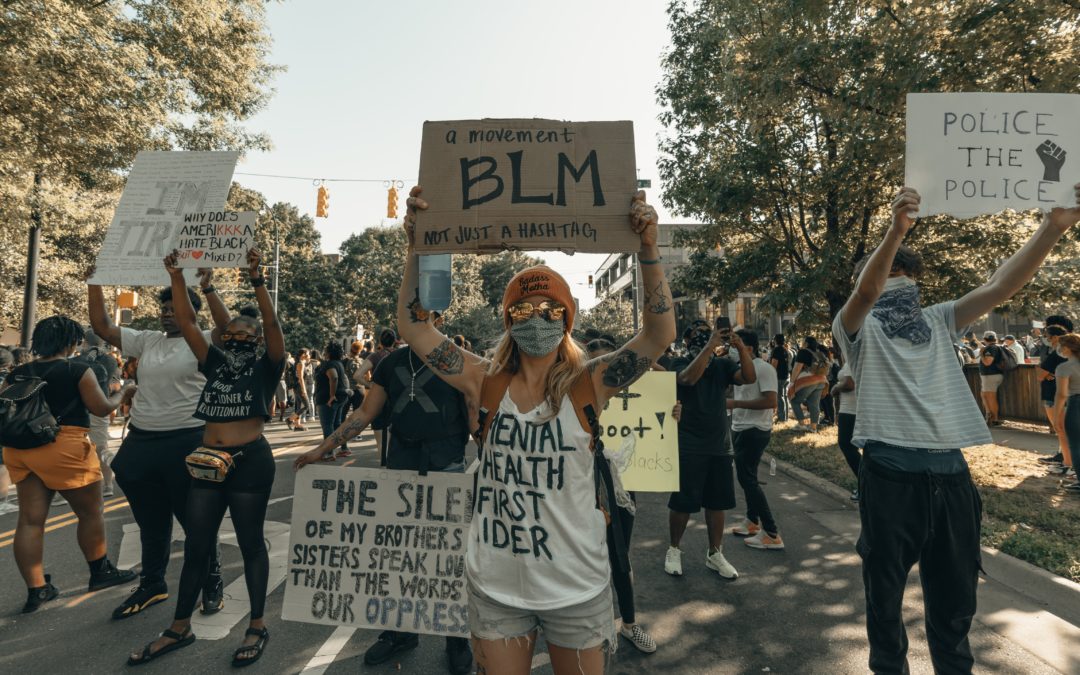
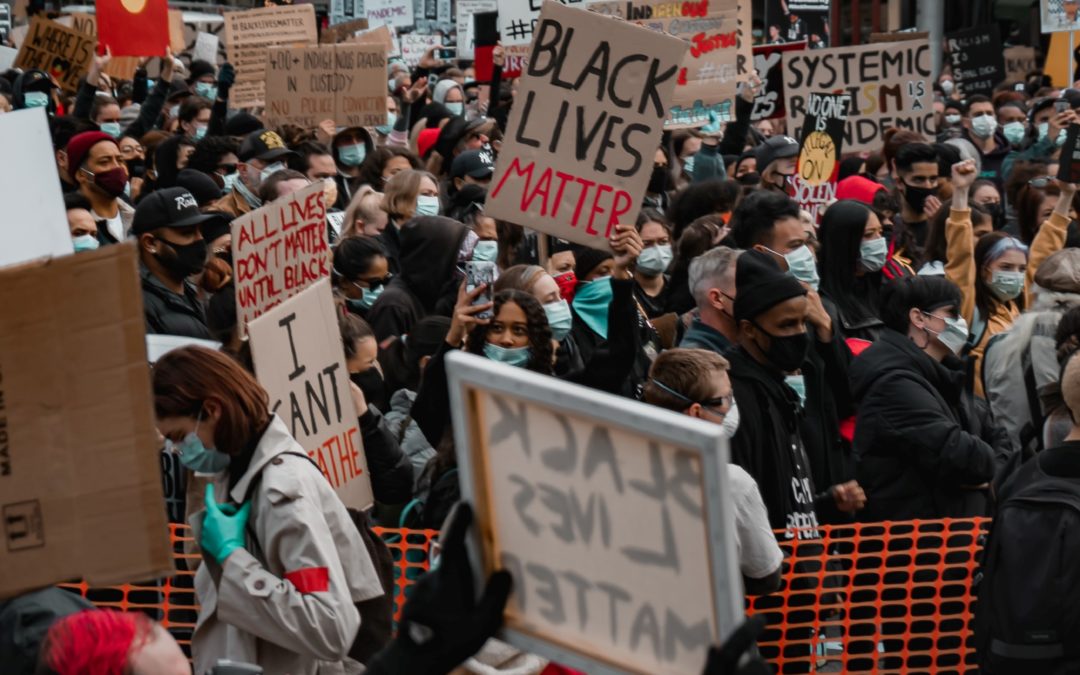
The protests of 2020 were a visceral response to the tragic killing of George Floyd by former police officer Derek Chauvin, an event that sent shockwaves throughout the nation and reignited the Black Lives Matter Movement. Hundreds of people from diverse backgrounds united on the streets of cities and towns across the country, standing in solidarity against police brutality and racial injustice.
In the heart of New York City, a powerful wave of voices rose, demanding an end to systemic racism and the urgent need for police reform. The demonstrations were marked by a spirit of unity and a shared commitment to driving societal change. However, the resolve of the protesters was met with an alarming response from law enforcement, who, according to the class-action lawsuit, employed unlawful tactics that violated the constitutional rights of the demonstrators.
The impact of this settlement transcends monetary compensation; it sends a resounding message about the significance of accountability in a just society. By acknowledging and redressing the harm done to protesters, the city of New York takes a crucial step toward recognizing the importance of protecting citizens’ constitutional rights, even in the face of public dissent.
While the road ahead may be long, this landmark agreement offers hope and encouragement to those who continue to advocate for meaningful police reform and an end to racial injustice. As New York City takes this historic step towards healing and reconciliation, it sets a powerful precedent for other cities and communities grappling with similar challenges. The legacy of the George Floyd protests will endure, as the voices of those who took to the streets continue to echo, demanding a future where equity, justice, and compassion prevail.
In a landmark decision, 320 protestors who were corralled and arrested by police during the George Floyd demonstrations in New York City have been awarded $7 million in a settlement. The term “kettling” refers to a controversial tactic used by law enforcement to control crowds, which involves trapping demonstrators within an enclosed area. This case is just one example of how the fight for justice and accountability continues long after protests come to an end.
George Floyd’s death sparked outrage and protests across the country. In New York City, demonstrators took to the streets to demand justice for Floyd and other victims of police brutality. The protesters were “kettled” by police, who surrounded them and prevented them from leaving. The demonstrators sued the city, alleging that their constitutional rights were violated. A judge agreed, and the protesters were awarded $ million in damages.
On Tuesday, a federal judge approved a $7 million settlement between the city of New York and demonstrators who were “kettled” by police during a protest against the killing of George Floyd last May. The plaintiffs alleged that they were peaceful protesters who were unlawfully arrested and detained by police officers without probable cause. They also claimed that they were subjected to excessive force when they were pepper-sprayed and hit with batons.
Under the terms of the settlement, each of the plaintiffs will receive $36,000 in damages. The city will also create a $250,000 fund to reimburse protesters for medical expenses and property damage incurred during the incident. In addition, the city will make changes to its policing policies, including banning the use of kettling as a means of dispersing crowds.
In the wake of George Floyd’s death, many police reform efforts have been undertaken in New York City. The most notable of these is the establishment of the NYPD’s “collaborative policing” program, which encourages officers to work with community members to solve crimes and build trust. Other initiatives include body-worn cameras for all officers, improved training on de-escalation techniques, and expanded use of civilian complaint review boards. These reforms are intended to make the NYPD more accountable to the public and help reduce incidents of excessive force.
The settlement is significant because it acknowledges that the NYPD’s actions were unlawful and that the protesters were mistreated. The money will be used to compensate the protesters for their injuries and damages. This case sets a precedent that may be cited in future lawsuits against police departments that engage in similar tactics.
This is one of the largest settlements ever awarded in a case involving police misconduct. And it’s just one example of the ways that Floyd’s death has led to lasting change.
In the months since Floyd’s death, there have been numerous other high-profile cases of police brutality and misconduct. These include the killing of Breonna Taylor in Louisville, Kentucky, and the shooting of Jacob Blake in Kenosha, Wisconsin.
It’s clear that Floyd’s death has had a profound impact on our country. His legacy will continue to be felt for many years to come.
Police accountability is critical for maintaining the public’s trust in law enforcement. When police are accused of misconduct, it is important that there is a process in place to investigate the allegations and, if substantiated, hold the officers accountable.
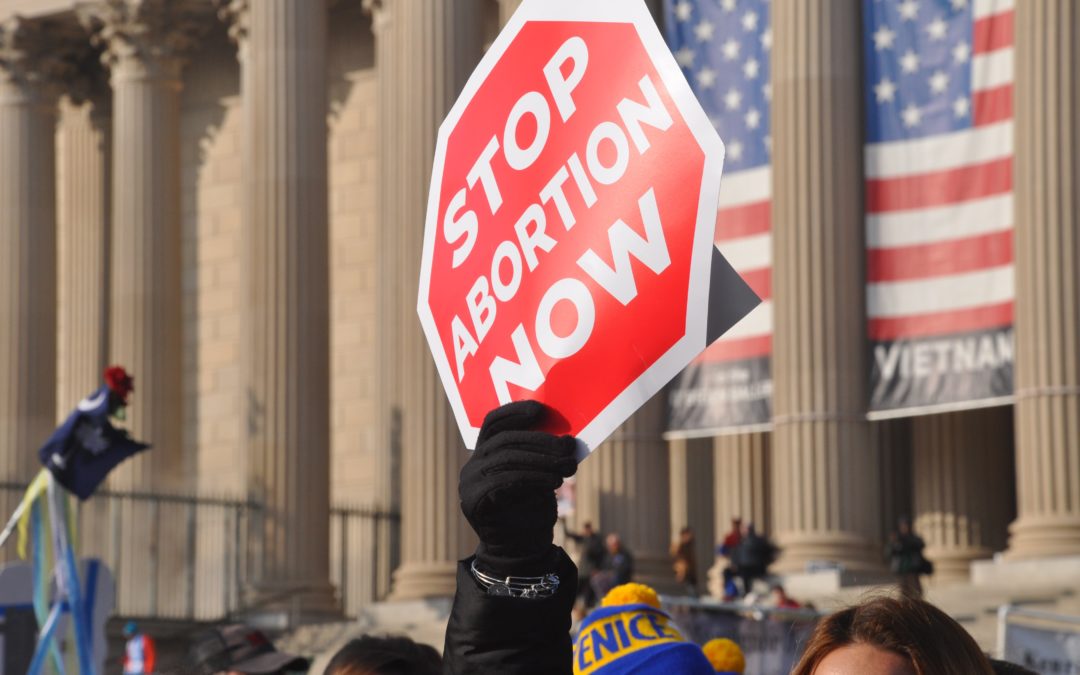
As of Wednesday morning (Sept. 1), Texas has become one of the strictest abortion states in the country by banning abortion at six weeks. Abortion providers who requested a blocking of the ban failed to obtain any relief from the Supreme Court and federal appeals court.
In Texas, women will be prohibited from getting abortions when a fetal heartbeat can be detected, which is around six weeks after conception and before many women realize they are pregnant. Although the law does allow exemptions in case of “medical emergencies,” it does not allow exceptions for rape or incest.
As part of the ban, private citizens can sue abortion providers and anyone who assists a woman in getting an abortion. A woman might receive help from a neighbor, someone who provides financial assistance, or someone from the local clergy who helps the patient. NPR reports that citizens who bring civil suits needn’t be connected to the person they’re suing in order to receive an award of at least $10,000.
A website called “whistleblower” has been launched by the anti-abortion organization Texas Right to Life for people to report illegal abortions anonymously.
John Seago of Texas Right to Life told NPR that the lawsuits are not against the women. “We would be suing the abortion industry and those making money off of abortions. Therefore, this is not spying on your neighbor.”
Abortion providers and reproductive rights groups argue that the law creates a bounty on abortion providers.
In Texas, a Whole Women’s Health clinic tweeted on Tuesday night (Aug. 31), two hours before the ban went into effect, that it still provided abortions and had “staff and doctors providing abortions and that the waiting rooms were filled.
On Wednesday, after the ban went into effect, the ACLU tweeted that abortion has just been restricted for millions of women, the long-term impact will be devastating.
In a related matter, justices are poised to rule on whether a Mississippi law prohibiting abortions at 15 weeks is constitutional. Advocates for abortion rights have pointed out that both Mississippi’s and Texas’ laws directly conflict with Roe v. Wade, the 1973 landmark decision that legalized abortion nationwide.
This article was penned by Jonathan P. Wright. Jonathan is a freelance writer for multiple mainstream publications and CVO of RADIOPUSHERS. You can read more of his work by clicking here.
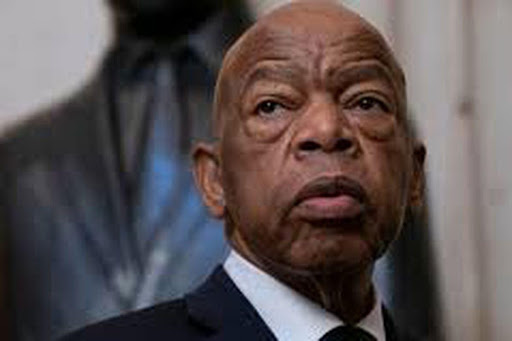
Just this week, it was decided by Nashville, Tennessee officials to name a very popular street after icon Rep. John Lewis. On November 5, the Council of Nashville and Davidson County decided that a section of Fifth Avenue will be named Rep. John Lewis Way. While Lewis was a representative of Atlanta in Congress, he began his activism in Nashville. He began college at the city’s American Baptist College and Fisk University. Back then, he started protesting to endorse civil rights. In 1960, Lewis was arrested as he protested at a segregated lunch counter in Nashville.



RECENT COMMENTS