
by Jonathan P-Wright | May 23, 2025 | Latest, Music News, New Music Alert |
Photo by Hanny Naibaho on Unsplash
Memphis rapper Key Glock stands at a pivotal crossroads in his career, ready to usher in a new chapter that honors his past while boldly embracing the future. As he gears up to release his much-anticipated album Glockavelli, fans are also buzzing about a treasure trove of unreleased music he recorded with the late Young Dolph—his mentor, friend, and a legendary figure in the hip-hop community.
For years, Key Glock built his career on the foundation of independence. As an artist who valued creative control and authenticity, Glock defied the conventional industry path by thriving without a major label’s backing. His steady rise became a blueprint for independent artists striving to make a name for themselves in a saturated market. Yet even with all his success, Glock knew his evolution required something more. He was clear-eyed about the next level of his career ambitions, and those ambitions extended beyond streaming numbers and independent accolades.
In an interview with Billboard, Glock openly reflected on his journey, saying, “I feel like I exceeded my goals as an independent artist.” This statement captured the essence of his accomplishments to date, but also hinted at his hunger for growth. For Key Glock, success isn’t just about where he is now—it’s about the heights he’s determined to reach next. “At this point, I’m just working with people that have been operating on the level I already saw myself on,” he shared. His vision includes platinum records and more industry recognition—achievements that come with strategic alliances and bigger platforms. “In this next chapter, I’m planning on getting platinum albums and more plaques.”
The decision to partner with a major label, specifically Republic Records, marked a turning point. Yet, unlike many artists who sign major deals chasing fame or quick cash, Glock’s choice was deeply personal and profoundly influenced by the late Young Dolph. The bond between Dolph and Glock went beyond mentorship—it was rooted in brotherhood, trust, and shared dreams for success on their own terms.
Dolph’s tragic death in Memphis in November 2021 sent shockwaves through the music world. But even before his passing, Dolph was preparing Key Glock for the future. Glock recounted a powerful conversation that took place just one week before Dolph was killed. “The week before Dolph passed in Memphis, him, Daddy O, and a couple more of our circle just had a regular talk, a round table talk,” Glock remembered. “And it was so crazy—Dolph said, ‘If anything go left, like, if anything happens to me, take Glock to the majors.’”
This moment wasn’t just a casual suggestion; it was a directive laced with foresight and urgency. Dolph, who had carved out a legendary status as one of the biggest independent rappers in the game, knew the value of autonomy. Yet, he also recognized the advantages that could come from strategic partnerships with major labels—resources, exposure, and the financial muscle to elevate careers to new levels. “There was always me and him in talks anyway,” Glock explained. “I never wanted to be the biggest independent artist. That was his thing… I never wanted to take that away.” But both understood the reality of the business: “We always knew how much money we could make with a major.”
Signing with Republic Records was not a decision taken lightly. Glock emphasized that it wasn’t about desperation or abandoning independence out of necessity. “It wasn’t even needed now,” he clarified. “It just was okay. I know bruh wanted me to do this, and he didn’t say it for no reason, and it wasn’t no coincidence he said it like a week before.” There’s a bittersweet weight to that timing, but also a profound sense of destiny.
Key Glock’s rise to prominence isn’t just a story about a rapper gaining fame—it’s a narrative about legacy, resilience, and the complex realities of navigating the music industry as an independent artist who eventually embraces a larger platform. His last major project, Glockoma 2, released in 2023, was met with both critical acclaim and commercial success. Songs like “Sucker Free” and “Let’s Go” showcased his distinctive style—raw, unapologetic, and undeniably Memphis in spirit.
But the story doesn’t end there. Beyond his solo success, fans have long been eager to hear more from the duo of Glock and Dolph. Their collaborations have become essential parts of the Memphis rap canon, blending Dolph’s charismatic leadership with Glock’s fierce energy. The vault of unreleased music they left behind is described by Glock as “unlimited.” This cache of material holds the promise of extending Dolph’s legacy and offering fans more insight into the creative synergy they shared.
Speaking with The Breakfast Club, Glock teased the imminent arrival of this music: “It’s en route. I’ma just let y’all know, it’s en route.” Despite his eagerness to share this work, Glock also highlighted the importance of timing and strategy. “Really, it ain’t up to me,” he admitted. “You ask me, I’ll drop a tape every month. That’s how much music I got, but you just gotta be strategic with stuff.” This statement reveals his growing understanding of the music industry’s intricacies—releasing music too quickly can undermine its impact, while carefully timed drops maximize reach and resonance.
Early in his career, Glock’s approach to releasing music was much more immediate. “I never understood that s**t,” he said candidly. “Like, my first two, three years in the game, as soon as I recorded something, I was ready to put it out.” This impatience is common among emerging artists driven by passion and the desire for validation. However, over time, Glock has learned to balance creativity with patience. “But I didn’t understand the industry at the time like I do now.” This shift from impulsive release to deliberate strategy marks his maturation as an artist and entrepreneur.
What’s compelling about Key Glock’s journey is how it reflects a broader narrative in hip-hop—the tension between independence and mainstream success. Many artists pride themselves on staying independent, controlling their own careers, and owning their masters. But the realities of the industry—marketing power, distribution reach, and financial backing—often push artists toward partnerships with major labels to scale their success.
For Glock, this partnership is also a tribute to Dolph’s vision. It’s about honoring the mentor’s belief in him and continuing the mission they started together. Dolph’s legacy isn’t just the music he made, but the path he paved for artists like Glock to thrive on their own terms.
The upcoming Glockavelli album symbolizes this duality. Its title alone evokes a sense of homage and evolution—melding Glock’s identity with the reverence he holds for hip-hop legends like Tupac Shakur, who was famously nicknamed “Makaveli.” Fans can anticipate a project that’s not just a collection of tracks but a carefully curated statement of where Key Glock stands today as both an artist and a businessman.
The broader impact of this album and the unreleased Dolph collaborations extends beyond Memphis or even hip-hop. It’s a narrative about mentorship, legacy, and the ways artists navigate grief, ambition, and industry pressures. For a generation of listeners who grew up watching Dolph and Glock rise, this music offers more than entertainment—it’s a connection to culture, history, and resilience.
Key Glock’s story also highlights the emotional weight artists carry. Losing Dolph was a devastating blow. But instead of letting grief stall his career, Glock channels that pain into purpose. “We had this whole plan,” he shared. “We knew where we could go if we played our cards right.” The music and strategic partnerships are the realization of that plan, an homage to the past and a beacon for the future.
As Glockavelli prepares to drop and the unreleased tracks with Young Dolph approach release, the hip-hop community watches closely. Key Glock’s evolution from an independent artist to a major label contender embodies the complexities of modern music careers. It’s a testament to growth, perseverance, and the enduring power of mentorship.
In a world where artists often face pressure to sacrifice their creative vision for commercial success, Glock’s journey offers a blueprint for balancing both. It’s about honoring your roots while adapting to new realities—an essential lesson for any artist navigating the ever-changing music industry.
Looking ahead, Key Glock’s mission is clear: to cement his legacy, elevate Memphis’s voice on the global stage, and keep the spirit of Young Dolph alive through every verse, every beat, and every project.
by Jonathan P-Wright | May 16, 2025 | Latest, Music News, New Music Alert |
Image credit: Featureflash Photo Agency / Shutterstock.com
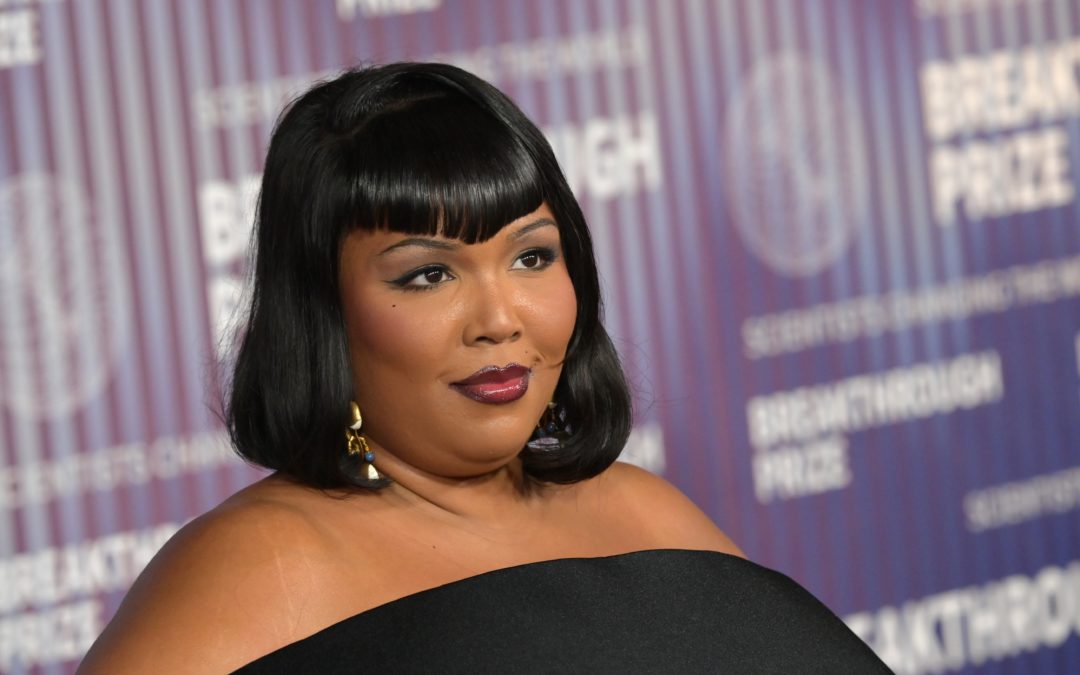
When Lizzo speaks about her music, she no longer just talks about creating hits—she speaks about creating legacies. As one of the most dynamic and genre-defying artists of her generation, Lizzo has built a career that celebrates confidence, authenticity, and self-love. But with her highly anticipated upcoming album Love in Real Life, it’s clear she’s setting her sights on something even more profound: reclaiming her narrative on her own terms and challenging the way success is measured in the music industry.
A Mission Beyond the Charts
In a recent conversation on The TERRELL Show, Lizzo opened up about the motivation behind her new project. She explained that while her past hits like “Juice,” “Truth Hurts,” and “Good as Hell” have become anthems for empowerment, her albums as a whole haven’t yet reached the level of acclaim or love that those singles have enjoyed.
“I feel like my albums don’t outshine my hits yet,” she said candidly. “People keep going back to those songs, and that’s amazing, but I want this new album to be a body of work that stands just as tall. I want every track to be loved as much as the biggest single.”
This desire reflects a significant shift in Lizzo’s approach to her artistry. Unlike the fast-paced culture of single releases and viral moments, Lizzo is aiming to create a cohesive musical experience — one that invites listeners into a deeper emotional connection, showcasing her growth not only as a singer but as a musician and storyteller.
A Fusion of Sounds and Souls
Love in Real Life is expected to blend genres fluidly, combining elements of pop, disco, and rock — a testament to Lizzo’s diverse musical background. Beyond her undeniable vocal talent, Lizzo is a classically trained flutist, bringing layers of musicality and instrumentation into her work. Her upcoming album promises to highlight these skills, presenting a richer sonic palette that reflects her evolving artistry.
But the album’s title isn’t just a clever phrase. It speaks to the album’s thematic heart: real love, the kind that exists beyond the superficial, beyond the fleeting validations of social media and public opinion.
Detaching from External Validation
Lizzo has long been celebrated for her messages of body positivity and self-love, but her latest statements suggest a maturation in her philosophy. She revealed in the interview with Terrell Grice that Love in Real Life marks a period where she’s moving away from seeking approval from the internet or external sources altogether.
“I’m done developing my sense of self based on what people say online,” she explained. “Now, my happiness is unconditional, and love only truly exists in real life — with people who genuinely care about you, not with faceless approval or likes.”
This is a powerful message in today’s hyper-connected world, where social media validation often distorts personal self-worth. Lizzo’s commitment to prioritizing authentic relationships and self-validation over public opinion is both timely and inspiring. It signals her reclaiming control over her identity and her artistry — no longer letting the digital noise define her.
A Personal and Public Reckoning
The past few years have been turbulent for Lizzo beyond the studio. In 2023, she and her production company, Big Grrrl Big Touring Inc., faced workplace harassment lawsuits brought forth by three backup dancers and a hairstylist. Though some claims were dismissed, and the courts ruled Lizzo could not be sued personally in one case, the allegations and ensuing media attention undoubtedly weighed heavily on her.
“When things like that happen to you, the world starts telling you who you are,” Lizzo reflected. “I’m pretty gullible, so sometimes I start to believe it.”
This period of scrutiny forced Lizzo to confront the gap between public perception and her personal reality. The emotional turmoil is mirrored in her new music videos, especially the one for “Love in Real Life.” In it, she depicts a harrowing experience of paranoia and judgment, where she feels watched and attacked by the world — a metaphor for the invasive spotlight she’s endured.
“In the video, I go out and start feeling like everybody hates me,” she explained. “People start to corner me, and then it comes down to either beating them or joining them.”
This visual storytelling speaks to the complex dance celebrities often must perform — balancing vulnerability with strength, fighting off criticism while maintaining authenticity. It’s a vivid illustration of the emotional stakes Lizzo faces, and her determination not to be defeated.
Reclaiming Power Through Music and Imagery
With her second single, “Still Bad,” Lizzo takes the theme of reclaiming power even further. She describes the song and its accompanying visuals as a response to the forces that once sought to break her down.
“The thing that destroyed me, I’m gonna destroy it,” she declared confidently. “I’m taking back control over my narrative, my story. Those little birdie tweet creatures trying to troll me? I control the trolls.”
In an age where social media can amplify both praise and criticism instantaneously, this declaration is a striking act of defiance. Lizzo is asserting that she is the author of her story, and she won’t let external negativity dictate her worth or success.
More Than an Album — A Statement
While a formal release date for Love in Real Life hasn’t been announced yet, the buzz surrounding Lizzo’s new era is palpable. More than a collection of songs, this album represents a pivotal moment of self-empowerment and reinvention.
It’s about a woman who has endured the highs of Grammy nominations and platinum records, and the lows of public legal battles and personal doubts. It’s about shedding the need for external validation and stepping fully into one’s own power.
Lizzo’s journey resonates on many levels — as a beacon for those struggling to define themselves amidst societal pressures, as an artist refusing to be boxed in by expectations, and as a human being claiming joy, authenticity, and love in their truest form.
The Road Ahead
As Lizzo prepares to unleash Love in Real Life, fans and critics alike await a bold, uncompromising work from one of music’s most fearless voices. It’s clear that Lizzo is not just back — she’s reborn. Her commitment to authenticity and emotional truth promises an album that will inspire not only the charts but hearts worldwide.
In the words of Lizzo herself:
“This is me breaking up with the world and reintroducing myself with a new perspective. I don’t need the world to validate me anymore. I validate myself.”
For anyone watching, this declaration is more than an artist’s statement — it’s a manifesto for self-love and resilience that transcends music and cultu

by Jonathan P-Wright | May 16, 2025 | Latest, Music News |
Image credit: credit: Tinseltown / Shutterstock.com
Ciara has always known how to make an entrance, but this time, she’s sending shockwaves through the internet with a teaser so provocative, it has fans gasping, laughing, and begging for more. With a single photo, the Grammy-winning R&B icon has reignited excitement around her music — and reminded the world that her sensuality, star power, and creative fire are still very much intact.
This week, Ciara took to social media to unveil a smoldering image teasing her upcoming single, “Ecstasy,” and to say it got attention would be an understatement. In the photo, the superstar is seen poised on all fours on a pool table, wearing barely anything and exuding a confidence that only two decades of dominance in the music industry can deliver. With sultry lighting, a teasing gaze, and that unmistakable aura of star quality, the image immediately sparked conversation across platforms.
From Instagram to X (formerly Twitter), fans didn’t just double-tap — they spiraled. Comments poured in almost instantly, many filled with thirst, admiration, and unfiltered excitement for the single’s release. “She’s coming! Russell, it’s our turn. Get off her. We want the new music! Don’t be stingy!” joked one fan on Instagram, playfully calling out Ciara’s NFL-star husband, Russell Wilson, for keeping her too busy with family life. Others were more reverent, praising the singer’s age-defying beauty and ability to command attention like it’s 2004 all over again. “That’s one bad sister right there. She’s aging backwards,” said another fan on X, accompanied by fire emojis and throwback clips of Ciara’s iconic dance moves.
But the buzz isn’t just about looks — it’s about legacy. Ciara’s upcoming single “Ecstasy” marks a long-anticipated return to the music scene. It’s been several years since the release of her 2019 studio album Beauty Marks, and fans have been vocal about craving new music from the multi-talented performer. According to insiders, Ecstasy is set to drop on April 4, and if the teaser is anything to go by, this track will be sensual, stylish, and unapologetically bold — all the things we’ve come to expect from the Atlanta-bred star.
Adding even more excitement to the mix is the news that the music video for Ecstasy is directed by none other than Diane Martel — a name that carries weight in the music video world. Martel is the creative mastermind behind some of Ciara’s most iconic visual work, including “Promise,” “Like a Boy,” “Love Sex Magic” featuring Justin Timberlake, and the unforgettable “Ride,” which famously got banned from BET for its provocative imagery. With Martel at the helm, Ecstasy promises to deliver the kind of cinematic, sultry visuals that helped define Ciara’s artistic image in the first place.
For longtime fans, this moment feels like a full-circle return. Ciara isn’t just releasing a new single — she’s reminding the world of who she is: a visionary artist, a dancefloor icon, and a woman fully in charge of her narrative. At 38, with four children and a high-profile marriage, Ciara continues to balance the roles of mother, wife, entrepreneur, and performer with a grace that few in the entertainment industry manage to maintain. Her ability to switch effortlessly between family life and stage life is one of the many reasons fans continue to root for her — and why her comeback is being celebrated as both a cultural reset and a personal triumph.
It’s worth noting that Ciara’s impact goes far beyond her music. She has consistently pushed boundaries throughout her career — musically, visually, and socially. Her 2004 debut album Goodies introduced a new kind of R&B/pop hybrid, infused with crunk beats and slick choreography. Tracks like “1, 2 Step” and “Oh” became anthems of the early 2000s, while “Promise” and “Like a Boy” showcased a vulnerability and creative depth that set her apart from her peers. She has often used her platform to explore themes of empowerment, femininity, and transformation — and Ecstasy seems poised to continue in that tradition.
Ciara’s artistry has always been closely tied to her visual identity, and the teaser for Ecstasy is a masterclass in modern-day branding. The aesthetic is sleek, sultry, and striking — clearly designed to generate hype, but also to establish a tone. In a sea of pop releases that often feel disposable, Ciara’s teaser image manages to feel like an event. It’s not just a promo photo — it’s a statement of intent.
This is a woman reclaiming her narrative on her own terms. And fans are here for it.
Of course, with any major celebrity moment, there are critics. Some questioned the provocative nature of the teaser, citing her role as a mother and wife. But that discourse, too, feels dated — as if women can’t be sensual and maternal, confident and nurturing, all at once. Ciara has never shied away from embracing all aspects of her identity, and her fans are quick to defend her right to express herself freely. “Being sexy isn’t something you age out of,” one X user commented. “Ciara’s owning her body, her artistry, and her power. That’s real grown-woman energy.”
The anticipation around Ecstasy is more than just fandom — it’s cultural. Ciara represents a generation of Black female artists who changed the sound and style of pop music, and her continued presence in the industry is a reminder of that era’s enduring influence. As TikTok creators remix her old choreography and Gen Zers discover her catalog, Ciara’s legacy continues to evolve in real-time.
With April 4 quickly approaching, all eyes are on what Ciara will deliver. If the teaser is anything to go by, Ecstasy won’t be just another single — it’ll be a moment. A reclaiming. A celebration. A spark.
And with Diane Martel back in the director’s chair, a fire track on the horizon, and a fanbase already in a frenzy, one thing’s clear: Ciara isn’t coming back quietly. She’s coming back on her own terms — powerful, provocative, and fully in her element.
Let the countdown begin.
by Jonathan P-Wright | May 2, 2025 | Latest, Music News, New Music Alert |
Image credit: Ben Houdijk / Shutterstock.com
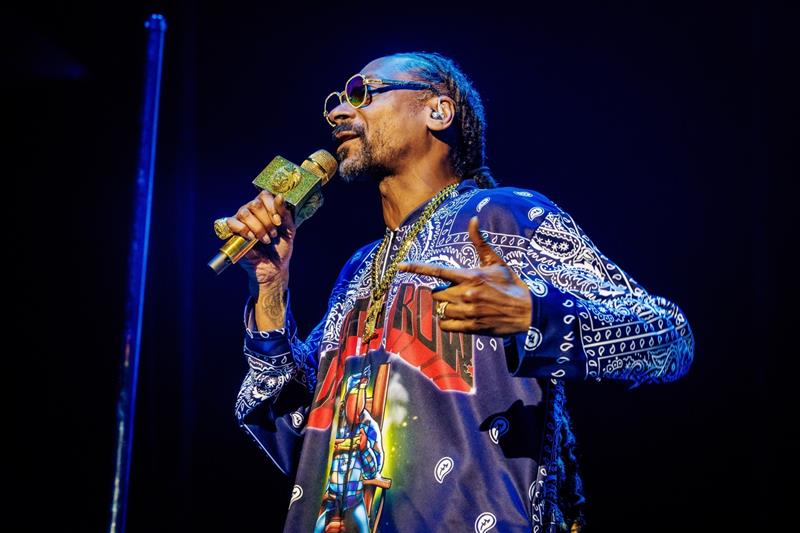
The seemingly disparate realms of West Coast hip-hop and Southern country music have, against conventional expectations, found a captivating point of intersection. This unexpected confluence has manifested in the form of “Gettin’ Gone,” a refreshingly laidback and genre-fluid track born from the collaboration between the iconic rap luminary Snoop Dogg and the ascendant Nashville country artist ERNEST. This intriguing musical partnership graces ERNEST’s forthcoming mixtape, “Cadillac Sessions,” hinting at a project that dares to defy genre boundaries and explore uncharted sonic territories.
ERNEST, a name rapidly gaining prominence within the Nashville songwriting and performing community, has already established himself as a significant force in contemporary country music. His songwriting prowess is evident in his collaborations with artists like Morgan Wallen, contributing to a string of chart-topping singles that have resonated deeply with audiences. On the other side of this compelling musical equation stands Snoop Dogg, a veritable institution in the hip-hop world. Beyond his legendary status as a rapper, Snoop has consistently demonstrated a willingness to venture beyond the confines of his primary genre. His forays into reggae under the moniker Snoop Lion, his explorations of gospel music, and even his unlikely yet endearing collaborations with Martha Stewart underscore a restless creative spirit and an openness to diverse sonic landscapes, solidifying his position as a global cultural icon unafraid of artisustic risk.
While the pairing of Snoop Dogg and a rising country artist might initially raise eyebrows, a closer examination reveals a surprising undercurrent of mutual respect and appreciation. Snoop Dogg himself has publicly acknowledged a long-standing affinity for country music, notably expressing admiration for the legendary Johnny Cash, whom he once lauded as his “main man” and a quintessential “real American gangster.” This shared appreciation for authenticity, the power of storytelling, and a certain rebellious spirit inherent in both hip-
hop and traditional country music renders their collaboration not as a contrived marketing ploy, but rather as a serendipitous alignment of artistic sensibilities.
An Unlikely Backstage Encounter Sparks a Musical Connection
The genesis of “Gettin’ Gone” was not orchestrated in a sterile boardroom but rather unfolded organically in the backstage milieu of a Jelly Roll concert. ERNEST, a self-professed admirer of hip-hop culture and ever the astute opportunist, seized the moment to engage in conversation with Snoop Dogg amidst the backstage bustle. Armed with a freshly recorded demo of “Gettin’ Gone,” ERNEST recognized a potential opportunity and boldly presented his musical offering.
Recounting the pivotal encounter with a touch of amusement, ERNEST explained, “I basically weaseled my way into Snoop’s green room. I was like, ‘Yo, can I play you a song I wrote last weekend?’ and he was just super chill—’Sure.’ I hit play, and he was vibing.” This initial positive reception paved the way for a direct exchange of contact information, laying the groundwork for a collaboration that would soon transcend the confines of that backstage meeting.
The song itself, “Gettin’ Gone,” had its genesis during a songwriting retreat held on ERNEST’s tour bus, in the company of esteemed country songwriting heavyweights Rhett Akins, Ben Hayslip, and Mark Holman. The initial concept revolved around the universal desire for escapism—whether a physical departure or a mental retreat—when the pressures of the world become overwhelming. This theme of seeking solace and respite resonates deeply within both country and rap traditions, albeit often explored through distinct lyrical and sonic lenses.
A mere couple of weeks after their chance encounter, ERNEST received a text message from Snoop Dogg that signaled more than just casual appreciation. It was an enthusiastic expression of interest in actively participating in the song. “He sent me this flood of emojis—blue hearts, fire, paw prints,” ERNEST described, interpreting the digital deluge as Snoop’s affirmative response: “Yeah, I’m down.” True to his word, Snoop swiftly recorded and delivered his verse in less than 48 hours. This rapid and enthusiastic engagement speaks volumes about the genuine connection and organic energy that fueled the collaboration, a refreshing departure from the often-calculated pace of the modern music industry.
Capturing the Vibe: Cadillac Cruising and Authentic Chemistry
The music video accompanying “Gettin’ Gone” masterfully captures the same relaxed and authentic vibe that permeates the track itself. Filmed against the backdrop of iconic Nashville landmarks, the visual narrative feels less like a meticulously scripted production
and more like an impromptu hangout between two artists from seemingly different worlds who find common ground in their shared passion for music. ERNEST and Snoop are seen cruising through the city in a classic Cadillac, making stops at local haunts and effortlessly trading verses, their camaraderie palpable and genuine.
“The chemistry was real,” ERNEST emphasized. “It wasn’t just like, ‘Hey, here’s your verse, and we’ll film you in a studio later.’ He was all in. He wanted to film the video. He wanted to vibe in the city.” One particularly memorable moment for ERNEST during the filming occurred while they were driving back to Castle Recording Studios. He decided to play Snoop Dogg’s timeless hit, “Gin and Juice.” The surreal experience of Snoop rapping along to his own iconic track, word for word, while the bass resonated through the Cadillac’s sound system, created a profound full-circle moment for ERNEST. “That was a childhood memory unfolding in real-time,” he reflected.
A Growing Trend: Genre Lines Blur in Modern Music
While some might view Snoop Dogg’s foray into country music as an unexpected detour, it is not entirely unprecedented. In recent years, Snoop and his longtime collaborator Dr. Dre have demonstrated an increasing interest in the evolving musical landscape of Nashville. Notably, they featured the burgeoning country sensation Jelly Roll on a track from their collaborative album, “Missionary,” released the previous year. Furthermore, earlier this year, they enlisted HARDY, a prominent figure in the country-rock scene, for a fresh reimagining of Snoop’s 1994 classic “Gin and Juice,” complete with an accompanying short film.
These instances are not isolated experiments but rather indicative of a broader trend in the music industry: the gradual erosion of rigid genre boundaries. The traditional walls separating Nashville’s country vocalists and hip-hop’s lyrical giants are becoming increasingly porous. Country artists are exploring covers of hip-hop tracks, while rappers are incorporating elements of folk music into their sonic palettes. We are entering an era where individual playlists, driven by personal taste, are gaining precedence over traditional genre classifications, and music enthusiasts are increasingly valuing authenticity over strict adherence to established labels.
More significantly, collaborations such as “Gettin’ Gone” serve to challenge preconceived notions and foster connections across generational and cultural divides. ERNEST and Snoop Dogg, while originating from distinct backgrounds and musical traditions, find common ground at the intersection of creative expression, rhythmic innovation, and genuine soulfulness.
“Cadillac Sessions”: A Launchpad for Southern Sound and Collaboration
“Gettin’ Gone” serves as a compelling precursor to ERNEST’s upcoming “Cadillac Sessions” mixtape, a project that extends beyond his own artistic endeavors to spotlight a new wave of emerging talent nurtured under his own label, DeVille Records, a partnership with Big Loud Records.
“This project is all about spotlighting a new wave of talent coming out of the South,” ERNEST elaborated. “I’m collaborating with guys like Cody Lohden, Chandler Walters, and Rhys Rutherford. These aren’t just features—they wrote their own songs. They’re authentic, they’re storytellers, and they represent the next generation of Nashville.”
Each artist featured on the mixtape hails from a different corner of the American South—Rhys from Nashville itself, Chandler from Georgia, and Cody from Kentucky. This geographical diversity imbues the project with a rich tapestry of styles and thematic explorations, while maintaining a cohesive grounding in Southern identity and ethos. ERNEST’s vision for “Cadillac Sessions” extends beyond simply creating music; it encompasses the ambition to cultivate a supportive community and establish a lasting legacy for these emerging voices.
While the title “Gettin’ Gone” might conjure images of escaping on open highways, ERNEST offers a more nuanced perspective on finding moments of respite in his adopted home of Nashville. When asked about his preferred local spots for unwinding, his answer reveals a refreshingly down-to-earth sensibility.
“Either Troubadour Golf Course out in College Grove or Losers in Midtown,” he shared. “But honestly, sometimes I be gettin’ gone while I work at the office.”
This sentiment encapsulates the core essence of “Gettin’ Gone.” It transcends the literal act of physical departure, delving into the realm of mental reprieve, a temporary detachment from expectations, and the freedom to simply be oneself. Whether it’s the familiar comfort of a local dive bar or the expansive tranquility of a driving range, the specific location is secondary to the liberating energy it provides.
Snoop Dogg’s participation in a country music project sends a significant signal throughout the music industry, indicating a broader cultural shift. Audiences are increasingly receptive to genre-bending sounds, embracing musical fusions that defy traditional categorization. The willingness of artists to collaborate across genre lines reflects a growing appreciation for authenticity and a desire to connect with diverse audiences.
More importantly, collaborations like “Gettin’ Gone” challenge ingrained stereotypes and foster connections across generational and cultural divides. ERNEST and Snoop Dogg, while originating from distinct backgrounds and musical traditions, find common ground in their shared commitment to expressive storytelling, rhythmic innovation, and genuine soulfulness.
In conclusion, “Gettin’ Gone” is more than just a novelty track; it serves as a potent reminder of the creative possibilities that emerge when artists disregard artificial industry barriers and simply create from a place of genuine inspiration. It underscores the notion that music, when infused with sincere respect and unwavering passion, possesses the remarkable ability to transcend genre limitations and geographical boundaries.
ERNEST’s audacious move of approaching a legendary figure like Snoop Dogg backstage with a demo, and subsequently forging a collaborative partnership, embodies the kind of bold, spontaneous action that often lies at the heart of the most compelling musical narratives. And Snoop Dogg’s enthusiastic embrace of this unexpected collaboration, lending his iconic voice to a country track and immersing himself in the Nashville experience, stands as a testament to his continued evolution as a cultural bridge-builder. If “Cadillac Sessions” lives up to the promising precedent set by “Gettin’ Gone,” ERNEST may well be on the cusp of not just releasing a mixtape, but potentially igniting a transformative movement within the landscape of contemporary country music.
by Jonathan P-Wright | Apr 25, 2025 | Music News |
Image credit: A. Jamal / Shutterstock.com
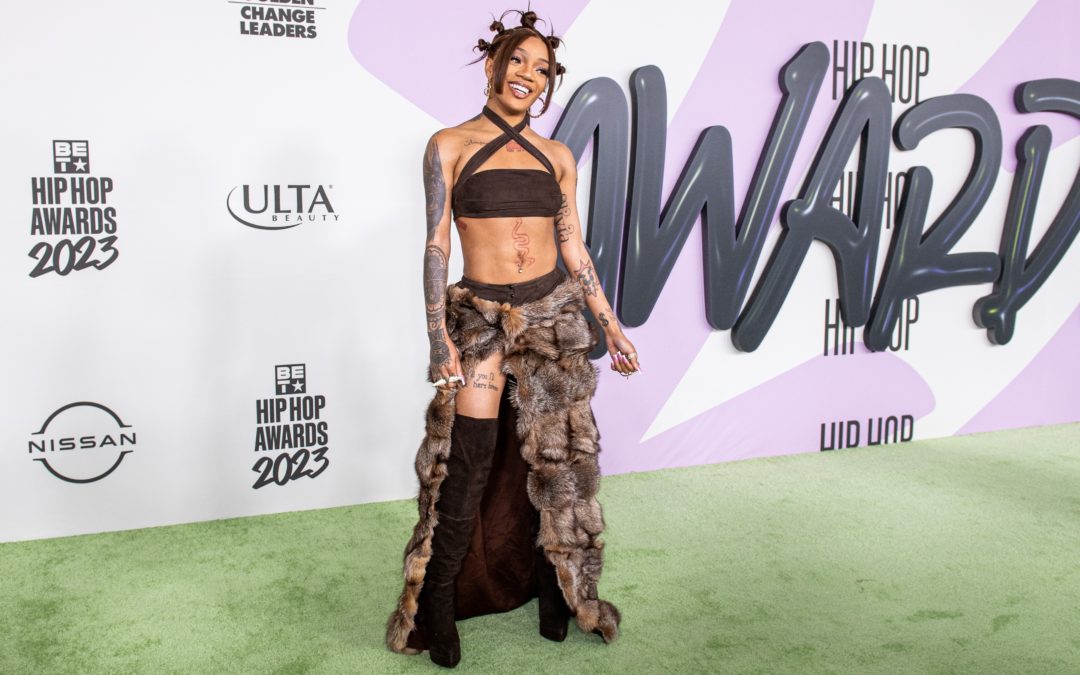
Chart-topping rap sensation GloRilla recently offered a glimpse into a significant personal transformation, one that pushed her willpower to its limits. In an intimate discussion with BET, the celebrated artist from Memphis detailed a month-long commitment to wellness, a deliberate endeavor aimed at revitalizing her physical and mental well-being. This comprehensive undertaking involved embracing various healthy practices, encompassing consistent exercise and consciously choosing to forgo the vibrant nightlife scene. However, among these positive changes, one particular element emerged as the most formidable obstacle she encountered: abstaining from alcohol.
GloRilla, widely recognized for her confident demeanor and captivating energy that permeates both her stage presence and her personal interactions, openly acknowledged that navigating an entire month without alcohol presented a more significant challenge than initially anticipated. “I would probably have to say that steering clear of drinks was the toughest part for me,” she confided. “It’s not even like I’m a heavy drinker. I rarely do shots, maybe once in a blue moon. My usual preference is just to leisurely sip on margaritas.”
Despite describing her typical alcohol consumption as moderate, the inherent social and professional dynamics of her thriving career amplified the difficulty of maintaining complete sobriety. “That particular month was incredibly busy for me – there was All-Star Weekend, the Super Bowl, a string of performances – my schedule was completely packed,” she explained. “Normally, in the moments leading up to a performance or a major event, I would typically have a little something to drink to help me relax and feel more at ease. But during this period, I had to approach everything with absolute mental clarity. No alcohol whatsoever.”
A Solitary Test Within a Public Spectacle
For many observers, the notion of a prominent figure in the entertainment industry temporarily abstaining from alcohol might not register as a particularly arduous feat. Yet, for an individual like GloRilla, whose professional life is intrinsically linked to high-octane performances, late-night gatherings, and a constant stream of public appearances, the challenge extended beyond the purely physical realm, delving into the complexities of mental fortitude.
The act of social drinking, particularly within the music industry‘s intricate social fabric, is often deeply ingrained in networking opportunities, celebratory occasions, and routine appearances. It forms a subtle yet pervasive aspect of the culture, the established patterns of behavior, and the unspoken rituals that govern many interactions. Declining a drink in such environments transcends simply resisting a personal craving; it involves resolutely standing one’s ground against a tide of social pressure, deviating from a widely accepted norm in a world that often struggles to accept the word “no.”
GloRilla’s commitment to wellness extended beyond merely eliminating alcohol. She meticulously crafted a structured plan for the entire month, envisioning it as a personal roadmap for self-improvement. Alongside her pledge of sobriety, her objectives included the completion of a book, consciously avoiding nightclubs, adhering to a fitness regimen of at least three gym sessions per week, and generally prioritizing activities that fostered self-care and personal growth. Demonstrating a spirit of inclusivity, she even encouraged her dedicated fanbase to embark on similar wellness journeys, igniting a wave of collective support and shared commitment across her online community.
However, regardless of the level of inspiration or the meticulousness of a personal wellness plan, temptations possess an uncanny ability to surface, particularly during large-scale social events such as the Super Bowl and All-Star Weekend, both of which are renowned for their lively parties, abundant drinking, and extensive entertainment offerings.
“It was particularly challenging during those events,” she admitted with candor, “because those are precisely the kinds of occasions where it seems like everyone is holding a drink. I had to be present and maintain my focus, fully aware that I couldn’t participate in the same way I normally would.”
Finding Resilience in Shared Experience
Interestingly, a significant factor that contributed to making the process more manageable for GloRilla was the comforting knowledge that she was not entirely alone in her endeavor. Inspired by her public commitment, several of her devoted fans decided to join her in her month of wellness. “There were a few people who actually did it alongside me,” she shared, “and honestly, that made it significantly easier. Knowing that you’re not the only one navigating the challenges provides a real boost to your resolve and helps you persevere.”
This shared experience of conscious restraint, even when practiced individually across different geographical locations, evolved into a silent yet potent form of mutual encouragement. For many of her followers, this was not simply an act of emulating a celebrity; it represented a genuine effort to realign their own habits and demonstrate solidarity in the face of personal challenges.
The concept of undertaking a fast or engaging in a detoxification period has gained increasing traction in recent years, not solely for its perceived physical benefits, but also for its potential to enhance mental clarity and focus. Whether the focus is on abstaining from food, alcohol, social media, or even disengaging from unhealthy relationships, these intentional breaks offer an opportunity for a personal reset – a chance to re-evaluate priorities, regain focus, and rejuvenate one’s energy.
And in GloRilla’s experience, it appears that this period of recalibration yielded positive results.
Addressing Speculation with Wit and Assurance
As her month of wellness progressed, observant fans began to notice a visible transformation in GloRilla – not only in her overall demeanor but also in her physical appearance. This led to a flurry of rumors circulating on social media platforms, with some speculating that she had undergone cosmetic surgery, specifically a Brazilian Butt Lift (BBL). Rather than reacting defensively or with frustration, GloRilla chose to address these allegations with her characteristic humor and cleverness.
In a video posted from the gym, she playfully addressed the rumors in her signature style. “I’ve been seeing all the chatter about the BBL,” she began with a broad grin. “So, I wanted to come on here and be completely honest with you all. I didn’t get a BBL. But I did receive some ‘discipline shots.'”
She then gestured to her dimples, laughing, “I had them inserted right here and right here. And they just radiate all the way through my brain. Just a few shots of pure discipline – and that’s the secret. That’s how you achieve a fabulous physique!”
Her lighthearted response not only effectively dispelled the unfounded gossip but also subtly underscored a more profound message: genuine results are often the product of dedicated effort and consistent discipline. The noticeable changes in her appearance were not attributable to surgical procedures but rather to her commitment to consistency, self-discipline, and a healthy dose of self-love.
Redefining Personal Accountability in the Public Eye
GloRilla’s narrative transcends the simple act of giving up alcohol or adhering to a gym routine; it delves into the realm of personal accountability in a contemporary world saturated with distractions. It highlights the importance of making conscious and intentional choices, even in moments when no one else is observing – or, in her unique situation, when the entire world is watching.
In a previous interview with Complex’s Jordan Rose, she had already alluded to this particular challenge. “It’s definitely hard to socialize with people and not indulge in a little bit of drinking,” she had admitted. And that single sentence encapsulates the underlying emotional tension that permeated her month-long commitment to sobriety.
Most individuals can readily identify with the sense of ease and comfort that alcohol can provide in social settings – it can help to smooth over social anxieties, calm frayed nerves, and, for many, offer a temporary respite from the pressures of daily life. However, for GloRilla, the conscious decision to abstain from alcohol represented a deliberate choice to embrace presence. It meant engaging with her own life without the aid of shortcuts, without the numbing effects of sedatives, and without the artificial filters that alcohol can sometimes impose.
And in making this conscious choice, she has not only embarked on a personal transformation but has also inadvertently become a relatable role model for countless individuals who are quietly navigating similar internal battles.
A Universal Message for Her Dedicated Following
In an era where celebrity culture often glorifies excess – whether it be an abundance of wealth, an extravagant lifestyle, relentless fame, or unrestrained indulgence – GloRilla’s focus on holistic wellness offers a refreshingly authentic perspective. It’s not a meticulously curated before-and-after narrative designed for glossy magazine spreads; rather, it’s a raw and honest portrayal of the small, often unglamorous, choices that collectively fuel genuine personal growth.
Her decision to share this personal journey publicly and to extend an invitation for her fans to participate reflects a broader trend of authenticity and vulnerability emerging among contemporary artists. Instead of meticulously constructing an unattainable image of perfection, she chose to open a window into her own experiences – sharing her struggles, her characteristic humor, and the genuine joy she found in even the smallest of victories.
And perhaps the most compelling aspect of her story is that she never presented herself as flawless. Her motivation was not driven by lucrative brand endorsements or the allure of a magazine cover. Her primary impetus was a deeply personal one, fueled by a desire for self-improvement and sustained by those metaphorical “discipline shots.”
Concluding Reflections
GloRilla’s month-long commitment to wellness may have been finite in duration, but its impact undoubtedly extends far beyond those thirty days. It serves as a powerful reminder that even amidst the chaos and demands of a high-profile life, it remains possible to reclaim a sense of control – one consciously declined drink, one completed workout, one disciplined choice made at a time.
In an industry that often prioritizes outward performance over inner peace, her deliberate decision to slow down, recalibrate, and prioritize her well-being is both courageous and, in its own way, revolutionary. It demonstrates that true strength is not solely measured by the volume of one’s voice or the intensity of one’s outward displays of confidence; it is also found in the quiet consistency of self-care practiced when the spotlight fades.

RECENT COMMENTS