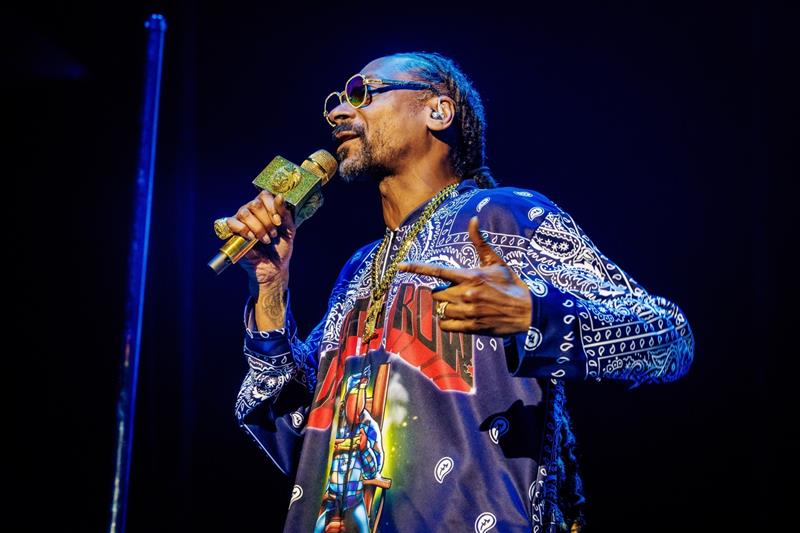
by Jonathan P-Wright | May 2, 2025 | Latest, Music News, New Music Alert |
Image credit: Ben Houdijk / Shutterstock.com
The seemingly disparate realms of West Coast hip-hop and Southern country music have, against conventional expectations, found a captivating point of intersection. This unexpected confluence has manifested in the form of “Gettin’ Gone,” a refreshingly laidback and genre-fluid track born from the collaboration between the iconic rap luminary Snoop Dogg and the ascendant Nashville country artist ERNEST. This intriguing musical partnership graces ERNEST’s forthcoming mixtape, “Cadillac Sessions,” hinting at a project that dares to defy genre boundaries and explore uncharted sonic territories.
ERNEST, a name rapidly gaining prominence within the Nashville songwriting and performing community, has already established himself as a significant force in contemporary country music. His songwriting prowess is evident in his collaborations with artists like Morgan Wallen, contributing to a string of chart-topping singles that have resonated deeply with audiences. On the other side of this compelling musical equation stands Snoop Dogg, a veritable institution in the hip-hop world. Beyond his legendary status as a rapper, Snoop has consistently demonstrated a willingness to venture beyond the confines of his primary genre. His forays into reggae under the moniker Snoop Lion, his explorations of gospel music, and even his unlikely yet endearing collaborations with Martha Stewart underscore a restless creative spirit and an openness to diverse sonic landscapes, solidifying his position as a global cultural icon unafraid of artisustic risk.
While the pairing of Snoop Dogg and a rising country artist might initially raise eyebrows, a closer examination reveals a surprising undercurrent of mutual respect and appreciation. Snoop Dogg himself has publicly acknowledged a long-standing affinity for country music, notably expressing admiration for the legendary Johnny Cash, whom he once lauded as his “main man” and a quintessential “real American gangster.” This shared appreciation for authenticity, the power of storytelling, and a certain rebellious spirit inherent in both hip-
hop and traditional country music renders their collaboration not as a contrived marketing ploy, but rather as a serendipitous alignment of artistic sensibilities.
An Unlikely Backstage Encounter Sparks a Musical Connection
The genesis of “Gettin’ Gone” was not orchestrated in a sterile boardroom but rather unfolded organically in the backstage milieu of a Jelly Roll concert. ERNEST, a self-professed admirer of hip-hop culture and ever the astute opportunist, seized the moment to engage in conversation with Snoop Dogg amidst the backstage bustle. Armed with a freshly recorded demo of “Gettin’ Gone,” ERNEST recognized a potential opportunity and boldly presented his musical offering.
Recounting the pivotal encounter with a touch of amusement, ERNEST explained, “I basically weaseled my way into Snoop’s green room. I was like, ‘Yo, can I play you a song I wrote last weekend?’ and he was just super chill—’Sure.’ I hit play, and he was vibing.” This initial positive reception paved the way for a direct exchange of contact information, laying the groundwork for a collaboration that would soon transcend the confines of that backstage meeting.
The song itself, “Gettin’ Gone,” had its genesis during a songwriting retreat held on ERNEST’s tour bus, in the company of esteemed country songwriting heavyweights Rhett Akins, Ben Hayslip, and Mark Holman. The initial concept revolved around the universal desire for escapism—whether a physical departure or a mental retreat—when the pressures of the world become overwhelming. This theme of seeking solace and respite resonates deeply within both country and rap traditions, albeit often explored through distinct lyrical and sonic lenses.
A mere couple of weeks after their chance encounter, ERNEST received a text message from Snoop Dogg that signaled more than just casual appreciation. It was an enthusiastic expression of interest in actively participating in the song. “He sent me this flood of emojis—blue hearts, fire, paw prints,” ERNEST described, interpreting the digital deluge as Snoop’s affirmative response: “Yeah, I’m down.” True to his word, Snoop swiftly recorded and delivered his verse in less than 48 hours. This rapid and enthusiastic engagement speaks volumes about the genuine connection and organic energy that fueled the collaboration, a refreshing departure from the often-calculated pace of the modern music industry.
Capturing the Vibe: Cadillac Cruising and Authentic Chemistry
The music video accompanying “Gettin’ Gone” masterfully captures the same relaxed and authentic vibe that permeates the track itself. Filmed against the backdrop of iconic Nashville landmarks, the visual narrative feels less like a meticulously scripted production
and more like an impromptu hangout between two artists from seemingly different worlds who find common ground in their shared passion for music. ERNEST and Snoop are seen cruising through the city in a classic Cadillac, making stops at local haunts and effortlessly trading verses, their camaraderie palpable and genuine.
“The chemistry was real,” ERNEST emphasized. “It wasn’t just like, ‘Hey, here’s your verse, and we’ll film you in a studio later.’ He was all in. He wanted to film the video. He wanted to vibe in the city.” One particularly memorable moment for ERNEST during the filming occurred while they were driving back to Castle Recording Studios. He decided to play Snoop Dogg’s timeless hit, “Gin and Juice.” The surreal experience of Snoop rapping along to his own iconic track, word for word, while the bass resonated through the Cadillac’s sound system, created a profound full-circle moment for ERNEST. “That was a childhood memory unfolding in real-time,” he reflected.
A Growing Trend: Genre Lines Blur in Modern Music
While some might view Snoop Dogg’s foray into country music as an unexpected detour, it is not entirely unprecedented. In recent years, Snoop and his longtime collaborator Dr. Dre have demonstrated an increasing interest in the evolving musical landscape of Nashville. Notably, they featured the burgeoning country sensation Jelly Roll on a track from their collaborative album, “Missionary,” released the previous year. Furthermore, earlier this year, they enlisted HARDY, a prominent figure in the country-rock scene, for a fresh reimagining of Snoop’s 1994 classic “Gin and Juice,” complete with an accompanying short film.
These instances are not isolated experiments but rather indicative of a broader trend in the music industry: the gradual erosion of rigid genre boundaries. The traditional walls separating Nashville’s country vocalists and hip-hop’s lyrical giants are becoming increasingly porous. Country artists are exploring covers of hip-hop tracks, while rappers are incorporating elements of folk music into their sonic palettes. We are entering an era where individual playlists, driven by personal taste, are gaining precedence over traditional genre classifications, and music enthusiasts are increasingly valuing authenticity over strict adherence to established labels.
More significantly, collaborations such as “Gettin’ Gone” serve to challenge preconceived notions and foster connections across generational and cultural divides. ERNEST and Snoop Dogg, while originating from distinct backgrounds and musical traditions, find common ground at the intersection of creative expression, rhythmic innovation, and genuine soulfulness.
“Cadillac Sessions”: A Launchpad for Southern Sound and Collaboration
“Gettin’ Gone” serves as a compelling precursor to ERNEST’s upcoming “Cadillac Sessions” mixtape, a project that extends beyond his own artistic endeavors to spotlight a new wave of emerging talent nurtured under his own label, DeVille Records, a partnership with Big Loud Records.
“This project is all about spotlighting a new wave of talent coming out of the South,” ERNEST elaborated. “I’m collaborating with guys like Cody Lohden, Chandler Walters, and Rhys Rutherford. These aren’t just features—they wrote their own songs. They’re authentic, they’re storytellers, and they represent the next generation of Nashville.”
Each artist featured on the mixtape hails from a different corner of the American South—Rhys from Nashville itself, Chandler from Georgia, and Cody from Kentucky. This geographical diversity imbues the project with a rich tapestry of styles and thematic explorations, while maintaining a cohesive grounding in Southern identity and ethos. ERNEST’s vision for “Cadillac Sessions” extends beyond simply creating music; it encompasses the ambition to cultivate a supportive community and establish a lasting legacy for these emerging voices.
While the title “Gettin’ Gone” might conjure images of escaping on open highways, ERNEST offers a more nuanced perspective on finding moments of respite in his adopted home of Nashville. When asked about his preferred local spots for unwinding, his answer reveals a refreshingly down-to-earth sensibility.
“Either Troubadour Golf Course out in College Grove or Losers in Midtown,” he shared. “But honestly, sometimes I be gettin’ gone while I work at the office.”
This sentiment encapsulates the core essence of “Gettin’ Gone.” It transcends the literal act of physical departure, delving into the realm of mental reprieve, a temporary detachment from expectations, and the freedom to simply be oneself. Whether it’s the familiar comfort of a local dive bar or the expansive tranquility of a driving range, the specific location is secondary to the liberating energy it provides.
Snoop Dogg’s participation in a country music project sends a significant signal throughout the music industry, indicating a broader cultural shift. Audiences are increasingly receptive to genre-bending sounds, embracing musical fusions that defy traditional categorization. The willingness of artists to collaborate across genre lines reflects a growing appreciation for authenticity and a desire to connect with diverse audiences.
More importantly, collaborations like “Gettin’ Gone” challenge ingrained stereotypes and foster connections across generational and cultural divides. ERNEST and Snoop Dogg, while originating from distinct backgrounds and musical traditions, find common ground in their shared commitment to expressive storytelling, rhythmic innovation, and genuine soulfulness.
In conclusion, “Gettin’ Gone” is more than just a novelty track; it serves as a potent reminder of the creative possibilities that emerge when artists disregard artificial industry barriers and simply create from a place of genuine inspiration. It underscores the notion that music, when infused with sincere respect and unwavering passion, possesses the remarkable ability to transcend genre limitations and geographical boundaries.
ERNEST’s audacious move of approaching a legendary figure like Snoop Dogg backstage with a demo, and subsequently forging a collaborative partnership, embodies the kind of bold, spontaneous action that often lies at the heart of the most compelling musical narratives. And Snoop Dogg’s enthusiastic embrace of this unexpected collaboration, lending his iconic voice to a country track and immersing himself in the Nashville experience, stands as a testament to his continued evolution as a cultural bridge-builder. If “Cadillac Sessions” lives up to the promising precedent set by “Gettin’ Gone,” ERNEST may well be on the cusp of not just releasing a mixtape, but potentially igniting a transformative movement within the landscape of contemporary country music.

by Jonathan P-Wright | Apr 25, 2025 | Music News |
Photo by Wesley Tingey on Unsplash
A significant chapter in the long-standing discord between Ali, a former member of the St. Lunatics, and the prominent hip-hop artist Nelly has seemingly concluded with Ali’s withdrawal of his substantial $50 million lawsuit. This legal action had cast a shadow over the legacy of the group and Nelly’s early success. However, despite this dismissal, the legal maneuvering appears far from over, as Nelly’s legal representatives are actively urging the court to maintain jurisdiction over the matter, hinting at potential future legal repercussions for Ali.
The Lawsuit That Shook the Foundation of the St. Lunatics
The contentious lawsuit, initiated in the year 2023, centered on allegations that Nelly had neglected to provide due royalty payments to his fellow St. Lunatics collaborators for their contributions to his groundbreaking 2000 album, “Country Grammar.” This album proved to be a monumental commercial triumph, propelling Nelly to international stardom and firmly establishing him as a dominant force in mainstream hip-hop. With sales exceeding 10 million copies within the United States alone, “Country Grammar” remains etched in history as one of the best-selling rap albums of all time, a testament to its widespread appeal and enduring popularity.
Ali, who has long asserted his role as the principal founder of the St. Lunatics, initiated the legal proceedings on behalf of the entire group. His claim asserted that the collective efforts and creative input of the group members on “Country Grammar” went largely unacknowledged and financially unrewarded. The lawsuit sought a staggering $50 million in financial redress, reflecting the perceived magnitude of the alleged injustice and the immense commercial success that Nelly had achieved, largely on the back of this pivotal album.
However, the foundation of Ali’s legal challenge began to erode relatively quickly. Crucially, several key members of the St. Lunatics, including prominent figures like Murphy Lee, City Spud, and Kyjuan, publicly distanced themselves from the legal action shortly after its inception. These members explicitly stated that they had not granted Ali any authorization to pursue legal action on their behalf, thereby creating a significant internal rift within the group. This division extended beyond the conflict between Ali and Nelly, fracturing the unity of the St. Lunatics and adding layers of complexity to an already sensitive situation. The public disavowal by these key members significantly weakened Ali’s position and cast doubt on the legitimacy of his claim as representing the collective grievance of the group.
Legal Maneuvering and the Subsequent Dismissal
According to reports from Billboard, Ali officially and voluntarily withdrew his lawsuit on April 10, 2024. This action might have initially appeared to signal a resolution to the protracted dispute, offering a sense of closure to this particular legal entanglement. However, Nelly’s legal team has demonstrated a clear intention not to let the matter rest without a formal response and potential counter-action. In their subsequent court filings, Nelly’s attorneys vehemently characterized Ali’s lawsuit as “frivolous” and argued that it was legally “time-barred,” suggesting that the claim lacked any substantial legal basis and was initiated well beyond the permissible statute of limitations. They further contended that the primary motivation behind the lawsuit was not a genuine pursuit of justice but rather an attempt to inflict financial and legal burdens upon Nelly, disrupting his professional and personal life.
Nelly’s legal representatives have strongly urged the court to retain its jurisdiction over the case, even in light of Ali’s withdrawal. This strategic move is aimed at enabling them to potentially pursue sanctions against Ali and his legal counsel. They argue that Ali’s legal team engaged in what they describe as a “frivolous campaign” with the explicit objective of compelling Nelly to expend significant financial resources in defending against what they maintain was a baseless and outdated claim. In their formal request to the court, Nelly’s lawyers stated, “Plaintiff’s counsel succeeded in its frivolous campaign aimed at forcing [Nelly] to spend money defending Plaintiff’s ridiculous time-barred claim. The Court is respectfully requested to retain jurisdiction and set a briefing and hearing schedule for [potential sanctions].”
Essentially, while Nelly is no longer facing the immediate legal threat posed by Ali’s withdrawn lawsuit, he and his legal team are determined to ensure that those they believe were responsible for initiating what they consider to be a groundless legal action are held accountable for their actions. The underlying aim of this pursuit of sanctions appears to be twofold: firstly, to potentially recover some of the financial costs and time lost in navigating the legal proceedings, and secondly, to serve as a deterrent against similar legal actions in the future, discouraging others from pursuing what Nelly’s team perceives as meritless claims. This counter-offensive underscores the lingering animosity and the potential for further legal skirmishes despite the initial dismissal.
The Genesis of the Rift: Unpacking the Underlying Issues
Ali’s grievances against Nelly are far from being a recent development. The underlying conflict appears to be deeply entrenched and intensely personal, stemming from years of what Ali perceives as unaddressed frustrations and fundamental breaches of trust. In a revealing 2023 interview with VladTV, Ali articulated his strong feelings of resentment towards Nelly, expressing profound bitterness over what he described as two decades of consistent disrespect and broken promises. His words painted a picture of a relationship marred by a significant power imbalance and a lack of mutual regard.
During this candid interview, Ali employed a vivid metaphor to illustrate his long-held perception of Nelly’s character, stating, “A tiger ain’t never gonna change his stripes. I watched it for 20 years and I’m the butt of the joke because it took me 20 years to realize it.” This statement encapsulates Ali’s sense of prolonged disillusionment and the feeling that he was consistently underestimated or treated unfairly over an extended period. He further declared that he would “never, ever” perform alongside Nelly again, emphasizing the deep emotional and financial toll that their past interactions had taken on him. This resolute statement underscored the seemingly irreparable nature of their fractured relationship and the profound impact of their history on Ali’s present stance.
Ali did not shy away from directly questioning Nelly’s motivations and intentions, expressing a starkly negative assessment of his character. “He has no real, raw good intentions for others,” Ali asserted, his words laden with disappointment and a sense of betrayal. He specifically extended this negative assessment to his former St. Lunatics colleagues, stating, “Not for us… He got $50 million, I’m happy for him. That’s what he wants. He wants a billion.” These strong pronouncements reveal a deep-seated belief that Nelly’s pursuit of individual success came at the expense of his loyalty to the group and his genuine concern for their well-being.
These are not merely the words of a disgruntled former collaborator expressing professional disappointment. Instead, they convey the profound sense of personal betrayal felt by someone who once shared a close bond and collective aspirations with Nelly. For Ali, the core issue transcends mere financial compensation or recognition for past contributions; it delves into fundamental principles of loyalty, the sanctity of friendship, and the true meaning of brotherhood within the often cutthroat and complex landscape of the music business. His statements highlight the emotional undercurrents that fueled the lawsuit and continue to shape his perspective on his relationship with Nelly and the trajectory of the St. Lunatics.
A Retrospective of Conflict and the Gradual Separation
To fully comprehend the depth and complexity of the current fractured relationship between Ali and Nelly, it is essential to delve into the formative years of the St. Lunatics and trace the trajectory of their journey. Ali has consistently maintained that he was the pivotal figure in the establishment of the group, which came into existence in 1993 within their shared hometown of St. Louis, Missouri. In a detailed and emotionally charged Instagram post dating back to 2021, Ali provided his personal account of the group’s origins, its initial unity, and its subsequent gradual disintegration.
In his recollection, Ali asserted that his role extended beyond mere founding; he also took on a mentorship capacity, guiding and nurturing the rapping skills of the other members, including Nelly, during their formative years. He recounted a pivotal moment early in their collective journey when he was presented with an opportunity for a solo recording contract. However, driven by a strong sense of loyalty and commitment to the group’s collective aspirations, Ali claimed that he declined this individual offer, choosing instead to prioritize their shared pursuit of success as the St. Lunatics. This decision, in his narrative, underscores his initial dedication to the group’s unity and his belief in their collective potential.
However, the narrative takes a significant turn when Ali recounts a parallel situation involving Nelly. According to Ali’s account, when Nelly was presented with a similar solo opportunity, the outcome was markedly different. Ali alleged that Nelly accepted the solo deal and, in doing so, effectively began to distance himself from the rest of the group. This divergence in their paths and decisions marked a critical juncture in the history of the St. Lunatics, sowing the seeds of future conflict and resentment.
Ali’s 2021 Instagram post vividly describes this turning point, stating, “Fast forward to 1999. Ma$e’s manager at the time, Cudda, was introduced to us… and he immediately started separating the group. He wanted Nelly and City Spud. They left with Cudda and went to Harlem. The separation became the reality. They had left.” The starkness of this account highlights Ali’s perception of a deliberate act of separation, orchestrated by an external influence that recognized Nelly’s individual potential.
The tone of Ali’s message in this post is palpable with both lingering pain and deep-seated resentment. He articulated the feelings of the remaining group members, writing, “We — the rest of the group — felt hustled. We were *1 until the opportunity was presented to be *2… They hustled us.” This powerful word choice conveys a profound sense of betrayal and the feeling of being manipulated or left behind as Nelly’s individual star began to ascend. Ali’s narrative paints a picture of a group that was once unified in its aspirations but ultimately fractured by the allure of individual success and the perceived abandonment of collective loyalty.
The Broader Context: Navigating Fame, Loyalty, and the Price of Achievement
The intricate and often acrimonious feud between Ali and Nelly transcends their personal dynamic, tapping into a more pervasive and complex issue within the music industry, particularly within the realm of hip-hop: the inherent tension between the pursuit of individual ambition and the maintenance of group solidarity. The history of hip-hop is replete with examples of groups that initially rose to prominence as cohesive units but subsequently fractured under the immense pressures and temptations that accompany fame and financial success. As individual creative visions begin to diverge, personal egos potentially inflate, and the bonds of loyalty are rigorously tested, the initial unity of a group can often unravel, sometimes with devastating and long-lasting consequences for all involved.
In the specific case of the St. Lunatics, their journey exemplifies this common trajectory. What began as a close-knit collective of friends sharing a common dream of achieving musical recognition and putting their hometown of St. Louis on the map eventually succumbed to the divisive forces that often accompany significant success. While Nelly ascended to become a globally recognized and commercially successful artist, the remaining members of the group did not attain the same level of widespread acclaim and financial prosperity. This disparity in their individual outcomes likely served as a significant catalyst, fueling long-standing feelings of resentment, marginalization, and a sense of injustice among those who felt left behind as one of their own soared to unprecedented heights.
Ali’s decision to pursue legal action, despite the challenges and the lack of unified support from his other former group members, can be interpreted as an attempt to reclaim a sense of justice, to gain recognition for past contributions that he felt were undervalued, or perhaps simply to voice a long-simmering sense of grievance. However, the subsequent lack of support from key figures within the St. Lunatics and the decidedly harsh and dismissive response from Nelly’s formidable legal team underscore the fact that not everyone within the group shared Ali’s perspective on the situation or agreed with his chosen method of addressing these long-standing issues. This internal division further complicates the narrative and highlights the multifaceted nature of their fractured relationships.
Looking Ahead: Uncertainties and Lingering Questions
With Ali’s lawsuit now officially withdrawn from the legal arena, the immediate question that arises is: what potential developments lie ahead in this ongoing saga?
For Nelly, the primary focus in the immediate aftermath of the dismissal is whether the presiding court will grant his legal team’s request to proceed with considering sanctions against Ali. Nelly’s lawyers have vehemently argued that Ali’s lawsuit constituted a misuse of the legal system, initiated without merit and for the purpose of causing financial and legal distress. If the court ultimately grants these sanctions, it could impose significant financial penalties on Ali for pursuing what is deemed to be a frivolous claim. Furthermore, such a ruling could potentially establish a precedent for how similar disputes within the music industry are handled in the future, sending a message about the potential consequences of pursuing unsubstantiated legal action against more established artists.
For Ali, the decision to drop the lawsuit, while seemingly bringing an end to one particular chapter of this conflict, does not necessarily signify the end of his grievances or his pursuit of some form of resolution. The larger and more fundamental conversation surrounding issues of fairness, proper credit attribution, and equitable compensation within the often-complex and sometimes exploitative landscape of the music industry remains a significant and unresolved issue. Whether Ali chooses to explore alternative legal avenues, to continue his public discourse on the matter, or to seek resolution through private channels remains uncertain. His next steps will likely be closely watched by those familiar with the long and often bitter history of the St. Lunatics.
One undeniable truth that emerges from this protracted dispute is that the emotional and relational wounds between Nelly and Ali, and perhaps extending to the broader legacy of the St. Lunatics as a whole, are far from being fully healed. What initially began as a shared and hopeful dream of putting their St. Louis roots firmly on the national musical map has, over time, devolved into a cautionary narrative. It serves as a stark reminder of how the immense pressures and complexities of achieving significant success can sometimes lead to division and discord, rather than fostering enduring unity and shared prosperity. The story of the St. Lunatics, once a symbol of local talent and collective ambition, now carries a bittersweet undercurrent, tinged with the complexities of fractured relationships and unresolved grievances.
Concluding Reflections
This protracted and emotionally charged legal battle serves as a poignant reminder that beneath the surface of hit records, widespread fame, and the often-glamorous public personas of artists, the music industry is frequently characterized by intricate personal histories, deeply rooted unresolved conflicts, and the enduring challenges of navigating success and maintaining interpersonal relationships. The legal skirmish between Nelly and Ali may have reached a temporary lull with the withdrawal of the lawsuit, but the underlying emotional tensions and the fundamental issues that fueled the conflict continue to simmer beneath the surface.
For the dedicated fans who fondly remember the early days of the St. Lunatics and still enjoy the infectious energy of “Country Grammar,” this ongoing saga presents a bittersweet reality. While the iconic album continues to resonate in clubs and on nostalgic playlists, its backstory is now inextricably linked with tales of legal battles, accusations of betrayal, and the painful fracturing of a once-promising collective. It serves as a sobering reminder that even the brightest and most celebrated moments in the world of music can sometimes be shadowed by darkness and the complexities of human relationships under the intense pressures of fame and fortune.

by Jonathan P-Wright | Feb 21, 2025 | Latest, Music News, New Music Alert |
In the ever-evolving landscape of pop music, few artists have managed to capture the hearts of millions quite like Ariana Grande. Her journey through the industry has been marked by both triumphs and tribulations, but it’s her resilience and ability to channel her experiences into art that truly sets her apart. In a recent revelation, the pop sensation opened up about how her album ‘Thank U, Next’ served as a crucial lifeline during one of the most challenging periods of her life.
The Grammy-winning artist’s candid discussion with The Hollywood Reporter’s Awards Chatter podcast shed light on the profound impact that creating and releasing ‘Thank U, Next’ had on her mental health and overall well-being. This article delves deep into Grande’s journey, exploring the circumstances that led to the album’s creation, its significance in her career, and the broader implications for artists using their craft as a form of therapy.
The Genesis of ‘Thank U, Next’
Ariana Grande’s musical journey has been nothing short of extraordinary, with each album marking a significant milestone in her career. However, the creation of ‘Thank U, Next’ stands out as a particularly poignant chapter in her story.
The pop star’s work ethic and creative output have always been impressive, but the release of ‘Thank U, Next’ in February 2019, just six months after her previous album ‘Sweetener’ hit the shelves in August 2018, was unprecedented. This quick turnaround raised eyebrows in the industry and among fans, prompting questions about the driving force behind such a prolific period.
Personal Turmoil as Catalyst
Grande’s life in the months leading up to and during the creation of ‘Thank U, Next’ was marked by a series of deeply personal and traumatic events. The artist found herself grappling with the aftermath of the Manchester Arena bombing in May 2017, an incident that left her struggling with PTSD and had a profound impact on her psyche.
Adding to her emotional burden, Grande experienced the heartbreaking loss of her ex-boyfriend, Mac Miller, in September 2018. This tragedy occurred just weeks after the release of ‘Sweetener’, casting a shadow over what should have been a celebratory time in her career.
The End of a High-Profile Engagement
In October 2018, Grande’s personal life once again made headlines with the end of her engagement to comedian Pete Davidson. The very public nature of their whirlwind romance and subsequent breakup added another layer of complexity to an already challenging time for the singer.
It was against this backdrop of personal struggles and public scrutiny that Grande turned to her music as a form of solace and self-expression. The creation of ‘Thank U, Next’ became more than just a professional endeavor; it transformed into a vital coping mechanism and a means of processing her experiences.
The Therapeutic Power of Creativity
Ariana Grande’s experience with ‘Thank U, Next’ serves as a powerful testament to the healing potential of artistic expression. The album became a conduit for her emotions, allowing her to channel her pain, grief, and anxiety into something tangible and beautiful.
In her conversation with Scott Feinberg on the Awards Chatter podcast, Grande emphasized the crucial role that creating ‘Thank U, Next’ played in her recovery. She described the album as a “remedy” during what she termed “dark times”, highlighting how the process of writing and recording music contributed significantly to her mental health.
Dealing with Complex Emotions
Grande openly discussed her struggles with PTSD, grief, depression, and anxiety during this period. While she was actively seeking professional help and taking her mental health seriously, she found that incorporating music into her healing process was instrumental in her recovery.
The singer described the creation of ‘Thank U, Next’ as an urgent process, with the music “pouring out” of her. This sense of urgency reflected her deep-seated need to express and process her emotions through her art, underscoring the album’s role as a form of emotional catharsis.
Grande’s decision to release ‘Thank U, Next’ so soon after ‘Sweetener’ was met with some hesitation from her label. However, the artist stood firm in her conviction that this album was necessary for her personal well-being, prioritizing her emotional needs over industry conventions.
The Impact of ‘Thank U, Next’
The release of ‘Thank U, Next’ marked a significant moment not only in Ariana Grande‘s personal journey but also in her professional career. The album’s impact was felt both in terms of its commercial success and its cultural resonance.
‘Thank U, Next’ debuted at the top of the Billboard 200 chart, maintaining its position for two consecutive weeks. This achievement was a testament to both the quality of the music and the deep connection it forged with listeners.
A Record-Breaking Title Track
The album’s title track, “Thank U, Next”, became a cultural phenomenon in its own right. The single dominated the Billboard Hot 100 chart for an impressive seven weeks, cementing its status as one of Grande’s most successful and iconic songs to date.
Beyond its commercial success, ‘Thank U, Next’ received widespread critical acclaim. Music critics praised Grande’s vulnerability, vocal prowess, and the album’s cohesive narrative, which skillfully balanced personal introspection with catchy pop melodies.
The album represented a new level of artistic maturity for Grande. It showcased her ability to transform personal hardships into relatable, empowering music, further solidifying her position as one of her generation’s most influential pop artists.
The Sweetener World Tour
Following the release of both ‘Sweetener’ and ‘Thank U, Next’, Ariana Grande embarked on the Sweetener World Tour in 2019. This tour served as a triumphant celebration of both albums and marked Grande’s return to the stage after a period of personal challenges.
The Sweetener World Tour was unique in that it featured material from both ‘Sweetener’ and ‘Thank U, Next’, allowing fans to experience the evolution of Grande’s artistry over a relatively short period.
Throughout the tour, Grande delivered emotionally charged performances that resonated deeply with her audience. The concerts became a space for collective healing, with fans and artist alike finding solace and joy in the music.
A Testament to Resilience
The success of the Sweetener World Tour stood as a powerful testament to Grande’s resilience. Her ability to return to the stage and connect with her fans on such a profound level after experiencing significant trauma was widely admired and celebrated.
The tour’s global reach allowed Grande to share her message of hope and healing with fans around the world, further cementing her status as an international pop icon.
The Artistic Process Behind ‘Thank U, Next’
The creation of ‘Thank U, Next’ was a unique and intense process for Ariana Grande, driven by an urgent need for self-expression and healing. Understanding the artistic choices and creative decisions behind the album provides insight into its profound impact.
While the album was deeply personal to Grande, she worked closely with a team of trusted collaborators, including producers and songwriters who understood her vision and emotional state.
One of the defining features of ‘Thank U, Next’ is its raw, honest lyrics. Grande didn’t shy away from addressing her experiences directly, tackling themes of loss, love, and self-discovery with remarkable candor.
The album showcased Grande’s evolving musical style, blending pop, R&B, and trap influences to create a sound that was both fresh and distinctly her own.
The urgency Grande felt in creating the album translated into a rapid production process. This intensity is palpable in the final product, giving the songs an immediate and visceral quality.
The Cultural Impact of ‘Thank U, Next’
Beyond its personal significance for Ariana Grande, ‘Thank U, Next’ made a substantial impact on pop culture and the music industry as a whole.
The quick release of ‘Thank U, Next’ after ‘Sweetener’ challenged traditional notions of album cycles in the music industry, paving the way for more flexible and artist-driven release strategies.
Empowering Narratives
The album’s themes of self-love, resilience, and growth resonated strongly with listeners, particularly young women, who found empowerment in Grande’s honest portrayal of her experiences.
Several songs from the album, particularly the title track, spawned viral moments and memes, further embedding the album in popular culture.
The critical and commercial success of ‘Thank U, Next’ led to numerous award nominations and wins, including Grammy nominations, solidifying its place as one of the most significant pop albums of its time.
Ariana Grande’s Evolution as an Artist
The creation and release of ‘Thank U, Next’ marked a significant evolution in Ariana Grande’s artistry, showcasing her growth not only as a musician but also as a person navigating the complexities of fame and personal tragedy.
Throughout the process of creating ‘Thank U, Next’, Grande asserted more creative control than ever before, making decisions that prioritized her artistic vision and emotional well-being over industry expectations.
Vocal Maturity
The album highlighted Grande’s vocal prowess, with many critics noting the maturity and emotional depth in her performances.
‘Thank U, Next’ saw Grande delve deeper into her songwriting, crafting lyrics that were more personal and introspective than in her previous works.
The album showcased Grande’s ability to seamlessly blend different musical genres, creating a sound that was uniquely her own while still appealing to a broad audience.
The Role of Music in Mental Health
Ariana Grande’s experience with ‘Thank U, Next’ highlights the significant role that music can play in mental health and emotional healing.
For many artists, the process of creating music serves as a form of therapy, allowing them to process and express complex emotions in a constructive way.
By sharing her struggles through her music, Grande created a space for fans to connect with their own experiences of loss, anxiety, and resilience.
Grande’s openness about her mental health struggles has contributed to broader conversations about mental health in the entertainment industry and beyond.
For both artists and listeners, music can serve as a powerful coping mechanism during difficult times, providing comfort, catharsis, and a sense of connection.
Lessons from ‘Thank U, Next’
The story behind ‘Thank U, Next’ offers valuable lessons about resilience, creativity, and the healing power of art.
Grande’s willingness to be vulnerable in her music demonstrates the power of authenticity in art and its ability to forge deep connections with an audience.
The creation of the album underscores the importance of prioritizing mental health and finding healthy outlets for processing trauma and emotions.
Grande’s decision to release the album on her own timeline, despite industry norms, highlights the importance of artists having agency over their work and career decisions.
‘Thank U, Next’ stands as a testament to the ability of art to transform pain into beauty, offering hope and healing not just for the artist but for countless listeners as well.
Conclusion
Ariana Grande’s journey with ‘Thank U, Next‘ is a powerful reminder of the healing potential of music and the resilience of the human spirit. In transforming her personal struggles into art, Grande not only found a path through her own dark times but also created a beacon of hope for millions of fans around the world.
The album’s success, both commercially and as a tool for personal healing, underscores the profound impact that honest, vulnerable artistry can have. It stands as a testament to Grande’s strength as an artist and as an individual, marking a pivotal moment in her career and in pop culture at large.
As we reflect on the significance of ‘Thank U, Next’, it’s clear that its impact extends far beyond the realm of pop music. It serves as an inspiration for artists and individuals alike, encouraging us to face our challenges head-on, to find creative outlets for our pain, and to emerge stronger on the other side.
In the end, ‘Thank U, Next’ is more than just an album – it’s a powerful statement about the human capacity for growth, healing, and transformation in the face of adversity. Ariana Grande’s openness about her journey has not only enriched her artistry but has also contributed to important conversations about mental health, resilience, and the power of creative expression in our lives.

by Jonathan P-Wright | Feb 7, 2025 | Latest, Music News, New Music Alert |
Photo by israel palacio on Unsplash
Atlanta-based rap sensation Lil Baby dropped a bombshell that has sent ripples through the music industry. The chart-topping artist revealed his initial reluctance to release his third studio album, “It’s Only Me,” citing a lack of personal connection with the tracks and an unfavorable mental state during its creation. This unexpected disclosure sheds new light on the album’s journey from studio to streaming platforms, offering fans and critics alike a rare glimpse into the inner workings of a major music release.
The revelation comes as a surprise to many, given the commercial success of “It’s Only Me.” The album, which debuted at the coveted No. 1 spot on the Billboard 200 chart, showcased Lil Baby’s continued dominance in the rap scene. However, the artist’s recent comments suggest that commercial triumph doesn’t always align with artistic satisfaction, prompting a deeper exploration of the creative process and the pressures faced by artists in today’s fast-paced music industry.
As we delve into the intricacies of Lil Baby’s confession, we’ll examine the various factors that contributed to his hesitation, the role of his record label in the album’s release, and the broader implications for artists navigating the delicate balance between commercial expectations and creative integrity. This article aims to provide a comprehensive analysis of the situation, offering insights into the challenges faced by modern musicians and the complex dynamics at play in the world of hip-hop and beyond.
The Unexpected Confession
Lil Baby’s confession paints a picture of an artist grappling with the pressures of fame and the expectations placed upon him. He admitted that at the time of the album’s creation, he wasn’t in the right frame of mind to produce music that truly resonated with him. This revelation offers a rare glimpse into the mental and emotional challenges faced by artists at the peak of their careers.
The rapper’s honesty in expressing his dissatisfaction with the album is particularly noteworthy, given the project’s impressive commercial performance. “It’s Only Me” debuted at the top of the Billboard 200 chart, a testament to Lil Baby’s popularity and influence in the hip-hop landscape. However, his recent comments suggest that chart success doesn’t always equate to artistic fulfillment.
This unexpected disclosure raises important questions about the nature of creativity in the music industry and the potential disconnect between an artist’s vision and the final product that reaches the public. It also highlights the complex relationship between commercial success and artistic integrity, a balance that many musicians struggle to maintain throughout their careers.
The Creative Process and Mental State
Delving deeper into Lil Baby’s revelations, it becomes clear that his mental state played a crucial role in his dissatisfaction with “It’s Only Me.” The artist candidly shared that he wasn’t in the right “headspace” during the album’s creation, a factor that significantly impacted his connection to the music he was producing.
This admission sheds light on the often-overlooked aspect of an artist’s mental well-being and its influence on their creative output. Lil Baby’s experience underscores the importance of being in the right frame of mind when crafting music, especially for an album that would be scrutinized by millions of fans and critics alike.
The rapper’s comments suggest that the songs on “It’s Only Me” were created more out of obligation than inspiration. He described them as tracks he was “just making,” rather than pieces of art he truly loved or even liked. This disconnect between the artist and his work raises questions about the pressures faced by musicians to consistently produce content, even when they may not feel creatively inspired.
Lil Baby’s honesty about his mental state during the album’s creation also opens up a broader conversation about mental health in the music industry. It highlights the need for artists to have the space and support to prioritize their well-being, even in the face of commercial demands and expectations.
The artist’s experience serves as a reminder that the creative process is deeply personal and can be significantly affected by an individual’s mental and emotional state. It also challenges the notion that successful artists are always in a state of creative flow, revealing the very human struggles that can occur behind the scenes of even the most commercially successful projects.
Label Pressure and Artist Autonomy
One of the most intriguing aspects of Lil Baby’s revelation is the role his record label, Quality Control Records, played in the release of “It’s Only Me.” The artist disclosed that there was a “back and forth” with the label, which ultimately pushed for the album’s release despite his reservations.
This situation highlights the often complex and sometimes contentious relationship between artists and their labels. While record companies invest significant resources in their artists and have a vested interest in releasing new music, this can sometimes conflict with an artist’s creative vision or personal readiness to share their work.
Lil Baby’s experience raises important questions about artist autonomy in the music industry. How much control should artists have over when and what they release? At what point does label pressure become detrimental to the artistic process? These are complex issues that many musicians grapple with throughout their careers.
The rapper’s admission that he would have never dropped “It’s Only Me” if it were solely up to him underscores the potential disconnect between an artist’s desires and the commercial realities of the music business. It also highlights the challenges faced by established artists who may feel pressure to maintain their momentum and meet fan expectations, even when they don’t feel creatively fulfilled.
This situation serves as a reminder of the delicate balance that must be struck between commercial interests and artistic integrity. While labels play a crucial role in an artist’s success, providing resources, promotion, and industry expertise, it’s equally important to consider the long-term implications of pushing an artist to release work they’re not fully satisfied with.
Lil Baby’s candid discussion of these behind-the-scenes negotiations offers fans and industry observers alike a rare glimpse into the decision-making processes that shape the music we hear. It also opens up a broader conversation about how the industry can better support artists’ creative processes while still meeting business objectives.
Commercial Success vs. Artistic Satisfaction
The case of Lil Baby’s “It’s Only Me” presents a fascinating dichotomy between commercial success and artistic satisfaction. Despite the rapper’s personal misgivings about the album, it achieved remarkable commercial success, debuting at No. 1 on the Billboard 200 chart and amassing impressive streaming numbers.
This disparity raises intriguing questions about the metrics by which we measure an album’s success. While chart positions and streaming figures are undoubtedly important indicators of an album’s reach and popularity, Lil Baby’s experience suggests that these metrics don’t always align with an artist’s personal satisfaction or artistic vision.
The album’s commercial triumph, including earning 216,000 album-equivalent units in its first week and generating nearly 289 million official streams, stands in stark contrast to Lil Baby’s admitted dislike for many of the songs. This situation highlights the complex nature of success in the music industry, where critical acclaim, commercial performance, and artistic fulfillment don’t always go hand in hand.
It’s worth considering how this disconnect between commercial success and artistic satisfaction might impact an artist’s career in the long term. While hit albums can cement an artist’s status and expand their fan base, creating work that doesn’t resonate personally could potentially lead to burnout or a sense of artistic compromise.
Moreover, this situation raises questions about audience perception. How might fans react to learning that an album they’ve embraced and streamed millions of times was one the artist himself wasn’t particularly fond of? This revelation could potentially alter the way listeners engage with the music, adding an extra layer of complexity to the artist-fan relationship.
The “It’s Only Me” scenario also prompts reflection on the pressure artists face to consistently deliver commercially successful projects. In an industry where streaming numbers and chart positions often drive decision-making, there’s a risk that artistic growth and experimentation might be stifled in favor of formulaic approaches known to perform well commercially.
The Impact on Future Projects
Lil Baby’s candid revelations about “It’s Only Me” not only shed light on his past work but also hint at potential shifts in his approach to future projects. The artist’s experience with this album seems to have sparked a period of reflection and reevaluation, which could significantly influence his creative process moving forward.
In his interview, Lil Baby mentioned that he’s now on a “whole different process,” suggesting a potential change in how he approaches his music-making. This statement indicates that the rapper may be seeking ways to align his artistic vision more closely with the music he releases, potentially leading to a more authentic and personally satisfying body of work in the future.
The artist’s newfound perspective might also impact his relationship with his record label. Having experienced the disconnect between his personal feelings about the album and the label’s push for its release, Lil Baby may seek to establish clearer boundaries or negotiate for more creative control in future projects. This could lead to interesting developments in how he navigates the often-complex artist-label dynamic.
Furthermore, Lil Baby’s honesty about his dissatisfaction with “It’s Only Me” could influence how he engages with his fan base. By openly discussing his creative struggles, he’s opened up a more transparent dialogue with his audience. This honesty could foster a deeper connection with fans who appreciate his authenticity, potentially leading to a more understanding and supportive fan base as he explores new creative directions.
The rapper’s experience might also prompt him to be more selective about the music he releases in the future. Rather than feeling pressured to put out albums on a set schedule, he may opt to take more time between releases to ensure he’s fully satisfied with the end product. This approach could lead to a shift in the quantity versus quality balance of his output.
Additionally, Lil Baby’s revelations could inspire him to explore new themes or styles in his music. Having acknowledged that some of the songs on “It’s Only Me” don’t resonate with him personally, he might be motivated to push his artistic boundaries and experiment with different sounds or lyrical content that better reflect his current state of mind and artistic vision.
Lessons for the Music Industry
Lil Baby’s unexpected disclosure about “It’s Only Me” offers valuable lessons for the music industry as a whole. This situation highlights several key issues that merit consideration by artists, labels, and industry professionals alike.
Firstly, it underscores the importance of artist mental health and well-being in the creative process. Lil Baby’s admission that he wasn’t in the right “headspace” to create music he truly loved serves as a reminder that an artist’s mental state can significantly impact the quality and authenticity of their work. This suggests that the industry should prioritize supporting artists’ mental health, potentially by allowing for more flexible recording schedules or providing resources for mental health support.
Secondly, the situation brings to light the need for better communication and alignment between artists and their labels. The “back and forth” Lil Baby described with Quality Control Records indicates a potential disconnect between the artist’s readiness to release music and the label’s commercial objectives. Improving these lines of communication and finding ways to balance artistic integrity with business needs could lead to more satisfying outcomes for all parties involved.
Another key lesson is the importance of giving artists the space and time they need to create work they’re truly proud of. Rushing to release albums to meet market demands or maintain momentum can sometimes result in projects that don’t fully reflect an artist’s vision or capabilities. Labels and management teams might consider adopting more flexible approaches that allow for periods of creative exploration and refinement.
The industry could also benefit from reconsidering how success is measured. While commercial performance is undoubtedly important, Lil Baby’s experience suggests that chart positions and streaming numbers don’t tell the whole story. Incorporating metrics that gauge artist satisfaction or artistic growth could provide a more holistic view of an album’s success.
Furthermore, this situation highlights the potential benefits of transparency in the music industry. Lil Baby’s honesty about his feelings towards the album, while surprising, has opened up important conversations about the realities of creating and releasing music. Encouraging more open dialogue about the challenges artists face could foster greater understanding and support from fans and industry professionals alike.
Fan Reactions and Perceptions
The revelation from Lil Baby about his true feelings towards “It’s Only Me” has undoubtedly stirred various reactions among his fan base. This unexpected disclosure has the potential to significantly impact how fans perceive not only this particular album but also the artist himself and his future work.
For many fans, learning that their favorite artist didn’t particularly like an album they’ve been enjoying could be jarring. It might lead them to reassess their own relationship with the music, questioning whether their appreciation of the album aligns with the artist’s intent or vision. This situation could prompt fans to listen to the album with fresh ears, potentially discovering new layers or perspectives in light of Lil Baby’s comments.
On the other hand, some fans might appreciate the rapper’s honesty and vulnerability. In an industry often criticized for its lack of authenticity, Lil Baby’s candid admission could be seen as a refreshing display of transparency. This openness might actually strengthen the connection between the artist and his fans, as it offers a glimpse into the real person behind the music.
The revelation could also spark interesting discussions among fans about the nature of art and its reception. It raises questions about whether an artist’s personal feelings towards their work should influence how it’s perceived by the audience. Some might argue that once music is released, it takes on a life of its own, separate from the artist’s intentions or feelings.
Additionally, this situation might influence how fans approach Lil Baby’s future releases. Knowing that the artist wasn’t fully satisfied with “It’s Only Me,” fans might be particularly curious about his next project, eager to hear what he creates when he feels more creatively fulfilled.
There’s also the possibility that this revelation could lead to a reevaluation of Lil Baby’s discography as a whole. Fans might revisit his earlier works, trying to discern which albums or tracks the artist feels more connected to, potentially leading to a shift in how his body of work is perceived and appreciated.
The Role of Authenticity in Hip-Hop
Lil Baby’s candid admission about his feelings towards “It’s Only Me” brings to the forefront a crucial aspect of hip-hop culture: authenticity. In a genre that has long prized realness and truth-telling, the rapper’s honesty aligns with these core values while simultaneously challenging conventional notions of success and artistic expression.
Hip-hop has always been a platform for artists to share their genuine experiences and emotions. From its inception in the Bronx in the 1970s, the genre has served as a voice for the marginalized, with artists using their music to paint vivid, often raw pictures of their lives and communities. In this context, Lil Baby’s willingness to openly discuss his dissatisfaction with his own work can be seen as a continuation of this tradition of authenticity.
However, the rapper’s revelation also complicates the narrative of success in hip-hop. Traditionally, reaching the top of the charts and achieving high streaming numbers have been celebrated as markers of an artist’s triumph. Lil Baby’s experience suggests that these external measures of success don’t always correlate with an artist’s internal sense of accomplishment or satisfaction.
This situation invites a broader discussion about what it means to be authentic in modern hip-hop. Is it more authentic to release music that meets commercial expectations and fan demands, or to hold back work that doesn’t meet an artist’s personal standards? Lil Baby’s experience highlights the complex negotiations that artists must navigate between staying true to themselves and meeting the demands of the industry.
Moreover, the rapper’s honesty about his creative struggles could potentially pave the way for more open discussions about the challenges of artistry in hip-hop. In a genre often associated with bravado and confidence, admitting to periods of creative dissatisfaction or uncertainty could be seen as a bold move. This openness might encourage other artists to share similar experiences, fostering a more nuanced understanding of the creative process in hip-hop.
The situation also raises questions about the relationship between an artist’s personal growth and their music. Hip-hop has always been a genre that values evolution and reinvention. Lil Baby’s comments about being on a “whole different process” now suggest that he’s undergone significant personal and artistic growth since the creation of “It’s Only Me.” This evolution aligns with hip-hop’s tradition of artists continually pushing themselves and their art forward.
The Pressure of Expectations
The situation surrounding Lil Baby’s “It’s Only Me” album brings to light the immense pressure of expectations that successful artists often face in the music industry. As an artist’s popularity grows, so too does the weight of anticipation from fans, critics, and industry stakeholders for each new release.
In Lil Baby’s case, coming off the success of his previous album “My Turn,” which was both a critical and commercial triumph, the expectations for his follow-up were undoubtedly high. This pressure to meet or exceed past successes can create a challenging environment for creativity and artistic expression.
The music industry’s fast-paced nature, driven by streaming platforms and the constant demand for new content, adds another layer of pressure. Artists often feel compelled to maintain a consistent release schedule to stay relevant and keep their momentum going. This urgency can sometimes conflict with the natural ebb and flow of creativity, potentially leading to situations where artists feel rushed or unprepared to release new material.
Furthermore, the expectations extend beyond just creating music. Successful artists like Lil Baby are often expected to maintain a certain image, engage with fans on social media, perform live shows, and participate in various promotional activities. Balancing these demands with the need for personal time and creative space can be extremely challenging.
The pressure of expectations can also come from within the artist themselves. Many musicians set high standards for their work and may struggle with feelings of self-doubt or impostor syndrome, especially when their previous releases have been well-received. This internal pressure can sometimes lead to creative blocks or dissatisfaction with their output.
In Lil Baby’s situation, the pressure to release a new album seems to have outweighed his personal readiness or satisfaction with the material. This highlights the potential negative impacts of external expectations on an artist’s creative process and mental well-being.
Moving forward, this experience might prompt Lil Baby and other artists to find ways to better manage these expectations. This could involve being more selective about release schedules, setting clearer boundaries with labels and management, or finding new ways to communicate with fans about the realities of the creative process.
The Evolution of an Artist
Lil Baby’s revelations about “It’s Only Me” offer a unique glimpse into the evolution of an artist at a crucial point in their career. This situation serves as a snapshot of an artist in transition, grappling with the challenges of maintaining commercial success while striving for personal artistic fulfillment.
The rapper’s comments about being on a “whole different process” now suggest that he’s undergone significant growth and change since the creation of “It’s Only Me.” This evolution is a natural and often necessary part of an artist’s journey, as they seek to refine their craft, explore new creative territories, and align their work more closely with their personal vision.
Lil Baby’s experience with this album could be seen as a turning point in his artistic development. The disconnect he felt with the songs on “It’s Only Me” might serve as a catalyst for a new phase in his career, one where he places greater emphasis on creating music that resonates more deeply with his current state of mind and artistic aspirations.
This situation also highlights the challenges artists face as they evolve. As musicians grow and change, their music naturally evolves with them. However, this evolution can sometimes create tension with fan expectations or commercial pressures to maintain a certain sound or style. Lil Baby’s openness about his dissatisfaction with “It’s Only Me” suggests a willingness to prioritize his artistic growth over meeting external expectations.
Furthermore, the rapper’s candid admissions offer fans a rare opportunity to witness the behind-the-scenes struggles and growth of an artist. This transparency could foster a deeper connection between Lil Baby and his audience, as fans gain insight into his creative process and personal journey.
The evolution of an artist also often involves refining their approach to the music-making process. Lil Baby’s experience might lead him to develop new strategies for creating and selecting songs for future projects, ensuring that he feels a stronger personal connection to the music he releases.
As Lil Baby continues to evolve as an artist, it will be interesting to see how this experience shapes his future work. Will he experiment with new sounds or themes? Will he take more time between releases to ensure he’s fully satisfied with the end product? How will his relationship with his label and his approach to the business side of music change?
Conclusion
Lil Baby’s unexpected revelation about his true feelings towards “It’s Only Me” offers a fascinating case study in the complexities of modern music creation and release. This situation highlights the often-unseen challenges that artists face in balancing personal artistic satisfaction with commercial expectations and industry pressures.
The rapper’s honesty provides valuable insights into the mental and emotional aspects of creating music at the highest levels of the industry. It underscores the importance of an artist’s mental state in the creative process and raises important questions about the potential consequences of releasing work that doesn’t fully align with an artist’s vision.
This experience also sheds light on the intricate dynamics between artists and their labels, highlighting the need for better communication and alignment of goals. It challenges the industry to reconsider how success is measured and to potentially place greater value on artist satisfaction alongside commercial performance.
For fans, Lil Baby’s candid admission offers a rare glimpse behind the curtain of music production, potentially fostering a deeper appreciation for the challenges artists face. It also opens up interesting discussions about the nature of art and its reception, questioning whether an artist’s personal feelings towards their work should influence how it’s perceived by the audience.
Looking forward, this situation could mark a significant turning point in Lil Baby’s career. His acknowledgment of being on a “whole different process” now suggests potential changes in his approach to music-making and his artistic direction. Fans and industry observers alike will undoubtedly be watching with interest to see how this experience shapes his future projects.
Ultimately, Lil Baby’s revelations about “It’s Only Me” serve as a powerful reminder of the human element in music creation. They highlight the ongoing struggles and growth that artists experience, even at the peak of commercial success, and underscore the importance of authenticity and personal fulfillment in the creative process.
As the music industry continues to evolve, situations like this prompt important reflections on how to better support artists in their creative journeys while still meeting the demands of a fast-paced, commercially driven landscape. The lessons learned from Lil Baby’s experience have the potential to contribute to positive changes in how music is created, released, and received in the future.

by Jonathan P-Wright | Feb 7, 2025 | Latest, Music News, New Music Alert |
Photo by Alexander Grey on Unsplash
In a remarkable display of compassion and solidarity, acclaimed music artist The Weeknd has stepped forward with a substantial $1 million donation to aid those affected by the devastating wildfires ravaging Southern California. This generous contribution comes at a critical time when the region faces unprecedented challenges, with thousands displaced and significant damage to property and wildlife habitats.
The Canadian singer-songwriter, known for his chart-topping hits and soulful performances, has once again demonstrated his commitment to humanitarian causes. This act of kindness not only provides much-needed financial support but also shines a spotlight on the urgent need for assistance in the affected areas.
As the flames continue to spread across Southern California, leaving a trail of destruction in their wake, The Weeknd’s donation serves as a beacon of hope for those grappling with the aftermath of this natural disaster. His gesture has already inspired other celebrities and organizations to join the relief efforts, creating a ripple effect of generosity that could make a significant difference in the lives of those impacted by the wildfires.
The Scope of the Donation
The Weeknd’s $1 million contribution is set to be distributed among several key organizations at the forefront of the wildfire relief efforts. This strategic allocation of funds ensures that the donation will have a wide-reaching impact, addressing various aspects of the crisis.
A significant portion of the funds will be directed to the Los Angeles Fire Department Foundation. This organization plays a crucial role in supporting the brave firefighters who are tirelessly battling the blazes. The donation will help provide essential equipment, training, and resources to enhance the department’s firefighting capabilities.
GoFundMe’s Wildlife Relief Fund
Recognizing the devastating impact of the wildfires on local wildlife, The Weeknd has earmarked a portion of his donation for GoFundMe’s Wildlife Relief Fund. This fund focuses on rescuing, rehabilitating, and protecting animals affected by the fires, ensuring that the region’s diverse ecosystem receives the care and attention it desperately needs during this crisis.
In times of disaster, access to food and basic necessities becomes a pressing concern for affected communities. The Weeknd’s donation will also support the Los Angeles Regional Food Bank, enabling the organization to provide meals and essential supplies to those displaced by the wildfires and the volunteers working tirelessly to combat the flames.
The artist’s philanthropic efforts extend beyond local organizations. The Weeknd has partnered with World Food Program USA to amplify the impact of his donation. This collaboration aims to leverage the organization’s global expertise in disaster relief and food security to provide comprehensive support to those affected by the wildfires.
The XO Humanitarian Fund
The Weeknd’s commitment to humanitarian causes is not new. His latest donation is part of a broader initiative through his own XO Humanitarian Fund. This fund has been instrumental in supporting various charitable causes and disaster relief efforts around the world.
The XO Humanitarian Fund has a track record of responding to global crises. From natural disasters to humanitarian emergencies, the fund has consistently stepped up to provide aid and support to those in need. The Weeknd’s personal involvement in these efforts underscores his dedication to making a positive impact beyond the music industry.
While the current focus is on the immediate needs arising from the Southern California wildfires, the XO Humanitarian Fund maintains a long-term vision for sustainable development and disaster preparedness. This approach ensures that communities are not only supported during crises but are also equipped to build resilience against future challenges.
Impact on the Music Industry
The Weeknd’s generous donation has not only made headlines for its humanitarian aspect but has also sparked discussions within the music industry about the role of artists in social responsibility and disaster relief.
In light of the ongoing wildfire crisis, The Weeknd made the difficult decision to postpone the release of his highly anticipated new album. This move demonstrates the artist’s sensitivity to the current situation and his prioritization of community needs over commercial interests.
Cancelled Concert
Additionally, The Weeknd cancelled a scheduled performance at the Rose Bowl, which was meant to coincide with his album release. This decision reflects the artist’s understanding of the gravity of the situation and the need to focus on relief efforts rather than entertainment during this challenging time.
The Weeknd’s actions have prompted other artists and industry professionals to reconsider their roles in times of crisis. Many are now exploring ways to incorporate social responsibility and disaster relief into their career strategies, potentially leading to a more engaged and socially conscious music industry.
Celebrity Contributions to Wildfire Relief
The Weeknd’s donation has inspired a wave of support from other celebrities, highlighting the entertainment industry’s potential to make a significant impact during times of crisis.
Following The Weeknd’s lead, Beyoncé’s foundation announced a substantial $2.5 million donation to the wildfire relief fund. This generous contribution further amplifies the impact of celebrity involvement in disaster response and recovery efforts.
Leonardo DiCaprio’s Commitment
Actor and environmental activist Leonardo DiCaprio has also stepped up, pledging $1 million in partnership with Re:wild, an organization dedicated to protecting and restoring biodiversity. DiCaprio’s contribution focuses on both immediate relief and long-term environmental conservation in the affected areas.
The combined efforts of these high-profile individuals have not only provided substantial financial support but have also raised awareness about the severity of the wildfire crisis. Their actions serve as a call to action for others with the means to contribute to the relief efforts.
The Devastating Toll of the Wildfires
As the wildfires continue to rage across Southern California, the human and environmental costs are mounting. The latest reports paint a grim picture of the situation on the ground.
Tragically, at least 27 people have been confirmed dead as a result of the fires. This sobering statistic underscores the deadly nature of the disaster and the urgent need for continued relief efforts.
Tens of thousands of residents in the affected regions remain under mandatory evacuation orders. This mass displacement has created significant challenges in terms of housing, food security, and access to essential services.
Environmental Impact
Beyond the immediate human toll, the wildfires have caused extensive damage to the region’s ecosystems. Vast areas of forest and wildlife habitats have been destroyed, with long-term consequences for biodiversity and environmental health.
The economic impact of the wildfires is expected to be substantial. From property damage to disrupted businesses and lost tourism revenue, the financial repercussions of this disaster will likely be felt for years to come.
Government Response and Challenges
The response to the Southern California wildfires has mobilized resources at all levels of government, from local fire departments to federal agencies.
Outgoing President Joe Biden addressed the nation regarding the wildfire crisis, emphasizing his administration’s commitment to supporting affected communities. He stated that the government is “laser-focused on helping survivors” and pledged to use “every tool available” in the fight against the fires.
In his farewell address, President Biden briefly touched on the situation in Southern California while discussing the broader issue of climate change. He emphasized the urgency of addressing environmental challenges, stating, “So much is at stake. Right now, the existential threat of climate change has never been clearer.”
Coordination Efforts
The response to the wildfires has required unprecedented coordination between various agencies and organizations. From firefighting efforts to evacuation management and relief distribution, the scale of the disaster has tested the capabilities of emergency response systems.
As the immediate crisis continues, government officials are already beginning to plan for long-term recovery efforts. This includes strategies for rebuilding infrastructure, restoring natural habitats, and implementing measures to mitigate the impact of future wildfires.
The Role of Social Media in Crisis Response
In the digital age, social media has emerged as a crucial tool for disseminating information and coordinating relief efforts during disasters like the Southern California wildfires.
Platforms like Twitter and Facebook have become invaluable sources of real-time information for both affected residents and those monitoring the situation from afar. Emergency services and government agencies have utilized these channels to provide critical updates on fire progression, evacuation orders, and safety measures.
Fundraising Campaigns
Social media has played a significant role in amplifying fundraising efforts for wildfire relief. Campaigns like The Weeknd’s donation announcement have gained traction quickly, inspiring others to contribute and share information about how to help.
Online communities have formed to offer support, share resources, and coordinate volunteer efforts. These digital networks have proven essential in connecting those in need with those able to provide assistance, from temporary housing to supplies and emotional support.
While social media has been largely beneficial in crisis response, it has also presented challenges in terms of misinformation and rumor control. Authorities and responsible users have had to work diligently to ensure that accurate and verified information is prioritized and shared.
Environmental Implications and Future Preparedness
The Southern California wildfires have brought the issue of climate change and environmental management to the forefront of public discourse.
Many experts point to climate change as a contributing factor to the increased frequency and intensity of wildfires in the region. This disaster has reignited debates about the need for more aggressive climate action and environmental protection measures.
Forest Management Practices
The wildfires have also sparked discussions about current forest management practices and their effectiveness in preventing and mitigating large-scale fires. Experts are calling for a reevaluation of strategies to create more fire-resistant landscapes.
In response to the growing threat of wildfires, there is increased interest in developing and implementing new technologies for early detection, prediction, and firefighting. From advanced satellite monitoring systems to AI-powered risk assessment tools, innovation is playing a crucial role in enhancing wildfire preparedness.
There is a growing recognition of the need for community-level resilience programs. These initiatives focus on educating residents about fire safety, creating defensible spaces around properties, and developing comprehensive evacuation plans.
The Healing Power of Music in Times of Crisis
As communities grapple with the aftermath of the wildfires, the role of music in healing and bringing people together has come into focus.
While The Weeknd’s Rose Bowl concert was cancelled due to the crisis, there are discussions about organizing benefit concerts to raise additional funds for relief efforts. Such events could provide both financial support and emotional uplift for affected communities.
Therapeutic Value of Music
Music therapists and mental health professionals emphasize the healing power of music in times of stress and trauma. As recovery efforts continue, music may play a significant role in helping individuals and communities process their experiences and find solace.
Beyond financial contributions, many artists are exploring ways to engage directly with affected communities. From volunteer work to special performances for first responders and evacuees, the music industry is finding creative ways to support the recovery process.
Looking Ahead: Rebuilding and Recovery
As the immediate crisis of the Southern California wildfires begins to subside, attention is turning to the long road of rebuilding and recovery that lies ahead.
The process of rebuilding offers an opportunity to create more resilient communities. This includes implementing fire-resistant building practices, improving evacuation routes, and enhancing local emergency response capabilities.
Environmental Restoration
Efforts to restore damaged ecosystems will be crucial in the coming years. This includes reforestation projects, wildlife habitat restoration, and measures to prevent soil erosion in fire-affected areas.
Supporting local businesses and industries affected by the wildfires will be essential for the region’s economic recovery. This may involve targeted assistance programs, tax incentives, and initiatives to boost tourism once it’s safe to do so.
Mental Health Support
The psychological impact of the wildfires on affected individuals and communities cannot be overlooked. Long-term mental health support and counseling services will play a vital role in the healing process.
In conclusion, The Weeknd’s $1 million donation to Southern California wildfire relief efforts represents more than just a financial contribution. It serves as a catalyst for broader engagement, inspiring others to take action and highlighting the critical needs of affected communities. As the region begins the long process of recovery and rebuilding, the combined efforts of individuals, organizations, and government agencies will be essential in creating a more resilient and prepared Southern California. The music industry’s response, led by artists like The Weeknd, demonstrates the powerful role that cultural figures can play in addressing urgent social and environmental challenges. As we move forward, the lessons learned from this crisis and the spirit of solidarity it has inspired will undoubtedly shape future approaches to disaster response and community resilience.

RECENT COMMENTS