
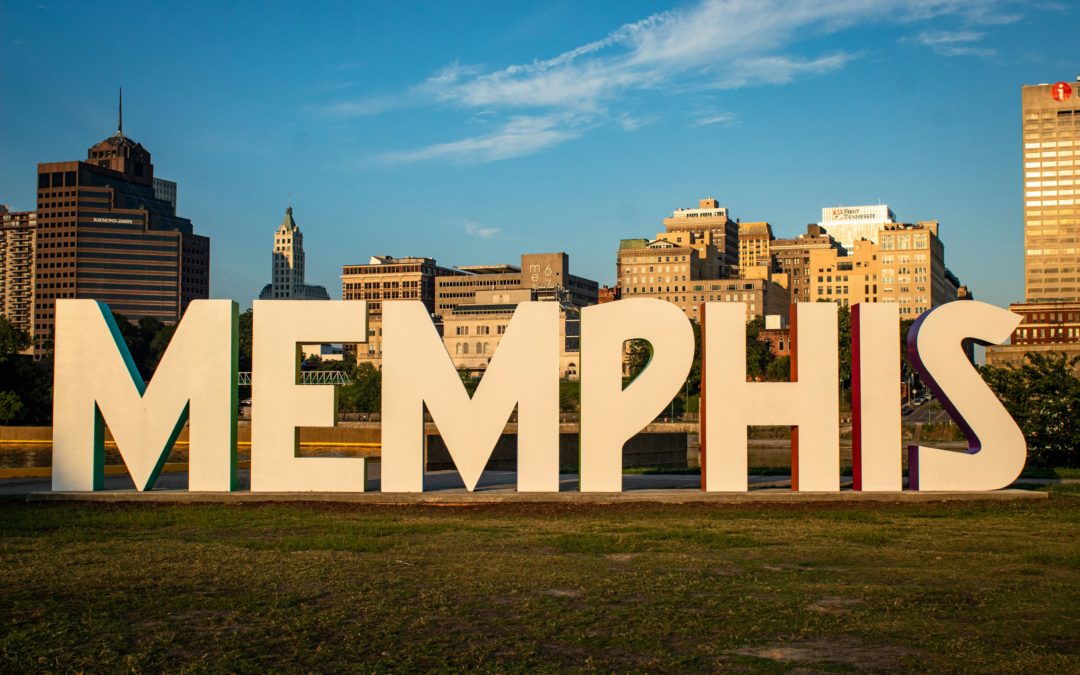
Carrying the City: Young Dolph’s Unshakable Influence
Photo by Joshua J. Cotten on Unsplash
Every time Adolph Robert Thornton Jr., better known to the world as Young Dolph, stepped into the spotlight, he brought Memphis with him — in his cadence, in his lyrics, in his presence. He wasn’t just a rapper representing a city; he was a walking embodiment of its grit, struggle, ambition, and raw authenticity. To understand Young Dolph is to understand the soul of Memphis. But Dolph’s story was more than just about music — it was about legacy, loyalty, leadership, and the power of betting on oneself.
Born Into Fire, Forged Through Hustle
Born on July 27, 1985, in Chicago, Dolph was relocated to Memphis during his early childhood, where he was raised primarily by his grandmother. The neighborhoods of South Memphis weren’t easy to grow up in — poverty, instability, and crime surrounded him from a young age. But instead of falling into despair, Dolph developed a hardened sense of resilience. He was quick to learn that in his world, survival depended on resourcefulness and drive.
He once reflected that where he came from, people didn’t have time to dream unless they figured out how to stay alive first. For Dolph, music was more than expression — it was strategy. It was the rope he climbed out of the shadows with. It became the way he narrated his reality while transforming it into something better.
From Mixtapes to Movement: The Birth of a Paper Route
In 2008, Dolph released his first mixtape titled “Paper Route Campaign.” The name wasn’t just a catchy slogan — it was a philosophy. He wasn’t following a script handed down by labels or trends. He was designing his own blueprint. That same year, he founded Paper Route Empire (PRE), his independent label that would go on to change the way many young artists viewed the music industry.
PRE wasn’t just a label — it was a defiant stance. It was Dolph’s message to the world that independence was possible, that a rapper could retain control of his art, his image, and his income. While most new artists were chasing label deals, Dolph was rejecting them. Even when major labels offered multi-million-dollar contracts, Dolph said no — not out of arrogance, but out of vision.
He understood something many artists learn too late: that freedom and ownership often matter more than fame. Instead of sharing his profits with industry giants, Dolph reinvested into himself and into his city. His choice to go solo wasn’t a backup plan. It was the main strategy.
A Catalog of Confidence and Clarity
By 2016, Dolph had already built a strong reputation in Southern hip-hop circles. That year, he released “King of Memphis,” a declaration of both self-belief and territorial pride. Some saw the title as audacious, but fans and critics alike couldn’t deny the consistency in his work and the depth in his storytelling.
A year later, Dolph dropped “Gelato,” a project that echoed with raw energy and uncompromising lyrics. It made waves online and offline, sparking conversations about his authenticity and his entrepreneurial streak. It wasn’t just that the music slapped — it was the fact that he did it without anyone pulling strings in the background. Every release was self-funded, self-owned, and self-promoted.
His 2020 album, “Rich Slave,” would become his highest-charting record, debuting at No. 4 on the Billboard 200. The album blended introspection, social commentary, and banger-level production — proving that even at the height of his career, Dolph was still evolving as an artist and thinker.
The Power of Family and Collaboration
One of the brightest chapters of Dolph’s career unfolded through his collaboration with his cousin and protégé, Key Glock. Together, they dropped “Dum and Dummer” in 2019, an explosive mixtape that captured the unique energy of Memphis with back-to-back verses that were both playful and powerful.
The chemistry between Dolph and Glock was palpable. Their partnership went beyond business — it was a brotherhood. The success of their mixtape led to a national tour that packed venues in city after city. Fans weren’t just attending shows — they were witnessing a movement.
The Dum and Dummer Tour wasn’t supported by corporate sponsors or big-label marketing budgets. It was Dolph, Glock, and the Paper Route Empire team doing it on their own — selling out dates, moving merch, and giving fans a high-octane experience rooted in love for the music and pride in their independence.
Lifting Others While Building His Own
What truly set Young Dolph apart was his role as a mentor and leader. While many artists become obsessed with self-promotion, Dolph made it a point to spotlight others. He saw PRE as more than a label — it was a gateway for other Memphis talents to shine. He poured time, money, and attention into developing artists like Key Glock, Big Moochie Grape, and Snupe Bandz, helping them avoid the pitfalls he had navigated alone.
Dolph was vocal about the importance of owning music rights and being educated about business. In an industry where artists are often exploited, he consistently encouraged newcomers to take the reins of their careers. His philosophy was straightforward: don’t wait for validation, don’t give up your power, and don’t forget to take care of your people on the way up.
A Father’s Love, A Mogul’s Mind
Away from the spotlight, Dolph was a devoted father and businessman. He made it clear that his children were his top priority. As a symbol of that commitment, he bought properties for his kids — not flashy toys or temporary luxuries, but real assets. He wanted to ensure that his children had a solid foundation no matter what happened.
His business acumen extended beyond music. Dolph had investments in real estate, retail, and other ventures. He understood that his voice might not last forever, but if he played it right, his money could. His moves were intentional — everything he did had a long-term goal behind it.
A Quiet Force for Good
Despite his fame and wealth, Dolph never distanced himself from his roots. He was frequently seen in his old neighborhoods, not for PR stunts but for genuine acts of support. He donated $25,000 to Hamilton High, his former school. He funded college scholarships. He handed out turkeys to families during Thanksgiving. He paid rent for those facing eviction. And he did it all without broadcasting his good deeds.
For Dolph, giving back wasn’t about headlines. It was about doing what needed to be done because he remembered being the kid who needed help too. His generosity wasn’t performative — it was personal.
An Icon for the New Era of Artists
To today’s rising generation of rappers and creatives, Young Dolph represents more than a name — he’s a model of what’s possible. He became a north star for artists who wanted to remain authentic, build on their terms, and retain full control of their vision.
The stories of Dolph turning down record deals and still selling out tours have become folklore. New artists refer to him as “the big homie they never met” — a guiding spirit in an industry full of smoke and mirrors. He proved that there’s another way to make it — one rooted in hustle, ownership, and loyalty.
A Life Cut Short, A Legacy That Multiplies
On November 17, 2021, tragedy struck when Young Dolph was gunned down in Memphis while visiting Makeda’s Homemade Butter Cookies, a local shop he regularly supported. The city mourned. The music world paused. The headlines were filled with disbelief.
But while his life ended abruptly, his story didn’t. His music still plays in cars, in headphones, and in speakers around the globe. Paper Route Empire continues to thrive, driven by artists he mentored. His messages about ownership and independence are echoed by younger rappers, YouTubers, and entrepreneurs alike.
Dolph didn’t just leave behind albums — he left behind a philosophy. A mindset. A movement.
Forever Paper Route
To many, Young Dolph will always be the guy who did it his way — who refused to bend, refused to sell out, and refused to forget where he came from. His journey was never easy, but it was always honest. And in a world where authenticity is often the first thing to go, that made him special.
His name lives on not just in songs or murals but in the very spirit of modern hip-hop. Every independent artist carving their own lane is part of his ripple effect.


RECENT COMMENTS