
by Jonathan P-Wright | Jul 11, 2025 | Business News, Latest |
Photo by freestocks on Unsplash
Across the country, a powerful movement is gaining traction as consumers mobilize to hold corporations accountable for abandoning their commitments to diversity, equity, and inclusion (DEI). As some of the world’s largest brands quietly roll back the promises made to marginalized communities over the last several years, a growing chorus of voices is calling for concrete action—beginning with a nationwide boycott of retailers and companies seen as backtracking on DEI.
On February 28th, millions of Americans are expected to participate in a 24-hour boycott of major retailers and banks. The action, informally called “Al Sharpton’s DEI Boycott Plan,” is being championed by organizations such as The People’s Union USA. It represents a pointed response to a late-January executive order by President Donald Trump that made it illegal for companies to implement or promote inclusion-based messaging and practices. This abrupt change signals an alarming reversal for those who have advocated for greater representation, fair access, and opportunity within the business world.
The roots of this movement can be traced to the widespread outrage and activism that swept the nation in 2020. In the aftermath of George Floyd’s murder and subsequent protests, dozens of major corporations rushed to assure the public of their renewed dedication to racial equity and justice. These pledges weren’t just symbolic; companies vowed to hire more diverse workforces, support Black communities through investments, and dismantle systemic barriers that have long denied opportunities to people of color.
But within just a few years, many of those promises are in jeopardy. The newly signed executive order gives companies the legal cover to walk back on DEI initiatives without fear of regulatory consequences. Many have already started to do so quietly, dropping commitments, programs, and even language from their marketing and internal policies. For communities who took these promises seriously, this latest shift feels like a profound betrayal.
Boycotting for Change: Economic Power as Protest
The upcoming February 28th boycott is designed as a direct challenge to corporate indifference and political backsliding. Organizers have made their strategy clear: if companies are only interested in their bottom line, then targeting that bottom line is the most effective way to force real change. “Disrupting the economy for even one day sends a powerful message,” reads a campaign statement circulated online. “If they don’t listen, we’ll make the next blackout longer. Our numbers are powerful. This is how we make history.”
The logic behind this approach is grounded in the history of economic protest. Marginalized groups in America—especially Black Americans—have long wielded their collective purchasing power as a weapon for social justice. From the 1955 Montgomery Bus Boycott, which played a pivotal role in dismantling legalized segregation, to modern “buy Black” campaigns, the principle remains unchanged: if companies profit from the Black community, they must also be accountable to it.
This year’s boycott organizers have also emphasized the importance of broad solidarity. During a rally on the day of the presidential inauguration, a leading activist declared, “We are going to announce the two companies that we’re going after, and we’re going to ask everybody in this country—Black, white, brown, gay, straight, woman, trans—don’t buy where you are not respected.” The message is simple but powerful: inclusion and respect are non-negotiable, and consumers should withdraw their support from any business that fails to honor its commitments.
Yet, it’s important to clarify the origins and official leadership of the current boycott. While Rev. Al Sharpton’s name has been widely circulated online in connection with the boycott, Sharpton and his organization, the National Action Network (NAN), have not officially sanctioned this specific action. In a public statement released February 25th, Sharpton expressed appreciation for the spirit of the boycott, but clarified that NAN’s own planned response will be announced at its national convention in April. “We appreciate the spirit of the various efforts, but the only one that I and NAN have authorized will be announced at our national convention this April,” he said. Sharpton further shared that a council of allies and partners is in the process of identifying companies that have abandoned their DEI commitments, assessing their profit margins, and strategizing how to leverage Black consumer power most effectively.
The Backlash Against DEI: What’s at Stake
The push to undo DEI efforts didn’t arise overnight. After the national reckoning in 2020, the business world saw an outpouring of statements, policy changes, and donations in support of racial equity. Companies pledged billions of dollars, set hiring goals for underrepresented groups, and promised to use their platforms for good. For a moment, it seemed like a genuine step forward.
But backlash soon followed, spearheaded by critics who claimed that DEI initiatives amounted to “reverse discrimination” or undermined traditional notions of “meritocracy.” The Trump administration’s executive order now gives those critics the legal means to challenge, weaken, or outright dismantle these programs. Companies that once saw public relations value in supporting DEI are now recalculating, wary of lawsuits, government penalties, or political scrutiny.
For advocates, these rollbacks are more than just a business decision—they are a direct attack on the hard-fought progress toward equity and fairness. The reversal of DEI commitments isn’t happening in isolation; it’s part of a broader effort to chip away at gains made in civil rights and social justice. As a result, the boycott is as much about reclaiming the narrative as it is about dollars and cents.
The Role of the NAACP: Mobilizing the Black Dollar
Recognizing the gravity of the current moment, the NAACP has stepped in to provide practical guidance for consumers determined to make their voices heard. On February 15th, the NAACP issued a “Black Consumer Advisory,” laying out a clear path for using the Black dollar as a tool for accountability.
The advisory acknowledges that DEI rollbacks threaten to undo decades of economic progress for Black communities. It offers several recommendations: prioritize supporting businesses that demonstrate genuine commitment to diversity and equity; hold companies publicly accountable for backtracking on their promises; actively seek out and invest in Black-owned businesses; advocate for continued change; and, above all, stay informed about corporate actions and the broader political climate.
“These rollbacks reinforce historical barriers to progress under the guise of protecting ‘meritocracy,’ a concept often used to justify exclusion,” the NAACP warns. The organization stresses that the rollback of DEI initiatives isn’t just a business concern, but a fundamental threat to Black economic advancement and the core values of justice, equity, and civil rights.
Why This Boycott Matters
This moment is a test of unity, resolve, and vision. The February 28th boycott is more than a temporary protest—it’s a call to action for a sustainable movement. By leveraging the immense economic influence of the Black community—an estimated $1.8 trillion in annual spending power—consumers can remind corporations that they cannot profit from communities while disregarding their interests.
It’s not just about holding individual companies accountable, but about setting a precedent. When businesses see that consumers will not tolerate broken promises, they become more likely to uphold their end of the bargain. In the long run, this helps ensure that diversity and equity aren’t just passing trends but foundational values.
Boycotts have a proud history in the fight for civil rights. Economic protest has always been a potent means of demanding justice, from the grape boycotts led by César Chávez to the anti-apartheid divestment campaigns. Each action has demonstrated the simple truth: companies and governments alike are forced to pay attention when their profits are on the line.
The Path Forward
Organizers of the February 28th blackout know that one day of action, by itself, won’t fix decades of inequality or force instant change. But the boycott is a starting point—a statement of intent and a demonstration of collective power. Activists have promised to escalate their efforts if companies continue to ignore calls for accountability, with longer boycotts and more targeted campaigns already under consideration.
The message to corporate America is clear: respect the Black dollar, honor your commitments, and don’t take the loyalty of your customers for granted. Companies that choose to walk back DEI pledges will face public scrutiny, economic consequences, and the possibility of lasting reputational damage.
Conclusion
The February 28th boycott represents more than just economic withdrawal—it’s a reminder that the Black dollar has power, and that power can be wielded for justice. As consumers mobilize to demand respect, inclusion, and equity, they send a signal that empty promises are not enough. Real change will require not only words, but sustained action and meaningful accountability.
In an era of political uncertainty and corporate backpedaling, the Black community and its allies are taking the lead—showing once again that the fight for equality is far from over, and that progress, once gained, must be defended by every means available, including the most powerful tool of all: collective economic action.

by Harris | Jul 11, 2025 | Latest |
Photo by Michael Förtsch on Unsplash
More than two years have passed since Tyre Nichols was fatally assaulted by Memphis police officers, yet the pain surrounding his death feels as raw as ever—especially after the shocking verdict that acquitted three of the men involved. What many saw as an opportunity for justice instead became a painful reminder of how rarely accountability follows police brutality in the United States.
The acquittals of officers Tadarrius Bean, Demetrius Haley, and Justin Smith stunned the nation. Despite extensive and disturbing video evidence, a state jury found all three not guilty on charges of second-degree murder, aggravated assault, and official misconduct. The decision once again cast a glaring spotlight on the systemic challenges of prosecuting police violence—and the emotional toll it continues to inflict on victims’ families and communities.
The Night That Changed Everything
On January 7, 2023, Tyre Nichols—a 29-year-old Black man, father, photographer, and FedEx worker—was pulled over during what police claimed was a routine traffic stop in Memphis, Tennessee. That stop quickly spiraled into something far more sinister.
Officers from the Memphis Police Department’s now-disbanded SCORPION unit dragged Nichols from his car. He was pepper-sprayed, hit with a stun gun, and chased on foot when he tried to escape. When they caught him, five officers took turns beating him, even as he was restrained. Punches rained down. A baton struck him multiple times. He was kicked in the head while defenseless and screaming for his mother.
This horrific encounter—captured in detail by body-worn cameras and surveillance footage from a nearby pole—would ultimately lead to Nichols’ death three days later, from blunt force trauma and internal injuries.
Graphic Evidence, No Conviction
For many, the most haunting aspect of this tragedy is that the public watched it happen—after the fact, yes, but without ambiguity. The video footage, which sparked nationwide protests when it was released, shows not only the beating but also the callous aftermath. Nichols is left slumped against a car, clearly in distress. The officers laugh, exchange fist bumps, and offer no medical aid.
Yet, during the trial, defense attorneys successfully argued that their clients were simply following police procedures or attempting to subdue a suspect they claimed was resisting arrest. Much of the blame was directed at another officer, Emmitt Martin, who had taken a plea deal and was not on trial.
Among the most damning revelations was that Officer Demetrius Haley had taken a photo of Nichols after the beating—bruised, unconscious, bloodied—and shared that image with multiple people, including acquaintances. That act of casual cruelty symbolized the dehumanization at the heart of this tragedy.
But even this, along with the 20-minute delay in providing medical attention, was not enough to persuade the jury.
Public Reaction and Family Grief
The reaction to the verdict was swift and furious. Shelby County District Attorney Steve Mulroy voiced the frustration felt by many: “We all saw the videos. We know what happened. It’s hard to understand how a jury could find no guilt at all.”
Outside the National Civil Rights Museum, Nichols’ mother and stepfather gave heart-wrenching speeches. His mother said the verdict felt like she had lost her son all over again. His stepfather called it a “travesty of justice,” urging Americans not to grow numb to these failures.
The Congressional Black Caucus issued a powerful statement condemning the verdicts as “a shock to our collective conscience,” while activist Bernice King called for federal authorities to step in, stating that the acquittals reflect a system that was never built to protect Black lives.
A Pattern That Refuses to Break
The Tyre Nichols case is not an isolated incident—it joins a growing, painful list of cases where police officers walk free despite public outrage and overwhelming video evidence. Names like Rodney King, Eric Garner, Breonna Taylor, George Floyd, and Elijah McClain remain seared in public memory for similar reasons.
What unites these cases is not only the violence itself, but the consistent failure of institutions to deliver justice afterward. Legal protections like qualified immunity, strong police union influence, and culturally ingrained biases all make convictions incredibly difficult. Even in the face of bodycam footage and independent autopsies, juries often hesitate to convict officers—especially when the defense leans on split-second decision narratives and “resisting arrest” arguments.
Systemic Failures Go Beyond Individual Officers
Many people noted that all five officers involved in Nichols’ death were Black—prompting some to question if race played the same role it has in other cases of police violence. But experts and activists argue that focusing solely on the race of the officers misses the larger point: policing as a system disproportionately harms Black Americans regardless of who is enforcing it.
This is not about individual bigotry; it’s about a policing structure rooted in control, aggression, and systemic disregard for Black bodies. Training often emphasizes dominance and “compliance” over de-escalation and empathy. Oversight mechanisms are often weak, internal reviews biased, and punishment rare.
Even the SCORPION unit itself—a now-disbanded elite squad meant to tackle violent crime—was criticized from the start for its aggressive tactics and lack of transparency. Critics had warned that such units often go rogue, operating like paramilitary squads within city neighborhoods already over-policed and under-resourced.
Federal Charges Offer a Slim Hope
While the state trial ended in acquittals, federal charges still stand against all five former officers. These include civil rights violations and obstruction of justice—crimes that carry serious penalties. Sentencing is expected later this year.
Additionally, Nichols’ family has filed a $550 million civil lawsuit against the City of Memphis, the Memphis Police Department, and key officials, including the former police chief. The lawsuit claims that the SCORPION unit’s creation, leadership, and oversight failures directly contributed to Nichols’ death.
Some activists see this legal action as a potential tool to force reform. While no amount of money can bring back a life, large settlements often pressure cities to change hiring practices, restructure police units, and implement oversight reforms.
A National Crisis Demands National Reform
The broader crisis is undeniable. Reform advocates have been pushing for:
- Ending qualified immunity, which shields officers from personal liability.
- Independent prosecutors in all police-involved deaths to prevent conflict of interest.
- Stronger federal legislation, such as the stalled George Floyd Justice in Policing Act.
- Community review boards with real power—not just advisory roles.
Yet progress has been frustratingly slow. The political will fades with each news cycle. Police unions lobby hard against reforms. And without sustained public pressure, the status quo remains intact.
But families like the Nichols’, and a new generation of activists, refuse to let the conversation die. They continue to push—not only for accountability in this case but for transformation of the very system that made it possible.
Humanizing Tyre Nichols
Amid the legal arguments and political debates, it’s crucial to remember who Tyre Nichols was. He wasn’t just a symbol—he was a person.
He loved skateboarding and photography. He worked hard and was described by those who knew him as gentle, creative, and thoughtful. He often took photos of sunsets and landscapes around Memphis. He had plans, dreams, and relationships. That night, he was just trying to make it home.
His life was not taken by fate or error—it was taken by a system that chooses force over humanity and silence over accountability.
Conclusion: A Reckoning Still Needed
The acquittals in the Tyre Nichols case illustrate how far we still have to go. Even in an era where body cameras and cell phone footage expose the truth, the institutions responsible for justice too often fall short.
But public memory is long, and the push for reform has not disappeared. It has simply entered a new chapter—one driven by renewed urgency, growing awareness, and the voices of those who refuse to accept injustice as inevitable.
Tyre Nichols’ name now lives among others we remember not just for how they died, but for how they’ve inspired a movement that will not rest until the system changes.
by Jonathan P-Wright | May 23, 2025 | Latest, Music News |
Image credit: Tinseltown / Shutterstock.com
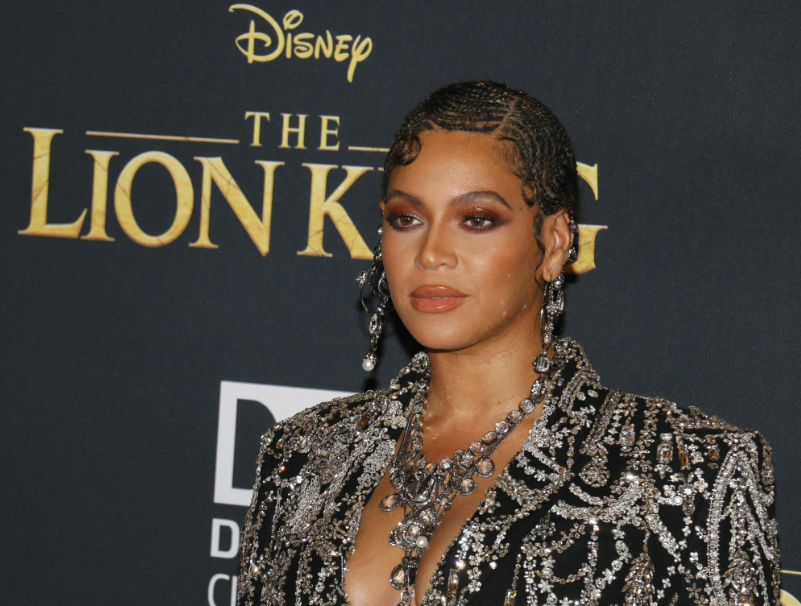
Beyoncé marked the highly anticipated launch of her Cowboy Carter Tour with a grand spectacle at Los Angeles’s SoFi Stadium. The nearly three-hour-long show was a dynamic fusion of country music traditions, pop, R&B, and the vibrant aesthetics of ballroom culture. But beyond just entertainment, it was a profound celebration of Black creativity and an unflinching statement about identity, artistic ownership, and cultural legacy in America.
From the very outset, the evening made it clear that this wasn’t just another concert—it was a powerful act of reclamation. Boldly illuminated on the stadium’s massive screens were the words: “Never ask permission for something that already belongs to you.” This phrase resonated throughout the performance as a defiant assertion that Beyoncé, and the cultural heritage she represents, cannot be boxed in or denied rightful space.
Opening the Show: A Reverent and Revolutionary Introduction
Beyoncé began the evening with “AMERIICAN REQUIEM,” a track from her recent projects that confronts the complicated realities of American patriotism filtered through the Black experience. The somber, atmospheric song set a contemplative tone, leading seamlessly into a stirring rendition of The Beatles’ “Blackbird,” a classic symbol of struggle and hope during the Civil Rights era.
But Beyoncé’s tribute didn’t stop there. She followed “Blackbird” with a Jimi Hendrix-inspired version of “The Star-Spangled Banner,” reimagining the national anthem in a way that layered reverence with critical commentary. While Hendrix’s legendary 1969 Woodstock performance used the anthem to protest the Vietnam War and highlight racial injustice, Beyoncé’s take echoed this tradition of resistance and renewal.
As the anthem played, the stage visuals paid homage to Black trailblazers in country music history, a genre often viewed through a narrow lens as predominantly white. Images of Linda Martell—the first Black woman to sing at the Grand Ole Opry—and other overlooked pioneers filled the backdrop. With sincerity, Beyoncé addressed the audience: “I want to thank all of those who came before me. Thank you for giving me the creative liberty to challenge myself.” Her gratitude was also a subtle demand for recognition of the Black roots that run deep within country music’s history.
Clad in an all-white leather Mugler ensemble and a classic cowboy hat, Beyoncé embodied both a modern icon and a nod to country’s storied past. Her presence was a reminder that she is not just an artist dabbling in a genre but one with a profound connection to its heritage, and the creative prowess to expand its horizons.
Country Music Reclaimed and Revolutionized
The Cowboy Carter Tour is not a simple fusion; it’s a purposeful excavation and reinvention. Country music, often stereotyped as the domain of rural white Americans, actually owes much of its origin to Black musicians, who infused it with blues, gospel, and storytelling traditions. Yet, Black voices have historically been marginalized or erased from country’s mainstream narrative.
Beyoncé’s tour actively challenges this erasure. By merging traditional country sounds—twanging guitars, fiddles, and steady rhythms—with her signature blend of pop and R&B vocals, she dismantles preconceived notions. The aesthetic touches, like cowboy hats and boots, are not costumes but symbols of heritage, worn with pride and layered with contemporary flair.
This deliberate melding of styles invites the audience to reconsider what country music can be. It’s a statement that genres are fluid and that cultural ownership is complex and intertwined.
Family Ties: The Heart of the Show
Family is a cornerstone of Beyoncé’s public persona, and the Cowboy Carter Tour showcased this beautifully. Throughout the night, her eldest daughter Blue Ivy appeared onstage, moving fluidly with the backup dancers during energetic numbers such as “YA YA,” “SWEET ★ HONEY ★ BUCKIIN’,” and the politically charged “AMERICA HAS A PROBLEM.”
Blue Ivy’s presence was more than a cute addition—it symbolized generational continuity, the passing of a creative torch, and the nurturing of a legacy that goes beyond music. Dressed in outfits that mirrored the show’s Western theme, Blue’s confident stage presence signaled that she is carving her own artistic path while honoring her roots.
Another rare and emotionally charged moment came during “PROTECTOR,” when Beyoncé’s youngest daughter, Rumi, made a brief appearance. Waving to the crowd with a bright smile, Rumi’s presence softened the intensity of the concert and reminded fans of the deeply personal motivations behind much of Beyoncé’s work.
Further tying the past to the present, Beyoncé performed a solo rendition of “Deja Vu” that revived choreography from her B’Day era, creating a beautiful bridge between her past artistic phases and her current creative vision.
Echoes of the Renaissance and Ballroom Elegance
Although the Cowboy Carter Tour focuses on country influences, Beyoncé’s signature RENAISSANCE era sound and aesthetic also surfaced prominently. The show’s fluidity between genres was one of its defining features.
One highlight was her performance of “TYRANT” atop a mechanical bull, a visually striking and metaphorically rich moment. The bull, a classic symbol of country and rodeo culture, was transformed into a stage prop that underscored Beyoncé’s control and dominance over the genre she was claiming.
From there, the concert transitioned into a ballroom-inspired segment featuring songs like “I’M THAT GIRL,” “COZY,” and “ALIEN SUPERSTAR.” These performances were a celebration of Black queer culture, ballroom voguing, and self-expression, showcasing Beyoncé’s commitment to amplifying marginalized voices within her artistry.
During “YA YA,” Beyoncé was seated on a throne while a robotic arm poured her whiskey—a futuristic yet Southern tableau that juxtaposed tradition with innovation, heritage with progress.
Visuals as Political and Cultural Commentary
Beyoncé has always been masterful at embedding powerful messages within her visual presentations, and the Cowboy Carter Tour was no exception. Throughout the show, visuals reinforced themes of resistance, empowerment, and reclaiming what rightfully belongs to Black artists and communities.
One of the most striking scenes depicted Beyoncé in a tense gun duel against an older white cowboy figure. Bullets bounced harmlessly off her body, a metaphor that spoke volumes. It referenced her experience being snubbed by Nashville’s predominantly white country music establishment and the broader struggle for Black artists to gain recognition and respect in genres dominated by white narratives.
Later, in a showstopping moment, Beyoncé flew above the crowd on a glowing pink neon horseshoe during “DADDY LESSONS.” This song has long been understood as a tribute to her father and a reflection on lessons of love, loyalty, and strength drawn from her Texas upbringing. Her aerial performance was both literal and symbolic—lifting Black country music to new heights.
Following that, she transitioned to a flying convertible decked out with an American flag as she performed “16 CARRIAGES,” a song layered with themes of burden, femininity, and resilience. These high-flying visuals encapsulated the show’s dual messages of celebration and defiance.
A Setlist Full of Surprises and Homages
The musical journey Beyoncé took her audience on was carefully curated to blend nostalgia, innovation, and cultural significance. She wove snippets of Destiny’s Child hits like “Bills, Bills, Bills” into newer material such as “THIQUE,” creating a multi-generational experience.
One viral moment was her refreshed performance of “Diva,” which had garnered attention online prior to the tour. It served as a testament to her ability to keep reinventing herself and staying culturally relevant.
Another notable highlight was her take on Dolly Parton’s “JOLENE.” Rather than a straightforward cover, Beyoncé infused the classic with her own signature flair and a beat inspired by New Orleans bounce music—a genre deeply connected to Black musical innovation. This reimagining honored Dolly’s influence while asserting Beyoncé’s ownership and reinterpretation of the narrative.
The concert reached a climactic crescendo with a remixed version of “TEXAS HOLD ‘EM,” which then transitioned smoothly into the iconic “Crazy in Love.” Although fans were eager for a guest appearance from JAY-Z, who famously duets on the latter, he did not join Beyoncé on stage. Still, her solo performance was magnetic enough to command the crowd’s undivided attention.
The Cultural Impact and Future Stops
The Cowboy Carter Tour is much more than a high-profile tour—it’s a cultural milestone. Beyoncé is not simply showcasing her talents but is actively challenging the cultural gatekeepers and re-centering Black voices in spaces where they have been historically marginalized.
Her choice to spotlight Black country pioneers, blend genres, and bring her family into the spotlight is a multi-layered strategy that advances discussions about identity, inclusion, and creative freedom.
The tour will continue with additional shows in Los Angeles before making stops in Chicago, New Jersey, London, Paris, Houston, Washington D.C., Atlanta, and concluding in Las Vegas in July. Given the groundbreaking nature of the opening night, audiences worldwide can expect a tour filled with spectacle, meaning, and unapologetic Black excellence.
by Jonathan P-Wright | May 2, 2025 | Uncategorized |
Image credit: Maciej Rogowski Photo / Shutterstock.com
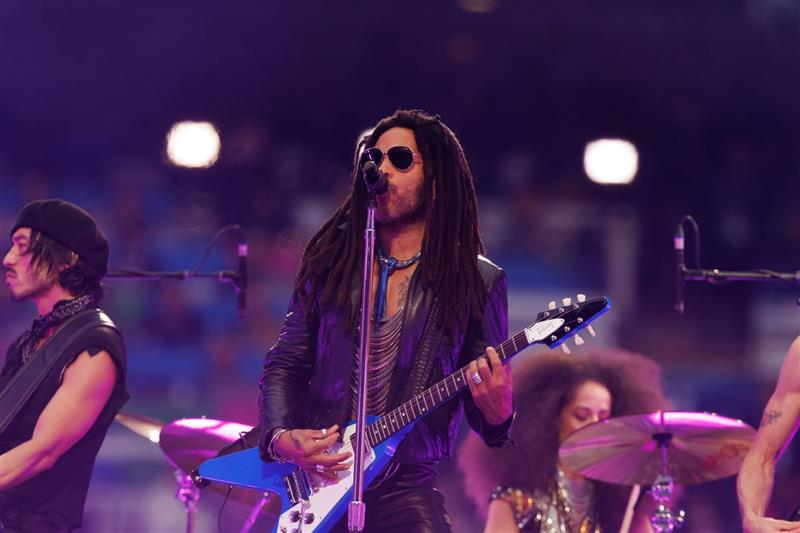
Lenny Kravitz, a celebrated figure in the realm of rock music, renowned for his genre-defying sound and distinctive aesthetic, has recently offered an intimate glimpse into his Parisian abode, a sanctuary he affectionately refers to as Hotel Roxie. Far from being a conventional celebrity dwelling, this Parisian residence, nestled in a tranquil corner of the luminous city, stands as a vibrant homage to the intertwined worlds of art, historical significance, musical expression, and profound affection.
In a revealing video tour conducted for Architectural Digest, Kravitz graciously unveils the interiors of this extraordinary space, a home brimming with a bold and deeply personal character. More than a mere display of opulence, Hotel Roxie serves as a tangible extension of Kravitz’s multifaceted identity as an artist, a devoted son, a loving father, and a respected cultural icon.
A Mother’s Dream Realized: The Genesis of Hotel Roxie
The very name of the house, Hotel Roxie, carries a weighty significance, serving as a heartfelt tribute to Kravitz’s late mother, the accomplished actress Roxie Roker. As Kravitz himself explains during the video walkthrough, “It was named after my mother because it was her dream to come live in Paris.” This seemingly small yet profoundly meaningful detail establishes the overarching tone of the entire residence. It is a space saturated with memories, imbued with intention, and designed to honor a cherished maternal figure. Kravitz has not simply constructed a place to reside; rather, he has meticulously crafted a narrative that interweaves his past experiences, his present life, and his aspirations for the legacy he will eventually leave behind.
As the virtual tour unfolds, viewers are inevitably drawn into a world that feels like the physical embodiment of Lenny Kravitz’s innermost artistic sensibilities. It is a space that exudes soulfulness, radiates style, and surprises with its eclectic artistic choices. The walls serve as canvases for abstract art, each piece pulsating with vibrant colors, rich textures,
and palpable emotions. It is a carefully curated collection, a harmonious yet unpredictable assembly of visual storytelling, where each artwork has been thoughtfully selected to articulate an idea, evoke a feeling, or represent a significant phase in Kravitz’s personal and artistic evolution.
A particularly striking feature of the home is the imposing grand piano that commands attention in the entryway. This is far more than a mere decorative element; it possesses a presence akin to a centerpiece in a grand concert hall. It is an instrument that seems to demand to be played, to be an integral part of the musical experience. One can easily envision Kravitz pausing at its keys during the quiet hours of the night, allowing melodies to flow into the surrounding air like fragrant incense.
Beyond the realms of music and fine art, Hotel Roxie holds spaces dedicated to more personal connections. An entire room is lovingly devoted to his mother, Roxie. Furnished and styled with meticulous care, it serves as a serene sanctuary for reflection and remembrance, a sacred space honoring the woman who profoundly shaped his life. In a home filled with expressive design, this room acts as an emotional anchor, grounding the entire space in familial love and respect.
Homage to a Legend: The Grand Salon’s Tribute to Muhammad Ali
Venturing further into the house, one encounters the Grand Salon, an expansive room that functions as a veritable shrine to the legendary boxer and influential activist, Muhammad Ali. The room is filled with carefully chosen memorabilia, distinct design elements, and powerful iconography all dedicated to this iconic figure.
The choice of dedicating such a significant space to Ali is not arbitrary. For Kravitz, the admiration extends far beyond the realm of sports. “What I love about Muhammad Ali is the humanitarian work, the civil rights work—he was a freedom fighter, and that is so important,” Kravitz articulates, revealing the deeper resonance of this dedication.
It becomes evident that the Grand Salon transcends mere aesthetic considerations. It is a space of reverence, a celebration of courage, unwavering strength, and the profound act of speaking truth to power. Muhammad Ali, often perceived as the ultimate symbol of resilience and dignity in the face of adversity, serves as a potent source of inspiration for Kravitz’s own journey as a Black artist navigating the complexities of the world on his own terms. The room emanates a palpable sense of quiet respect. This is not a mere display of celebrity collectibles; it is a heartfelt expression of gratitude and a powerful channeling of inspiration.
An Underground Sanctuary: The Secret Nightclub
However, the most captivating and unexpected feature of Hotel Roxie lies beneath the surface, in the basement—a hidden gem that most would never anticipate finding within a private residence: a fully operational nightclub. Indeed, Lenny Kravitz has created his very own underground club beneath his Parisian home.
Bathed in a moody and seductive ambiance reminiscent of a scene from an A24 film, the nightclub is characterized by deep red lighting, carefully selected vintage decor, and luxurious velvet textures that collectively create an atmosphere that feels both retro and timeless. Stepping into this space is akin to entering another era, yet it possesses an undeniable contemporary allure.
Kravitz himself describes this subterranean haven as the “heart and soul” of his Parisian residence. It is a dynamic space where creativity and community converge and flourish after nightfall. On any given evening, it can spontaneously transform into a vibrant gathering, with guests spanning generations engaging in lively conversations, freely dancing to the rhythm of the music, and fully embracing the joy of the moment.
And Kravitz is not merely an observer in this vibrant setting. As the music fills the air and the energy of the gathering intensifies, he wholeheartedly immerses himself in the celebration—dancing with unrestrained joy, sharing laughter with his guests, and fully embracing the present moment. The image of him moving freely, his signature dreadlocks swaying with the rhythm, is undeniably cinematic. This underground space is part speakeasy, part dreamscape—a carefully crafted environment designed to be felt viscerally, not just admired visually.
Beyond Paris: A Global Footprint Rooted in Identity
As the tour draws to a close, Kravitz adopts a more contemplative tone. Standing in the very heart of Hotel Roxie, he reflects on the profound significance of the house in his life. “It represents so many parts of my history, my story, and evolution,” he shares with a quiet sincerity. This Parisian residence is clearly more than just an asset in a real estate portfolio. For Lenny Kravitz, it is an emotional and creative landmark, a tangible representation of his personal journey. It encapsulates the entirety of his experiences—from his upbringing as the son of the Bahamian-American actress Roxie Roker to his current status as a globally recognized music icon with an unshakeable sense of self. Then follows a deeply personal revelation. Kravitz expresses his intention to leave the house unchanged. In his eyes, it has reached its final, perfect form—at least for him. He states that upon his passing, the responsibility and creative freedom regarding the future of Hotel Roxie will be entrusted to his daughter, the talented actress Zoë Kravitz. “She can do what she wants with it after I’m gone,” he says with a sense of quiet peace and acceptance. This is a profoundly poetic
gesture, one that speaks volumes about preserving the past, fully embracing the present, and having the wisdom to trust the future. It underscores themes of legacy, the enduring power of love, and the subtle yet significant art of letting go.
While his Parisian home, Hotel Roxie, may hold the deepest emotional resonance among his properties, it is but one facet of Lenny Kravitz’s impressive global real estate portfolio. He possesses a discerning eye for designing spaces that not only reflect his rockstar persona but also embody his globally attuned spirit. According to reports from Travel Noire, Kravitz also owns a sprawling estate in Brazil, encompassing nearly 1,000 acres of land that once served as a coffee plantation. Nestled deep within the lush jungle, this property has evolved into a serene retreat, an earthly paradise where he can disconnect from the demands of his public life and reconnect with the tranquility of the natural world. However, his appreciation for freedom and a certain understated minimalism extends beyond his Brazilian estate. He also maintains a custom-designed Airstream trailer in the Bahamas—sleek, silver, and fully equipped for off-grid living. This mobile home-away-from-home contains all the essentials, proving that true luxury does not always equate to extravagance. For Kravitz, even a trailer can be transformed into a sanctuary if it possesses thoughtful design and positive energy.
Ultimately, what renders Lenny Kravitz’s homes—and particularly Hotel Roxie—so compelling is not merely the carefully chosen decor or the architectural design. It is the profound way in which he seamlessly weaves his identity, his core values, and his personal history into the very fabric of these spaces. Each room serves a purpose, and every object within tells a story. From honoring the memory of his mother and celebrating the legacy of civil rights heroes to creating environments that foster joy and meaningful connections, Kravitz approaches the art of design with the same soulful depth that characterizes his music. In a world where the homes of celebrities often feel like sterile showcases of wealth and status, Hotel Roxie stands as a refreshing contrast. It is not simply a house; it is a living memoir, a deeply human and profoundly artistic space that serves as a powerful reminder that the essence of a true home lies not in flawless perfection but in authentic truth. And in the case of Lenny Kravitz, that truth is undeniably cool, deeply conscious, and vibrantly alive, perhaps even echoing with music from a hidden nightclub in the basement.

by Derrick T Lewis | Aug 28, 2023 | Latest, Social Justice |
More than half a century ago, the landscape of education in the United States was transformed by an audacious group known as the Little Rock Nine. These nine brave African American students challenged the status quo by integrating the racially segregated Little Rock Central High School in Arkansas. Today, their legacy continues as they stand up for the rights of students to learn comprehensive African American history.
The Legacy of the Little Rock Nine
In 1957, the courageous act of the Little Rock Nine not only disrupted segregation but also paved the way for the integration of academic settings across the country. Even in the face of adversity and discrimination, they persevered to receive the education they deserved. Their actions sparked a nationwide movement that eventually led to the desegregation of all public schools in the United States.
The Current Education Climate in Arkansas
Fast forward to the present day, the surviving members of the Little Rock Nine continue to advocate for education and social justice. However, their fight has taken on a new form. The current focus is on the state’s legislative efforts that potentially discourage students from enrolling in Advanced Placement (AP) African American Studies.
AP African American Studies under Threat
Recently, the Arkansas Department of Education made a controversial announcement that could disrupt the study of African American history in schools. They declared that students might not earn the required credit for graduation from the AP African American Studies course. Moreover, the department stated that they did not plan to cover the $100 end-of-course exam fee.
The LEARNS Act and its Implications
This shocking decision is largely attributed to Governor Sarah Huckabee Sanders’ LEARNS Act. This legislation aims to “sanitize” the curriculum of critical race theory and other teachings perceived as discriminatory based on race, ethnicity, sex, and other categories. It raises the question of whether the government is attempting to censor history and limit the education of future generations.
The Arkansas Department of Education defended their position, stating that they encourage the teaching of all American history and support rigorous courses not based on opinions or indoctrination. But the surviving members of the Little Rock Nine see the decision as an attempt to erase history.
The Voices of the Little Rock Nine
Elizabeth Eckford, one of the original nine who integrated Central High, expressed her concern over this decision. She stated that this move seemed to be serving the interests of the Republican Party, as it resonated with their supporters. Her fellow member, Terrence Roberts, echoed her sentiments, questioning whether these voices of dissent would indeed be successful in pushing back against the decision.
The Reaction from the NAACP
The state chapter of the National Association for the Advancement of Colored People (NAACP) didn’t hold back in expressing their disapproval. They criticized the decision as an attack on civil rights and the progress of students of color in Arkansas. They stated that dismissing AP African American Studies is not only a failure to provide equitable education but also shows a clear disdain for the experiences that form part of our history.
The Power of Solidarity
Despite the discouraging circumstances, there’s a silver lining. According to the Arkansas Times, at least six schools in the Little Rock School District have committed to continue offering the college-level course. This act of solidarity shows that the spirit of the Little Rock Nine lives on, inspiring educators and students to stand up for African American Studies and social justice.
The Fight Continues
The surviving members of the Little Rock Nine, along with their supporters, will continue to fight for the inclusion of comprehensive African American history in the curriculum. They understand that African American history is not separate from American history. It is a vital part of the country’s narrative and should be taught as such.
The battle for educational equity and social justice is far from over. The Little Rock Nine have shown us that change is possible, and it’s up to us to continue their legacy and stand up for what’s right.
Conclusion
From the integration of Little Rock Central High School in 1957 to advocating for AP African American Studies in Arkansas today, the Little Rock Nine remain stalwarts in the fight for educational equity. Their legacy serves as a reminder that education should encompass all aspects of history, including those that some may find uncomfortable. As we look to the future, let’s remember the courage of the Little Rock Nine and continue the fight for comprehensive and inclusive education.



RECENT COMMENTS