by Jonathan P-Wright | Jul 27, 2023 | Latest, Social Justice |
Photo by Clay Banks on Unsplash
The US Education Department has launched an investigation into Harvard University’s legacy admissions practices following allegations of discrimination. The inquiry was prompted by a complaint filed by a civil rights group, raising concerns about fairness and equity in the admissions process at the prestigious Ivy League institution.
Legacy admissions refer to the practice of giving preferential treatment to the children of alumni during the college admissions process. While legacy preferences have been a longstanding tradition at many universities, they have also faced criticism for perpetuating privilege and reinforcing inequities in higher education.
Harvard University, like other institutions, has faced scrutiny over its legacy admissions policies in recent years. The civil rights group’s complaint brought attention to the potential discrimination against applicants from underrepresented and marginalized backgrounds, who may face barriers in gaining admission compared to legacy applicants.
The US Education Department’s investigation aims to determine whether Harvard’s legacy admissions practices comply with federal laws and uphold principles of equal opportunity. The examination comes in the wake of a recent ruling by the nation’s highest court, which has implications for affirmative action and diversity in college admissions.
In response to the investigation, Harvard University has taken proactive steps to review its admission policies. A spokesperson for the institution emphasized their commitment to fostering an inclusive and diverse student body, and ensuring that doors to opportunity remain open to students from all walks of life.
The scrutiny over legacy admissions reflects broader debates about access and fairness in higher education. Advocates for reform argue that such preferences can perpetuate intergenerational privilege and limit opportunities for students who do not come from legacy backgrounds.
As the investigation unfolds, the nation will closely monitor the US Education Department’s findings and potential recommendations. The outcome of this inquiry could have far-reaching implications for college admissions practices across the country, influencing how universities approach legacy preferences and their efforts to promote diversity and inclusion.
Harvard’s legacy admissions investigation is part of a larger national conversation about the role of universities in addressing structural inequalities in education. Calls for reform and greater transparency in admissions processes have amplified in recent years, urging institutions to adopt more equitable practices that promote access to higher education for all.
While the investigation focuses on Harvard’s specific practices, its outcome may serve as a catalyst for broader discussions about affirmative action, legacy preferences, and the pursuit of a more just and inclusive higher education system in the United States. The Education Department’s efforts to ensure fair admissions practices align with the nation’s ongoing commitment to fostering equal opportunities for all students, regardless of their background or familial connections.
As the inquiry progresses, it will be essential to strike a delicate balance between honoring institutional traditions and embracing progressive reforms that advance social justice in academia. The future of legacy admissions at Harvard and beyond hinges on finding common ground between tradition and transformation in the pursuit of educational excellence and inclusivity.
by Jonathan P-Wright | Jun 23, 2023 | Social Justice |
Photo by Louis Velazquez on Unsplash
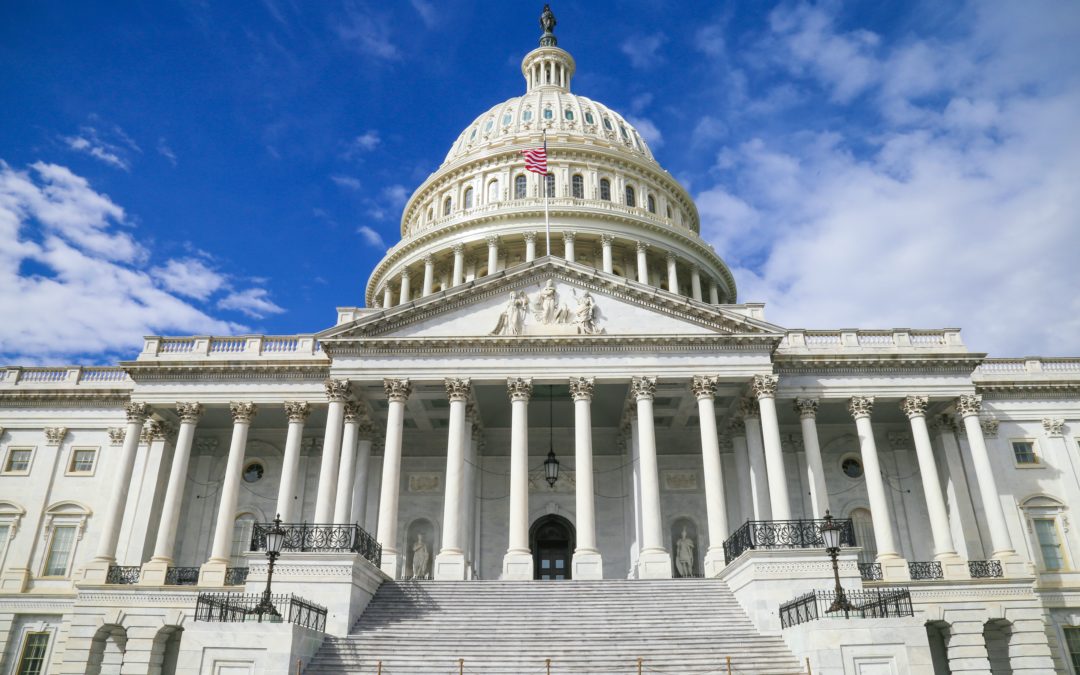
Introduction: In a historic gathering at the US Capitol, political leaders from across party lines came together to pay homage to the late Rep. John Lewis. As the unveiling ceremony of the John Lewis Forever stamp took place in Statuary Hall, Washington, D.C., the significance of this commemoration reverberated throughout the corridors of power. Let us delve into the profound symbolism behind this event and the unifying spirit that transcends political boundaries.
Paraphrased Excerpt: On a momentous morning (June 21), distinguished members of the House convened in Statuary Hall at the US Capitol to honor the enduring legacy of Rep. John Lewis. In a rare display of bipartisan unity, both Democratic and Republican representatives assembled for the unveiling ceremony of the United States postal stamp, commemorating the remarkable contributions of the former politician and civil rights activist.
A Symbol of Inspiration: The introduction of the John Lewis Forever stamp holds deep significance, representing a tribute to a towering figure in American history. Through this commemorative stamp, Lewis’s indomitable spirit and unwavering commitment to the civil rights movement are forever enshrined. It serves as a tangible reminder of the transformative power of advocacy and the enduring influence of those who dedicate their lives to fighting for justice and equality.
Crossing Party Lines: The presence of members from both the Democratic and Republican parties at the unveiling ceremony underscores the broad-reaching impact of John Lewis’s legacy. This display of bipartisan unity stands as a testament to the shared recognition of Lewis’s profound contributions, transcending political divides to honor a man who dedicated his life to making a difference.
A Hero Remembered: Vice President Kamala Harris’s poignant words, paraphrased here, encapsulated the sentiment felt by many in attendance. Referring to John Lewis as “a giant amongst men” and “a hero to us all,” Harris acknowledged the profound impact Lewis had on the nation and the enduring inspiration he provides for generations to come. Her tribute further underscores the magnitude of Lewis’s life and the admiration he commands.
Celebrating a Legacy: The unveiling ceremony of the John Lewis Forever stamp represents a celebration of a life well-lived and a legacy that continues to inspire. It serves as a reminder that the pursuit of justice and equality is not confined to political affiliations but encompasses a collective endeavor to build a more inclusive society. Through this commemorative stamp, we honor John Lewis’s contributions and recommit ourselves to the principles he championed.
Conclusion: The unveiling of the John Lewis Forever stamp at the US Capitol transcended political boundaries, bringing together representatives from both sides of the aisle to honor a civil rights icon. As we reflect on this historic ceremony, let us embrace the unifying spirit it symbolizes and carry forward
the legacy of John Lewis, embodying his unwavering commitment to equality, justice, and a better tomorrow for all.

by Resultsandnohype | Jun 22, 2023 | Social Justice |
Kit Leong / Shutterstock.com
A couple’s joyous Juneteenth weekend turned into a nightmare when they were accused of shoplifting at a Toledo Bed, Bath & Beyond location.
Lamar Richards tweeted that he and his boyfriend were falsely accused of stealing “high-ticket items” while shopping for their new home. The police were called on the two young, Black, gay men during Juneteenth weekend and Pride Month.
Richards explained that they had purchased $600 worth of items at a closing sale before noticing a police officer on their way out. In cellphone footage, the cop admitted to being called for “two Black guys” who an employee thought was stealing.
Richards expressed that he had never experienced such humiliation.
A civil rights attorney, Benjamin Crump, also shared the video clips on social media. Bed Bath & Beyond Inc. stated to Newsweek that they take such matters very seriously and do not condone any form of discrimination.

by Jonathan P-Wright | Jan 31, 2022 | Black Girl Magic, Black Owned Business, Business News, Latest, Trending |
Why Black Women Business Owners are Starting New ventures
Black women are taking the leap into entrepreneurship in record numbers. A new study reveals facts that showcase black women’s influence on the business world.
Black entrepreneurship in the USA
Roughly 5 million Black women own a business in this country. You are also more likely to own a business if you are part of this group. They are using different strategies – some participate in exporting companies, others one woman boutiques, some make custom clothing.
Reasons for this trend among black women
There are many reasons for this trend among black women to start new ventures. One of these is the possibility of increasing self-empowerment, leaving adverse environments, and controlling their own destinies to make changes. Another argument notes that African American women are impacting the economic system by increasing the understanding of entrepreneurship opportunities for entrepreneurship help.
How to quantify and counter stereotypes
As women, especially Black Women, who are business owners, frequently, it is their struggle to reconcile tradition with modernity and balance family responsibility with managing small businesses.
With this struggle comes the ever-present undermining of the idea that Black women like me can really make anything happen for themselves. Black women may experience racism, sexism, and other biases from gatekeepers in their industry.
They feel that not being taken seriously because of their race, ethnicity, or gender profoundly affects their self-esteem and confidence levels. Reading this blog content is very insightful. It covers all the major points in detail.
The article talks about how Black Women business owners are starting new ventures because they are labeled with stereotypes like “they don’t perform well,” which is inaccurate. They explain the importance of having numbers and statistics available to quantify and counter these stereotypes.
Statistics of successful black women
Black women are the least likely to start a business but are also among the most successful black women entrepreneurs. Some interesting statistics about this subset of entrepreneurs are that they found success other than traditional startups. They formed 9% of hair care business owners, 11% of cosmetic businesses, 8% of beauty supply company owners, and 7% of florists.
The intersection of gender and race
Black female entrepreneurs make up only 3% of all U.S. women business owners, yet they generate a disproportionately high percentage of the entrepreneurial output of the nation. However, most Black female entrepreneurs report that racial barriers impact their ability to do business and their perceptions of business opportunities.
Is Entrepreneurship the new civil rights movement?
I’ve mentioned the term ‘Silicon Valley of Black Women’s Business,’ and I think that ‘entrepreneurship is the new civil rights movement”. Entrepreneurship is supposed to be one of the paths out of poverty. Starting your own business gives people an incredible sense of pride, more self-determination, and often more money. Plus, it looks great on your résumé. For Black women, traditionally marginalized in the business world, entrepreneurship offers one path of empowerment not available to more privileged Americans, including white men.
This article was penned by Jonathan P. Wright. Jonathan is a freelance writer for multiple mainstream publications and CVO of RADIOPUSHERS. You can read more of his work by clicking here.
by Jonathan P-Wright | Apr 21, 2021 | Editorial Pick, Latest, Social Justice, Trending |
United States Attorney General Merrick Garland released a Statement saying (April 21) that the Justice Department has started an investigation into the Minneapolis Police Department’s “pattern or practice.” According to Garland, the investigation will ascertain whether the department has a pattern or practice of discriminatory policing.
The statement came one day after former Minneapolis police officer Derek Chauvin was convicted of George Floyd’s violent killing.
“Today, I am announcing that the Justice Department has launched a civil investigation into the Minneapolis Police Department to ascertain whether it engages in a pattern or practice of unconstitutional, unlawful policing,” Garland said Wednesday.
The investigation will now be spurred by “knowledgeable attorneys” from the Justice Department’s Civil Rights Division and the United States Attorney’s Office for the District of Minnesota, Garland clarified.
“The new civil investigation is distinct from and independent of the Justice Department’s originally scheduled federal criminal investigation into George Floyd’s death,” he added.
Together with the criminal investigation, Garland stated that the Justice Department “also has the authority to file a civil lawsuit.”
“Typically, when the Justice Department identifies illegal practices or patterns of conduct, the local police department enters into a proposed settlement or consent decree to guarantee that quick and appropriate action is taken to bring policing practices into compliance with the law,” he added.
Numerous representatives of the Minneapolis Police Department, both active and retired, testified against Chauvin during his trial, including Police Lt. Richard Zimmerman, Chief Medaria Arradondo, a use-of-force trainer, and a former sergeant. Arradondo stated last year that Floyd’s murder was not the result of a “lack of training.”
“Mr. George Floyd’s tragic demise was not the result of a lack of training; the training was present. Chauvin was aware of his actions,” he stated. “The officers were aware of what was occurring; one purposefully caused it, while the others failed to prevent it.”
This article was penned by Jonathan P. Wright. You can read more of Jonathan P. Wright’s work in the Editorial Picks section.



RECENT COMMENTS