
by Laghe Andrews | Sep 25, 2021 | Business News, Latest, Music News |
Hip-hop is more than just music. It’s a culture, a mentality, and a way of life. And in order to preserve the history and legacy of hip-hop for future generations, we need to tell its story. We can’t forget where we came from or how far we’ve come. Hip-hop has been around since the 1970s when DJ Kool Herc invented break beats by looping snippets of James Brown records over extended periods at block parties in the Bronx. The genre became one of the most popular genres across four decades – influencing fashion trends, language and dance moves alike while shaping American pop culture as we know it today. Read on for more about this iconic
Hip-Hop has been one of the most popular genres across four decades – influencing fashion trends, language and dance moves
Hip-hop has been one of the most popular genres across four decades – influencing fashion trends, language and dance moves. The hip hop culture has spanned different ages and generations in such a way that it’s become a fundamental part of the lives of many people all around the world. The continuing popularity of hip-hop is because it transcends race, gender, and location.
Hip-hop is popular and has a lot of influence on society because it’s used in different ways. Artists can use hip-hop to express themselves or to share their message through music or social media posts. Hip-hop producers can also make new songs using samples from old records.
How Hip-Hop Shaped American Pop Culture
Hip-hop is an important part of American culture; it has changed how people think about music. How people play the music has changed to where it is more collaborative than soloistic.
Regardless of one’s personal opinions on hip-hop, this genre has broken down so many color barriers in society and there have been plenty of other major contributions to society, too. Hip-hop is a worldwide movement that has changed how people see themselves. It talks about differences and things that people have in common.
This article was penned by Jonathan P. Wright. Jonathan is a freelance writer for multiple mainstream publications and CVO of RADIOPUSHERS. You can read more of his work by clicking here.
by Laghe Andrews | Sep 8, 2021 | Latest, Social Justice |
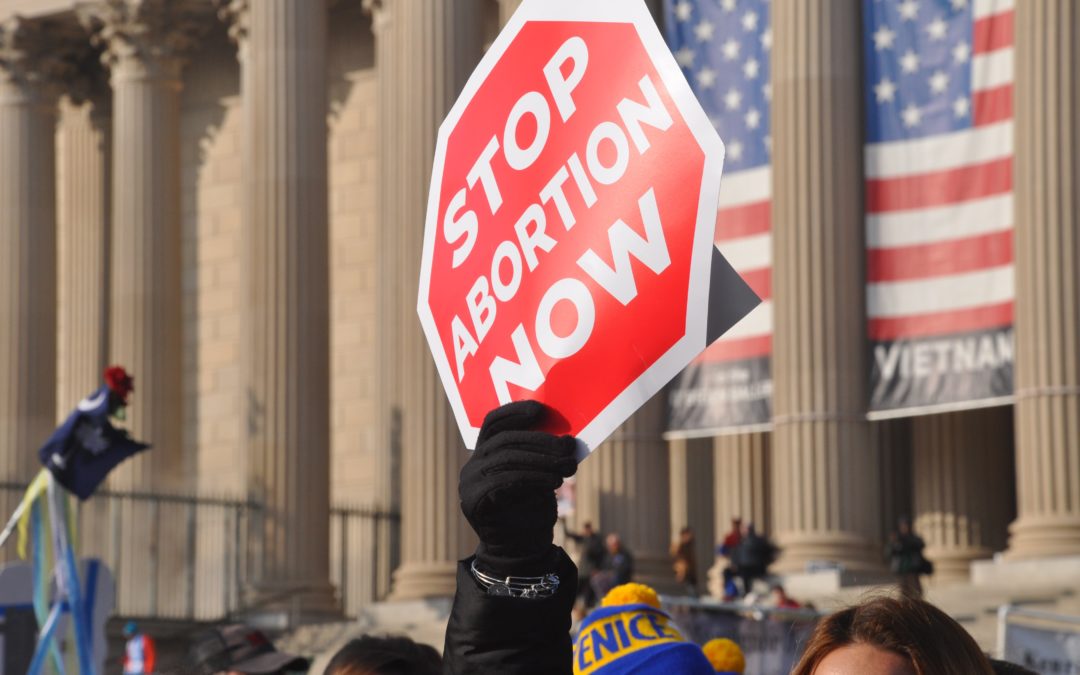
As of Wednesday morning (Sept. 1), Texas has become one of the strictest abortion states in the country by banning abortion at six weeks. Abortion providers who requested a blocking of the ban failed to obtain any relief from the Supreme Court and federal appeals court.
In Texas, women will be prohibited from getting abortions when a fetal heartbeat can be detected, which is around six weeks after conception and before many women realize they are pregnant. Although the law does allow exemptions in case of “medical emergencies,” it does not allow exceptions for rape or incest.
As part of the ban, private citizens can sue abortion providers and anyone who assists a woman in getting an abortion. A woman might receive help from a neighbor, someone who provides financial assistance, or someone from the local clergy who helps the patient. NPR reports that citizens who bring civil suits needn’t be connected to the person they’re suing in order to receive an award of at least $10,000.
A website called “whistleblower” has been launched by the anti-abortion organization Texas Right to Life for people to report illegal abortions anonymously.
John Seago of Texas Right to Life told NPR that the lawsuits are not against the women. “We would be suing the abortion industry and those making money off of abortions. Therefore, this is not spying on your neighbor.”
Abortion providers and reproductive rights groups argue that the law creates a bounty on abortion providers.
In Texas, a Whole Women’s Health clinic tweeted on Tuesday night (Aug. 31), two hours before the ban went into effect, that it still provided abortions and had “staff and doctors providing abortions and that the waiting rooms were filled.
On Wednesday, after the ban went into effect, the ACLU tweeted that abortion has just been restricted for millions of women, the long-term impact will be devastating.
In a related matter, justices are poised to rule on whether a Mississippi law prohibiting abortions at 15 weeks is constitutional. Advocates for abortion rights have pointed out that both Mississippi’s and Texas’ laws directly conflict with Roe v. Wade, the 1973 landmark decision that legalized abortion nationwide.
This article was penned by Jonathan P. Wright. Jonathan is a freelance writer for multiple mainstream publications and CVO of RADIOPUSHERS. You can read more of his work by clicking here.

by Laghe Andrews | Sep 8, 2021 | Latest, Social Justice |
Defense lawyers for the men accused of killing Ahmaud Arbery are not permitted to mention Arbery’s past legal troubles in court, according to a judge. The decision by Superior Court Judge Timothy Walmsley marks a victory for prosecutors. They argued against the defense’s attempt to present Arbery’s “bad acts” before a jury.
Travis McMichael, Gregory McMichael, and William “Roddie” Bryan, three of the men accused of following and fatally shooting Arbery, were represented by attorneys who contested the ruling.
He previously referenced Arbery’s past criminal records, including shoplifting and gun possession, to illustrate that he was not out jogging in the Satilla Shores neighborhood of Brunswick, but instead was robbing a home under construction at the time. Investigators found no stolen items on Arbery’s person at the time of his death and the construction site had not been robbed either.
In accordance with the defense lawyer’s arguments, the McMichaels were permitted to arrest Arbery because of his past and under Georgia’s now repealed citizen arrest law. However, the father and son, according to Judge Walmsley, had no clue about Arbery’s past when they chased him down.
It would be unfair prejudice to rely on “clearly bad character and propensity evidence” about Arbery, Walmsley argued, adding that character evidence of the victim is neither relevant nor admissible during a murder trial.
In addition, Walmsley ruled earlier this week that both the prosecution and defense may cross-examine Larry English, the owner of the house Arbery entered while it was under construction. On Oct. 18, the jury selection will begin.
This article was penned by Jonathan P. Wright. Jonathan is a freelance writer for multiple mainstream publications and CVO of RADIOPUSHERS. You can read more of his work by clicking here.

by Laghe Andrews | Sep 8, 2021 | Latest, Social Justice |
An arrest warrant has been issued by Mississippi police for an Ohio man accused of assaulting an African-American reporter during a live newscast. The NBC News reports that Benjamin Eugene Dagley will face charges of simple assault, curfew violations, and disturbing the peace in relation to his violent confrontation with Shaquille Brewster of MSNBC.
Dagley pulled up in his white pickup truck in the middle of Brewster’s live segment during Monday (Aug. 30). At the time, Brewster and the MSNBC crew were reporting live on Tropical Storm Ida.
As the news reporter covered the weather, he ignored the man. After a few moments of chaos, Dagley approached Brewster directly and shouted, “Report accurately.”
In Dagley’s case, it isn’t his first run-in with the law. If he traveled to Gulfport without permission, he might be in violation of his probation in Cuyahoga County, Ohio. In 2017, the 54-year-old admitted to vandalism, attempted assault, and causing panic. Cleveland Plating, where he was once the owner, was reportedly broken into and dangerous chemicals, including sodium cyanide, yellow chromate, sulfuric acid, and ferrous chloride, were exposed because of holes he drilled into tanks of chemicals.
The police said that Dangley’s drilling could lead to an environmental disaster. When he released dangerous chemicals into the air, his colleagues told authorities he was aware of what he was doing. After finding the leaks, the 27-year-old security guard was taken to the local hospital for possible cyanide poisoning.
In two months, Dagley and two others broke into Cleveland Plating – yet again – and were charged with misdemeanor assault. A security guard says he was punched and a door was slammed into his knee by them.
Dagley remains at large as of Wednesday (Sept. 1).
This article was penned by Jonathan P. Wright. Jonathan is a freelance writer for multiple mainstream publications and CVO of RADIOPUSHERS. You can read more of his work by clicking here.
by Laghe Andrews | Sep 7, 2021 | Latest, Social Justice |
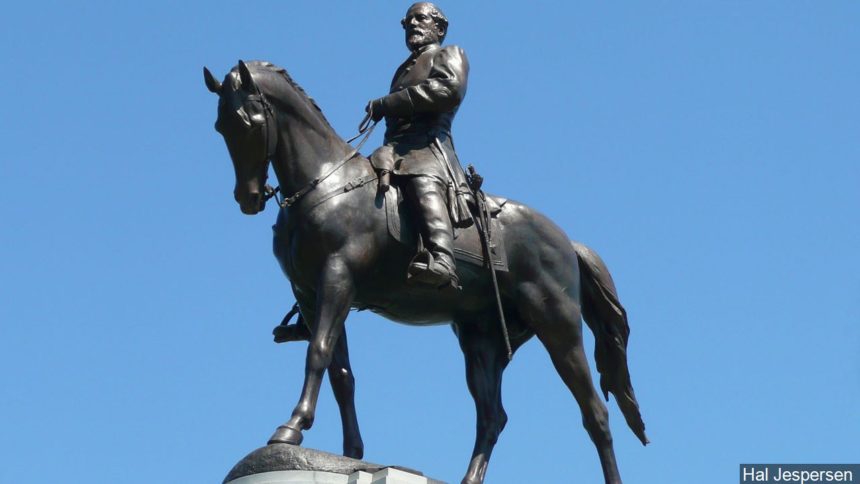
A giant statue of Confederate Gen. Robert E. Lee has remained on Monument Avenue in Richmond for more than a century. But the Supreme Court ruled on Thursday (Sept. 2) that the statue can be removed. The matter came before the court after residents of Virginia filed two suits to prevent the statue from being removed, which Gov. Ralph Northam said he would do last year.
5 residents owning property nearby the statue claim Northam has an obligation to protect and maintain the statue, as a result of a joint declaration of the Virginia General Assembly in 1889. The descendant, William Gregory, stated in his lawsuit that the state of Virginia had committed to protecting the statue faithfully and affectionately back when it was accepted.
In contrast, the court explained that the “restrictive covenants” in the 1887 and 1890 deeds do not apply anymore.
“Such covenants are unenforceable because they are contrary to public policy and because the effect they have is to force the Commonwealth to continue to express messages it no longer agrees with,” the justices wrote.
Mark Herring, Virginia’s attorney general, said that a small group of residents cannot force the state to maintain an ancient monument that does not reflect its values.
Last June, ten days after George Floyd’s murder, Northam announced his decision to remove the statue. In Richmond, the Confederacy’s capital during most of the Civil War, the statue became a focal point of racial inequality protests.
A plan for the removal of the monument is reportedly being worked on, but it was not revealed how quickly it would be removed.
This article was penned by Jonathan P. Wright. Jonathan is a freelance writer for multiple mainstream publications and CVO of RADIOPUSHERS. You can read more of his work by clicking here.



RECENT COMMENTS